Recycled Rubber Sheet Manufacturer | Engineering Guide

Engineering Guide: Recycled Rubber Sheet

Engineering Insight: Material Selection in Recycled Rubber Sheet Applications

In industrial environments, the performance of rubber components is not solely determined by physical dimensions or surface finish—it is fundamentally governed by material composition. Recycled rubber sheet, while cost-effective and sustainable, presents unique engineering challenges that demand rigorous material selection. Off-the-shelf solutions often fail because they prioritize general-purpose utility over application-specific performance. At Suzhou Baoshida Trading Co., Ltd., we emphasize that recycled rubber is not a uniform material; its behavior under stress, temperature, and chemical exposure depends on the source feedstock, degree of devulcanization, and compounding additives.

Recycled rubber typically originates from post-industrial or post-consumer waste, such as tire crumb or rejected manufacturing trim. The variability in polymer types—natural rubber (NR), styrene-butadiene rubber (SBR), or butyl rubber—introduces inconsistencies in mechanical properties. Without precise characterization and reprocessing control, these variations lead to premature failure in dynamic or load-bearing applications. For example, a recycled sheet formulated from high SBR content may exhibit excellent abrasion resistance but poor ozone resistance, rendering it unsuitable for outdoor sealing applications.

Moreover, the reprocessing method significantly influences performance. Ambient grinding preserves polymer chain length better than cryogenic methods, resulting in higher tensile strength. Devulcanization efficiency affects crosslink density, which in turn impacts compression set and resilience. Standard commercial recycled sheets often lack traceability in these parameters, increasing the risk of field failure.

Another critical factor is the presence of residual contaminants—metal fragments, textile fibers, or incompatible polymers—that compromise structural integrity. While cost-driven suppliers may minimize purification to reduce processing costs, such compromises are unacceptable in precision industrial applications. At Baoshida, we implement multi-stage filtration and magnetic separation to ensure material homogeneity, followed by batch-specific mechanical testing.

Application-specific formulation is essential. A recycled rubber sheet used in vibration damping requires high hysteresis and controlled Shore A hardness, whereas flooring or roofing membranes demand superior UV and water resistance. Using a generic sheet across these domains leads to suboptimal performance and increased lifecycle costs.

The following table outlines key performance specifications achievable through engineered recycled rubber sheet formulations, compared to typical off-the-shelf alternatives:

Property Engineered Recycled Sheet Standard Off-the-Shelf Sheet
Tensile Strength (MPa) 8–12 4–6
Elongation at Break (%) 250–350 150–200
Shore A Hardness Range 40–80 (adjustable) 50–70 (fixed)
Compression Set (22h, 70°C) ≤25% ≤40%
Abrasion Loss (mm³) ≤120 ≤200
Ozone Resistance (100 pphm, 20%) No cracking (40h) Cracking (24h)
Temperature Range (°C) -30 to +80 -20 to +60

Selecting the correct recycled rubber sheet is not a commodity decision—it is an engineering imperative. Partnering with a supplier that applies scientific rigor to material reprocessing ensures reliability, longevity, and total cost efficiency in industrial applications.


Material Specifications

recycled rubber sheet manufacturing

Material Specifications for Recycled Rubber Sheets

Suzhou Baoshida Trading Co., Ltd. delivers engineered recycled rubber sheets meeting stringent industrial performance criteria. Our formulations integrate 20–30% post-industrial recycled content without compromising mechanical integrity, validated through ASTM D2000 and ISO 37 testing protocols. Each compound undergoes rigorous batch homogenization and vulcanization control to ensure dimensional stability, tensile strength retention, and chemical resistance parity with virgin equivalents. This sustainable approach supports circular supply chains while maintaining OEM-grade reliability for critical sealing, damping, and insulation applications.

Viton recycled sheets excel in extreme chemical and thermal environments. Utilizing reclaimed fluorocarbon polymers, these sheets resist jet fuels, hydraulic fluids, and acids at concentrations up to 98%. Continuous service temperatures range from -20°C to 230°C, with intermittent peaks at 260°C. Tensile strength is maintained at 12–18 MPa, and compression set remains below 25% after 70 hours at 200°C. Ideal for aerospace gaskets, semiconductor manufacturing seals, and chemical processing linings where failure is unacceptable.

Nitrile recycled sheets target oil and fuel resistance demands. Our reclaimed acrylonitrile-butadiene formulations achieve 25–45% acrylonitrile content, balancing flexibility and hydrocarbon resistance. These sheets withstand prolonged exposure to mineral oils, greases, and aliphatic hydrocarbons at temperatures from -40°C to 125°C. Key metrics include 15–25 MPa tensile strength, 35–55% elongation, and Shore A hardness of 50–90. Commonly specified for automotive fuel system components, hydraulic seals, and industrial roller covers requiring cost-effective durability.

Silicone recycled sheets provide unmatched thermal stability across extreme ranges. Reclaimed polydimethylsiloxane compounds operate continuously from -60°C to 230°C, with short-term tolerance to 280°C. Electrical insulation resistance exceeds 1×10¹² Ω·cm, and tensile strength ranges from 6–10 MPa. Low compression set (≤20% at 200°C) ensures long-term sealing in dynamic applications. Deployed in medical device housings, LED lighting gaskets, and high-vacuum systems demanding biocompatibility and flame resistance (UL94 V-1).

Material performance comparisons are summarized below for rapid OEM evaluation:

Material Recycled Content Range Key Properties Typical Applications Temperature Range (°C) Hardness Range (Shore A)
Viton 20–30% Extreme chemical resistance, low gas permeation Aerospace seals, chemical linings -20 to 230 60–80
Nitrile 25–35% Superior oil/fuel resistance, abrasion durability Automotive fuel systems, hydraulic seals -40 to 125 50–90
Silicone 20–30% Wide thermal stability, electrical insulation Medical devices, LED lighting gaskets -60 to 230 40–70

All recycled sheets undergo traceable material certification per ISO 9001, with full batch documentation available. Suzhou Baoshida guarantees consistent durometer, tensile properties, and fluid resistance through proprietary devulcanization and reprocessing techniques. This precision engineering ensures seamless integration into existing OEM production lines while reducing environmental impact by 35% versus virgin material equivalents. Contact our technical team for application-specific formulation validation and accelerated aging test data.


Manufacturing Capabilities

recycled rubber sheet manufacturing

Engineering Capability: Precision-Driven Rubber Solutions for Industrial Applications

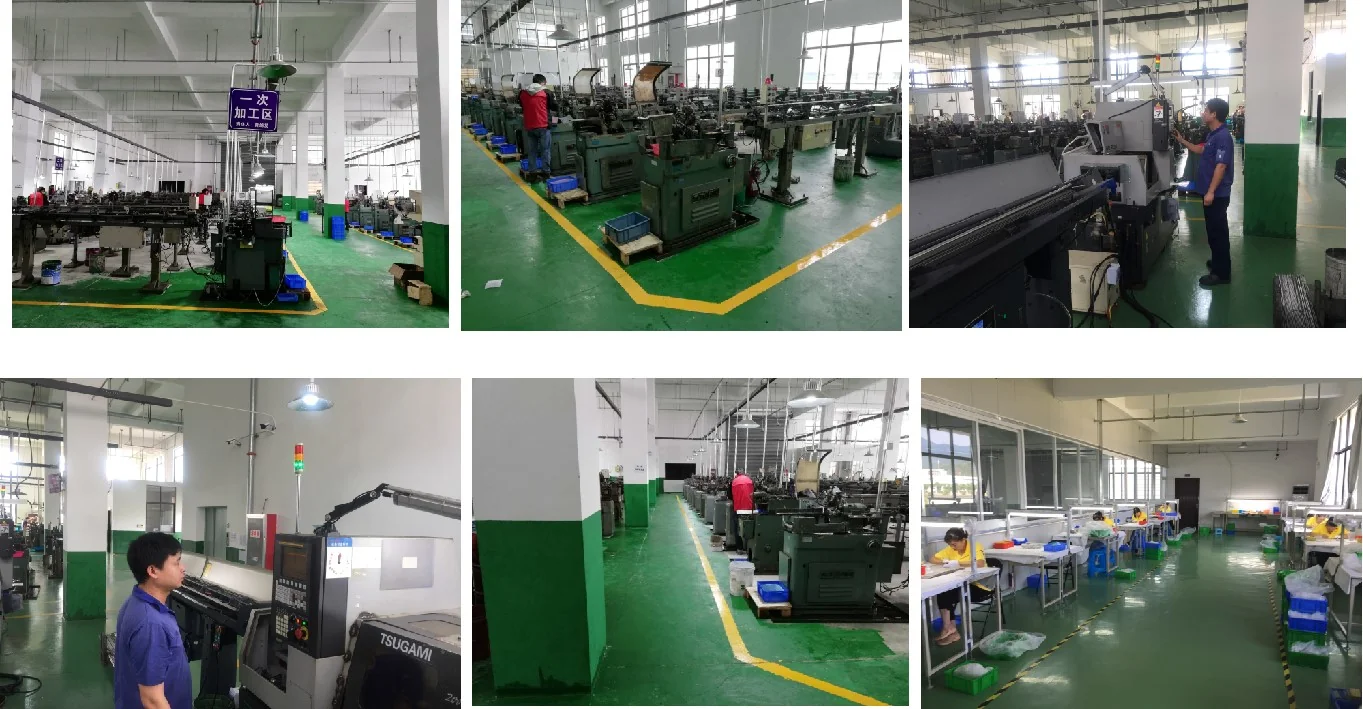
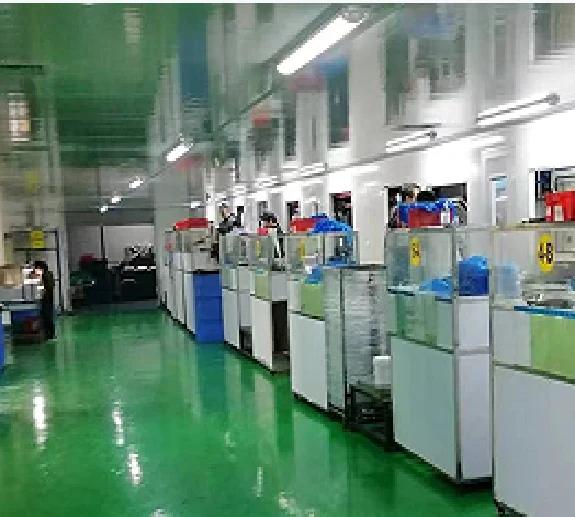
At Suzhou Baoshida Trading Co., Ltd., our engineering capability forms the backbone of our industrial rubber solutions, particularly in the development and production of high-performance recycled rubber sheets. With a dedicated team comprising five experienced mould engineers and two specialized rubber formula engineers, we maintain full in-house control over material science, design optimization, and manufacturing precision. This integrated engineering approach ensures that every recycled rubber sheet meets exacting industrial standards for durability, consistency, and functional performance.

Our formula engineers possess deep expertise in polymer chemistry and material reprocessing, enabling them to formulate proprietary rubber compounds from post-industrial and post-consumer recycled feedstocks. These formulations are engineered to balance critical properties such as tensile strength, compression set resistance, abrasion resistance, and thermal stability—without compromising on sustainability. Each compound is subjected to rigorous laboratory testing, including rheometry, hardness profiling, and accelerated aging cycles, to validate performance under real-world operating conditions. This scientific approach allows us to tailor recycled rubber sheets to specific industrial requirements, including vibration damping, sealing, insulation, and impact absorption.

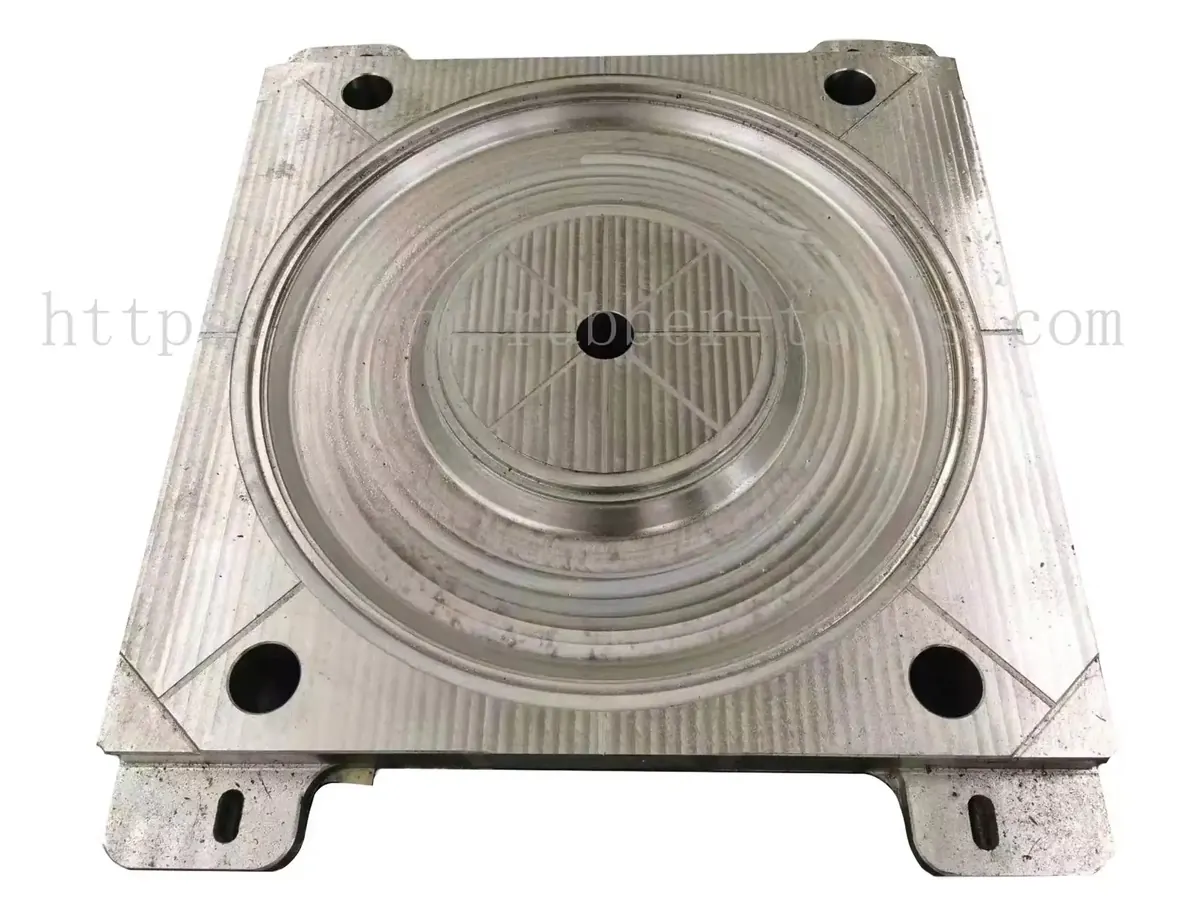
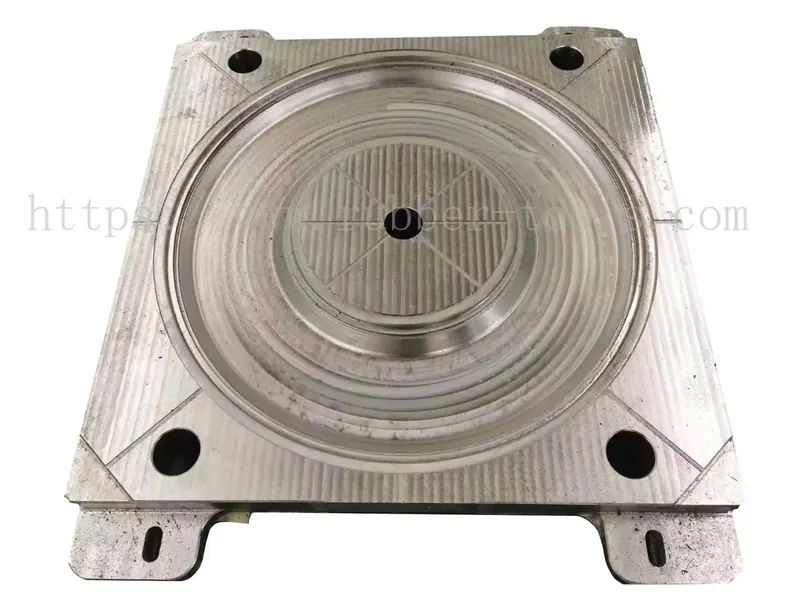
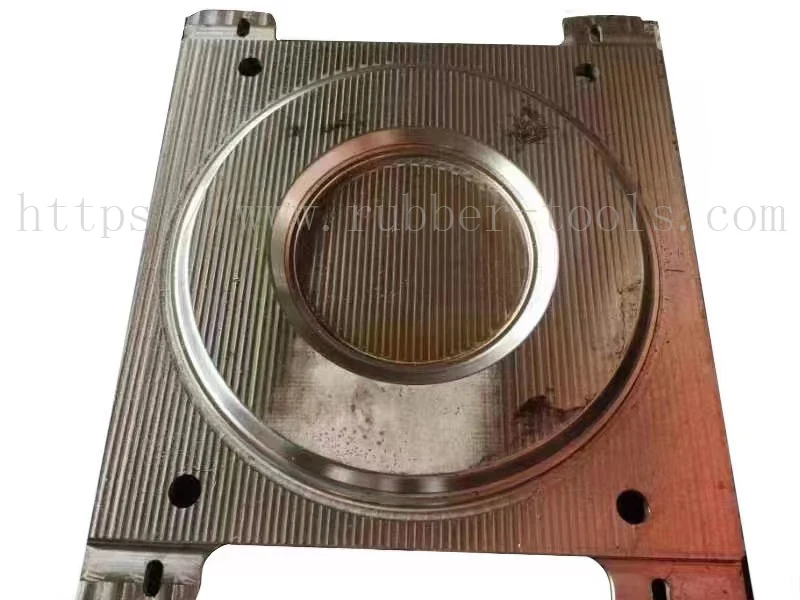
Complementing our formulation expertise, our five mould engineers bring precision to the physical realization of rubber components. They are responsible for designing, refining, and maintaining the tooling systems used in compression, transfer, and injection moulding processes. By leveraging CAD/CAM software and finite element analysis (FEA), our team optimizes mould geometry for uniform material flow, minimal flash, and dimensional accuracy. This ensures consistent part-to-part repeatability, even in high-volume production runs.

Suzhou Baoshida excels in OEM manufacturing, offering end-to-end support from concept validation to mass production. Our engineers collaborate directly with clients to interpret technical drawings, reverse-engineer legacy components, and recommend material and design improvements. Whether producing standard sheets or custom-profiled rubber parts, we maintain tight tolerances and adhere to international quality benchmarks, including ISO 9001 protocols.

The following table outlines key technical specifications achievable with our recycled rubber sheet production platform:

Property Typical Value Range Test Standard
Hardness (Shore A) 40–90 ASTM D2240
Tensile Strength 5–12 MPa ASTM D412
Elongation at Break 150–350% ASTM D412
Compression Set (24h @ 70°C) ≤ 25% ASTM D395
Temperature Resistance -30°C to +80°C (standard) ASTM D573
Specific Gravity 1.10–1.35 g/cm³ ASTM D297
Colour Options Black, grey, custom tints

Through the synergy of advanced formulation science and precision mould engineering, Suzhou Baoshida delivers recycled rubber sheets that meet the demanding requirements of automotive, construction, machinery, and industrial equipment sectors. Our OEM capabilities ensure scalable, reliable, and sustainable rubber solutions—engineered to perform.


Customization Process

recycled rubber sheet manufacturing

Customization Process for Recycled Rubber Sheets at Suzhou Baoshida Trading Co., Ltd.

At Suzhou Baoshida Trading Co., Ltd., our recycled rubber sheet customization follows a rigorously controlled engineering sequence to ensure performance parity with virgin materials while maximizing sustainability. This process begins with meticulous drawing analysis, where our technical team evaluates client-provided CAD files or sketches against ISO 2768 geometric dimensioning and tolerancing standards. Critical parameters such as thickness tolerances (±0.2 mm for sheets under 5 mm), dimensional stability requirements, and edge finish specifications are cross-referenced with material behavior models. We identify potential stress concentration points and validate feasibility against the inherent properties of recycled rubber compounds, ensuring designs accommodate typical elongation characteristics without compromising structural integrity.

Formulation engineering constitutes the core innovation phase. Leveraging our proprietary database of 200+ recycled rubber batches, we select post-industrial scrap streams (primarily EPDM, SBR, and NR) matching the required thermal resistance, chemical exposure, and mechanical load profiles. Each batch undergoes Fourier-transform infrared spectroscopy (FTIR) to confirm polymer composition and absence of contaminants. Compounding parameters are optimized using Mooney viscometry data to achieve target scorch safety (T5 > 12 min at 125°C) and cure kinetics. Key additives—reinforcing silica, sustainable plasticizers, and peroxide crosslinkers—are dosed to balance tensile strength, compression set, and recyclate content (typically 70–90%). This phase concludes with predictive finite element analysis simulating real-world deformation.

Prototyping employs precision hydraulic presses (200–1000 tons) with temperature-controlled platens (±1.5°C) to produce 3–5 validation samples. Each prototype undergoes accelerated aging per ASTM D573, fluid immersion testing (ASTM D471), and dynamic mechanical analysis (DMA) to verify resilience at -40°C to 120°C. Client-specific performance metrics—such as Shore A hardness tolerance (±3 points) or ozone resistance (ASTM D1149)—are validated before release. Feedback loops allow compound adjustments within 72 hours, minimizing iteration cycles.

Mass production integrates full traceability via batch-coded RFID tags, tracking scrap origin, mixing logs, and cure profiles. In-line laser micrometers monitor thickness continuity (resolution ±0.05 mm), while automated vision systems inspect surface defects per ISO 4649. Every 500 kg batch undergoes destructive testing against the approved prototype’s mechanical baseline. Our closed-loop quality management system ensures <0.5% non-conformance rate, with real-time rheometer data feeding back to the Banbury mixer controls.

Recycled Rubber Sheet Performance Specifications

Property Test Standard Typical Range (Recycled) Virgin Rubber Equivalent
Tensile Strength (MPa) ASTM D412 8.0–15.0 12.0–22.0
Elongation at Break (%) ASTM D412 150–350 250–600
Hardness (Shore A) ASTM D2240 40–90 30–95
Compression Set (%) ASTM D395 15–35 (70°C/22h) 10–25
Tear Strength (kN/m) ASTM D624 15–40 25–60
Typical Recycled Content Internal Audit 70–90% 0%

This systematic approach guarantees that Suzhou Baoshida’s recycled rubber sheets meet exacting industrial demands without sacrificing circular economy principles. All processes comply with ISO 9001:2015 and ISO 14001 frameworks, providing OEMs with certified sustainable performance.


Contact Engineering Team

recycled rubber sheet manufacturing

For industrial manufacturers seeking high-performance, cost-effective, and sustainable rubber solutions, Suzhou Baoshida Trading Co., Ltd. stands at the forefront of innovation and supply chain reliability. As a trusted OEM manager and rubber formulation engineer, we specialize in engineered recycled rubber sheets tailored to meet rigorous industrial demands. Our advanced compounding techniques ensure that every batch of recycled rubber maintains structural integrity, durability, and performance characteristics comparable to virgin materials—without compromising environmental responsibility.

Recycled rubber sheets from Suzhou Baoshida are produced using precision-controlled devulcanization and reprocessing technologies. These processes allow us to reclaim post-industrial and post-consumer rubber waste—primarily from EPDM, SBR, and NR sources—and transform it into high-quality sheeting suitable for automotive gaskets, flooring underlays, conveyor linings, vibration dampers, and industrial sealing applications. Each product is formulated to balance tensile strength, compression set resistance, and thermal stability, ensuring long-term functionality in dynamic operating environments.

We understand that industrial clients require more than just materials—they demand consistency, traceability, and responsive technical support. At Suzhou Baoshida, we offer full formulation transparency, batch-specific quality documentation, and on-demand material testing reports. Our engineering team collaborates directly with clients to customize hardness (Shore A), thickness tolerance, color, and performance additives such as UV stabilizers, flame retardants, or anti-static agents. Whether you require 500 kg or 50 metric tons per month, our production network ensures stable supply with lead times optimized for global logistics.

Below are key technical specifications for our standard recycled rubber sheet offering:

Property Test Method Typical Value
Hardness (Shore A) ASTM D2240 40 – 80 ±5
Tensile Strength ASTM D412 ≥ 5.0 MPa
Elongation at Break ASTM D412 ≥ 150%
Compression Set (22 hrs, 70°C) ASTM D395 ≤ 25%
Thickness Tolerance ISO 3302 ±0.2 mm to ±1.0 mm
Temperature Range -40°C to +100°C
Material Source Post-industrial EPDM, SBR, NR
Available Forms Rolls, Sheets, Custom Cut

For project-specific requirements or technical consultations, we invite you to contact Mr. Boyce, our dedicated OEM and Engineering Liaison. Mr. Boyce brings over 12 years of experience in rubber compounding and industrial supply chain coordination, ensuring your technical needs are met with precision and speed. He is available to discuss material compatibility, sample provisioning, volume pricing, and regulatory compliance—including RoHS and REACH documentation.

To initiate a technical discussion or request a sample kit, please reach out directly via email at [email protected]. We respond to all inquiries within 4 business hours and offer virtual technical meetings for global partners. At Suzhou Baoshida Trading Co., Ltd., we don’t just supply rubber—we engineer performance-driven, sustainable solutions that scale with your production goals.


⚖️ O-Ring Weight Calculator

Estimate rubber O-ring weight (Approx).


Recycled Rubber Sheet Manufacturer | Engineering Guide

Contents of Table

Contact [email protected] Whatsapp 86 15951276160