Non Skid Shelf Liner Manufacturer | Engineering Guide

Engineering Guide: Non Skid Shelf Liner

non skid shelf liner manufacturing

Engineering Insight: Non Skid Shelf Liner Material Selection Criticality

Generic non skid shelf liners represent a significant risk in industrial material handling environments. Off-the-shelf solutions frequently fail due to fundamental shortcomings in rubber compound design, leading to costly operational disruptions, product damage, and safety hazards. The core issue lies in the misapplication of standardized, often cost-driven formulations that lack the specific engineering required for demanding warehouse and logistics applications. Material selection is not merely a procurement decision; it is a critical engineering parameter defining performance longevity and functional reliability.

Material Failure Mechanisms in Commodity Liners
Standard commodity liners typically utilize low-cost, high-fill natural rubber or SBR compounds with inadequate attention to dynamic friction properties and long-term resilience. These formulations suffer from excessive compression set under sustained load, causing permanent deformation and loss of the critical micro-textured surface profile essential for grip. Simultaneously, their static and dynamic coefficients of friction are often poorly balanced; insufficient dynamic friction fails to prevent load shifting during transport vibrations, while overly high static friction can damage delicate packaging during placement. Furthermore, these generic compounds frequently lack resistance to common industrial contaminants like oils, plasticizers from packaging, or cleaning agents, accelerating surface degradation and grip loss. Temperature fluctuations common in uncontrolled warehouse environments exacerbate these issues, causing hardening or excessive softening.

Engineered Performance Through Compound Design
Suzhou Baoshida Trading Co., Ltd. addresses these failures through precision rubber formulation. Our engineered non skid liners utilize proprietary blends of synthetic elastomers (such as specialized NBR or EPDM variants) optimized for the target application environment. Key additives—including specific silica fillers and controlled plasticizer systems—are meticulously balanced to achieve:
A dynamic coefficient of friction exceeding 0.80 under load to prevent shifting during transit.
Optimal Shore A hardness (typically 55-70) ensuring sufficient surface conformity without permanent deformation.
Exceptional compression set resistance (<15% per ASTM D395) maintaining structural integrity over years of service.
Tailored chemical resistance profiles matching specific exposure risks.

This scientific approach ensures consistent hysteresis properties, providing reliable grip across temperature ranges (-20°C to +80°C) and resisting degradation from common warehouse contaminants. The result is a liner that performs predictably under real-world dynamic loads, not just static bench tests.

The following table contrasts critical performance specifications between generic commodity liners and Suzhou Baoshida’s engineered solutions:

Parameter Generic Commodity Liner Suzhou Baoshida Engineered Liner
Polymer Base High-Fill SBR/NR Blend Optimized NBR/EPDM Hybrid
Shore A Hardness 45-50 (Variable) 60 ± 3 (Controlled)
Static CoF (Dry) 1.10 – 1.30 0.95 – 1.05
Dynamic CoF (Dry) 0.55 – 0.70 0.82 – 0.90
Compression Set (22h/70°C) 35% – 50% < 15%
Temp Range (°C) -10 to +60 -20 to +80
Chemical Resistance Poor (Oils, Plast.) Excellent (Customizable)

Suzhou Baoshida’s OEM methodology begins with client application analysis, followed by laboratory validation of friction dynamics and environmental resistance under simulated operational stresses. We reject one-size-fits-all solutions, instead formulating compounds where material science directly translates to operational uptime and load security. Partnering with our technical team ensures your non skid shelf liner is an engineered component, not a disposable commodity. Contact our OEM engineering group to specify a solution validated for your unique material flow challenges.


Material Specifications

non skid shelf liner manufacturing

The selection of appropriate elastomeric materials for non skid shelf liner applications is critical in ensuring optimal performance under diverse industrial conditions. At Suzhou Baoshida Trading Co., Ltd., our engineered rubber solutions are designed to deliver superior grip, durability, and chemical resistance across a broad range of environments. The three primary elastomers employed in our non skid shelf liner formulations—Viton, Nitrile (NBR), and Silicone—each offer distinct performance characteristics tailored to specific operational demands. Understanding their material properties enables OEMs and industrial partners to make informed decisions based on temperature exposure, chemical compatibility, mechanical stress, and regulatory compliance.

Viton, a fluorocarbon-based rubber, is renowned for its exceptional resistance to high temperatures, oils, fuels, and aggressive chemicals. This makes it ideal for use in automotive, aerospace, and heavy industrial storage systems where exposure to hydrocarbons and elevated operating temperatures is common. Viton-based shelf liners maintain structural integrity from -20°C to +200°C, with short-term resistance up to 250°C. Its inherent durability and low compression set ensure long-term reliability, although it carries a higher material cost compared to alternatives.

Nitrile rubber, or Buna-N, offers excellent resistance to aliphatic hydrocarbons, greases, and oils, making it a cost-effective solution for general industrial and automotive applications. With a service temperature range of -30°C to +100°C, Nitrile provides strong mechanical properties and abrasion resistance. It is particularly suited for environments where exposure to engine oils, hydraulic fluids, and solvents is expected. While not as thermally stable as Viton, Nitrile delivers a balanced performance profile for mid-range operational conditions.

Silicone rubber excels in extreme temperature environments, functioning reliably from -60°C to +230°C. It demonstrates outstanding resistance to ozone, UV radiation, and weathering, making it ideal for outdoor storage units or temperature cycling applications. Silicone also meets stringent food-grade and medical standards (e.g., FDA, USP Class VI), enabling deployment in cleanroom, pharmaceutical, and food processing settings. However, it exhibits lower tensile strength and abrasion resistance compared to Viton and Nitrile, necessitating careful evaluation in high-wear scenarios.

The following table summarizes key physical and chemical properties of these materials as applied in non skid shelf liner manufacturing.

Property Viton Nitrile (NBR) Silicone
Temperature Range (°C) -20 to +200 -30 to +100 -60 to +230
Tensile Strength (MPa) 12–18 10–20 5–9
Elongation at Break (%) 200–300 250–400 200–600
Hardness (Shore A) 60–90 50–90 30–80
Resistance to Oils/Fuels Excellent Excellent Poor
Resistance to Ozone/UV Excellent Good Excellent
Compression Set Resistance Excellent Good Fair
FDA Compliance Limited grades No Yes (specific grades)

Material selection must be aligned with the operational environment, lifecycle expectations, and regulatory requirements of the end application. Suzhou Baoshida Trading Co., Ltd. provides customized formulation and testing support to ensure optimal material pairing for non skid performance, safety, and longevity.


Manufacturing Capabilities

non skid shelf liner manufacturing

Engineering Capability: Precision Rubber Formulation and OEM Execution for Non Skid Shelf Liners

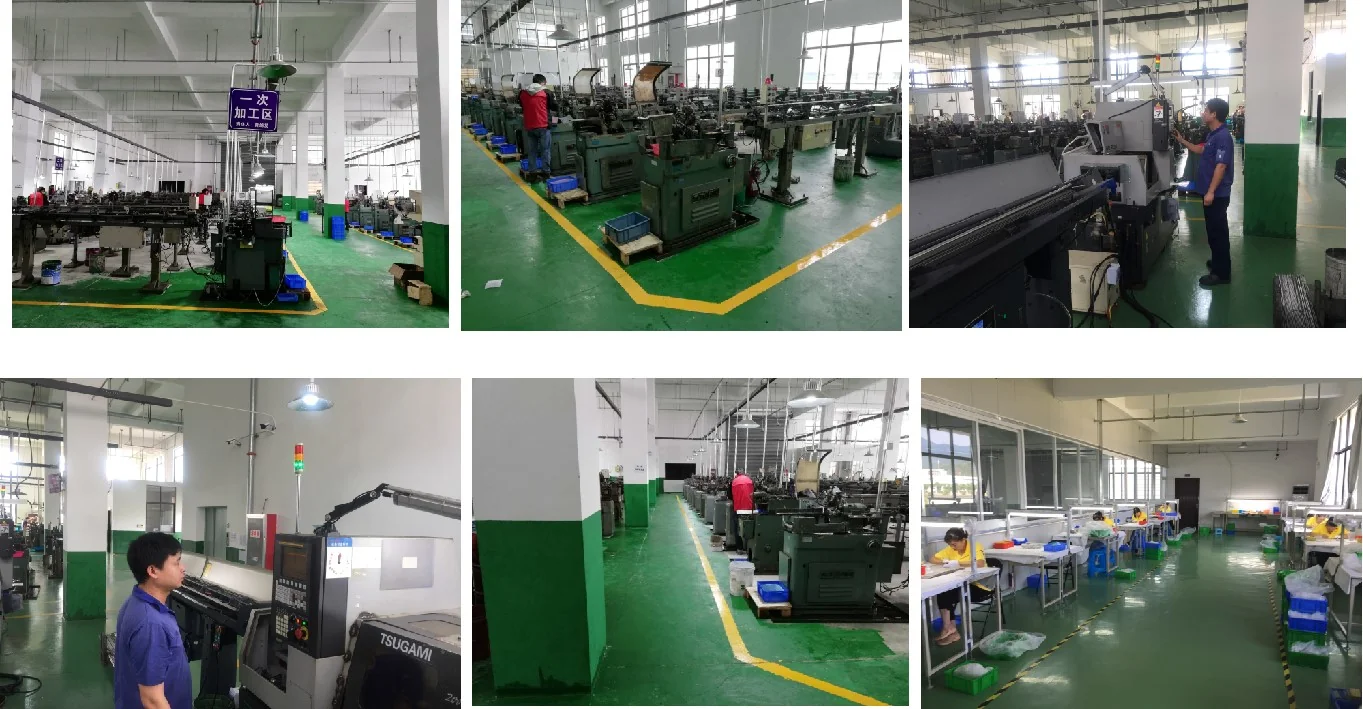
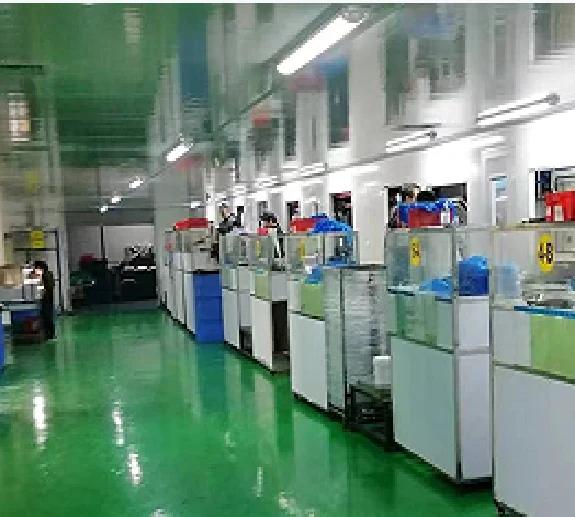
Suzhou Baoshida Trading Co., Ltd. delivers engineered non skid shelf liner solutions grounded in deep material science and advanced manufacturing expertise. Our core strength lies in the seamless integration of rubber chemistry and precision tooling, directly addressing the critical performance demands of industrial and commercial storage applications. We move beyond generic commodity production through dedicated engineering resources focused exclusively on optimizing functionality, durability, and manufacturability.

Our team comprises two specialized Rubber Formula Engineers with extensive experience in elastomer compounding for functional surface properties. They meticulously develop and refine proprietary polymer blends targeting maximum static and dynamic coefficient of friction across diverse substrates and environmental conditions. This involves precise control over filler dispersion, crosslink density, and surface energy modulation to ensure consistent slip resistance without compromising critical attributes like tensile strength, tear resistance, or low-temperature flexibility. Each formulation undergoes rigorous laboratory validation for wear life, chemical resistance, and adhesion stability before progressing to production, guaranteeing performance meets exacting OEM specifications.

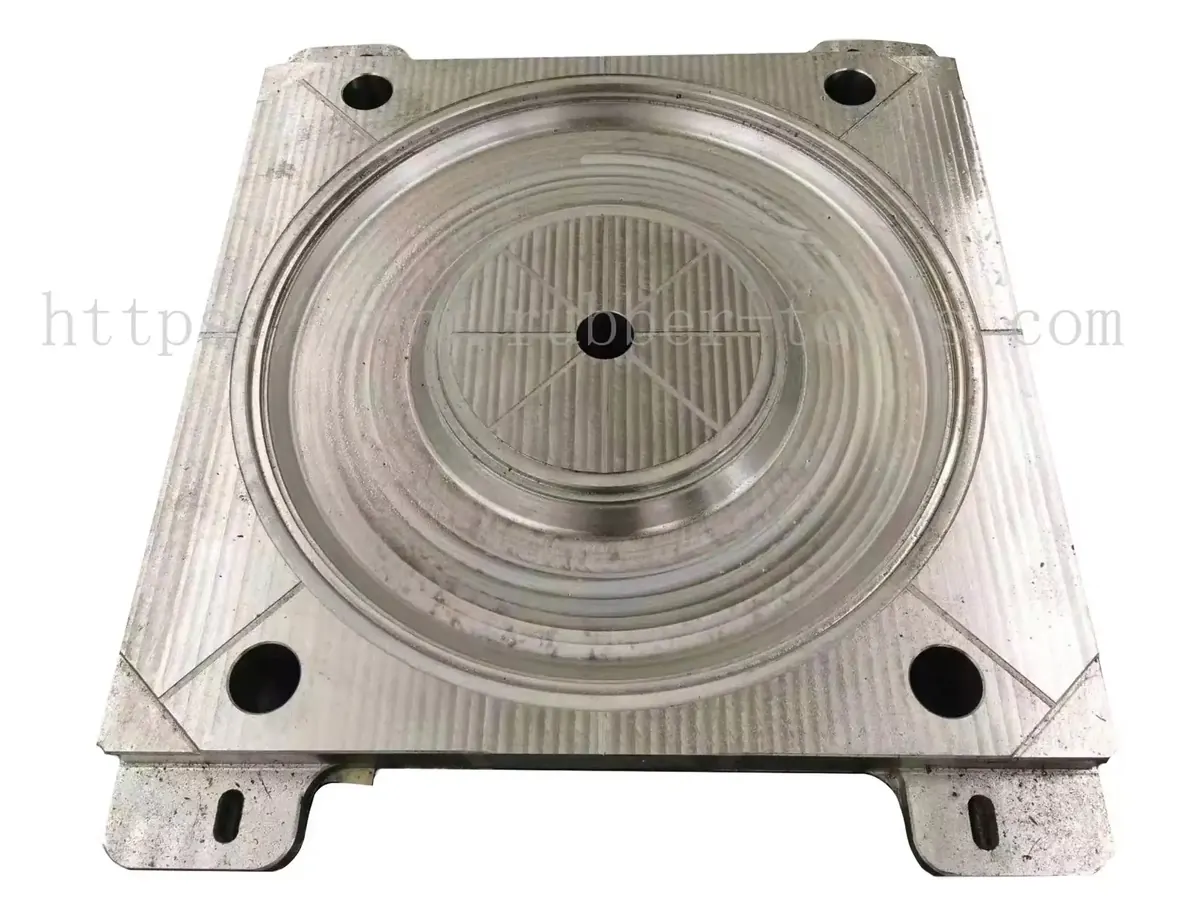
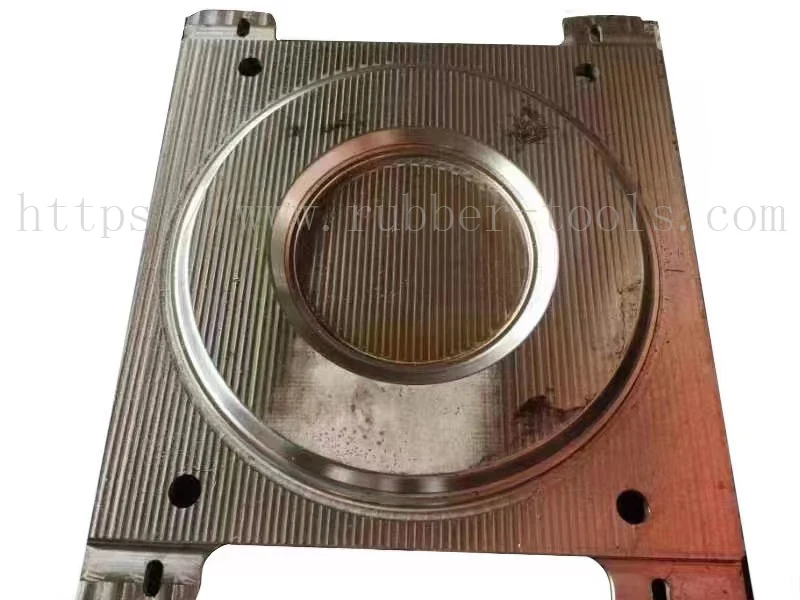
Complementing this material science foundation are five dedicated Mould Engineers specializing in rubber compression and transfer molding processes. They translate complex functional requirements into high-precision tooling solutions capable of consistently reproducing intricate surface textures – from fine micro-grip patterns to aggressive directional treads – essential for optimal non skid performance. Their expertise minimizes common production challenges such as flash, incomplete cavity filling, or dimensional instability, directly enhancing yield rates and product uniformity. Close collaboration between formula and mould engineering teams ensures the rubber compound’s flow characteristics and curing kinetics are perfectly synchronized with the tool design, eliminating production bottlenecks.

This integrated engineering approach is the cornerstone of our robust OEM capability. We partner with clients from initial concept through mass production, providing full technical support for material selection, design for manufacturability (DFM) analysis, tooling validation, and process optimization. Our engineers proactively identify potential failure modes during development, significantly reducing time-to-market and mitigating costly rework. Suzhou Baoshida manages the entire supply chain with stringent quality control protocols, ensuring every meter of shelf liner adheres to the agreed performance criteria and dimensional tolerances.

The table below illustrates the performance spectrum achievable through our engineered formulations, demonstrating how targeted chemistry delivers specific functional outcomes for diverse client needs.

Performance Parameter Standard Formulation Range Custom Engineered Solution Range Key Application Benefit
Shore A Hardness 50 – 70 35 – 85 Optimized grip vs. cushioning balance
Static Coefficient of Friction (vs. Steel) 0.8 – 1.2 1.3 – 1.8+ Enhanced load stability on metal shelving
Operating Temperature Range -20°C to +80°C -40°C to +120°C Reliability in cold storage or warm climates
Tensile Strength (MPa) 8 – 12 15 – 25 Superior resistance to tearing during use
Abrasion Loss (mm³) ≤ 120 ≤ 60 Extended service life under heavy traffic

Suzhou Baoshida’s engineering-driven methodology ensures non skid shelf liners are not merely functional commodities but precisely calibrated performance components. By leveraging our combined formula and mould engineering expertise within a disciplined OEM framework, we deliver solutions that enhance end-user safety, reduce product damage, and provide measurable operational value through superior durability and consistency. Partner with us for technically validated, production-ready rubber solutions engineered for real-world performance.


Customization Process

non skid shelf liner manufacturing

Drawing Analysis

The customization process for non skid shelf liner begins with precise drawing analysis, a critical phase that ensures dimensional accuracy and functional compatibility. At Suzhou Baoshida Trading Co., Ltd., engineering teams evaluate client-provided technical drawings or CAD models to confirm critical parameters such as thickness tolerance, surface profile, length, width, and any embossed or die-cut features. This stage also includes material boundary definition, identifying zones requiring enhanced grip, abrasion resistance, or chemical stability. Our engineers cross-reference the design with existing mold libraries and manufacturing capabilities to assess feasibility, lead time, and tooling requirements. Any discrepancies or optimization opportunities are communicated directly to the client for approval before progression.

Formulation Development

Following drawing validation, our rubber formula engineers initiate material formulation tailored to the application environment. Non skid shelf liners require a balance of coefficient of friction, resilience, and substrate adhesion. We select base polymers such as SBR (Styrene-Butadiene Rubber), NBR (Nitrile Butadiene Rubber), or EPDM based on performance demands including temperature range, oil resistance, and aging properties. Additives including fillers, plasticizers, vulcanizing agents, and anti-slip particulates are precisely compounded to achieve target hardness (Shore A 40–70), tensile strength, and static/dynamic friction coefficients. All formulations comply with industrial safety and environmental standards, including REACH and RoHS. Small-batch lab mixing validates dispersion quality and preliminary physical properties prior to prototyping.

Prototyping and Validation

Once the formulation is finalized, prototype production commences using pilot-scale calendering or extrusion lines. Prototypes are fabricated to exact client dimensions and surface textures, enabling real-world testing. We conduct rigorous in-house evaluations including peel adhesion (to common substrates like steel, aluminum, and laminates), load-bearing slip tests, and accelerated aging under humidity and thermal cycling. Clients receive sample sets with full test reports for independent verification. Feedback is integrated swiftly, with formulation or process adjustments made within 5–7 days, ensuring rapid iteration to final specification.

Mass Production

Upon prototype approval, the project transitions to automated mass production. Our facility employs continuous vulcanization lines, precision die-cutting, and inline quality monitoring systems to maintain consistency across large batches. Every roll or sheet undergoes 100% visual inspection and periodic mechanical testing per ASTM D412, D624, and D1894. Packaging is customized to client logistics needs, including roll winding direction, core size, labeling, and pallet configuration.

Typical physical properties of our standard non skid shelf liner formulations are shown below:

Property Test Method Typical Value Range
Hardness (Shore A) ASTM D2240 45–65
Tensile Strength ASTM D412 8–14 MPa
Elongation at Break ASTM D412 250–400%
Tear Resistance ASTM D624 25–40 kN/m
Static Coefficient of Friction ASTM D1894 0.8–1.4 (vs. steel)
Thickness Tolerance Custom ±0.1 to ±0.3 mm
Operating Temperature Range -20°C to +80°C

This structured approach ensures that every custom non skid shelf liner meets exact functional, regulatory, and logistical requirements.


Contact Engineering Team

non skid shelf liner manufacturing

Contact Suzhou Baoshida for Precision Non Skid Shelf Liner Solutions

Suzhou Baoshida Trading Co., Ltd. operates at the intersection of advanced rubber compounding and industrial application engineering. Our non skid shelf liners are not generic commodities but engineered solutions designed to mitigate load shifting, prevent product damage, and enhance warehouse operational efficiency. Leveraging proprietary polymer matrices and rigorous quality control protocols, we deliver liners with consistent coefficient of friction, dimensional stability, and longevity under dynamic load conditions. For OEMs and industrial supply chain partners, this translates to reduced product loss, optimized space utilization, and compliance with stringent safety standards across global logistics networks.

The technical performance of our liners is defined by precise material specifications, ensuring compatibility with diverse substrates and environmental exposures. Below is a representative specification profile for our standard OEM-grade non skid shelf liner. All parameters are validated per ASTM D2240, D412, and ISO 813 methodologies, with full traceability to raw material batch records.

Property Standard Value Test Method Customization Range
Durometer (Shore A) 60 ± 5 ASTM D2240 45–75 Shore A
Thickness Tolerance ±0.1 mm ISO 23529 0.8–3.0 mm
Coefficient of Friction ≥0.8 (static) ASTM D1894 0.6–1.2
Temperature Range -40°C to +80°C ISO 188 -55°C to +100°C
Tensile Strength ≥8.0 MPa ASTM D412 5.0–15.0 MPa
Elongation at Break ≥300% ASTM D412 200%–500%
Peel Adhesion 1.5 N/mm PSTC-101 0.8–2.5 N/mm
Roll Length 50 m ISO 2230 25–100 m

Customization is our operational core. We reformulate base compounds to meet specific client requirements for chemical resistance, static dissipation, or regulatory compliance (e.g., FDA 21 CFR 177.2600 for indirect food contact, REACH/ROHS). Our engineering team collaborates directly with your R&D and procurement departments to align liner performance with your shelving system dynamics, load profiles, and geographic deployment zones. This eliminates the trial-and-error phase typical with off-the-shelf alternatives, accelerating time-to-market for your integrated storage solutions.

Initiate a technical consultation to resolve your unique material handling challenges. Contact Mr. Boyce, our dedicated OEM Account Manager, who possesses 14 years of experience in rubber formulation for industrial applications. He will facilitate a structured dialogue covering your performance thresholds, volume requirements, and integration specifications. Provide your current liner failure modes or environmental stressors, and we will deliver a data-driven proposal with material samples validated against your operational parameters.

Do not compromise on a component critical to supply chain integrity. Email Mr. Boyce at [email protected] with subject line “Non Skid Shelf Liner Technical Inquiry – [Your Company Name]” to schedule a confidential engineering review. Include your target durometer, substrate type, and peak load conditions for immediate analysis. Suzhou Baoshida commits to a 48-hour technical response window, ensuring your procurement timeline remains uncompromised. Partner with us to transform shelf liner functionality from a cost center into a measurable asset for operational resilience.


⚖️ O-Ring Weight Calculator

Estimate rubber O-ring weight (Approx).


Non Skid Shelf Liner Manufacturer | Engineering Guide

Contents of Table

Contact [email protected] Whatsapp 86 15951276160