1 1/4 Inch Rubber Grommet Manufacturer | Engineering Guide

Engineering Guide: 1 1/4 Inch Rubber Grommet

1 1/4 inch rubber grommet manufacturing

Engineering Insight: Material Science Imperatives for 1 1/4 Inch Rubber Grommets

The nominal dimension 1 1/4 inch represents only the physical interface requirement for a rubber grommet. Its functional longevity and performance integrity in demanding industrial applications are overwhelmingly dictated by polymer chemistry and compounding precision. Off-the-shelf grommets, often formulated for lowest cost and broadest market appeal, consistently fail under specific operational stresses because they lack the tailored material properties essential for the application environment. Material selection is not a secondary consideration; it is the foundational engineering parameter determining grommet survival.

Standard commercial grommets typically utilize generic Nitrile Butadiene Rubber (NBR) or low-grade Ethylene Propylene Diene Monomer (EPDM) compounds optimized for basic sealing and cost. These materials exhibit critical vulnerabilities when exposed to application-specific challenges such as sustained high temperatures, aggressive chemical exposure, prolonged UV/ozone, or dynamic mechanical loading. For instance, generic NBR degrades rapidly above 100°C or when contacting phosphate ester hydraulic fluids, while basic EPDM suffers catastrophic swelling in petroleum-based oils. The industrial reality is that a grommet failing due to material inadequacy causes far greater downstream costs – equipment downtime, fluid leaks, component damage – than the marginal price difference of a correctly engineered solution. Material failure modes like hardening, cracking, excessive compression set, or chemical dissolution are rarely due to the grommet size; they stem directly from inappropriate polymer selection and inadequate compounding.

The following table outlines critical performance characteristics of common grommet elastomers, highlighting why generic solutions fail and where specific materials excel for the 1 1/4 inch size in demanding roles:

Material Type Temperature Range (°C) Key Fluid Resistance Key Failure Modes in Generic Formulations
Standard NBR -30 to +100 Mineral oils, greases, water Swelling in esters/aromatics; Hardening above 100°C; Ozone cracking
High-AcN NBR -30 to +125 Fuels, hydraulic fluids (petroleum) Poor low-temp flexibility; Limited ozone resistance
Standard EPDM -50 to +135 Water, steam, alkalis, ketones, brake fluid Swelling in oils/fuels; Poor abrasion resistance
Peroxide-Cured EPDM -55 to +150 Enhanced steam/chemical resistance Higher cost; Processing complexity
Silicone (VMQ) -60 to +200 Extreme temp stability; ozone; water Poor tear strength; Swelling in oils; High cost
Fluorocarbon (FKM) -20 to +230 Broad chemical resistance; fuels; oils Very high cost; Poor low-temp performance

Suzhou Baoshida Trading Co., Ltd. addresses this critical gap through application-driven material engineering. We reject the one-size-fits-all approach. Our process begins with a rigorous analysis of the operational environment: fluid types, temperature extremes, dynamic stresses, regulatory requirements (e.g., FDA, UL), and lifecycle expectations. Leveraging our compounding expertise, we formulate bespoke elastomer solutions – whether optimizing NBR acrylonitrile content, selecting specific EPDM terpolymers with superior saturation, incorporating advanced stabilizers for UV resistance, or utilizing specialty polymers like FFKM for extreme chemical service. For the 1 1/4 inch grommet, this means the material precisely matches the 31.75mm ID/OD requirement and delivers the necessary chemical resistance, thermal stability, and mechanical resilience for the specific application. This precision-engineered approach eliminates the costly failures inherent in generic off-the-shelf alternatives, ensuring optimal performance and reliability in your industrial systems. Material selection is the decisive factor between a temporary plug and a permanent solution.


Material Specifications

1 1/4 inch rubber grommet manufacturing

Material Specifications for 1 1/4 Inch Rubber Grommet

The selection of appropriate elastomeric material is critical for ensuring optimal performance, longevity, and compatibility in industrial applications involving 1 1/4 inch rubber grommets. At Suzhou Baoshida Trading Co., Ltd., we offer precision-engineered grommets manufactured from three high-performance rubber compounds: Viton (FKM), Nitrile (NBR), and Silicone (VMQ). Each material exhibits distinct thermal, chemical, and mechanical properties tailored to specific operational environments.

Viton grommets deliver exceptional resistance to high temperatures, aggressive chemicals, oils, and fuels. With a continuous service temperature range up to 200°C (392°F), Viton is ideal for aerospace, automotive, and chemical processing applications where exposure to harsh substances such as aromatic hydrocarbons, chlorinated solvents, and strong acids is common. Its low gas permeability and excellent aging characteristics ensure long-term sealing integrity under extreme conditions. However, Viton has limited flexibility at low temperatures and higher material cost compared to alternatives.

Nitrile rubber grommets are widely used in industrial and hydraulic systems due to their outstanding resistance to petroleum-based oils, greases, and fuels. Operating effectively within a temperature range of -30°C to 100°C (-22°F to 212°F), NBR offers good abrasion resistance and mechanical strength, making it suitable for dynamic sealing applications. While cost-effective and durable, Nitrile exhibits reduced performance in ozone-rich environments and has limited resistance to weathering and polar solvents.

Silicone rubber grommets provide superior flexibility and thermal stability across an extended temperature range from -60°C to 200°C (-76°F to 392°F). They demonstrate excellent resistance to UV radiation, ozone, and weathering, making them ideal for outdoor, medical, and electrical insulation applications. Silicone is inherently low in toxicity and meets many regulatory standards for food and biomedical use. However, it has lower tensile strength and abrasion resistance compared to Nitrile and Viton, and is not recommended for continuous exposure to petroleum-based fluids.

Selection of the appropriate material must consider fluid compatibility, temperature extremes, mechanical stress, and regulatory requirements. Suzhou Baoshida Trading Co., Ltd. ensures all grommets are manufactured to stringent quality standards with consistent durometer ratings (typically 70±5 Shore A) and precise dimensional tolerances to meet OEM specifications.

Material Comparison Table

Property Viton (FKM) Nitrile (NBR) Silicone (VMQ)
Temperature Range (°C) -20 to 200 -30 to 100 -60 to 200
Temperature Range (°F) -4 to 392 -22 to 212 -76 to 392
Durometer (Shore A) 70 ± 5 70 ± 5 70 ± 5
Tensile Strength (MPa) 15–20 10–15 6–8
Elongation at Break (%) 200–300 250–350 400–600
Resistance to Oils/Fuels Excellent Excellent Poor
Resistance to Ozone/UV Excellent Fair Excellent
Resistance to Water/Steam Good Fair Good
Resistance to Acids/Alkalis Excellent Moderate Moderate
Electrical Insulation Good Moderate Excellent
Typical Applications Aerospace, Chemical, Oil & Gas Automotive, Hydraulics, Machinery Medical, Electronics, Outdoor Equipment

Manufacturing Capabilities

1 1/4 inch rubber grommet manufacturing

Engineering Excellence in Precision Grommet Manufacturing

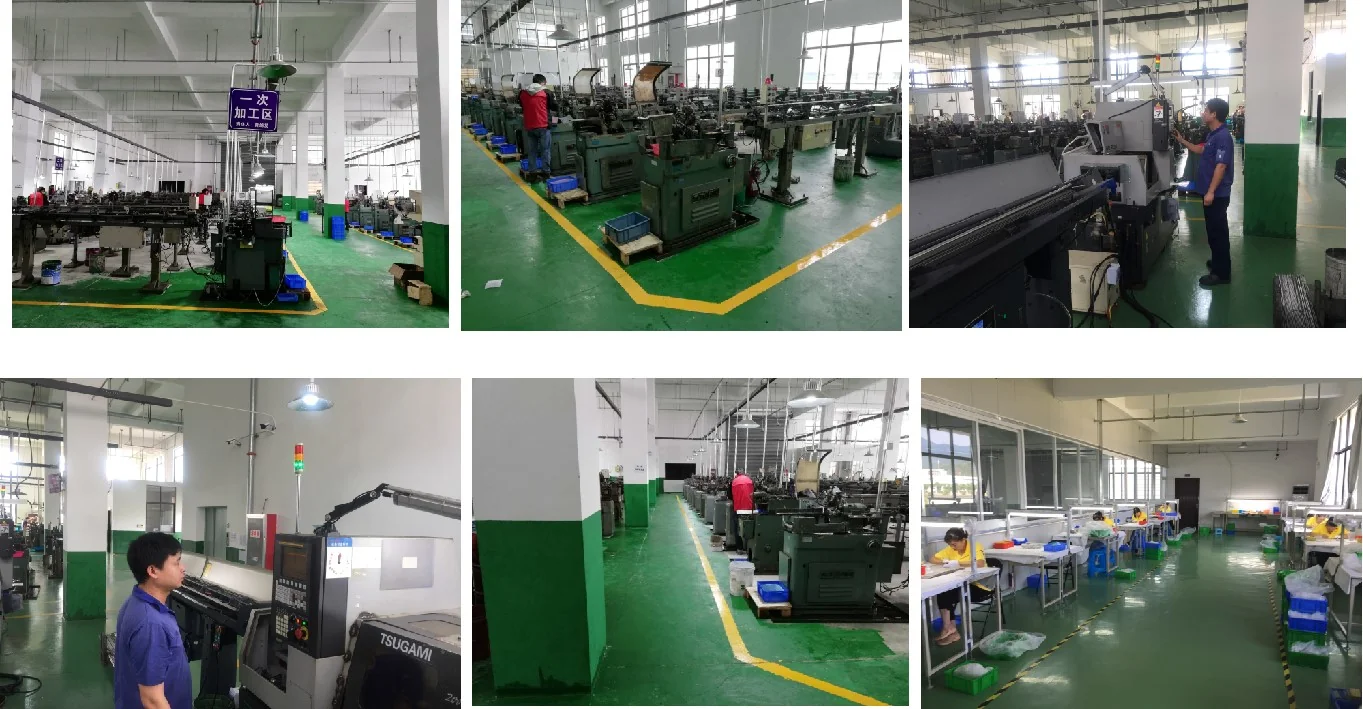
Suzhou Baoshida Trading Co., Ltd. delivers uncompromising precision in industrial rubber grommet production through integrated material science and mold engineering expertise. Our dedicated team comprises five specialized mold engineers and two advanced rubber formula engineers, ensuring every 1 1/4 inch grommet meets stringent OEM performance criteria. This synergy enables end-to-end control from compound development to final tool validation, eliminating common supply chain inconsistencies in dimensional stability and material resilience.

Critical to grommet functionality is adherence to exact dimensional tolerances and environmental resistance. Below are the standard specifications for our 1 1/4 inch (nominal pipe size) rubber grommet, reflecting ISO 3601-1 compliance and customizable per client blueprints.

Parameter Standard Specification Tolerance Material Options
Inner Diameter (ID) 31.8 mm (1.25 inch) ±0.15 mm NBR, EPDM, Silicone
Outer Diameter (OD) 44.5 mm (1.75 inch) ±0.20 mm FKM (Viton®), CR (Neoprene)
Thickness 9.5 mm (3/8 inch) ±0.10 mm Custom compounds
Hardness Range 50–80 Shore A ±5 points
Operating Temperature -40°C to +150°C (NBR/EPDM) ±5°C stability Up to +230°C (Silicone)
Compression Set (22h/70°C) ≤25% ASTM D395 Material-dependent

Our rubber formula engineers optimize compound formulations for specific application stresses, including fluid resistance (e.g., hydraulic oils, coolants), ozone degradation, and dynamic compression fatigue. For instance, NBR variants achieve <15% volume swell in ASTM No. 3 oil, while custom EPDM formulations withstand prolonged steam exposure at 130°C. Each compound undergoes rigorous in-house testing for tensile strength (≥10 MPa), elongation (≥250%), and tear resistance (≥40 kN/m), ensuring longevity in demanding industrial assemblies.

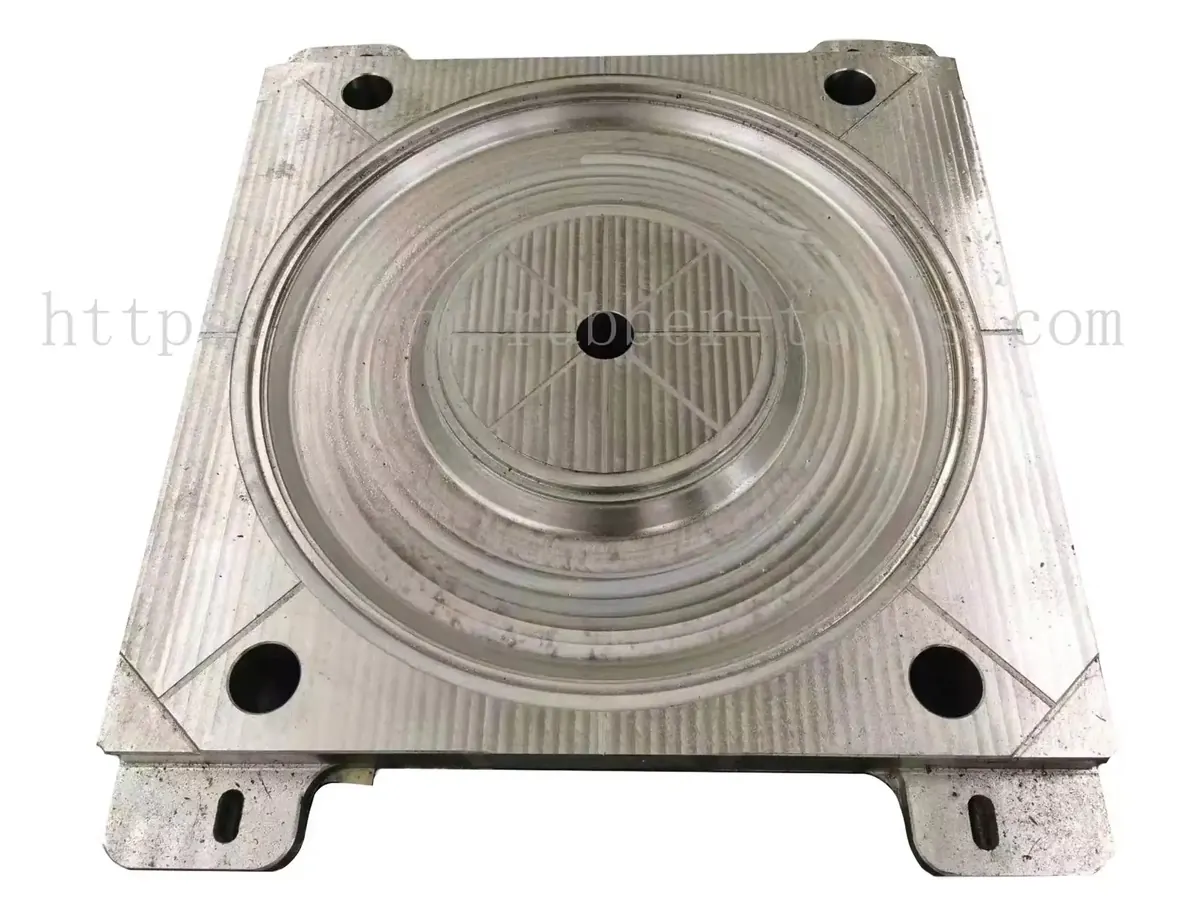
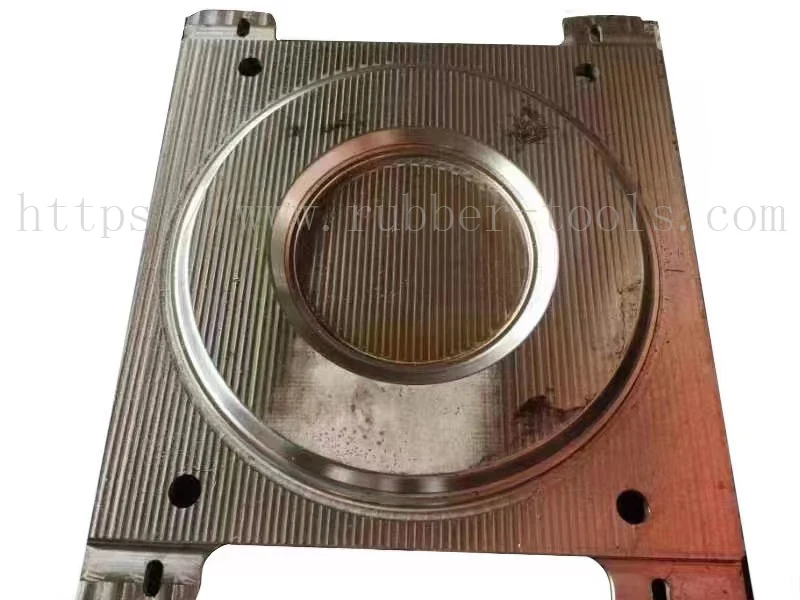
The mold engineering team implements precision cavity design to counteract rubber’s inherent thermal expansion and post-molding shrinkage. Utilizing 3D flow simulation software, we preempt flash formation and cure inconsistencies, achieving ±0.05 mm dimensional repeatability across production runs exceeding 500,000 units. Tooling features include hardened P20 steel cores, optimized venting systems, and temperature-controlled manifolds to eliminate knit lines—critical for sealing integrity in automotive and aerospace conduits.

As an OEM partner, Suzhou Baoshida provides full technical collaboration from prototype to volume production. We translate client performance requirements into validated material-process matrices, including DFMEA support and PPAP documentation. Our engineers co-develop solutions for complex challenges such as multi-material overmolding or conductive grommets for EMI shielding, reducing time-to-market by up to 30% through concurrent engineering. With ISO 9001-certified processes and traceable lot control, we guarantee that every grommet batch meets the exact mechanical and chemical specifications demanded by Tier-1 industrial manufacturers. This integrated engineering capability ensures zero defect risk in critical sealing applications.


Customization Process

1 1/4 inch rubber grommet manufacturing

Drawing Analysis: Precision in Design Interpretation

The customization process for a 1 1/4 inch rubber grommet begins with meticulous drawing analysis. At Suzhou Baoshida Trading Co., Ltd., engineering teams conduct a comprehensive review of customer-provided technical drawings, focusing on dimensional accuracy, tolerance specifications, and application environment details. Critical parameters such as inner diameter (ID), outer diameter (OD), thickness, chamfer angles, and groove profiles are validated against industry standards and functional requirements. This phase also includes assessing installation methods and mating components to ensure mechanical compatibility. Any discrepancies or ambiguities in the drawing are clarified through direct technical consultation, ensuring alignment between design intent and manufacturability. Finite element analysis (FEA) may be employed to simulate stress distribution under expected load conditions, particularly when the grommet is intended for dynamic or high-vibration environments.

Formulation: Material Science for Performance Optimization

Following drawing validation, the formulation stage determines the optimal rubber compound to meet performance demands. The 1 1/4 inch grommet may be exposed to oils, UV radiation, temperature extremes, or chemical agents, necessitating precise elastomer selection. Common base materials include Nitrile (NBR) for oil resistance, EPDM for thermal and ozone stability, and Silicone for extreme temperature ranges. Hardness is tailored within the 50–80 Shore A range, depending on sealing pressure and flexibility requirements. Additives such as reinforcing fillers, antioxidants, and processing aids are incorporated to enhance durability and extrusion behavior. All formulations are documented under controlled batch records, ensuring repeatability and compliance with ISO 9001 standards. Regulatory requirements, including RoHS and REACH compliance, are integrated into the compound design when serving automotive, medical, or food-grade applications.

Prototyping: Functional Validation Before Scale-Up

Prototyping is conducted using precision mold tooling fabricated in-house or through certified partners. Small-batch samples (typically 10–50 units) are produced via compression or injection molding, depending on geometry complexity. Each prototype undergoes dimensional inspection using calibrated CMM (Coordinate Measuring Machine) equipment and is tested for physical properties including tensile strength, elongation at break, compression set, and fluid resistance. Functional fit checks are performed in simulated assembly environments to verify insertion force and retention performance. Customer feedback is incorporated iteratively, with design or material adjustments made as needed. This phase typically lasts 7–14 days, ensuring rapid time-to-evaluation without compromising data integrity.

Mass Production: Consistency at Scale

Upon prototype approval, the project transitions to mass production. Automated molding lines operate under strict process controls, with real-time monitoring of temperature, pressure, and cure time. In-line quality checks and AQL-based sampling ensure batch consistency. Finished 1 1/4 inch rubber grommets are packaged per customer specifications, with traceability maintained through lot numbering and material certifications.

Parameter Standard Value Tolerance Test Method
Inner Diameter 1.25 in (31.75 mm) ±0.008 in (±0.2 mm) ISO 3302-1
Outer Diameter 2.00 in (50.80 mm) ±0.010 in (±0.25 mm) ISO 3302-1
Thickness 0.31 in (8.00 mm) ±0.008 in (±0.2 mm) ISO 3302-1
Hardness 60–70 Shore A ±5 ISO 48-4
Operating Temp Range -40°C to +120°C ASTM D1329

Contact Engineering Team

1 1/4 inch rubber grommet manufacturing

Precision Engineering for 1 1/4 Inch Rubber Grommets: Partner with Suzhou Baoshida

Achieving optimal performance and longevity in industrial applications demanding 1 1/4 inch rubber grommets requires more than standard off-the-shelf components. Critical factors such as material compatibility, dimensional stability under thermal cycling, compression set resistance, and precise tolerance control directly impact system integrity, safety, and operational lifespan. Generic solutions often fail under rigorous industrial conditions, leading to premature seal failure, vibration transmission, or electrical hazards. Suzhou Baoshida Trading Co., Ltd. specializes in the engineered production of high-performance rubber grommets, leveraging advanced polymer science and stringent manufacturing protocols to deliver components that meet exacting OEM specifications. Our focus extends beyond basic form and fit; we ensure functional reliability under real-world stressors through meticulous compound formulation and process validation.

The following table details the core specifications achievable for our standard 1 1/4 inch rubber grommet offering, manufactured under ISO 9001 certified processes. These values represent our baseline precision; all parameters are fully customizable to meet unique application demands, including specialized material grades (NBR, EPDM, Silicone, FKM), hardness ranges (40-90 Shore A), and color requirements.

Specification Parameter Standard Value (1 1/4 Inch Grommet) Tolerance Range Test Standard Reference
Inner Diameter (ID) 1.250 inch (31.75 mm) ±0.005 inch (±0.13 mm) ASTM D3767 Method A
Outer Diameter (OD) 2.000 inch (50.80 mm) ±0.010 inch (±0.25 mm) ASTM D3767 Method A
Thickness (Height) 0.375 inch (9.53 mm) ±0.015 inch (±0.38 mm) ASTM D3767 Method B
Material Hardness (Shore A) 70 ±5 ASTM D2240
Compression Deflection Force 8.5 lbf @ 25% compression ±10% ASTM D575
Operating Temperature Range -40°C to +120°C (Standard NBR) N/A ASTM D2240 / D573

Our engineering advantage lies in the integration of material science with precision manufacturing. Each grommet batch undergoes rigorous in-process and final quality control, including dimensional verification via calibrated optical comparators, durometer testing, visual inspection for surface defects, and lot traceability. We utilize closed-mold vulcanization techniques to eliminate flash and ensure consistent geometry, critical for maintaining seal integrity in press-fit applications. For mission-critical uses, we implement accelerated aging tests per ASTM D573 and fluid resistance validation against customer-specified media. This systematic approach guarantees that every 1 1/4 inch grommet leaving our facility performs predictably within your assembly, reducing field failures and associated warranty costs.

Suzhou Baoshida operates as a true engineering partner, not merely a component supplier. We collaborate with your design and procurement teams from the specification phase through volume production, offering material selection guidance, DFM input, and rapid prototyping capabilities. Our facility supports both low-volume custom runs and high-volume OEM manufacturing, ensuring seamless scalability without compromising on the dimensional accuracy or material properties essential for your application. Direct engineering consultation is available to address specific challenges such as chemical exposure, extreme temperature fluctuations, or dynamic load requirements.

Initiate a technical dialogue to secure grommets engineered for your operational reality. Contact Mr. Boyce, our dedicated OEM Manager, for immediate specification review, quotation, or custom compound development support. Provide your application details, performance requirements, and volume expectations to receive a tailored solution proposal within 24 business hours. Reach Mr. Boyce directly via email at [email protected]. Suzhou Baoshida Trading Co., Ltd. stands ready to deliver the precision rubber components that safeguard your product performance and reputation.


⚖️ O-Ring Weight Calculator

Estimate rubber O-ring weight (Approx).


1 1/4 Inch Rubber Grommet Manufacturer | Engineering Guide

Contents of Table

Contact [email protected] Whatsapp 86 15951276160