Technical Contents
Engineering Guide: Machined Washers

Engineering Insight: The Critical Role of Material Selection in Machined Washers
In precision applications involving machined washers, material selection is not merely a design consideration—it is a determining factor in long-term reliability, performance, and cost efficiency. At Suzhou Baoshida Trading Co., Ltd., we specialize in engineered rubber seals where operational environments demand more than generic solutions. Off-the-shelf washers, while convenient, often fail under real-world conditions due to inadequate material compatibility with temperature, pressure, chemical exposure, and mechanical stress. These failures manifest as compression set, extrusion, swelling, or premature degradation—issues that compromise system integrity and increase total cost of ownership.
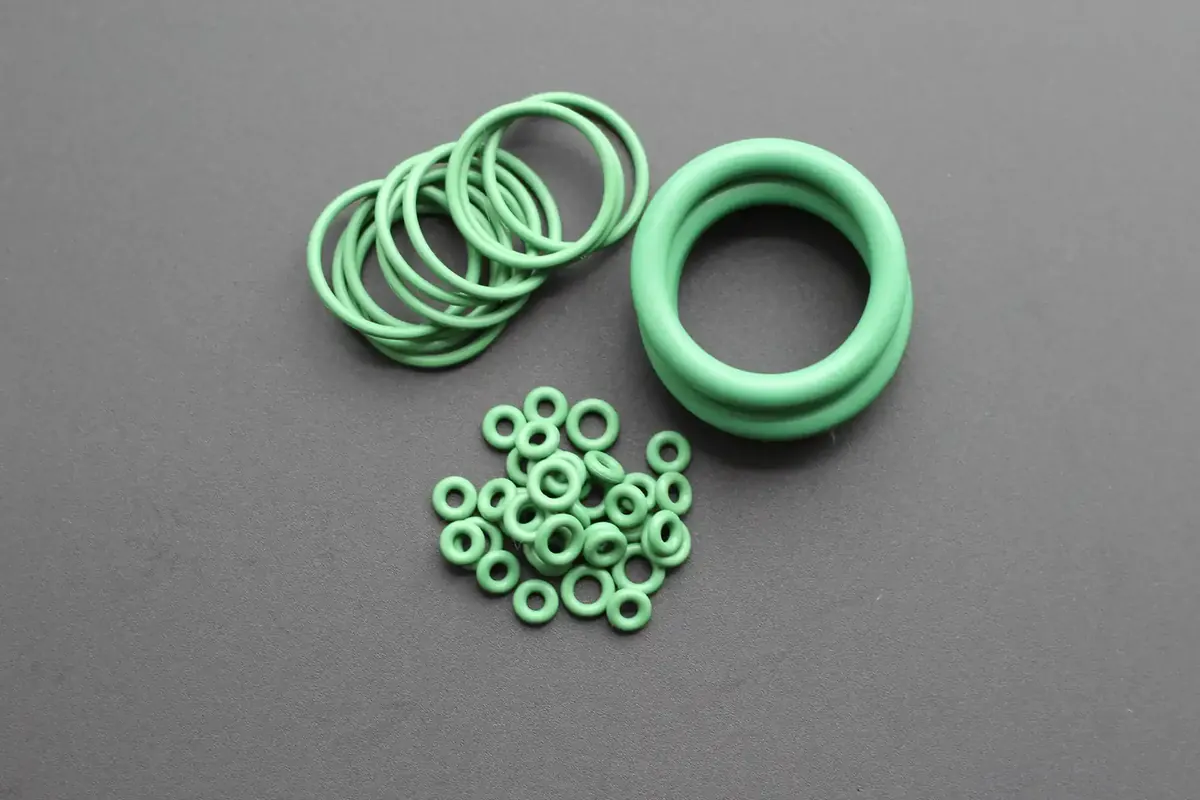
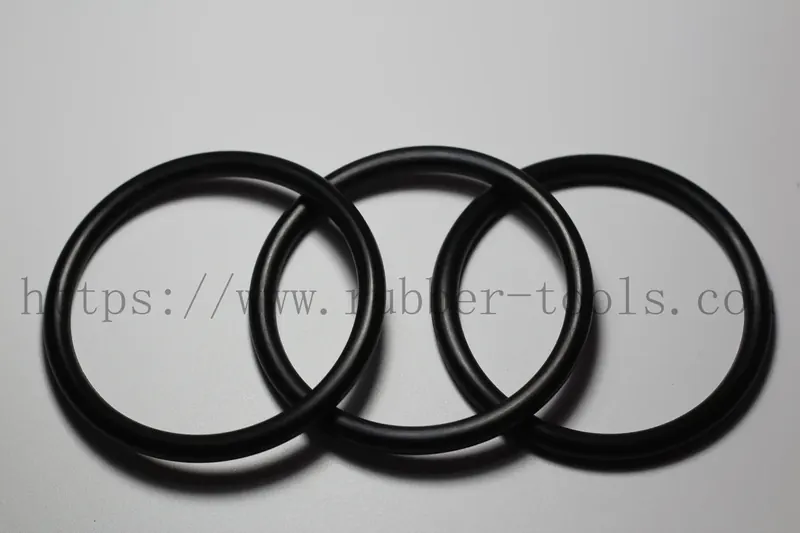
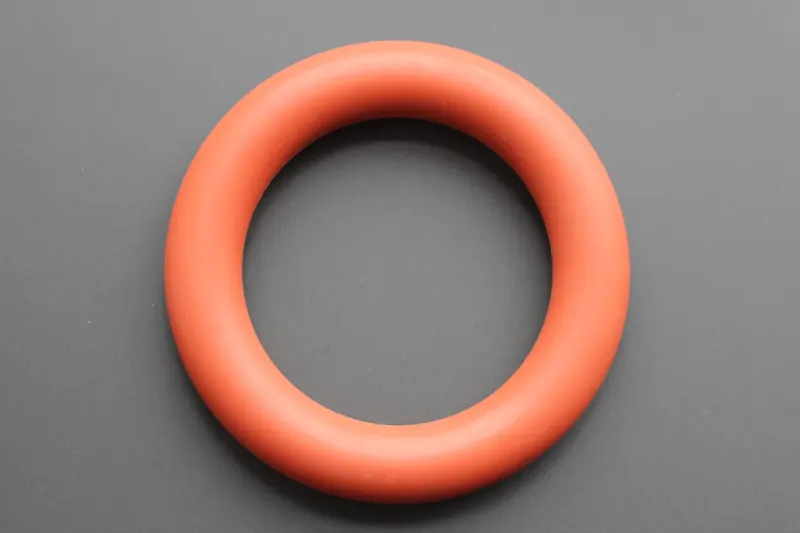
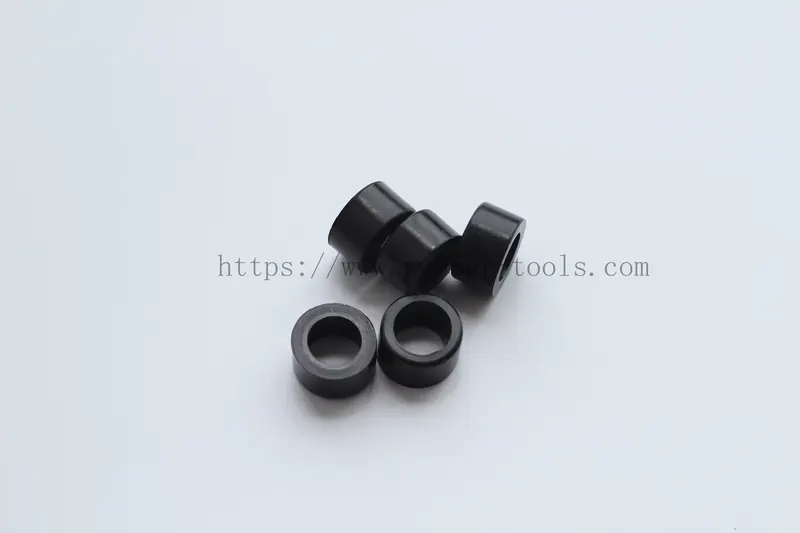
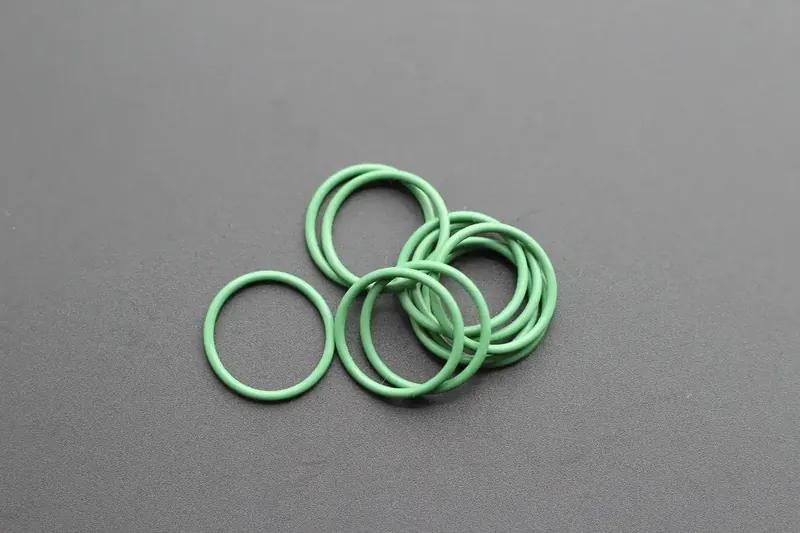
Machined washers differ fundamentally from stamped or molded variants. They are precision-turned components, typically from solid rod or tube stock, enabling tight tolerances and complex geometries unattainable through conventional methods. This precision, however, amplifies the importance of material behavior under service conditions. A washer machined from fluorocarbon rubber (FKM) may excel in high-temperature automotive or aerospace applications, resisting oils and fuels up to 200°C, while a nitrile (NBR) alternative could rapidly degrade under the same conditions. Conversely, in low-cost, low-risk environments, over-specifying FKM would needlessly increase expenditure.
The failure of standard washers often stems from a one-size-fits-all approach. Commercially available washers are typically produced in high volumes using general-purpose elastomers, prioritizing cost over performance. These materials lack the formulation refinement needed for aggressive media such as strong acids, chlorinated solvents, or steam. For example, an EPDM washer may perform well in water and steam systems but will swell and lose mechanical strength when exposed to hydrocarbon fuels. In dynamic sealing applications, such incompatibility leads to leakage, system downtime, and safety risks.
At Suzhou Baoshida, we emphasize application-specific material engineering. Our machined washers are developed using a systematic evaluation of service parameters, including continuous and peak temperatures, fluid compatibility, load cycles, and sealing force requirements. This enables the selection of advanced materials such as perfluoroelastomers (FFKM), silicone (VMQ), or hydrogenated nitrile (HNBR), tailored to the operational envelope.
The following table illustrates common elastomers used in machined washers, highlighting key performance characteristics:
| Material | Temperature Range (°C) | Key Chemical Resistances | Typical Applications |
|---|---|---|---|
| FKM (Fluorocarbon) | -20 to 200 | Fuels, oils, acids, steam | Automotive, aerospace, chemical processing |
| NBR (Nitrile) | -30 to 100 | Aliphatic hydrocarbons, water, oils | Hydraulic systems, general industrial |
| EPDM | -50 to 150 | Water, steam, alkalis, oxygenated solvents | HVAC, water treatment, brake systems |
| Silicone (VMQ) | -60 to 200 | Ozone, UV, water, moderate chemicals | Medical, food processing, electrical insulation |
| FFKM (Perfluoro) | -15 to 300 | Aggressive acids, solvents, plasma | Semiconductor, pharmaceutical, ultra-high purity |
Material selection in machined washers is a science, not a compromise. By moving beyond off-the-shelf solutions and embracing engineered elastomers, manufacturers ensure reliability, longevity, and optimal system performance. Suzhou Baoshida Trading Co., Ltd. supports this precision-first philosophy across all our rubber seal solutions.
Material Specifications

Material Specifications for Precision Machined Rubber Washers
Material selection critically determines the functional lifespan and sealing integrity of machined rubber washers in demanding industrial applications. At Suzhou Baoshida Trading Co., Ltd., we engineer compounds to exacting OEM standards, ensuring dimensional stability during precision machining and reliable performance under operational stress. Viton, Nitrile, and Silicone represent industry-preferred polymers for washer fabrication, each offering distinct chemical, thermal, and mechanical profiles. Understanding these specifications prevents premature seal failure in critical assemblies.
Viton fluorocarbon rubber (FKM) delivers exceptional resistance to high temperatures, aggressive chemicals, and aerospace fluids. Its molecular structure provides stability in jet fuels, hydraulic fluids, and aromatic hydrocarbons where other elastomers degrade. Viton washers maintain sealing force between -20°C and 230°C continuous service, with short-term excursions to 300°C. Tensile strength typically ranges 15–20 MPa, and compression set remains below 25% after 70 hours at 200°C per ASTM D395. This material is indispensable for automotive turbocharger systems, chemical processing pumps, and semiconductor manufacturing equipment requiring ultra-pure fluid handling.
Nitrile butadiene rubber (NBR) balances cost efficiency with robust resistance to petroleum-based oils, greases, and aliphatic hydrocarbons. Optimized for applications below 120°C continuous service, NBR washers exhibit tensile strengths of 10–25 MPa and hardness values spanning 50–90 Shore A. Its low gas permeability and excellent abrasion resistance make it ideal for hydraulic systems, fuel injectors, and industrial machinery operating in moderate thermal environments. However, NBR exhibits limited ozone and weathering resistance, necessitating protective measures in outdoor installations.
Silicone rubber (VMQ) excels in extreme temperature versatility and biocompatibility. With a functional range from -60°C to 200°C, silicone maintains flexibility in cryogenic settings while resisting thermal degradation in baking ovens or medical autoclaves. Its tensile strength (5–10 MPa) is lower than Viton or NBR, but superior electrical insulation and FDA/USP Class VI compliance enable use in pharmaceutical, food processing, and electronics applications. Critical limitations include poor resistance to concentrated acids and fuels, along with higher compression set (20–30%) compared to FKM.
The comparative specifications below guide material selection based on application parameters:
| Property | Viton (FKM) | Nitrile (NBR) | Silicone (VMQ) |
|---|---|---|---|
| Temperature Range | -20°C to 230°C | -30°C to 120°C | -60°C to 200°C |
| Tensile Strength (MPa) | 15–20 | 10–25 | 5–10 |
| Hardness Range (Shore A) | 60–80 | 50–90 | 30–80 |
| Compression Set (%) | ≤25 (200°C/70h) | ≤25 (100°C/22h) | 20–30 (200°C/22h) |
| Key Fluid Resistance | Jet fuels, acids, hydraulic fluids | Petroleum oils, greases | Water, steam, alcohols |
| Critical Limitation | Cost, low-temperature flexibility | Poor ozone/weathering | Low tensile strength, fuel incompatibility |
All compounds are manufactured under ISO 9001-certified processes with traceable batch documentation. Suzhou Baoshida provides custom formulation services to modify base properties—such as adding conductive fillers for EMI shielding or peroxide curing for enhanced thermal stability—ensuring washers meet OEM-specific operational demands. Final material validation requires application-specific fluid immersion and compression testing per ASTM D2000 standards.
Manufacturing Capabilities

Engineering Capability: Precision in Every Component
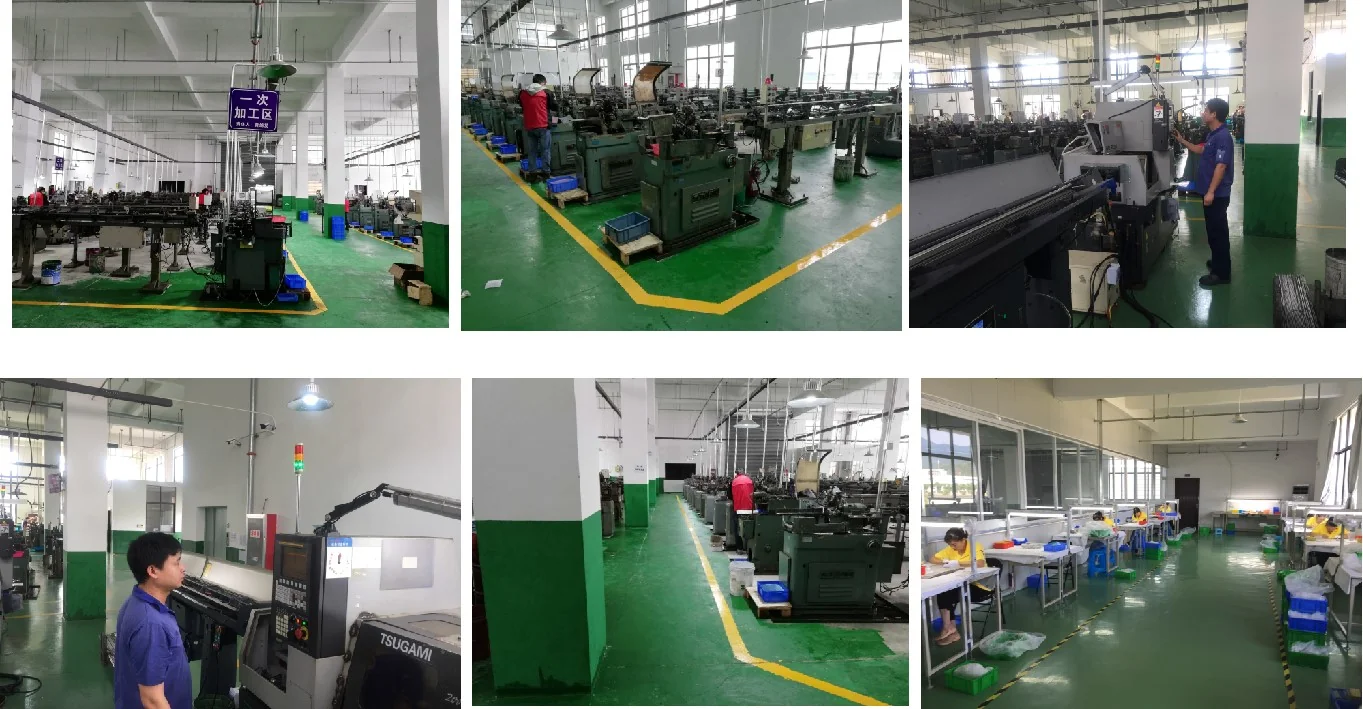
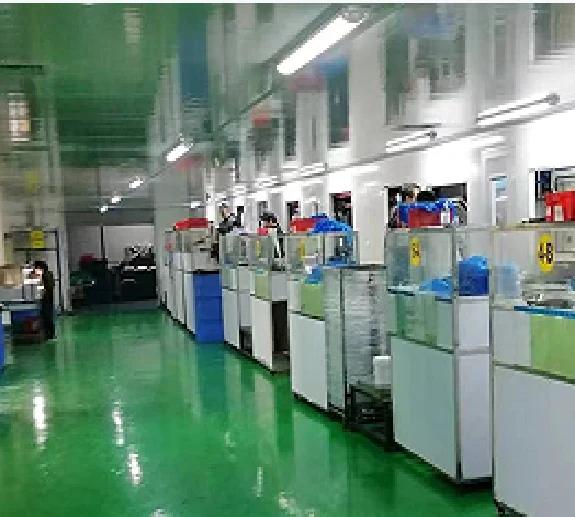
At Suzhou Baoshida Trading Co., Ltd., our engineering capability forms the backbone of our precision rubber seal manufacturing, particularly in the production of machined washers designed for demanding industrial applications. With a dedicated team of five experienced mould engineers and two specialized rubber formula engineers, we integrate material science with advanced tooling design to deliver components that meet exacting OEM specifications. Our multidisciplinary approach ensures that every machined washer is engineered for performance, durability, and consistency across high-volume production runs.
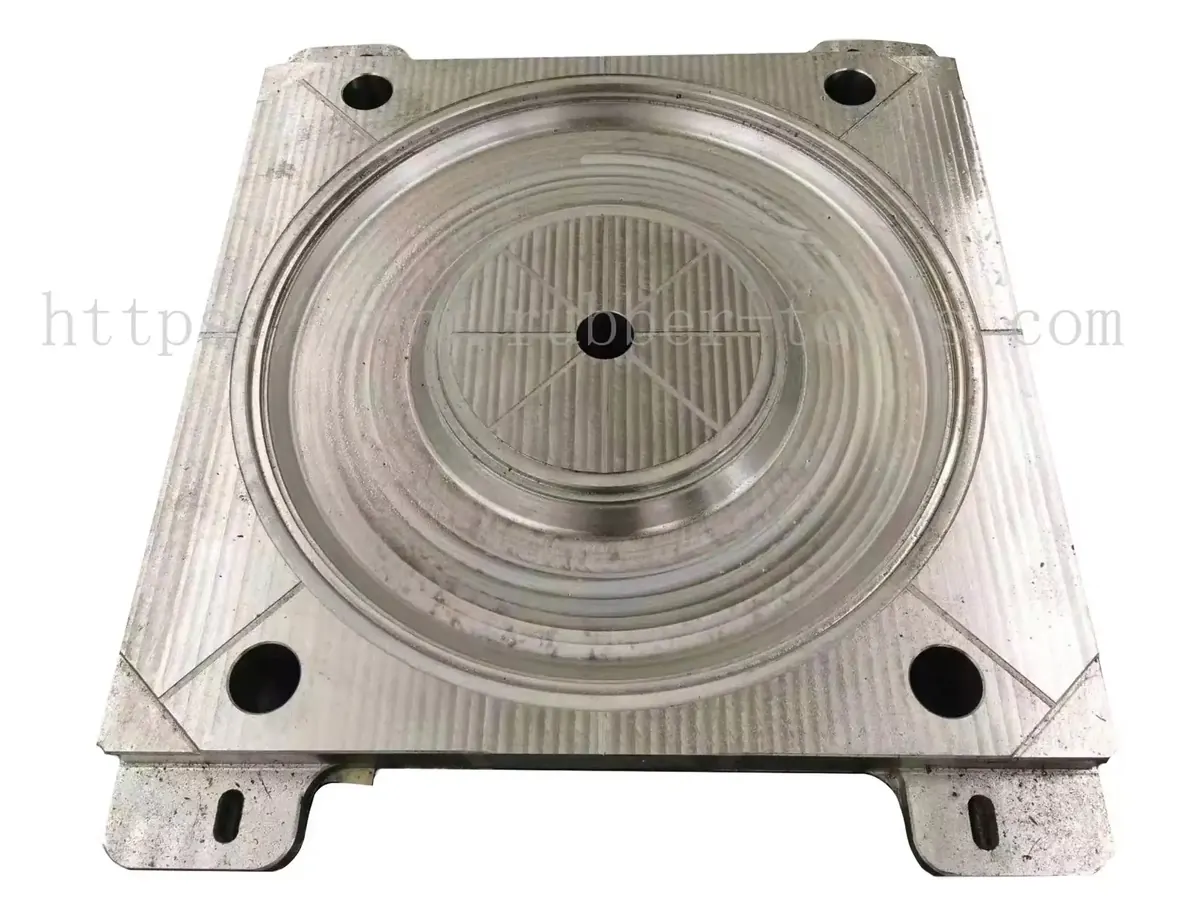
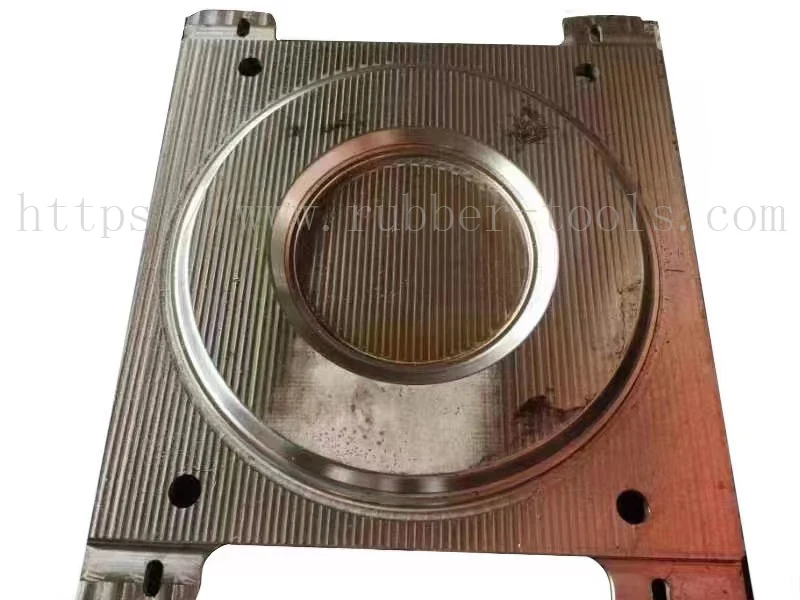
Our mould engineers bring over a decade of collective experience in precision tooling for rubber components. They utilize state-of-the-art CAD/CAM software to develop high-tolerance moulds optimized for complex geometries and tight dimensional control. This expertise is critical in machining washers where concentricity, surface finish, and thickness uniformity directly impact sealing performance. Finite element analysis (FEA) is routinely applied during the design phase to predict material behavior under compression and thermal cycling, minimizing prototyping iterations and accelerating time-to-market.
Complementing our tooling strength is our in-house rubber formulation capability. The two dedicated formula engineers on staff specialize in custom elastomer development tailored to application-specific requirements such as temperature resistance, chemical exposure, compression set, and dynamic sealing performance. By controlling the compounding process internally, we ensure batch-to-batch consistency and rapid adjustment to meet OEM material specifications. Whether the requirement is NBR for oil resistance, EPDM for weathering performance, or FKM for extreme temperatures, our team formulates compounds that align precisely with operational demands.
Our OEM capabilities are built on a foundation of technical collaboration. We work directly with client engineering teams to co-develop solutions, offering design for manufacturability (DFM) feedback, rapid prototyping, and full traceability from raw material to finished component. This collaborative model has enabled successful integration of our machined washers into hydraulic systems, automotive powertrains, and industrial equipment where reliability under pressure is non-negotiable.
All manufacturing processes are supported by rigorous quality control protocols, including in-process dimensional inspection and post-cure physical testing. This ensures that every machined washer conforms to international standards and customer-specific tolerances.
The table below outlines typical technical specifications achievable for our machined rubber washers:
| Parameter | Typical Range / Capability |
|---|---|
| Material Types | NBR, EPDM, FKM, Silicone, CR, ACM |
| Hardness Range (Shore A) | 40–90 ±5 |
| Dimensional Tolerance | ±0.05 mm (critical dimensions) |
| Thickness Tolerance | ±0.03 mm |
| Operating Temperature | -40°C to +250°C (depending on compound) |
| Surface Finish (Ra) | 0.8–3.2 µm |
| Production Volume Capacity | 1,000 to 500,000+ units per month |
| Lead Time (Prototype) | 15–25 days |
Through the synergy of advanced mould engineering and proprietary rubber formulation, Suzhou Baoshida delivers machined washers that meet the highest standards of precision and performance.
Customization Process

Customization Process for Precision Rubber Machined Washers
At Suzhou Baoshida Trading Co., Ltd., our customization process for machined rubber washers integrates stringent engineering protocols to ensure dimensional accuracy, material resilience, and functional reliability. This four-phase methodology—Drawing Analysis, Formulation, Prototyping, and Mass Production—eliminates design-to-manufacturing disconnects while adhering to global industrial standards.
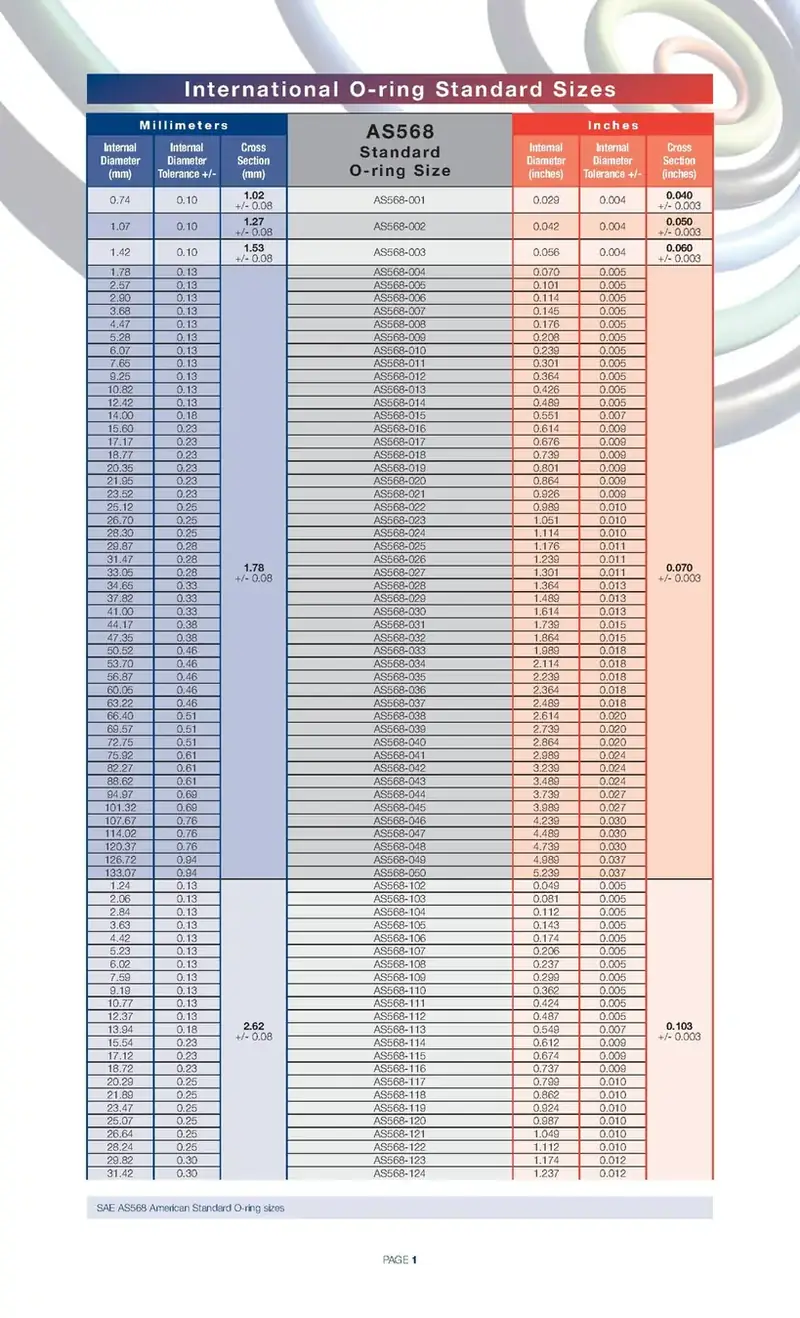
Drawing Analysis initiates the workflow. Our engineering team conducts a granular review of client-provided CAD files or technical drawings, validating geometric dimensioning and tolerancing (GD&T), surface finish requirements, and critical sealing interfaces. We cross-reference ISO 3601 or AS568A standards to identify potential manufacturability risks, such as undercut geometries or non-uniform wall thickness. Material compatibility with operational media (e.g., hydraulic fluids, acids) is assessed using ASTM D471 exposure data, ensuring the washer’s functional lifespan aligns with application demands. Any deviations from optimal machining parameters trigger collaborative redesign recommendations.
Formulation leverages our in-house rubber chemistry expertise. Based on the drawing analysis, we select base polymers (NBR, EPDM, FKM, or specialty compounds) and engineer bespoke formulations targeting specific performance thresholds. Key variables include durometer (40–90 Shore A), compression set resistance, and thermal stability. Below are critical formulation parameters we optimize:
| Specification | Standard Range | Test Method | Target for Machined Washers |
|---|---|---|---|
| Durometer (Shore A) | 40–90 | ASTM D2240 | ±2 tolerance per print |
| Compression Set (70h) | ≤25% (100°C) | ASTM D395 | ≤15% for static seals |
| Temperature Range | -40°C to +230°C | ISO 188 | Matched to fluid exposure |
| Tensile Strength | 10–25 MPa | ASTM D412 | Minimum 15 MPa |
Prototyping employs CNC lathes and milling centers with ±0.05 mm precision to produce functional samples. Each prototype undergoes rigorous validation: dimensional CMM inspection, compression-deflection testing per SAE AS8062, and media immersion trials. We document force-deflection curves and leakage rates under simulated operating pressures, providing clients with actionable data to approve or refine the design.
Mass Production commences only after prototype sign-off. Our ISO 9001-certified facility implements statistical process control (SPC) across all machining stages. Raw materials are batch-tracked via ERP systems, while in-process checks monitor cavity-to-cavity consistency in multi-cavity setups. Final washers undergo 100% visual inspection per ISO 3302 and抽样 testing for critical dimensions. Traceability logs, including lot-specific cure curves and hardness reports, accompany every shipment to guarantee repeatability for high-volume OEM contracts.
This closed-loop process ensures Suzhou Baoshida delivers machined washers that meet exacting performance criteria while minimizing time-to-market for automotive, aerospace, and industrial fluid system manufacturers.
Contact Engineering Team

Contact Suzhou Baoshida for Precision Machined Washers and Custom Rubber Seals
At Suzhou Baoshida Trading Co., Ltd., we specialize in the engineering and supply of high-performance machined washers and precision rubber seals tailored to the exacting demands of industrial, automotive, aerospace, and medical device manufacturing. Our expertise lies in transforming raw elastomers into dimensionally accurate, functionally reliable sealing components through advanced CNC machining, molding, and quality assurance protocols. Whether you require low-volume prototypes or high-volume production runs, our team ensures strict adherence to ISO 9001 standards, material certifications, and OEM specifications.
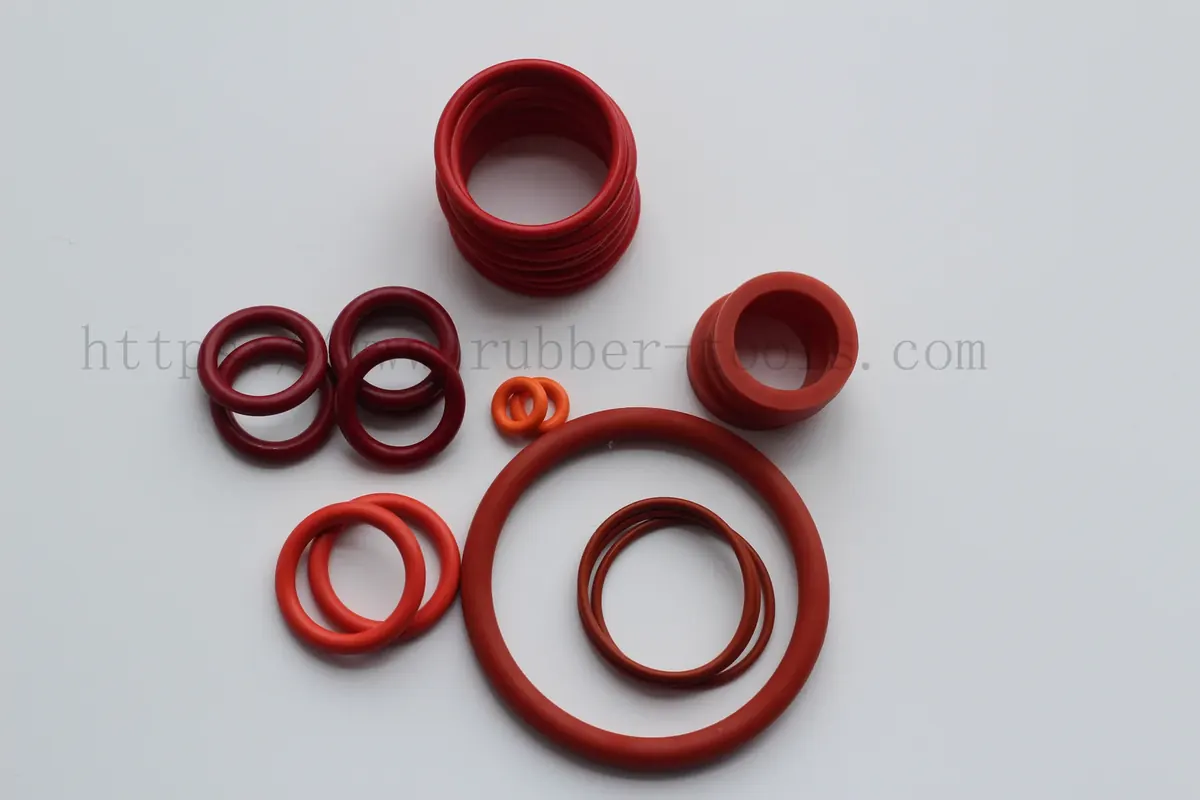
Our machined washers are produced from a broad spectrum of elastomeric materials, including NBR, EPDM, FKM (Viton®), silicone, and HNBR, each selected for optimal resistance to temperature, pressure, chemicals, and dynamic stress. Unlike stamped or molded washers, machined variants offer superior dimensional control, tighter tolerances, and consistency in critical sealing applications where failure is not an option. We maintain in-house material testing laboratories to validate physical properties such as tensile strength, elongation, compression set, and hardness (Shore A), ensuring every batch meets or exceeds international standards.
For engineers and procurement managers seeking a trusted partner in precision rubber components, Suzhou Baoshida offers end-to-end technical collaboration—from initial design review and material selection to prototyping, validation, and just-in-time delivery. Our global supply network supports clients across North America, Europe, and Southeast Asia with responsive logistics and full documentation traceability.
Below is a representative specification table for our standard machined washer offerings. Custom geometries, durometers, and compound formulations are available upon request.
| Parameter | Material Options | Tolerance (mm) | Hardness Range (Shore A) | Temperature Range (°C) | Application Focus |
|---|---|---|---|---|---|
| Inner Diameter (ID) | NBR, EPDM, FKM, SIL, HNBR | ±0.05 to ±0.15 | 40 – 90 | -40 to +230 | Fluid sealing, static O-rings |
| Outer Diameter (OD) | NBR, EPDM, FKM, SIL, HNBR | ±0.05 to ±0.15 | 40 – 90 | -40 to +230 | High-pressure joints |
| Thickness | NBR, EPDM, FKM, SIL, HNBR | ±0.03 to ±0.10 | 40 – 90 | -40 to +230 | Precision spacing, load distribution |
| Surface Finish (Ra) | All | ≤1.6 µm | — | — | Leak-tight sealing surfaces |
| Custom Machining | On request | ±0.02 achievable | Full range available | Material-dependent | Aerospace, medical, defense |
To discuss your specific application requirements or to request a quote for machined washers or custom rubber seals, contact Mr. Boyce, OEM Account Manager at Suzhou Baoshida Trading Co., Ltd. Direct your technical drawings, material specifications, and volume needs to [email protected]. Mr. Boyce provides bilingual (English/Chinese) support and ensures rapid turnaround on feasibility assessments, sample production, and commercial terms. Partner with us to achieve sealing performance that meets the highest industrial standards.
⚖️ O-Ring Weight Calculator
Estimate rubber O-ring weight (Approx).