Technical Contents
Engineering Guide: Db Belt

Engineering Insight: Material Selection in db Belt Performance
In industrial power transmission systems, the db belt serves as a critical interface between mechanical components, directly influencing efficiency, durability, and system uptime. Despite its seemingly simple construction, the performance of a db belt is profoundly dependent on precise material selection—a factor often overlooked when opting for off-the-shelf solutions. Standardized belts, while cost-attractive in the short term, frequently fail under real-world operational stresses due to inadequate material compatibility with environmental and mechanical conditions.
The core failure mechanism in generic db belts stems from a one-size-fits-all approach to elastomer formulation. Industrial environments vary widely in temperature range, exposure to oils and chemicals, humidity levels, and dynamic loading profiles. A belt constructed with a general-purpose NBR (nitrile butadiene rubber) compound may perform adequately in a dry, moderate-temperature setting but will rapidly degrade when exposed to ozone, UV radiation, or continuous oil mist. Cracking, hardening, and tensile strength loss follow, leading to premature belt failure and unplanned downtime.
At Suzhou Baoshida Trading Co., Ltd., we engineer db belts with application-specific elastomers, selecting from HNBR, EPDM, CR, or specialty silicone compounds based on the operational profile. For instance, HNBR offers superior heat resistance (up to 150°C) and tensile strength, making it ideal for high-speed, high-load applications in automotive or heavy machinery sectors. EPDM, with its outstanding resistance to weathering and steam, is optimal for outdoor or washdown environments in food processing or wastewater treatment plants.
Reinforcement materials are equally critical. Standard db belts often use polyester cords with moderate fatigue resistance, but under cyclic stress, these fibers exhibit elongation and reduced load-carrying capacity over time. We integrate aramid or high-modulus polyethylene fibers in demanding applications, ensuring minimal stretch and exceptional fatigue endurance. The bonding between the tensile cord and the rubber matrix must also be optimized—poor adhesion leads to delamination, a common failure mode in mass-produced belts.
Below is a comparative analysis of material performance characteristics relevant to db belt engineering:
| Material | Temperature Range (°C) | Oil Resistance | Ozone Resistance | Tensile Strength (MPa) | Typical Application |
|---|---|---|---|---|---|
| NBR | -30 to +100 | High | Low | 15–20 | General industrial drives |
| HNBR | -40 to +150 | Very High | Medium | 25–30 | Automotive, high-temp machinery |
| EPDM | -50 to +150 | Low | Very High | 18–22 | Outdoor, chemical exposure |
| CR | -30 to +120 | Medium | High | 16–19 | HVAC, moderate chemical |
| Silicone | -60 to +200 | Low | High | 8–12 | Extreme temp, non-load |
Material selection is not a secondary consideration—it is the foundation of reliable db belt performance. Off-the-shelf solutions, constrained by generic formulations, cannot match the longevity and operational stability of engineered alternatives. At Baoshida, we prioritize material science to deliver industrial rubber solutions that perform under specification, not just on paper.
Material Specifications

Material Specifications for db Belt Industrial Applications
Suzhou Baoshida Trading Co., Ltd. provides rigorously engineered rubber compounds for db belt systems, prioritizing operational reliability under extreme industrial conditions. Our formulations adhere to ASTM D2000 and ISO 37 standards, ensuring precise mechanical and chemical performance. Below we detail the core elastomer options: Viton (FKM), Nitrile (NBR), and Silicone (VMQ), each selected for specific environmental challenges in power transmission and conveying systems.
Viton (FKM) represents the premium solution for high-temperature and aggressive chemical exposure. With fluorine content typically 66–70%, it maintains integrity in aromatic hydrocarbons, chlorinated solvents, and jet fuels. Its glass transition temperature (Tg) ranges from -15°C to -20°C, supporting continuous service from -20°C to +230°C. Tensile strength averages 15–20 MPa, with elongation at break of 150–300%. Critical for aerospace and chemical processing db belts, Viton exhibits minimal compression set (≤25% after 70 hrs at 200°C) but requires specialized curing due to high raw material costs.
Nitrile (NBR) remains the cost-effective standard for oil and fuel resistance in automotive and general industrial db belts. Acrylonitrile content (33–36%) balances oil resistance with low-temperature flexibility (Tg: -35°C to -40°C). Operational range spans -30°C to +120°C, with tensile strength of 10–25 MPa and elongation of 200–500%. While vulnerable to ozone and polar solvents, NBR delivers exceptional abrasion resistance and dynamic fatigue performance. Compression set values (≤30% after 70 hrs at 100°C) ensure long-term sealing in hydraulic-driven belt systems.
Silicone (VMQ) excels in extreme temperature stability and electrical insulation applications. Its inorganic backbone enables service from -60°C to +200°C (short-term to 250°C), with Tg near -125°C. Tensile strength is moderate (5–10 MPa), but elongation exceeds 400%. VMQ resists ozone, UV, and water steam but lacks oil/fuel resistance. Ideal for food-grade db belts (compliant with FDA 21 CFR 177.2600) and high-voltage environments, it exhibits high compression set (≤35% after 22 hrs at 150°C), necessitating design allowances for permanent deformation.
The comparative analysis below summarizes critical parameters for db belt material selection:
| Material | Base Polymer | Temp Range (°C) | Key Resistance | Tensile Strength (MPa) | Elongation (%) | Compression Set (ASTM D395) |
|---|---|---|---|---|---|---|
| Viton (FKM) | Fluoroelastomer | -20 to +230 | Aromatic hydrocarbons, acids, fuels | 15–20 | 150–300 | ≤25% (200°C/70h) |
| Nitrile (NBR) | Acrylonitrile-butadiene | -30 to +120 | Aliphatic oils, fuels, water | 10–25 | 200–500 | ≤30% (100°C/70h) |
| Silicone (VMQ) | Polysiloxane | -60 to +200 | Heat, ozone, steam, radiation | 5–10 | 400–700 | ≤35% (150°C/22h) |
Suzhou Baoshida’s OEM team validates all compounds through dynamic mechanical analysis (DMA) and accelerated aging tests per ISO 188. Material selection must align with fluid exposure, temperature profiles, and mechanical stress cycles. Contact our engineering department for application-specific formulation data sheets and compatibility testing protocols.
Manufacturing Capabilities

Engineering Capability
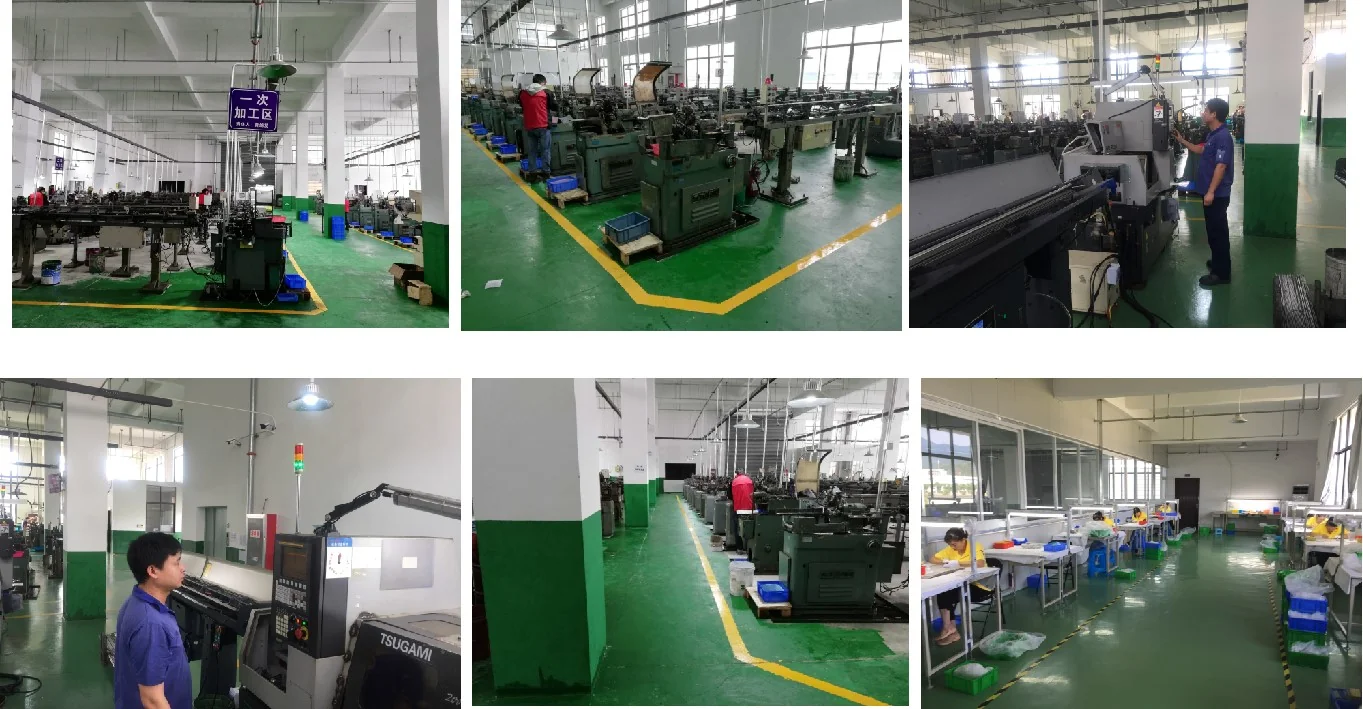
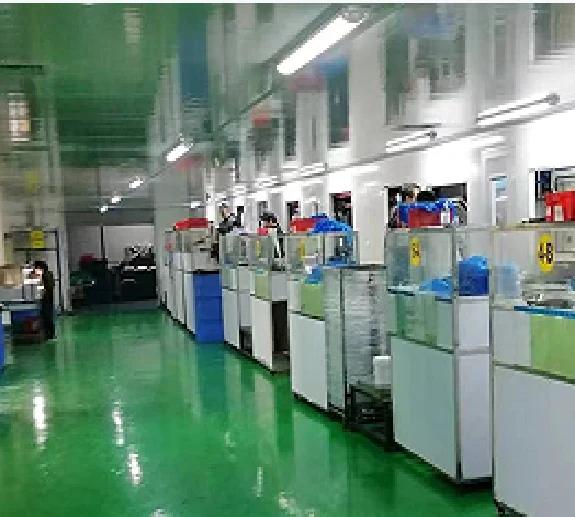
At Suzhou Baoshida Trading Co., Ltd., our engineering capability is anchored in a dedicated team of highly skilled professionals who drive innovation and precision in industrial rubber solutions. Our core technical strength lies in a specialized workforce comprising five experienced mould engineers and two advanced formula engineers, each contributing to the seamless development and production of high-performance rubber components, including precision-engineered db belts tailored for demanding industrial applications.
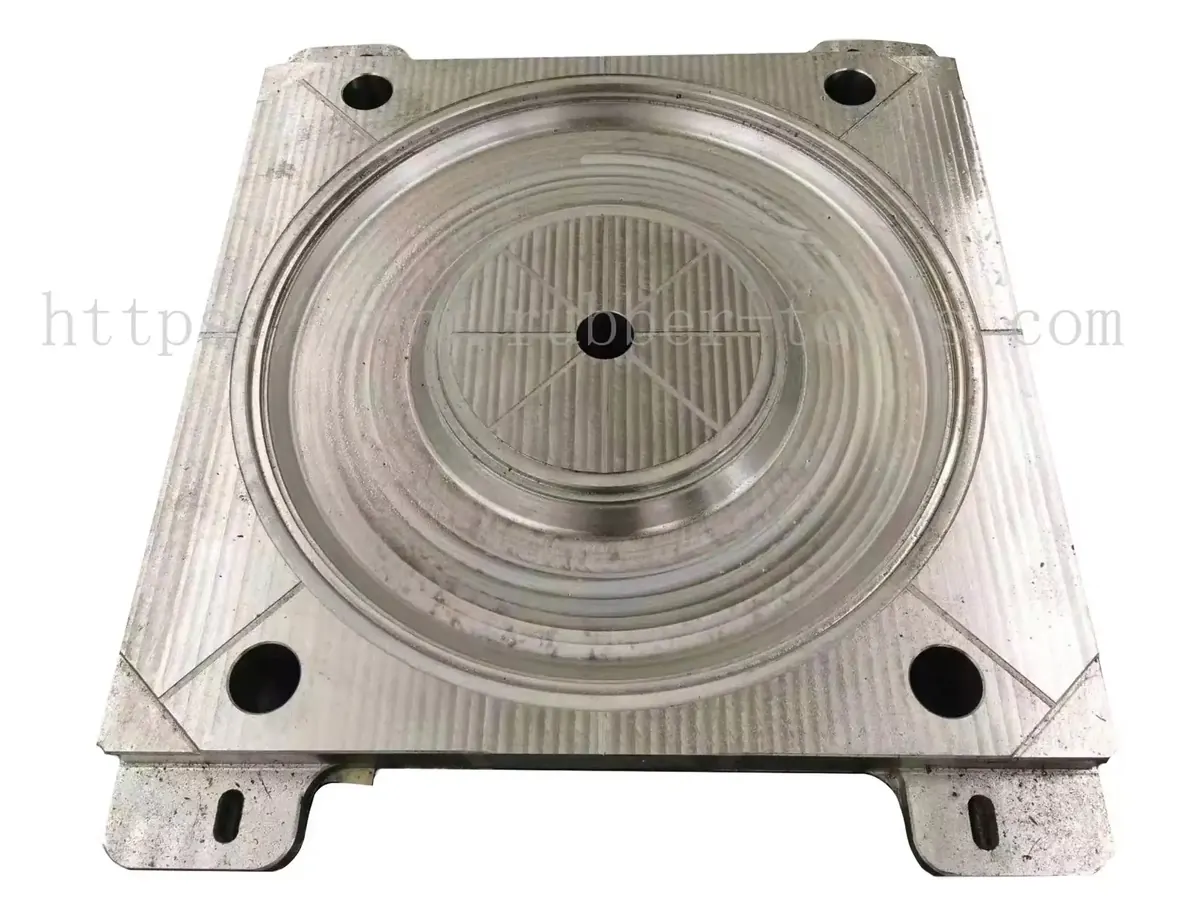
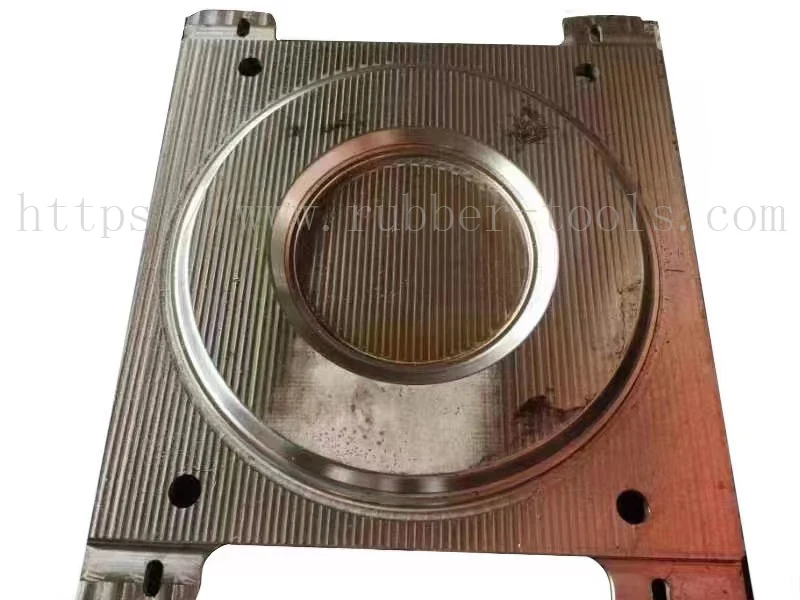
Our mould engineers possess extensive expertise in the design, simulation, and optimization of rubber moulding tools. Utilizing advanced CAD/CAM systems and finite element analysis (FEA), they ensure that every mould delivers dimensional accuracy, optimal material flow, and extended service life. This precision engineering minimizes defects, reduces cycle times, and enhances repeatability—critical factors in maintaining consistency across large-volume OEM production runs. The team routinely collaborates with clients to refine product geometry, draft angles, gate placement, and ejection systems, ensuring manufacturability without compromising functional performance.
Complementing this capability are our two in-house rubber formula engineers, who specialize in polymer chemistry and material science. These experts formulate custom rubber compounds to meet exacting requirements for hardness, tensile strength, compression set, temperature resistance, and chemical compatibility. Whether the application demands EPDM for weather resistance, NBR for oil exposure, or silicone for extreme temperature stability, our formula engineers develop proprietary blends that align with both performance and regulatory standards. Their work is supported by a fully equipped laboratory for rheometry, tensile testing, aging analysis, and hardness evaluation, enabling rapid prototyping and iterative refinement.
Together, this integrated team enables Suzhou Baoshida to offer full OEM/ODM services—from concept and material selection to tooling, testing, and mass production. We support clients through every phase of development, ensuring technical alignment with application-specific demands such as dynamic load resistance, low noise operation, and long-term durability in harsh environments.
The following table summarizes key technical parameters we routinely engineer for db belt applications:
| Property | Typical Range | Test Standard |
|---|---|---|
| Hardness (Shore A) | 50–85 | ASTM D2240 |
| Tensile Strength | 8–20 MPa | ASTM D412 |
| Elongation at Break | 200–500% | ASTM D412 |
| Operating Temperature | -40°C to +120°C (up to +200°C for special compounds) | ASTM D573 |
| Compression Set (24h @ 70°C) | ≤25% | ASTM D395 |
| Abrasion Resistance (DIN) | ≤120 mm³ loss | DIN 53516 |
This combination of advanced engineering talent and methodical process control positions Suzhou Baoshida as a trusted partner in the development of mission-critical rubber components. Our focus on technical excellence ensures that every db belt we produce meets the highest standards of reliability, efficiency, and performance in industrial drive systems.
Customization Process

Customization Process for Industrial db Belts: Precision Engineering Pathway
At Suzhou Baoshida Trading Co., Ltd., our db belt customization adheres to a rigorously defined engineering sequence to ensure optimal performance in demanding industrial applications. This four-phase process eliminates ambiguity, minimizes iteration cycles, and guarantees seamless transition from concept to high-volume output.
Phase 1: Precision Drawing Analysis
All engagements commence with exhaustive technical drawing evaluation. Our engineering team scrutinizes dimensional tolerances per ISO 1302 surface finish requirements, load distribution profiles, and environmental exposure parameters specified in client CAD models. Critical attention is given to groove geometry, pitch line alignment, and dynamic stress zones. Any discrepancies in material callouts or geometric feasibility are resolved collaboratively with the client within 72 hours, preventing downstream rework. This phase establishes the foundational blueprint for all subsequent development.
Phase 2: Advanced Rubber Formulation
Leveraging Suzhou Baoshida’s proprietary compound database and accelerated aging protocols, we engineer bespoke elastomer formulations. Key properties—including tensile strength, elongation at break, and heat resistance—are optimized through controlled polymer matrix adjustments. For instance, high-torque db belts may incorporate hydrogenated nitrile butadiene rubber (HNBR) with specialized filler dispersion to achieve 30 MPa tensile strength while maintaining -40°C flexibility. All formulations undergo predictive modeling for compression set and oil resistance per ASTM D2000 standards before lab validation.
Phase 3: Prototyping & Validation
Prototypes are manufactured using production-intent tooling under controlled ISO 9001 conditions. Each prototype batch undergoes tiered testing:
Mechanical: Dynamic fatigue testing at 50,000+ cycles
Environmental: 168-hour exposure to specified fluids/temperatures
Dimensional: CMM verification against original drawings
Performance data is compiled into a traceable validation report. Only upon client sign-off on all critical parameters does the design advance to mass production.
Phase 4: Mass Production Integration
Suzhou Baoshida implements closed-loop process control for volume manufacturing. Real-time monitoring of vulcanization temperature profiles, tensile strength consistency, and dimensional stability ensures batch-to-batch repeatability. Our ERP system tracks raw material lot traceability to the compound batch level, with automated SPC charting for critical dimensions. Production ramps commence only after PPAP Level 3 documentation approval, guaranteeing zero deviation from validated prototypes.
Key db Belt Performance Specifications
| Parameter | Standard Range | Customizable Range | Test Method |
|---|---|---|---|
| Tensile Strength (MPa) | 20–25 | 15–35 | ASTM D412 |
| Elongation at Break (%) | 300–400 | 200–500 | ASTM D412 |
| Shore A Hardness | 65–75 | 55–85 | ASTM D2240 |
| Heat Resistance (°C) | 120 (continuous) | -40 to 150 | ASTM D573 |
| Abrasion Loss (mm³) | ≤120 | ≤80 (optimized) | ASTM D5963 |
This structured methodology ensures Suzhou Baoshida delivers db belts that precisely meet operational demands while maintaining stringent industrial reliability standards. Our process reduces time-to-market by 30% versus industry averages through proactive engineering validation. All stages are supported by dedicated OEM project management with biweekly technical reviews.
Contact Engineering Team

For industrial manufacturers seeking precision-engineered rubber components, Suzhou Baoshida Trading Co., Ltd. stands as a trusted partner in the development and supply of high-performance rubber solutions. Specializing in industrial sealing, damping, and transmission systems, our expertise extends to the design and production of DB belt series components—engineered for durability, thermal stability, and consistent mechanical performance under demanding operational conditions.
Our DB belts are formulated using advanced synthetic rubber compounds, including hydrogenated nitrile (HNBR), ethylene propylene diene monomer (EPDM), and chloroprene (CR), selected based on application-specific requirements such as oil resistance, ozone exposure, or temperature extremes. Each belt undergoes rigorous quality control, including tensile strength testing, elongation verification, and dynamic load simulation, ensuring compliance with international standards such as ISO 9001 and DIN 2215. Whether deployed in heavy-duty conveyor systems, industrial gearboxes, or precision automation equipment, DB belts from Suzhou Baoshida deliver reliable power transmission with minimal maintenance intervals.
We understand that OEMs and industrial integrators require not only superior product performance but also responsive technical collaboration. Our engineering team provides full material data sheets, 3D modeling support, and application analysis to ensure optimal fit, function, and service life. Custom formulations and dimensional adaptations are available upon request, allowing seamless integration into existing machinery platforms.
To facilitate efficient sourcing and long-term supply chain stability, Suzhou Baoshida maintains strategic inventory levels and offers flexible production scheduling tailored to client volume needs—from prototype batches to mass production runs. Our logistics network supports timely delivery across Europe, North America, and Asia, backed by comprehensive documentation for customs clearance and quality traceability.
For technical inquiries, sample requests, or to initiate a qualification project involving DB belt components, we invite you to contact Mr. Boyce, OEM Account Manager and Rubber Formula Engineer at Suzhou Baoshida Trading Co., Ltd. Mr. Boyce leads material innovation and client engineering support, ensuring that every solution is grounded in scientific rigor and industrial practicality. He is available to discuss compound selection, performance optimization, and compliance requirements for your specific application environment.
Reach out via email at [email protected] to schedule a technical consultation or request detailed product specifications. Early engagement with our team enables faster prototyping, reduced time-to-market, and enhanced reliability in final product deployment.
The following table outlines key technical specifications for standard DB belt variants currently in production:
| Property | HNBR Base | EPDM Base | CR Base |
|---|---|---|---|
| Hardness (Shore A) | 70–85 | 65–80 | 70–85 |
| Tensile Strength (MPa) | ≥25 | ≥20 | ≥18 |
| Elongation at Break (%) | ≥300 | ≥250 | ≥280 |
| Operating Temperature Range (°C) | -40 to +150 | -50 to +135 | -30 to +120 |
| Oil Resistance | Excellent | Poor | Good |
| Ozone Resistance | Excellent | Excellent | Good |
| Flame Retardancy | Optional | Not applicable | Standard |
Initiate your next engineering collaboration with precision-focused rubber technology. Contact Mr. Boyce today at [email protected].
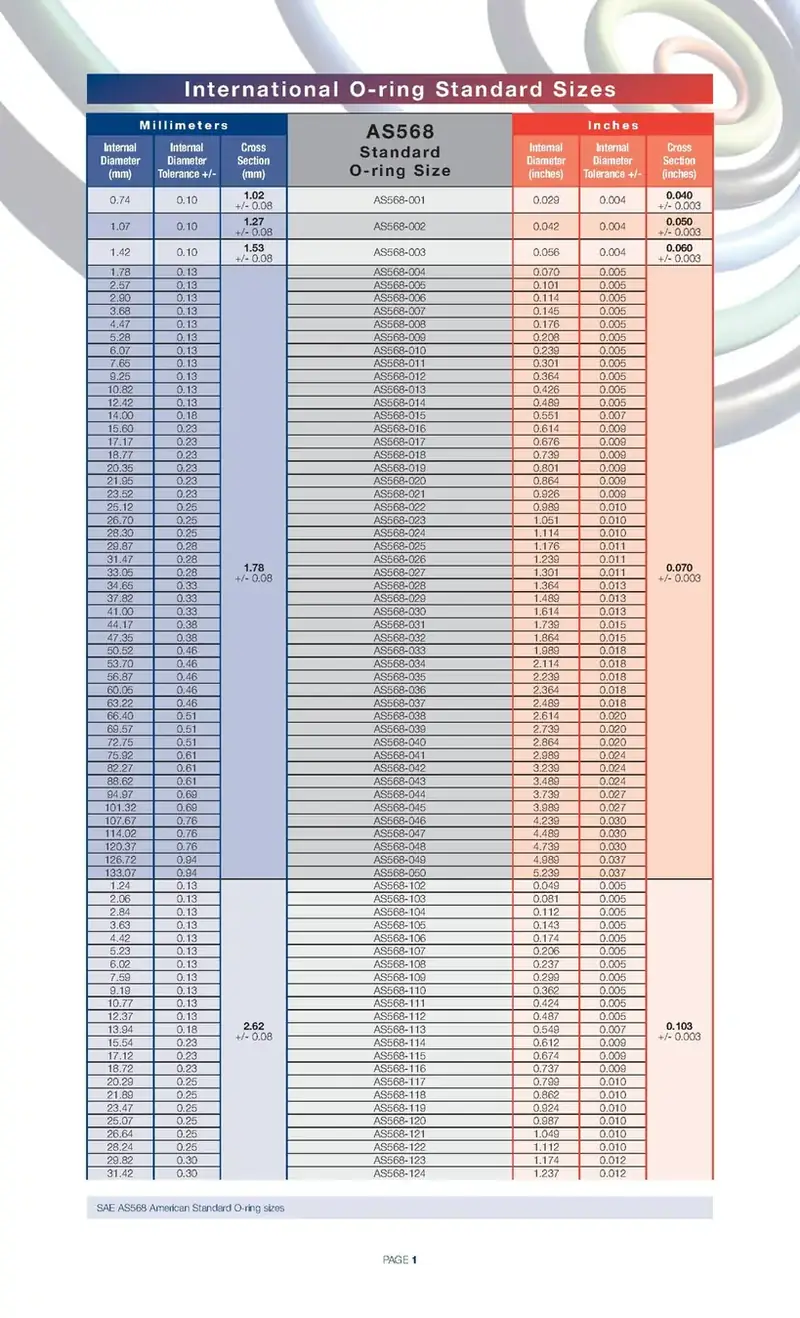
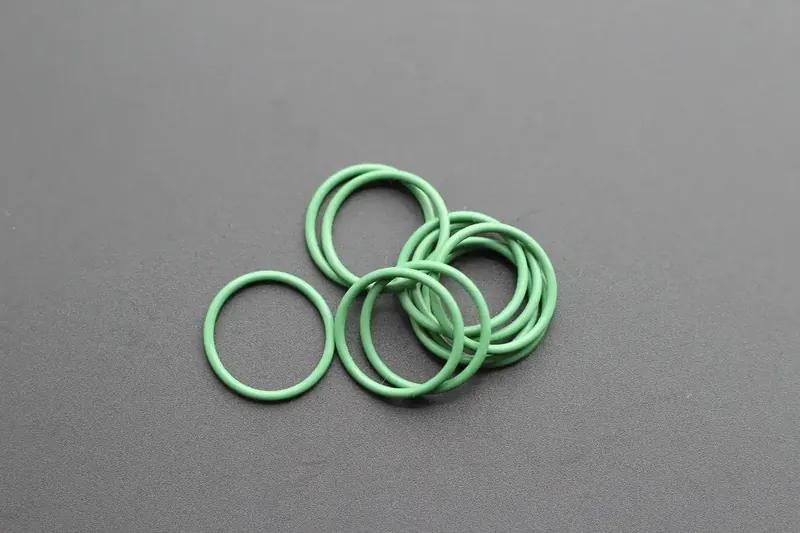
⚖️ O-Ring Weight Calculator
Estimate rubber O-ring weight (Approx).