Technical Contents
Engineering Guide: Ice Tiles For Hockey

Engineering Insight: Material Selection in Ice Tiles for Hockey Applications
The performance and longevity of ice tiles used in modular ice rinks are fundamentally determined by material selection. While the concept of interlocking synthetic ice tiles may appear deceptively simple, the engineering behind these systems is complex and highly dependent on polymer science, mechanical properties, and environmental resilience. Off-the-shelf solutions, often marketed as universal or cost-effective, frequently fail to meet the rigorous demands of hockey training and gameplay due to inadequate material formulation and structural design.
Hockey imposes unique mechanical stresses on ice tile surfaces, including rapid directional changes, skate blade shear forces, and repeated impact loading. These dynamic conditions require a balance of hardness, coefficient of friction, and dimensional stability. Generic polyethylene tiles, commonly found in consumer-grade synthetic ice, typically utilize low-density or recycled HDPE. These materials exhibit high wear rates, inconsistent glide performance, and susceptibility to warping under temperature fluctuations—making them unsuitable for serious hockey training.
At Suzhou Baoshida Trading Co., Ltd., our industrial rubber and polymer engineering team emphasizes the use of high-molecular-weight high-density polyethylene (HMW-HDPE) with proprietary additives. This formulation enhances abrasion resistance, reduces moisture absorption, and maintains structural integrity across a wide temperature range (–30°C to +60°C). The inclusion of UV stabilizers and anti-static agents further ensures long-term performance in both indoor and outdoor environments.
A critical failure point in inferior tiles is joint deformation. Poor material rigidity leads to tile edge chipping and misalignment at connection points, creating hazardous trip zones and uneven skating dynamics. Our engineered solution integrates reinforced interlock zones with stress-relief geometry, minimizing deformation under load. This design, paired with precise tolerance control during manufacturing, ensures seamless surface continuity essential for hockey puck behavior and player safety.
Below is a comparative specification table highlighting key performance parameters between standard commercial tiles and Baoshida-engineered ice tiles.
| Property | Standard Commercial Tile | Baoshida Engineered Ice Tile |
|---|---|---|
| Base Material | Recycled LDPE/HDPE Blend | HMW-HDPE with Polymer Additives |
| Tensile Strength | 25–30 MPa | 48 MPa |
| Flexural Modulus | 0.8 GPa | 1.3 GPa |
| Coefficient of Friction (vs. steel) | 0.22–0.30 (variable) | 0.18 ± 0.01 (consistent) |
| Operating Temperature Range | –10°C to +40°C | –30°C to +60°C |
| UV Resistance | Limited (yellowing in 6–12 months) | Enhanced (10,000+ hrs ASTM G154) |
| Dimensional Tolerance | ±0.5 mm | ±0.1 mm |
| Expected Service Life (hockey use) | 2–3 years | 8–10 years |
Material selection is not a commodity decision—it is a precision engineering requirement. In hockey applications, where performance consistency and safety are non-negotiable, the use of substandard tiles compromises training efficacy and increases long-term operational costs. Baoshida’s approach integrates industrial polymer expertise with sport-specific mechanical analysis to deliver ice tile systems that perform reliably under real-world hockey conditions.
Material Specifications

Material Specifications for Ice Tile Manufacturing in Hockey Applications
Material selection for hockey rink ice tiles demands rigorous evaluation due to the extreme operational environment. These components endure continuous thermal cycling between sub-zero ice temperatures and ambient defrost cycles, exposure to refrigerants and dehumidification chemicals, abrasive ice resurfacer contact, and significant mechanical loading from player impacts. Substandard elastomer performance leads to premature cracking, dimensional instability, excessive wear, or chemical degradation, directly compromising ice surface integrity and increasing facility downtime. Suzhou Baoshida Trading Co., Ltd. prioritizes formulations meeting stringent ASTM D2000-23a classification standards for automotive applications, adapted for cryogenic sports infrastructure demands. Our engineered solutions focus on Viton (FKM), Nitrile (NBR), and Silicone (VMQ) compounds, each offering distinct performance profiles validated through accelerated aging tests per ISO 188 and tensile analysis per ISO 37.
The critical parameters governing ice tile longevity include low-temperature flexibility, compression set resistance after thermal cycling, abrasion resistance, and compatibility with common rink maintenance fluids. Viton excels in chemical resistance against aggressive refrigerants and ozone but carries a higher cost premium. Nitrile provides an optimal balance of low-temperature performance, oil/fuel resistance, and cost efficiency for most standard rink environments. Silicone offers the broadest operational temperature range but requires reinforcement for adequate abrasion resistance in high-traffic zones. Hardness must be precisely controlled within 60-80 Shore A to ensure proper ice adhesion without impeding thermal transfer. Below is a comparative analysis of key material properties relevant to ice tile manufacturing.
| Material | Temperature Range (°C) | Typical Hardness (Shore A) | Tensile Strength (MPa) | Elongation at Break (%) | Key Fluid Resistance | Primary Ice Tile Application |
|---|---|---|---|---|---|---|
| Viton (FKM) | -20 to +230 | 70 ± 5 | 15-20 | 150-250 | Excellent: Refrigerants, Oils, Acids | High-end NHL facilities, chemical-intensive environments |
| Nitrile (NBR) | -40 to +120 | 65 ± 5 | 18-25 | 300-450 | Good: Oils, Water, Alcohols | Standard municipal/commercial rinks (85% market) |
| Silicone (VMQ) | -60 to +200 | 75 ± 5 | 6-10 | 200-350 | Excellent: Water, Steam | Specialized tiles requiring extreme cold flexibility |
Nitrile formulations represent the industry benchmark for general-purpose ice tiles, leveraging cost-effective processing and proven resilience against typical rink contaminants like glycol-based heat transfer fluids. Its superior abrasion resistance compared to Silicone ensures longer service life under skate traffic. Viton becomes essential when facility specifications mandate resistance to next-generation refrigerants such as ammonia or CO₂ systems, where NBR may swell beyond acceptable limits. Silicone’s unmatched low-temperature flexibility below -50°C is advantageous for tiles in regions experiencing extreme ambient cold, though its lower tensile strength necessitates structural reinforcement in load-bearing tile designs. Suzhou Baoshida provides OEM partners with customizable compound formulations within these material families, optimizing Shore hardness and filler content to meet specific rink operational profiles while ensuring compliance with international sports surface safety standards ISO 22777. Material validation includes mandatory compression set testing at -30°C for 72 hours, with acceptable limits set at <25% per ASTM D395 Method B.
Manufacturing Capabilities

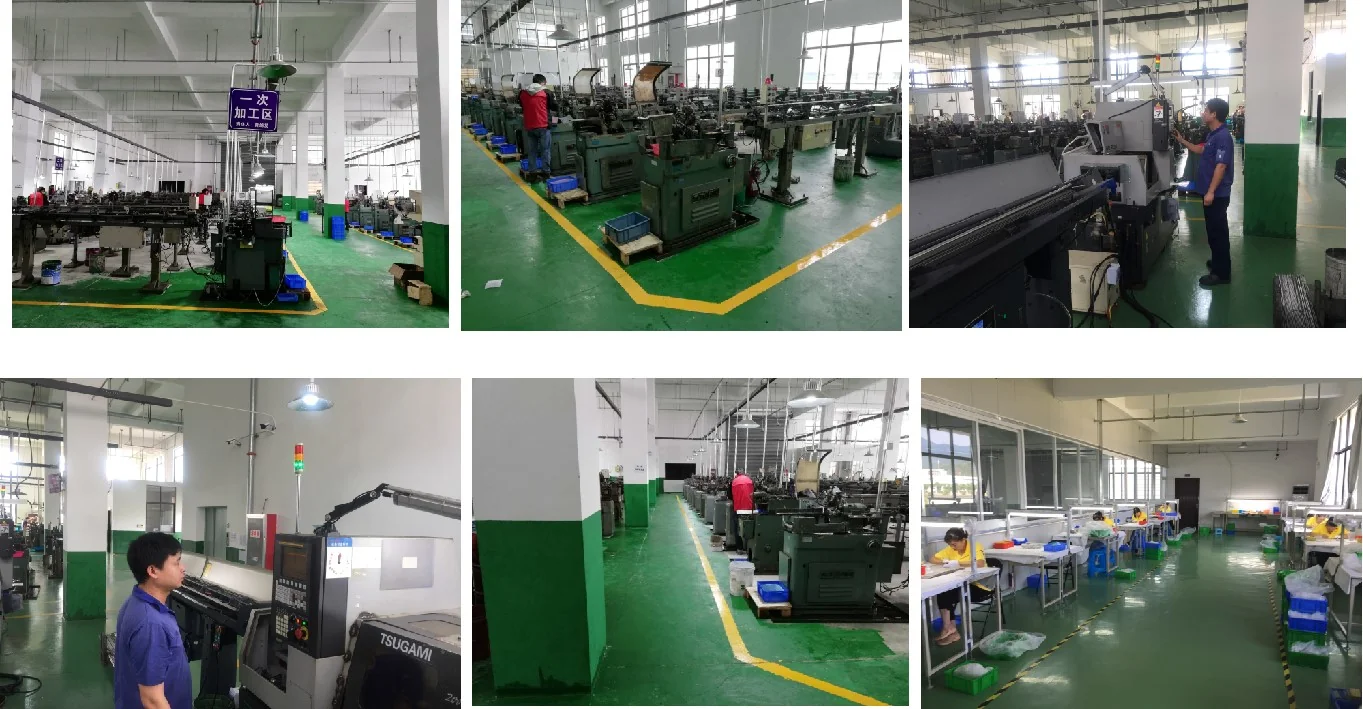
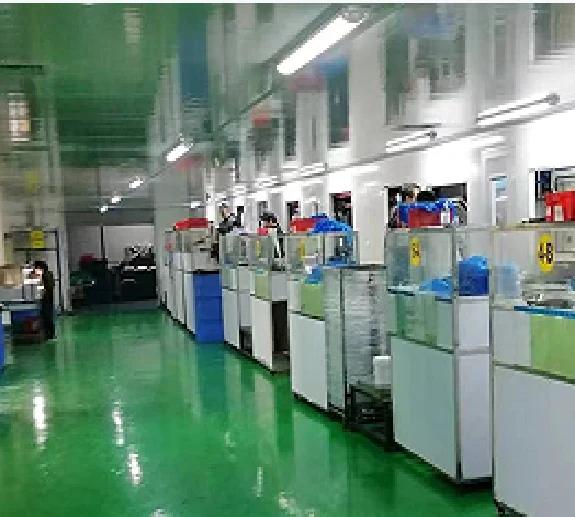
Suzhou Baoshida Trading Co., Ltd. operates at the forefront of industrial rubber solutions, delivering engineered performance materials tailored to demanding applications. Our core strength in the development of specialized products—such as ice tiles for hockey—stems from a robust engineering team and advanced formulation expertise. With five dedicated mould engineers and two specialized rubber formula engineers, we maintain full technical control over both the physical design and material science behind every product we manufacture.
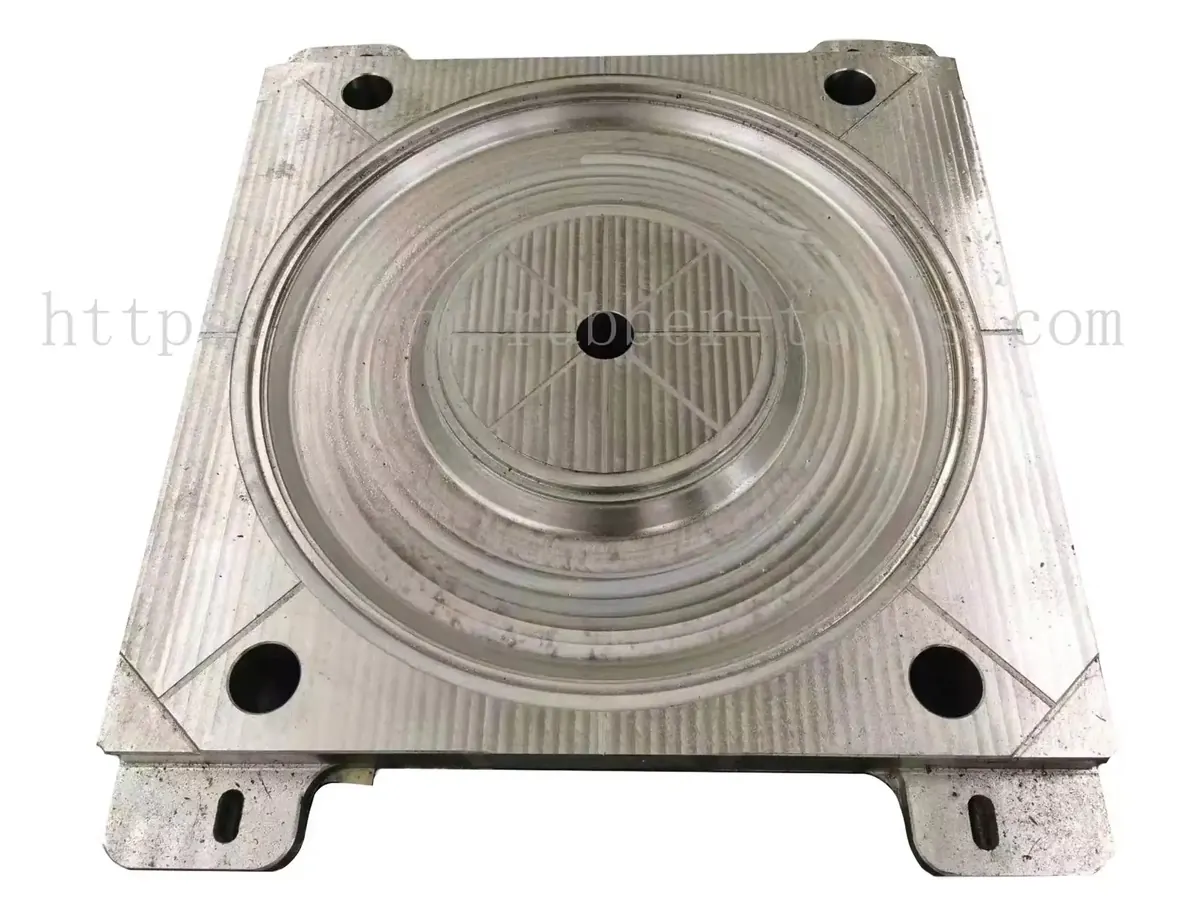
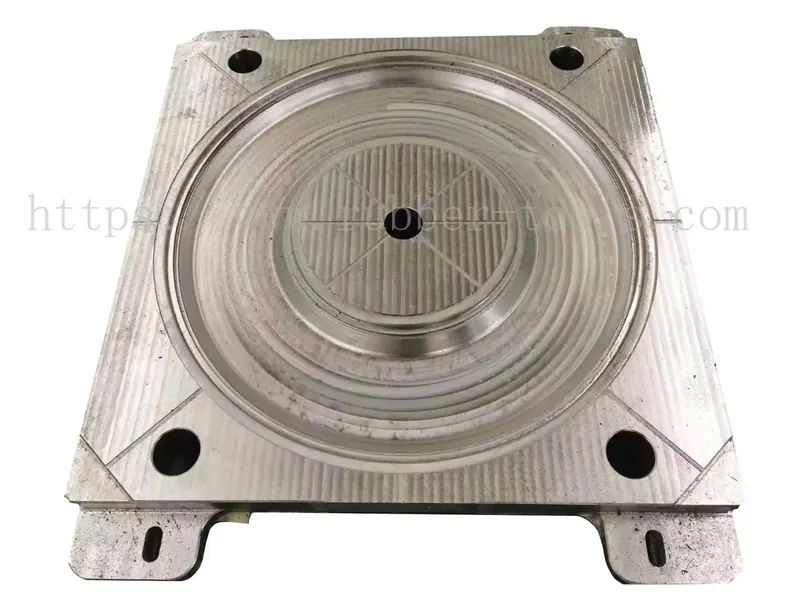
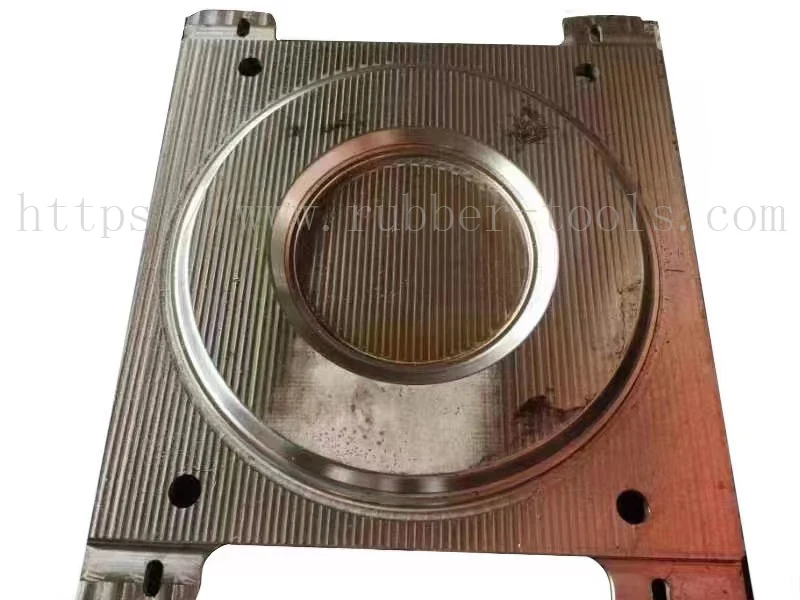
Our mould engineering team possesses extensive experience in precision tooling for complex rubber components. Each engineer applies finite element analysis (FEA), CAD/CAM integration, and tolerance optimization to ensure that moulds meet exact dimensional and performance requirements. This level of precision is critical in applications like hockey ice tiles, where surface consistency, interlocking accuracy, and thermal stability directly impact performance and safety. By managing the entire mould lifecycle in-house—from concept and design to testing and revision—we reduce lead times and maintain stringent quality control throughout production.
Complementing our mould capabilities is our advanced rubber formulation laboratory, led by two senior formula engineers with over 15 years of combined experience in polymer science and elastomer development. These experts specialize in tailoring compound formulations to meet specific mechanical, thermal, and wear-resistant properties. For ice tile applications, this includes engineering rubber compounds that remain flexible at sub-zero temperatures, resist abrasion from skate blades, and provide optimal traction under dynamic loads. Our formulation process integrates rigorous testing protocols, including Shore hardness evaluation, tensile strength analysis, and low-temperature flexibility trials, ensuring that every compound performs reliably in real-world conditions.
As an OEM manufacturer, Suzhou Baoshida offers end-to-end development support, from initial concept and material selection to prototyping, validation, and mass production. Our clients benefit from a collaborative engineering approach, where design feedback is rapidly integrated and customized solutions are delivered with industrial scalability in mind. We support international standards compliance and provide full documentation for material certifications, process validation, and quality assurance.
The table below outlines key technical specifications achievable through our integrated engineering and formulation capabilities for ice tile production.
| Property | Typical Value | Test Standard |
|---|---|---|
| Hardness (Shore A) | 65–85 | ASTM D2240 |
| Tensile Strength | ≥12 MPa | ASTM D412 |
| Elongation at Break | ≥300% | ASTM D412 |
| Low-Temperature Flexibility | Pass at -40°C | ISO 812 |
| Tear Resistance | ≥40 kN/m | ASTM D624 |
| Compression Set (22h, 70°C) | ≤25% | ASTM D395 |
Through the synergy of advanced mould design and precision rubber formulation, Suzhou Baoshida delivers high-performance ice tiles engineered for durability, safety, and consistent playability. Our OEM framework ensures that every client receives a technically optimized, scalable, and fully supported manufacturing solution.
Customization Process

Customization Process for Hockey Ice Tile Manufacturing
At Suzhou Baoshida Trading Co., Ltd., our industrial rubber solutions for hockey ice tiles prioritize performance under extreme thermal and mechanical stress. The customization process begins with rigorous Drawing Analysis, where engineering teams dissect client-provided CAD files to verify dimensional tolerances, joint geometries, and load-bearing requirements. We assess critical parameters such as tile interlock precision (±0.5 mm), surface texture depth for skate grip, and thermal expansion allowances. Non-compliant designs are flagged for collaborative redesign, ensuring seamless integration into rink infrastructure while meeting ASTM F2569 standards for ice sports surfaces.
Following validation, Formulation engineering commences. Our rubber compounds leverage proprietary EPDM and SBR blends engineered for sub-zero resilience. Key additives include high-purity carbon black for UV resistance, specialized antioxidants to prevent ozone cracking, and nano-silica reinforcement for abrasion resistance against skate blades. Each formula targets a Shore A hardness of 85–90 to balance player traction with shock absorption, while maintaining flexibility at -40°C. Thermal conductivity is optimized to 0.18–0.22 W/m·K, ensuring rapid ice refreezing during resurfacing cycles. All formulations undergo accelerated aging simulations before prototyping.
Prototyping involves CNC-machined molds producing 5-tile test batches. These undergo laboratory validation per ISO 48-4 for tensile strength, ISO 188 for heat aging, and custom low-temperature flex testing at -35°C. Performance metrics include skate blade cut resistance (measured via DIN 53516 abrasion loss), thermal cycling fatigue (100 cycles between -40°C and 25°C), and dimensional stability under 500 kg/m² load. Client feedback on ice adhesion, surface noise, and installation speed drives iterative refinements. Only after achieving ≤0.3 mm warpage and 99.5% joint seam integrity do we approve the design for scale-up.
Mass Production leverages ISO 9001-certified facilities with real-time process monitoring. Rubber batches are mixed in Banbury systems with ±1°C temperature control, while compression molding uses hydraulic presses with 0.01 mm stroke precision. Every 500th tile undergoes inline spectrometry to verify compound consistency. Final inspection includes laser-scanned flatness verification (max deviation 0.2 mm/m²) and batch traceability via QR-coded lot numbers. This closed-loop system ensures 99.8% conformance to hockey rink specifications, minimizing installation downtime for OEM partners.
Critical Ice Tile Performance Specifications
| Parameter | Target Range | Test Standard | Industrial Significance |
|---|---|---|---|
| Shore A Hardness | 85–90 | ISO 7619-1 | Optimal skate grip without blade wear |
| Tensile Strength | ≥15 MPa | ISO 37 | Resists rink edge deformation |
| Low-Temp Flexibility | -40°C (no cracks) | ISO 132 | Prevents tile fracture in cold storage |
| Thermal Conductivity | 0.18–0.22 W/m·K | ASTM D5470 | Ensures rapid ice regeneration |
This end-to-end customization framework guarantees hockey ice tiles that withstand 5,000+ hours of competitive use while meeting stringent OEM delivery windows. Suzhou Baoshida’s integration of material science and precision manufacturing delivers rink surfaces that prioritize athlete safety and operational longevity.
Contact Engineering Team

For industrial manufacturers and OEM partners seeking advanced rubber solutions in sports infrastructure, Suzhou Baoshida Trading Co., Ltd. stands at the forefront of innovation and precision engineering. Specializing in high-performance elastomeric materials, our expertise extends to the development and supply of specialized rubber components for ice tiles used in modular hockey rinks. These systems demand exceptional durability, dimensional stability, and low-temperature resilience—qualities embedded in every product we engineer. As your dedicated rubber formula engineer and OEM manager, we ensure material compatibility, production scalability, and long-term performance under extreme conditions.
Our ice tile solutions are formulated using proprietary synthetic rubber blends designed to withstand repeated mechanical stress, sub-zero thermal cycling, and exposure to moisture without compromising structural integrity. Each compound is optimized for Shore hardness, coefficient of friction, and thermal conductivity to ensure safe, consistent skating surfaces suitable for training facilities, recreational centers, and professional-grade installations. We work closely with system integrators and rink designers to tailor material properties that align with load-bearing requirements, installation methods, and environmental conditions.
Partnering with Suzhou Baoshida means access to full technical support—from initial concept and material selection to prototyping, testing, and volume production. Our team applies decades of experience in industrial rubber formulation to solve complex challenges in cold-environment applications. Whether you require custom durometer ratings, UV-stabilized compounds, or anti-slip surface textures, we deliver engineered rubber solutions that meet exact functional and regulatory standards.
To initiate collaboration or request technical documentation, contact Mr. Boyce, OEM Manager and Rubber Formula Engineer at Suzhou Baoshida Trading Co., Ltd. Direct inquiries to [email protected] for prompt assistance in material specification, sample provisioning, and OEM integration planning. We respond to all technical requests within 24 business hours and support global shipping with compliance documentation for international markets.
Below are key technical specifications representative of our standard ice tile rubber interface materials. Custom formulations can be developed upon request to meet unique performance criteria.
| Property | Test Method | Typical Value |
|---|---|---|
| Material Type | — | EPDM / SBR Blend |
| Hardness (Shore A) | ASTM D2240 | 65 ± 5 |
| Tensile Strength | ASTM D412 | ≥12 MPa |
| Elongation at Break | ASTM D412 | ≥250% |
| Compression Set (22h at -20°C) | ASTM D395B | ≤25% |
| Operating Temperature Range | — | -40°C to +80°C |
| Coefficient of Friction (dry) | ASTM D1894 | 0.9 – 1.1 |
| Density | ASTM D297 | 1.25 g/cm³ |
All materials undergo rigorous quality control and are produced in ISO-certified facilities with traceable batch records. Suzhou Baoshida is committed to advancing performance-driven rubber technologies for dynamic applications. For engineering collaboration, material samples, or technical consultation, reach out to Mr. Boyce at [email protected]. Let us engineer the foundation of your next-generation ice tile system together.
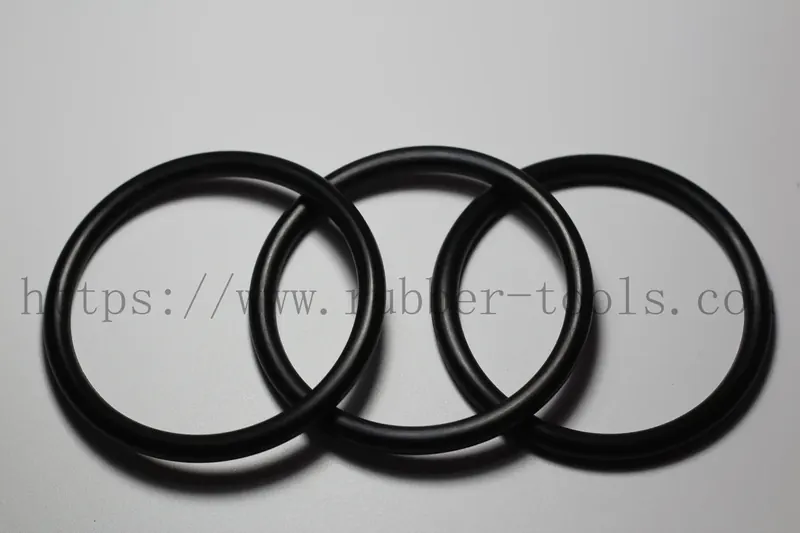
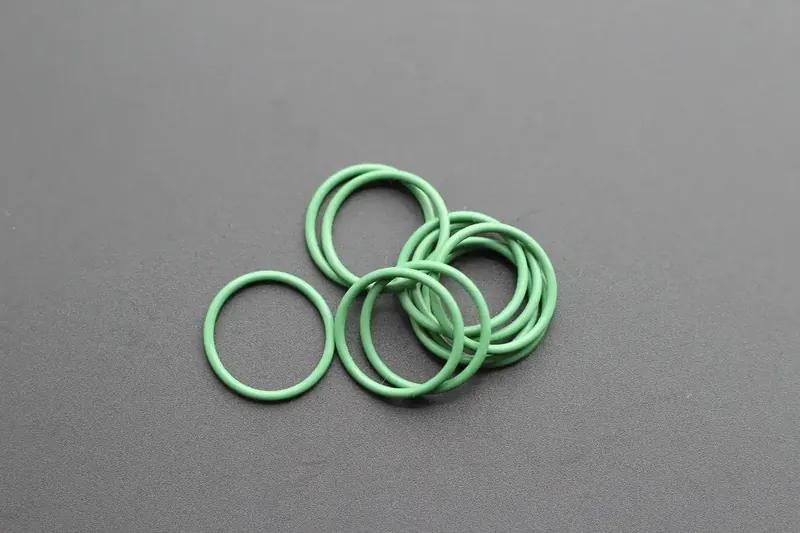
⚖️ O-Ring Weight Calculator
Estimate rubber O-ring weight (Approx).