Melamine Foam Insulation Manufacturer | Engineering Guide

Engineering Guide: Melamine Foam Insulation

melamine foam insulation manufacturing

Engineering Insight: Material Selection Criticality in Melamine Foam Insulation Systems

Material selection dictates operational viability in high-performance thermal and acoustic insulation applications. While melamine foam offers inherent advantages like low thermal conductivity and open-cell structure, generic off-the-shelf formulations frequently fail under industrial operational stresses. This stems from unoptimized polymer chemistry and inadequate processing parameters for specific duty cycles. Standard commercial grades prioritize cost reduction over functional resilience, leading to premature degradation in demanding environments such as industrial machinery housings, automotive underhood systems, or HVAC ductwork. Critical failure modes emerge when material properties do not align with application physics.

Off-the-shelf melamine foam commonly exhibits insufficient thermal stability beyond 150°C, initiating pyrolysis and dimensional collapse during transient thermal events. Its inherent hydrophilicity accelerates hydrolytic degradation in humid or wash-down environments, causing permanent loss of structural integrity and insulating value. Furthermore, inadequate crosslink density in commodity grades results in excessive compression set under sustained mechanical load, compromising sealing performance and thermal barrier continuity. These failures manifest as increased energy leakage, noise transmission spikes, or catastrophic insulation breakdown requiring unscheduled downtime. The root cause lies in the absence of application-specific formulation tuning – particularly in catalyst systems, blowing agent ratios, and post-cure protocols – which govern the foam’s viscoelastic response and chemical resistance.

Suzhou Baoshida Trading Co., Ltd. addresses these limitations through precision-engineered melamine foam variants. Our OEM development process begins with rigorous duty cycle analysis, followed by proprietary resin modification and controlled polymerization kinetics to enhance key performance thresholds. This yields foams with reinforced thermal resilience, minimized moisture absorption, and exceptional recovery characteristics under cyclic compression. The engineered solution ensures long-term dimensional stability where standard products degrade, directly impacting system reliability and lifecycle cost.

The following table contrasts critical performance parameters between standard and engineered melamine foam formulations:

Parameter Standard Commercial Foam Baoshida Engineered Foam Test Standard
Continuous Use Temp ≤ 150°C ≤ 250°C ISO 11359-2
Compression Set (50%, 24h) 25-35% ≤ 12% ASTM D3574-17e1
Water Absorption (24h) 15-25% ≤ 5% ISO 844:2007
LOI (Limiting Oxygen Index) 32-35% ≥ 42% ASTM D2863-19
Non-Combustibility Rating Class B1 Class A1 (ISO 1182) EN 13501-1

Material selection is not a commodity decision but a system engineering prerequisite. Generic melamine foam insulation sacrifices performance margin for initial cost savings, inevitably increasing total cost of ownership through maintenance and failure. Precision-tailored formulations, developed through deep polymer science understanding and application-specific validation, deliver the required operational envelope for mission-critical industrial systems. Suzhou Baoshida Trading Co., Ltd. provides this engineered material assurance as core to our industrial rubber solutions portfolio.


Material Specifications

Melamine foam insulation is a high-performance thermal and acoustic material widely used in industrial applications requiring lightweight, fire-resistant, and low-conductivity solutions. When integrated with elastomeric sealing and protective components, compatibility with industrial rubber materials becomes critical for system integrity and longevity. At Suzhou Baoshida Trading Co., Ltd., we specialize in providing engineered rubber solutions tailored to demanding environments. Our expertise includes the integration of melamine foam systems with high-performance elastomers such as Viton, Nitrile (NBR), and Silicone. These materials are selected based on their chemical resistance, temperature range, mechanical properties, and compatibility with adjacent insulation and sealing requirements.

Viton, a fluorocarbon-based rubber, offers exceptional resistance to high temperatures, oils, fuels, and a broad range of chemicals. It maintains structural integrity in continuous service up to 230°C and can withstand short-term exposure to temperatures as high as 300°C. This makes Viton ideal for use in aerospace, automotive, and chemical processing applications where melamine foam insulation is exposed to aggressive media. Its low outgassing and excellent aging characteristics further enhance reliability in sealed or high-vacuum environments.

Nitrile rubber, or Buna-N, is a cost-effective solution for applications involving petroleum-based fluids and moderate temperature ranges. With a continuous operating temperature of up to 120°C and exceptional abrasion resistance, Nitrile is widely used in hydraulic systems, fuel handling, and industrial machinery. While it lacks the extreme temperature and chemical resistance of Viton, its strong sealing performance and resilience under mechanical stress make it a suitable companion material for melamine foam in less severe environments.

Silicone rubber provides outstanding thermal stability across a wide temperature range, from -60°C to 200°C, with some formulations capable of enduring brief excursions to 300°C. It exhibits excellent resistance to ozone, UV radiation, and weathering, making it ideal for outdoor or high-temperature insulation enclosures. Though less resistant to petroleum-based fluids than Viton or Nitrile, silicone’s flexibility, electrical insulation properties, and non-toxic decomposition products make it a preferred choice in food processing, medical, and electrical applications where melamine foam is used for thermal management.

The following table provides a comparative overview of key physical and chemical properties for these three elastomers in the context of industrial insulation systems utilizing melamine foam.

Property Viton (FKM) Nitrile (NBR) Silicone (VMQ)
Continuous Service Temperature -20°C to 230°C -30°C to 120°C -60°C to 200°C
Tensile Strength (MPa) 15–20 10–20 6–10
Elongation at Break (%) 200–300 250–400 200–600
Hardness (Shore A) 60–90 50–90 30–80
Resistance to Oils and Fuels Excellent Excellent Poor
Resistance to Ozone/UV Excellent Good Excellent
Compression Set Resistance Excellent Good Moderate
Common Applications Aerospace, chemical seals, high-temp gaskets Fuel systems, hydraulics, industrial seals Electrical insulation, food-grade seals, outdoor enclosures

Selecting the appropriate elastomer depends on the operational environment, media exposure, and mechanical demands of the system. Suzhou Baoshida Trading Co., Ltd. supports OEMs and industrial clients in material selection, ensuring optimal performance and durability when combining melamine foam insulation with precision rubber components.


Manufacturing Capabilities

melamine foam insulation manufacturing

Engineering Capability: Precision Formulation and OEM Execution for Melamine Foam Insulation

Suzhou Baoshida Trading Co., Ltd. delivers advanced melamine foam insulation solutions through integrated engineering expertise, directly addressing the stringent thermal management and acoustic demands of industrial applications. Our core strength resides in a dedicated team of seven specialized engineers: five Mold Design Engineers and two senior Formula Engineers. This structure ensures seamless synergy between material science and manufacturing precision, critical for optimizing melamine foam’s unique cellular structure and performance characteristics. Melamine foam presents specific formulation challenges, including achieving consistent closed-cell morphology, thermal stability across wide temperature ranges, and maintaining low thermal conductivity while ensuring mechanical resilience. Our Formula Engineers possess deep expertise in polymer chemistry and foam nucleation dynamics, enabling precise control over resin composition, catalyst systems, and blowing agents. This results in formulations tailored to exact client specifications for density, compressive strength, flame retardancy (meeting UL 94 HF-1/V-0), and long-term thermal performance stability.

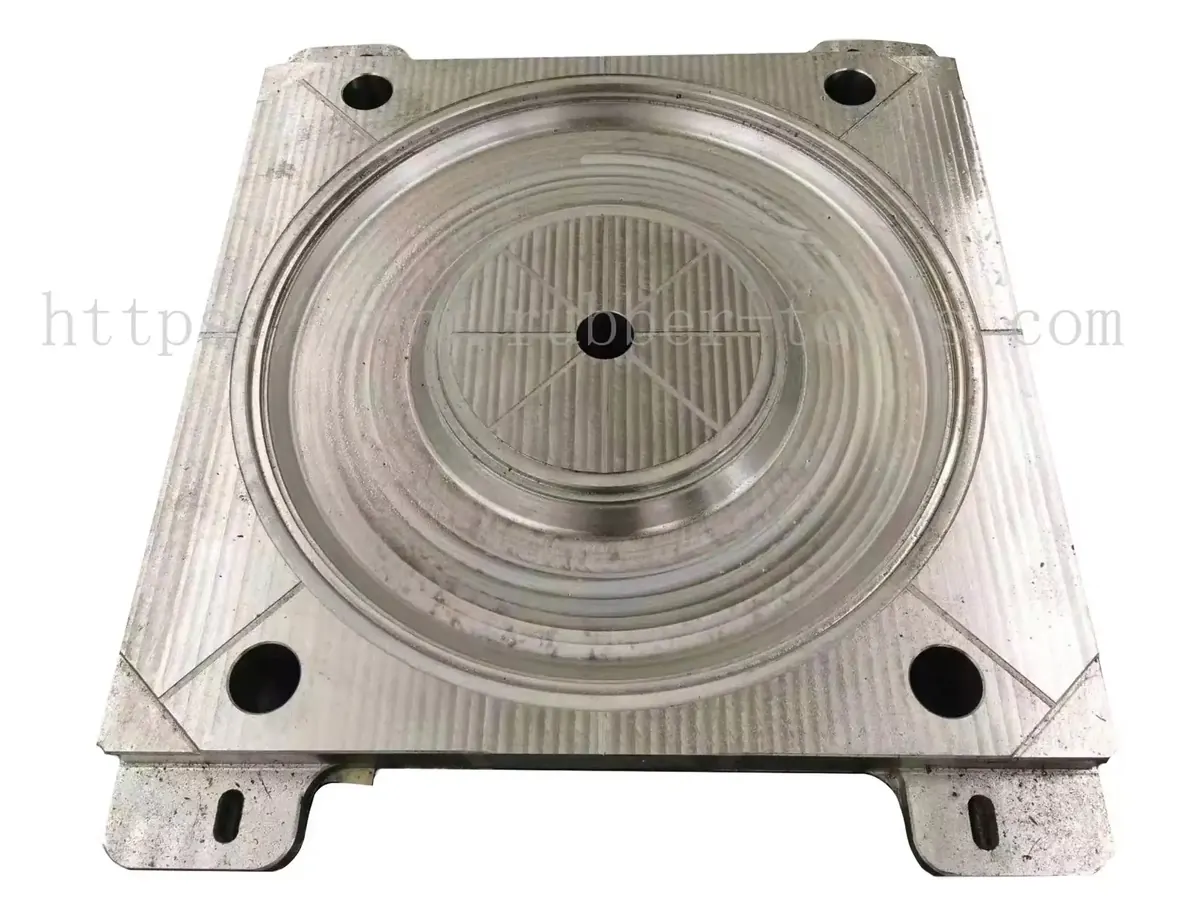
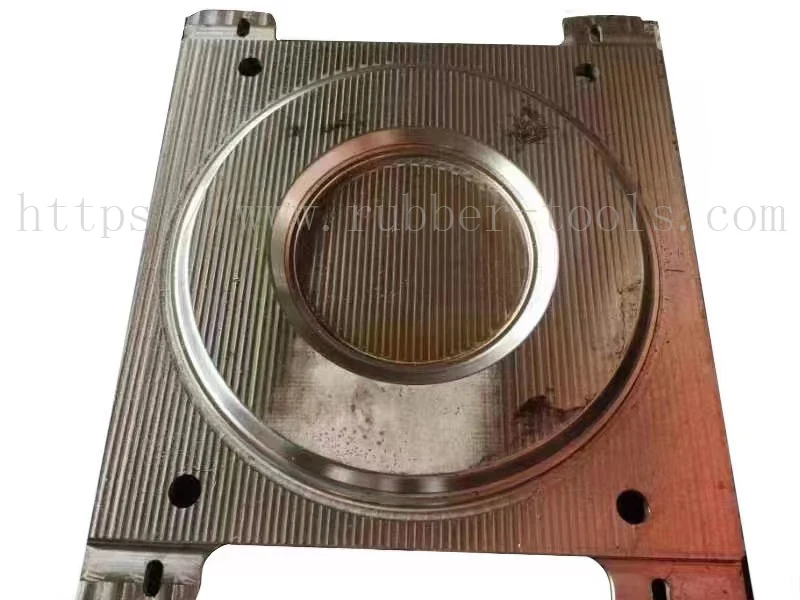
The Mold Design Engineering team translates these precise formulations into high-fidelity production. They specialize in designing and validating complex molds that manage the intricate foaming kinetics and curing cycles inherent to melamine resin systems. Their focus is on minimizing internal stresses, ensuring uniform cell distribution, achieving tight dimensional tolerances (±0.5mm), and optimizing demolding processes to prevent surface defects or structural compromise. This close collaboration between formulation and mold design eliminates the traditional disconnect between material development and manufacturability, significantly reducing prototyping cycles and accelerating time-to-market for client projects.

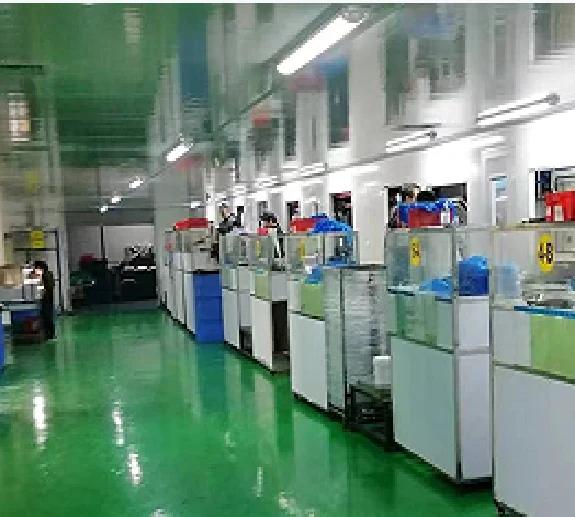
Our OEM capabilities are engineered for reliability and scalability within the industrial supply chain. We manage the entire process from initial concept and material qualification through to high-volume production and logistics, operating under strict ISO 9001 quality management protocols. Clients retain full ownership of proprietary designs and formulations developed during collaboration. We provide comprehensive technical documentation, including material test reports (MTRs), process validation data (IQ/OQ/PQ), and full traceability for every production batch. Tooling investment and maintenance are handled transparently, with options for client ownership or managed Baoshida ownership based on volume commitments. This end-to-end control guarantees consistent product quality and supply chain security for critical insulation components.

Key performance specifications achievable through our engineered melamine foam insulation are detailed below:

Specification Parameter Typical Range/Value Test Standard Significance for Industrial Applications
Thermal Conductivity (25°C) 0.032 – 0.038 W/m·K ASTM C518 Critical for high-efficiency thermal insulation
Density 6 – 12 kg/m³ ASTM D1622 Balances insulation value with weight constraints
Compressive Strength (10%) 40 – 120 kPa ASTM D1621 Ensures structural integrity under load
Flame Spread Index (FSI) ≤ 15 ASTM E84 Meets stringent fire safety requirements
Smoke Developed Index (SDI) ≤ 50 ASTM E84 Critical for enclosed space safety
Continuous Service Temp. -180°C to +240°C Internal Validation Suitable for extreme cryogenic to high-heat uses
Water Absorption (24h) ≤ 1.0% (vol) ASTM D2842 Maintains performance in humid environments

This engineering-driven approach, combining deep material science with advanced manufacturing execution, positions Suzhou Baoshida as a strategic partner for OEMs requiring mission-critical melamine foam insulation. We transform complex thermal and acoustic challenges into reliable, high-performance components, backed by rigorous scientific validation and scalable production capacity.


Customization Process

melamine foam insulation manufacturing

Customization Process for Melamine Foam Insulation Solutions

At Suzhou Baoshida Trading Co., Ltd., our approach to delivering high-performance melamine foam insulation is rooted in precision engineering and material science. As an OEM manager specializing in industrial rubber solutions, we follow a structured four-phase customization process: Drawing Analysis, Formulation, Prototyping, and Mass Production. This ensures every product meets exact client specifications for thermal performance, mechanical integrity, and environmental resistance.

The process begins with Drawing Analysis, where technical blueprints and 3D models are evaluated for dimensional accuracy, tolerance requirements, and application context. This step includes assessing installation conditions—such as exposure to moisture, vibration, or elevated temperatures—to determine optimal material behavior. Our engineering team collaborates directly with clients to clarify design intent and identify potential manufacturing constraints early in the development cycle.

Following drawing validation, we proceed to Formulation. Melamine foam, while inherently lightweight and thermally efficient, requires tailored modification to meet industrial demands. Our rubber formula engineers adjust cross-linking density, incorporate flame retardants, and integrate reinforcing agents to enhance compressive strength and acoustic damping. Additives are selected based on ISO and UL compliance standards, ensuring long-term stability in harsh environments. Formulation parameters are documented and locked into our quality management system for traceability.

Once the material composition is finalized, we initiate Prototyping. Using precision die-cutting and CNC shaping techniques, functional samples are produced from the approved formulation. These prototypes undergo rigorous in-house testing, including thermal conductivity measurements (ASTM C518), compression set analysis (ASTM D395), and flammability screening (UL 94). Clients receive physical samples alongside full test reports for validation. Any required adjustments are fed back into the formulation or machining parameters before approval for scale-up.

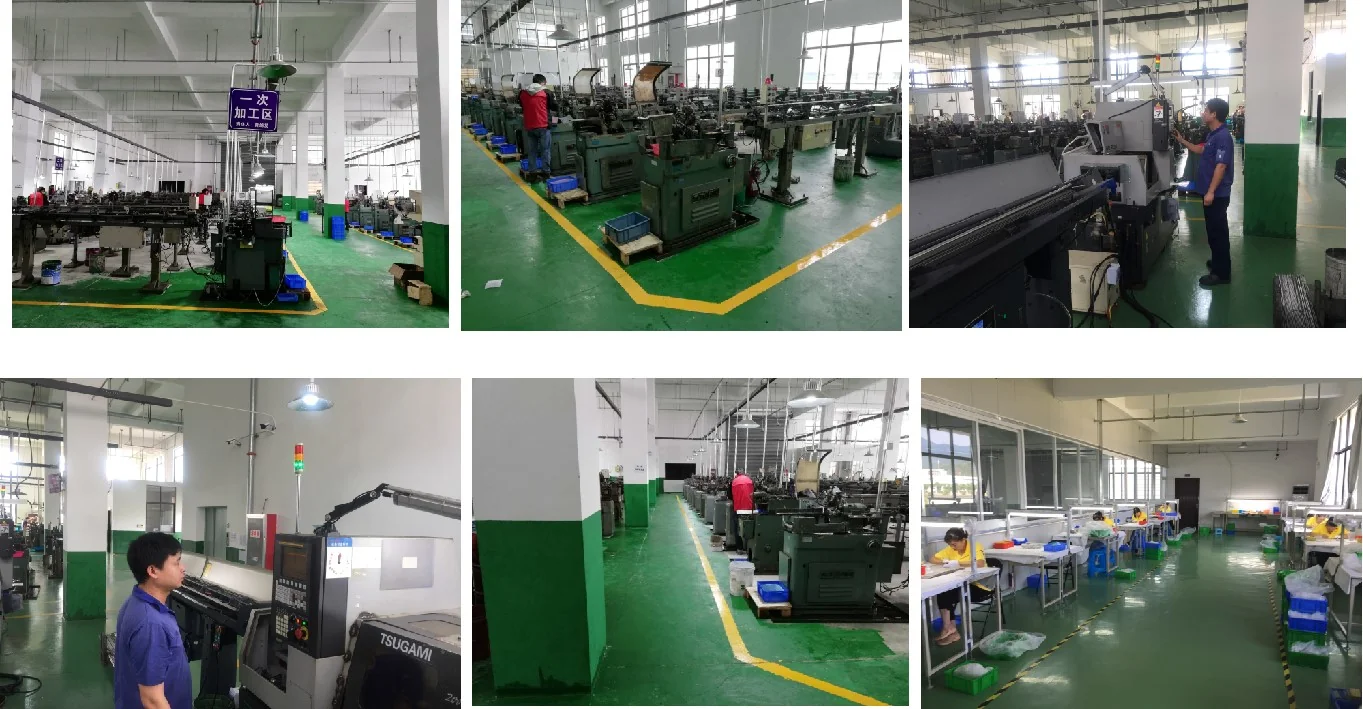
The final phase is Mass Production, executed in our ISO-certified manufacturing facility. Automated batching systems ensure formulation consistency, while inline quality checks monitor foam density, thickness deviation, and surface integrity. Production runs are scheduled with lean manufacturing principles to minimize lead times without compromising quality. All batches are traceable via lot numbering and supported by Certificates of Conformance.

Below are key technical specifications achievable with our customized melamine foam insulation:

Property Standard Value Test Method
Density 4–10 kg/m³ ASTM D1622
Thermal Conductivity (25°C) 0.032–0.036 W/(m·K) ASTM C518
Compression Strength (10% strain) 8–25 kPa ASTM D3574
Flame Spread Index ≤10 ASTM E84
Service Temperature Range -180°C to +240°C ISO 359
Sound Absorption Coefficient (NRC) 0.85–1.05 ASTM C423

This systematic customization process enables Suzhou Baoshida to deliver melamine foam insulation that performs reliably in demanding industrial applications, from automotive enclosures to HVAC systems.


Contact Engineering Team

Contact Suzhou Baoshida for Precision Melamine Foam Insulation Solutions

Suzhou Baoshida Trading Co., Ltd. operates at the intersection of advanced polymer science and industrial application engineering. While our core expertise lies in industrial rubber formulations, our strategic expansion into high-performance melamine foam insulation underscores our commitment to solving complex thermal and acoustic challenges across manufacturing sectors. This material, distinct from elastomeric solutions yet complementary in system design, leverages a unique closed-cell structure to deliver exceptional fire resistance, thermal stability, and sound absorption. Its non-toxic decomposition and minimal thermal conductivity make it indispensable for demanding environments where material integrity under extreme conditions is non-negotiable.

Our technical team rigorously validates every melamine foam batch against stringent industrial benchmarks, ensuring consistency in density, compressive strength, and flame propagation resistance. Unlike commodity insulation suppliers, we integrate material science with application-specific engineering support. This approach is critical for industries such as automotive manufacturing, HVAC systems, and industrial machinery, where substandard insulation compromises safety, efficiency, and regulatory compliance. The following specifications represent our baseline industrial-grade melamine foam formulation, subject to customization for OEM partnerships:

Property Value Test Standard
Density 6.0 – 8.0 kg/m³ ASTM D1622
Thermal Conductivity ≤ 0.034 W/m·K (25°C) ISO 8301
Continuous Use Temp -180°C to +240°C ASTM D573
Fire Rating Class A / Class 1 ASTM E84, EN 13501
Flame Propagation Index < 10 UL 723
Sound Absorption (NRC) 0.95 – 1.05 ASTM C423
Compression Set (50%) ≤ 10% after 22h @ 70°C ASTM D3574

Initiating collaboration with Suzhou Baoshida transcends transactional procurement. We engage as technical partners from concept validation through serial production. Mr. Boyce, our dedicated OEM Manager and Rubber Formula Engineering lead, possesses 14 years of experience in polymer system integration. He will coordinate material testing, prototype development, and volume production scaling tailored to your operational parameters. Whether optimizing foam density for vibration damping in precision machinery or enhancing fire barrier efficacy in electrical enclosures, his team delivers solutions grounded in empirical data and manufacturing pragmatism.

Do not compromise on insulation performance when system reliability is paramount. Contact Mr. Boyce directly to request technical datasheets, initiate material qualification testing, or discuss bespoke formulation adjustments for your application. Provide your project specifications, target volumes, and performance thresholds to receive a precision-engineered proposal within 48 business hours. Our quality management system (ISO 9001:2015 certified) guarantees traceability from raw material sourcing to finished goods, ensuring every square meter meets your operational demands.

Elevate your thermal management strategy with engineered certainty. Reach Mr. Boyce at [email protected] to commence a technical consultation. Include your company name, application context, and target delivery timeline to accelerate solution deployment. Suzhou Baoshida Trading Co., Ltd. stands ready to transform your insulation requirements into validated industrial performance.

Suzhou Baoshida Trading Co., Ltd.
Rubber Formula Engineer & OEM Manager
Precision Material Solutions for Industrial Manufacturing


⚖️ O-Ring Weight Calculator

Estimate rubber O-ring weight (Approx).


Melamine Foam Insulation Manufacturer | Engineering Guide

Contents of Table

Contact [email protected] Whatsapp 86 15951276160