Technical Contents
Engineering Guide: Silicone Weatherstripping For Door
Engineering Insight Silicone Weatherstripping for Door Applications Material Selection as Performance Determinant
The operational integrity of door systems in demanding environments hinges critically on weatherstripping material selection. Generic silicone weatherstripping solutions frequently fail to meet long-term performance requirements due to fundamental mismatches between standardized formulations and specific application stresses. Off-the-shelf products prioritize cost reduction and broad market appeal, often sacrificing the precise polymer chemistry and reinforcement strategies necessary for sustained sealing under real-world conditions. This results in premature degradation manifesting as compression set failure, thermal cracking, UV-induced surface embrittlement, or adhesion loss – directly compromising energy efficiency, acoustic insulation, and ingress protection.
Material failure originates in the molecular architecture. Standard silicone compounds typically utilize lower-purity vinyl-functional polysiloxanes with inconsistent molecular weight distributions and suboptimal platinum catalyst systems. Inadequate cross-link density, often a consequence of reduced catalyst loading or impure base polymers, severely diminishes resilience against continuous compression. Simultaneously, insufficient UV stabilizers and thermal antioxidants leave the polymer backbone vulnerable to chain scission under solar radiation and extreme temperature cycling. Fillers like standard-grade fumed silica may lack the surface treatment required for optimal reinforcement in dynamic sealing scenarios, accelerating wear. Crucially, these formulations rarely account for specific door dynamics – the frequency and magnitude of compression cycles, exposure to ozone near HVAC units, or chemical contaminants in industrial settings.
Suzhou Baoshida Trading Co., Ltd. addresses these failure modes through application-engineered silicone compounds. Our formulations begin with high-purity, high-vinyl-content polysiloxanes ensuring uniform cross-linking. Precision platinum catalyst dosing and activation protocols maximize network integrity. We incorporate proprietary blends of sterically hindered amine light stabilizers (HALS) and specialized phenolic antioxidants tailored to the expected UV and thermal load. Reinforcement utilizes surface-modified, high-structure fumed silica optimized for low compression set and high tear strength. Crucially, material properties are validated against the actual operating profile – not generic industry standards – including door cycle testing protocols simulating 10+ years of use.
The performance delta between standard and engineered silicone is quantifiable. Consider the critical parameters below:
| Property | Standard Silicone Weatherstrip | Baoshida Engineered Silicone (Door Specific) | Test Standard |
|---|---|---|---|
| Continuous Temp Range | -40°C to +200°C | -60°C to +230°C | ASTM D2240 |
| Compression Set (70h/70°C) | 35-45% | ≤ 18% | ASTM D395 Method B |
| Tensile Strength | 6.5-8.0 MPa | 9.5-11.0 MPa | ASTM D412 |
| Shore A Hardness (After Aging) | Significant Increase | Stable ±3 Points | ASTM D2240 |
| UV Resistance (1000h QUV) | Severe Cracking/Chalking | No Cracking, Minimal Gloss Loss | ASTM G154 |
Relying on off-the-shelf silicone weatherstripping represents a false economy. The initial cost savings are invariably offset by accelerated replacement cycles, system downtime, and compromised building performance. True reliability demands material science aligned with the door system’s exact mechanical, thermal, and environmental demands. Suzhou Baoshida Trading Co., Ltd. partners with OEMs to co-develop silicone weatherstripping formulations where molecular precision translates directly into decades of leak-free, maintenance-free operation. Material selection is not a procurement decision; it is the foundational engineering parameter for door system longevity.
Material Specifications
Silicone weatherstripping for doors is a critical sealing solution in industrial, commercial, and automotive applications where environmental resistance, durability, and long-term performance are essential. At Suzhou Baoshida Trading Co., Ltd., we specialize in high-performance rubber solutions tailored to meet rigorous OEM specifications. Our expertise in silicone, Viton, and Nitrile compounds enables us to deliver weatherstripping products that provide reliable sealing against moisture, dust, temperature extremes, and chemical exposure.
Silicone rubber is widely selected for door weatherstripping due to its exceptional thermal stability, UV resistance, and flexibility across a broad temperature range. It maintains elastic properties from -60°C to +230°C, making it ideal for exterior applications exposed to harsh climates. Silicone also exhibits excellent resistance to ozone and weathering, ensuring long service life in outdoor environments. Its inherent inertness and low toxicity further support use in sensitive environments, including medical facilities and cleanrooms.
Viton, a fluorocarbon rubber (FKM), offers superior resistance to high temperatures, oils, fuels, and a wide range of aggressive chemicals. While more costly than silicone or Nitrile, Viton delivers unmatched performance in extreme conditions, particularly in industrial enclosures or transportation sectors where exposure to hydrocarbons is common. Viton-based weatherstripping maintains integrity under continuous exposure to temperatures up to 250°C and demonstrates low compression set, ensuring long-term sealing force retention.
Nitrile rubber (NBR) is a cost-effective solution for applications requiring resistance to oils, greases, and aliphatic hydrocarbons. It performs well in temperature ranges from -40°C to +105°C and is frequently used in automotive and machinery door seals where fuel or lubricant contact is expected. While Nitrile lacks the UV and ozone resistance of silicone, it provides excellent abrasion resistance and mechanical strength, making it suitable for high-wear sealing interfaces.
The selection of the appropriate elastomer depends on the operational environment, chemical exposure, temperature profile, and lifecycle requirements. Suzhou Baoshida Trading Co., Ltd. provides customized compounding and extrusion services to ensure precise material performance aligned with client specifications.
Below is a comparative overview of the key physical and chemical properties of these materials in the context of door weatherstripping applications.
| Property | Silicone (VMQ) | Viton (FKM) | Nitrile (NBR) |
|---|---|---|---|
| Temperature Range (°C) | -60 to +230 | -20 to +250 | -40 to +105 |
| Tensile Strength (MPa) | 6–8 | 12–18 | 10–15 |
| Elongation at Break (%) | 250–400 | 200–300 | 250–400 |
| Hardness (Shore A) | 40–80 | 60–90 | 50–90 |
| Compression Set (22 hrs, 150°C) | 15–25% | 10–20% | 20–35% |
| Resistance to Ozone/UV | Excellent | Excellent | Poor to Fair |
| Resistance to Oils/Fuels | Fair | Excellent | Good to Excellent |
| Resistance to Water/Steam | Excellent | Good | Good |
| Electrical Insulation | Excellent | Good | Fair |
Each material offers distinct advantages, and proper selection ensures optimal sealing performance, durability, and cost-efficiency in the final application.
Manufacturing Capabilities
Engineering Excellence in Silicone Weatherstripping Development
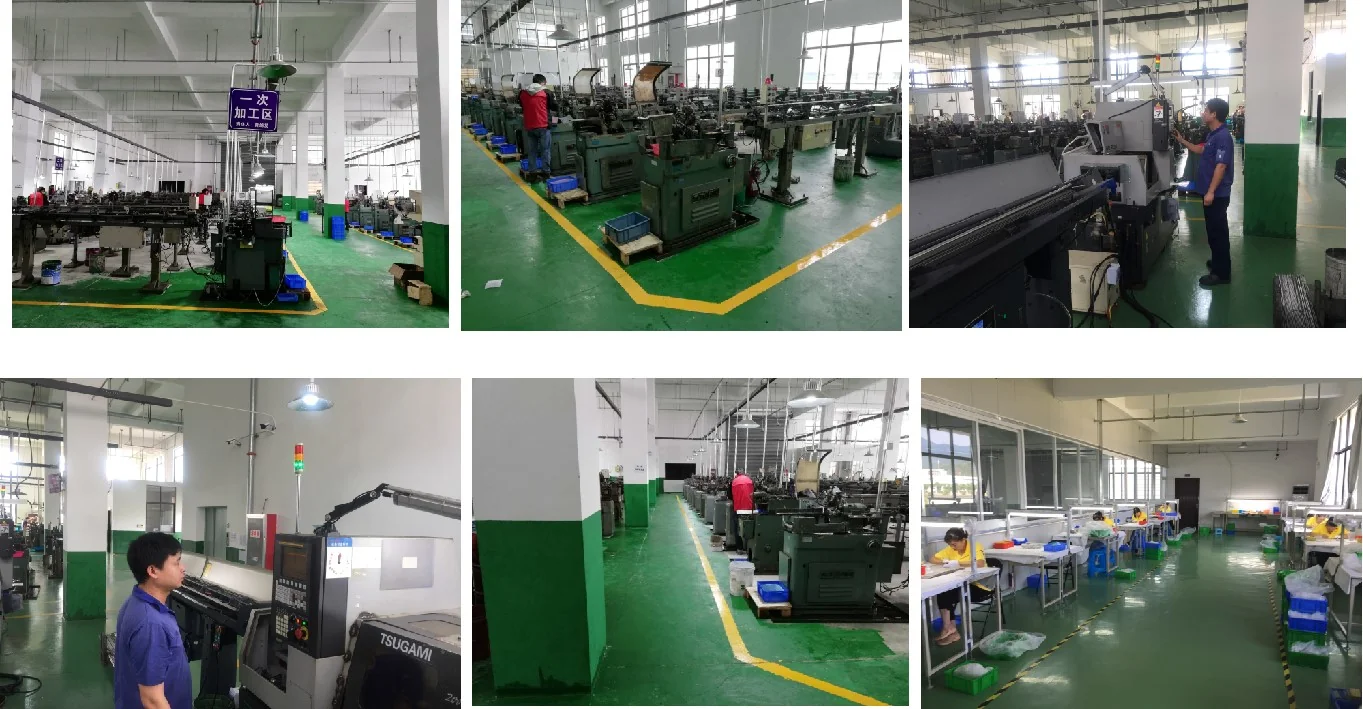
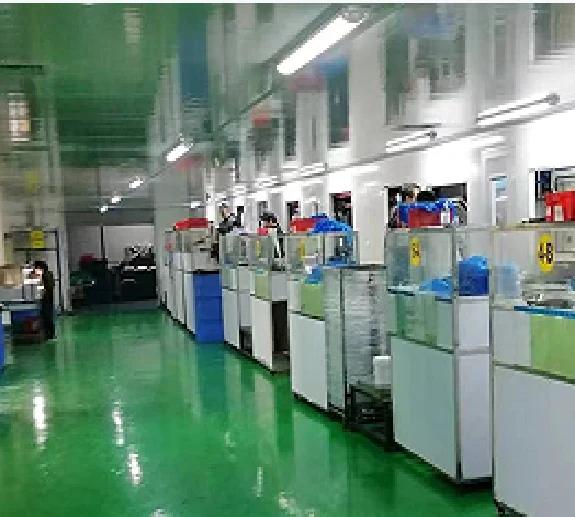
Suzhou Baoshida Trading Co., Ltd. leverages deep technical expertise to deliver precision-engineered silicone weatherstripping solutions for industrial door applications. Our dedicated engineering team comprises five specialized Mould Engineers and two advanced Formula Engineers, ensuring end-to-end control from material science to final production. This integrated structure eliminates siloed workflows, enabling rapid iteration and validation of complex profiles under real-world environmental stressors.
Our Formula Engineers focus on optimizing silicone polymer chemistry for critical performance attributes. Through precise control of crosslink density, filler dispersion, and additive synergies, we achieve exceptional compression set resistance (<20% per ASTM D395), UV stability, and low-temperature flexibility down to -60°C. Each formulation undergoes rigorous thermal aging analysis and dynamic mechanical testing to guarantee dimensional stability across 100,000+ compression cycles. This scientific approach ensures weatherstripping maintains seal integrity against wind-driven rain, dust infiltration, and acoustic leakage throughout its service life.
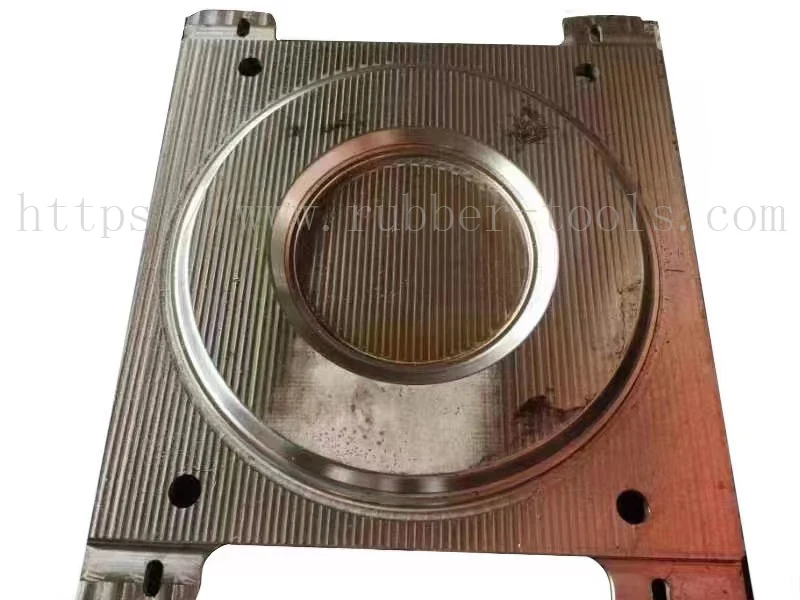
Mould Engineers utilize 3D simulation software for cavity pressure analysis and flow front prediction, minimizing knit lines and vulcanization inconsistencies in intricate multi-rib profiles. We specialize in tight-tolerance extrusion dies and precision compression molds for complex geometries, including dual-durometer seals and co-extruded conductive variants. All tooling adheres to ISO 2768-mK tolerances, with in-process validation via CMM and laser profilometry.
The following table outlines key material specifications for our standard silicone weatherstripping compounds:
| Property | Standard Range | Test Method |
|---|---|---|
| Hardness (Shore A) | 40–70 ±3 | ASTM D2240 |
| Tensile Strength (MPa) | ≥8.0 | ASTM D412 |
| Elongation at Break (%) | ≥300 | ASTM D412 |
| Compression Set (%) | ≤20 (22h, 150°C) | ASTM D395 |
| Temperature Range (°C) | -60 to +230 | ISO 188 |
| Specific Gravity | 1.15–1.25 | ASTM D297 |
As an OEM partner, we embed engineering collaboration directly into the client workflow. Our team co-develops material specifications aligned with OEM performance targets, conducts Design for Manufacturing (DFM) reviews to optimize cost-per-part, and provides full traceability via batch-specific material certificates. We support low-volume prototyping through high-volume production with zero tooling requalification delays, thanks to standardized process validation protocols. Clients receive comprehensive technical documentation, including finite element analysis (FEA) reports for seal force prediction and accelerated life testing data.
This engineering-led methodology ensures silicone weatherstripping meets stringent automotive, aerospace, and architectural standards while reducing total cost of ownership. Suzhou Baoshida transforms material science into reliable sealing performance—where precision engineering is non-negotiable.
Customization Process
Customization Process for Silicone Weatherstripping for Door Applications
At Suzhou Baoshida Trading Co., Ltd., our industrial rubber solutions are engineered to meet the exact performance, environmental, and dimensional requirements of modern door systems. The customization process for silicone weatherstripping follows a disciplined sequence: Drawing Analysis, Formulation Development, Prototyping, and Mass Production. This structured approach ensures precision, durability, and compliance with OEM standards.
The process begins with Drawing Analysis, where technical blueprints provided by the client are evaluated for dimensional accuracy, sealing interface geometry, installation method, and compression requirements. Our engineering team assesses cross-sectional profiles, tolerances (typically ±0.1 mm to ±0.3 mm), and application-specific factors such as door closure force, gap coverage, and exposure to dynamic movement. This step is critical in identifying design feasibility and optimizing for manufacturability using extrusion or molding techniques.
Following drawing validation, we proceed to Formulation Development. Silicone rubber is selected for its thermal stability (-60°C to +200°C), UV resistance, and long-term compression set performance—key attributes for exterior and industrial door applications. Our in-house rubber compounding laboratory tailors the silicone formulation to meet mechanical and environmental demands. Additives are incorporated to enhance flame retardancy (e.g., UL94 V-0), improve tensile strength, or increase abrasion resistance. Shore hardness is precisely adjusted between 40 and 70 Shore A, depending on required sealing force and flexibility.
Once the formulation is finalized, Prototyping is conducted using pilot extrusion or injection molding lines. Prototypes are produced in short runs and subjected to rigorous testing, including compression deflection analysis, thermal cycling, weathering (per ASTM G154), and ozone resistance (ASTM D1149). Dimensional verification is performed using coordinate measuring machines (CMM) to ensure conformity with the original drawings. Client feedback is integrated at this stage to refine the design or material properties before scaling.
The final phase is Mass Production, executed in our ISO-certified manufacturing facility. Continuous extrusion lines with laser-guided diameter control ensure uniformity across production batches. Each roll or cut-length component undergoes 100% visual inspection and batch sampling for physical property verification. Logistics are coordinated for just-in-time delivery, supporting automotive, construction, and transportation OEMs with consistent quality and traceability.
The following table outlines typical technical specifications for custom silicone weatherstripping:
| Parameter | Standard Range | Test Method |
|---|---|---|
| Hardness (Shore A) | 40 – 70 | ASTM D2240 |
| Tensile Strength | ≥ 6.0 MPa | ASTM D412 |
| Elongation at Break | ≥ 250% | ASTM D412 |
| Compression Set (22 hrs, 150°C) | ≤ 20% | ASTM D395 |
| Operating Temperature | -60°C to +200°C | — |
| Color Options | Black, Gray, White, Custom (RAL/ Pantone) | — |
| Available Forms | Extruded profiles, Die-cut, Molded | — |
Through this systematic customization workflow, Suzhou Baoshida delivers high-performance silicone weatherstripping solutions that ensure reliable sealing, energy efficiency, and longevity in demanding door applications.
Contact Engineering Team
Contact Suzhou Baoshida for Precision Silicone Weatherstripping Solutions
Suzhou Baoshida Trading Co., Ltd. stands at the forefront of industrial rubber engineering, delivering mission-critical silicone weatherstripping solutions engineered for extreme environmental resilience and dimensional precision. Our proprietary formulations, developed through rigorous material science protocols, ensure consistent performance in demanding applications across automotive, aerospace, marine, and architectural sectors. When standard off-the-shelf profiles fail to meet your sealing tolerances or longevity requirements, our team transitions from supplier to strategic engineering partner. We specialize in resolving complex sealing challenges where thermal cycling, chemical exposure, or structural movement compromise conventional elastomers.
Our OEM-managed process begins with deep technical collaboration. Mr. Boyce, our dedicated OEM Manager and Rubber Formula Engineer, leads client engagements with hands-on expertise in silicone polymer chemistry and cross-linking dynamics. He will analyze your specific environmental stressors—UV intensity, compression load, substrate adhesion requirements—and translate them into a validated material specification. This includes optimizing shore hardness, elongation at break, and compression set resistance to your operational parameters. Unlike generic vendors, we control the entire value chain from raw silicone gum compounding through precision extrusion and vulcanization, ensuring batch-to-batch repeatability within ±0.1 mm dimensional tolerances.
The table below outlines our core silicone weatherstripping performance benchmarks, validated per ASTM D2000 and ISO 3302-1 standards. These represent baseline capabilities; all formulations are adjustable for client-specific OEM applications.
| Specification Parameter | Standard Grade | Automotive Grade | Marine Grade |
|---|---|---|---|
| Temperature Range (°C) | -60 to +200 | -65 to +220 | -55 to +180 |
| Hardness (Shore A) | 40-70 | 50-65 | 45-55 |
| Compression Set (22h/150°C) % | ≤25 | ≤20 | ≤18 |
| Tensile Strength (MPa) | ≥8.0 | ≥9.5 | ≥10.0 |
| Elongation at Break (%) | ≥400 | ≥450 | ≥500 |
Partnering with Suzhou Baoshida eliminates the guesswork in critical sealing applications. Our technical team provides full material traceability, DFMEA support, and accelerated life testing data to de-risk your product integration. Whether you require custom durometer profiles for high-speed door mechanisms or conductive silicone variants for EMI shielding, we deliver engineered solutions—not commodities.
Initiate your precision sealing project with a technical consultation. Contact Mr. Boyce directly at [email protected] to submit your dimensional drawings, environmental specifications, and volume requirements. Include your target compression force deflection (CFD) curve and service life expectations for immediate formulation analysis. Mr. Boyce will respond within 4 business hours with a preliminary material recommendation and sample timeline. For urgent OEM qualification needs, reference project code SW-2024-URG in your email subject line to trigger expedited engineering review. Your production line’s sealing integrity demands expert material science—not off-the-shelf compromises. Let Suzhou Baoshida engineer the difference.
⚖️ O-Ring Weight Calculator
Estimate rubber O-ring weight (Approx).