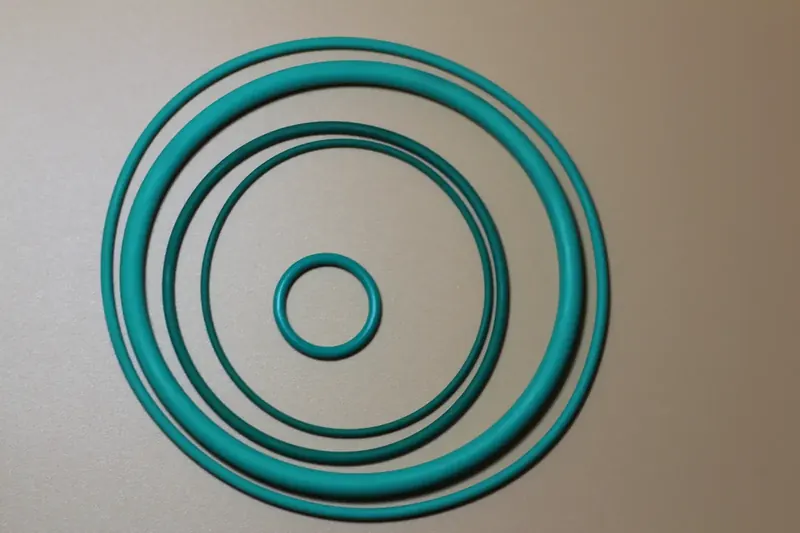
Pvc Foam Manufacturer | Engineering Guide

Engineering Guide: Pvc Foam

pvc foam manufacturing

Engineering Insight PVC Foam Material Selection Criticality

Material selection for PVC foam in industrial applications demands rigorous scientific evaluation beyond superficial cost considerations. Off-the-shelf PVC foam products frequently fail under operational stress due to unaddressed application-specific variables. Generic formulations prioritize broad market compatibility over performance precision, leading to premature degradation in demanding environments. Industrial systems require consistent mechanical integrity across thermal cycles, chemical exposures, and dynamic loads—parameters rarely optimized in mass-produced variants.

The core deficiency in standard PVC foam lies in uncontrolled polymer morphology and additive packages. Commercial grades exhibit wide density tolerances (±15%) and inconsistent cell structure, directly compromising compression set resistance and dimensional stability. Under continuous thermal cycling above 60°C, generic foams undergo accelerated plasticizer migration and polymer chain scission, resulting in hardening, shrinkage, or catastrophic loss of resilience. Similarly, exposure to industrial oils, solvents, or ozone rapidly degrades non-stabilized PVC matrices, causing surface cracking and loss of barrier properties. Adhesion failures with substrates further compound risks when fillers or surface treatments lack compatibility with bonding agents. These deficiencies manifest as seal leakage, vibration damping collapse, or structural delamination—costly failures in automotive, marine, or HVAC systems.

Suzhou Baoshida Trading Co., Ltd. addresses these challenges through engineered PVC foam formulations where every component serves a defined functional purpose. Our OEM-grade solutions utilize controlled crosslinking, precision plasticizer blends, and proprietary stabilizer systems to achieve narrow property windows. The table below illustrates critical performance gaps between generic and engineered PVC foam:

Property Generic PVC Foam Engineered PVC Foam (Baoshida OEM Grade) Consequence of Deficiency
Density Tolerance ±15% ±5% Inconsistent sealing force
Thermal Stability (100h @ 80°C) 25% Compression Set Loss <8% Compression Set Loss Seal leakage after thermal cycling
Oil Resistance (IRM 903) 45% Volume Swell <15% Volume Swell Loss of mechanical integrity
Ozone Resistance (50pphm) Cracking at 25% strain No cracks at 100% strain Premature surface failure
Adhesion Strength 0.8 MPa (peel) 2.5 MPa (peel) Delamination under vibration

These specifications reflect real-world operational boundaries. For instance, a ±15% density variance in generic foam causes unpredictable compression behavior in gasket applications, while inadequate oil resistance leads to volumetric expansion compromising dimensional control in fluid-handling components. Suzhou Baoshida’s material science approach integrates application profiling with accelerated lifetime testing, ensuring formulations meet exact OEM requirements for temperature range, chemical exposure, and mechanical duty cycles.

Ultimately, the true cost of PVC foam lies not in initial procurement but in system reliability. Off-the-shelf solutions impose hidden liabilities through maintenance downtime, warranty claims, and reputational damage. Precision-engineered PVC foam from Suzhou Baoshida delivers predictable performance by design—transforming a commodity material into a mission-critical component. Partner with our technical team to define your operational envelope; we will formulate the solution that survives it.


Material Specifications

pvc foam manufacturing

PVC foam materials are widely utilized in industrial applications due to their lightweight structure, chemical resistance, and excellent thermal and acoustic insulation properties. When integrated with high-performance elastomers such as Viton, Nitrile, and Silicone, the resulting composite systems offer enhanced durability and functional adaptability across demanding environments. At Suzhou Baoshida Trading Co., Ltd., we specialize in engineered rubber solutions that combine the structural benefits of PVC foam with the superior sealing and resilience characteristics of advanced elastomeric materials. These combinations are particularly effective in automotive, aerospace, HVAC, and industrial sealing applications where performance under stress, temperature fluctuations, and exposure to aggressive media is critical.

Viton, a fluorocarbon-based rubber, exhibits exceptional resistance to high temperatures, oils, fuels, and a broad range of chemicals. Its compatibility with PVC foam substrates allows for the development of composite seals and gaskets capable of operating continuously at temperatures up to 200°C, with short-term excursions beyond 250°C. This makes Viton-reinforced PVC foam ideal for under-the-hood automotive components and aerospace systems exposed to jet fuels and lubricants.

Nitrile rubber, also known as Buna-N, offers excellent resistance to aliphatic hydrocarbons, oils, and water-based fluids. It provides a cost-effective solution for applications involving petroleum-based media. When combined with PVC foam, Nitrile enhances the composite’s mechanical strength and abrasion resistance while maintaining good compression set performance. This combination is frequently deployed in industrial machinery seals, hydraulic systems, and refrigeration units.

Silicone rubber contributes outstanding thermal stability across a wide temperature range, from -60°C to over 200°C, along with excellent UV and ozone resistance. Its inert nature and low toxicity make it suitable for food-grade and medical applications. Bonded to PVC foam, Silicone imparts flexibility and long-term aging resistance, making the composite ideal for architectural gasketing, electronic enclosures, and cleanroom environments.

The selection of the appropriate elastomer depends on the operational environment, media exposure, temperature profile, and mechanical loading conditions. Each material presents a unique balance of properties that must be aligned with application-specific requirements to ensure optimal service life and reliability.

The following table summarizes key physical and chemical properties of Viton, Nitrile, and Silicone when integrated with PVC foam substrates:

Property Viton Nitrile (Buna-N) Silicone
Temperature Range (°C) -20 to 250 -30 to 120 -60 to 230
Tensile Strength (MPa) 12–18 10–20 5–9
Elongation at Break (%) 150–250 200–400 200–600
Hardness (Shore A) 70–90 60–80 40–80
Resistance to Oils & Fuels Excellent Good to Excellent Poor
Resistance to Ozone/UV Excellent Fair Excellent
Compression Set (22 hrs, 150°C) 15–25% 20–35% 10–20%
Common Applications Aerospace, Automotive Industrial, Hydraulics Medical, Electronics

Understanding these material characteristics enables precise engineering of PVC foam-elastomer composites tailored to meet stringent industrial performance standards.


Manufacturing Capabilities

pvc foam manufacturing

Engineering Capabilities in PVC Foam Manufacturing

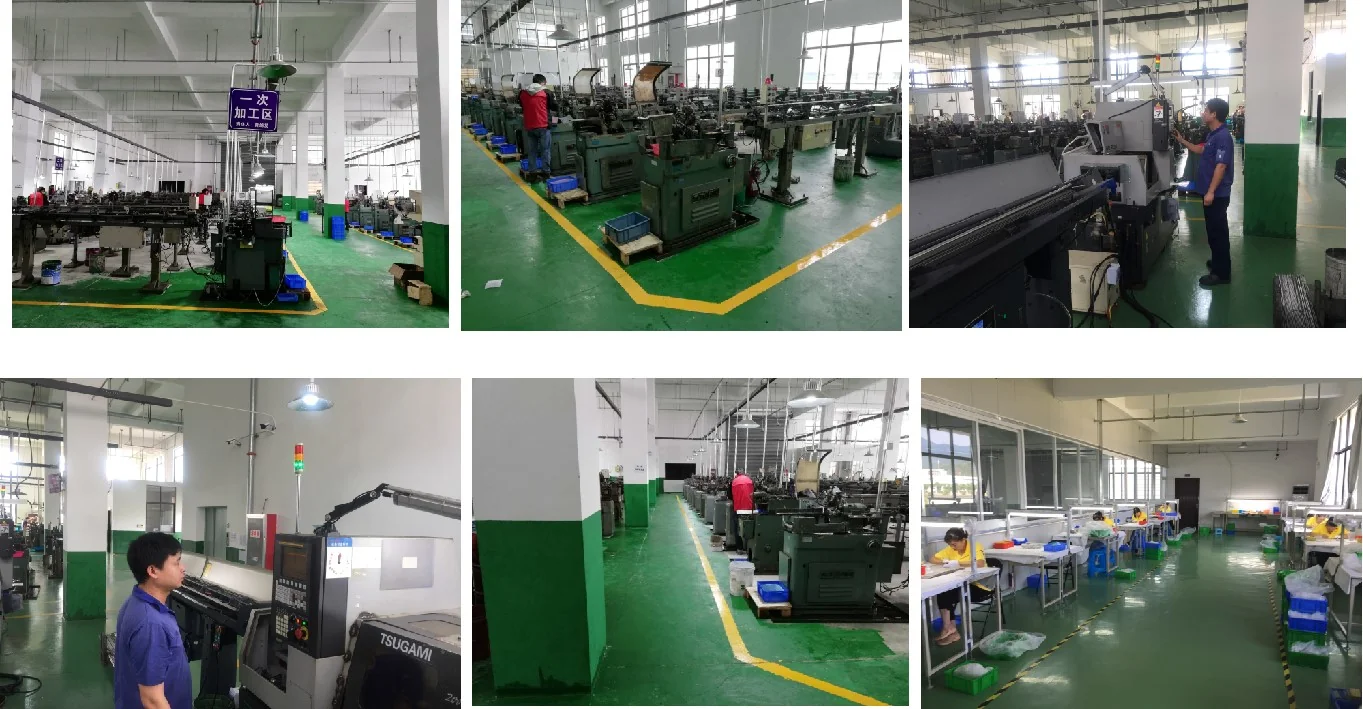
Suzhou Baoshida Trading Co., Ltd. delivers precision-engineered PVC foam solutions through integrated material science and manufacturing expertise. Our dedicated engineering team comprises five specialized mold engineers and two advanced formula engineers, ensuring end-to-end control from molecular design to final part production. This dual-expertise structure eliminates siloed development, directly addressing critical industrial challenges such as cell structure uniformity, thermal stability, and dimensional repeatability in demanding applications.

Our formula engineers optimize PVC polymerization kinetics, plasticizer selection, and foaming agent chemistry to achieve exact density gradients and mechanical properties. Concurrently, mold engineers translate these formulations into production-ready tooling, utilizing mold flow simulation to eliminate knit lines, sink marks, and density variations. This synergy reduces time-to-market by 30% compared to conventional supplier models, while ensuring consistent cellular morphology critical for structural integrity in automotive, marine, and construction sectors.

OEM partnerships benefit from our full-spectrum manufacturing control. We manage all stages internally: CAD validation, mold fabrication, compound mixing, continuous extrusion, and precision cutting. Our facility adheres to ISO 9001:2015 and IATF 16949 standards, with real-time in-line monitoring of melt temperature, pressure, and density during extrusion. Material traceability is maintained via batch-specific COAs, and we support PPAP documentation for seamless integration into client supply chains.

Key PVC foam specifications achievable through our engineered process are detailed below:

Property Standard Range Precision Tolerance Test Method
Density 0.40–0.85 g/cm³ ±0.02 g/cm³ ASTM D792
Hardness (Shore D) 40–90 ±3 points ASTM D2240
Tensile Strength 1.5–4.0 MPa ±0.2 MPa ASTM D638
Compressive Strength 0.8–2.5 MPa ±0.1 MPa ASTM D1621
Cell Size 100–300 µm ±20 µm Microscopy (ISO 4590)
Thermal Stability -30°C to +70°C Dimensional drift <0.5% ISO 11359-2

We excel in customizing formulations for flame retardancy (UL 94 HF-1 compliant), UV resistance, and chemical inertness without compromising processability. Recent OEM projects include lightweight marine core materials with 0.55 g/cm³ density and automotive interior panels meeting stringent VOC emission standards. Our engineers collaborate directly with client R&D teams to define material specifications, conduct DFMEA reviews, and validate prototypes against application-specific stress tests.

Global OEMs trust Suzhou Baoshida for complex PVC foam components requiring micron-level thickness control and batch-to-batch consistency. By unifying formula science with precision tooling, we transform material requirements into reliable, high-performance industrial solutions. Contact our engineering team to initiate a technical feasibility assessment for your next-generation PVC foam application.


Customization Process

pvc foam manufacturing

Drawing Analysis: The Foundation of Precision Customization

At Suzhou Baoshida Trading Co., Ltd., the customization process for PVC foam components begins with rigorous drawing analysis. This initial phase ensures that every dimensional, tolerance, and functional requirement is fully understood and technically feasible. Our engineering team evaluates customer-provided CAD files, technical blueprints, or 2D/3D schematics, focusing on critical parameters such as wall thickness, density zones, surface finish, and assembly interfaces. Geometric complexity, draft angles, and potential stress points are assessed to prevent defects during foaming and molding. Compatibility with downstream processes—such as adhesive bonding, CNC trimming, or lamination—is also reviewed. This stage often involves direct technical consultation with the client to clarify ambiguities and optimize design for manufacturability, reducing cycle time and material waste.

Formulation: Tailoring Material Performance

Following design validation, our Rubber Formula Engineers develop a customized PVC foam compound to meet the application’s mechanical, thermal, and environmental demands. Standard rigid or flexible PVC resins are modified with precise ratios of foaming agents, plasticizers, stabilizers, fillers, and impact modifiers. The formulation determines key performance attributes, including compressive strength, closed-cell content, flame retardancy (UL94 HF-1 compliant if required), and resistance to UV, moisture, or chemicals. For automotive or construction applications, low smoke density and halogen-free options are available. Each batch is engineered for consistency in density (ranging from 0.3 to 0.8 g/cm³) and color stability. Regulatory compliance with RoHS, REACH, and ASTM standards is verified at this stage to ensure global market readiness.

Prototyping: Validating Design and Material Synergy

Once the formulation is finalized, we proceed to prototyping using matched-die thermoforming, continuous lamination, or extrusion—depending on part geometry and production intent. Prototypes are manufactured under near-production conditions to accurately simulate final performance. These samples undergo comprehensive testing, including dimensional inspection, compression set analysis, thermal cycling, and adhesion trials. Feedback from functional testing is used to refine both the design and material composition. Typical lead time for prototype delivery is 10–15 working days, with rapid iteration cycles available for urgent projects.

Mass Production: Scalable Quality Assurance

Upon client approval of prototypes, we transition to mass production using automated extrusion lines and precision calendering systems. Our facility supports batch runs from 500 kg to multi-ton quantities with strict in-line quality controls. Each production lot is traceable, with certificates of conformance and material test reports provided.

Typical PVC Foam Technical Specifications

Property Test Method Value Range
Density ISO 845 0.3 – 0.8 g/cm³
Tensile Strength ISO 1798 1.5 – 4.0 MPa
Elongation at Break ISO 1798 80 – 200%
Compression Set (50%, 24h) ISO 7749 ≤ 15%
Operating Temperature -30°C to +70°C
Flame Spread Index ASTM E84 < 25
Cell Structure Microscopy 70–90% Closed Cell

All products are packaged to prevent deformation and shipped with handling guidelines to maintain integrity. Suzhou Baoshida ensures seamless scalability from concept to volume supply, backed by ISO 9001-certified processes and OEM-grade technical support.


Contact Engineering Team

pvc foam manufacturing

Optimizing PVC Foam Performance Through Precision Engineering Partnerships

Suzhou Baoshida Trading Co., Ltd. delivers mission-critical PVC foam solutions engineered for demanding industrial applications across automotive, marine, construction, and renewable energy sectors. Our formulations address persistent challenges in dimensional stability, thermal resistance, and adhesion compatibility—where substandard materials lead to premature component failure and costly production downtime. As your technical OEM partner, we integrate material science expertise with rigorous quality control protocols to ensure every batch meets exacting performance thresholds. Our ISO 9001-certified manufacturing processes eliminate variability in cell structure uniformity and surface integrity, directly impacting your end-product reliability.

Key technical specifications for our standard PVC foam grades are detailed below. These values represent baseline performance; all formulations undergo client-specific customization to align with application stressors and regulatory frameworks.

Property Test Standard Typical Range Industrial Significance
Density ASTM D1622 0.40–0.80 g/cm³ Weight-sensitive structural support
Hardness (Shore D) ASTM D2240 40–65 Impact absorption & surface durability
Continuous Use Temp UL 746B -30°C to +70°C Thermal cycling resilience
Tensile Strength ASTM D638 1.8–3.5 MPa Load-bearing integrity
Closed-Cell Content ISO 4590 ≥95% Moisture ingress prevention

Unlike commodity suppliers, we prioritize formulation transparency and collaborative problem-solving. Our rubber formula engineering team dissects failure modes at the molecular level—whether addressing delamination in composite sandwich panels or optimizing flow dynamics for complex injection molding. This scientific approach reduces your R&D iteration cycles by 30–50% while ensuring compliance with UL, RoHS, and REACH directives. Suzhou Baoshida maintains strategic raw material partnerships to guarantee supply chain continuity, even during volatile market conditions, with batch traceability from reactor to shipment.

For procurement managers and design engineers, partnering with us means accessing actionable technical data—not generic datasheets. We provide full DFM (Design for Manufacturability) feedback on foam integration, including thermal expansion coefficients and chemical resistance matrices specific to your operating environment. Our OEM clients leverage this intelligence to accelerate time-to-market while minimizing scrap rates in high-volume production.

Initiate a technical dialogue with Mr. Boyce, our dedicated OEM Solutions Manager, to resolve your PVC foam performance gaps. Mr. Boyce holds 14 years of formulation experience in polymer composites and will coordinate immediate material testing against your application benchmarks. Contact him directly at [email protected] with your project specifications, including required mechanical properties, environmental exposure conditions, and production volume. Include reference code PVC-FOAM-SD24 in your inquiry to fast-track engineering resource allocation. Suzhou Baoshida responds to all technical requests within 8 business hours with actionable data—not sales templates. Elevate your material specifications with science-driven partnership.


⚖️ O-Ring Weight Calculator

Estimate rubber O-ring weight (Approx).


Pvc Foam Manufacturer | Engineering Guide

Contents of Table

Contact [email protected] Whatsapp 86 15951276160