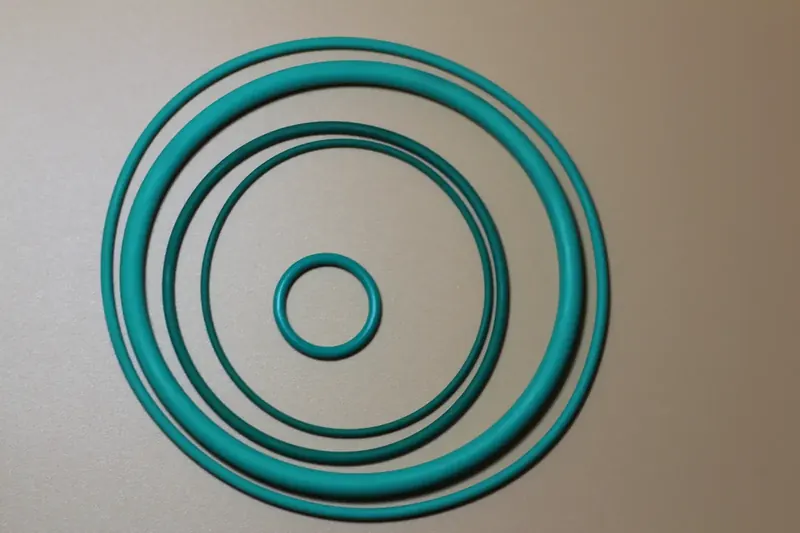
Polyurethane And Rubber R&D Manufacturer Manufacturer | Engineering Guide

Engineering Guide: Polyurethane And Rubber R&D Manufacturer

polyurethane and rubber r&d manufacturer manufacturing

Engineering Insight: The Critical Role of Material Selection in Polyurethane and Rubber R&D

In industrial rubber and polyurethane manufacturing, material selection is not a secondary consideration—it is the foundation of performance, durability, and cost-efficiency. At Suzhou Baoshida Trading Co., Ltd., we emphasize that off-the-shelf elastomeric solutions often fail under real-world operational stresses due to a fundamental mismatch between standardized material properties and application-specific demands. Generic compounds are formulated for broad compatibility, not targeted performance, leading to premature wear, chemical degradation, or mechanical failure in demanding environments.

Polyurethane and rubber are not interchangeable materials, nor are all formulations within each category equivalent. Each polymer system—whether NBR, EPDM, silicone, polyurethane (TPU or CPU), or fluororubber—possesses a unique set of physical, thermal, and chemical resistance characteristics. Selecting the correct base polymer is only the first step. Equally critical are the formulation additives: plasticizers, fillers, stabilizers, and curatives, which fine-tune performance for specific conditions such as high compression set resistance, low-temperature flexibility, or resistance to hydraulic fluids and ozone.

For example, a standard nitrile rubber (NBR) seal may perform adequately in a low-pressure hydraulic system at room temperature. However, when exposed to elevated temperatures (>120°C) or aggressive bio-based fluids, it rapidly hardens and cracks. In contrast, a custom-formulated hydrogenated nitrile (HNBR) or fluorocarbon (FKM) compound, engineered with optimized crosslink density and thermal stabilizers, can maintain integrity under these conditions for thousands of operational hours.

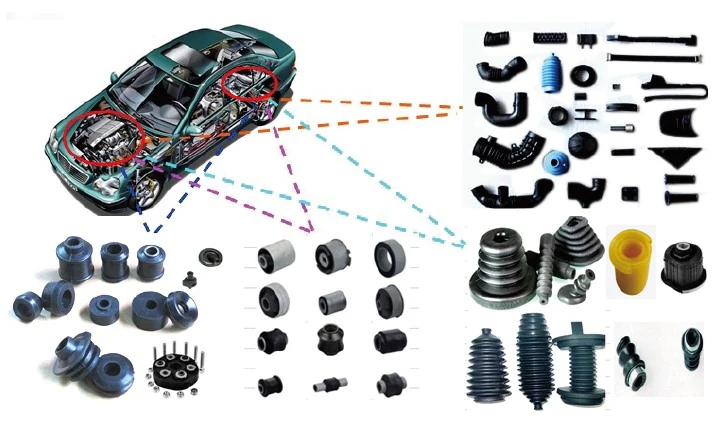
Material failure is often misdiagnosed as a manufacturing defect when, in reality, it stems from inadequate material selection. Off-the-shelf products lack the tailored hysteresis control, dynamic fatigue resistance, or abrasion performance required in applications such as mining conveyor belts, automotive suspension bushings, or oilfield packers. These require precise durometer profiles, tear strength, and resilience—properties that can only be achieved through application-driven R&D.

At Suzhou Baoshida, our R&D process begins with a comprehensive analysis of the operational environment: temperature range, media exposure, mechanical load, and service life expectations. We then develop proprietary formulations validated through accelerated aging, dynamic mechanical analysis (DMA), and real-world simulation testing.

The table below illustrates performance differences between standard and engineered elastomers under industrial conditions.

Property Standard NBR Custom HNBR (Baoshida Formulation) Polyurethane (CPU)
Tensile Strength (MPa) 18 28 45
Elongation at Break (%) 300 350 500
Operating Temp Range (°C) -30 to +100 -40 to +150 -45 to +90
Abrasion Resistance (DIN 53516, mm³ loss) 120 95 45
Resistance to Hydraulic Oil (ISO 7620) Moderate Excellent Excellent

These data underscore why standardized materials underperform. Precision engineering of elastomers is not a luxury—it is a necessity for reliability in industrial systems. At Suzhou Baoshida, we deliver solutions where material science meets operational reality.


Material Specifications

polyurethane and rubber r&d manufacturer manufacturing

Material Specifications for Critical Industrial Applications

Suzhou Baoshida Trading Co., Ltd. provides precision-engineered rubber compounds tailored for demanding industrial environments. Our R&D team rigorously validates material properties against OEM performance benchmarks, ensuring reliability in sealing, vibration damping, and fluid handling systems. Below, we detail baseline specifications for three core elastomers: Viton (FKM), Nitrile (NBR), and Silicone (VMQ). These values represent standard commercial grades; custom formulations are available to address specific chemical, thermal, or mechanical requirements.

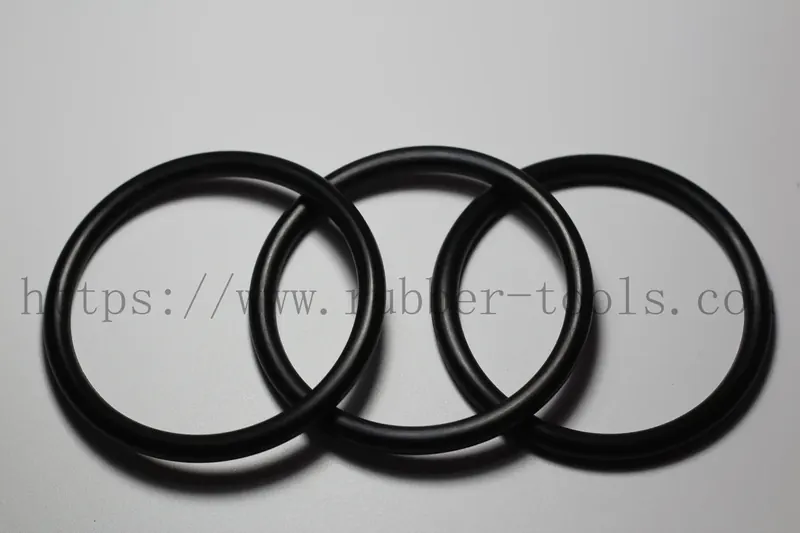
Viton fluorocarbon rubber delivers exceptional resistance to high temperatures, aggressive chemicals, and fuels. It maintains integrity in continuous service up to 250°C and withstands exposure to aromatic hydrocarbons, acids, and jet fuels. This material is optimal for aerospace, automotive fuel systems, and semiconductor manufacturing where failure is not an option. Nitrile butadiene rubber offers cost-effective resilience against oils, greases, and aliphatic hydrocarbons. With a standard operating range of -40°C to 120°C, it excels in hydraulic seals, O-rings, and gaskets for industrial machinery and automotive transmissions. Silicone rubber provides unmatched flexibility across extreme temperatures (-60°C to 230°C) and superior resistance to ozone, UV radiation, and sterilization processes. Its biocompatibility makes it indispensable for medical devices, food processing equipment, and high-voltage insulation.

Critical performance parameters for these materials are summarized in the comparative table below. All data aligns with ASTM D2000 and ISO 37 standards for elastomer testing.

Property Viton (FKM) Nitrile (NBR) Silicone (VMQ)
Continuous Temp Range -20°C to 250°C -40°C to 120°C -60°C to 230°C
Key Chemical Resistances Aromatics, acids, fuels Aliphatic oils, water Ozone, UV, steam
Tensile Strength (MPa) 10–20 15–25 5–10
Hardness Range (Shore A) 60–90 50–90 30–80
Compression Set (22h/150°C) ≤25% ≤30% ≤20%
Primary Applications Fuel systems, chemical seals Hydraulic seals, gaskets Medical devices, food-grade seals

Note: Actual performance varies with compound formulation, filler content, and curing system. Viton grades with higher fluorine content (e.g., 66–70%) enhance chemical resistance but reduce low-temperature flexibility. NBR compounds with 34% acrylonitrile balance oil resistance and cold flexibility. Silicone formulations may incorporate platinum catalysts for medical-grade purity or phenyl groups for extended low-temperature resilience.

Suzhou Baoshida’s OEM team collaborates with clients to refine these base materials through additive engineering—reinforcing fillers for abrasion resistance, specialty curatives for compression set reduction, or bio-based plasticizers for regulatory compliance. We provide full material traceability and batch-specific certification per ISO 9001 protocols. For mission-critical applications, consult our R&D division to develop a proprietary compound meeting exact fluid compatibility, aging, and dynamic stress requirements. Precision in material selection directly correlates with system longevity and operational safety in industrial settings.


Manufacturing Capabilities

polyurethane and rubber r&d manufacturer manufacturing

Engineering Capability

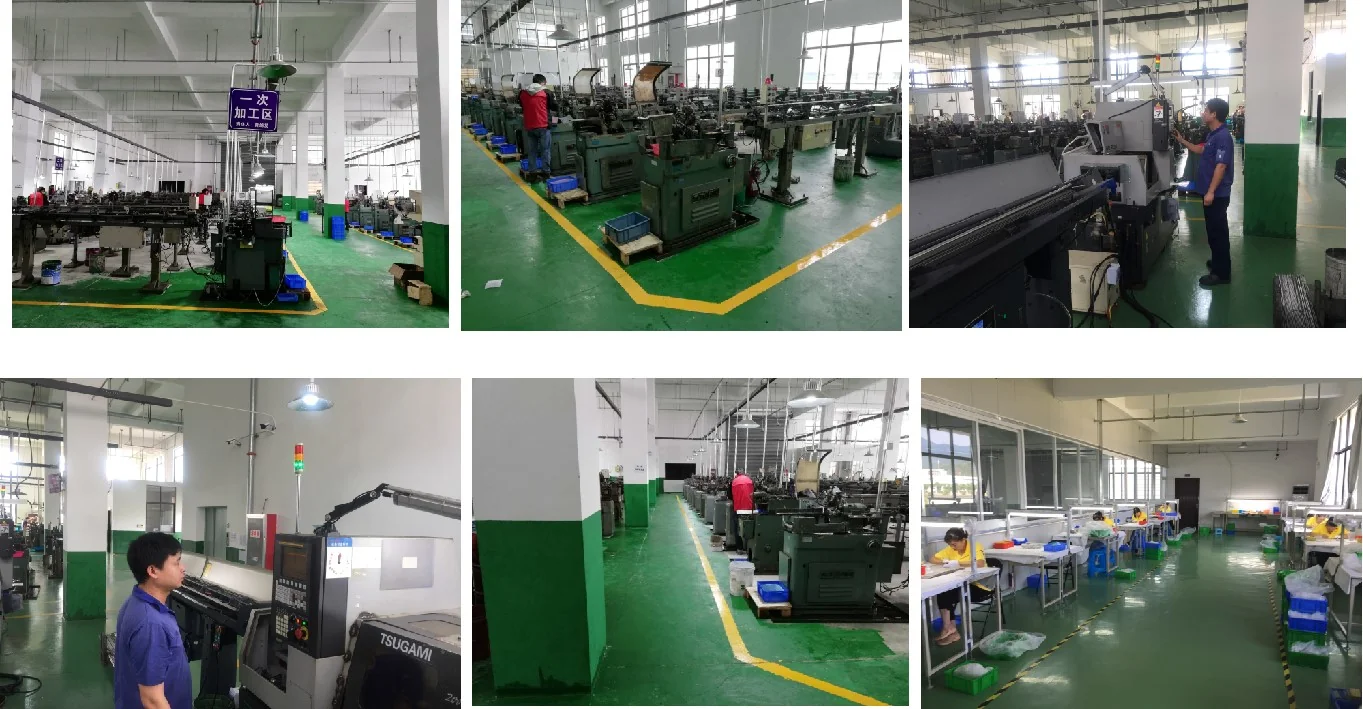
At Suzhou Baoshida Trading Co., Ltd., our engineering capability is anchored in a multidisciplinary team of specialists dedicated to advancing industrial rubber solutions through precision design, material innovation, and OEM integration. We deploy a team of five certified mould engineers and two senior formula engineers, enabling seamless development from concept to high-performance rubber component. This technical synergy ensures that both the physical architecture of tooling and the molecular composition of elastomers are optimized in parallel, reducing development cycles and enhancing product reliability.

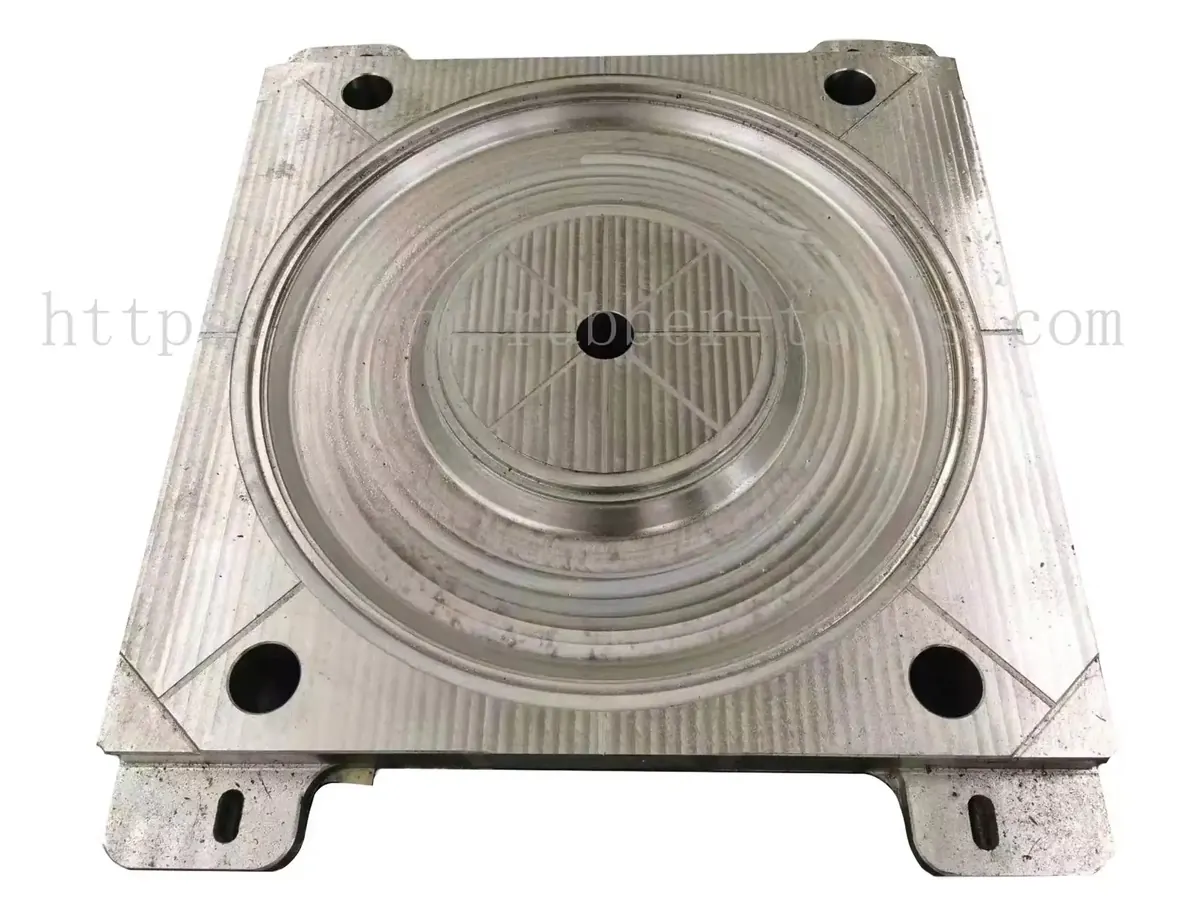
Our mould engineers specialize in the design and validation of precision rubber compression, transfer, and injection moulds. With expertise in CAD/CAM systems including SolidWorks, AutoCAD, and UG NX, they deliver robust tooling solutions tailored to complex geometries, tight tolerances, and high-volume production demands. Each mould design undergoes rigorous simulation for flow analysis, thermal distribution, and cycle optimization, ensuring dimensional stability and minimizing flash or defects during curing. This proactive engineering approach supports rapid prototyping and accelerates time-to-market for custom OEM projects.

Complementing our tooling expertise, our two dedicated rubber formula engineers bring deep knowledge in polymer chemistry and compounding science. They formulate custom elastomer compounds based on polyurethane, silicone, nitrile (NBR), EPDM, and natural rubber systems, precisely tuned for specific performance criteria such as abrasion resistance, oil tolerance, temperature stability, and compression set. These formulations are developed in-house using advanced mixing, rheometry, and aging test protocols, ensuring repeatability and compliance with ASTM, ISO, and customer-specific standards.

Our OEM capabilities are structured to support global industrial clients across automotive, energy, construction, and industrial machinery sectors. We provide full technical ownership from initial specification review through design validation, material selection, tooling, and serial production. Our engineering team collaborates directly with client R&D departments to align material behavior and part geometry with end-use environmental conditions, including dynamic sealing, vibration damping, and long-term durability requirements.

The integration of mould and formula engineering under one technical roof allows us to resolve interface challenges early—such as shrinkage prediction, demoulding friction, or compound-cure kinetics—that often lead to field failures in conventional supply chains. This holistic approach to rubber product development positions Suzhou Baoshida as a strategic engineering partner, not just a manufacturer.

Below is a summary of our core engineering specifications and capabilities.

Parameter Specification
Mould Design Capacity Up to 50 sets/month
CAD Systems SolidWorks, AutoCAD, UG NX, Moldflow (simulation)
Mould Types Supported Compression, Transfer, Injection
Rubber Compounding Range Shore A 30–90, custom formulations
Material Systems PU, NBR, EPDM, Silicone, NR, CR, SBR
Formula Development Cycle 7–14 days (prototype grade)
Testing Standards ASTM D2000, ISO 3302, ISO 2768, ISO 4049
OEM Project Lead Time (T1) 25–35 days from design approval

Customization Process

polyurethane and rubber r&d manufacturer manufacturing

Customization Process for Industrial Rubber and Polyurethane Components

At Suzhou Baoshida Trading Co., Ltd., our OEM-driven customization process ensures precision-engineered rubber and polyurethane solutions meet exacting industrial specifications. We implement a rigorous four-phase methodology, beginning with comprehensive Drawing Analysis. Our engineering team meticulously reviews client-provided CAD files and technical drawings, focusing on Geometric Dimensioning and Tolerancing (GD&T) standards, critical feature definitions, and functional requirements. This phase identifies potential manufacturability constraints early, assessing material compatibility with environmental factors like temperature extremes, chemical exposure, and dynamic loading conditions. We provide actionable feedback on design optimization to enhance performance and reduce production complexity before formulation begins.

Subsequently, our Rubber Formula Engineering team develops the proprietary compound formulation. Leveraging extensive material science databases and polymer chemistry expertise, we select base polymers (e.g., NBR, EPDM, PU systems), curatives, fillers, and additives to achieve target physical properties. Key parameters such as Shore A hardness, tensile strength, elongation at break, compression set, and fluid resistance are precisely engineered. This stage involves computational modeling of cure kinetics and thermomechanical behavior, ensuring the formulation aligns with both performance demands and processing requirements for the intended manufacturing method.

The Prototyping phase executes physical validation. Utilizing client-approved formulations, we produce initial samples via injection molding, compression molding, or extrusion, depending on the component geometry. Each prototype undergoes stringent in-house testing per ASTM, ISO, or client-specific protocols. Critical evaluations include dimensional accuracy verification against the original drawing, dynamic mechanical analysis (DMA), and application-specific functional trials. Iterative adjustments to the formulation or process parameters occur based on empirical data, guaranteeing the prototype consistently meets all performance criteria prior to scale-up.

Finally, Mass Production commences under strict OEM-managed transition protocols. We implement statistical process control (SPC) on all critical parameters, maintaining lot traceability from raw material batching through final inspection. Our Suzhou-based production facilities utilize calibrated molding equipment with real-time monitoring of temperature, pressure, and cure time. Every production batch undergoes comprehensive quality assurance checks, including first-article inspection (FAI) and periodic destructive/non-destructive testing, ensuring unwavering consistency and compliance with the validated prototype specifications. This seamless transition from drawing to volume output minimizes client risk and guarantees operational reliability.

Critical Process Parameters Across Customization Stages

Stage Critical Parameters Validation Methods Primary Output
Drawing Analysis GD&T compliance, Feature criticality, Material feasibility CAD simulation, Feasibility study Approved manufacturable drawing
Formulation Shore A hardness, Tensile strength, Compression set, Fluid resistance Rheometry, DSC, Material database simulation Validated compound specification
Prototyping Dimensional accuracy, Dynamic performance, Physical property conformance CMM measurement, ASTM/ISO lab testing Client-approved functional sample
Mass Production Mold cavity consistency, Cure uniformity, Batch-to-batch repeatability SPC charts, FAI, Destructive testing Certified production batch

Contact Engineering Team

polyurethane and rubber r&d manufacturer manufacturing

For industrial manufacturers seeking precision-engineered rubber and polyurethane solutions, Suzhou Baoshida Trading Co., Ltd. stands as a trusted partner in advanced material development and customized production. As a specialized R&D manufacturer in industrial rubber solutions, we integrate material science expertise with scalable manufacturing capabilities to deliver high-performance elastomeric components tailored to exact operational demands. Our formulations are engineered for durability, chemical resistance, thermal stability, and mechanical resilience across automotive, aerospace, rail, and heavy machinery sectors.

At the core of our offering is a comprehensive polyurethane and rubber development platform. We formulate custom compounds using thermoset and thermoplastic elastomers, including NBR, EPDM, silicone, FKM, and both polyester and polyether-based polyurethanes. Each formulation is optimized for specific environmental stressors—whether extreme temperatures, dynamic loading, or exposure to oils, solvents, or UV radiation. Our in-house testing laboratory validates performance against international standards, including ASTM D412 (tensile properties), ASTM D573 (heat aging), and ISO 1817 (fluid resistance), ensuring consistency and reliability in real-world applications.

Our engineering team works collaboratively with OEMs and Tier suppliers to transition from concept to volume production. We support prototyping, tooling design, finite element analysis (FEA) for stress modeling, and lifecycle testing. With an integrated supply chain and strategic partnerships in China’s Yangtze River Delta manufacturing hub, we offer competitive lead times and scalable capacity without compromising quality.

To initiate a technical collaboration or request a material datasheet, contact Mr. Boyce, OEM Account Manager and Rubber Formula Engineer at Suzhou Baoshida Trading Co., Ltd. Mr. Boyce specializes in custom elastomer formulation and industrial application engineering, providing direct technical consultation for complex sealing, damping, and wear-resistant component requirements. He leads client-facing R&D integration, ensuring that material specifications align precisely with functional and environmental performance criteria.

Reach out via email at [email protected] to discuss your project specifications, request sample submissions, or schedule a technical audit of your current rubber component challenges. We respond to all inquiries within 12 business hours and offer virtual engineering meetings for global clients.

Below are representative physical properties of our standard high-performance polyurethane formulations for reference:

Property Type A (90 Shore A) Type D (55 Shore D) Test Method
Tensile Strength 45 MPa 60 MPa ASTM D412
Elongation at Break 520% 380% ASTM D412
Tear Resistance 110 kN/m 145 kN/m ASTM D624
Compression Set (22h, 70°C) 12% 18% ASTM D395
Abrasion Loss (DIN 53516) 45 mm³ 38 mm³ DIN 53516
Operating Temperature Range -40°C to +100°C -30°C to +90°C ISO 188

All compounds are RoHS and REACH compliant, with options for FDA-grade and UL-certified materials. Custom modifications—including flame retardancy, conductivity, and oil swelling control—are available upon request.

Partner with Suzhou Baoshida for technically rigorous, application-specific rubber and polyurethane solutions engineered for industrial excellence. Contact Mr. Boyce today at [email protected] to advance your next-generation component design.


⚖️ O-Ring Weight Calculator

Estimate rubber O-ring weight (Approx).


Polyurethane And Rubber R&D Manufacturer Manufacturer | Engineering Guide

Contents of Table

Contact [email protected] Whatsapp 86 15951276160