Technical Contents
Engineering Guide: Fire Rope Gasket

Engineering Insight: Material Selection in Fire Rope Gaskets
In high-integrity sealing applications, fire rope gaskets serve as a critical defense against extreme thermal exposure, pressure transients, and hazardous fluid leakage. These gaskets are routinely deployed in industrial valves, flanges, and fire-rated assemblies within petrochemical, power generation, and offshore sectors. Despite their apparent simplicity, the performance of fire rope gaskets is profoundly sensitive to material composition. A common misconception in procurement is the assumption that generic or off-the-shelf fire rope solutions offer equivalent protection. In practice, such standardized products frequently fail under real-world operational stress due to inadequate material engineering.
The core failure mechanism in substandard fire rope gaskets stems from improper fiber and binder selection. Many commercial-grade products utilize low-cost inorganic fibers, such as standard glass or basic mineral blends, which degrade rapidly above 600°C. Under sustained high temperature or direct flame impingement, these materials undergo phase changes, embrittlement, or sintering, leading to loss of structural integrity and seal continuity. Additionally, the organic binders used in such gaskets often volatilize prematurely, causing outgassing, shrinkage, and cracking during thermal cycling.
True fire performance requires materials engineered for endothermic decomposition and intumescent behavior. High-performance fire rope gaskets incorporate specialty fibers such as aluminosilicate, polycrystalline ceramic, or refractory mineral blends, which maintain dimensional stability up to 1260°C. These fibers are bound with thermally stable inorganic matrices—typically sodium silicate or colloidal silica systems—that transform into rigid, insulating ceramic chars upon exposure to fire. This char layer acts as a thermal barrier, preserving the seal interface and preventing flame penetration.
Equally critical is compatibility with dynamic mechanical loads. Fire events induce thermal expansion, vibration, and pressure surges. Off-the-shelf gaskets often lack the tensile strength and elastic recovery needed to maintain sealing force. In contrast, precision-engineered fire ropes integrate reinforcement fibers—such as high-tensile ceramic or alloy wire cores—to resist blowout and creep.
Suzhou Baoshida Trading Co., Ltd. emphasizes application-specific formulation. Each fire rope gasket is designed considering service temperature, media exposure, flange type, and fire scenario per standards such as API 6FA, ISO 22343, and BS 6755. This tailored approach ensures compliance and safety in mission-critical environments.
| Material Property | Standard Fire Rope (Off-the-Shelf) | High-Performance Fire Rope (Engineered) |
|---|---|---|
| Continuous Use Temperature | ≤ 600°C | ≤ 1260°C |
| Fire Exposure Resistance | Limited (≤ 15 min at 900°C) | ≥ 30 min at 1000°C (per API 6FA) |
| Fiber Composition | E-glass, basic mineral wool | Aluminosilicate, polycrystalline ceramic |
| Binder System | Organic resin or low-silica | Inorganic sodium silicate |
| Intumescent Behavior | Minimal | High (forms insulating char) |
| Tensile Strength at 1000°C | < 0.5 MPa | > 1.5 MPa |
| Compliance Standards | None or generic ASTM E814 | API 6FA, ISO 22343, BS 6755 |
Material selection is not a cost-saving opportunity—it is a risk management imperative. At Suzhou Baoshida, we reject one-size-fits-all solutions in favor of precision rubber and refractory engineering tailored to the operational envelope.
Material Specifications

Material Specifications for Fire Rope Gasket Applications
Suzhou Baoshida Trading Co., Ltd. provides engineered fire rope gaskets for critical high-temperature sealing in industrial OEM systems. Precision material selection is paramount to ensure integrity under extreme thermal and chemical exposure. Our formulations prioritize consistent compression set resistance, thermal stability, and fluid compatibility per ASTM D2000 classification standards. Below we detail the three primary elastomer compounds deployed in fire rope gasket manufacturing, reflecting rigorous OEM validation protocols for aerospace, energy, and heavy machinery sectors.
Viton (FKM) fluorocarbon rubber represents the premium solution for severe-service fire rope applications. Its molecular structure, featuring vinylidene fluoride-hexafluoropropylene copolymers, delivers exceptional resistance to jet fuels, hydraulic fluids, and aromatic hydrocarbons at continuous temperatures up to 230°C (446°F). Viton maintains sealing force retention after 72-hour exposure to 200°C air aging per AMS 7254, with a typical hardness range of 70-85 Shore A. Critical limitations include susceptibility to ketones and cost constraints, necessitating validation against specific fluid exposure profiles.
Nitrile rubber (NBR), a butadiene-acrylonitrile copolymer, offers an optimal balance for cost-sensitive fire rope gaskets requiring robust fuel and oil resistance. With acrylonitrile content tailored between 34-45%, NBR withstands continuous service up to 120°C (248°F) and intermittent spikes to 150°C. Its tensile strength (15-20 MPa) and elongation (250-350%) provide reliable resilience in dynamic flange systems. However, NBR exhibits poor ozone resistance and limited performance above 150°C, requiring protective additives for outdoor installations per ISO 1817 fluid immersion testing.
Silicone rubber (VMQ) is specified where extreme low-temperature flexibility and non-flammability are critical. Polydimethylsiloxane polymers enable operation from -60°C to 200°C (-76°F to 392°F), with superior resistance to water, steam, and oxygen plasma. Silicone’s 60-70 Shore A hardness ensures conformability on irregular surfaces, though its lower tensile strength (6-9 MPa) necessitates design compensation for high-bolt-load applications. Key constraints include poor resistance to concentrated acids and susceptibility to compression set in prolonged high-heat scenarios per ASTM D395 Method B.
The following comparative table summarizes essential material properties for fire rope gasket selection, derived from Baoshida’s internal quality control testing per ISO 37 and ASTM D2240 protocols:
| Material | Temperature Range (°C) | Key Fluid Resistance | Critical Limitations | Typical Hardness (Shore A) |
|---|---|---|---|---|
| Viton (FKM) | -20 to +230 | Jet fuels, hydraulic oils, acids | Ketones, amines, cost | 70-85 |
| Nitrile (NBR) | -30 to +120 (150 intermittent) | Aliphatic hydrocarbons, water-based fluids | Ozone, polar solvents, heat aging >150°C | 65-80 |
| Silicone (VMQ) | -60 to +200 | Water, steam, alcohols | Concentrated acids, fuels, compression set | 60-70 |
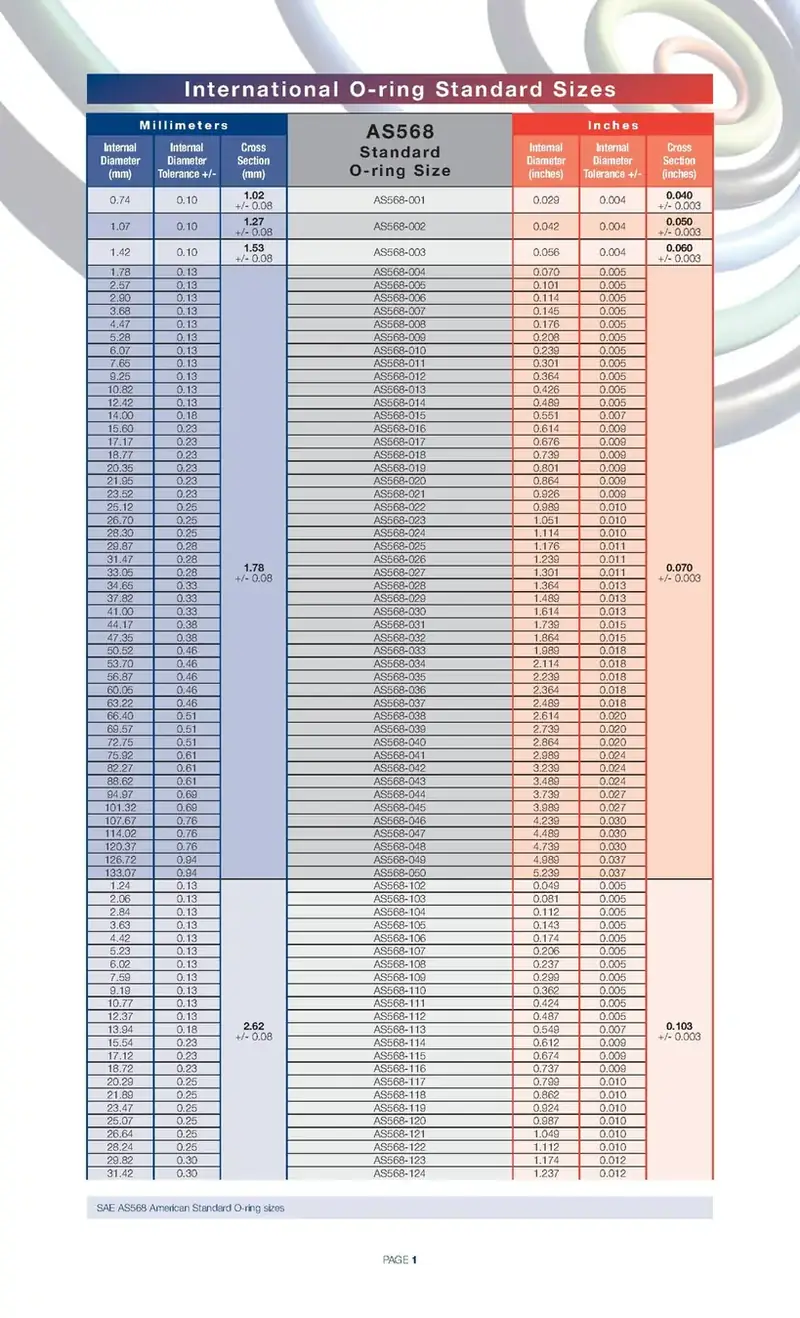
Material selection must align with fluid exposure, thermal cycling profiles, and mechanical stress requirements. Baoshida’s OEM engineering team conducts application-specific validation, including compression deflection testing per SAE AS568 and thermal gravimetric analysis, to ensure gasket longevity in mission-critical fire barrier systems. Consult our technical dossier for compound-specific ASTM D2000 callouts and OEM qualification data.
Manufacturing Capabilities

Engineering Capability: Precision Development for Fire Rope Gaskets
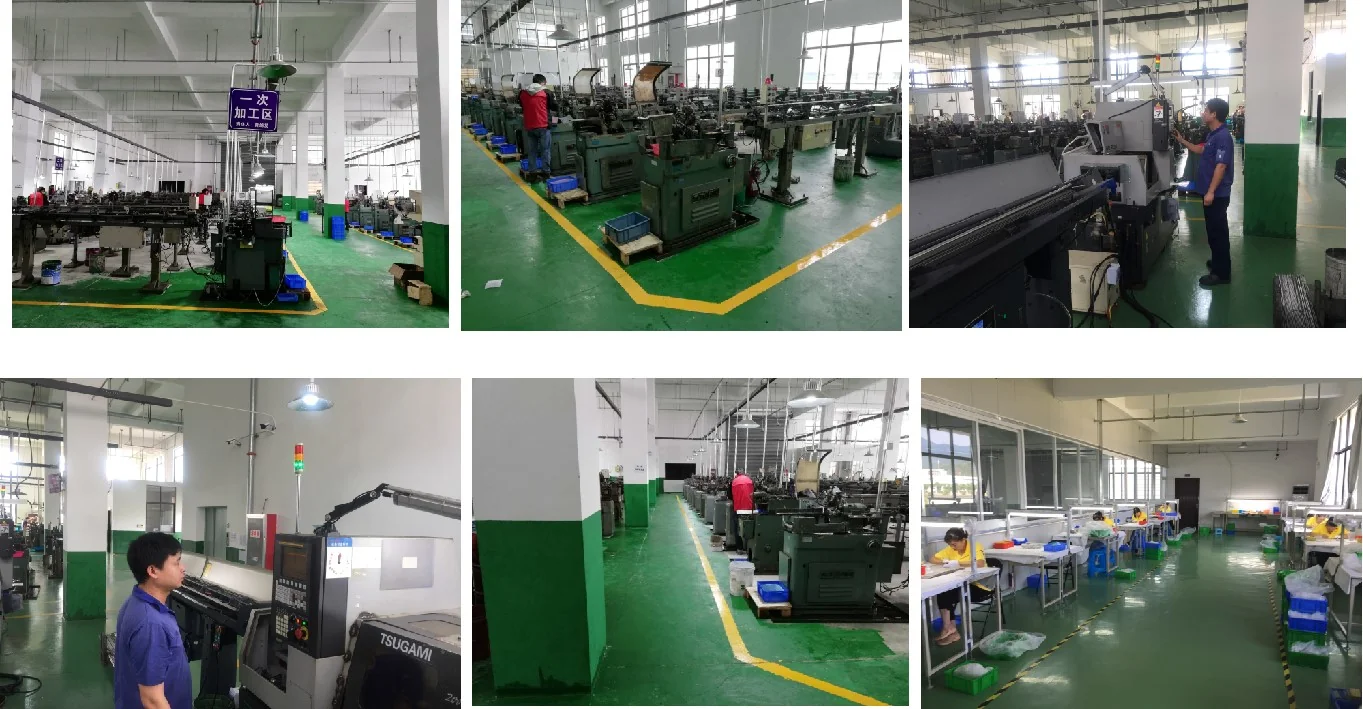
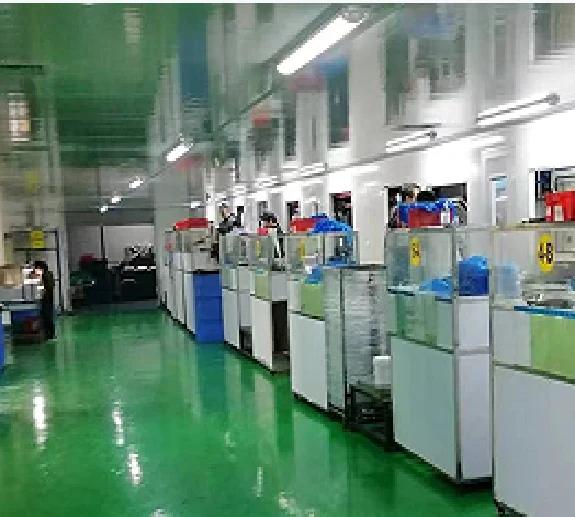
At Suzhou Baoshida Trading Co., Ltd., our engineering capability in the development and manufacturing of fire rope gaskets is anchored in a dedicated team of five specialized mould engineers and two experienced rubber formula engineers. This technical foundation enables us to deliver high-performance, application-specific sealing solutions tailored to the rigorous demands of industrial environments where fire resistance, compression recovery, and long-term durability are critical.
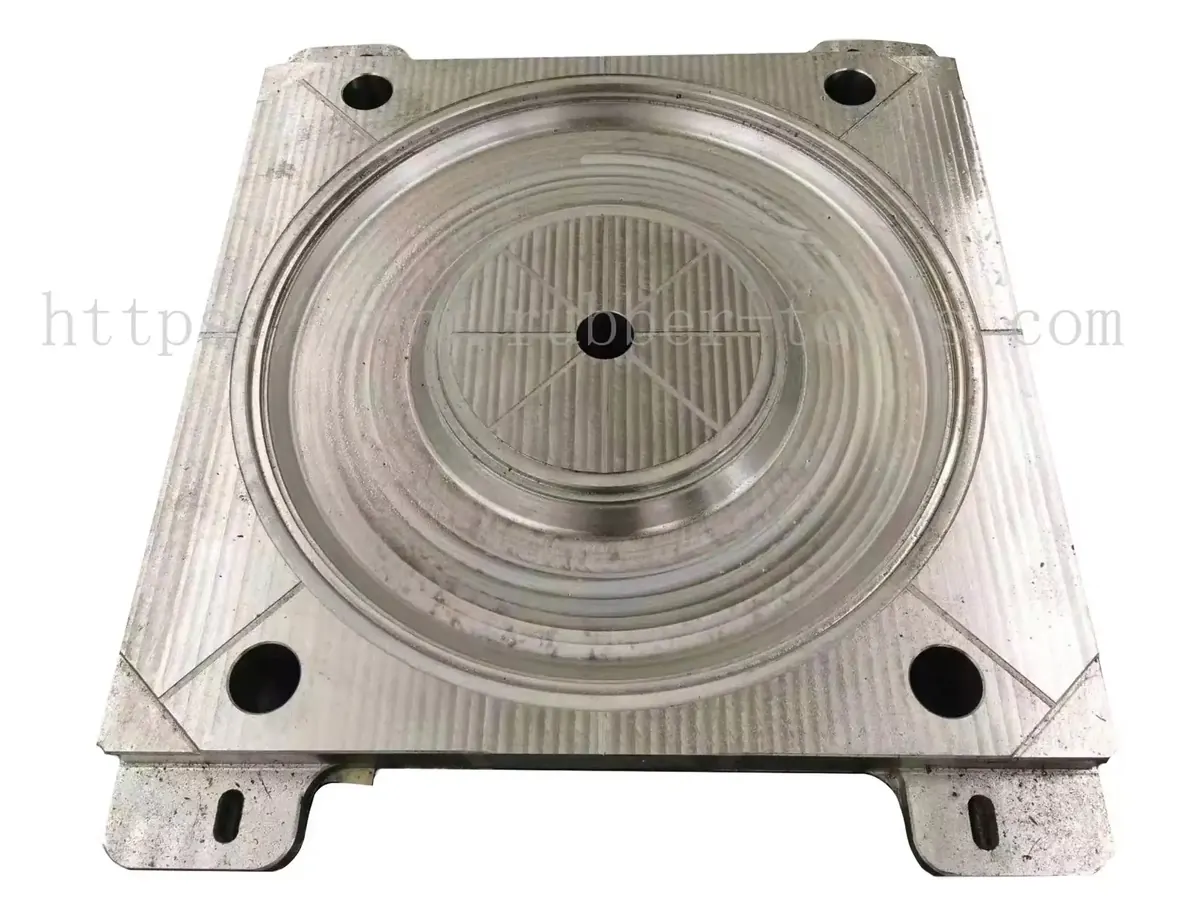
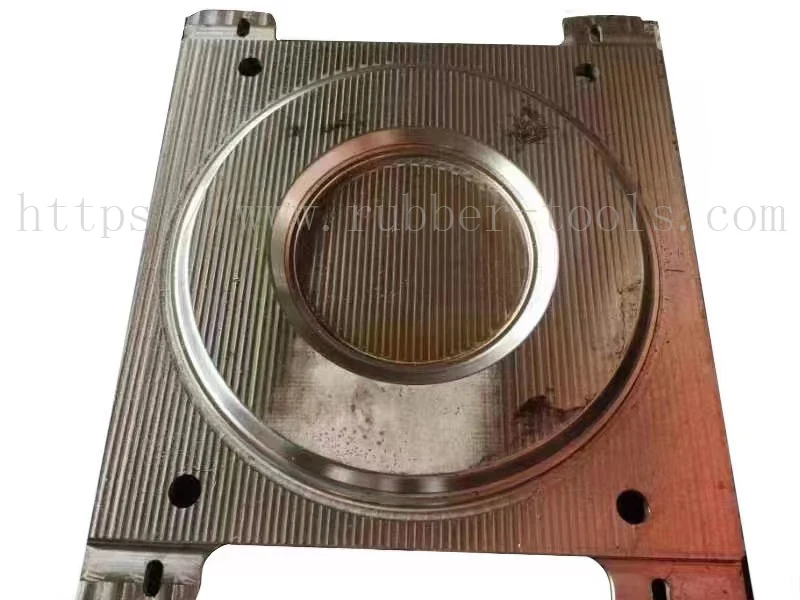
Our mould engineers possess extensive expertise in precision tooling design, utilizing advanced CAD/CAM software and CNC machining techniques to produce high-tolerance moulds that ensure dimensional accuracy and consistent part geometry. Each fire rope gasket is engineered to meet exact flange specifications, with attention to cross-sectional profile, joint integrity, and compression characteristics. Through iterative prototyping and in-house tooling validation, we achieve rapid design-to-production cycles, reducing time-to-market for our OEM partners.
Complementing our tooling expertise, our two rubber formula engineers specialize in elastomer compounding for extreme thermal and chemical resistance. Fire rope gaskets require materials capable of withstanding continuous exposure to high temperatures (up to 1000°C in intumescent applications) while maintaining structural integrity and sealing force. Our formulation team develops custom rubber compounds based on silicone, EPDM, and intumescent graphite blends, optimized for specific flame ratings, smoke toxicity requirements, and environmental exposure. These formulations are rigorously tested for thermal stability, compression set, and aging performance in simulated operational conditions.
Our OEM capabilities extend beyond component manufacturing to full collaborative development. We work directly with equipment manufacturers to co-engineer gasket solutions integrated into system-level designs, providing technical documentation, material certifications (including UL, CE, and RoHS compliance), and batch traceability. This partnership model ensures that each fire rope gasket not only meets but exceeds the functional requirements of HVAC systems, fire dampers, industrial ovens, and passive fire protection assemblies.
All development activities are supported by in-house testing facilities, including thermogravimetric analysis (TGA), compression set testing, and vertical flame testing per ASTM E814 and DIN 4102-1 standards. This vertical integration of design, material science, and validation enables Suzhou Baoshida to maintain strict control over product performance and consistency.
| Property | Standard Value | Test Method |
|---|---|---|
| Continuous Operating Temperature | -40°C to +300°C | ASTM D573 |
| Peak Fire Resistance | Up to 1000°C for 120 min | DIN 4102-1 |
| Compression Set (22h, 150°C) | ≤25% | ASTM D395 |
| Tensile Strength | ≥6.0 MPa | ASTM D412 |
| Elongation at Break | ≥200% | ASTM D412 |
| Flame Spread Index | Class A (0-25) | ASTM E84 |
Through the synergy of advanced tooling, proprietary rubber formulations, and OEM-centric engineering, Suzhou Baoshida delivers fire rope gaskets that set benchmarks in reliability and performance across critical industrial applications.
Customization Process

Fire Rope Gasket Customization Process: Precision Engineering for Critical Sealing
At Suzhou Baoshida Trading Co., Ltd., our fire rope gasket customization process is engineered for absolute reliability in high-temperature and fire-resistant sealing applications. This systematic approach ensures the final product meets stringent OEM specifications and operational demands, moving seamlessly from concept to volume production. The process initiates with rigorous Drawing Analysis. Our engineering team meticulously reviews the client-provided technical drawings, focusing on critical dimensions, cross-sectional tolerances, groove fit requirements, and application-specific parameters such as maximum operating temperature, pressure differentials, and media exposure. We verify compatibility with flange materials and installation methods, identifying potential sealing challenges early. This phase includes material compatibility assessment against fluids, gases, and environmental factors, ensuring the base elastomer system can withstand the intended service conditions without degradation.
Following drawing validation, the Formulation stage commences. Leveraging our extensive compound database and proprietary fire-retardant expertise, we develop a tailored rubber compound. Key considerations include selecting the optimal base polymer (typically high-performance silicone, FKM, or specialized EPDM variants) and integrating critical additives: halogen-free flame retardants (e.g., ATH, MDH), thermal stabilizers, and reinforcing fillers. The formulation is precisely engineered to achieve the required balance of properties: exceptional fire resistance (UL 94 V-0/V-1 compliance), low smoke toxicity, minimal compression set at elevated temperatures, and consistent resilience across the operational range. All formulations undergo preliminary laboratory screening for key rheological and physical properties before prototyping.
Prototyping is executed using production-intent tooling and processes. Small-batch samples are manufactured via precise extrusion and vulcanization, replicating final production conditions. These prototypes undergo comprehensive validation testing per ASTM, ISO, or client-specific protocols. Critical tests include linear combustion rate, smoke density measurement (ASTM E662), compression deflection force, compression set at 200°C/24h, fluid resistance, and tensile properties. Dimensional verification against the original drawing is performed using calibrated CMM equipment. Client feedback on prototype performance within their assembly is actively solicited and integrated for final refinement.
Upon successful prototype approval, we transition to Mass Production under strict ISO 9001-controlled conditions. Production batches utilize the validated compound masterbatch and process parameters. In-line monitoring ensures consistent extrusion dimensions and cure state. Each production lot undergoes stringent final quality control, including dimensional checks, visual inspection for surface defects, and periodic retesting of critical fire and physical properties. Full traceability from raw material batch to finished gasket is maintained, providing OEMs with documented assurance of product integrity for safety-critical installations.
Critical Fire Rope Gasket Performance Specifications
| Property | Standard Test Method | Typical Target Range | Significance |
|---|---|---|---|
| Continuous Use Temp | ASTM D2240 | -50°C to +260°C (Silicone) | Defines operational envelope stability |
| Max. Short-Term Exposure | ASTM D573 | Up to 315°C (30 min) | Critical for fire event survival |
| Compression Set (200°C/24h) | ASTM D395 B | ≤ 35% | Ensures long-term sealing force retention |
| Linear Combustion Rate | UL 94 | < 1.5 mm/min | Measures fire propagation resistance |
| Smoke Density (Ds max) | ASTM E662 | ≤ 200 | Critical for occupant safety in fire |
| Density | ASTM D297 | 1.4 – 1.8 g/cm³ | Impacts compression load and resilience |
| Tensile Strength | ASTM D412 | ≥ 5.0 MPa | Handling and installation durability |
Contact Engineering Team

Contact Suzhou Baoshida for Precision Fire Rope Gasket Solutions
At Suzhou Baoshida Trading Co., Ltd., we specialize in the engineering and supply of high-performance rubber seals, including advanced fire rope gaskets designed for extreme thermal and mechanical environments. Our expertise in elastomeric formulations and industrial sealing ensures that every fire rope gasket meets stringent OEM and safety standards. Whether your application involves high-pressure steam systems, industrial furnaces, or fire-rated door assemblies, our team delivers tailored solutions backed by material science and rigorous quality control.
Fire rope gaskets are critical components in passive fire protection systems, where integrity under high temperatures can determine safety outcomes. Our fire rope products are manufactured using high-purity inorganic fibers, such as ceramic or fiberglass, impregnated with specialized elastomers or intumescent compounds. These materials expand under heat, sealing gaps and preventing the spread of flames and toxic gases. We offer customizable diameters, densities, and temperature ratings to match your specific flange design and operational environment.
To ensure compatibility and long-term reliability, we recommend direct consultation with our technical team before finalizing material selection. Our engineers assess key parameters such as compression set, thermal conductivity, chemical exposure, and fire duration requirements (e.g., 30, 60, or 120-minute fire ratings) to optimize performance. Suzhou Baoshida adheres to international standards including ISO 10211, EN 1366-3, and ASTM E814, ensuring our fire rope gaskets are suitable for use in construction, marine, petrochemical, and power generation sectors.
Below is a representative specification table for our standard fire rope gasket materials:
| Property | Ceramic Fiber Rope (Standard) | Fiberglass Rope with Intumescent Coating | Silicone-Coated Fiberglass Rope |
|---|---|---|---|
| Temperature Resistance | Up to 1260°C (2300°F) | Up to 1000°C (1832°F) | Up to 315°C (600°F) |
| Density (g/cm³) | 1.2 – 1.6 | 1.0 – 1.3 | 0.8 – 1.1 |
| Tensile Strength (MPa) | ≥ 2.5 | ≥ 1.8 | ≥ 2.0 |
| Compression Recovery (%) | 75 – 85 | 70 – 80 | 65 – 75 |
| Fire Rating Compliance | EN 1366-3, ASTM E814 | EN 1366-3, BS 476 Part 20 | UL 263, ISO 834 |
| Typical Applications | Industrial furnaces, kilns | Fire-rated doors, HVAC dampers | Electrical enclosures, ductwork |
For custom formulations, OEM branding, or volume procurement, we invite direct engagement with Mr. Boyce, our dedicated OEM and Technical Sales Manager. With over 15 years of experience in industrial sealing solutions, Mr. Boyce provides technical guidance, material certification, and logistical support to global manufacturers. He ensures seamless integration of our fire rope gaskets into your production workflow, with options for spool packaging, pre-cut lengths, and automated installation compatibility.
To request samples, technical data sheets, or a formal quotation, contact Mr. Boyce directly at [email protected]. Include your application details, required specifications, and volume expectations to receive a precise and timely response. Suzhou Baoshida Trading Co., Ltd. is committed to engineering excellence and responsive client service—your trusted partner in precision rubber seals.
⚖️ O-Ring Weight Calculator
Estimate rubber O-ring weight (Approx).