Technical Contents
Engineering Guide: Chardon Laboratories Inc

Engineering Insight: Material Selection Fundamentals for Critical Rubber Applications
Material selection represents the foundational determinant of performance and longevity in industrial rubber components, not a secondary consideration. Off-the-shelf elastomer solutions frequently fail in demanding environments because they prioritize generalized cost efficiency over application-specific physics and chemistry. Generic compounds lack the tailored molecular architecture required to withstand the synergistic stresses encountered in precision systems, particularly within sectors like pharmaceutical processing and laboratory instrumentation serviced by Chardon Laboratories Inc. These failures manifest as premature compression set, chemical degradation, or catastrophic seal extrusion—issues directly traceable to inadequate material formulation.
The core deficiency lies in the absence of targeted resistance properties. Standard nitrile butadiene rubber (NBR) formulations, for instance, may resist aliphatic oils but disintegrate upon exposure to common laboratory solvents like acetone or DMSO. Similarly, ethylene propylene diene monomer (EPDM) compounds marketed for “high-temperature” use often degrade rapidly above 120°C in dynamic sealing applications due to insufficient peroxide curing systems. Off-the-shelf materials rarely account for combined thermal cycling, fluid immersion, and mechanical deformation—conditions inherent to Chardon Laboratories’ fluid handling and analytical equipment.
Critical failure modes stem from unaddressed property interactions. A seal might pass static chemical compatibility tests but fail under dynamic oscillation due to inadequate resilience or fatigue resistance. Compression set values exceeding 40% after 72 hours at 100°C render generic compounds useless in sterilizable bioprocessing manifolds where <15% set is mandatory for resealing integrity. Below is a comparative analysis of common failure points:
| Parameter | Off-the- Shelf Solution | Engineered Solution for Lab Applications | Failure Consequence |
|---|---|---|---|
| Chemical Resistance (DMSO) | Swell >35% (NBR) | Swell <8% (Custom FKM) | Seal distortion, leakage paths |
| Compression Set (100°C/72h) | 42-55% | 12-18% | Loss of sealing force, system failure |
| Dynamic Fatigue Life | <50,000 cycles | >500,000 cycles | Cracking, particulate generation |
These discrepancies arise because commodity suppliers optimize for broad market viability, not the precise interplay of fluid chemistry, thermal profiles, and mechanical loads defining Chardon Laboratories’ operational envelope. A pharmaceutical filling pump seal exposed to intermittent ethanol sterilization and pulsating pressures demands co-engineered solutions where polymer backbone saturation, filler dispersion, and cure kinetics are calibrated to the exact service parameters.
Suzhou Baoshida Trading Co., Ltd. addresses this through OEM co-engineering: mapping fluid exposure matrices, thermal duty cycles, and dynamic stress profiles to formulate compounds with validated performance margins. We reject the paradigm of forcing applications into existing material catalogs. Instead, we deploy accelerated aging protocols simulating 5+ years of lab equipment service in 72 hours, ensuring seals maintain integrity through 10,000 autoclave cycles or continuous exposure to aggressive reagents. Material selection is physics-driven engineering—not procurement. Partnering early in the design phase transforms rubber from a failure point into a reliability asset.
Material Specifications

Suzhou Baoshida Trading Co., Ltd. provides high-performance industrial rubber solutions tailored to meet the stringent demands of advanced manufacturing and engineering applications. Our expertise in elastomer formulation ensures that each material is engineered for durability, chemical resistance, and operational stability under extreme conditions. This section outlines the technical specifications of three core elastomeric materials: Viton, Nitrile (NBR), and Silicone (VMQ), commonly supplied to partners such as Chardon Laboratories Inc. These materials are selected based on application-specific requirements including temperature range, fluid compatibility, mechanical strength, and regulatory compliance.
Viton, a fluorocarbon elastomer (FKM), is renowned for its exceptional resistance to high temperatures, aggressive chemicals, oils, and fuels. It performs reliably in continuous service temperatures up to 230°C (446°F) and demonstrates low gas permeability, making it ideal for sealing applications in aerospace, semiconductor, and chemical processing industries. Viton also meets multiple FDA and USP Class VI standards when formulated appropriately, supporting its use in highly regulated environments.
Nitrile rubber, or acrylonitrile butadiene rubber (NBR), offers excellent resistance to aliphatic hydrocarbons, oils, and fuels, making it a cost-effective solution for hydraulic systems, gaskets, and O-rings in industrial machinery. With a typical operating temperature range of -40°C to 120°C (-40°F to 248°F), NBR balances flexibility and resilience under moderate thermal stress. Its abrasion resistance and compressive strength contribute to extended service life in dynamic sealing applications.
Silicone rubber (VMQ) delivers superior performance in extreme temperature environments, functioning effectively from -60°C to 200°C (-76°F to 392°F). It exhibits excellent resistance to ozone, UV radiation, and weathering, making it suitable for outdoor and medical-grade applications. While not as robust as Viton or Nitrile in oil resistance, silicone excels in electrical insulation properties and biocompatibility, meeting ISO 10993 and FDA requirements for medical device components.
The following table provides a comparative overview of key physical and chemical properties for these materials:
| Property | Viton (FKM) | Nitrile (NBR) | Silicone (VMQ) |
|---|---|---|---|
| Base Polymer | Fluorocarbon | Acrylonitrile Butadiene | Vinyl Methyl Siloxane |
| Hardness Range (Shore A) | 50–90 | 40–90 | 30–80 |
| Tensile Strength (MPa) | 10–20 | 10–30 | 5–10 |
| Elongation at Break (%) | 150–300 | 200–500 | 200–700 |
| Continuous Use Temp. (°C) | -20 to 230 | -40 to 120 | -60 to 200 |
| Fluid Resistance (Oils/Fuels) | Excellent | Good to Excellent | Poor |
| Chemical Resistance | Excellent | Moderate | Moderate |
| Ozone/UV Resistance | Excellent | Good | Excellent |
| Electrical Insulation | Good | Fair | Excellent |
| Biocompatibility | Available (USP Class VI) | Limited | Excellent (ISO 10993/FDA) |
These specifications serve as a technical foundation for material selection in industrial design and manufacturing. Suzhou Baoshida Trading Co., Ltd. works closely with OEMs and laboratory partners to customize formulations, ensuring compliance with performance and regulatory benchmarks.
Manufacturing Capabilities

Engineering Capability: Precision Rubber Solutions for Demanding Applications
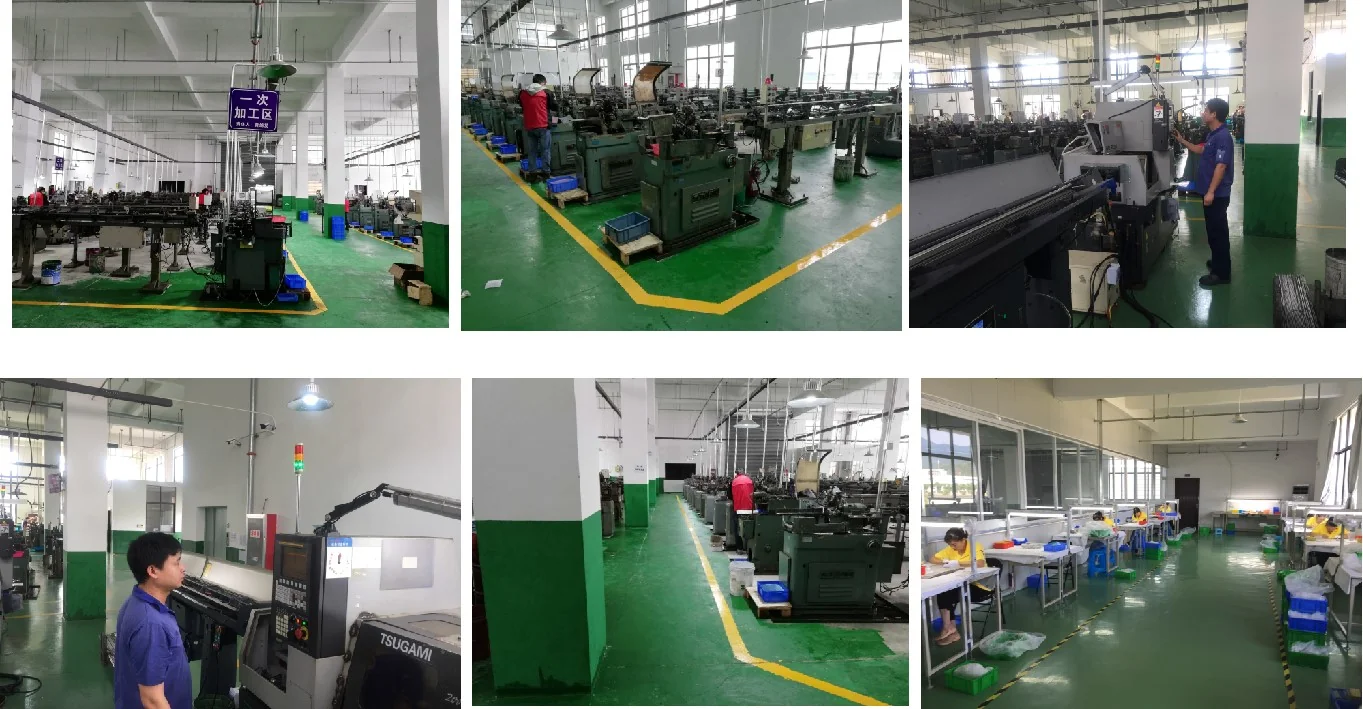
Suzhou Baoshida Trading Co., Ltd. delivers advanced industrial rubber solutions through integrated engineering expertise, specifically tailored for OEM partners like Chardon Laboratories Inc. Our core strength lies in the seamless synergy between dedicated mould design and advanced rubber compounding disciplines. This dual-engineering approach ensures optimal material performance, dimensional accuracy, and manufacturability for mission-critical components.
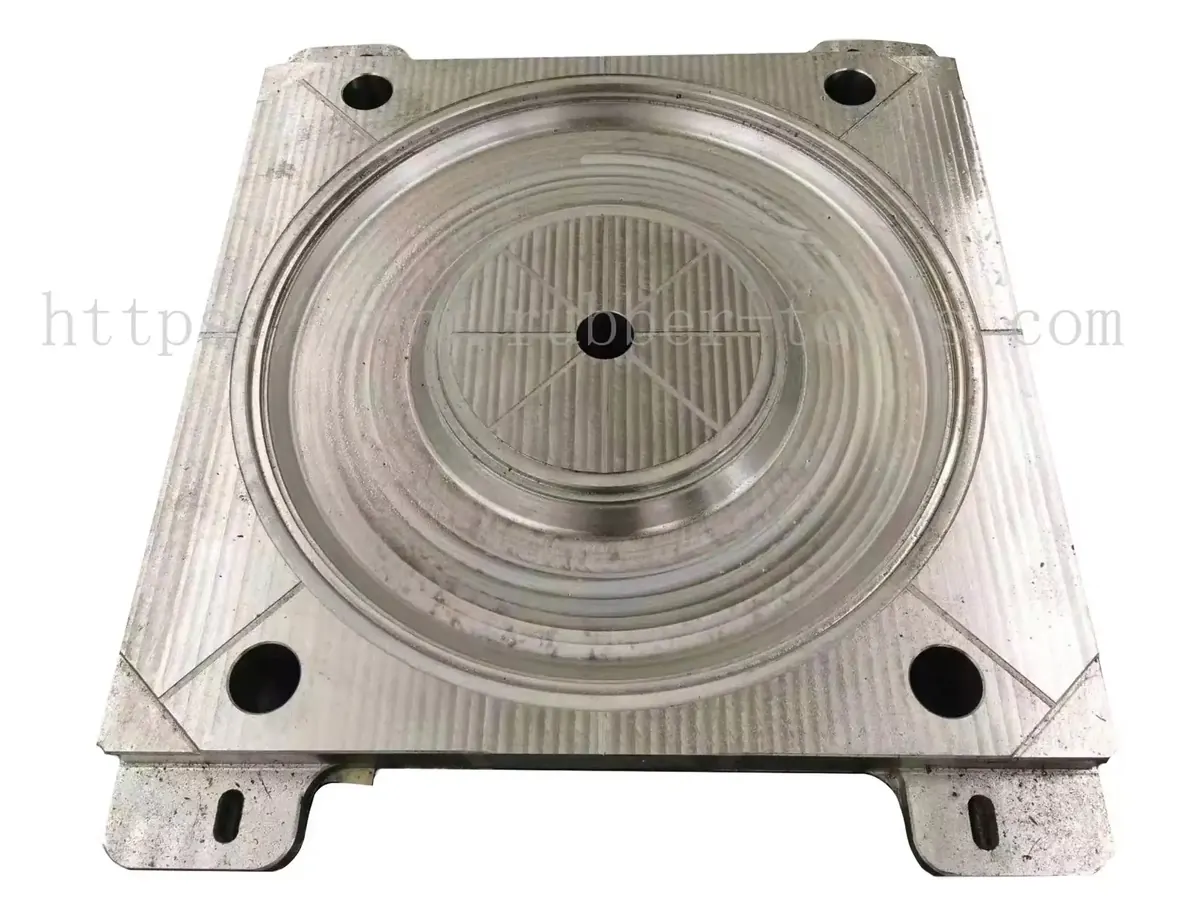
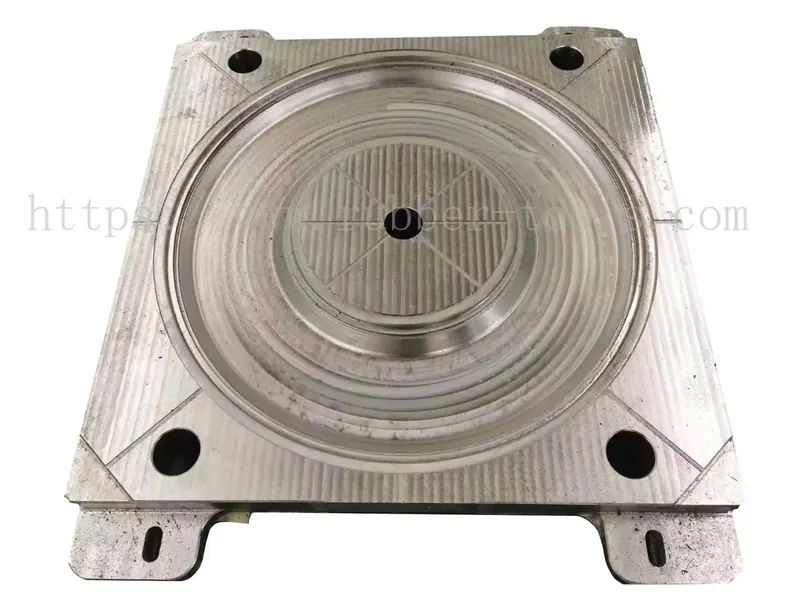
Our team comprises five specialized mould engineers with extensive experience in precision tooling for complex geometries, tight tolerances, and high-cycle production. These engineers utilize advanced CAD/CAM systems (SolidWorks, Moldflow) to conduct rigorous cavity pressure mapping, thermal analysis, and gate optimization. This process minimizes flash, sink marks, and material waste while maximizing part consistency. Concurrently, our two certified rubber formula engineers develop proprietary compounds meeting stringent chemical resistance, thermal stability, and mechanical property requirements. Leveraging deep knowledge of polymer chemistry, filler systems, and curing kinetics, they formulate materials compliant with ASTM D2000, ISO 3601, and custom OEM specifications.
This integrated capability directly supports Chardon Laboratories’ OEM requirements through a structured development workflow. Initial concept validation includes finite element analysis (FEA) for stress distribution and material selection simulation. Prototyping utilizes rapid tooling with real-time process parameter optimization, followed by comprehensive validation testing (compression set, fluid immersion, tensile/elongation). Crucially, all intellectual property remains confidential under strict NDA protocols, with full traceability from raw material lot to finished component.
Material performance is non-negotiable in laboratory environments. The table below outlines our standard technical capabilities and custom formulation range:
| Parameter | Standard Range | Custom Capability for OEM Partners |
|---|---|---|
| Hardness (Shore A) | 30–90 | 20–95 (±2 points) |
| Temperature Resistance | -40°C to +150°C | -65°C to +250°C (specialty polymers) |
| Tensile Strength | 8–25 MPa | Up to 35 MPa |
| Elongation at Break | 200–600% | 100–800% |
| Fluid Resistance | Water, alcohols, mild acids | Custom resistance to aggressive solvents, strong acids/bases |
| Compression Set (70h/100°C) | ≤25% | ≤15% (critical sealing applications) |
OEM collaboration begins with joint requirement definition, where our engineers translate Chardon Laboratories’ functional needs into actionable material and tooling specifications. We maintain dedicated production cells for low-volume/high-mix OEM runs, ensuring batch integrity and accelerated time-to-market. Process validation adheres to APQP/PPAP protocols, with full statistical process control (SPC) data provided. For applications demanding extreme biocompatibility or ultra-pure formulations, our formula engineers implement extractables/leachables testing per USP <87> and ISO 10993 standards.
Suzhou Baoshida’s engineering framework eliminates the traditional disconnect between material science and manufacturing execution. By unifying mould design precision with compound innovation under one quality management system (ISO 9001:2015 certified), we deliver rubber components that consistently exceed performance expectations in laboratory instrumentation, fluid handling, and sealing applications. This capability forms the foundation of a reliable, long-term OEM partnership with Chardon Laboratories Inc.
Customization Process

Customization Process for Industrial Rubber Components at Suzhou Baoshida Trading Co., Ltd.
At Suzhou Baoshida Trading Co., Ltd., we specialize in delivering high-performance industrial rubber solutions tailored to the exacting standards of global OEMs, including partners such as Chardon Laboratories Inc. Our structured customization process ensures precision, repeatability, and compliance with technical and regulatory demands across industries. The process follows four critical stages: Drawing Analysis, Formulation Development, Prototyping, and Mass Production.
The first phase, Drawing Analysis, begins with a comprehensive technical review of customer-provided CAD models, engineering drawings, or physical samples. Our engineering team evaluates dimensional tolerances, surface finish requirements, mating components, and environmental exposure conditions. Critical parameters such as compression set, tensile strength, and media resistance are identified. This stage ensures that all geometric and functional specifications align with both application needs and manufacturing feasibility.
Following drawing validation, we proceed to Formulation Development. Our rubber chemists formulate compound recipes based on the required elastomer type—such as NBR, EPDM, FKM, or silicone—factoring in temperature range, chemical exposure, mechanical stress, and regulatory compliance (e.g., FDA, USP Class VI). Each formulation is optimized for processing behavior and end-use performance. We maintain a database of over 500 proprietary compound formulations, enabling rapid iteration and customization while ensuring traceability and consistency.
The third stage, Prototyping, allows for functional validation prior to full-scale production. Using precision molding techniques—including compression, transfer, or injection molding—we produce small-batch prototypes under controlled conditions. These samples undergo rigorous laboratory testing at our in-house facility, including hardness, tensile, elongation, compression set, and fluid resistance assessments. Prototypes are shipped to the client for field evaluation, and feedback is integrated into final design or material adjustments.
Upon approval, we transition seamlessly into Mass Production. Our automated production lines, supported by statistical process control (SPC) and ISO 9001-certified quality systems, ensure batch-to-batch uniformity. We utilize real-time monitoring of cure time, temperature, and pressure to maintain dimensional accuracy and material integrity. All finished components undergo 100% visual inspection and抽样 physical testing per ASTM and ISO standards.
Throughout the process, Suzhou Baoshida maintains transparent communication and documentation, providing material certificates, process FMEAs, and PPAP packages upon request. This disciplined approach ensures that every custom rubber component meets the performance and reliability standards required by advanced industrial and laboratory environments.
| Parameter | Specification |
|---|---|
| Tolerance Range | ±0.05 mm to ±0.3 mm (based on geometry) |
| Hardness Range (Shore A) | 30–90 |
| Standard Elastomers | NBR, EPDM, FKM, Silicone, CR, NR |
| Testing Standards | ASTM D2000, ISO 3302, ISO 2768 |
| Production Capacity | Up to 500,000 units/month |
| Lead Time (Prototype) | 15–20 working days |
| Quality Certification | ISO 9001:2015, RoHS, REACH compliant |
Contact Engineering Team

Optimized Partnership Pathway for Industrial Rubber Solutions
Suzhou Baoshida Trading Co., Ltd. operates at the forefront of precision rubber formulation and OEM manufacturing, delivering engineered elastomer solutions for mission-critical industrial applications. Our laboratory and production facilities integrate advanced compounding methodologies with stringent quality control protocols, ensuring materials meet exacting performance benchmarks for sectors including automotive, aerospace, and fluid handling systems. Unlike commodity suppliers, we prioritize molecular-level customization—adjusting polymer matrices, filler dispersion, and cure kinetics to resolve specific operational challenges such as extreme thermal cycling, chemical exposure, or dynamic sealing requirements. This scientific approach minimizes field failures and extends component service life, directly impacting your total cost of ownership.
Technical Capability Matrix
| Specification Category | Suzhou Baoshida Standard Range | Industry Typical Range | Testing Methodology |
|---|---|---|---|
| Hardness (Shore A) | 30–95 | 40–90 | ASTM D2240 |
| Temperature Resistance | -60°C to +250°C | -40°C to +150°C | ISO 188 |
| Tensile Strength (MPa) | 12–35 | 8–25 | ASTM D412 |
| Compression Set (22h/70°C) | ≤15% | ≤25% | ASTM D395 |
| Fluid Resistance (IRMOG) | Class 0–1 | Class 2–3 | ISO 1817 |
| FDA/EC 1935 Compliance | Full certification available | Limited options | Direct batch documentation |
Our OEM process begins with collaborative material specification development, where our engineers analyze your operational parameters—pressure differentials, media compatibility, and lifecycle expectations—to formulate proprietary compounds. We then execute rapid prototyping using CAD-integrated molding simulations, reducing time-to-trial by 40% versus conventional workflows. Each production batch undergoes real-time rheometry and FTIR validation, with traceable certificates of conformance detailing raw material lot numbers and physical property test results. This granular oversight ensures absolute repeatability across global supply chains, critical for ISO/TS 16949 and AS9100-certified manufacturers.
Initiate your next-generation rubber component project with Suzhou Baoshida by submitting detailed material requirements to Mr. Boyce, our dedicated OEM Engineering Manager. Provide your target hardness, fluid exposure profiles, and dimensional tolerances to receive a customized formulation proposal within 72 hours. Mr. Boyce coordinates cross-functional teams from initial feasibility assessment through PPAP documentation, guaranteeing seamless transition from prototype to high-volume production. His direct oversight eliminates procurement bottlenecks and ensures technical alignment with your engineering team’s objectives.
Contact Mr. Boyce immediately at [email protected] to schedule a confidential technical consultation. Include your application’s operational environment details and current material failure modes for prioritized analysis. We require no NDAs for initial technical discussions—demonstrating confidence in our ability to solve complex elastomer challenges through scientific rigor and manufacturing excellence. Delaying material optimization risks accelerated wear, regulatory non-compliance, and unplanned downtime; partner with Suzhou Baoshida to transform rubber components from cost centers into competitive advantages. All inquiries receive same-business-day engineering feedback.
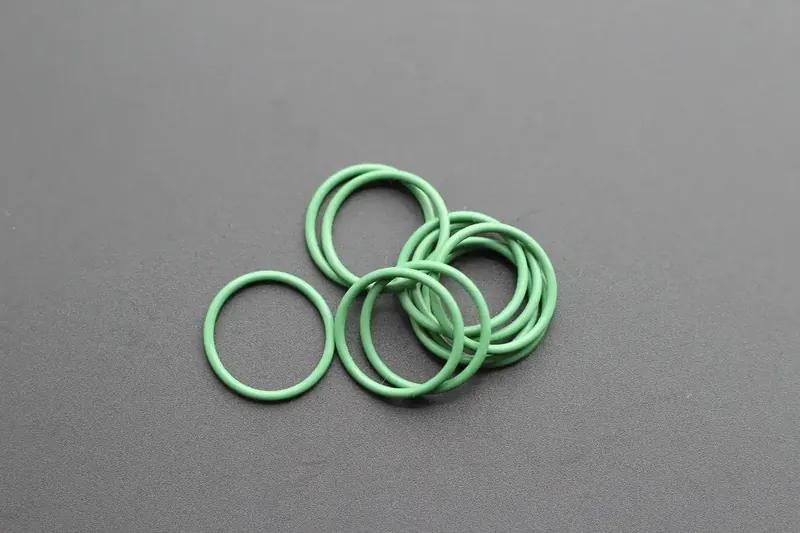
⚖️ O-Ring Weight Calculator
Estimate rubber O-ring weight (Approx).