Technical Contents
Engineering Guide: Steam Gasket

Engineering Insight: Material Selection in Steam Gasket Performance
In high-pressure, high-temperature industrial environments, steam gaskets serve as critical sealing components that maintain system integrity, prevent leaks, and ensure operational safety. Despite their seemingly simple form, steam gaskets are subjected to extreme thermal cycling, oxidative degradation, and mechanical compression loads. The performance of these gaskets is fundamentally dictated by material selection—a factor where off-the-shelf solutions frequently fall short in real-world applications.
Standard gasket materials such as generic nitrile (NBR) or low-grade rubber compounds are often marketed as universal solutions. However, they lack the necessary thermal stability and chemical resistance required in continuous steam service. Exposure to saturated steam at temperatures exceeding 150°C accelerates the degradation of such materials, leading to hardening, cracking, and eventual seal failure. Additionally, thermal cycling causes repeated expansion and contraction, which low-resilience materials cannot accommodate, resulting in loss of sealing force and joint leakage.
At Suzhou Baoshida Trading Co., Ltd., we emphasize engineered material solutions tailored to the operational parameters of the steam system. Materials such as expanded graphite, PTFE (polytetrafluoroethylene), and high-performance elastomers like EPDM (ethylene propylene diene monomer) or FKM (fluoroelastomer) are selected based on temperature, pressure, and flange compatibility. Expanded graphite, for instance, exhibits exceptional thermal stability up to 650°C in oxidizing environments and maintains flexibility under compression, making it ideal for high-temperature steam flanges. PTFE offers near-universal chemical resistance and low creep, though its use is limited to moderate pressures due to cold flow tendencies.
EPDM demonstrates excellent resistance to hot water and steam up to 180°C and is cost-effective for medium-duty applications. FKM, while more expensive, provides superior performance in high-temperature and high-purity steam systems, such as those in pharmaceutical or semiconductor manufacturing, where contamination and seal longevity are paramount.
Off-the-shelf gaskets often fail because they are not evaluated against the specific combination of temperature, pressure, and media chemistry. A one-size-fits-all approach neglects critical factors such as compression set, stress relaxation, and surface finish compatibility—parameters that directly influence seal life and reliability.
To ensure long-term performance, material selection must be guided by precise engineering data and application-specific testing. The following table outlines key material properties relevant to steam gasket applications:
| Material | Max Continuous Temp (°C) | Steam Resistance | Compression Set Resistance | Typical Applications |
|---|---|---|---|---|
| Expanded Graphite | 650 (oxidizing) | Excellent | High | Power plants, refineries |
| PTFE | 260 | Excellent | Moderate (creep-sensitive) | Chemical, pharmaceutical |
| EPDM | 180 | Very Good | Good | HVAC, food processing |
| FKM | 230 | Excellent | Very High | High-purity, high-temp systems |
| NBR (Standard) | 120 | Poor | Moderate | Not recommended for steam service |
Material selection is not a commodity decision—it is an engineering imperative. At Baoshida, we prioritize precision, durability, and application-specific design to deliver gasket solutions that perform reliably under the most demanding steam conditions.
Material Specifications

Material Specifications for Steam Gasket Applications
Selecting the optimal elastomer for steam gaskets is critical for ensuring long-term sealing integrity under high-temperature and high-pressure conditions. Steam environments impose unique demands, including resistance to thermal degradation, hydrolysis, and compression set, while maintaining resilience across operational cycles. At Suzhou Baoshida Trading Co., Ltd., our precision rubber seals are engineered to meet stringent industrial steam specifications, with Viton, Nitrile, and Silicone representing the primary material solutions. Each compound offers distinct performance characteristics aligned with specific steam parameters and auxiliary fluid exposures.
Viton fluorocarbon rubber (FKM) delivers superior performance in high-temperature saturated steam applications, with continuous service capability up to 200°C and intermittent exposure tolerance to 230°C. Its exceptional resistance to oxidation and hydrolysis prevents hardening or cracking, even under prolonged steam cycling. Viton maintains sealing force retention in systems where trace hydrocarbons or lubricants may coexist with steam, making it ideal for power generation and refinery steam headers. However, its higher material cost necessitates justification through extreme thermal demands.
Nitrile rubber (NBR) provides a cost-effective solution for low-to-medium temperature steam systems (up to 120°C continuous) where incidental oil or fuel exposure occurs. Standard NBR grades exhibit good tensile strength and abrasion resistance but suffer rapid deterioration above 135°C due to hydrolysis-induced softening. Hydrogenated NBR (HNBR) variants extend the upper limit to 150°C with improved steam resistance, though they remain unsuitable for pure high-pressure steam versus Viton. NBR is frequently specified for auxiliary steam lines in industrial machinery with mixed fluid exposures.
Silicone rubber (VMQ) excels in applications requiring extreme flexibility at temperature extremes, functioning reliably from -60°C to 200°C. Its inorganic backbone resists thermal degradation in dry steam environments, but standard grades exhibit poor resistance to wet steam above 150°C due to hydrolysis. Specialty phenyl-modified silicones enhance wet steam tolerance to 180°C, though mechanical strength remains lower than Viton. Silicone is preferred for pharmaceutical or food-grade steam systems requiring ultra-low extractables and wide thermal cycling.
The comparative performance of these materials is summarized below for critical steam gasket parameters. All compounds are formulated per ASTM D2000 standards with Baoshida’s OEM-managed quality controls.
| Material | Continuous Steam Temp Range | Saturated Steam Resistance | Key Advantages | Primary Limitations |
|---|---|---|---|---|
| Viton (FKM) | -20°C to 200°C | Excellent | Exceptional hydrolysis/oxidation resistance; low compression set at high temps; chemical inertness | Higher cost; limited low-temp flexibility below -20°C |
| Nitrile (NBR/HNBR) | -30°C to 120°C (NBR) / 150°C (HNBR) | Moderate (NBR) / Good (HNBR) | Cost-effective; high abrasion resistance; good oil/fuel compatibility | Degrades rapidly in wet steam >135°C; poor high-temp aging |
| Silicone (VMQ) | -60°C to 200°C | Good (dry steam); Moderate (wet steam <150°C) | Wide temp flexibility; low compression set; ultra-pure formulations available | Low tensile strength; susceptible to wet steam hydrolysis >150°C; high gas permeability |
Material selection must align with exact steam conditions—pressure, dryness fraction, cycling frequency, and potential contaminants. Suzhou Baoshida Trading Co., Ltd. collaborates with OEM partners to validate compound formulations against API 601, ASME B16.20, and customer-specific steam test protocols, ensuring gasket performance meets the operational lifetime requirements of critical steam infrastructure.
Manufacturing Capabilities

Engineering Capability: Precision Development for Steam Gasket Solutions
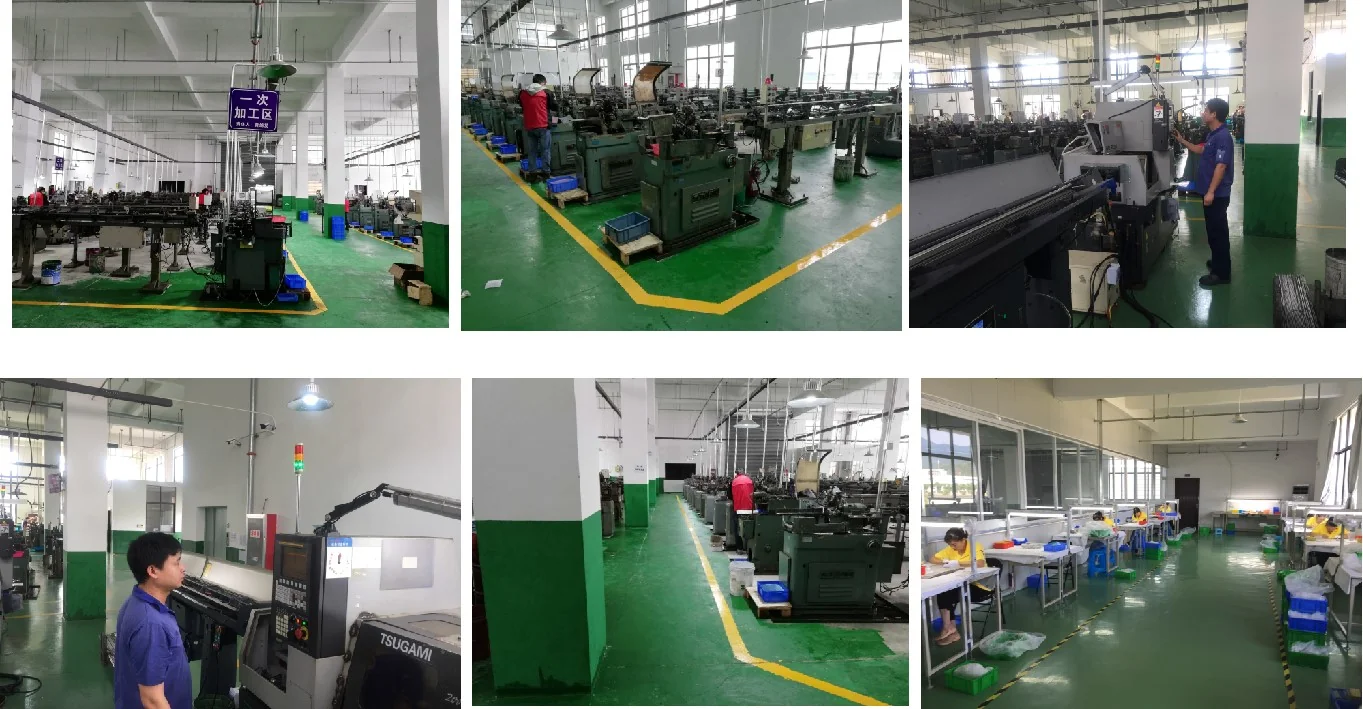
At Suzhou Baoshida Trading Co., Ltd., our engineering capability in the domain of precision rubber seals is anchored in a dedicated team of seven core specialists—five mould engineers and two rubber formula engineers—uniquely integrated to deliver high-performance steam gasket solutions tailored to industrial demands. This multidisciplinary structure enables us to control both material science and tooling design in-house, ensuring optimal compatibility between compound formulation and mould geometry for reliable sealing under extreme thermal and pressure conditions.
Our rubber formula engineers possess advanced expertise in elastomer chemistry, specializing in high-temperature resistant compounds such as nitrile rubber (NBR), ethylene propylene diene monomer (EPDM), fluorocarbon rubber (FKM), and silicone (VMQ). Each compound is custom-developed to meet specific OEM requirements for steam applications, including resistance to continuous exposure at temperatures up to 300°C, low compression set, and exceptional resilience under cyclic thermal loading. Through rigorous laboratory testing and accelerated aging protocols, we validate material performance to ensure long-term sealing integrity in dynamic environments.
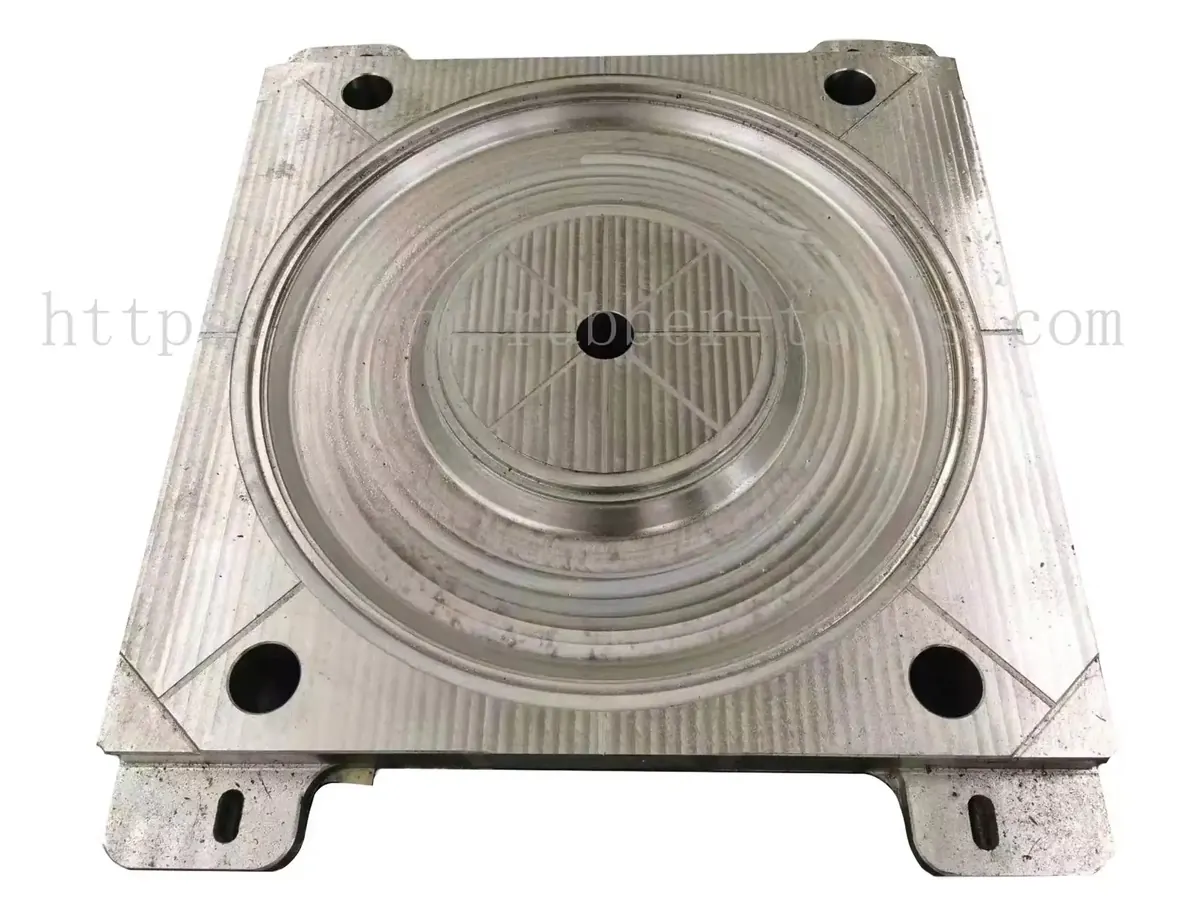
Complementing material development, our five mould engineers bring over 60 combined years of experience in precision tooling design for rubber compression, transfer, and injection moulding. They utilize advanced CAD/CAM systems (SolidWorks, AutoCAD, and Moldflow) to optimize cavity design, gating systems, and venting configurations, minimizing flash, voids, and material waste. Finite element analysis (FEA) is routinely applied to simulate thermal expansion and compression behavior, ensuring dimensional stability across operating ranges. All tooling is fabricated to ISO 2768-mK geometric tolerances, supporting tight sealing zone control required in high-pressure steam systems.
Our OEM capabilities are built on a collaborative engineering model. From initial concept to final validation, we work directly with clients to define performance parameters, conduct design for manufacturing (DFM) reviews, and deliver functional prototypes within 15–20 working days. This integrated approach reduces time-to-market and ensures seamless scalability to high-volume production using automated rubber moulding presses with ±0.1 mm repeatability.
The following table outlines typical material and performance specifications for our engineered steam gasket solutions:
| Property | NBR | EPDM | FKM | VMQ |
|---|---|---|---|---|
| Temperature Range (°C) | -30 to +150 | -50 to +180 | -20 to +300 | -60 to +250 |
| Steam Resistance (saturated, 150°C) | Good | Excellent | Excellent | Good |
| Compression Set (22 hrs, 150°C) | ≤25% | ≤20% | ≤15% | ≤20% |
| Hardness (Shore A) | 60–90 | 55–85 | 65–90 | 40–80 |
| Tensile Strength (MPa) | ≥12 | ≥10 | ≥10 | ≥6 |
Through the synergy of material science and precision engineering, Suzhou Baoshida delivers steam gaskets that meet the exacting standards of power generation, industrial boilers, and process manufacturing equipment. Our engineering team remains fully accessible to OEM partners for technical consultation, failure analysis, and continuous improvement initiatives.
Customization Process

Customization Process for Precision Steam Gaskets
At Suzhou Baoshida Trading Co., Ltd., our steam gasket customization process ensures optimal sealing performance under extreme thermal and pressure conditions. Industrial steam systems demand uncompromising reliability, and our four-phase methodology—Drawing Analysis, Formulation, Prototyping, and Mass Production—guarantees gaskets engineered for your specific operational parameters. This systematic approach eliminates guesswork, reduces downtime, and extends service life in critical applications.
Drawing Analysis initiates the workflow. Our engineering team rigorously reviews client-provided technical drawings, focusing on flange dimensions, surface finish (Ra ≤ 3.2 μm), bolt patterns, and groove tolerances. We cross-reference ASME B16.20 or EN 1514 standards to identify potential sealing gaps or compression inconsistencies. Thermal expansion coefficients of mating surfaces are calculated to preempt leakage during temperature cycling. Any dimensional ambiguity triggers immediate client consultation to resolve discrepancies before proceeding.
Formulation follows, where material science dictates performance. Based on the operating environment—saturated steam up to 300°C, superheated steam, or chemical-laden vapor—we select polymer bases (e.g., EPDM for ≤150°C, FKM for >200°C) and optimize filler systems. Critical additives like thermal stabilizers and nano-reinforced silica mitigate compression set and extrusion. The table below outlines baseline specifications, though all parameters are adjusted per client requirements.
| Property | Standard Range (EPDM) | Standard Range (FKM) | Customization Capability |
|---|---|---|---|
| Temperature Resistance | -50°C to +150°C | -20°C to +300°C | Up to +350°C (special grades) |
| Pressure Rating | ≤ 10 MPa | ≤ 15 MPa | ≤ 25 MPa (reinforced) |
| Hardness (Shore A) | 60–80 | 70–90 | 50–95 (±2 units) |
| Compression Set (24h, 150°C) | ≤ 25% | ≤ 20% | ≤ 15% (optimized cure) |
| Media Compatibility | Water/Steam | Steam/Oils | Customized for acids/solvents |
Prototyping validates the design. We produce 3–5 sample gaskets using precision CNC-cut molds, then subject them to simulated service conditions in our lab. Tests include creep relaxation at 200°C/10 MPa for 72 hours, steam blowout resistance per ASTM F37, and compression-deflection analysis. Dimensional metrology verifies thickness uniformity (±0.1 mm tolerance). Client feedback on prototype performance informs final tweaks to the compound or geometry.
Mass Production commences only after client sign-off. We deploy statistical process control (SPC) with real-time monitoring of cure time, temperature, and pressure during molding. Each batch undergoes 100% visual inspection and random destructive testing per ISO 3601. Traceability is maintained via laser-etched batch codes, linking raw material certificates to final test reports. Production scalability—from 100 to 50,000 units—is supported by automated mixing and molding lines, ensuring zero deviation from validated parameters.
This end-to-end customization framework, grounded in material science and industrial rigor, delivers steam gaskets that achieve zero-leak integrity. Suzhou Baoshida Trading Co., Ltd. transforms operational challenges into engineered solutions, safeguarding your system’s efficiency and safety.
Contact Engineering Team

For industrial manufacturers and OEMs requiring high-performance steam gasket solutions, Suzhou Baoshida Trading Co., Ltd. stands as a trusted partner in precision rubber seals. Our engineering team specializes in developing custom-formulated elastomeric gaskets designed to withstand the rigorous demands of steam systems, including high temperature, pressure fluctuations, and long-term cyclic exposure. Whether your application involves power generation, industrial boilers, HVAC systems, or process manufacturing, our technical expertise ensures reliable sealing performance and extended service life.
At Suzhou Baoshida, we understand that steam environments present unique challenges—thermal expansion, condensation, and potential chemical degradation from treatment additives. That is why our steam gaskets are formulated using advanced rubber compounds such as EPDM, silicone, nitrile (NBR), and fluorocarbon (FKM), each selected based on operating parameters and compatibility requirements. Our in-house R&D facility allows for iterative testing under simulated service conditions, ensuring every gasket meets exact dimensional, compression, and resilience specifications.
We support global clients with full technical documentation, material certification (including ASTM and ISO compliance), and rapid prototyping services. Our quality management system is aligned with ISO 9001 standards, guaranteeing consistency across production batches. From standard sheet gaskets to complex die-cut and molded profiles, we deliver engineered sealing solutions tailored to your flange design, pressure class, and maintenance cycle.
To ensure seamless integration into your manufacturing or maintenance workflow, we offer direct engineering consultation. Our technical team collaborates with clients to review flange geometry, surface finish, bolt load, and operating envelopes—ensuring optimal gasket selection or custom development. With inventory hubs in Jiangsu Province and established logistics partnerships, we provide fast turnaround for both sample requests and bulk orders.
For immediate assistance with steam gasket specifications, material recommendations, or custom design support, contact Mr. Boyce, OEM Account Manager at Suzhou Baoshida Trading Co., Ltd. He is available to discuss your project requirements, provide technical data sheets, and coordinate sample submissions. Reach out directly via email at [email protected] to initiate a technical consultation.
Below are typical performance specifications for our standard steam gasket materials:
| Material | Temperature Range (°C) | Pressure Resistance (bar) | Hardness (Shore A) | Key Applications |
|---|---|---|---|---|
| EPDM | -50 to +150 (short peaks up to +180) | 25 | 60–80 | Low to medium-pressure steam, water systems |
| Nitrile (NBR) | -30 to +120 (+150 short-term) | 20 | 65–75 | Steam with oil contamination, auxiliary systems |
| Silicone | -60 to +200 | 15 | 50–80 | High-temperature steam with flexibility needs |
| FKM (Viton®) | -20 to +230 | 30 | 70–85 | High-pressure superheated steam, chemical resistance |
Partner with Suzhou Baoshida for technically validated steam gasket solutions backed by responsive engineering support and industrial-grade reliability. Contact Mr. Boyce today to optimize your sealing performance.
⚖️ O-Ring Weight Calculator
Estimate rubber O-ring weight (Approx).