Technical Contents
Engineering Guide: Petg Plastic Sheets
Engineering Insight: PETG Plastic Sheets – The Critical Role of Material Selection in Industrial Applications
In industrial manufacturing, particularly within the domain of polymer-based components and protective barriers, PETG plastic sheets are frequently specified for their clarity, impact resistance, and ease of fabrication. However, despite their widespread availability, off-the-shelf PETG sheets often underperform in demanding environments. This discrepancy arises not from inherent material flaws, but from a fundamental misalignment between generic product specifications and application-specific engineering requirements.
PETG (polyethylene terephthalate glycol-modified) is valued for its optical clarity, chemical resistance, and thermoformability. These properties make it suitable for applications ranging from machine guards to medical enclosures. Yet, when deployed in high-stress, thermally variable, or chemically aggressive environments, standard-grade PETG sheets frequently exhibit premature stress cracking, reduced impact performance, or dimensional instability. The root cause lies in unverified resin sources, inconsistent manufacturing processes, and lack of post-production conditioning in mass-market variants.
At Suzhou Baoshida Trading Co., Ltd., we emphasize engineered material selection over commoditized sourcing. Off-the-shelf PETG sheets are typically produced for general signage or retail display use, where mechanical and thermal demands are minimal. When such materials are repurposed for industrial rubber solutions—such as gasket backing plates, dynamic seals with polymer reinforcement, or protective linings—they fail due to inadequate molecular weight distribution, residual internal stresses from rapid cooling during extrusion, and insufficient UV or chemical stabilization.
True performance begins with controlled polymer synthesis and ends with rigorous quality validation. For instance, high-performance PETG formulations require optimized glycol modification ratios to balance ductility and rigidity. Additionally, controlled quenching during sheet production minimizes internal stresses, enhancing dimensional stability under thermal cycling. These refinements are rarely present in standard commercial grades.
To illustrate the performance differential, consider the following comparative analysis of material properties between standard and engineered PETG sheets.
| Property | Standard PETG Sheet | Engineered PETG Sheet (Baoshida Spec) |
|---|---|---|
| Tensile Strength (MPa) | 50–55 | 58–62 |
| Impact Strength (Izod, J/m) | 120–150 | 180–220 |
| Heat Deflection Temp (°C) | 70–74 | 80–85 |
| Optical Clarity (% Transmission) | 88–90 | 91–92 |
| Chemical Resistance (to alcohols, oils) | Moderate | High (additive-stabilized) |
| Internal Stress (after forming) | High | Low (controlled annealing) |
Material selection is not a cost-driven compromise—it is a precision engineering decision. At Baoshida, we collaborate with OEMs to define operational thresholds and environmental exposures, then tailor PETG sheet specifications accordingly. This approach ensures compatibility with adjacent elastomeric components, long-term structural integrity, and compliance with industrial safety standards.
In mission-critical applications, the failure of a seemingly minor component like a transparent guard or insulating layer can cascade into system-wide downtime. Choosing engineered PETG over generic alternatives is not an incremental upgrade—it is a necessary safeguard in modern industrial design.
Material Specifications
Material Specifications: Industrial Rubber Sheet Solutions
Suzhou Baoshida Trading Co., Ltd. specializes in high-performance elastomeric materials for critical industrial applications. While PETG plastic sheets fall outside our core competency in rubber engineering, we provide precision-formulated rubber sheeting solutions optimized for durability, chemical resistance, and thermal stability. Our OEM-grade Viton, Nitrile, and Silicone compounds undergo rigorous QC protocols per ISO 9001 and ASTM D2000 standards, ensuring dimensional accuracy and performance consistency for demanding manufacturing environments.
Each material is engineered to address specific operational challenges. Viton fluorocarbon rubber delivers unparalleled resistance to aggressive chemicals, fuels, and high temperatures, making it indispensable for aerospace and semiconductor manufacturing. Nitrile butadiene rubber (NBR) offers exceptional oil and abrasion resistance at cost-effective pricing, ideal for hydraulic seals and automotive gaskets. Silicone rubber provides extreme flexibility across -60°C to 230°C ranges with biocompatibility, serving medical device and food processing industries. All sheets are manufactured with ±0.1mm thickness tolerance and certified for low outgassing in vacuum applications.
The following table details critical technical specifications for OEM selection:
| Property | Viton (FKM) | Nitrile (NBR) | Silicone (VMQ) | Test Standard |
|---|---|---|---|---|
| Hardness Range (Shore A) | 60–90 | 50–90 | 30–80 | ASTM D2240 |
| Tensile Strength (MPa) | 12–20 | 15–25 | 6–12 | ASTM D412 |
| Temperature Range (°C) | -20 to +250 | -40 to +120 | -60 to +230 | ASTM D573 |
| Compression Set (%) | ≤20 (24h @ 150°C) | ≤30 (70h @ 100°C) | ≤25 (22h @ 200°C) | ASTM D395 |
| Key Resistance | Fuels, acids, ozone | Oils, solvents | Steam, ozone, UV | ISO 1817 |
| FDA Compliance | Optional | No | Yes | 21 CFR 177.2600 |
Material selection directly impacts product lifecycle and safety compliance. Viton is recommended for exposure to aromatic hydrocarbons or jet fuels where NBR would degrade rapidly. NBR remains the optimal choice for cost-sensitive applications involving mineral oils or aliphatic solvents. Silicone’s non-reactive nature and wide thermal window make it mandatory for pharmaceutical stoppers or high-temperature insulation where organic rubber would fail. All compounds are available in sheet thicknesses from 0.5mm to 25mm with custom durometer formulations.
Suzhou Baoshida’s technical team provides OEMs with material compatibility testing data and processing guidelines to ensure seamless integration into extrusion, molding, or die-cutting workflows. We prioritize traceability through batch-specific CoA documentation, including hardness, tensile, and fluid resistance metrics. For applications requiring regulatory certification (e.g., UL, NSF, RoHS), consult our engineering department for validated compound grades. This precision-focused approach minimizes field failures and supports sustainable manufacturing through extended component service life.
Manufacturing Capabilities

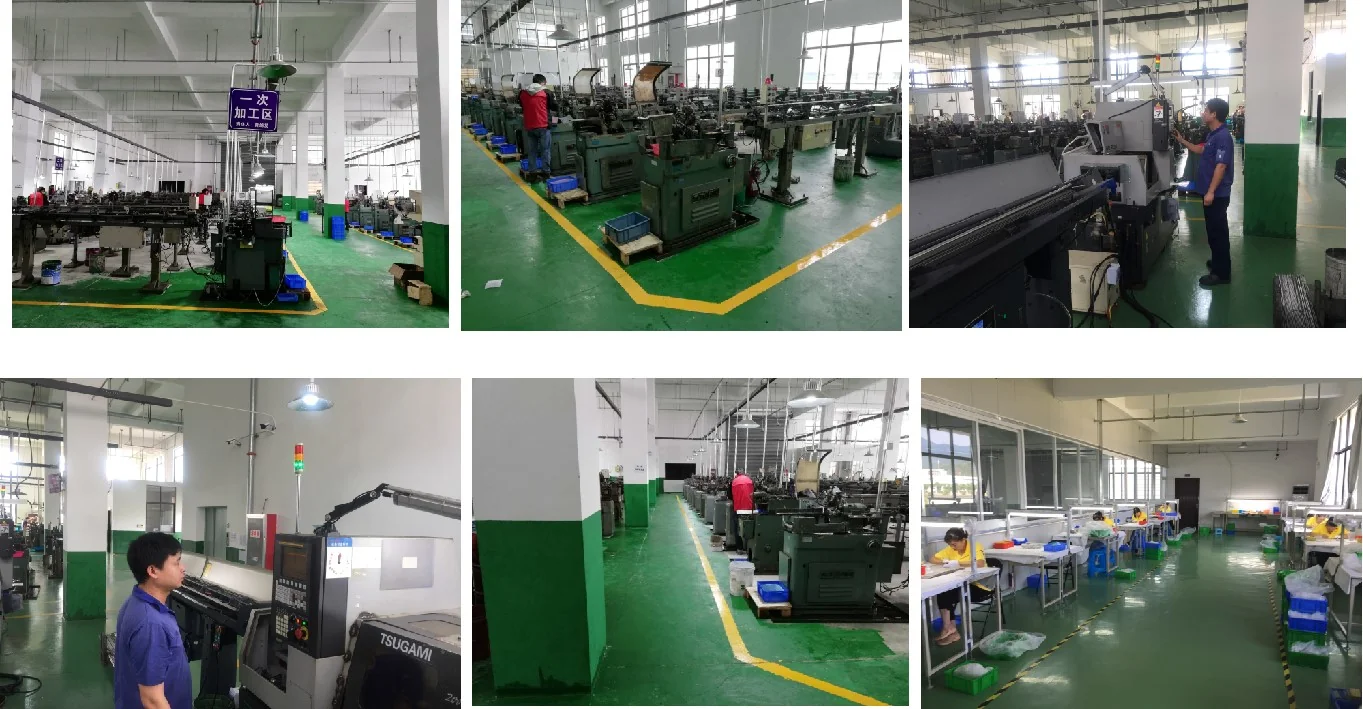
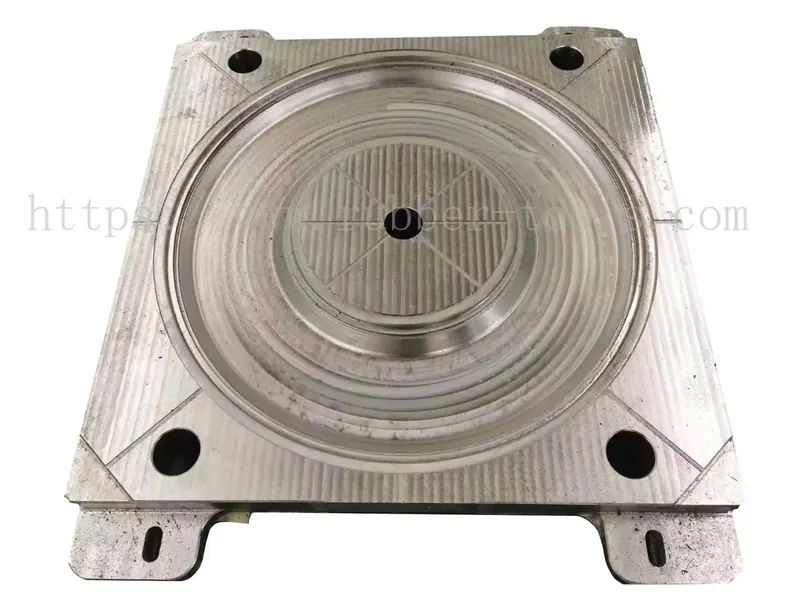
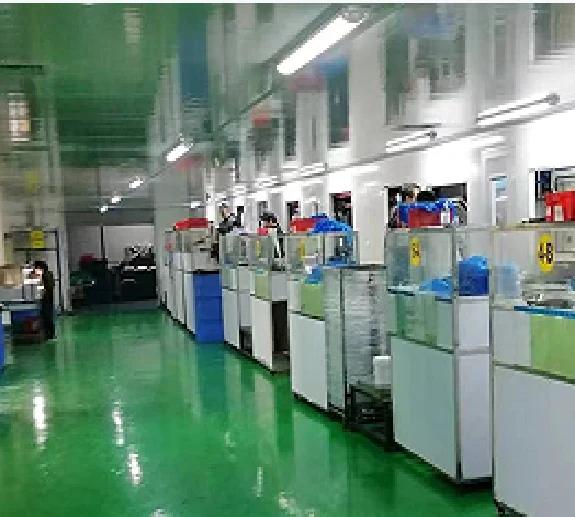
Suzhou Baoshida Trading Co., Ltd. delivers advanced engineering capabilities in the development and production of high-performance polymer materials, with specialized expertise extending into engineered thermoplastics such as PETG sheets. While our core foundation lies in industrial rubber solutions, our technical team has expanded its interdisciplinary proficiency to support clients requiring precision-engineered plastic components. This cross-material competency is driven by a dedicated team of five mould engineers and two certified formula engineers, enabling seamless integration from concept to mass production.
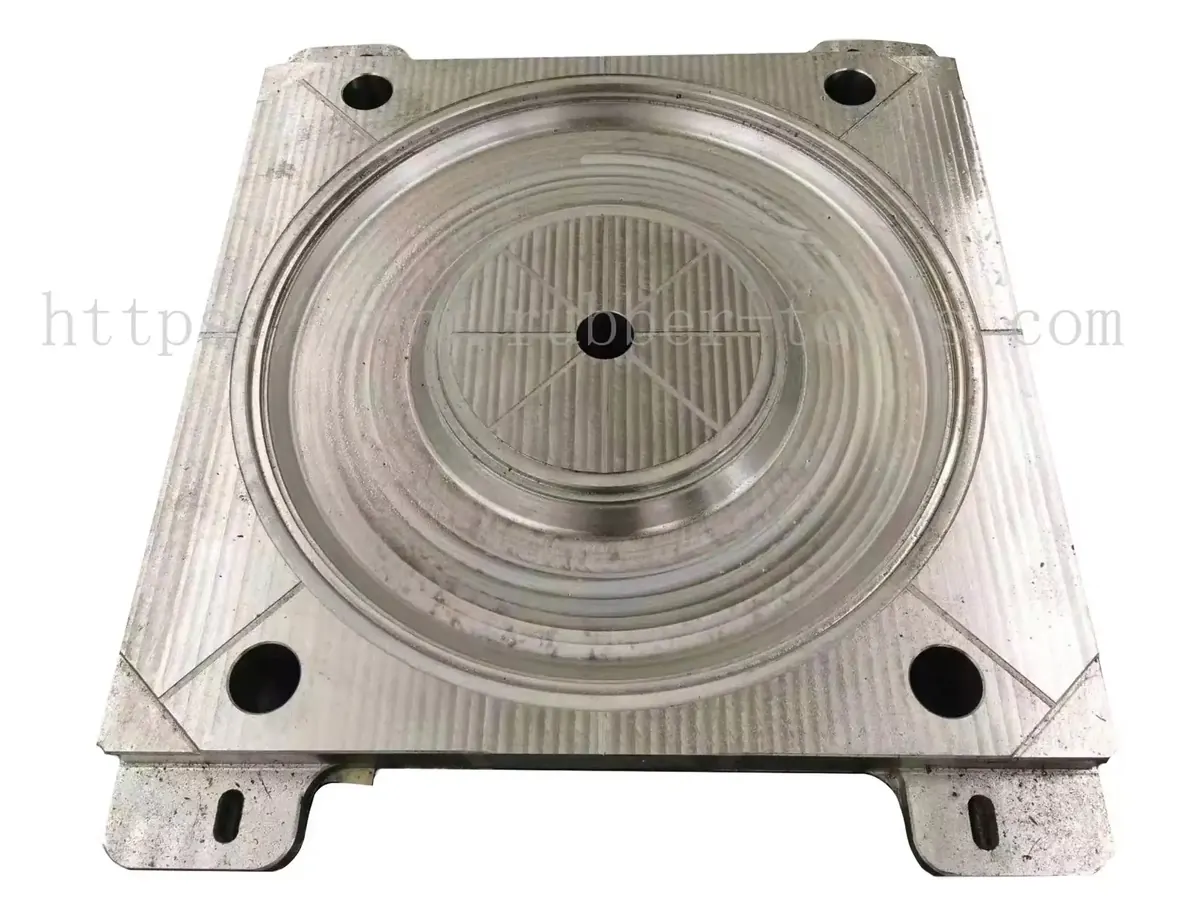
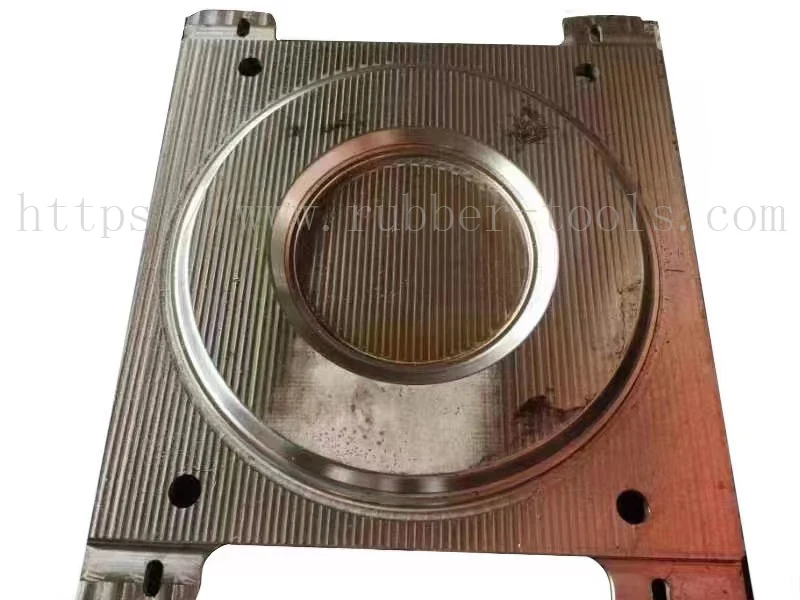
Our mould engineering team possesses extensive experience in designing and optimizing tooling systems tailored for PETG sheet thermoforming and injection applications. These engineers utilize advanced CAD/CAM software and simulation tools to analyze flow dynamics, cooling efficiency, and structural integrity, ensuring minimal cycle times and maximum dimensional accuracy. With in-house prototyping capabilities and close collaboration with manufacturing units, we achieve rapid validation and iteration—critical for time-sensitive OEM projects.
Complementing this is our formula engineering division, where material science meets application-specific performance. Our two senior formula engineers specialize in polymer modification and processing behavior, allowing precise control over PETG’s clarity, impact resistance, thermal stability, and chemical resistance. By adjusting additive packages and processing parameters, we tailor PETG formulations to meet exacting end-use requirements—whether for medical enclosures, display units, or protective barriers in industrial environments.
This dual-engineering synergy positions Suzhou Baoshida as a trusted OEM partner for clients seeking not just manufacturing, but co-engineering support. We manage full project lifecycles, from initial design consultation and material selection to tooling development, regulatory compliance (including RoHS and REACH), and scalable production. Our facility supports batch customization and just-in-time delivery, ensuring flexibility without compromising consistency.
The following table outlines key technical specifications achievable with our engineered PETG sheets under optimized processing conditions:
| Property | Test Method | Typical Value |
|---|---|---|
| Tensile Strength at Yield | ASTM D638 | 55 MPa |
| Elongation at Break | ASTM D638 | ≥80% |
| Flexural Modulus | ASTM D790 | 2,100 MPa |
| Heat Deflection Temperature (HDT) @ 0.45 MPa | ASTM D648 | 85°C |
| Notched Izod Impact Strength | ASTM D256 | 85 J/m |
| Light Transmission (3mm sheet) | ASTM D1003 | ≥90% |
| Coefficient of Linear Thermal Expansion | ASTM E831 | 6.5 × 10⁻⁵ /°C |
All materials are subject to batch testing and certification, with full traceability maintained throughout production. Suzhou Baoshida’s engineering framework ensures that every PETG sheet produced meets the highest standards of quality, consistency, and functional performance. Our OEM model is built on transparency, technical partnership, and precision execution—enabling clients to bring superior products to market faster and more efficiently.
Customization Process
PETG Plastic Sheet Customization Process
Suzhou Baoshida Trading Co., Ltd. applies rigorous industrial polymer engineering principles to PETG sheet customization, ensuring solutions meet exacting B2B application demands. While our core expertise lies in industrial rubber formulations, we extend our precision manufacturing discipline to complementary thermoplastic solutions like PETG, leveraging cross-polymer process knowledge. Our structured customization pathway guarantees dimensional accuracy, material performance, and production scalability for demanding industrial environments.
Drawing Analysis
The process initiates with comprehensive technical drawing evaluation. Our engineering team meticulously dissects client CAD files or specifications, focusing on geometric dimensioning and tolerancing (GD&T), critical stress points, environmental exposure conditions, and functional interface requirements. We identify potential manufacturability challenges related to sheet thickness uniformity, complex contours, or secondary processing needs such as thermoforming or CNC machining. This phase establishes the foundational parameters for material selection and process design, ensuring the final product aligns precisely with the intended application’s mechanical and thermal loads.
Formulation
Based on the drawing analysis outcomes, our material science team defines the optimal PETG compound. While standard PETG offers good clarity and impact resistance, industrial applications often necessitate tailored properties. We adjust additive packages to enhance specific characteristics: UV stabilizers for outdoor durability, impact modifiers for low-temperature resilience, or anti-static agents for sensitive electronic housings. Critical material specifications are defined against application requirements, as detailed in the following table. This stage ensures the base polymer chemistry directly supports the end-use performance criteria.
| Critical Property | Standard PETG Range | Baoshida Customization Range | Key Application Impact |
|---|---|---|---|
| Glass Transition (°C) | 70-85 | 65-90 | Thermoforming temperature control |
| Tensile Strength (MPa) | 45-55 | 40-65 | Structural load capacity |
| Izod Impact (J/m) | 300-600 | 250-800 | Resistance to mechanical shock |
| Haze (%) | <5 | <3 (Optical Grade) | Visual clarity requirements |
| Heat Deflection (°C @ 0.45MPa) | 65-75 | 60-85 | Dimensional stability under heat |
Prototyping
A rigorously controlled prototyping phase validates the formulation and process design. Utilizing precision extrusion equipment calibrated to the defined parameters, we produce limited sheet batches. These prototypes undergo stringent in-house testing against the agreed specifications: dimensional verification via CMM, mechanical property validation per ASTM D638/D256, and application-specific simulations such as accelerated weathering or dynamic flex testing. Client feedback on prototype performance is integrated iteratively, ensuring all functional and aesthetic criteria are met before committing to full-scale production.
Mass Production
Upon prototype approval, seamless transition to mass production occurs under strict statistical process control (SPC). Our ISO-certified facility employs real-time monitoring of extrusion parameters—melt temperature, line speed, and cooling rates—to maintain batch-to-batch consistency. Every production run undergoes 100% thickness profiling and periodic full-specification testing per the agreed quality plan. Dedicated production cells ensure traceability from raw material lot to finished sheet, delivering PETG products that consistently meet the demanding tolerances and performance standards required by industrial OEMs. This disciplined approach minimizes waste and guarantees reliable supply chain integration.
Contact Engineering Team
Contact Suzhou Baoshida for Premium PETG Plastic Sheets and Industrial Rubber Solutions
Suzhou Baoshida Trading Co., Ltd. stands at the forefront of industrial material supply, delivering high-performance solutions tailored to the rigorous demands of modern manufacturing. While our core expertise lies in industrial rubber products and engineered components, we extend our precision-driven approach to complementary thermoplastic materials such as PETG plastic sheets. Engineered for clarity, durability, and processability, PETG sheets serve critical functions in protective glazing, machine enclosures, signage, and medical device housings. Our technical team ensures that every material specification aligns with OEM requirements, production timelines, and environmental conditions.
For direct engagement with our technical sales division, Mr. Boyce serves as the primary point of contact for international clients and engineering partners. With over 12 years of experience in polymer supply chain management, Mr. Boyce specializes in translating complex application needs into optimized material recommendations. Whether you require FDA-compliant PETG for food-contact equipment or UV-stabilized variants for outdoor use, our team conducts rigorous supplier audits and batch testing to maintain consistency across orders. We coordinate closely with certified extruders to supply PETG sheets in custom thicknesses, widths, and surface finishes—including anti-scratch and static-dissipative coatings—ensuring compatibility with thermoforming, CNC machining, and solvent bonding processes.
Our quality assurance protocols adhere to ISO 9001 standards, with full traceability from raw pellet to finished sheet. Each production lot undergoes tensile strength, haze, and thermal deflection testing, documented in certified mill reports delivered with shipment. Lead times are optimized through strategic inventory placement in Jiangsu Province, enabling rapid dispatch to domestic and export markets.
For technical data sheets, sample requests, or project-specific consultations, direct communication with Mr. Boyce ensures prompt and accurate support. We prioritize responsive engineering dialogue to reduce client development cycles and mitigate material-related production risks.
Below are key technical specifications for our standard PETG plastic sheet offerings:
| Property | Test Method | Value |
|---|---|---|
| Tensile Strength at Yield | ASTM D638 | 50 MPa |
| Elongation at Break | ASTM D638 | 120% |
| Flexural Modulus | ASTM D790 | 2,100 MPa |
| Heat Deflection Temperature (HDT) at 0.45 MPa | ASTM D648 | 88°C |
| Light Transmission (3mm sheet) | ASTM D1003 | 90% |
| Impact Strength (Izod Notched) | ASTM D256 | 45 J/m |
| Specific Gravity | ASTM D792 | 1.27 |
All values are nominal and subject to batch certification. Custom formulations are available upon technical review.
To initiate a material evaluation or discuss volume procurement agreements, contact Mr. Boyce directly at [email protected]. Include your application parameters, required dimensions, and annual usage estimates to receive a targeted proposal. Suzhou Baoshida Trading Co., Ltd. is committed to engineering integrity, supply chain resilience, and technical partnership in every engagement.
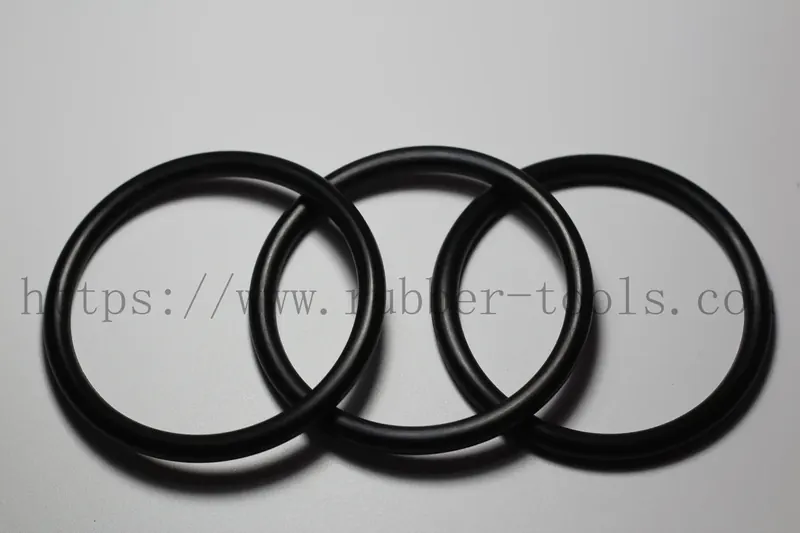
⚖️ O-Ring Weight Calculator
Estimate rubber O-ring weight (Approx).