Technical Contents
Engineering Guide: Thermoplastic Hose

Engineering Insight: Thermoplastic Hose Material Selection Fundamentals
Selecting the appropriate thermoplastic compound for industrial hose applications is a non-negotiable engineering requirement, not a cost-driven afterthought. Off-the-shelf thermoplastic hoses frequently fail prematurely in demanding industrial environments due to fundamental mismatches between generic material properties and the specific operational stresses encountered. This false economy manifests as catastrophic leaks, reduced flow efficiency, or complete hose rupture, leading to unplanned downtime, safety hazards, and significantly higher total cost of ownership compared to engineered solutions. The core failure mechanisms stem from inadequate consideration of three critical factors: chemical exposure profiles, dynamic temperature fluctuations, and complex mechanical loading conditions. Generic formulations often lack the necessary resistance to aggressive media like biofuels, concentrated acids, hydraulic fluids with modern additives, or high-temperature steam, leading to polymer backbone degradation, swelling, or permeation exceeding safe thresholds. Simultaneously, standard hoses frequently operate near or beyond their thermal limits during peak cycles, accelerating aging and embrittlement. Crucially, off-the-shelf products rarely account for the combined stress of constant flexing, pulsation, and external abrasion inherent in mobile hydraulics or processing equipment, resulting in fatigue cracks and delamination.
Material science dictates that optimal performance requires precise tailoring of the polymer matrix, reinforcement structure, and additive package. For instance, a hose conveying hot biodiesel in agricultural machinery demands a polyamide (PA) variant with enhanced oxidation stability and fuel resistance, potentially requiring specialized stabilizers absent in standard PA12 formulations. Conversely, a low-temperature refrigerant line necessitates a thermoplastic elastomer (TPE) with exceptional flexibility retention below -40°C, properties unattainable with basic PVC compounds. Suzhou Baoshida Trading Co., Ltd. employs rigorous OEM qualification protocols, including fluid compatibility testing per ISO 1307 and dynamic pressure cycling per SAE J517, to validate material performance under client-specific conditions before production. We reject the one-size-fits-all approach, instead leveraging our formulation expertise to match the hose architecture precisely to the application’s chemical, thermal, and mechanical envelope.
The following table illustrates critical performance differentiators between standard thermoplastic compounds and engineered solutions developed for severe service:
| Performance Parameter | Standard Off-the-Shelf Compound | Engineered Solution (Suzhou Baoshida OEM Process) |
|---|---|---|
| Chemical Resistance (Typical Hydraulic Fluid) | Moderate; Swelling >10% after 70h @ 100°C | High; Swelling <5% after 1000h @ 120°C |
| Continuous Operating Temp | 80°C – 100°C | 120°C – 140°C (depending on polymer base) |
| Flex Fatigue Life (DIN 20066) | 100,000 cycles (approx.) | 500,000+ cycles (validated per application) |
| Permeation Rate (Hydrocarbons) | High; Exceeds ISO 17494 limits | Optimized; Meets or exceeds stringent OEM specs |
| Abrasion Resistance (DIN 53516) | Standard | Enhanced via specialized surface formulations |
Relying on generic thermoplastic hoses introduces unacceptable risk into critical fluid transfer systems. True reliability is achieved only through application-specific material engineering, where every compound parameter is validated against the real-world service environment. Suzhou Baoshida Trading Co., Ltd. partners with OEMs to transform material selection from a procurement item into a core engineering safeguard, ensuring predictable service life and operational integrity. The upfront investment in precise formulation delivers exponential returns through eliminated failures and sustained productivity.
Material Specifications

Material Specifications for Thermoplastic Hoses
The performance and longevity of thermoplastic hoses in industrial applications are directly influenced by the elastomeric materials used in their construction. At Suzhou Baoshida Trading Co., Ltd., we prioritize material integrity to ensure optimal functionality under demanding operational conditions. Three of the most widely used elastomers in our thermoplastic hose formulations are Viton (FKM), Nitrile (NBR), and Silicone (VMQ). Each material offers distinct advantages depending on temperature range, chemical exposure, pressure requirements, and flexibility needs.
Viton, a fluorocarbon-based rubber, is renowned for its exceptional resistance to high temperatures, aggressive chemicals, and hydrocarbons. It maintains structural stability in continuous service temperatures up to 200°C (392°F), with short-term excursions reaching 250°C (482°F). This makes Viton ideal for use in automotive fuel systems, chemical processing, and aerospace applications where exposure to oils, fuels, and chlorinated solvents is common. Its low gas permeability further enhances its suitability for high-integrity fluid transfer systems.
Nitrile rubber, or Buna-N, is a cost-effective solution for applications involving petroleum-based oils and fuels. With a typical operating temperature range of -30°C to 100°C (-22°F to 212°F), Nitrile provides excellent abrasion resistance and tensile strength. It is widely used in hydraulic systems, fuel lines, and industrial machinery where moderate chemical resistance and durability are required. While not as thermally stable as Viton, Nitrile offers superior mechanical performance in dynamic environments.
Silicone rubber stands out for its extreme temperature flexibility, operating effectively from -60°C to 200°C (-76°F to 392°F). It exhibits excellent resistance to ozone, UV radiation, and weathering, making it ideal for outdoor and medical applications. However, its relatively low tensile strength and poor resistance to petroleum-based fluids limit its use in high-pressure hydraulic systems. Instead, Silicone is preferred in food-grade tubing, pharmaceutical processing, and electrical insulation due to its non-toxic composition and high purity.
Material selection must balance chemical compatibility, mechanical demands, and environmental exposure. Below is a comparative overview of key properties for Viton, Nitrile, and Silicone in thermoplastic hose applications.
| Property | Viton (FKM) | Nitrile (NBR) | Silicone (VMQ) |
|---|---|---|---|
| Temperature Range (°C) | -20 to 200 (up to 250 short-term) | -30 to 100 | -60 to 200 |
| Temperature Range (°F) | -4 to 392 (up to 482 short-term) | -22 to 212 | -76 to 392 |
| Fluid Resistance | Excellent (oils, fuels, acids, solvents) | Good (petroleum oils, water, alcohols) | Poor (oils, fuels); Good (water, glycols) |
| Ozone & UV Resistance | Excellent | Good | Excellent |
| Flexibility at Low Temp | Moderate | Good | Excellent |
| Tensile Strength | High | Very High | Low to Moderate |
| Common Applications | Aerospace, chemical processing, fuel systems | Hydraulics, automotive, industrial machinery | Medical, food processing, electrical insulation |
Selecting the correct elastomer ensures reliable performance, reduces maintenance costs, and extends service life in critical industrial systems.
Manufacturing Capabilities

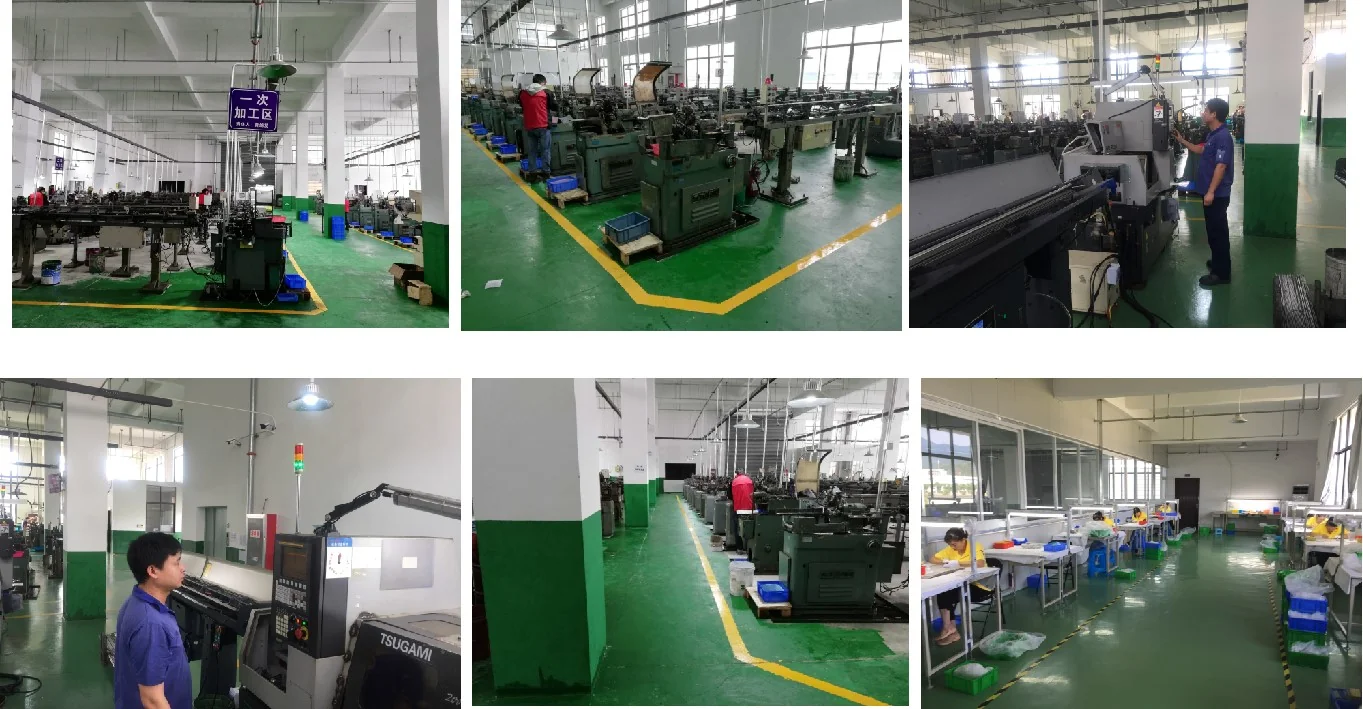
Engineering Capability: Precision-Driven Thermoplastic Hose Development
Suzhou Baoshida Trading Co., Ltd. leverages a dedicated core engineering team of seven specialists to deliver superior thermoplastic hose solutions for demanding industrial applications. This integrated unit comprises five experienced Mould Engineers and two advanced Formula Engineers, working in tandem to ensure optimal material performance, dimensional accuracy, and manufacturability from concept to final product. Our strength lies in the seamless synergy between polymer science and precision tooling, enabling us to solve complex fluid handling challenges inherent in sectors such as automotive, hydraulics, and chemical processing.
Our Formula Engineers possess deep expertise in thermoplastic elastomer (TPE), polyurethane (TPU), polyamide (PA), and PVC compound design. They meticulously formulate base polymers, reinforcing fillers, stabilizers, and processing aids to achieve precise balances of flexibility, abrasion resistance, chemical compatibility, and low-temperature resilience. Rigorous laboratory testing validates critical properties including tensile strength, elongation at break, compression set, and fluid permeation resistance against OEM specifications. This scientific approach ensures the final compound meets exacting performance criteria under operational stress, directly impacting hose longevity and system safety.
Complementing this material science capability, our five Mould Engineers specialize in the intricate design and optimization of multi-cavity injection and extrusion tooling. Utilizing advanced CAD/CAM software (SolidWorks, Moldflow), they develop precision cores, mandrels, and runner systems that guarantee consistent wall thickness, smooth inner bores, and accurate dimensional tolerances critical for high-pressure sealing. Their focus on thermal management and flow dynamics within the mould directly minimizes weld lines, reduces internal stresses, and optimizes cycle times, translating material potential into flawless physical products. Continuous validation through first-article inspection and statistical process control (SPC) ensures dimensional stability across production runs.
This integrated engineering framework forms the backbone of our OEM partnership model. We collaborate closely with clients from the initial RFQ stage, translating functional requirements into actionable material and tooling specifications. Our capability encompasses full design-for-manufacturability (DFM) analysis, rapid prototyping, and rigorous validation protocols including burst pressure testing, impulse cycling, and environmental exposure trials per ISO 1436 and SAE J517 standards. This end-to-end control guarantees that every thermoplastic hose assembly delivered meets the exact performance, regulatory, and branding requirements of our OEM partners.
Key thermoplastic hose specifications achievable through our engineering process include:
| Parameter | Standard Range | Customization Capability |
|---|---|---|
| Inner Diameter (ID) | 3 mm to 100 mm | Precise tolerances ±0.1 mm |
| Working Pressure | Up to 500 bar (7,250 psi) | Validated via burst testing |
| Temperature Range | -40°C to +120°C | Extended ranges with specialty compounds |
| Material Types | TPU, PA11/12, PVC, TPE | Custom compound formulation |
| Reinforcement | Textile Braid, Wire Spiral | Multi-layer configurations |
| Standards Compliance | ISO 1436, SAE J517, R13-R17 | Client-specific certifications |
This disciplined fusion of formula science and mould engineering expertise ensures Suzhou Baoshida consistently delivers thermoplastic hose solutions that exceed industrial expectations for reliability and performance.
Customization Process

Customization Process for Thermoplastic Hose Manufacturing
At Suzhou Baoshida Trading Co., Ltd., our approach to custom thermoplastic hose manufacturing integrates precision engineering with advanced rubber formulation science. We follow a structured four-phase workflow—Drawing Analysis, Formulation Development, Prototyping, and Mass Production—ensuring compliance with OEM specifications and performance requirements under diverse industrial conditions.
The process begins with Drawing Analysis, where technical blueprints provided by the client are rigorously evaluated. Our engineering team examines dimensional tolerances, layer structure (e.g., inner tube, reinforcement, cover), bend radius, pressure ratings, and end-fitting compatibility. This phase includes material compatibility assessment based on the intended media (e.g., hydraulic fluids, chemicals, steam) and operating environment (temperature, UV exposure, abrasion). Any discrepancies or optimization opportunities are communicated via formal technical review.
Following drawing validation, we proceed to Formulation Development. Our rubber chemists design compound formulations tailored to the functional demands of the hose. Key considerations include polymer selection (e.g., NBR, EPDM, or specialty thermoplastics like TPU), reinforcement type (textile braid, steel wire), and additive systems for ozone resistance, flame retardancy, or low-temperature flexibility. All formulations are developed in accordance with ISO 1307, ISO 1436, and other applicable international standards. The selected compound undergoes preliminary lab testing for hardness, tensile strength, elongation, and fluid resistance.
Once the formulation is approved, we initiate Prototyping. Using calibrated extrusion and braiding equipment, short production runs generate sample hoses for client evaluation. These prototypes are subjected to a battery of performance tests, including impulse testing at rated pressure, vacuum collapse resistance, and flex durability. Test data is compiled into a comprehensive report, and samples are submitted for client field validation. Iterations are conducted if performance deviations are identified.
Upon prototype approval, the project transitions to Mass Production. Full-scale manufacturing is executed under ISO 9001-certified quality management protocols. In-line inspection systems monitor wall thickness, concentricity, and braid angle consistency. Each production batch undergoes final quality verification, including hydrostatic pressure testing and visual inspection per ASTM D380. Traceability is maintained through batch coding and material certificates.
Our end-to-end customization ensures that every thermoplastic hose meets exacting performance, safety, and durability standards required in industries such as construction machinery, petrochemical processing, and mobile hydraulics.
Typical Custom Thermoplastic Hose Specifications
| Parameter | Standard Range | Test Method |
|---|---|---|
| Inner Diameter | 6 – 50 mm | ISO 1307 |
| Pressure Rating | 15 – 40 MPa | ISO 6803 |
| Temperature Range | -40°C to +120°C (up to +150°C intermittent) | ISO 1817 |
| Bend Radius | 2.5 × OD minimum | ISO 10380 |
| Fluid Compatibility | Hydraulic oils, water-glycol, diesel, air | ASTM D471 |
| Reinforcement Layer | 1- or 2-ply braided steel or high-tenacity fiber | ISO 1436 |
| Cover Resistance | Abrasion, ozone, weathering | ISO 1431, ISO 1432 |
Contact Engineering Team

Contact Suzhou Baoshida for Precision Thermoplastic Hose Engineering Solutions
Suzhou Baoshida Trading Co., Ltd. stands at the forefront of industrial rubber innovation, delivering thermoplastic hose solutions engineered for extreme operational demands. Our decades of R&D in polymer science and extrusion technology ensure hoses that exceed ASTM, ISO, and SAE standards across oil & gas, chemical processing, and heavy machinery sectors. Generic off-the-shelf products cannot address the nuanced challenges of modern industrial systems—material degradation under cyclic pressure, chemical incompatibility, or thermal instability. Partnering with our technical team guarantees hoses optimized for your specific fluid dynamics, environmental exposure, and lifecycle requirements. We eliminate guesswork through rigorous material testing and finite element analysis, translating your operational constraints into robust, failure-resistant components.
Below is a representative specification profile for our high-performance thermoplastic hose series, reflecting the precision achievable through our OEM collaboration process. All parameters are validated per client-specified test protocols.
| Property | Test Standard | Typical Value Range | Application Relevance |
|---|---|---|---|
| Burst Pressure | ISO 1402 | 8x to 12x working pressure | Critical safety margin assurance |
| Temperature Range | ASTM D2240 | -40°C to +150°C | Arctic to desert operational viability |
| Fluid Resistance (Hydraulic Oil) | ISO 6803 | ΔTensile ≤ 15% after 72h | Long-term integrity in fluid systems |
| Flex Life (Dynamic) | SAE J517 | >500,000 cycles | Vibration-prone machinery reliability |
| Electrical Resistance | IEC 60093 | >10¹² Ω·cm | ESD-sensitive environments |
Initiating collaboration with Suzhou Baoshida begins with a technical dialogue—not a sales pitch. Our engineering team, led by Mr. Boyce, conducts a deep-dive analysis of your system’s pressure curves, fluid composition, and environmental stressors. This enables us to formulate custom polymer matrices, optimize reinforcement architectures, and validate performance through accelerated aging tests mirroring your real-world conditions. We prioritize seamless integration into your supply chain, offering JIT delivery, lot-specific traceability, and full documentation for regulatory compliance. For OEMs, this translates to reduced field failures, extended service intervals, and demonstrable ROI through lifecycle cost analysis.
Do not compromise on hose integrity when system safety and uptime are at stake. Generic suppliers lack the material science expertise to solve complex permeation or fatigue challenges inherent in next-generation industrial equipment. Mr. Boyce, our dedicated OEM Manager with 18 years in thermoplastic elastomer applications, will provide immediate technical consultation to define your requirements and establish a development timeline. Contact him directly via email to initiate a confidential engineering review. Specify your application’s critical parameters, target volumes, and certification needs to receive a tailored proposal within 72 hours.
Reach Mr. Boyce at [email protected] to engineer thermoplastic hose solutions that redefine reliability in your industrial systems. Your project demands material science precision—not commodity parts. Let us prove how Suzhou Baoshida’s engineering rigor mitigates risk and optimizes your supply chain.
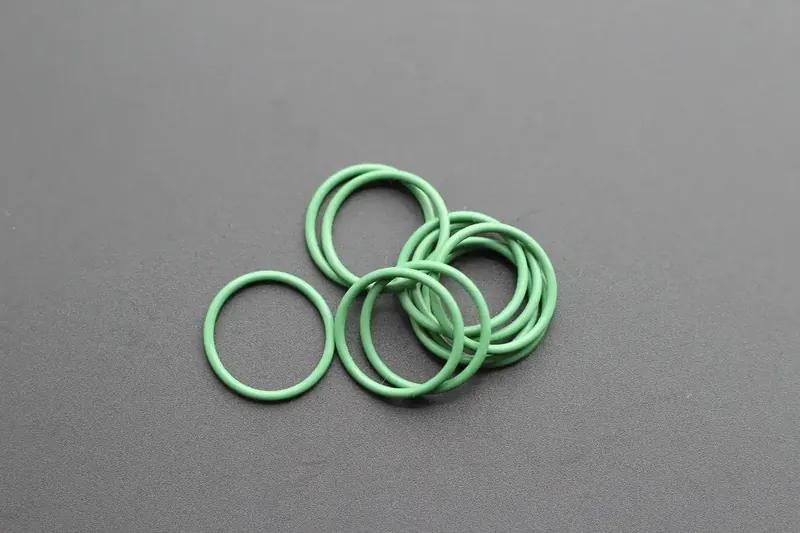
⚖️ O-Ring Weight Calculator
Estimate rubber O-ring weight (Approx).