Technical Contents
Engineering Guide: Gasket Cutting

Engineering Insight: Gasket Cutting – The Critical Imperative of Material Selection
Material selection is the non-negotiable cornerstone of successful gasket performance, directly dictating seal integrity, service life, and system reliability. Off-the-shelf gasket solutions, while seemingly economical, frequently precipitate premature failure due to inherent mismatches between generic material properties and the specific, often extreme, operational demands of industrial applications. This mismatch arises because standard gasket stocks are formulated for broad compatibility, not the precise chemical exposure, temperature cycling, pressure dynamics, or compression requirements encountered in specialized machinery. The consequence is a false economy; initial cost savings are rapidly eroded by unplanned downtime, component damage, safety hazards, and repeated replacement cycles. Understanding the polymer science behind gasket materials is essential to avoid these pitfalls.
Generic gasket materials fail catastrophically when their fundamental properties are exceeded. Nitrile rubber (NBR), commonly used in off-the-shelf seals, suffers rapid swelling and loss of mechanical strength when exposed to ozone, ketones, or phosphate ester hydraulic fluids, leading to extrusion and leakage. Standard Ethylene Propylene Diene Monomer (EPDM) exhibits excellent water and steam resistance but degrades catastrophically upon contact with petroleum-based oils and fuels, causing hardening, cracking, and seal rupture. Similarly, silicone’s wide temperature range is negated by poor resistance to hydraulic fluids and high compression set in dynamic applications, resulting in permanent deformation and loss of sealing force. The root cause is the polymer backbone and compounding additives in generic grades lacking the tailored resistance required for the specific fluid or environment. Compression set failure – the permanent loss of elasticity preventing the gasket from recovering its shape after bolt load relaxation – is a particularly insidious failure mode of standard materials under sustained heat and pressure, often going undetected until significant leakage occurs.
The following table illustrates why application-specific material engineering is critical, highlighting key limitations of common off-the-shelf compounds:
| Material | Typical Off-the-Shelf Limitation | Primary Failure Mechanism | Critical Parameter Exceeded |
|---|---|---|---|
| Standard NBR | Poor resistance to polar solvents, ozone | Swelling, surface cracking, loss of tensile strength | Exposure to ketones, brake fluids, weathering |
| Standard EPDM | Vulnerability to petroleum hydrocarbons | Severe hardening, embrittlement, seal rupture | Contact with mineral oils, gasoline, jet fuel |
| Standard Silicone | Low resistance to fluids, high compression set | Permanent deformation, fluid permeation | Sustained pressure with hydraulic fluids, long-term static load |
| Standard FKM (Viton®) | Limited low-temperature flexibility, high cost | Brittleness, seal fracture below -20°C | Cryogenic or wide ambient temperature swings |
Suzhou Baoshida Trading Co., Ltd. addresses this critical challenge through precision rubber formulation. We do not rely on generic stock compounds. Our engineering process begins with a detailed analysis of the operational environment – fluid chemistry, temperature profile, pressure cycles, flange geometry, and required service life. This data drives the selection of specialized polymer grades (e.g., peroxide-cured FKM for aggressive chemicals, HNBR for enhanced oil/heat resistance, custom EPDM blends for specific fluid compatibility) and proprietary compounding. Our formulations optimize critical properties like compression set resistance (ASTM D395), fluid immersion response (ASTM D471), and thermal stability specifically for the application. This targeted approach ensures the cut gasket maintains sealing force, resists degradation, and delivers predictable, long-term performance, eliminating the hidden costs and risks inherent in off-the-shelf alternatives. Material selection is not a commodity decision; it is the foundational engineering requirement for a reliable seal.
Material Specifications

Precision gasket cutting for industrial sealing applications demands rigorous material selection to ensure performance under dynamic operational conditions. At Suzhou Baoshida Trading Co., Ltd., we specialize in high-integrity rubber seals engineered for reliability in extreme environments. Our core materials—Viton, Nitrile (NBR), and Silicone—are selected based on chemical compatibility, temperature resilience, mechanical strength, and application-specific durability. Each polymer offers distinct advantages, making them suitable for targeted industrial sectors including automotive, aerospace, petrochemical, and medical device manufacturing.
Viton, a fluorocarbon-based elastomer (FKM), delivers exceptional resistance to high temperatures, aggressive chemicals, and hydrocarbon fuels. With a continuous service temperature range up to 230°C and intermittent exposure tolerance beyond 250°C, Viton excels in engine compartments, fuel systems, and refinery equipment. Its low gas permeability and outstanding aging characteristics ensure long-term sealing integrity under sustained thermal stress. However, Viton exhibits higher material cost and reduced flexibility at subzero temperatures compared to alternatives.
Nitrile rubber, or Buna-N, remains one of the most widely used elastomers in gasket manufacturing due to its excellent resistance to oils, greases, and aliphatic hydrocarbons. It provides robust mechanical properties, including high abrasion resistance and tensile strength, making it ideal for hydraulic systems, oil seals, and industrial machinery. Nitrile operates effectively within a temperature range of -30°C to 120°C, with formulations available for improved low-temperature performance. While cost-effective and readily processable, Nitrile shows limited resistance to ozone, UV radiation, and polar solvents.
Silicone rubber (VMQ) offers unmatched thermal stability across extreme ranges, typically from -60°C to 200°C, with specialty grades functional up to 300°C. Its inert nature, transparency, and biocompatibility make it a preferred choice for pharmaceutical, food-grade, and medical applications. Silicone also exhibits excellent electrical insulation properties and resistance to weathering and ozone. However, it possesses lower tensile strength and tear resistance compared to Viton and Nitrile, often requiring reinforcement or careful design compensation in high-stress environments.
The selection of the optimal material must balance performance requirements with economic and regulatory constraints. Below is a comparative specification table summarizing key properties of these elastomers for precision gasket applications.
| Property | Viton (FKM) | Nitrile (NBR) | Silicone (VMQ) |
|---|---|---|---|
| Temperature Range (°C) | -20 to 230 | -30 to 120 | -60 to 200 |
| Tensile Strength (MPa) | 15–20 | 10–25 | 5–10 |
| Elongation at Break (%) | 200–300 | 250–500 | 200–700 |
| Hardness Range (Shore A) | 60–90 | 50–90 | 30–80 |
| Resistance to Oils/Fuels | Excellent | Excellent | Poor |
| Resistance to Ozone/UV | Excellent | Fair | Excellent |
| Compression Set Resistance | Excellent | Good | Good |
| Chemical Resistance | Broad (acids, bases, hydrocarbons) | Good (oils, water) | Limited (strong acids, solvents) |
| Typical Applications | Aerospace, oil & gas, chemical processing | Automotive, hydraulics, machinery | Medical, food processing, electronics |
Material selection directly influences gasket longevity, sealing efficacy, and system safety. Suzhou Baoshida Trading Co., Ltd. supports OEMs with material testing, formulation customization, and precision die-cutting to meet exact sealing requirements.
Manufacturing Capabilities

Precision Gasket Engineering: The Baoshida Technical Advantage
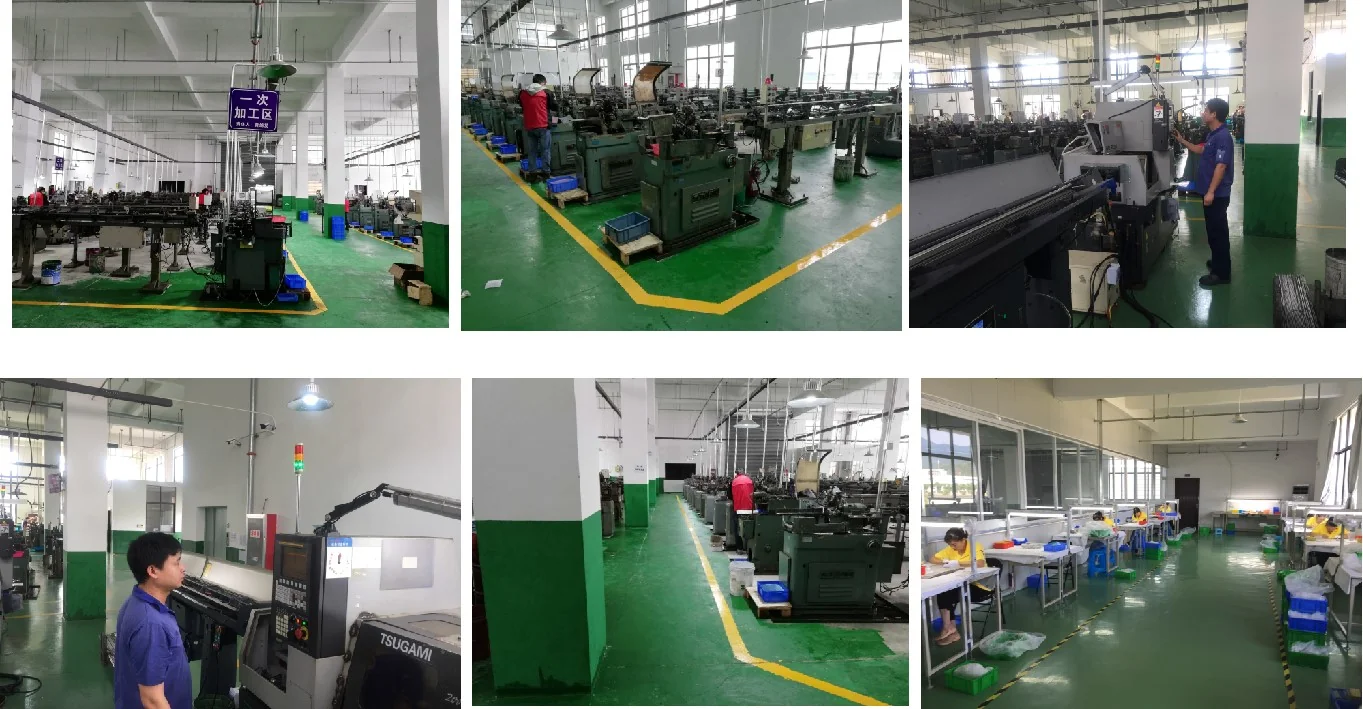
Suzhou Baoshida Trading Co., Ltd. delivers exceptional gasket cutting solutions grounded in deep materials science and precision manufacturing engineering. Our core strength lies not merely in production capacity, but in the integrated expertise of our dedicated engineering teams. We deploy seven specialized engineers—five focused on advanced mold design and fabrication, and two elite Rubber Formula Engineers—working in concert to solve complex sealing challenges from compound inception to final part validation. This dual-engineering capability is fundamental to achieving the dimensional stability, material performance, and process reliability demanded by critical OEM applications across automotive, aerospace, and industrial equipment sectors.
Our Rubber Formula Engineers possess mastery over polymer science fundamentals, enabling precise tailoring of elastomer compounds for specific gasket requirements. They optimize formulations for critical properties including compression set resistance, fluid compatibility, thermal stability (-55°C to +250°C range), and tensile strength, directly addressing the operational stresses encountered in demanding environments. Concurrently, our Mold Engineering team leverages advanced CAD/CAM systems and decades of practical die-cutting experience to translate these material properties into flawless physical components. They meticulously design cutting dies and process parameters to minimize material waste, control flash, and achieve micron-level tolerances, even for intricate geometries and multi-layer laminates. This synergy ensures the compound’s theoretical performance is fully realized in the final gasket, eliminating the common disconnect between material specification and manufacturability.
Baoshida operates as a true engineering partner, not just a contract manufacturer. Our OEM process begins with rigorous joint design reviews, where our engineers collaborate with client R&D teams to optimize part geometry for both function and efficient cutting. We implement comprehensive PPAP documentation, full material traceability (including batch-specific cure curves and physical test reports), and stringent in-process dimensional verification. This integrated approach significantly reduces time-to-market and mitigates risk by resolving potential material or manufacturability issues during the prototyping phase, not after tooling investment.
The following table summarizes key engineering capabilities underpinning our gasket cutting excellence:
| Parameter | Capability Range | Measurement Standard |
|---|---|---|
| Material Hardness (Shore A) | 30 – 90 | ASTM D2240 |
| Thickness Tolerance | ±0.05 mm (Standard) | ISO 3302-1 |
| ±0.02 mm (Precision Grade) | ||
| Dimensional Tolerance | ±0.10 mm (Standard) | ISO 2768-mk |
| ±0.05 mm (Critical Features) | ||
| Max. Cutting Area | 1200 mm x 2000 mm | Custom Tooling |
| Material Types | NBR, EPDM, FKM, VMQ, ACM, CR, IIR | ASTM D2000 |
| Production Volume Range | Prototypes to 500,000+ units/month | JIS B 7513 |
This engineering-centric methodology, combining advanced material science with precision die-cutting expertise, ensures Baoshida delivers gaskets that consistently meet the most stringent OEM performance and reliability criteria. We transform complex sealing requirements into robust, cost-effective manufacturing reality through scientific rigor and collaborative problem-solving.
Customization Process

Drawing Analysis
The customization process for precision gasket cutting begins with comprehensive drawing analysis. At Suzhou Baoshida Trading Co., Ltd., engineering teams evaluate client-provided technical drawings to verify dimensional accuracy, tolerance specifications, and interface requirements. Critical parameters such as inner diameter, outer diameter, cross-sectional profile, and groove compatibility are cross-referenced against industry standards and application conditions. Our engineers assess environmental exposure factors—temperature range, fluid media, compression load, and dynamic or static sealing conditions—to determine the optimal material behavior profile. This stage ensures geometric feasibility and identifies potential design risks such as extrusion gaps or stress concentration zones. All dimensional data is digitized into CAD systems for simulation and tooling preparation, forming the foundation for downstream development.
Formulation Development
Based on the operational environment derived from the drawing analysis, our rubber formulation engineers select the appropriate elastomer compound. Suzhou Baoshida maintains an in-house compounding laboratory capable of tailoring formulations across major rubber families including NBR, EPDM, FKM, silicone, and CR. Each compound is engineered to meet specific performance criteria such as heat resistance, oil swell, compression set, and tensile strength. Additives are precisely metered to enhance aging characteristics, flame retardancy, or low-temperature flexibility where required. The formulated rubber is subjected to preliminary testing per ASTM and ISO standards, including hardness (Shore A), specific gravity, and rheological behavior. Only after internal validation is the compound approved for prototyping, ensuring material integrity aligns with the functional demands of the gasket design.
Prototyping and Validation
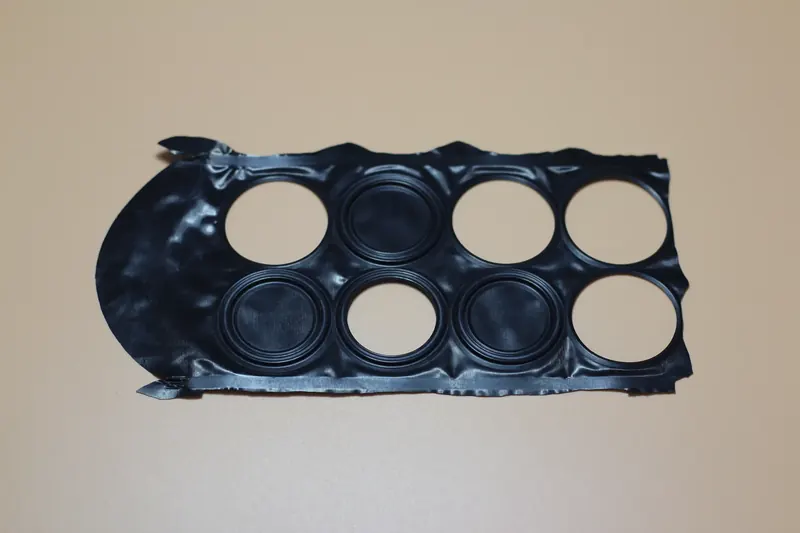
Prototypes are produced using precision die-cutting or waterjet cutting methods, depending on material type and geometric complexity. Die-cutting is employed for high-volume compatible designs using steel rule or matched metal dies, while waterjet cutting supports low-volume or intricate profiles without tooling lead time. Prototypes undergo dimensional inspection via coordinate measuring machines (CMM) and optical comparators to confirm conformity within ±0.1 mm tolerance. Functional testing includes compression deflection analysis, leak testing under simulated operating pressure, and environmental exposure cycles. Client feedback is integrated at this stage, allowing for design or material refinements before release to mass production.
Mass Production and Quality Assurance
Once approved, gaskets enter mass production using high-speed hydraulic or rotary die-cutting presses capable of maintaining tight tolerances across large batches. In-line quality checks are performed at regular intervals, with statistical process control (SPC) monitoring key variables. Final inspection includes 100% visual screening and random sampling for physical property revalidation. All production lots are traceable through batch coding and accompanied by material certification and test reports.
The following table summarizes key technical specifications handled during the customization process:
| Parameter | Standard Range | Testing Standard |
|---|---|---|
| Hardness (Shore A) | 40–90 | ASTM D2240 |
| Tensile Strength | 7–25 MPa | ASTM D412 |
| Elongation at Break | 150–600% | ASTM D412 |
| Compression Set (22h, 70°C) | ≤20% (typical) | ASTM D395 |
| Operating Temperature | -40°C to +230°C (material-dependent) | ISO 1817 |
| Dimensional Tolerance | ±0.1 mm to ±0.3 mm | ISO 3302 |
Contact Engineering Team

Precision Gasket Cutting Solutions: Partner with Suzhou Baoshida for Critical Sealing Performance
Achieving optimal sealing integrity in demanding industrial applications hinges on the dimensional accuracy and material consistency of rubber gaskets. Sub-millimeter deviations during the cutting process directly compromise interfacial pressure distribution, accelerate compression set, and ultimately lead to premature seal failure under thermal cycling, chemical exposure, or dynamic load conditions. Suzhou Baoshida Trading Co., Ltd. specializes in the high-precision cutting of custom rubber gaskets where material science meets micron-level manufacturing control. Our engineered solutions address the critical tolerances required in aerospace fluid systems, semiconductor processing equipment, and high-pressure hydraulic assemblies, ensuring long-term reliability where leakage is not an option.
Our advanced die-cutting and waterjet fabrication platforms operate within rigorously controlled environmental parameters to maintain material integrity throughout production. We implement real-time process monitoring systems that track blade temperature, feed rate consistency, and material deformation characteristics, preventing micro-tearing or thermal degradation of sensitive elastomers. This precision extends beyond simple dimensional accuracy to encompass the preservation of the rubber compound’s molecular structure at the cut edge – a factor often overlooked but vital for resisting fluid permeation and extrusion in high-stress sealing zones. The table below outlines our core technical capabilities for critical gasket production:
| Parameter | Capability Range | Tolerance Standard | Applicable Materials |
|---|---|---|---|
| Thickness Range | 0.5 mm – 25.0 mm | ±0.05 mm | NBR, EPDM, FKM, FFKM, Silicone, CR |
| Outer Diameter (Max) | 1200 mm | ±0.10 mm | Per compound specification |
| Inner Diameter (Min) | 5.0 mm | ±0.03 mm | Specialty compounds available upon req. |
| Linear Dimension Tolerance | Up to 500 mm | ±0.08 mm | Verified via CMM per ISO 3302 |
| Complex Geometry | Multi-cavity, stepped, irregular profiles | ±0.15 mm | Requires CAD file submission (STEP, DWG) |
This level of precision is non-negotiable in applications involving aggressive media like concentrated acids, high-purity steam, or cryogenic fluids. Standard cutting methods often induce surface defects that become initiation points for chemical attack or stress cracking. Baoshida’s proprietary edge-finishing protocols eliminate these vulnerabilities through controlled post-cut annealing and surface energy optimization, significantly enhancing the gasket’s service life in corrosive environments. Our quality assurance process includes in-line dimensional validation using non-contact optical metrology systems, coupled with batch-specific material certification reports detailing durometer stability and compression set data per ASTM D395.
For your next critical sealing application, move beyond generic gasket suppliers. Engage directly with our technical OEM team to co-engineer a cutting solution that meets your exact performance specifications. Mr. Boyce, our dedicated OEM Manager, possesses extensive expertise in translating complex sealing requirements into manufacturable gasket designs. He will collaborate with your engineering staff to review material compatibility charts, analyze stress distribution models, and establish process validation protocols tailored to your assembly line throughput. Initiate this technical dialogue by contacting Mr. Boyce immediately at [email protected]. Provide your project specifications, including media type, temperature range, pressure profile, and critical dimensions, to receive a formal capability assessment within 24 business hours. Suzhou Baoshida delivers not just components, but engineered sealing assurance backed by rigorous polymer science and precision manufacturing discipline. Your application’s reliability demands this level of technical partnership.
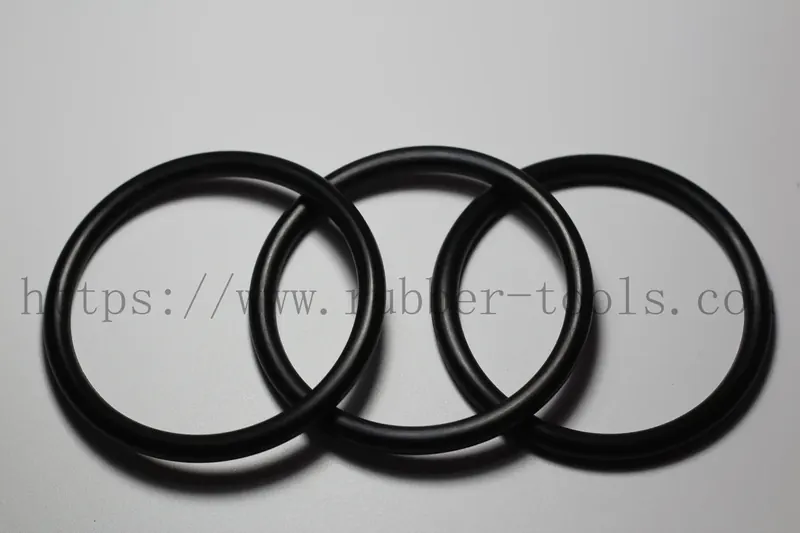
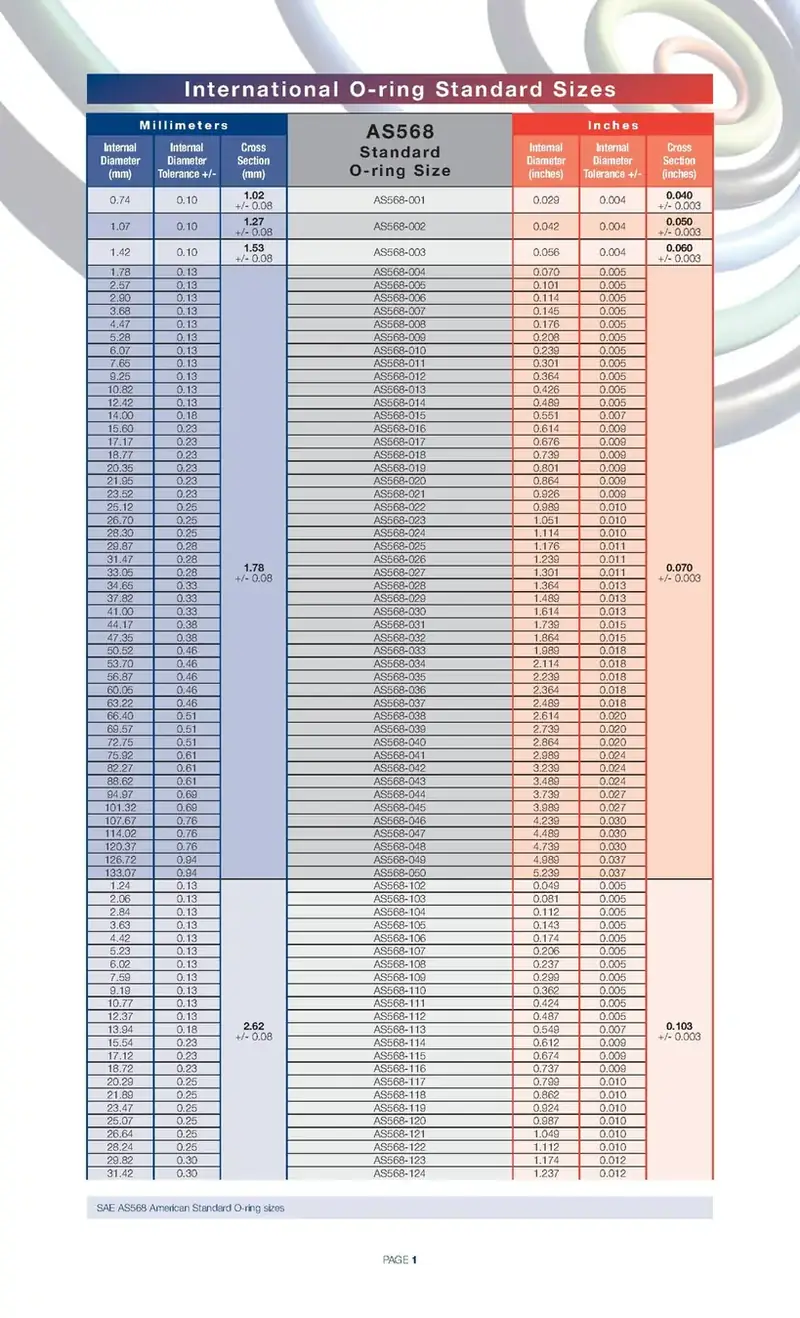
⚖️ O-Ring Weight Calculator
Estimate rubber O-ring weight (Approx).