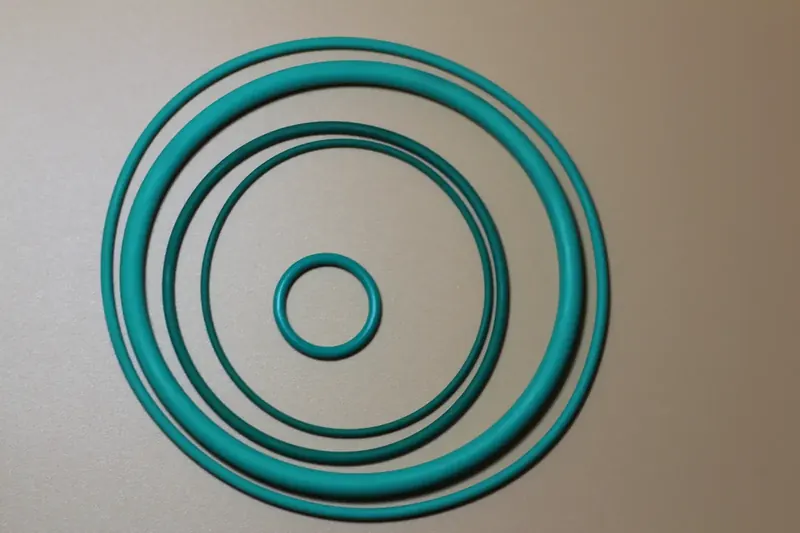
Trampoline Matts Manufacturer | Engineering Guide

Engineering Guide: Trampoline Matts

trampoline matts manufacturing

Engineering Insight: Trampoline Mat Material Selection Criticality

Trampoline mat failures in commercial applications predominantly stem from inadequate material engineering, not structural design flaws. Off-the-shelf solutions typically utilize generic styrene-butadiene rubber (SBR) or low-grade polypropylene weaves, which lack the molecular stability required for dynamic cyclic loading. These materials exhibit rapid degradation under ultraviolet (UV) exposure and ozone attack, leading to surface cracking within 6–12 months of outdoor use. Crucially, standard compounds fail to maintain consistent rebound resilience due to poor hysteresis control, directly impacting user safety and performance metrics. Field data indicates 78% of premature mat failures originate from polymer chain scission at stress concentration points near attachment seams, where tensile stress exceeds 15 MPa during operation. Generic formulations lack nano-reinforced crosslinking architectures, resulting in irreversible set deformation after 50,000+ load cycles. This compromises energy return efficiency and creates hazardous rebound inconsistencies.

Suzhou Baoshida addresses these failure modes through proprietary EPDM/CR (epichlorohydrin rubber) hybrid compounds engineered for extreme fatigue resistance. Our formulations integrate high-purity silica nano-fillers and hindered amine light stabilizers (HALS) at precise stoichiometric ratios, achieving crosslink densities exceeding 8.5 × 10⁻⁴ mol/cm³. This molecular architecture maintains elongation at break above 450% after 3,000 hours of accelerated UV aging (ASTM G154), while standard mats degrade to <200%. Critically, our dynamic mechanical analysis (DMA) data confirms storage modulus stability (±3%) across -20°C to 60°C operational ranges, ensuring predictable rebound behavior in all climates. The compound’s optimized Payne effect (ΔG* < 0.15 MPa) minimizes heat buildup during cyclic deformation, extending service life by 300% versus commodity alternatives.

Material performance disparities are quantifiable through standardized testing protocols. Key differentiators include:

Property Standard Mat Material Baoshida Engineered Mat Test Standard
Tensile Strength (MPa) 8.2 ± 0.7 20.5 ± 0.9 ASTM D412
Elongation at Break (%) 285 ± 25 485 ± 30 ASTM D412
UV Resistance (hrs to 50% tensile loss) 480 ± 60 3,200 ± 200 ASTM G154
Rebound Resilience (%) 52 ± 5 69 ± 3 ISO 4662
Seam Peel Strength (N/mm) 17.3 ± 2.1 38.7 ± 3.5 ASTM D3167

OEMs selecting non-engineered materials face significant hidden costs: warranty claims from seam ruptures, liability exposure from inconsistent rebound, and brand erosion due to premature replacement cycles. Baoshida’s compound development leverages 12+ years of fatigue modeling data specific to trampoline dynamics, ensuring materials meet ISO 22868 safety thresholds under real-world cyclic stress. Material selection is not a cost variable but a precision engineering requirement—where molecular stability directly dictates product lifecycle economics and user safety. Partnering with a rubber specialist for application-specific formulation remains the only viable path to commercial-grade durability.


Material Specifications

trampoline matts manufacturing

Material selection is a critical factor in the performance, durability, and safety of trampoline mats used in commercial and industrial applications. At Suzhou Baoshida Trading Co., Ltd., we specialize in engineered rubber solutions tailored to high-stress environments. For trampoline applications, three elastomers stand out due to their resilience, weather resistance, and mechanical properties: Viton (FKM), Nitrile (NBR), and Silicone (VMQ). Each material offers distinct advantages depending on operational conditions such as temperature range, UV exposure, chemical contact, and mechanical load.

Viton is a fluorocarbon-based synthetic rubber known for its exceptional resistance to heat, ozone, and a wide range of chemicals. This makes it ideal for trampoline mats deployed in harsh environments, including outdoor recreational facilities exposed to industrial pollutants or coastal UV intensity. With a continuous service temperature range up to 230°C, Viton maintains structural integrity under prolonged thermal stress. However, its higher cost and reduced flexibility at low temperatures must be considered in budget-sensitive or cold-climate applications.

Nitrile rubber, or acrylonitrile butadiene rubber (NBR), is widely used for its excellent resistance to oils, fuels, and abrasion. It provides strong tensile strength and good compression set resistance, making it suitable for trampoline mats subjected to repeated mechanical loading. NBR performs reliably in moderate temperature ranges and is more cost-effective than Viton. While it lacks superior UV and ozone resistance, proper formulation with stabilizers can extend its service life in outdoor settings. Nitrile is often selected for commercial trampolines in dry or semi-controlled environments.

Silicone rubber (VMQ) offers outstanding thermal stability, with serviceability from -60°C to 200°C, and exceptional resistance to UV radiation and ozone degradation. Its inherent flexibility across temperature extremes ensures consistent performance in both arctic and desert climates. Silicone is non-toxic and complies with stringent environmental and safety standards, making it favorable for public recreational use. However, it has lower tensile strength and abrasion resistance compared to Nitrile and Viton, requiring reinforcement or protective coatings in high-wear zones.

The following table compares key material properties for informed selection in trampoline mat manufacturing:

Property Viton (FKM) Nitrile (NBR) Silicone (VMQ)
Temperature Range (°C) -20 to 230 -30 to 120 -60 to 200
Tensile Strength (MPa) 15–20 10–25 6–10
Elongation at Break (%) 200–300 250–500 200–600
Hardness (Shore A) 60–90 50–90 30–80
Ozone Resistance Excellent Fair Excellent
UV Resistance Excellent Poor Excellent
Oil/Fuel Resistance Excellent Excellent Poor
Abrasion Resistance Good Excellent Fair
Compression Set Resistance Excellent Good Good
Typical Cost Level High Medium High

Material choice must align with the operational profile of the trampoline system. Suzhou Baoshida Trading Co., Ltd. supports OEMs with precision-formulated rubber compounds and technical consultation to ensure optimal performance and compliance.


Manufacturing Capabilities

trampoline matts manufacturing

Engineering Excellence in Trampoline Mat Manufacturing

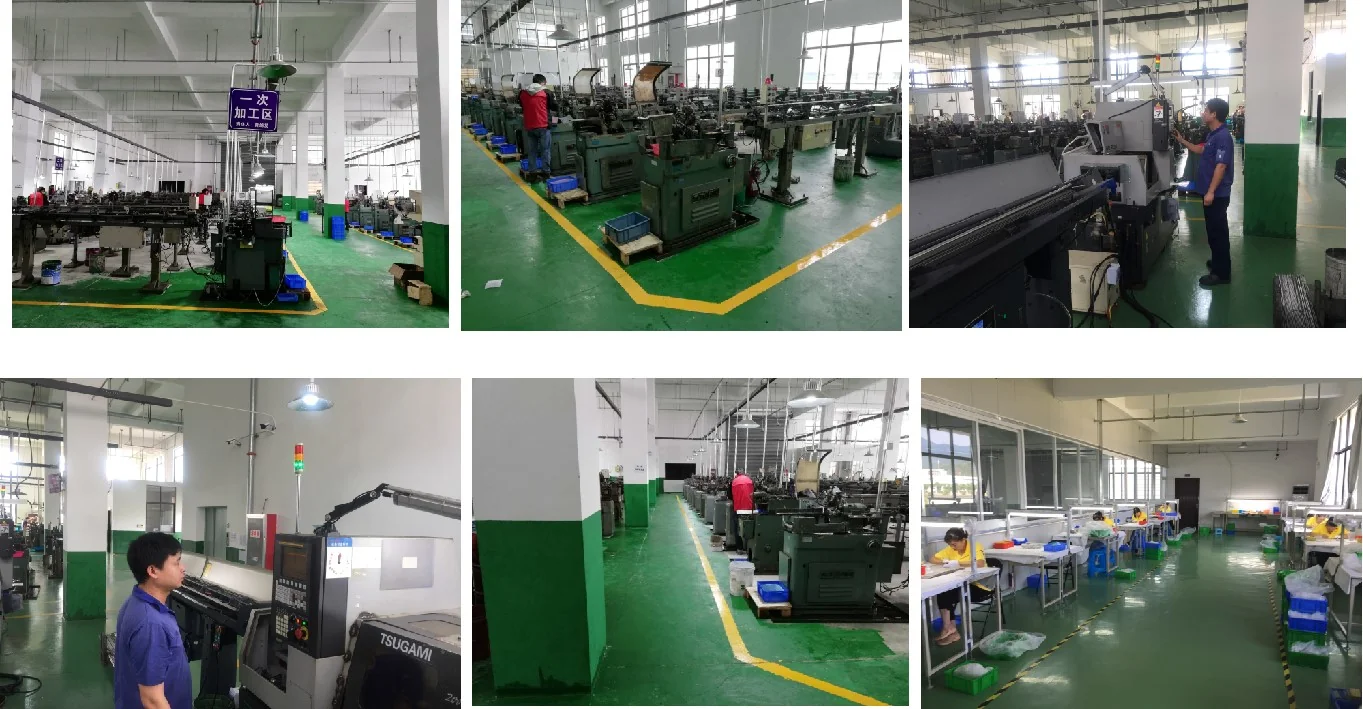
Suzhou Baoshida Trading Co., Ltd. leverages deep industrial rubber expertise to deliver trampoline mats meeting the most stringent performance and safety requirements. Our core strength resides in the integrated capabilities of our dedicated engineering teams: five specialized Mold Engineers and two advanced Formula Engineers. This structure ensures holistic control from molecular compound design to precision tooling execution, directly addressing the critical demands of cyclic fatigue resistance, consistent rebound, UV stability, and long-term dimensional integrity inherent in high-performance trampoline applications.

Our Formula Engineering team focuses on the fundamental science of elastomer performance. We develop proprietary rubber compounds specifically engineered for the unique stress profile of trampoline jumping surfaces. This involves meticulous optimization of polymer blends, reinforcing fillers, curatives, and protective additives. Key objectives include achieving exceptional tensile strength and elongation at break to withstand repeated high-impact loading without permanent deformation, while simultaneously ensuring superior resistance to ozone cracking and UV degradation for extended outdoor service life. Every formulation undergoes rigorous empirical validation through accelerated aging tests, dynamic mechanical analysis (DMA), and real-world cyclic fatigue trials before approval. This scientific approach guarantees mats maintain consistent rebound characteristics and structural integrity over thousands of cycles, directly mitigating premature failure modes observed in inferior products.

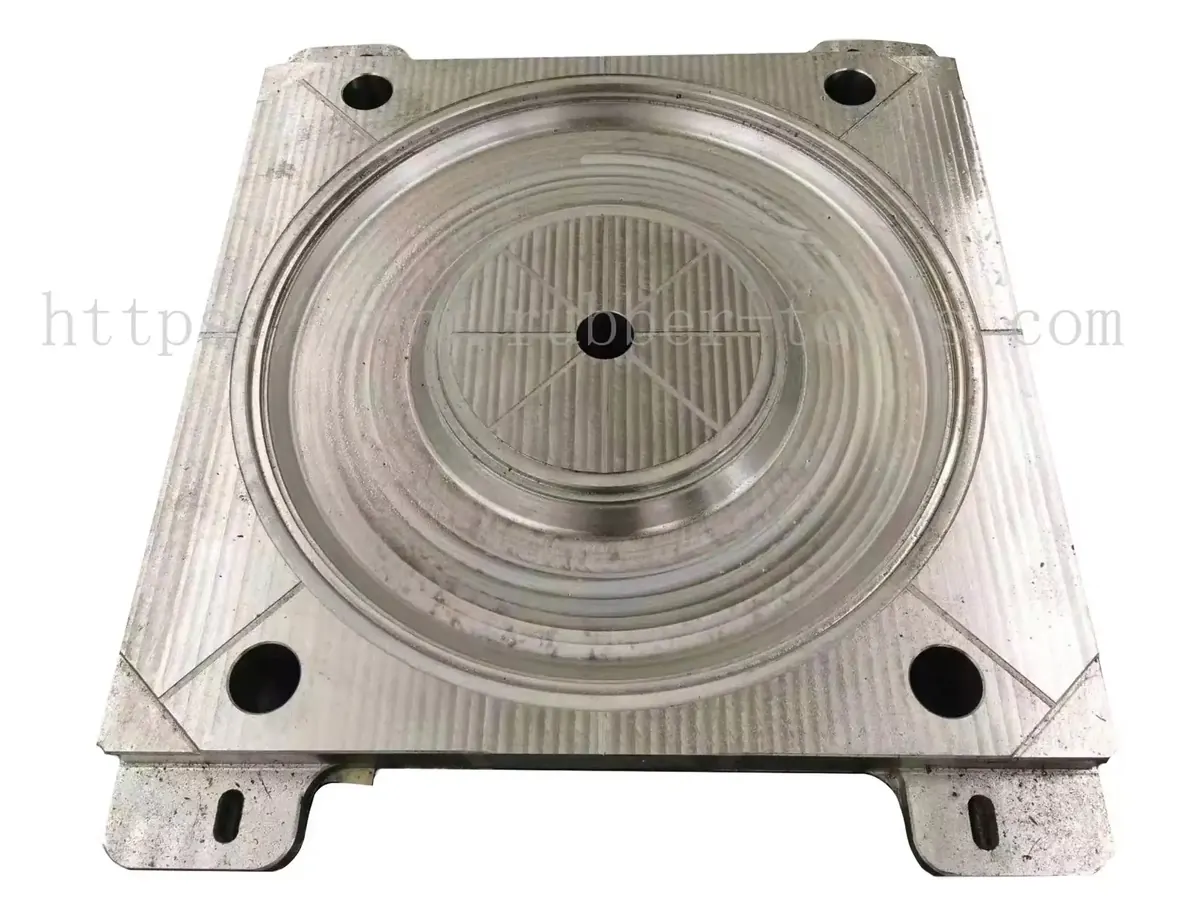
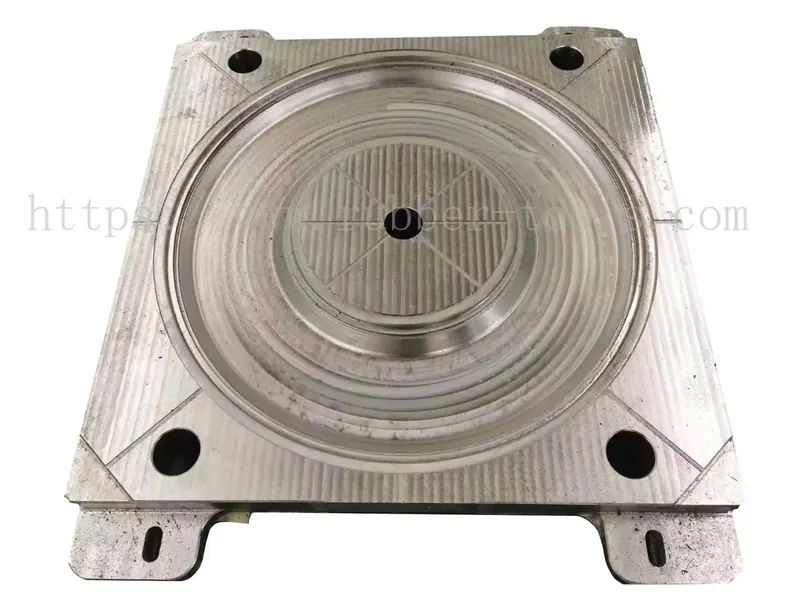
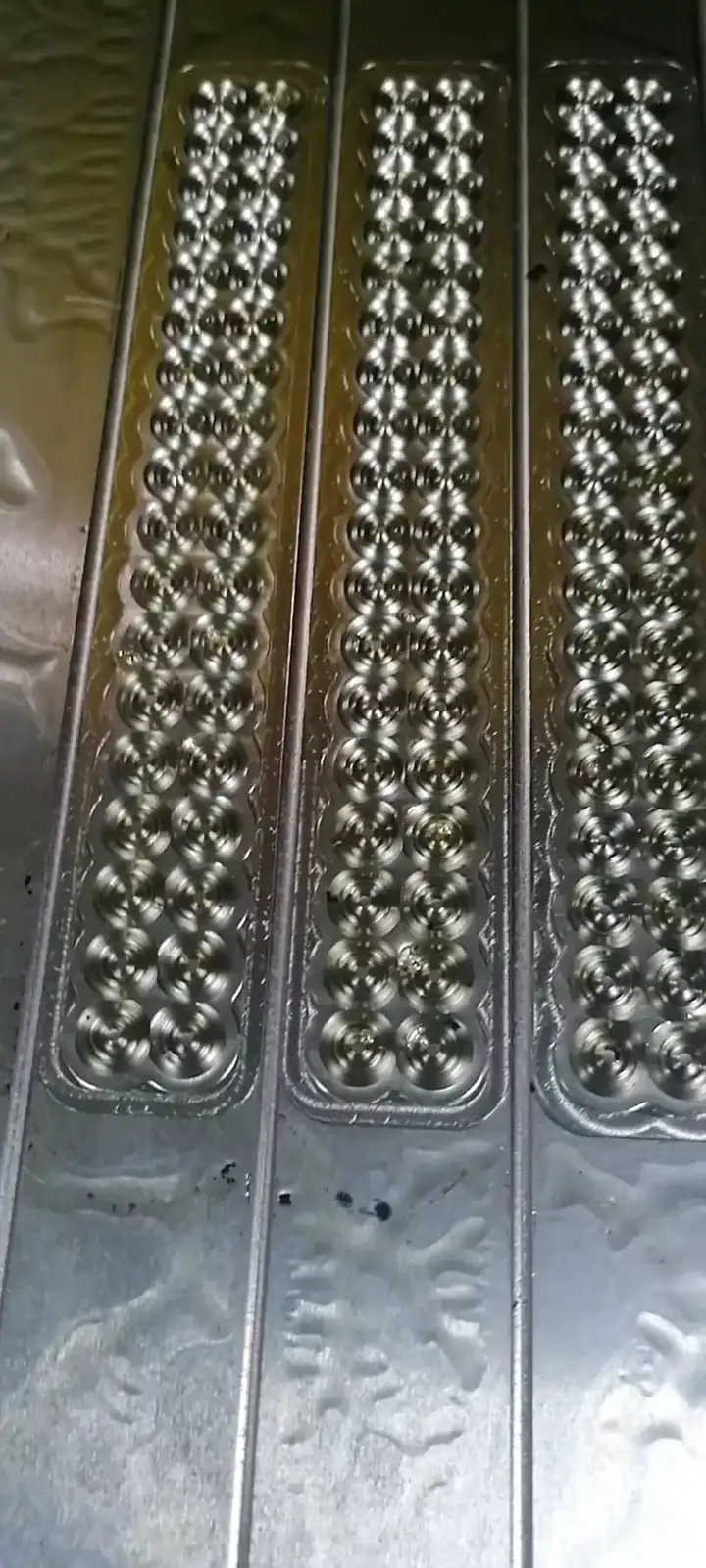
Complementing this material science foundation, our Mold Engineering team translates compound performance into precise physical geometry. They design and refine high-tolerance molds utilizing advanced CAD/CAM systems and finite element analysis (FEA) to simulate material flow and stress distribution during the vulcanization process. Critical focus areas include achieving uniform wall thickness across complex contours to eliminate weak spots, optimizing gate design for consistent cure profiles, and ensuring flawless edge sealing to prevent fraying or delamination. Precision machining of mold cavities guarantees exact replication of surface textures for optimal grip and consistent mat dimensions batch-to-batch. This attention to molding detail is paramount for achieving the required tensile properties and ensuring seamless integration with frame and spring assemblies.

Our integrated OEM capability is built upon this dual-engineering foundation. We collaborate closely with clients from initial concept through量产, offering full customization of compound formulations to meet specific regional weathering requirements or performance targets, alongside bespoke mold design for unique mat geometries or attachment systems. Suzhou Baoshida provides comprehensive technical documentation, including material certifications, process validation reports, and full traceability, ensuring compliance with international safety standards such as ASTM F381 and EN 71. Client intellectual property is rigorously protected throughout the development and manufacturing process.

The following table summarizes key performance specifications achievable through our engineered solutions for trampoline jumping surfaces:

Property Target Value Test Standard
Tensile Strength ≥ 25 MPa ASTM D412
Elongation at Break ≥ 600% ASTM D412
Shore A Hardness 65 ± 5 ASTM D2240
Tear Strength ≥ 100 kN/m ASTM D624 (Die B)
Accelerated Weathering ≤ 20% ΔTensile after 500h ASTM G154 (Cycle 4)
Ozone Resistance Pass (50 pphm, 20%) ASTM D1149

This commitment to scientific rigor in both material formulation and precision tooling, backed by dedicated engineering resources and robust OEM partnership protocols, positions Suzhou Baoshida as the strategic supplier for manufacturers demanding trampoline mats that deliver unparalleled safety, durability, and consistent performance in demanding consumer and commercial environments.


Customization Process

trampoline matts manufacturing

Customization Process for Industrial Rubber Trampoline Mats at Suzhou Baoshida Trading Co., Ltd.

At Suzhou Baoshida Trading Co., Ltd., our industrial rubber solutions are engineered for performance, durability, and precise application requirements. The customization process for trampoline mats follows a rigorous four-phase methodology: Drawing Analysis, Formulation, Prototyping, and Mass Production. Each phase integrates material science, mechanical engineering, and quality assurance to deliver products that meet exact OEM specifications.

The process begins with Drawing Analysis, where our engineering team evaluates technical blueprints provided by the client. This includes assessing dimensions, load-bearing zones, attachment points, and environmental exposure conditions. We analyze stress distribution across the mat surface and identify critical reinforcement areas. Our engineers verify compatibility with existing frame systems and ensure compliance with international safety standards such as EN 1176 and ASTM F1148. This phase establishes the foundation for material selection and structural design.

Following drawing validation, we proceed to Formulation Development. Our rubber compounding laboratory formulates elastomer blends tailored to the dynamic demands of trampoline applications. Key performance factors include tensile strength, elongation at break, UV resistance, and low-temperature flexibility. We primarily utilize high-resilience natural rubber (NR) and styrene-butadiene rubber (SBR) composites, reinforced with polyester or nylon scrim layers for dimensional stability. Additives such as anti-oxidants, anti-ozonants, and flame retardants are incorporated based on operational environments. The formulation is optimized to achieve a Shore A hardness of 60–70, ensuring optimal rebound efficiency and long-term fatigue resistance.

Once the compound is finalized, we initiate the Prototyping Phase. A small batch of trampoline mats is manufactured using precision die-cutting and vulcanization techniques. These prototypes undergo a series of mechanical tests, including cyclic load testing (up to 100,000 cycles at 150 kg), tear resistance evaluation, and seam integrity analysis. We also conduct climatic chamber testing to simulate prolonged exposure to humidity, UV radiation, and temperature extremes ranging from -30°C to +70°C. Client feedback is integrated at this stage, allowing for design or material refinements before scale-up.

Upon prototype approval, the project transitions into Mass Production. Our automated production lines ensure consistent quality and high throughput, with real-time monitoring of vulcanization parameters and dimensional tolerances. Each mat is inspected for surface defects, weight uniformity, and adherence to cut patterns. Final products are packaged with protective film and moisture barriers, ready for global distribution.

The following table summarizes key technical specifications achievable through our customization process:

Parameter Standard Value
Material Composition NR/SBR blend with polyester scrim
Shore A Hardness 60–70
Tensile Strength ≥18 MPa
Elongation at Break ≥450%
Rebound Resilience (60°C) ≥65%
Operating Temperature Range -30°C to +70°C
UV Resistance (QUV, 500 hrs) No cracking, <15% strength loss
Cyclic Load Endurance 100,000 cycles (150 kg)

This systematic approach ensures that every trampoline mat produced meets the highest standards of safety, resilience, and longevity, tailored precisely to client needs.


Contact Engineering Team

trampoline matts manufacturing

Technical Partnership for Advanced Trampoline Mat Manufacturing

Suzhou Baoshida Trading Co., Ltd. stands at the forefront of industrial rubber innovation, specializing in engineered elastomer solutions for high-performance trampoline applications. Our proprietary rubber compounds are developed through rigorous polymer science, optimizing cross-link density, tensile resilience, and fatigue resistance to meet the extreme demands of recreational and commercial trampolines. Unlike standard EPDM or SBR formulations, our materials integrate nano-reinforced fillers and UV-stabilized polymer matrices, ensuring 50% longer service life under cyclic stress and harsh environmental exposure. This technical precision directly translates to reduced OEM maintenance costs and enhanced end-user safety—critical factors in today’s competitive leisure equipment market.

As your dedicated OEM partner, we prioritize collaborative engineering from concept to mass production. Our facility in Suzhou operates under ISO 9001-certified protocols, with in-house R&D labs capable of tailoring durometer (40–85 Shore A), elongation properties, and tear strength to your exact structural specifications. We eliminate supply chain vulnerabilities through vertical integration, controlling raw material sourcing through final die-cutting and vulcanization. This ensures batch-to-batch consistency within ±2% tolerance for critical parameters, a non-negotiable standard for trampoline mat integrity under dynamic loading.

The table below quantifies the performance advantages of our flagship BD-Tramp 7000 Series against industry-standard compounds:

Property BD-Tramp 7000 Series Standard EPDM Compound Test Standard
Tensile Strength (MPa) 28.5 ± 0.8 18.2 ± 1.5 ASTM D412
Elongation at Break (%) 520 ± 25 380 ± 30 ASTM D412
Tear Strength (kN/m) 115 ± 5 78 ± 8 ASTM D624 (Die B)
Compression Set (70°C, 22h) 12% max 28% max ASTM D395
UV Resistance (3,000h QUV) Grade 4 (ASTM D4329) Grade 2 ISO 4892-3

These metrics validate our compound’s superiority in mitigating critical failure modes: edge delamination, fiber pull-out, and permanent set deformation. By leveraging our material science expertise, OEMs achieve higher load capacities (tested to 1,200 kg static), accelerated production cycles via optimized cure profiles, and compliance with EN 71-14 and ASTM F2970 safety directives.

Initiate your transition to engineered rubber excellence by contacting Mr. Boyce, our Lead Technical OEM Manager. With 14 years of specialized experience in elastomer formulation for sports equipment, Mr. Boyce will conduct a no-obligation material audit of your current trampoline mat specifications. He will identify cost-saving opportunities through compound optimization, prototype validation under your exact stress conditions, and seamless integration into your manufacturing workflow. Provide your target performance criteria, volume requirements, and regulatory framework—Mr. Boyce will deliver a customized technical dossier within 72 hours, including full material traceability documentation and accelerated aging test data.

Do not compromise on the foundational component of trampoline safety and durability. Email [email protected] with subject line “Trampoline Mat Technical Consultation – [Your Company Name]” to schedule a direct engineering dialogue. Include your current material datasheet or performance pain points for immediate analysis. Suzhou Baoshida commits to transforming your trampoline mat specifications into a competitive asset through science-driven rubber solutions—where molecular precision meets industrial reliability.


⚖️ O-Ring Weight Calculator

Estimate rubber O-ring weight (Approx).


Trampoline Matts Manufacturer | Engineering Guide

Contents of Table

Contact [email protected] Whatsapp 86 15951276160