Viton Vs Silicone O-Ring Manufacturer | Engineering Guide

Engineering Guide: Viton Vs Silicone O-Ring

viton vs silicone o-ring manufacturing

Engineering Insight: Viton vs Silicone O-Ring

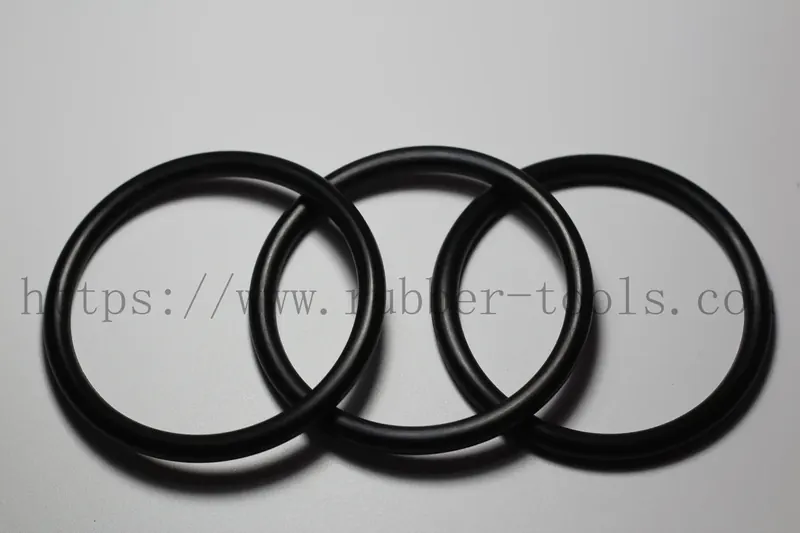
Selecting the appropriate elastomer for O-ring applications is a critical engineering decision that directly impacts system reliability, longevity, and safety. In high-performance sealing environments, generic or off-the-shelf rubber components frequently fail due to inadequate material compatibility with operational conditions. This underscores the necessity of precision material selection—particularly when choosing between two of the most widely used synthetic rubbers: Viton (FKM) and silicone (VMQ).

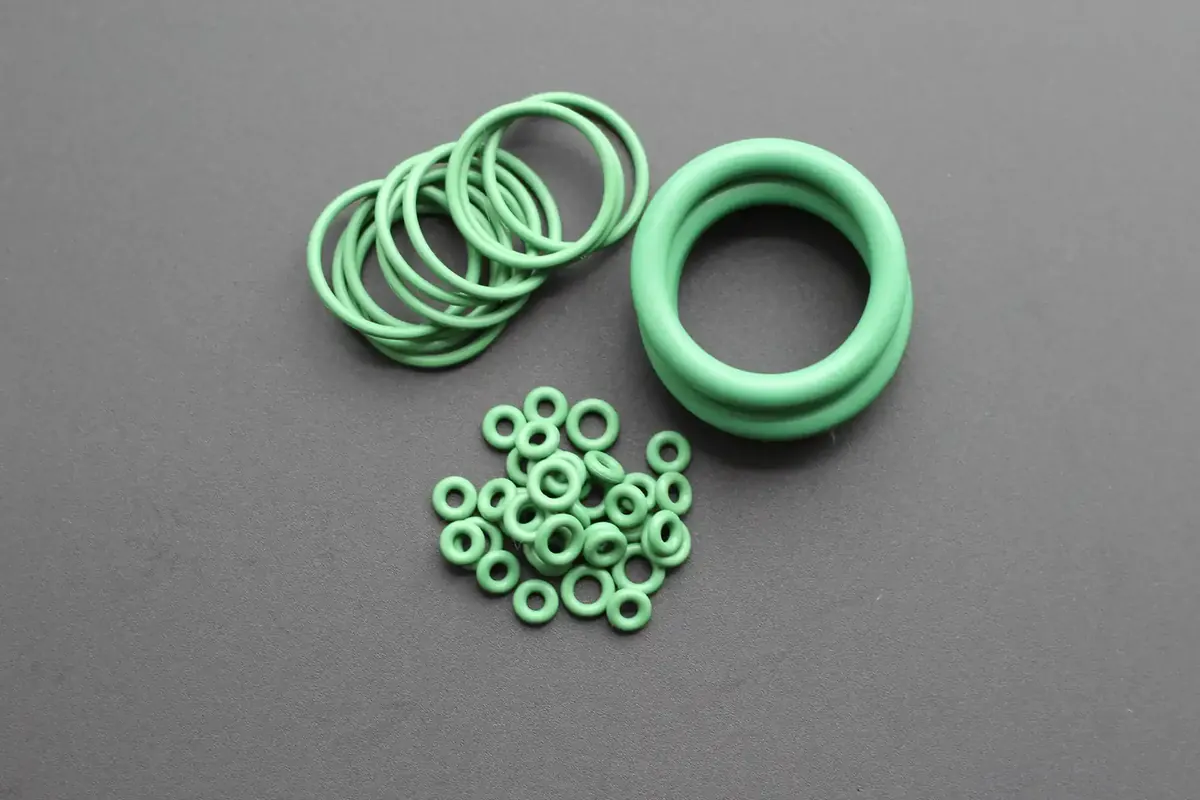
Viton, a fluorocarbon-based elastomer, excels in applications involving aggressive chemical exposure, elevated temperatures, and high-pressure environments. Its molecular structure provides exceptional resistance to oils, fuels, acids, and many halogenated solvents. This makes Viton the preferred choice in aerospace, automotive fuel systems, and chemical processing equipment. Continuous service temperatures up to 200°C are achievable, with short-term exposure tolerance reaching 250°C, provided compression set and fluid compatibility are within acceptable limits.

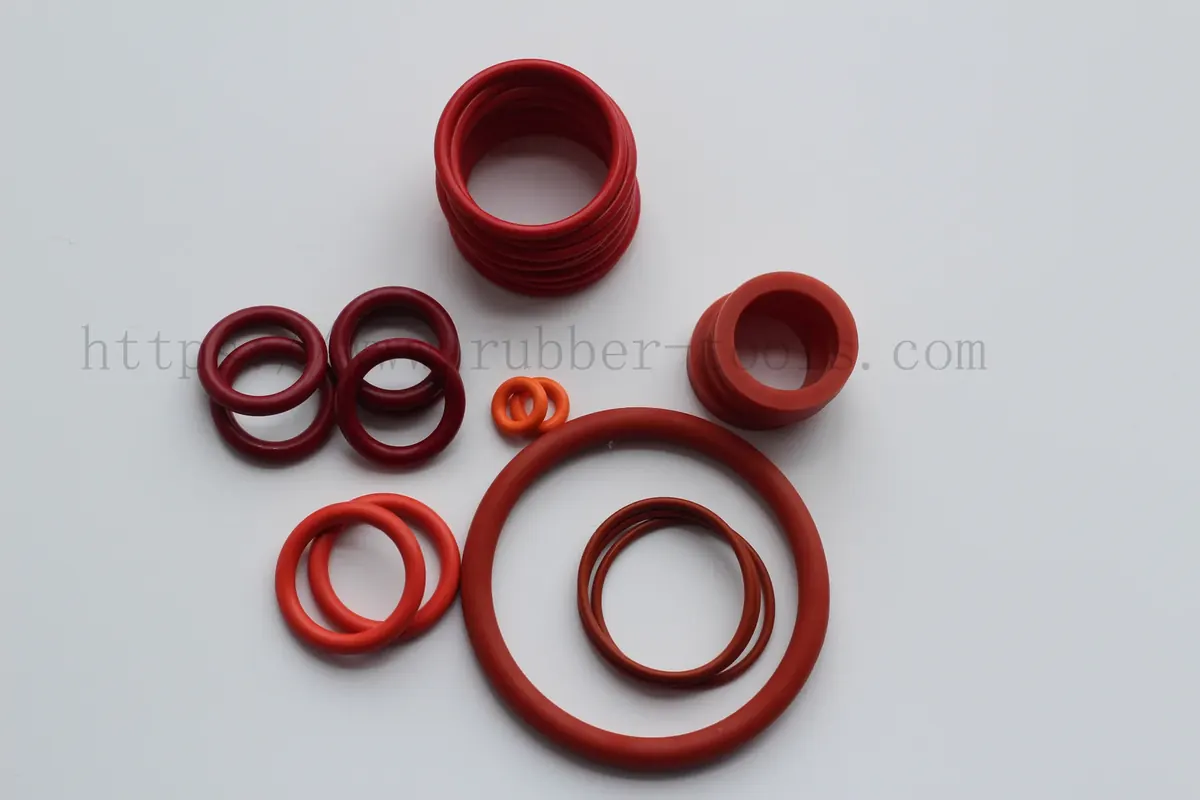
Silicone rubber, by contrast, offers superior flexibility and stability across extreme temperature ranges, particularly on the low end. It maintains elasticity down to -60°C, making it ideal for cryogenic applications or environments subject to wide thermal cycling. However, its chemical resistance is significantly lower than Viton’s. Silicone exhibits poor performance when exposed to hydrocarbons, oils, and fuels, which can cause severe swelling and degradation. Additionally, silicone has lower tensile strength and abrasion resistance, limiting its use in dynamic sealing applications.

The failure of off-the-shelf O-rings often stems from mismatched material properties. Standard inventory items are typically formulated for general-purpose use and lack the tailored compound adjustments required for specific media or stress conditions. For example, a silicone O-ring may appear suitable for a high-temperature gasket application due to its thermal rating, but will rapidly degrade if exposed to hydraulic oil. Similarly, while Viton resists most fluids, certain grades may swell in ketones or ester-based brake fluids—highlighting the importance of fluoroelastomer subclass selection.

At Suzhou Baoshida Trading Co., Ltd., we emphasize engineered solutions over generic substitutes. Our precision rubber seals are formulated to meet exact OEM specifications, ensuring compatibility with fluid type, temperature profile, and mechanical load. Custom compounding allows for optimized performance in critical applications where failure is not an option.

Below is a comparative summary of key performance characteristics:

Property Viton (FKM) Silicone (VMQ)
Temperature Range (°C) -20 to 200 (up to 250 short-term) -60 to 200 (up to 230 short-term)
Chemical Resistance Excellent (oils, fuels, acids) Poor to fair (swells in oils)
Fuel and Oil Resistance Outstanding Poor
Compression Set Resistance Very Good Good
Tensile Strength High Moderate
Flexibility at Low Temp Limited Excellent
Abrasion Resistance Good Fair
Typical Applications Aerospace, automotive, chemical processing Medical devices, food processing, thermal insulation

Material selection is not a one-size-fits-all proposition. The choice between Viton and silicone must be driven by a comprehensive understanding of the operational environment. At Baoshida, we support OEMs with application-specific formulations to prevent premature seal failure and ensure system integrity.


Material Specifications

viton vs silicone o-ring manufacturing

Material Specifications for Precision O-Ring Selection

Suzhou Baoshida Trading Co., Ltd. provides engineered rubber seals meeting stringent OEM requirements. Material selection is critical for seal longevity and system integrity under operational stress. This section details the core specifications of Viton (FKM), Nitrile (NBR), and Silicone (VMQ) elastomers, the industry standards for demanding sealing applications. Understanding their distinct chemical compositions and performance boundaries ensures optimal material pairing with fluid media, temperature profiles, and mechanical loads.

Viton fluoroelastomers exhibit superior resistance to high temperatures, aggressive chemicals, and hydrocarbon fuels. Formulated with fluorine content typically between 66-70%, Viton maintains sealing force from -20°C to 230°C continuous service, with brief excursions to 300°C. It demonstrates exceptional stability against mineral oils, synthetic lubricants, aviation fuels, and many acids. Hardness ranges from 50 to 90 Shore A, with tensile strength commonly 10-20 MPa. Viton is the preferred choice for aerospace, semiconductor, and high-performance automotive fuel systems where chemical inertness is non-negotiable, though its cost is higher than general-purpose elastomers.

Nitrile rubber remains the most widely specified material for oil and fuel sealing due to its excellent balance of performance and economy. Comprising acrylonitrile and butadiene, NBR offers robust resistance to petroleum-based oils, greases, water, and aliphatic hydrocarbons. Standard grades operate effectively between -40°C and 120°C, with special formulations extending low-temperature limits to -55°C. Hardness spans 40-90 Shore A, and tensile strength typically reaches 15-25 MPa. Nitrile degrades rapidly when exposed to ozone, ketones, esters, and chlorinated solvents. Its cost-effectiveness makes it ideal for hydraulic systems, automotive transmissions, and general industrial machinery where fluid compatibility aligns with its capabilities.

Silicone rubber excels in extreme temperature applications but has limited fluid resistance. Polysiloxane-based VMQ retains flexibility from -60°C to 200°C continuous use, with some grades functioning down to -100°C. It demonstrates good resistance to water, steam, oxygen, ozone, and UV radiation but swells significantly in petroleum oils, fuels, and non-polar solvents. Hardness ranges from 30 to 80 Shore A, with tensile strength generally lower at 5-12 MPa compared to Viton or NBR. Silicone’s biocompatibility and electrical insulation properties drive its use in medical devices, food processing, and high/low-temperature electrical housings, though mechanical strength limitations require careful design consideration.

The following table summarizes critical comparative specifications per ASTM D2000 and ISO 3601 standards for precision O-ring manufacturing:

Material Hardness Range (Shore A) Continuous Temp Range (°C) Key Fluid Resistances Tensile Strength (MPa)
Viton (FKM) 50 – 90 -20 to +230 Mineral oils, synthetic lubricants, jet fuels, acids, brake fluids 10 – 20
Nitrile (NBR) 40 – 90 -40 to +120 Petroleum oils, greases, water, aliphatic hydrocarbons 15 – 25
Silicone (VMQ) 30 – 80 -60 to +200 Water, steam, ozone, oxygen, alcohols 5 – 12

Suzhou Baoshida’s OEM-managed production strictly adheres to these material property baselines. Final selection requires validation against specific application parameters including dynamic stress, compression set tolerance, and regulatory compliance. Our engineering team provides comprehensive material certification and application support for precision seal deployment across global industrial sectors.


Manufacturing Capabilities

viton vs silicone o-ring manufacturing

Engineering Capability: Advanced Material Science and Precision Manufacturing for Critical Sealing Applications

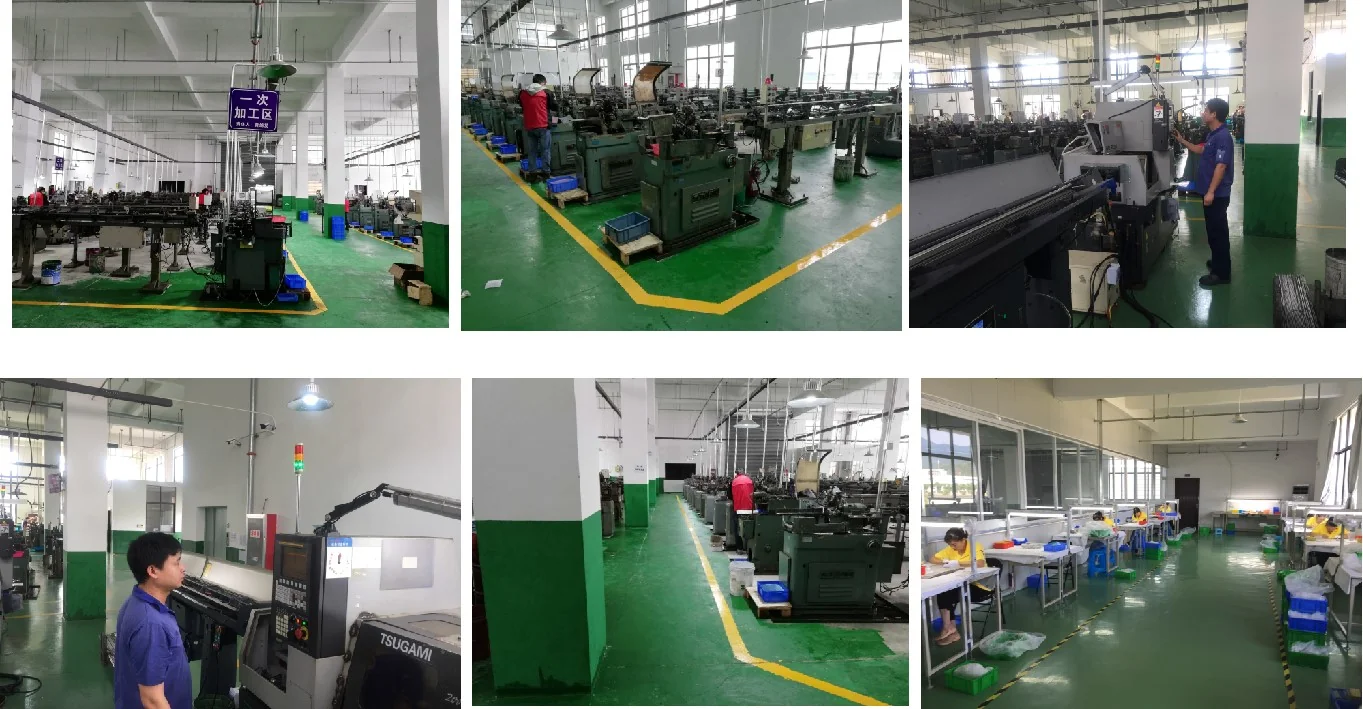
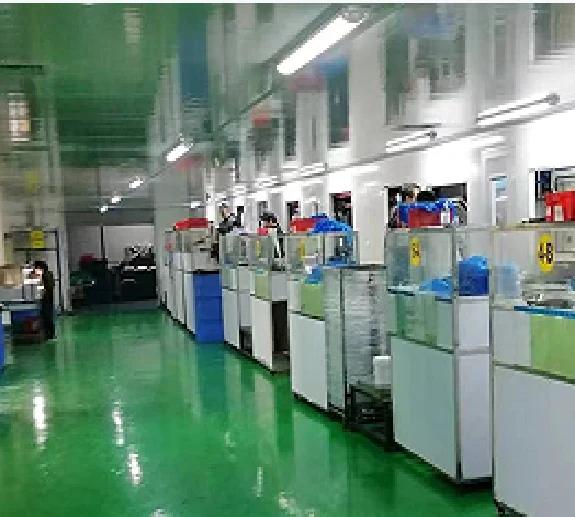
At Suzhou Baoshida Trading Co., Ltd., our engineering capability is built on deep expertise in both rubber compounding and precision mold design, enabling us to deliver high-performance sealing solutions tailored to the most demanding industrial environments. Our team comprises five dedicated mold engineers and two specialized rubber formula engineers, ensuring complete control over both the physical design and material integrity of every O-ring we produce. This dual-engineering approach allows seamless integration between material performance and geometric precision—critical for applications in aerospace, semiconductor manufacturing, pharmaceuticals, and high-temperature automotive systems.

Our formula engineers focus exclusively on elastomer chemistry, with advanced proficiency in fluorocarbon (FKM/Viton®) and silicone (VMQ) formulations. They optimize cure kinetics, filler dispersion, and polymer selection to achieve target properties such as compression set resistance, chemical stability, and thermal endurance. This scientific rigor ensures that each compound meets or exceeds international standards, including ASTM D2000 and ISO 3601. For OEM clients, this means access to custom-tailored materials that perform reliably under application-specific stressors—whether exposure to aggressive fuels, steam sterilization, or extreme temperature cycling.

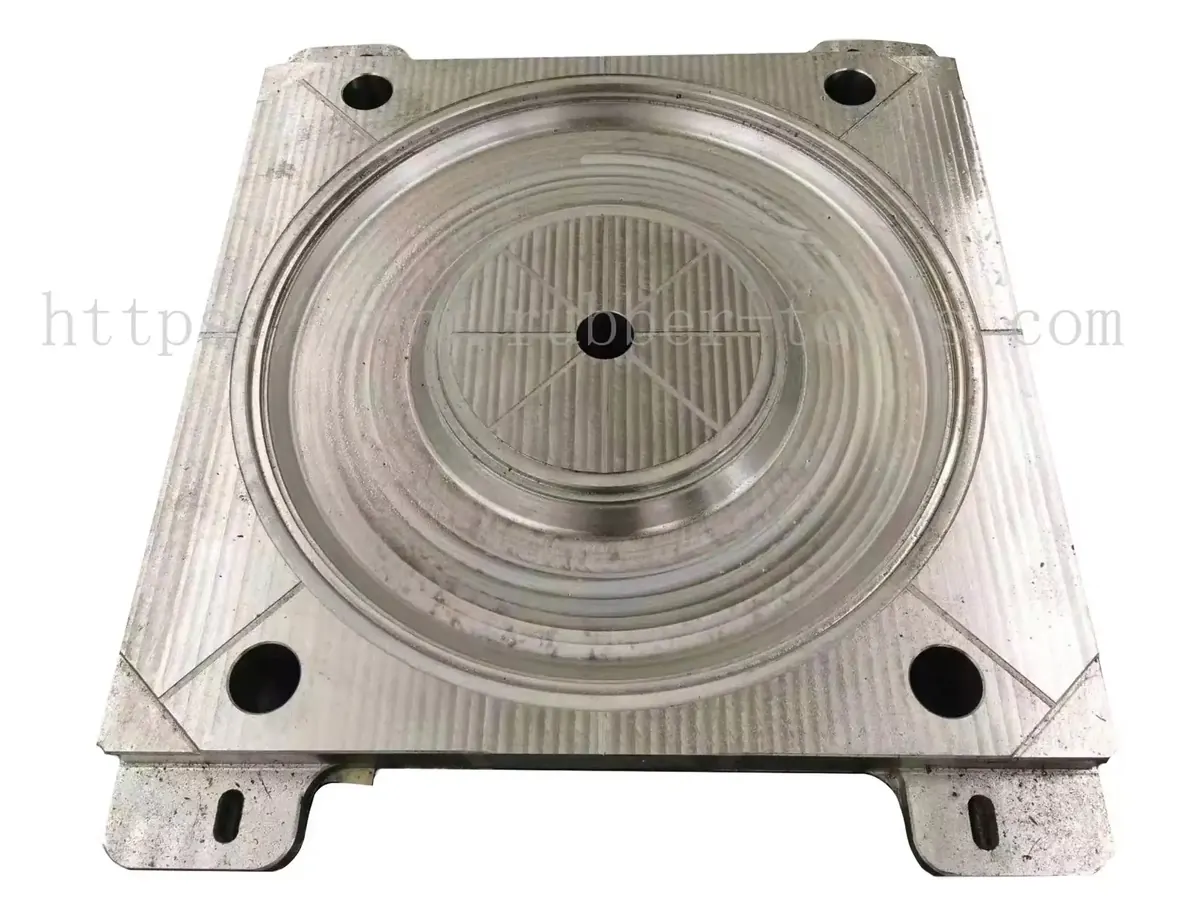
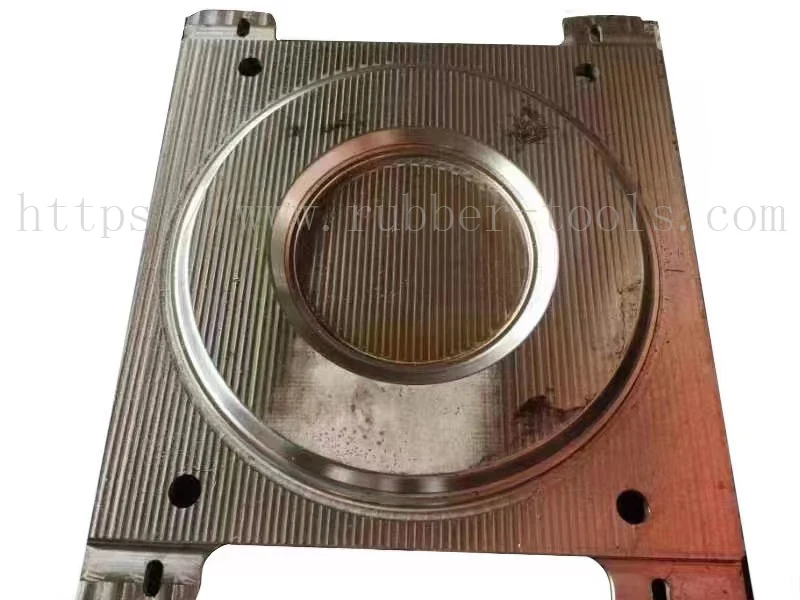
Complementing our material science expertise, our mold engineering team specializes in precision tooling for O-rings with tight dimensional tolerances (down to ±0.05 mm). Utilizing CAD/CAM software and CNC machining, we design and fabricate molds that ensure consistent part geometry, minimal flash, and high repeatability across production batches. This capability is particularly vital when manufacturing Viton and silicone O-rings, as their different flow behaviors during vulcanization require distinct mold compensation strategies.

We support full OEM collaboration, from initial concept and material selection to prototyping, validation, and series production. Our engineers work directly with client specifications to develop proprietary compounds and tooling, ensuring intellectual property protection and supply chain exclusivity. With in-house rheometry, aging ovens, tensile testers, and hardness calibration systems, we conduct full material characterization and process validation before release.

The following table summarizes key performance characteristics of standard-grade Viton and silicone O-rings developed and manufactured at our facility:

Property Viton (FKM) Silicone (VMQ)
Temperature Range -20°C to +230°C (intermittent to 300°C) -60°C to +200°C (intermittent to 250°C)
Tensile Strength 12–18 MPa 6–10 MPa
Compression Set (70 hrs, 150°C) ≤25% ≤30%
Resistance to Oils/Fuels Excellent Poor
Resistance to Ozone/UV Excellent Excellent
Gas Permeability Low High
Biocompatibility (USP Class VI) Optional (specific grades) Standard (platinum-cured)

By combining advanced rubber formulation with precision engineering, Suzhou Baoshida delivers technically superior O-ring solutions that meet the exacting demands of global OEMs.


Customization Process

viton vs silicone o-ring manufacturing

Precision O-Ring Customization Process: Viton vs Silicone Material Pathways

At Suzhou Baoshida Trading Co., Ltd., our customization process for Viton and silicone O-rings begins with rigorous drawing analysis. Engineering teams dissect client-provided specifications to identify critical parameters including groove dimensions, tolerance classes per ISO 3601, and application environment variables. This phase determines whether chemical exposure, thermal cycling, or pressure differentials dominate the operational profile. For instance, aerospace fuel systems necessitate Viton’s hydrocarbon resistance, while medical device sterilization cycles favor silicone’s biocompatibility. Misalignment here risks premature seal extrusion or compression set failure.

Material formulation follows strict ASTM D2000 classification protocols. Our rubber chemists adjust polymer backbone structures and additive packages to meet exact performance thresholds. Viton formulations prioritize fluorine content (66–70%) for aggressive fluid resistance, while silicone compounds optimize phenyl-methyl ratios for low-temperature flexibility. Crosslinking systems are tailored: peroxide curing for silicone’s thermal stability versus bisphenol for Viton’s rapid vulcanization. Below is a comparative specification guide for rapid material selection:

Property Viton (FKM) Silicone (VMQ)
Temperature Range (°C) -20 to +230 -60 to +200
Jet Fuel Resistance Excellent (A717B) Poor (Swelling >40%)
Steam Resistance Moderate Excellent
Compression Set (22h/150°C) ≤25% ≤20%
Hardness Range (Shore A) 60–90 30–80

Prototyping validates theoretical formulations under simulated service conditions. We produce 5–10 sample lots using client-specified tooling, subjecting O-rings to accelerated aging per ASTM D573 and fluid immersion tests per SAE AS552. Dimensional checks via CMM ensure compliance with ±0.05mm tolerances. Critical feedback includes extrusion gaps in dynamic applications and outgassing levels for vacuum environments. Silicone prototypes often reveal challenges in tear strength during installation, while Viton samples undergo rigorous permeation testing for oxygenated fuels.

Mass production integrates statistical process control with full lot traceability. Each batch undergoes real-time rheometry monitoring to maintain Mooney viscosity consistency within ±3 MU. Post-cure, every O-ring is inspected for surface defects via automated vision systems meeting ISO 3302-1 class M2 standards. Viton batches receive additional FTIR verification of fluorine content, while silicone lots undergo extractable ion testing for medical-grade purity. Final certification packages include material lot numbers, cure curve data, and third-party test reports from our ISO 17025-accredited lab. This closed-loop system ensures zero deviation between prototype validation and volume output, delivering seals that withstand 10,000+ cycle lifespans in critical OEM assemblies.


Contact Engineering Team

viton vs silicone o-ring manufacturing

Contact Suzhou Baoshida for Expert Guidance on Viton vs Silicone O-Rings

When selecting between Viton and silicone rubber for critical sealing applications, precision, performance, and long-term reliability must be prioritized. At Suzhou Baoshida Trading Co., Ltd., we specialize in high-performance precision rubber seals engineered to meet the demanding requirements of industries such as automotive, aerospace, semiconductor manufacturing, pharmaceuticals, and chemical processing. Our technical team, led by Mr. Boyce, provides OEMs and industrial partners with data-driven material selection, custom formulation, and sealing solutions tailored to specific operational environments.

Understanding the differences between Viton (a fluorocarbon rubber) and silicone is essential for optimal performance. Viton excels in high-temperature resistance, chemical inertness, and durability when exposed to aggressive fuels, oils, and acids. It maintains structural integrity in continuous service up to 200°C and short-term exposure up to 250°C. Silicone, while offering excellent flexibility at low temperatures and good resistance to ozone and UV, is less suitable for hydrocarbon-rich environments and exhibits lower mechanical strength under dynamic stress.

To assist engineers and procurement managers in making informed decisions, we provide comprehensive technical support, including material compatibility testing, compression set analysis, and thermal aging evaluations. Our global supply chain ensures consistent quality and on-time delivery of both standard and custom-molded O-rings, with full traceability and compliance to ASTM, ISO, and FDA standards.

Below is a comparative overview of key performance characteristics for Viton and silicone O-rings:

Property Viton (FKM) Silicone (VMQ)
Temperature Range (Continuous) -20°C to +200°C -60°C to +180°C
Short-Term Heat Resistance Up to 250°C Up to 200°C
Tensile Strength 12–20 MPa 5–9 MPa
Elongation at Break 150–250% 200–600%
Compression Set (70 hrs, 150°C) 15–25% 20–35%
Resistance to Oils/Fuels Excellent Poor
Resistance to Ozone/UV Excellent Excellent
Electrical Insulation Good Very Good
FDA Compliance (Grade) Available (Perfluorinated FKM) Yes (Platinum-Cured)

For applications requiring extreme chemical resistance and thermal stability, Viton is often the superior choice. In cryogenic environments or where electrical insulation and biocompatibility are critical, silicone may be preferred. However, the final selection must consider dynamic loading, seal geometry, mating surfaces, and fluid compatibility.

Partner with Suzhou Baoshida to ensure your sealing solution is engineered for performance, longevity, and regulatory compliance. Contact Mr. Boyce directly at [email protected] for technical consultation, sample requests, or custom formulation development. Our team responds within 24 hours to all qualified inquiries, providing detailed material data sheets, test reports, and OEM collaboration frameworks. Trust Suzhou Baoshida as your precision rubber seal partner—where material science meets industrial excellence.


⚖️ O-Ring Weight Calculator

Estimate rubber O-ring weight (Approx).


Viton Vs Silicone O-Ring Manufacturer | Engineering Guide

Contents of Table

Contact [email protected] Whatsapp 86 15951276160