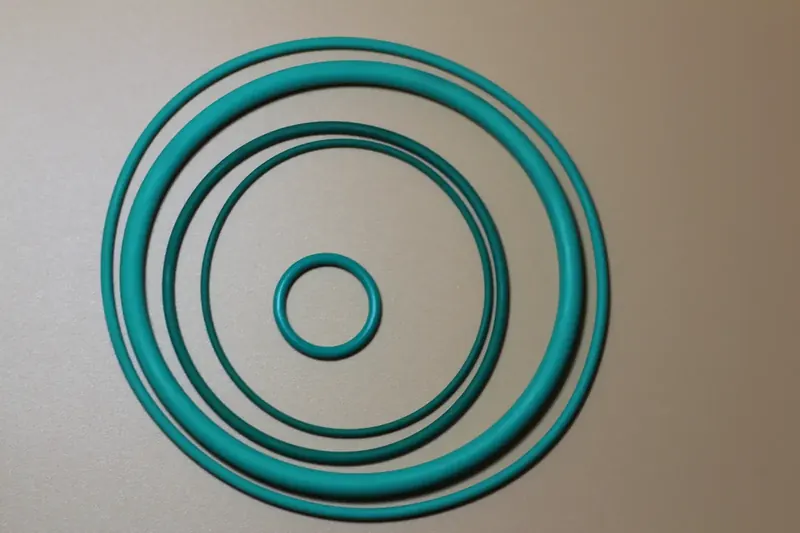
Viton Vs Silicone O Rings Manufacturer | Engineering Guide

Engineering Guide: Viton Vs Silicone O Rings

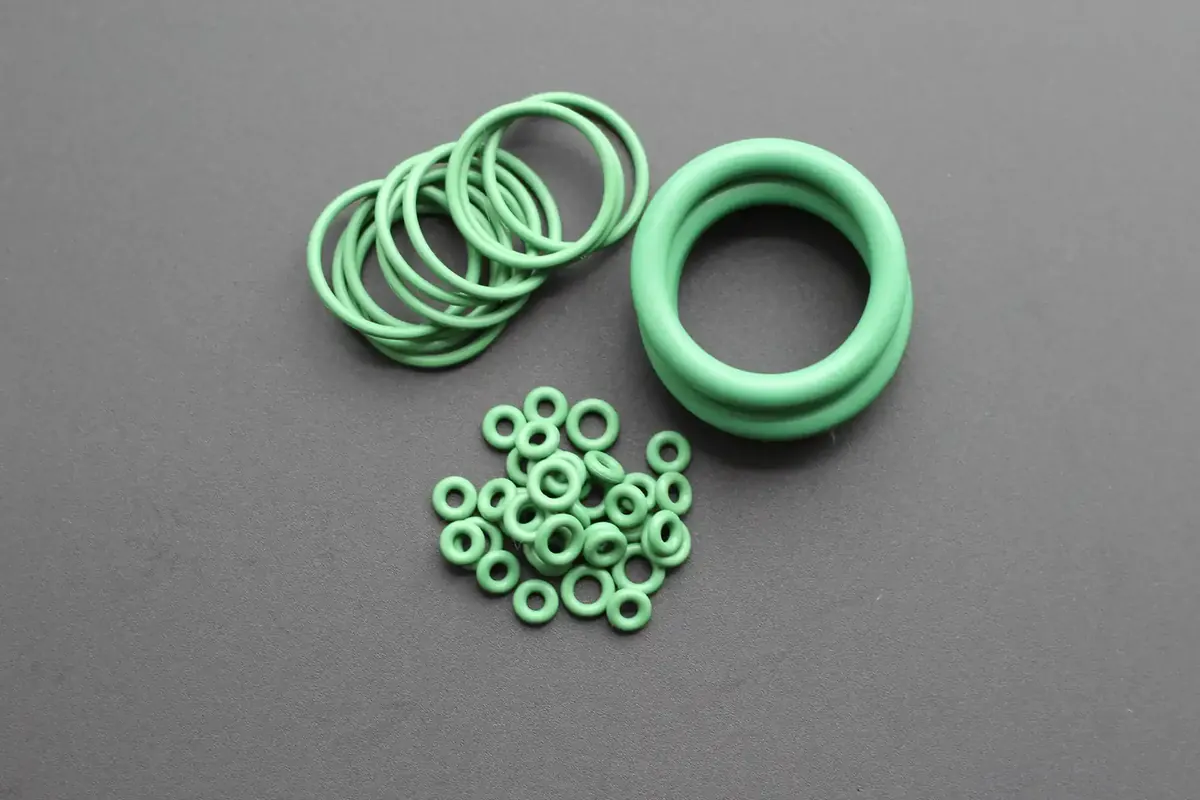
viton vs silicone o rings manufacturing

Engineering Insight: Viton vs Silicone O Rings

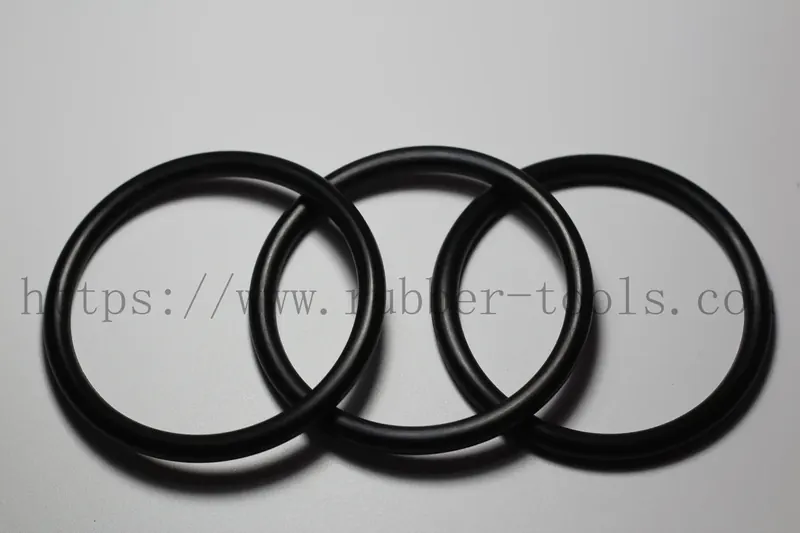
In precision rubber sealing applications, material selection is not merely a design consideration—it is a determinant of system integrity, longevity, and operational safety. Off-the-shelf O rings, while cost-effective and readily available, often fail under demanding industrial conditions due to inappropriate material pairing with environmental stressors. This is particularly evident when comparing two of the most widely specified elastomers: Viton (FKM) and silicone (VMQ). Understanding their distinct chemical, thermal, and mechanical behaviors is essential for engineers tasked with ensuring reliable performance in critical systems.

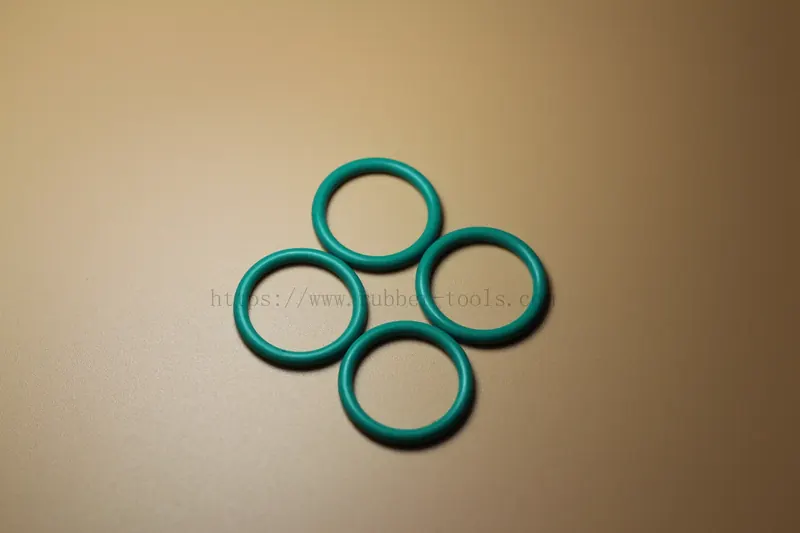
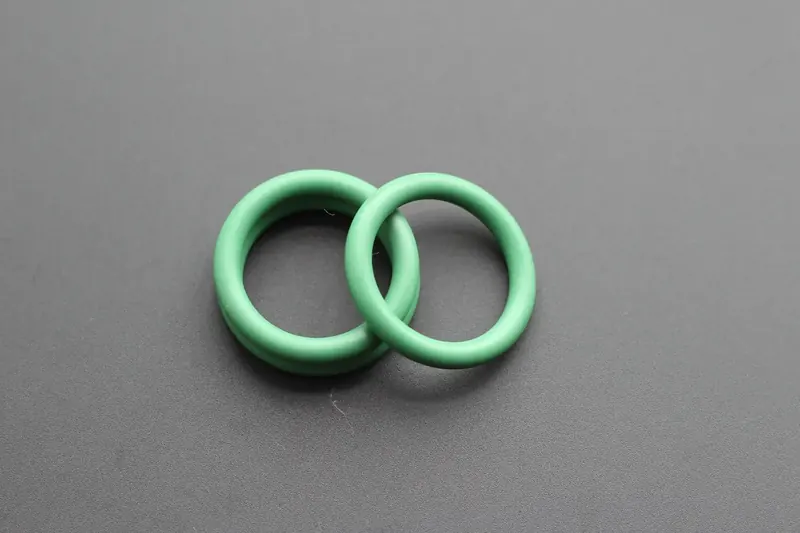
Viton, a fluorocarbon-based elastomer, excels in environments involving aggressive chemicals, high temperatures, and hydrocarbon exposure. Its molecular structure provides exceptional resistance to oils, fuels, acids, and chlorinated solvents, making it the preferred choice in aerospace, automotive, and chemical processing industries. Viton O rings maintain sealing force and dimensional stability up to 200°C (392°F), with short-term excursions possible to 250°C (482°F). However, Viton exhibits poor flexibility at low temperatures, with performance degrading below -20°C (-4°F), and it is generally incompatible with ketones and certain organic acids.

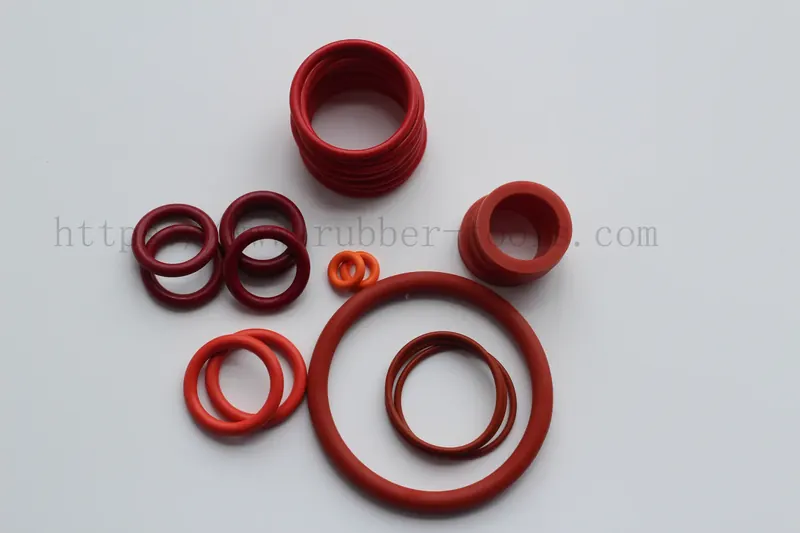
Silicone, in contrast, is valued for its outstanding thermal stability across extreme temperature ranges and superior biocompatibility. It performs reliably from -60°C (-76°F) to 200°C (392°F), with some formulations enduring brief exposures up to 300°C (572°F). Silicone O rings are commonly used in medical devices, food and beverage processing, and electronics due to their low toxicity, high purity, and excellent electrical insulation properties. However, silicone has inherently low mechanical strength, poor resistance to petroleum-based fluids, and high gas permeability—limiting its use in high-pressure or dynamic sealing applications involving hydrocarbons.

The failure of off-the-shelf O rings often stems from overlooking such material-specific limitations. A silicone ring may appear suitable for a high-temperature application but will rapidly degrade when exposed to engine oil. Conversely, a Viton ring may crack in cryogenic conditions where flexibility is paramount. These failures are not inherent to the materials themselves, but to misapplication driven by insufficient technical evaluation.

At Suzhou Baoshida Trading Co., Ltd., we emphasize engineered material selection over generic substitution. Each sealing application demands a holistic assessment of temperature, media, pressure, and mechanical stress. Our precision rubber seals are developed with OEM specifications in mind, ensuring compatibility and performance under real-world conditions.

Property Viton (FKM) Silicone (VMQ)
Temperature Range -20°C to 200°C (up to 250°C) -60°C to 200°C (up to 300°C)
Chemical Resistance Excellent (oils, fuels, acids) Poor (especially to hydrocarbons)
Mechanical Strength High Low
Flexibility at Low Temp Limited Excellent
Gas Permeability Moderate High
Common Applications Aerospace, automotive, chemical Medical, food, electronics

Material Specifications

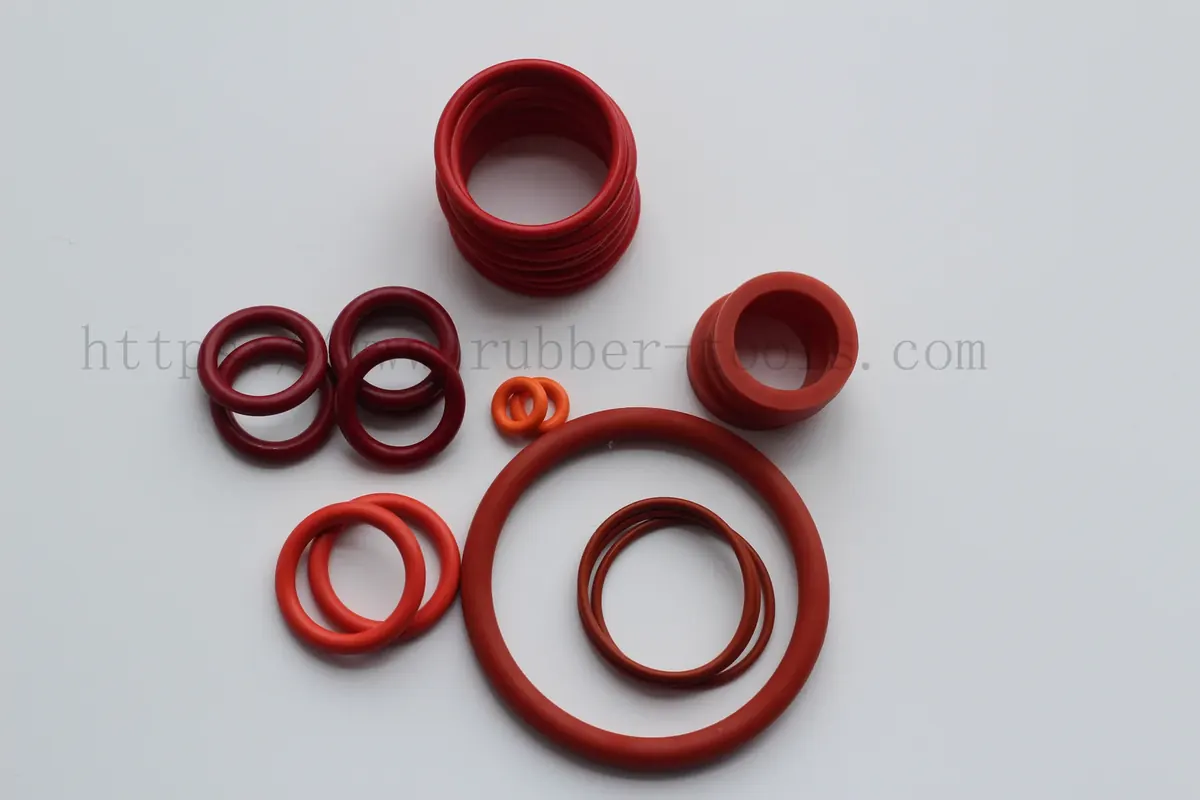
viton vs silicone o rings manufacturing

Material Specifications for Precision O-Ring Selection

Material selection constitutes the foundational engineering decision in O-ring performance and longevity within demanding industrial sealing applications. At Suzhou Baoshida Trading Co., Ltd., our precision rubber seals are engineered to exacting OEM specifications, where understanding the intrinsic properties of fluorocarbon (Viton® FKM), nitrile (NBR), and silicone (VMQ) polymers is non-negotiable. Each material exhibits distinct chemical, thermal, and mechanical characteristics dictating its suitability for specific operational environments. Misalignment between material properties and application demands directly precipitates premature seal failure through extrusion, compression set, chemical degradation, or thermal decomposition. Rigorous validation against ASTM D2000 standards is mandatory for all formulations supplied to our global manufacturing partners.

Viton® FKM represents the benchmark for severe service conditions requiring exceptional resistance to high temperatures and aggressive chemicals. Its saturated fluorocarbon backbone provides outstanding stability against aromatic and chlorinated hydrocarbons, acids, bases, and jet fuels. Standard grades maintain integrity from -20°C to +230°C continuous service, with special formulations extending low-temperature limits to -40°C. Viton® exhibits superior resistance to compression set at elevated temperatures compared to NBR or silicone, critical for long-term static sealing. However, it demonstrates vulnerability to ketones, esters, and organic acids, possesses higher gas permeability than NBR, and commands a premium cost structure. Its typical hardness range spans 60 to 90 Shore A.

Nitrile rubber (NBR) remains the dominant general-purpose elastomer for hydraulic and lubrication systems due to its excellent balance of performance and cost efficiency. It offers superior resistance to aliphatic hydrocarbons, oils, greases, and water, with a standard operational temperature range of -40°C to +120°C. High-acrylonitrile grades enhance oil resistance but reduce low-temperature flexibility. NBR provides good abrasion resistance and tensile strength but suffers significant degradation when exposed to ozone, weathering, polar solvents, and phosphate ester hydraulic fluids. Its susceptibility to compression set above 100°C limits high-temperature static applications. Hardness typically ranges from 40 to 90 Shore A.

Silicone rubber (VMQ) excels in extreme temperature applications requiring flexibility at cryogenic conditions and stability at elevated heat. It maintains elastomeric properties from -60°C to +200°C, with specialty grades reaching +230°C. Silicone offers excellent resistance to oxygen, ozone, weathering, and hot air, alongside good electrical insulation properties. However, it possesses relatively poor tensile strength, tear resistance, and abrasion resistance compared to Viton® or NBR. Critical limitations include significant swelling in petroleum-based oils and fuels, high gas permeability, and incompatibility with concentrated acids and solvents like ketones. Its hardness range is typically 30 to 80 Shore A.

The following comparative table summarizes essential material specifications for precision O-ring engineering:

Parameter Viton® (FKM) Nitrile (NBR) Silicone (VMQ)
Standard Temp Range -20°C to +230°C -40°C to +120°C -60°C to +200°C
Hardness Range (Shore A) 60 – 90 40 – 90 30 – 80
Tensile Strength (MPa) 10 – 20 15 – 25 5 – 12
Elongation at Break (%) 150 – 300 200 – 500 200 – 700
Key Chemical Resistances Fuels, Oils, Acids, Bases, Aromatics Aliphatic Hydrocarbons, Oils, Water Ozone, Oxygen, Weathering, Hot Air
Critical Limitations Ketones, Esters, Organic Acids, High Cost Ozone, Weathering, Polar Solvents, Limited High Temp Petroleum Oils, Fuels, Poor Tear Strength, High Gas Permeability

Suzhou Baoshida Trading Co., Ltd. leverages this material science foundation to collaborate with OEMs on optimal seal specification, ensuring operational reliability and lifecycle cost efficiency within your precise manufacturing parameters. Our engineering team validates all material selections against actual application profiles.


Manufacturing Capabilities

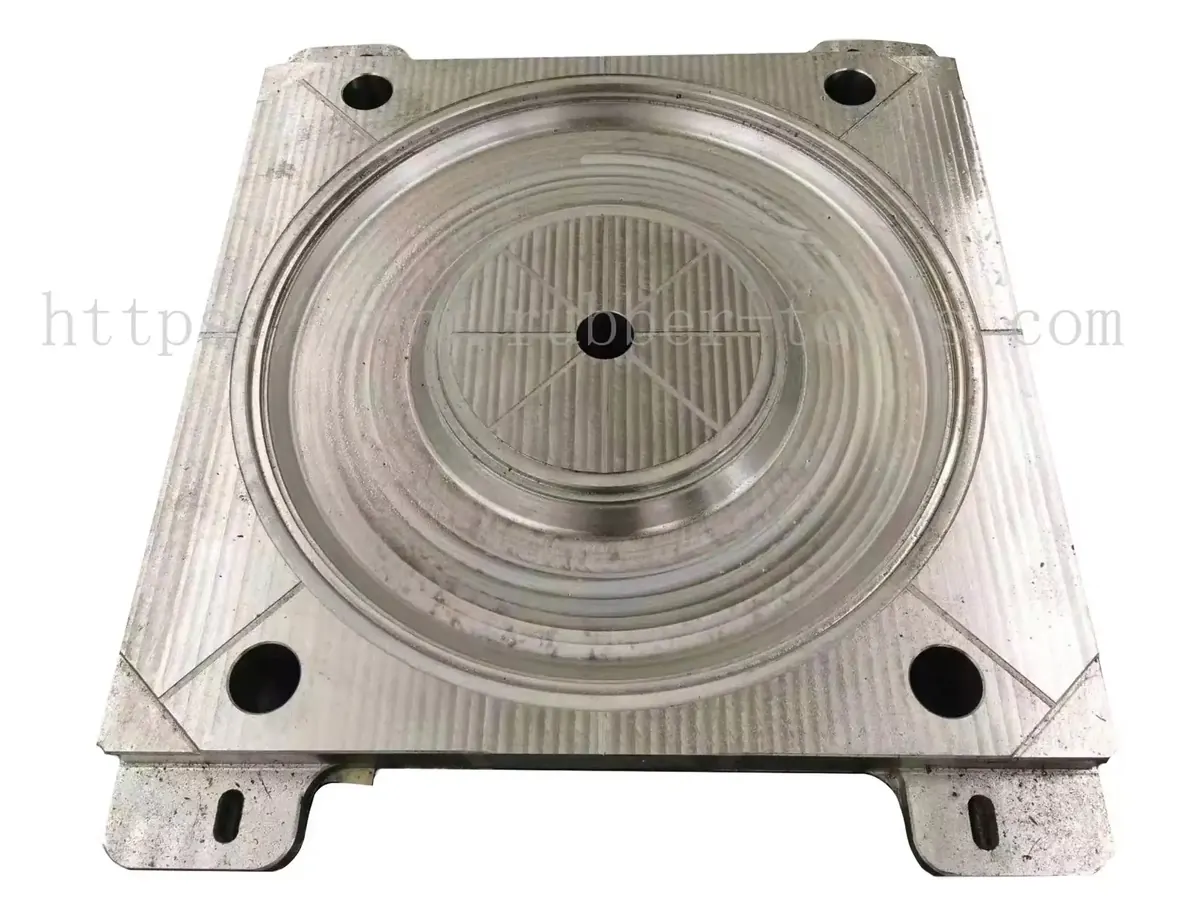
viton vs silicone o rings manufacturing

Engineering Capability: Precision in Every Seal

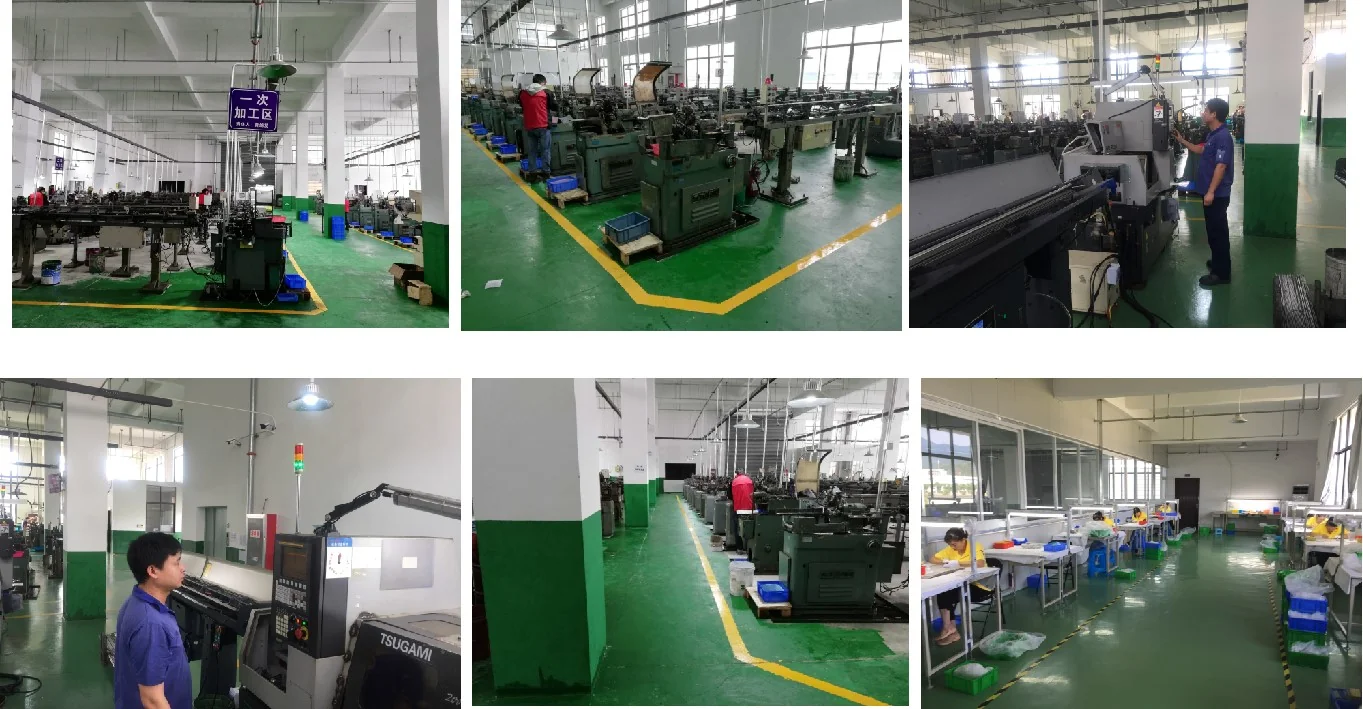
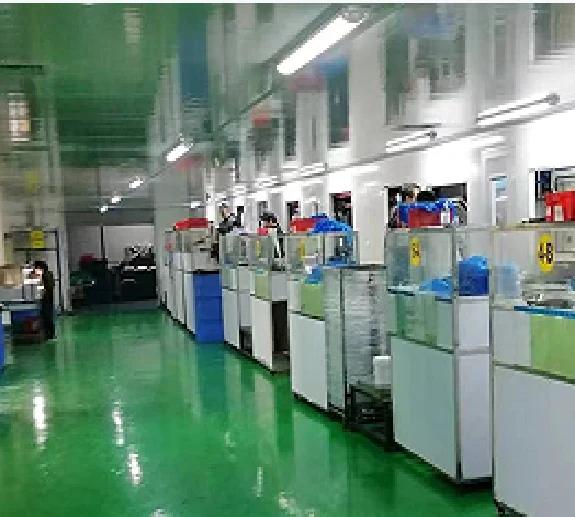
At Suzhou Baoshida Trading Co., Ltd., our engineering capability is anchored in deep technical expertise and a rigorous approach to material science and mold design. With five dedicated mold engineers and two specialized rubber formula engineers, we maintain full in-house control over the development and production of high-performance elastomeric seals, particularly in the critical comparison between Viton and silicone O rings. This integrated team enables us to deliver optimized sealing solutions tailored precisely to customer applications across aerospace, automotive, semiconductor, and industrial sectors.

Our formula engineers possess advanced knowledge in fluoroelastomer (FKM/Viton) and silicone (VMQ/PMQ) polymer chemistry. They conduct systematic evaluations of base polymer selection, cure systems, filler reinforcement, and additive packages to achieve target performance metrics such as compression set resistance, thermal stability, and chemical compatibility. For Viton formulations, our team customizes grades to enhance low-temperature flexibility while maintaining superior resistance to oils, fuels, and aggressive chemicals. For silicone, we engineer formulations that improve mechanical strength and reduce compression set, addressing common limitations of standard silicone compounds without sacrificing biocompatibility or wide temperature range performance.

The synergy between our formula development and mold engineering teams ensures seamless transition from material specification to precision tooling. Our five mold engineers utilize 3D CAD/CAM systems and mold flow simulation software to design high-tolerance molds that ensure consistent part geometry, flash control, and dimensional repeatability. This integration is critical when producing O rings with tight tolerances per ASTM D374, ISO 3601, or custom OEM specifications.

We support full OEM service capabilities, including reverse engineering of legacy seals, material substitution analysis, and rapid prototyping using in-house molding presses. Our engineering team collaborates directly with clients to review application requirements, conduct failure mode analysis, and recommend optimal material and design configurations. Whether upgrading from silicone to Viton for improved chemical resistance or reformulating silicone for enhanced durability, our technical team provides data-driven recommendations backed by material testing and real-world validation.

The following table summarizes key performance characteristics of our engineered Viton and silicone compounds:

Property Viton (FKM) Silicone (VMQ)
Temperature Range -20°C to +230°C (short peaks to 300°C) -60°C to +200°C (special grades to 250°C)
Compression Set (22 hrs, 150°C) ≤20% ≤25% (optimized formulations)
Tensile Strength 12–18 MPa 6–10 MPa
Elongation at Break 150–250% 400–600%
Fluid Resistance (oil/fuel) Excellent Poor to Fair
Chemical Resistance Outstanding (acids, aromatics) Limited (swells in hydrocarbons)
Biocompatibility Available (USP Class VI) Standard (USP Class VI)

This technical depth, combined with our OEM agility, positions Suzhou Baoshida as a strategic partner in solving complex sealing challenges where material selection and precision manufacturing are mission-critical.


Customization Process

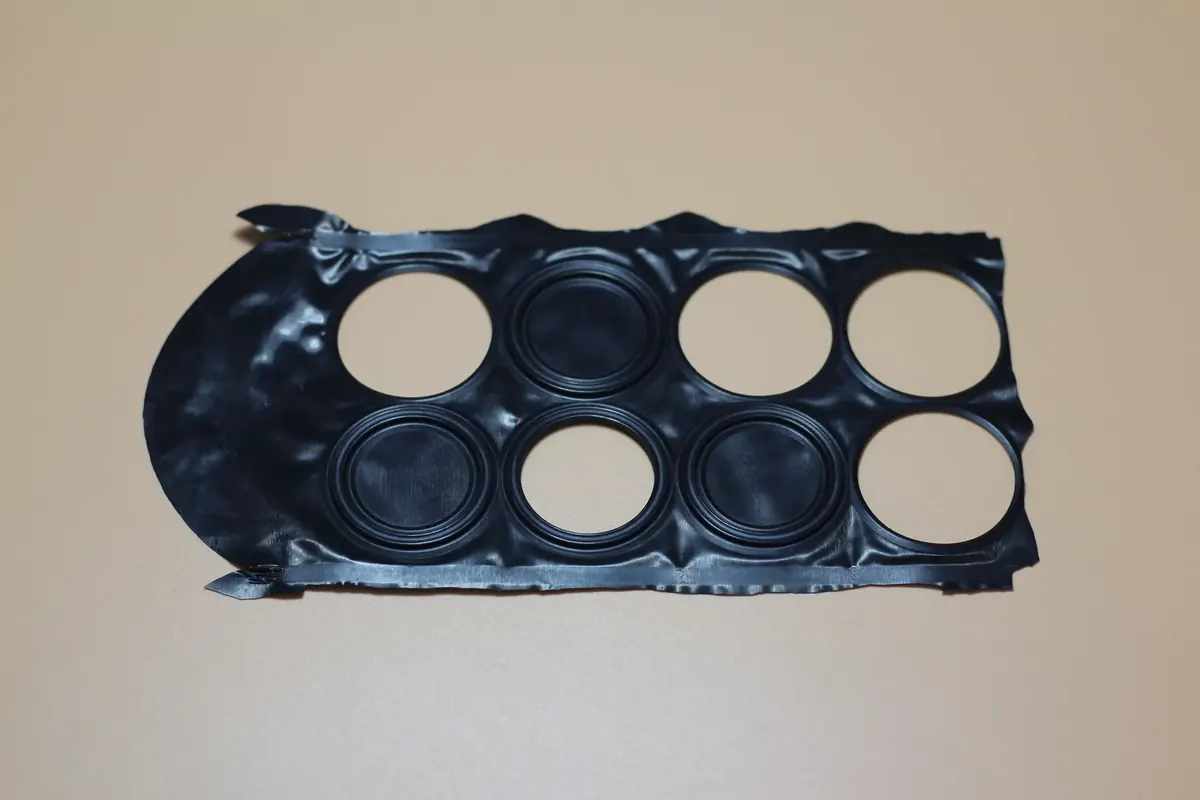
viton vs silicone o rings manufacturing

Customization Process for Viton vs Silicone O-Rings

At Suzhou Baoshida Trading Co., Ltd., our precision O-ring customization begins with rigorous drawing analysis. Engineering teams dissect client technical schematics to verify critical dimensions, tolerance classes per ISO 3601, and application-specific requirements. This phase identifies potential sealing challenges such as extrusion gaps, compression set limits, or dynamic stress points. Material selection is then anchored to operational parameters: continuous temperature exposure, fluid media compatibility, and regulatory certifications (e.g., FDA, USP Class VI). Misalignment at this stage risks premature seal failure; thus, we cross-reference ASTM D2000 material codes with real-world service conditions before proceeding.

Formulation engineering follows, leveraging our expertise in thermoset polymer chemistry. For Viton (FKM), we adjust fluorine content and cure systems to optimize resistance against automotive fuels or aggressive chemicals. Silicone (VMQ) formulations prioritize platinum-catalyzed peroxide systems for biomedical stability or enhanced tear strength in aerospace joints. Each compound is engineered to balance hardness (40–90 Shore A), compression set (<20% per ASTM D395), and elongation. Our lab validates base polymers against 50+ industrial fluids using immersion testing per ISO 1817, ensuring molecular architecture withstands specified degradation mechanisms.

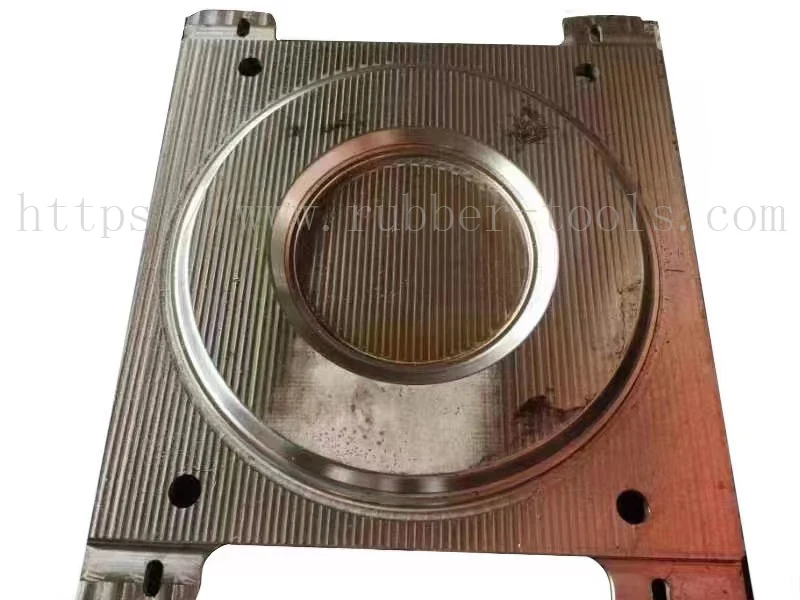
Prototyping employs precision CNC-machined molds with thermal stability controls. We produce 10–15 sample O-rings per variant for dimensional validation via CMM (Coordinate Measuring Machine) and functional testing in client-simulated environments. Critical metrics include leakage rates under pressure cycling, friction coefficients in dynamic applications, and low-temperature flexibility (TR-10 per ASTM D1329). Client feedback on prototype performance directly refines formulation or geometry—such as adjusting cross-section tolerances for hydraulic piston seals.

Mass production integrates stringent process controls. Viton compounds require multi-stage curing at 160–180°C to achieve full crosslink density, while silicone mandates precise temperature ramping to prevent scorch. Every production lot undergoes 100% visual inspection per ISO 3601-3 and batch sampling for tensile strength, durometer, and volume swell. Traceability is maintained via laser-etched lot codes, with full material test reports (MTRs) provided. Final validation includes third-party certification for critical sectors like semiconductor manufacturing (SEMI F57) or pharmaceutical processing.

Key Material Properties Comparison

Property Viton (FKM) Silicone (VMQ) Key Differentiators
Temperature Range -20°C to +230°C (short-term +300°C) -60°C to +200°C (short-term +260°C) Silicone excels in extreme cold; Viton in high-heat hydrocarbon exposure
Chemical Resistance Excellent for oils, fuels, acids Poor for hydrocarbons; good for water, oxygen Viton mandatory for fuel systems; silicone unsuitable for gasoline
Compression Set 10–15% (24h @ 200°C) 20–25% (24h @ 200°C) Viton maintains seal force longer in thermal cycling
FDA Compliance Limited grades Universal compliance Silicone preferred for food/pharma contact
Cost Factor 2.5–3.0x silicone Baseline 1.0x Viton justified for critical chemical resistance

This systematic approach ensures Viton or silicone O-rings meet exact functional demands while minimizing total cost of ownership. Suzhou Baoshida’s engineering-led workflow transforms technical drawings into validated, production-ready seals with zero compromise on precision.


Contact Engineering Team

viton vs silicone o rings manufacturing

For precision-critical applications in aerospace, automotive, chemical processing, and semiconductor manufacturing, selecting the correct elastomeric seal material is not merely a matter of preference—it is a determinant of system integrity, longevity, and safety. At Suzhou Baoshida Trading Co., Ltd., we specialize in the engineering and supply of high-performance rubber seals, with a focused expertise in Viton® and silicone o rings. Understanding the operational demands of your environment is essential, and our technical team is equipped to guide you through material selection based on temperature range, chemical exposure, compression set resistance, and regulatory compliance.

Viton® fluorocarbon rubber (FKM) offers superior resistance to high temperatures, aggressive fuels, oils, and a broad spectrum of industrial chemicals. It performs reliably in continuous service up to 200°C (392°F), with short-term excursions beyond 250°C (482°F). This makes Viton® the preferred choice for sealing applications in engine systems, oil refining, and chemical transfer equipment. In contrast, silicone rubber (VMQ) excels in extreme low-temperature environments and offers excellent resistance to ozone, UV radiation, and weathering. With a functional range from -60°C (-76°F) to 200°C (392°F), silicone is widely used in medical devices, food and beverage processing, and outdoor electrical insulation—where flexibility and biocompatibility are critical.

While both materials operate within overlapping temperature domains, their chemical compatibility profiles differ significantly. Silicone swells in the presence of hydrocarbons and is not recommended for dynamic sealing under oil exposure. Viton®, while more chemically robust, can be less flexible at cryogenic temperatures and more expensive due to fluorine content. Therefore, proper selection requires a detailed analysis of media exposure, mechanical stress, and lifecycle expectations.

Below is a comparative technical specification table for standard-grade Viton® and silicone o rings under controlled test conditions:

Property Viton® (FKM) Silicone (VMQ)
Temperature Range (Continuous) -20°C to 200°C -60°C to 200°C
Tensile Strength (MPa) 12–18 6–9
Elongation at Break (%) 200–300 400–600
Hardness (Shore A) 70–90 40–80
Compression Set (22h @ 200°C) ≤25% ≤30%
Fluid Resistance (Oil/Fuel) Excellent Poor
Ozone/UV Resistance Very Good Excellent
FDA Compliance (for specific grades) Selectively Available Widely Available

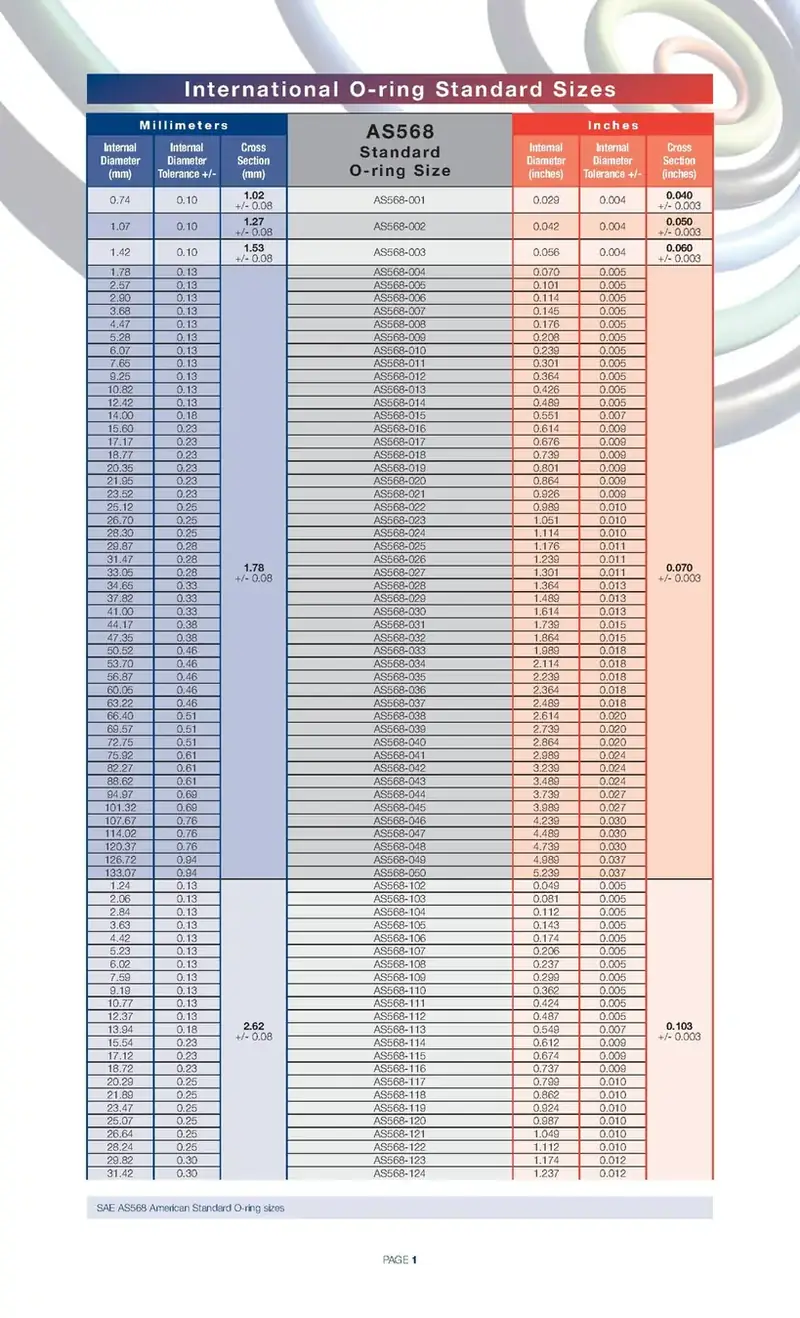
At Suzhou Baoshida, we manufacture to ISO 3601 and AS568 standards, with full traceability and customizable durometers, sizes, and certifications (including FDA, NSF, and RoHS). Our global supply chain ensures rapid fulfillment without compromising on material consistency or dimensional accuracy.

To ensure your sealing solution meets exact operational requirements, contact Mr. Boyce, OEM Technical Manager, directly at [email protected]. Include your application parameters, media type, temperature profile, and performance expectations for a tailored material recommendation and sample support.


⚖️ O-Ring Weight Calculator

Estimate rubber O-ring weight (Approx).


Viton Vs Silicone O Rings Manufacturer | Engineering Guide

Contents of Table

Contact [email protected] Whatsapp 86 15951276160