Rude Doormats Manufacturer | Engineering Guide

Engineering Guide: Rude Doormats

rude doormats manufacturing

Engineering Insight: Material Selection for High-Performance rude doormats

In industrial and commercial environments, the performance of a rudemat extends far beyond basic functionality. It serves as the first line of defense against dirt, moisture, and particulate ingress, directly impacting facility cleanliness, safety, and maintenance costs. Despite this, many facilities rely on off-the-shelf rudemat solutions constructed from generic rubber compounds or recycled materials. These products often fail prematurely due to inadequate resistance to environmental stressors, mechanical wear, and chemical exposure. At Suzhou Baoshida Trading Co., Ltd., we emphasize engineered rubber formulations tailored to operational demands, ensuring durability, safety, and long-term cost efficiency.

Standard rudemats typically utilize unvulcanized or low-grade SBR (Styrene-Butadiene Rubber) with minimal filler reinforcement. These materials exhibit poor tensile strength, low abrasion resistance, and accelerated degradation under UV exposure and temperature fluctuations. In high-traffic areas such as manufacturing plants, logistics hubs, or food processing facilities, such shortcomings manifest as cracking, surface delamination, and loss of dimensional stability. Moreover, inadequate durometer control leads to insufficient grip, increasing slip hazard risks.

In contrast, our industrial-grade rudemats are formulated using precision-compounded EPDM (Ethylene Propylene Diene Monomer) and NBR (Nitrile Butadiene Rubber), selected based on environmental exposure and mechanical loading. EPDM offers superior weather resistance, making it ideal for exterior entryways with constant UV and moisture exposure. NBR, with its exceptional oil and chemical resistance, is deployed in automotive workshops and industrial maintenance zones. Each formulation undergoes controlled vulcanization with optimized sulfur and accelerator systems to enhance cross-link density, improving elasticity and fatigue resistance.

Reinforcement is achieved through calibrated filler systems, including precipitated silica and carbon black, which significantly improve wear resistance without compromising flexibility. Surface texture is engineered using mold-etched patterns with defined cleat geometry to maximize debris scraping and moisture channeling, critical for effective soil removal.

The following table outlines key performance specifications of our engineered rubber rudemats compared to standard commercial alternatives:

Property Engineered EPDM/NBR Mat Standard SBR/Recycled Mat
Tensile Strength ≥18 MPa ≤9 MPa
Elongation at Break ≥450% ≤250%
Shore A Hardness 65–75 50–60
Abrasion Loss (DIN 53516) ≤90 mm³ ≥180 mm³
Operating Temperature Range -40°C to +130°C -10°C to +70°C
UV Resistance Excellent (1,000+ hrs QUV) Poor (fails <300 hrs)
Chemical Resistance High (oils, acids, alkalis) Low to moderate

Custom formulation allows for compliance with ISO 4000-2 (slip resistance) and ASTM D429 (rubber-to-metal adhesion) where applicable. By prioritizing material science over mass production, Suzhou Baoshida delivers rudemats that perform reliably under real-world industrial conditions, reducing replacement frequency and lifecycle costs. Material selection is not a commodity decision—it is a critical engineering parameter.


Material Specifications

rude doormats manufacturing

Material Specifications for Industrial-Grade Doormat Compounds

Suzhou Baoshida Trading Co., Ltd. specializes in engineered rubber solutions for demanding industrial environments. Our “rude doormats” – high-abrasion, chemical-resistant entrance mats designed for heavy foot traffic and harsh conditions – require precise elastomer selection. Material choice directly impacts longevity, safety, and operational cost. Below we detail the core compounds utilized in our OEM formulations: Viton (FKM), Nitrile (NBR), and Silicone (VMQ). Each offers distinct performance profiles critical for industrial applications where standard rubber fails.

Viton fluorocarbon rubber delivers exceptional resistance to aggressive chemicals, including concentrated acids, jet fuels, and hydraulic fluids. Its molecular stability ensures minimal swelling or degradation in solvent-rich environments like chemical processing plants or aerospace hangars. Operating effectively from -20°C to 250°C, Viton maintains integrity under extreme thermal cycling. While its high raw material cost positions it for specialized use, its unparalleled chemical inertness justifies deployment where NBR or Silicone would rapidly deteriorate. Shore hardness typically ranges 70–90A, providing firm tread stability without compromising slip resistance.

Nitrile butadiene rubber remains the industrial standard for oil and grease resistance. Optimized for petroleum-based contaminants common in automotive workshops, manufacturing floors, and logistics hubs, NBR formulations achieve 50–90A Shore hardness. This balance delivers robust abrasion resistance against grit and debris while retaining flexibility at low temperatures down to -40°C. Cost-effective and readily customizable, NBR compounds form the backbone of our high-traffic doormat lines. Critical for fluid-handling zones, NBR’s tensile strength (15–25 MPa) ensures structural resilience against repeated mechanical stress.

Silicone rubber excels in extreme temperature applications, functioning reliably from -60°C to 230°C. Its non-toxic composition and biocompatibility make it ideal for regulated environments like pharmaceutical cleanrooms or food processing facilities. While silicone offers superior UV and ozone resistance for outdoor exposure, its lower abrasion resistance compared to NBR necessitates strategic reinforcement in high-wear zones. Shore hardness spans 30–80A, allowing tailored surface texture for optimal traction. Limitations include poor resistance to hydrocarbons and higher compression set, requiring careful application assessment.

The following table summarizes critical performance parameters for informed material selection:

Material Key Properties Temperature Range Chemical Resistance Abrasion Resistance Typical Applications
Viton (FKM) High chemical inertness, low gas permeability -20°C to 250°C Excellent: Acids, solvents, fuels High Chemical plants, refineries, aerospace
Nitrile (NBR) Oil/fuel resistance, high tensile strength -40°C to 120°C Excellent: Oils, greases; Poor: Ozone Very High Automotive workshops, factories, garages
Silicone (VMQ) Extreme temp stability, biocompatible -60°C to 230°C Poor: Hydrocarbons; Good: Water, steam Moderate Cleanrooms, food processing, outdoor use

Material selection must align with specific environmental stressors. For mixed contaminant exposure, our OEM team develops hybrid compounds – such as NBR-silicone blends – to balance cost and performance. All formulations undergo ASTM D2240 hardness testing and ISO 48 abrasion validation per client specifications. Suzhou Baoshida prioritizes data-driven compound optimization, ensuring each doormat meets ISO 10545 safety standards while maximizing service life in your operational context. Consult our engineering team for application-specific validation testing and custom durometer adjustments.


Manufacturing Capabilities

rude doormats manufacturing

Engineering Capability

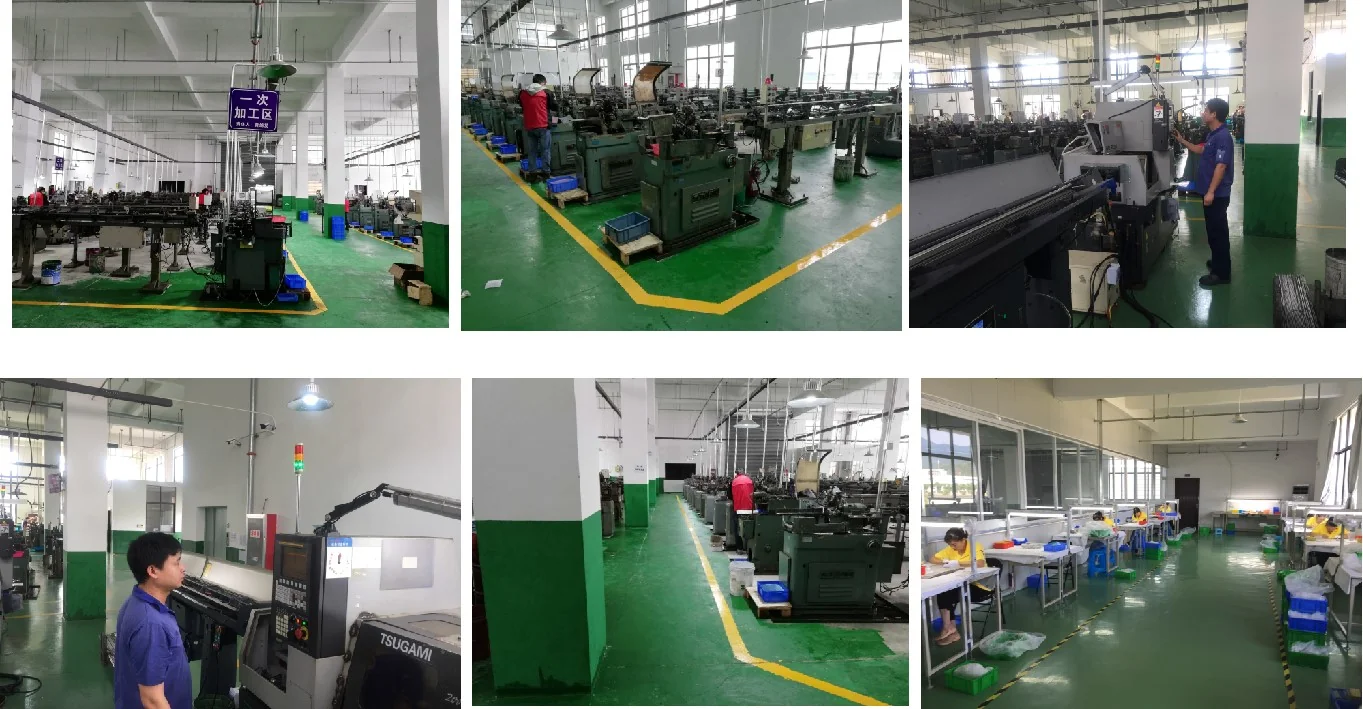
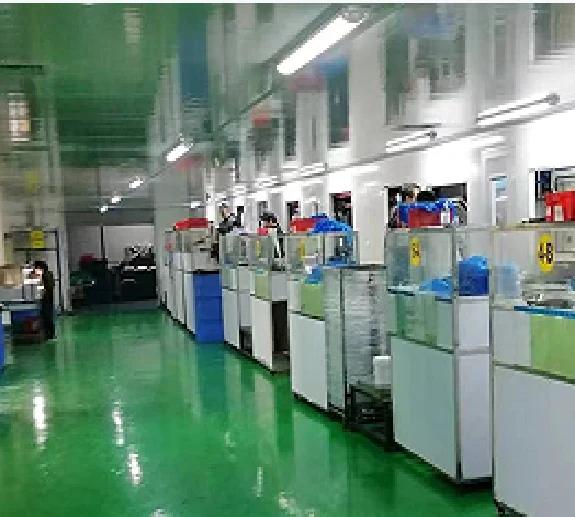
Suzhou Baoshida Trading Co., Ltd. operates at the forefront of industrial rubber formulation and precision mold design, delivering engineered solutions tailored to the rigorous demands of commercial and industrial flooring applications. Our in-house engineering team comprises five dedicated mold designers and two specialized rubber formula engineers, enabling full vertical integration from material development to mold fabrication and final product validation. This integrated approach ensures that every rude doormat produced meets exacting performance benchmarks in durability, abrasion resistance, and environmental resilience.

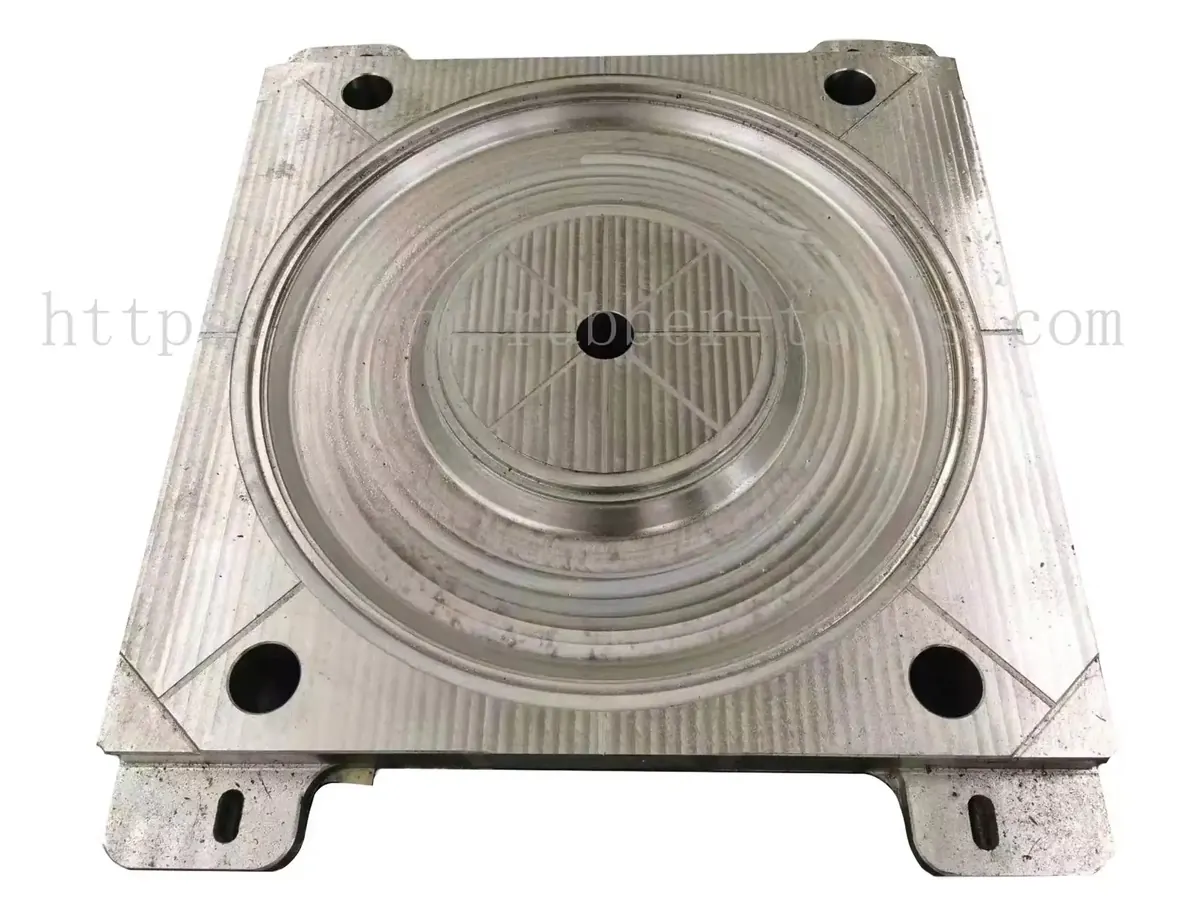
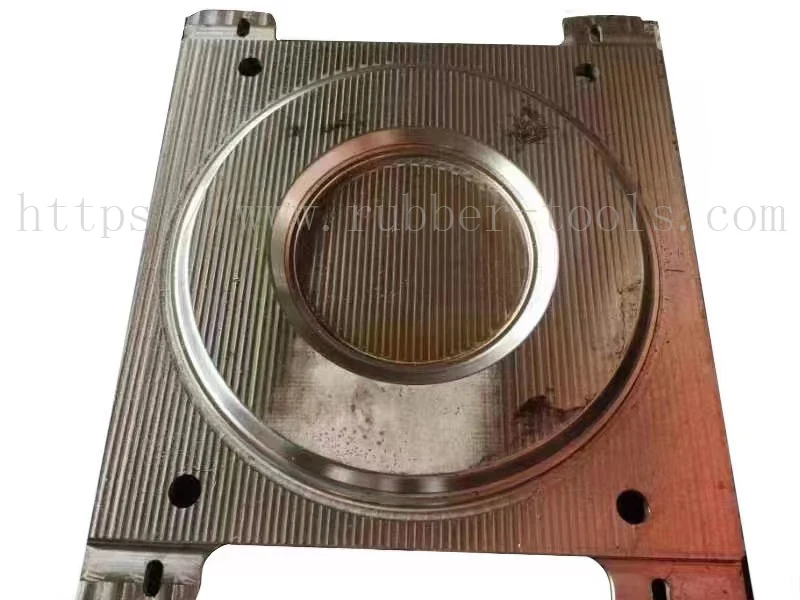
Our mold engineers utilize advanced CAD/CAM software and CNC machining techniques to develop high-tolerance steel and aluminum molds capable of withstanding high-volume production cycles. Each mold is designed for optimal material flow, ejection efficiency, and surface texture replication, ensuring consistent embossing of intricate patterns that define the functional and aesthetic qualities of rude doormats. Finite element analysis (FEA) is routinely applied to predict stress points and optimize structural integrity, reducing cycle times and minimizing defects.

Complementing mold development is our proprietary rubber formulation expertise. The two full-time formula engineers on staff specialize in custom compounding of SBR, natural rubber, and nitrile-based formulations, tailored to meet specific requirements for hardness, traction, oil resistance, and UV stability. By controlling the formulation process internally, we eliminate reliance on third-party rubber suppliers, allowing precise adjustments to meet OEM brand standards. All formulations undergo accelerated aging, tensile testing, and slip-resistance evaluation in our on-site laboratory to ensure long-term performance under real-world conditions.

OEM collaboration is central to our engineering philosophy. We support clients from concept to量产 (mass production), offering design for manufacturing (DFM) feedback, prototype validation, and batch traceability. Our facility is equipped to handle low-volume custom runs as well as high-volume OEM contracts, with strict adherence to ISO 9001 quality management protocols. Tooling ownership remains with the client, and we maintain secure, long-term storage of molds and formulations for reorders.

Through the synergy of mold precision and material science, Suzhou Baoshida delivers technically superior rubber doormats that combine functional robustness with brand-specific design integrity. Our engineering team stands ready to co-develop solutions that meet exact market positioning, regulatory compliance, and performance expectations.

Specification Detail
Mold Engineers 5 (in-house)
Formula Engineers 2 (in-house)
Primary Rubber Types SBR, Natural Rubber, Nitrile
Hardness Range (Shore A) 45–75
Mold Materials H13 Steel, Aluminum 6061
CAD/CAM Software SolidWorks, AutoCAD, Mastercam
Testing Capabilities Tensile Strength, Abrasion Resistance, Slip Resistance (DIN 51130), UV Aging
OEM Services Full DFM Support, Prototype Development, Batch Traceability, Tooling Custody

Customization Process

rude doormats manufacturing

Customization Process for Industrial Rubber Doormats

Suzhou Baoshida Trading Co., Ltd. implements a rigorous four-stage customization workflow for OEM rubber doormat production, ensuring technical alignment with client specifications and operational scalability. This process begins with Drawing Analysis, where engineering teams dissect client-provided CAD files or technical sketches to validate dimensional tolerances, surface texture requirements, and structural integrity under load. We verify compliance with ISO 13071 standards for pedestrian matting, cross-referencing substrate adhesion points and edge stability metrics. Any ambiguities in draft specifications trigger immediate collaborative refinement with the client to prevent downstream deviations.

The Formulation phase follows, translating geometric data into precise material science parameters. Our rubber compounders select base polymers, fillers, vulcanizing agents, and additives based on the doormat’s intended environment—indoor, outdoor, high-traffic commercial, or chemical-exposed zones. Critical factors include abrasion resistance, slip coefficient (per ASTM F2913), UV stability, and hardness (Shore A scale). Below outlines standard material options and their performance profiles:

Material Type Key Properties Recommended Applications
SBR (Styrene-Butadiene Rubber) Shore A 55–70, moderate UV resistance, cost-efficient Indoor lobbies, low-moisture environments
EPDM (Ethylene Propylene Diene Monomer) Shore A 60–75, exceptional ozone/weather resistance, -50°C to 135°C range Outdoor entrances, coastal regions, extreme climates
TPE (Thermoplastic Elastomer) Shore A 45–65, recyclable, rapid cycle molding Eco-conscious projects, lightweight modular designs

Prototyping validates both material selection and manufacturability. Using client-approved formulations, we produce 3–5 physical samples via compression molding at pilot-scale presses. Each prototype undergoes accelerated wear testing (50,000+ simulated footsteps), chemical exposure trials (e.g., 10% NaCl solution for de-icing salt resistance), and dimensional re-scanning against the original CAD model. Client feedback on texture, color fastness, and debris-trapping efficacy is integrated within 72 hours, with iterative adjustments to compound ratios or mold geometry if required.

Mass Production commences only after formal client sign-off on prototypes. Our Suzhou facility deploys automated 200–500 ton hydraulic presses with ±0.5mm mold alignment precision, operating at 160–180°C vulcanization temperatures. Real-time quality control includes inline durometer checks, visual inspection under 500-lux lighting, and batch sampling for tensile strength (per GB/T 528). Production runs exceeding 10,000 units implement statistical process control (SPC) charts to monitor cure kinetics and surface defect rates, maintaining <0.3% non-conformance. Final shipments include material traceability logs and third-party test certificates for ISO 9001 compliance.

This structured approach minimizes time-to-market while guaranteeing that every doormat meets the exact functional and durability demands of industrial and commercial end-users. Suzhou Baoshida’s integration of material science rigor with scalable manufacturing ensures zero compromise between customization and consistency.


Contact Engineering Team

rude doormats manufacturing

For industrial manufacturers seeking high-performance rubber solutions tailored to demanding environments, Suzhou Baoshida Trading Co., Ltd. stands as a trusted partner in precision rubber formulation and OEM development. Our expertise extends beyond standard rubber products—we engineer resilient, application-specific materials designed to withstand abrasion, compression, chemical exposure, and extreme temperatures. As a leader in industrial rubber technology, we specialize in custom formulations for sectors including automotive, construction, logistics, and heavy machinery, where durability and consistency are non-negotiable.

Our engineered rubber compounds are optimized for functional longevity, ensuring that every product—especially high-traffic applications such as industrial doormats—delivers maximum performance under real-world conditions. These “rude doormats,” as they are colloquially termed, are not merely entryway accessories but engineered floor systems designed to remove debris, retain moisture, and endure relentless foot and equipment traffic. At Suzhou Baoshida, we formulate rubber matrices with enhanced tensile strength, anti-slip surface profiles, and UV-resistant additives to ensure dimensional stability and prolonged service life, even in harsh outdoor or industrial settings.

Partnering with us means access to end-to-end technical support, from initial material selection and hardness calibration to mold design and large-scale production. Our in-house R&D team works closely with clients to fine-tune Shore A hardness, durometer tolerance, and compound resilience to meet exact operational demands. Whether you require EPDM for ozone resistance, SBR for cost-effective durability, or custom blends with recycled rubber content, our formulations are validated through rigorous ASTM and ISO testing protocols.

Below are key technical specifications for our standard industrial rubber doormat formulation:

Property Test Method Typical Value
Hardness (Shore A) ASTM D2240 65 ± 5
Tensile Strength ASTM D412 ≥ 12 MPa
Elongation at Break ASTM D412 ≥ 250%
Compression Set (22 hrs at 70°C) ASTM D395 ≤ 20%
Abrasion Resistance (Taber Wheel) ASTM D1044 ≤ 80 mg loss
Operating Temperature Range -40°C to +90°C
Specific Gravity ASTM D792 1.15 ± 0.05
Color Options Black, Gray, Custom (Pantone Match)

All materials are compliant with REACH and RoHS standards, and we support low-odor, low-emission variants for indoor or sensitive environments.

To initiate a technical collaboration or request a custom formulation analysis for your industrial doormat or rubber component project, contact Mr. Boyce, Rubber Formula Engineer and OEM Manager, directly at [email protected]. Include your application requirements, volume expectations, and any performance benchmarks for a targeted response within 24 business hours. At Suzhou Baoshida, we don’t just supply rubber—we engineer performance.


⚖️ O-Ring Weight Calculator

Estimate rubber O-ring weight (Approx).


Rude Doormats Manufacturer | Engineering Guide

Contents of Table

Contact [email protected] Whatsapp 86 15951276160