Rubber Cable Ramp Manufacturer | Engineering Guide

Engineering Guide: Rubber Cable Ramp

rubber cable ramp manufacturing

Engineering Insight: Material Science as the Foundation of Reliable Cable Ramp Performance

Industrial cable ramps face extreme operational demands that generic rubber compounds cannot sustain. Off-the-shelf solutions frequently fail due to inadequate material formulation, leading to premature degradation, safety hazards, and unplanned downtime. The core issue lies in the misalignment between standard compound properties and the multifaceted stresses encountered in real-world applications. Standard ramps often utilize basic EPDM or SBR blends optimized for low cost and simple molding, not for the combined assault of heavy rolling loads, hydrocarbon exposure, UV radiation, temperature extremes, and repeated flexing. These compounds exhibit insufficient crosslink density, poor filler dispersion, and inadequate antioxidant packages. Consequently, critical failure modes emerge: rapid compression set causes permanent deformation under load, compromising cable protection and creating trip hazards; inadequate oil resistance leads to swelling and loss of structural integrity when exposed to hydraulic fluids or lubricants; poor tensile strength and tear resistance result in tread separation or edge cracking under wheel traffic; and insufficient UV stabilizers accelerate surface hardening and cracking. The financial impact extends far beyond the initial purchase price, as ramp failure halts site operations, risks equipment damage, and incurs significant labor costs for emergency replacement.

Material selection must address the specific chemical and mechanical environment. Suzhou Baoshida Trading Co., Ltd. engineers proprietary peroxide-cured EPDM formulations with high saturation levels, specialized carbon black systems, and synergistic antioxidant packages. This approach delivers superior resistance to ozone, weathering, and a broad spectrum of industrial fluids while maintaining exceptional resilience and recovery. The critical differentiator is optimizing the compound for low compression set (<20% per ASTM D395 Method B after 22h @ 70°C) – essential for maintaining the ramp’s protective channel geometry under continuous load. Generic compounds often exceed 40% compression set under the same conditions, leading to irreversible deformation.

The following table contrasts key performance characteristics between common material approaches:

Property Standard Off-the-Shelf EPDM Premium Formulated EPDM (Baoshida) Natural Rubber (NR)
Tensile Strength (MPa) 8-12 15-18 20-25
Elongation at Break (%) 250-350 300-400 500-650
Compression Set (ASTM D395 B) 35-50% 15-20% 40-60%
Oil Resistance (IRMOG 1) Poor (Swelling >50%) Excellent (Swelling <15%) Very Poor (>100%)
Shore A Hardness (After Aging) Degrades significantly Stable (±3 points) Hardens rapidly
Primary Failure Mode Permanent deformation, cracking Minimal deformation, long service life Rapid oxidation, tackiness

The data underscores why generic solutions fail: they prioritize initial cost over functional longevity. Baoshida’s engineered compounds undergo rigorous validation under simulated site conditions, including accelerated aging with combined UV, heat, and fluid exposure. This precision formulation ensures the rubber maintains its viscoelastic properties, protecting critical infrastructure and personnel. For OEMs, specifying material performance to these engineered standards is not an incremental cost – it is a strategic investment preventing exponentially higher costs associated with ramp failure and operational disruption. Downtime costs typically exceed the material premium within six months of deployment.


Material Specifications

rubber cable ramp manufacturing

Material Specifications for Rubber Cable Ramps

The performance and longevity of rubber cable ramps in industrial environments are directly influenced by the elastomeric materials used in their construction. At Suzhou Baoshida Trading Co., Ltd., we engineer cable ramps using high-performance rubber compounds tailored to meet diverse operational demands, including resistance to oils, extreme temperatures, mechanical stress, and environmental degradation. Among the most effective materials for this application are Viton (FKM), Nitrile (NBR), and Silicone (VMQ). Each offers distinct advantages depending on the service conditions, and selecting the appropriate compound is critical for ensuring reliability, safety, and durability in demanding installations.

Viton, a fluorocarbon-based rubber, delivers exceptional resistance to high temperatures, ozone, and a broad range of aggressive chemicals, including hydrocarbons, fuels, and many acids. Its thermal stability extends up to 250°C, making it ideal for use in oil and gas facilities, chemical processing plants, and high-temperature industrial zones. While Viton is more expensive than other elastomers, its long service life in harsh environments provides a favorable total cost of ownership. Additionally, its low gas permeability and excellent aging characteristics ensure consistent performance over time.

Nitrile rubber, or Buna-N, is widely used due to its excellent resistance to oils, greases, and aliphatic hydrocarbons. With a service temperature range of -30°C to 120°C, Nitrile is well-suited for applications involving frequent exposure to hydraulic fluids and lubricants, such as in manufacturing plants and mobile equipment operations. It offers good abrasion resistance and mechanical strength, contributing to the structural integrity of cable ramps subjected to heavy traffic. While not as thermally stable as Viton, Nitrile provides a cost-effective solution for environments where chemical exposure is moderate and temperature extremes are limited.

Silicone rubber stands out for its outstanding flexibility across a wide temperature range (-60°C to 200°C) and excellent resistance to UV radiation and ozone. It is non-reactive and maintains elasticity under thermal cycling, making it suitable for outdoor installations and applications requiring consistent performance in freezing or hot climates. However, silicone has lower tensile strength and abrasion resistance compared to Viton and Nitrile, so it is often reinforced or used in non-load-bearing sections of cable ramp systems.

The following table compares the key physical and chemical properties of these materials to assist in material selection:

Property Viton (FKM) Nitrile (NBR) Silicone (VMQ)
Temperature Range (°C) -20 to 250 -30 to 120 -60 to 200
Oil and Fuel Resistance Excellent Excellent Poor to Fair
Chemical Resistance Excellent Good Fair
UV and Ozone Resistance Excellent Good Excellent
Tensile Strength High High Moderate
Abrasion Resistance Good Excellent Fair
Compression Set Resistance Excellent Good Good
Typical Applications Oil & gas, chemical plants Manufacturing, hydraulics Outdoor, extreme cold/heat

Selecting the appropriate rubber compound ensures that cable ramps perform reliably under specific environmental and mechanical stresses. Suzhou Baoshida Trading Co., Ltd. provides customized solutions based on these material properties to meet the exact needs of industrial clients worldwide.


Manufacturing Capabilities

Engineering Capability: Precision Rubber Cable Ramp Development

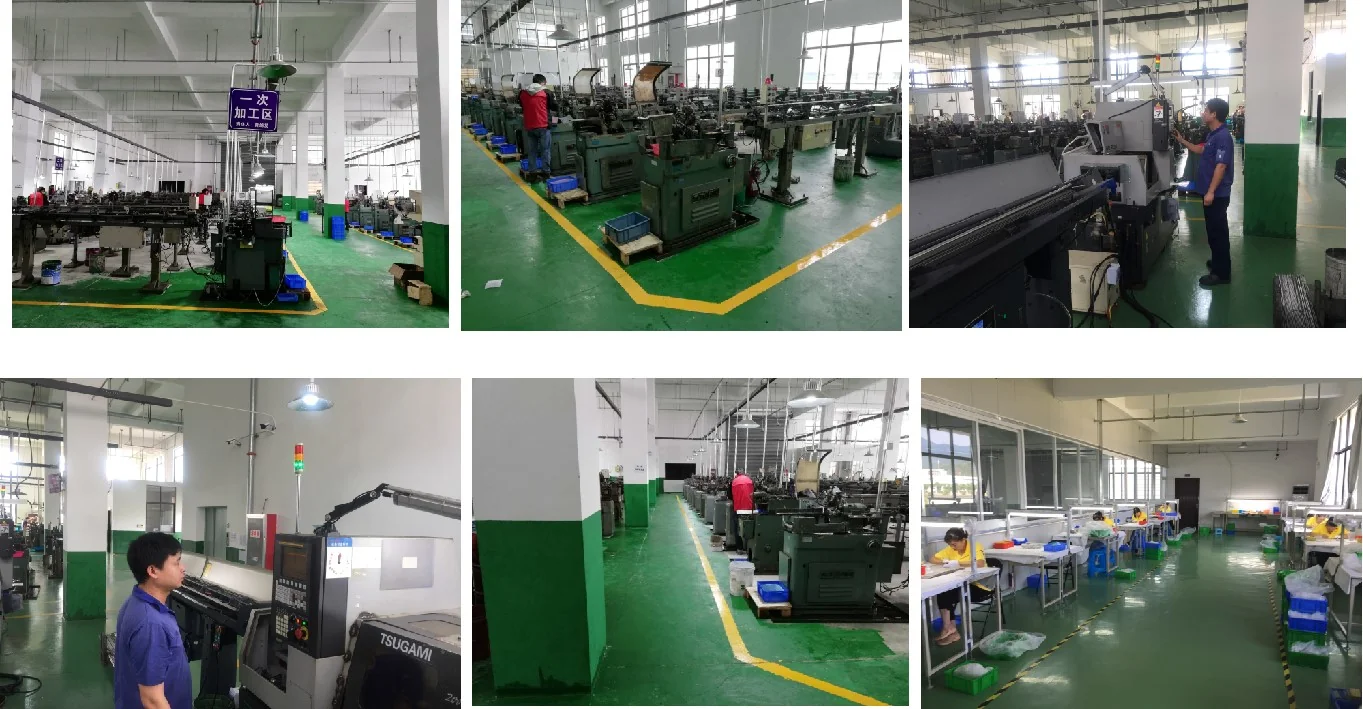
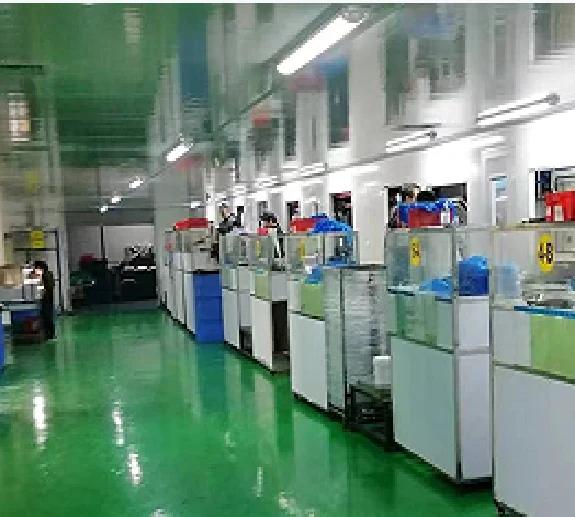
Suzhou Baoshida Trading Co., Ltd. leverages deep material science expertise and advanced manufacturing infrastructure to deliver industrial-grade rubber cable ramps. Our core engineering team comprises five dedicated Mould Engineers and two specialized Rubber Formula Engineers, ensuring end-to-end control over product performance and manufacturability. This integrated approach eliminates external dependencies, accelerating development cycles while meeting stringent OEM specifications for durability, safety, and environmental resilience.

Our Rubber Formula Engineers focus on polymer matrix optimization for cable ramp applications. Through precise control of elastomer selection (primarily SBR, EPDM, and specialty nitrile blends), filler dispersion, and crosslink density, we achieve targeted mechanical properties. Key outcomes include abrasion resistance exceeding 120 mm³ loss (ASTM D5963), consistent Shore A hardness tolerances of ±3 points, and operational stability across extreme temperatures. Critical additives—such as UV stabilizers, ozone inhibitors, and flame retardants—are quantified via rheometry and DSC analysis to prevent premature degradation under continuous load or outdoor exposure. This granular compound design directly translates to extended service life in demanding environments like construction sites, event venues, and industrial facilities.

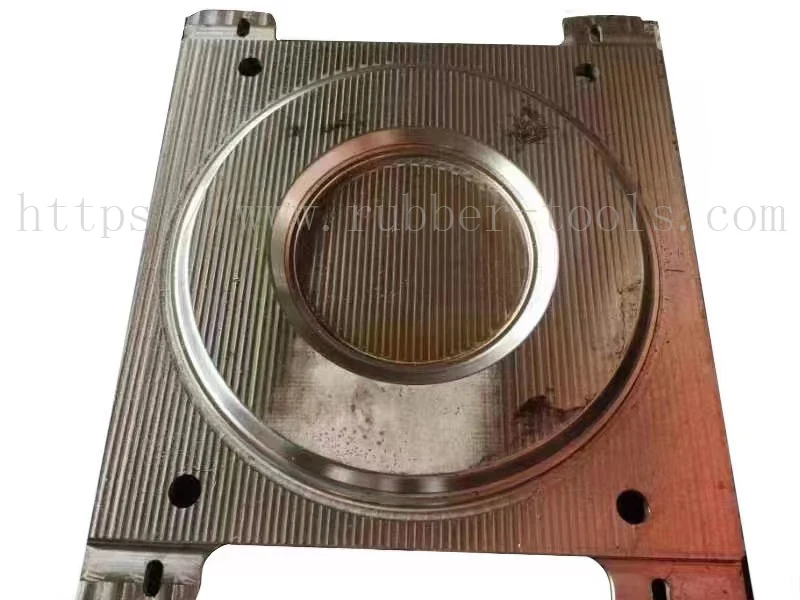
The Mould Engineering team employs finite element analysis (FEA) to simulate stress distribution during cable ramp compression and recovery. This enables cavity geometry refinement for uniform wall thickness, eliminating sink marks and ensuring structural integrity at high-traffic contact points. Concurrently, our OEM workflow supports full customization: clients provide load ratings, cable diameter ranges, and regulatory requirements (e.g., CE, RoHS), and we deliver validated prototypes within 15 business days. Tooling modifications for color integration, non-slip textures, or embedded reinforcement are executed in-house, reducing lead times by 30% versus third-party vendors.

Material performance is rigorously validated against industry benchmarks. The table below summarizes standard specifications for our flagship cable ramp compound, adaptable per OEM directives:

Property Test Standard Typical Value
Shore A Hardness ASTM D2240 65 ± 3
Tensile Strength ASTM D412 ≥12.0 MPa
Elongation at Break ASTM D412 ≥300%
Compression Set (22h/70°C) ASTM D395 ≤25%
Operating Temperature -40°C to +100°C
Abrasion Resistance ASTM D5963 ≤120 mm³
Flame Resistance UL 94 HB rated

Quality assurance is embedded at every phase. Raw material batches undergo spectrometric verification, while in-process checks monitor cure kinetics via moving die rheometry. Final products are subjected to dynamic load testing (simulating 10,000+ vehicle passes) and dimensional audits using CMM equipment. This closed-loop system guarantees batch-to-batch consistency, with CPK values >1.67 for critical dimensions. For OEM partners, we provide full traceability via digital batch records and material certificates, ensuring compliance with global safety standards. Suzhou Baoshida’s engineering synergy transforms client specifications into mission-ready rubber solutions—where formula science and precision moulding converge for uncompromised performance.


Customization Process

rubber cable ramp manufacturing

Customization Process for Rubber Cable Ramps at Suzhou Baoshida Trading Co., Ltd.

At Suzhou Baoshida Trading Co., Ltd., our industrial rubber solutions are engineered for performance, durability, and application-specific precision. The customization process for rubber cable ramps follows a rigorous four-stage workflow: Drawing Analysis, Formulation Development, Prototyping, and Mass Production. This structured approach ensures that every product meets exact client specifications while maintaining compliance with international industrial standards.

The process begins with Drawing Analysis, where our engineering team evaluates technical blueprints provided by the client. This includes assessing dimensions, load-bearing requirements, cable channel configurations, surface texture needs, and environmental exposure conditions. We verify clearances, slope angles, and structural integrity to ensure optimal functionality under real-world conditions. Our engineers use CAD-based validation tools to simulate mechanical stress and deformation, guaranteeing that the design supports both safety and longevity.

Following drawing validation, we proceed to Formulation Development. Based on the operational environment—such as exposure to UV radiation, oil, ozone, extreme temperatures, or heavy traffic—we select the appropriate rubber compound. Our in-house polymer laboratory formulates custom blends using natural rubber (NR), styrene-butadiene rubber (SBR), ethylene propylene diene monomer (EPDM), or nitrile rubber (NBR), depending on the performance criteria. Key properties such as Shore A hardness, tensile strength, elongation at break, and compression set are precisely tuned to meet application demands.

Once the formulation is finalized, we initiate Prototyping. Using precision molds manufactured in-house, we produce a small batch of sample cable ramps. These prototypes undergo rigorous testing, including load compression tests (up to 10 tons), slip resistance evaluation, and thermal cycling. Clients receive physical samples along with material test reports for review. Feedback is incorporated into final adjustments before approval for full-scale production.

The final stage is Mass Production, executed in our ISO-certified manufacturing facility. Automated vulcanization presses, CNC mold cutting, and inline quality inspection systems ensure consistency across large orders. We maintain batch traceability and conduct random sampling per ASTM and ISO standards to verify dimensional accuracy and material performance.

All rubber cable ramps are customized to client specifications, with scalable production capacity to support both pilot projects and long-term supply agreements.

Specification Standard Range Customization Capability
Dimensions (L×W×H) 300–2000 mm × 300–1000 mm × 30–150 mm Fully customizable
Shore A Hardness 50–85 Adjustable in increments of ±5
Operating Temperature -40°C to +120°C Extended range upon request
Load Capacity Up to 10 tons per axle Reinforced variants available
Material Options NR, SBR, EPDM, NBR Blends with fillers/additives
Color Black, gray, yellow, red Custom color matching (Pantone)

Contact Engineering Team

rubber cable ramp manufacturing

Precision Engineering Solutions for Industrial Cable Ramp Applications

Suzhou Baoshida Trading Co., Ltd. stands at the forefront of advanced industrial rubber compounding and manufacturing, specifically engineered to meet the rigorous demands of critical infrastructure. Our rubber cable ramps are not merely protective covers; they represent the culmination of precise material science, stringent quality control, and deep application-specific understanding. We specialize in developing formulations that deliver exceptional resilience against crushing forces, extreme temperature fluctuations, continuous abrasion, and chemical exposure inherent in demanding worksites, data centers, and industrial facilities. Achieving optimal performance requires more than standard off-the-shelf products; it necessitates collaboration with a partner possessing granular control over the rubber matrix, vulcanization profiles, and structural integrity. Our in-house R&D team, operating within ISO 9001-certified processes, meticulously tailors every compound to exceed the mechanical and environmental requirements of your unique operational environment, ensuring long-term reliability and safety compliance.

The technical superiority of our cable ramps is quantifiable through critical performance parameters. Below is a representative specification profile for our standard heavy-duty industrial series, demonstrating the baseline precision achievable. Custom formulations consistently surpass these benchmarks based on client-specified load profiles, regulatory standards (e.g., UL, CE), and site conditions.

Specification Parameter Standard Heavy-Duty Value Testing Standard Significance for Application
Shore A Hardness 70 ± 5 ASTM D2240 Optimal balance: surface traction & load absorption
Tensile Strength ≥ 18 MPa ASTM D412 Resistance to tearing during installation/use
Elongation at Break ≥ 400% ASTM D412 Flexibility under dynamic loads & temperature shifts
Compression Set (22h, 70°C) ≤ 25% ASTM D395 Method B Maintains sealing force & shape recovery long-term
Operating Temperature Range -40°C to +100°C Internal Validation Performance stability in extreme climates
Static Load Capacity (per ramp) 15,000 kg ISO 14855 Supports heavy equipment traffic without deformation
Flame Resistance UL 94 HB UL 94 Meets basic fire safety requirements
Oil & Fuel Resistance Excellent ASTM D471 Critical protection in industrial/marine settings

Partnering with Suzhou Baoshida means transitioning from generic solutions to engineered performance. Our OEM management process ensures seamless integration, from initial technical consultation and material sampling through volume production and just-in-time logistics. We understand that downtime costs are paramount; therefore, our commitment extends beyond the product to responsive technical support and supply chain resilience. Do not compromise on the integrity of your cable protection system where failure carries significant operational and safety risks.

Initiate the process for a technically validated solution today. Contact Mr. Boyce, our dedicated OEM Manager and Rubber Formula Specialist, directly to discuss your specific application challenges, material requirements, and volume needs. Mr. Boyce possesses the authority and technical expertise to expedite material reviews, coordinate custom formulation development, and establish a production schedule aligned precisely with your project timeline. Provide him with your load specifications, environmental conditions, regulatory mandates, and target dimensions for a rapid assessment and formal quotation. His engineering-focused approach ensures your inquiry receives the technical scrutiny it demands, not merely a sales response.

Reach Mr. Boyce via email at [email protected]. Include detailed project parameters to enable an immediate, actionable technical evaluation. Suzhou Baoshida Trading Co., Ltd. is prepared to deliver the precision-engineered rubber cable ramp solution your critical infrastructure requires, backed by rigorous science and industrial-grade manufacturing excellence. Your optimized cable protection pathway begins with this direct technical engagement.


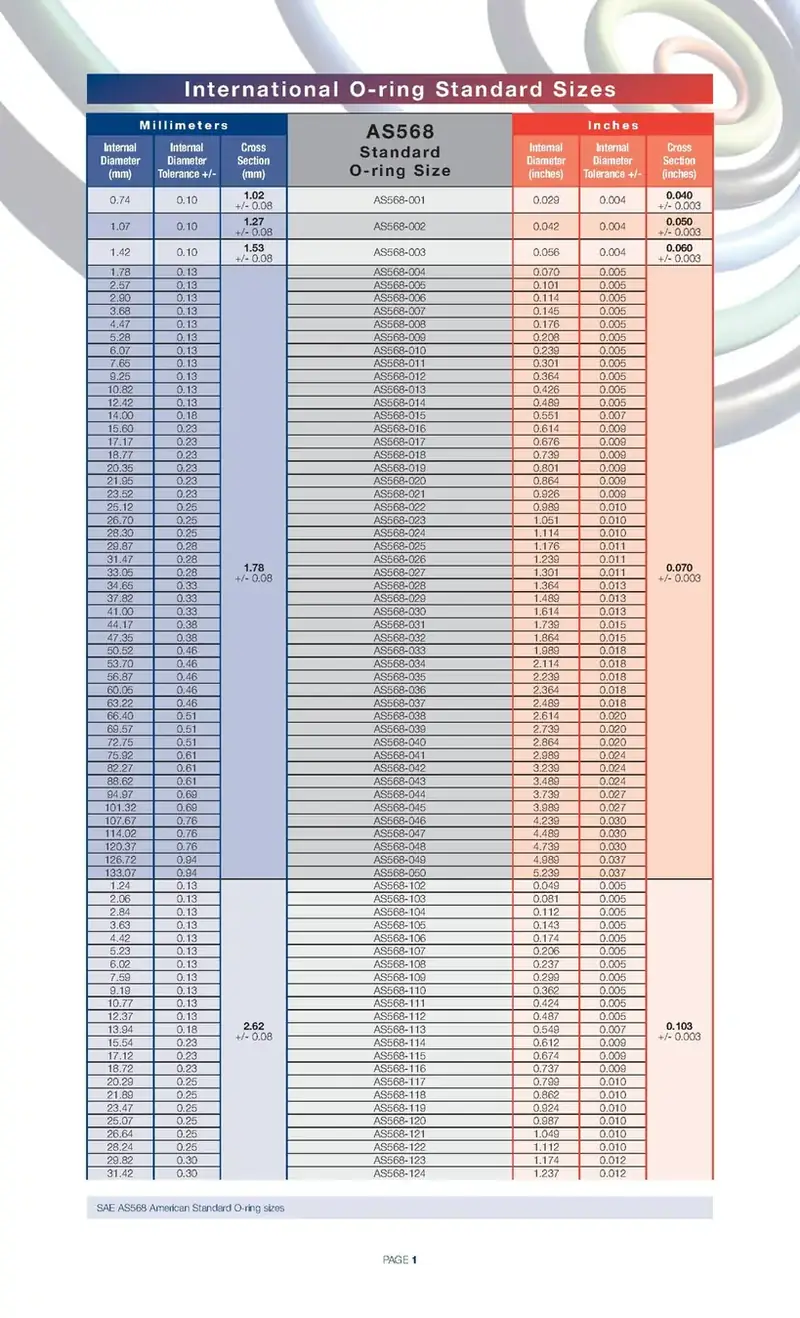
⚖️ O-Ring Weight Calculator

Estimate rubber O-ring weight (Approx).


Rubber Cable Ramp Manufacturer | Engineering Guide

Contents of Table

Contact [email protected] Whatsapp 86 15951276160