Technical Contents
Engineering Guide: Inflatable Gaskets

Engineering Insight Material Selection for Inflatable Gaskets Critical Failure Analysis
Inflatable gaskets operate under fundamentally different mechanical and chemical stresses compared to static seals. Their dynamic function—repeated inflation deflation cycles under pressure—demands elastomers engineered for resilience against cyclic fatigue permeation and environmental degradation. Off the shelf rubber compounds frequently fail because they prioritize cost over the precise balance of elasticity recovery and chemical resistance required for this application. Generic materials lack the molecular stability to withstand repeated deformation leading to rapid compression set or catastrophic rupture.
Material selection directly dictates service life. Standard NBR formulations may suffice for low pressure oil exposure but exhibit critical weaknesses in ozone resistance and high temperature flexibility essential for aerospace or semiconductor manufacturing. EPDM offers superior weathering yet fails catastrophically when exposed to hydrocarbon fuels. FKM provides exceptional chemical inertness but often lacks the low temperature flexibility needed for cryogenic inflation cycles. Each application requires tailored polymer architecture crosslink density and additive packages to manage stress distribution during inflation. Failure to optimize these parameters results in microcracking permeation or permanent set within 500 cycles—far below OEM specifications.
The following table compares critical performance thresholds for inflatable gasket materials under dynamic conditions per ASTM D2000 and ISO 3601 standards
| Material | Tensile Strength (MPa) | Elongation at Break (%) | Hardness (Shore A) | Key Limitation in Dynamic Service |
|---|---|---|---|---|
| Standard NBR | 15-20 | 250-300 | 70-80 | Rapid ozone cracking >50 ppm; poor heat aging above 100°C |
| Standard EPDM | 18-22 | 300-400 | 65-75 | Swells >20% in oils; limited fuel resistance |
| Standard FKM | 12-16 | 150-200 | 75-85 | Brittle below -20°C; high gas permeability |
| Engineered TPE | 25-30 | 450-600 | 55-65 | Requires custom compounding for chemical resistance |
| Baoshida Custom HNBR | 22-26 | 350-400 | 70-75 | Optimized for 5000+ cycles at 150°C |
Off the shelf solutions ignore application specific variables such as inflation media chemistry cycle frequency and surface adhesion requirements. A gasket exposed to aggressive cleaning solvents in biopharma may pass initial compression tests but delaminate during steam sterilization due to unaddressed plasticizer migration. Similarly generic compounds often exceed hardness tolerances causing uneven sealing force distribution and leakage at critical flange interfaces. These failures stem from static material data sheets that omit dynamic fatigue metrics essential for inflatable systems.
At Suzhou Baoshida we formulate compounds using accelerated life testing protocols that simulate 10 000+ inflation cycles under actual operating conditions. Our OEM partnerships begin with media compatibility mapping and stress-strain analysis to eliminate permeation risks before prototyping. This precision engineering prevents the costly downtime associated with field failures—where a single gasket rupture can trigger $250 000 in production losses. Material selection is not a commodity decision; it is the cornerstone of reliable inflatable sealing performance. Partner with us to transform your sealing challenges into engineered solutions.
Material Specifications

Inflatable gaskets are critical sealing components in high-performance industrial applications, where dynamic sealing under variable pressure and environmental conditions is required. At Suzhou Baoshida Trading Co., Ltd., we specialize in precision rubber seals engineered for reliability, durability, and consistent performance. The selection of elastomer material plays a decisive role in the operational efficacy of inflatable gaskets, particularly in environments involving extreme temperatures, aggressive chemicals, or repeated mechanical cycling. Among the most widely used materials are Viton (FKM), Nitrile (NBR), and Silicone (VMQ), each offering a distinct balance of physical and chemical resistance properties.
Viton is a fluorocarbon-based elastomer renowned for its exceptional resistance to high temperatures, oils, fuels, and a broad range of industrial chemicals. With a continuous service temperature range up to 230°C, Viton is ideal for aerospace, automotive, and chemical processing applications where long-term stability under harsh conditions is paramount. Its low gas permeability also enhances performance in inflatable sealing systems requiring sustained pressure integrity.
Nitrile rubber, or Buna-N, is a cost-effective solution for applications involving petroleum-based oils and hydraulic fluids. It exhibits excellent abrasion resistance and tensile strength, making it suitable for dynamic sealing environments. While its upper temperature limit is lower than Viton—typically 120°C—Nitrile remains a preferred choice in industrial machinery, hydraulics, and automotive systems where exposure to aliphatic hydrocarbons is common.
Silicone rubber offers outstanding flexibility and thermal stability across a wide temperature range, from -60°C to 200°C. It is highly resistant to ozone and UV radiation, making it well-suited for outdoor and medical applications. Although it has relatively low tensile strength and poor resistance to petroleum-based fluids, silicone excels in applications requiring biocompatibility, electrical insulation, and consistent performance in extreme cold or heat.
The following table summarizes key physical and chemical properties of these materials for comparative evaluation in inflatable gasket design:
| Property | Viton (FKM) | Nitrile (NBR) | Silicone (VMQ) |
|---|---|---|---|
| Hardness (Shore A) | 60–90 | 50–90 | 30–80 |
| Tensile Strength (MPa) | 15–20 | 10–25 | 5–10 |
| Elongation at Break (%) | 200–400 | 250–500 | 200–600 |
| Continuous Temp Range (°C) | -20 to +230 | -30 to +120 | -60 to +200 |
| Resistance to Oils/Fuels | Excellent | Excellent | Poor |
| Resistance to Ozone/UV | Excellent | Good | Excellent |
| Gas Permeability | Low | Moderate | High |
| Biocompatibility | Limited | No | Excellent |
Material selection must align with the operational environment, including media exposure, temperature cycling, mechanical stress, and regulatory requirements. Suzhou Baoshida Trading Co., Ltd. provides customized formulation and manufacturing support to ensure optimal material pairing for your inflatable gasket application.
Manufacturing Capabilities

Engineering Capability: Precision-Engineered Inflatable Gasket Solutions
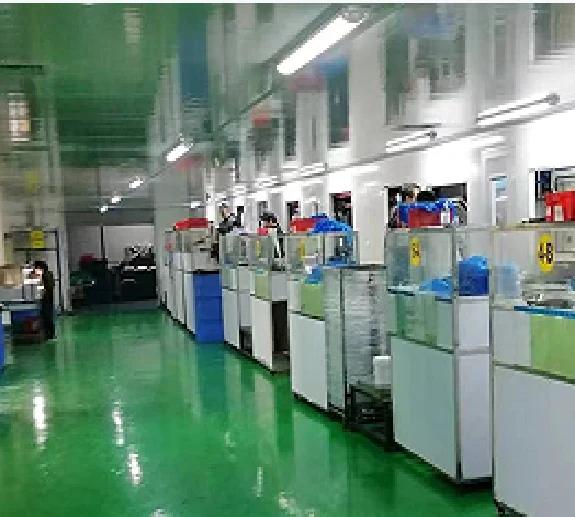
Suzhou Baoshida Trading Co., Ltd. leverages deep technical expertise to deliver mission-critical inflatable gaskets for demanding industrial applications. Our core strength resides in the integrated capabilities of our dedicated engineering team, comprising five specialized mould engineers and two advanced rubber formula engineers. This structure ensures seamless collaboration from initial concept through to final production validation, guaranteeing optimal performance and reliability for every custom seal solution. We transcend standard manufacturing by embedding material science and precision tooling expertise directly into the OEM development process.
Mould Engineering Excellence
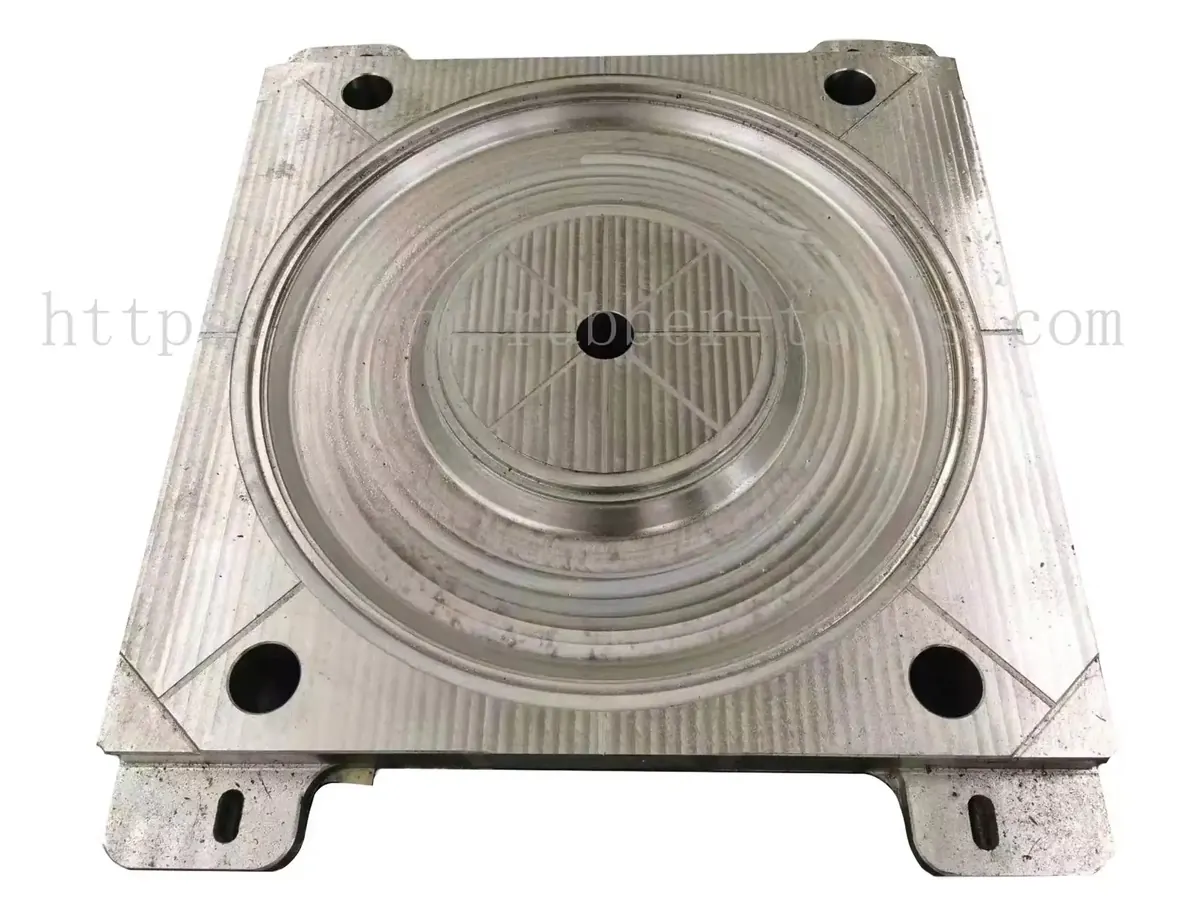
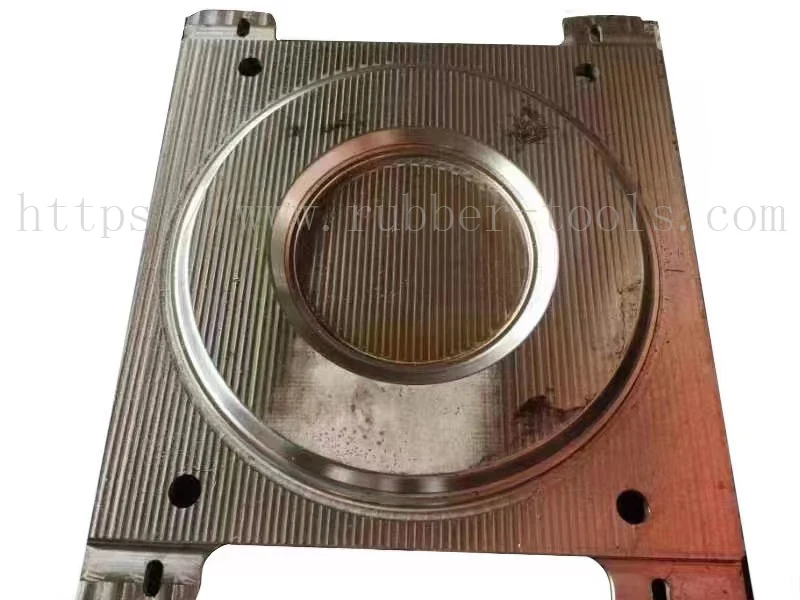
Our five mould engineers possess extensive experience in designing and refining complex, high-precision tooling specifically for inflatable rubber profiles. They utilize advanced CAD/CAM systems and finite element analysis (FEA) to optimize cavity geometry, venting, and runner systems, critical for achieving consistent wall thickness, uniform inflation characteristics, and eliminating knit lines in the final product. This precision engineering minimizes material waste during production and ensures exceptional dimensional stability and repeatability, meeting tight tolerances essential for reliable sealing under dynamic pressure conditions. Rapid prototyping capabilities allow for swift design validation and iterative refinement based on client performance data.
Advanced Rubber Formulation Science
Complementing our tooling expertise, our two dedicated rubber formula engineers focus exclusively on developing and optimizing elastomer compounds tailored to the unique demands of inflatable gaskets. We move beyond standard material grades, formulating proprietary blends that balance critical properties: exceptional elasticity for repeated inflation/deflation cycles, robust resistance to specific media (fuels, chemicals, hydraulic fluids), and long-term resilience against environmental factors like ozone, UV exposure, and extreme temperatures. Rigorous laboratory testing validates compound performance against client specifications before any production run, ensuring the final gasket maintains integrity and sealing force throughout its operational lifespan.
Integrated OEM Manufacturing Capability
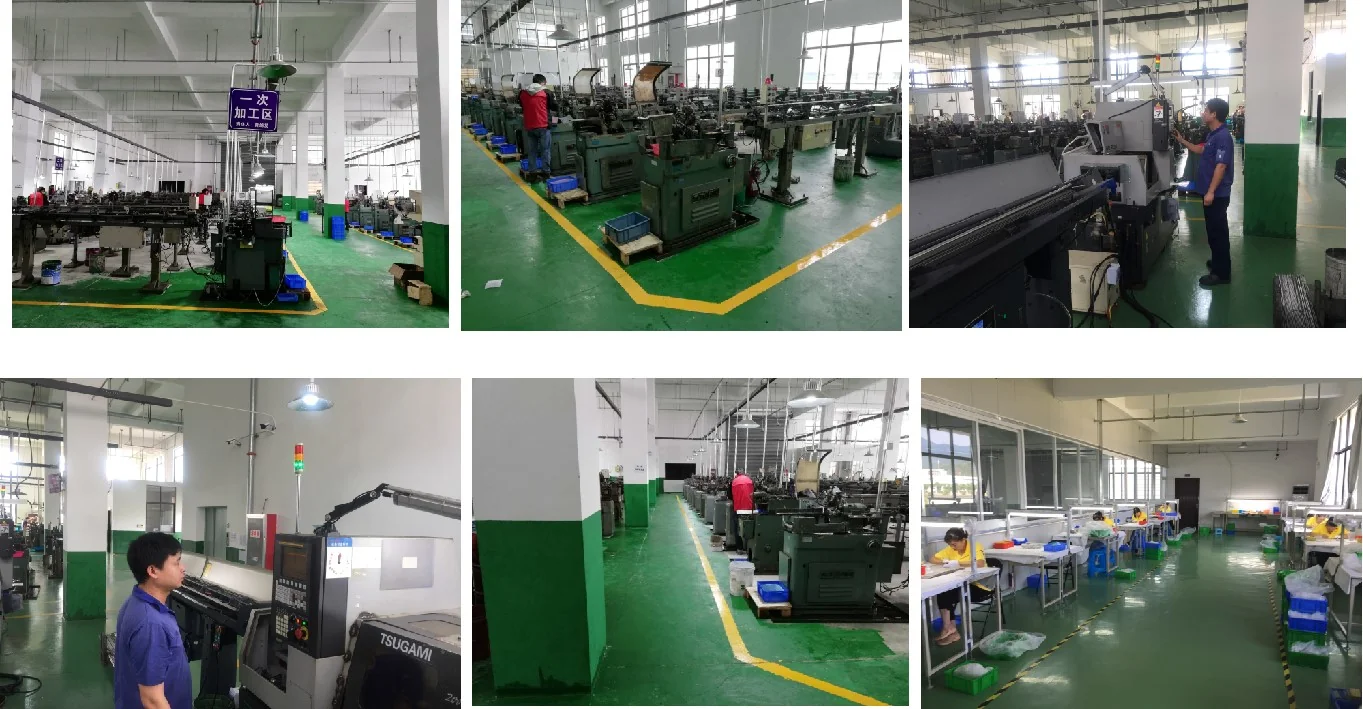
Suzhou Baoshida operates as a true engineering partner, not merely a supplier. Our OEM process integrates mould design, compound development, and precision manufacturing under one roof. We actively collaborate with client engineering teams during the design phase, providing critical feedback on manufacturability, material selection, and cost optimization without compromising performance. This closed-loop system enables rapid transition from approved prototype to high-volume production, supported by stringent in-process quality controls and full traceability. We manage the entire lifecycle, from initial concept sketches to final validation testing and ongoing supply chain management, ensuring consistent delivery of gaskets that meet exacting global standards.
The table below summarizes key performance characteristics achievable with our engineered solutions, reflecting the synergy between our formulation science and precision manufacturing:
| Property | Typical Value Range | Test Standard |
|---|---|---|
| Tensile Strength | 12 – 25 MPa | ASTM D412 |
| Elongation at Break | 300% – 600% | ASTM D412 |
| Hardness (Shore A) | 50 – 80 ± 3 points | ASTM D2240 |
| Compression Set (22h/70°C) | ≤ 25% | ASTM D395 Method B |
| Operating Temperature | -50°C to +200°C | Custom Validation |
| Media Resistance | Custom Formulated Blends | Client Specification |
This engineering-led approach, combining specialized mould design, advanced material science, and integrated OEM execution, positions Suzhou Baoshida as the partner of choice for technically demanding inflatable gasket applications where failure is not an option. We deliver engineered certainty.
Customization Process
Drawing Analysis
The foundation of any successful inflatable gasket customization begins with rigorous drawing analysis. At Suzhou Baoshida Trading Co., Ltd., our engineering team conducts a comprehensive review of customer-provided technical drawings to verify dimensional accuracy, tolerance compliance, and functional design intent. We assess critical parameters such as cross-sectional profile, inflation chamber geometry, sealing surface alignment, and installation clearance. This phase also includes material compatibility considerations based on the intended operating environment—temperature range, media exposure, and pressure cycles. Any discrepancies or potential design risks are flagged early, and our engineers collaborate directly with the client to propose optimized solutions. This ensures manufacturability, performance reliability, and adherence to international standards such as ISO 3302 and ISO 2768.
Formulation Development
Following design validation, our Rubber Formula Engineers develop a customized elastomer compound tailored to the application’s mechanical and environmental demands. The selection of base polymer—commonly silicone (VMQ), fluorosilicone (FVMQ), EPDM, or HNBR—is determined by factors including temperature resistance, chemical exposure, and compression set performance. Additives such as reinforcing fillers, plasticizers, and cure systems are precisely balanced to achieve target hardness (Shore A 30–80), tensile strength, and elongation at break. For inflatable gaskets used in aerospace or medical applications, formulations are further refined to meet UL, FDA, or FAA compliance. Each compound undergoes preliminary testing for rheological behavior and cure kinetics to ensure consistency during molding. The finalized formulation is documented and archived for full traceability.
Prototyping and Validation
Once the material is formulated, we proceed to prototype production using precision compression or transfer molding techniques. Prototypes are manufactured in small batches to validate tooling accuracy and material performance under real-world conditions. Key functional tests include inflation pressure endurance, leak rate measurement, cycle life testing (up to 100,000 cycles), and environmental exposure (thermal aging, fluid immersion). Dimensional inspection is performed using coordinate measuring machines (CMM) to confirm conformance to print specifications. Clients receive a detailed test report and physical samples for their own evaluation. Feedback is incorporated into final design or material adjustments, ensuring optimal performance prior to scale-up.
Mass Production Readiness
After prototype approval, the project transitions to mass production. Our automated molding lines, supported by statistical process control (SPC) and 100% visual inspection, ensure batch-to-batch consistency. Inflatable gaskets are packaged per client specifications, with optional barcoding and lot traceability. Lead times are optimized through strategic raw material stocking and lean manufacturing practices.
| Parameter | Standard Range | Test Method |
|---|---|---|
| Hardness (Shore A) | 30–80 | ASTM D2240 |
| Tensile Strength | ≥6 MPa | ASTM D412 |
| Elongation at Break | ≥200% | ASTM D412 |
| Operating Temperature | -60°C to +250°C (VMQ) | ASTM D573 |
| Inflation Pressure | Up to 10 bar | Internal Test Protocol |
| Cycle Life | Up to 100,000 cycles | Custom Test Fixture |
Contact Engineering Team

Contact Suzhou Baoshida for Precision Inflatable Gasket Solutions
In the demanding realm of industrial sealing, inflatable gaskets represent a critical engineering solution where material science, dimensional precision, and operational reliability converge. Standard off-the-shelf seals often fail to address the nuanced challenges of dynamic pressure differentials, thermal cycling, or complex flange geometries inherent in semiconductor processing, pharmaceutical bioreactors, or advanced energy systems. At Suzhou Baoshida Trading Co., Ltd., we specialize in the formulation and manufacturing of high-performance inflatable gaskets engineered to exceed OEM specifications and ensure zero-failure operation in mission-critical applications. Our proprietary rubber compounds—developed through rigorous polymer chemistry optimization—deliver unmatched resilience against compression set, chemical exposure, and extreme temperature fluctuations, directly translating to extended service life and reduced system downtime.
Understanding the technical parameters of your application is paramount to delivering an effective solution. Below are key specifications representative of our standard capabilities, all subject to customization based on your exact operational environment and performance targets:
| Parameter | Standard Range | Precision Tolerance | Testing Standard |
|---|---|---|---|
| Material Hardness | 30–80 Shore A | ±2 Shore A | ASTM D2240 |
| Operating Temperature | -60°C to +250°C | ±3°C stability | ISO 188 |
| Pressure Range | 0.5–15 bar (inflated state) | ±0.1 bar accuracy | ISO 3384 |
| Dimensional Tolerance | Custom profiles | ±0.05 mm | ISO 3302-1 |
| Media Resistance | Acids, bases, oils, steam, plasma | Application-specific | ASTM D471 |
These figures reflect our baseline engineering rigor; however, true optimization occurs through direct collaboration. Your project likely involves unique constraints—whether ultra-high vacuum integrity requirements, FDA/USP Class VI compliance for biopharma, or resistance to aggressive solvents in chemical processing. Generic solutions cannot address these variables. Our engineering team requires detailed input on flange surface finish, cycle frequency, media composition, and failure mode history to formulate a gasket that performs predictably across its entire lifecycle.
Initiate a technical dialogue with Mr. Boyce, our dedicated OEM Solutions Manager, to advance your sealing challenge from specification to validation. Mr. Boyce possesses 14 years of hands-on experience in rubber compound development for inflatable sealing systems and maintains active partnerships with global Tier-1 manufacturers in semiconductor lithography and cleanroom technology. He will coordinate our material scientists, tooling engineers, and QA specialists to provide:
Material compatibility analysis against your specific process media
Finite element analysis (FEA) for pressure distribution modeling
Prototype validation under simulated operational conditions
Full traceability from raw material sourcing to finished part certification
Do not compromise system integrity with suboptimal sealing. Contact Mr. Boyce directly at [email protected] to submit your technical dossier. Include critical parameters such as flange dimensions, operating pressure/temperature profiles, media exposure details, and current failure modes. Our team will respond within 24 business hours with a preliminary compound recommendation and testing protocol. Suzhou Baoshida operates under ISO 9001:2015 and IATF 16949 frameworks, ensuring every gasket meets the uncompromising standards demanded by precision manufacturing. Engineer your solution with partners who treat sealing science as a core competency—not a commodity transaction.
⚖️ O-Ring Weight Calculator
Estimate rubber O-ring weight (Approx).