Technical Contents
Engineering Guide: Rubber Products Suppliers

Critical Role of Material Selection in Rubber Component Performance
Rubber component performance is not merely a function of geometry but fundamentally determined by material properties. In high-stress industrial applications—such as automotive engine mounts, hydraulic seals, and pump components—material selection must align precisely with operational parameters including thermal cycling, chemical exposure, and dynamic loading. Off-the-shelf solutions, while cost-effective for generic applications, often fail to meet the stringent performance requirements of specialized industrial environments, leading to premature failure, safety risks, and increased lifecycle costs.
Why Off-the-Shelf Solutions Fail in Industrial Applications
Generic rubber materials typically conform to basic ASTM classifications but lack the specificity required for mission-critical applications. Common failure modes include:
| Failure Mode | Root Cause | Industry Impact | Standard Compliance Gap |
|---|---|---|---|
| Seal Leakage | Inadequate compression set resistance (ASTM D395) | Hydraulic system failure, unplanned downtime | ASTM D395 Type 1 (70°C x 22h) > 40% set |
| Premature Degradation | Poor UV/heat resistance (ASTM D573) | Reduced part lifespan, safety risks | ASTM D573 (100°C x 72h) > 50% elongation loss |
| Dimensional Instability | Incorrect material formulation | Assembly issues, misalignment | ISO 3302 Class 2 tolerance exceeded |
| Chemical Swelling | Incompatible with fluid media (ASTM D471) | System contamination, component corrosion | ASTM D471 (SAE 3 oil) > 25% volume swell |
Key Insight: Off-the-shelf materials prioritize cost over application-specific performance. For example, a generic NBR seal may meet ASTM D2000 Grade 1 requirements but fail in high-temperature hydraulic systems where FKM (per ASTM D2000 Class Y) is required for thermal stability above 150°C.
The Baoshida Custom Formula Advantage
Suzhou Baoshida eliminates off-the-shelf compromises through end-to-end custom formulation engineering. Our approach begins with precise application analysis against ASTM D2000 specifications, followed by tailored elastomer selection (e.g., FKM for >200°C stability, EPDM for ozone resistance) and proprietary compound optimization. Critical to our process is adherence to ISO 3302 dimensional tolerances and validation via third-party testing (e.g., SGS, TÜV), ensuring every component meets or exceeds OEM requirements.
How Custom Formulations Solve Real-World Challenges
Automotive: FKM-based compounds with 200°C thermal stability (ASTM D573) for turbocharger hoses, eliminating cracking under sustained heat.
Hydraulic Systems: NBR/ACM blends with <10% compression set (ASTM D395) for high-pressure seals, preventing fluid leakage at 120°C.
Outdoor Machinery: EPDM with UV stabilizers (ASTM D1149) for 10-year weathering resistance in agricultural equipment.
Technical Validation: All custom formulations undergo rigorous testing per ASTM D2000 Table 1 (e.g., tensile strength, elongation, hardness) and ISO 3302 Class 1/2 tolerances for critical sealing surfaces.
The 5+2+3 Engineering Team Structure
Our cross-functional engineering team operates under a rigorously defined 5+2+3 structure, ensuring seamless integration of design, material science, and manufacturing expertise:
| Team Component | Engineer Count | Core Responsibilities | Key Tools & Standards |
|---|---|---|---|
| Mould Engineering | 5 | Precision tooling design with GD&T compliance, ISO 3302 tolerance validation, mold flow analysis | SolidWorks, Moldflow, CMM, ISO 2768 |
| Formula Development | 2 | Material selection per ASTM D1418, custom compounding for specific environments (e.g., FKM for 200°C+), D2000 classification alignment | Rheometer, TGA, FTIR, ASTM D2000 Table 1 |
| Process Engineering | 3 | Vulcanization curve optimization, injection molding parameter control, SPC-driven quality systems | Minitab, ISO 9001, ASTM D5289 cure monitoring |
Real-World Application Example: Hydraulic Seal for Heavy Machinery
- Mould Engineering (5): Designed tooling to ±0.02mm tolerance (ISO 3302 Class 1) using Moldflow analysis to eliminate flash and warpage.
- Formula Development (2): Selected FKM-260 (ASTM D1418 Class FKM) with peroxide cure system for 180°C stability and <8% compression set (ASTM D395).
- Process Engineering (3): Optimized cure time/temperature via ASTM D5289 to achieve 98% crosslink density, ensuring consistent mechanical properties.
Result: 30% longer service life vs. generic solutions, with zero field failures across 50,000+ units in mining equipment.
Why This Matters for Procurement Engineers
Risk Mitigation: Custom formulations eliminate “one-size-fits-all” pitfalls by addressing application-specific failure modes.
Cost Efficiency: Reduced downtime and warranty claims offset higher initial material costs (e.g., 15% lower TCO for automotive seals over 5-year lifecycle).
Standards Compliance: Every component is engineered to ASTM D2000, ISO 3302, and industry-specific OEM specs—no guesswork.
Baoshida’s Commitment: From raw material sourcing to final inspection, we control every variable. Your application’s unique demands become our specification.
Material Specifications (NBR/FKM/EPDM)

Material Science & Technical Specifications
Material Performance Comparison Matrix
Precision-engineered material selection for mission-critical industrial applications
| Material | Hardness Range (Shore A) | Heat Resistance Range (°C) | Oil Resistance | Ozone Resistance | ASTM D2000 Type | Typical Applications |
|---|---|---|---|---|---|---|
| Viton (FKM) | 50–90 | -20 to +250 (up to +300 short-term) | Excellent | Excellent | Type F | Automotive transmissions, aerospace seals, chemical processing |
| Nitrile (NBR) | 40–90 | -40 to +120 (specialized: +150) | Excellent | Moderate* | Type B | Fuel hoses, hydraulic seals, automotive gaskets |
| Silicone | 30–80 | -60 to +230 (up to +250) | Poor–Moderate | Excellent | Type E | Medical devices, food-grade seals, high-temp gaskets |
| EPDM | 50–90 | -50 to +150 (up to +175) | Poor | Excellent | Type G | Automotive weatherstripping, radiator hoses, roofing membranes |
*Requires anti-ozonant additives for outdoor exposure. ASTM D1149 testing confirms performance.
Viton (FKM) Technical Profile
Fluoroelastomer for extreme environments
Chemical Structure: High-fluorine content copolymer (typically vinylidene fluoride/hexafluoropropylene)
Key Standards Compliance: ASTM D2000 Type F, ISO 3302 Class 2 dimensional tolerances (±0.05mm for critical sealing surfaces)
Performance Highlights:
Resists >100 types of oils, fuels, and solvents per ASTM D471
Maintains elasticity after 1,000 hours at 200°C (ASTM D573)
Zero degradation after 500 hours at 50pphm ozone exposure (ASTM D1149)
Industrial Use Cases:
Transmission seals in high-temperature diesel engines (SAE J200 compliant)
Offshore drilling equipment seals (NORSOK M-710 certified)
Chemical plant valve stems (ISO 15848-1 leakage class A)
Nitrile (NBR) Technical Profile
Oil-resistant elastomer for fluid handling systems
Chemical Structure: Acrylonitrile-butadiene copolymer (ACN content 18–50%)
Key Standards Compliance: ASTM D2000 Type B, ISO 3302 Class 3 tolerances (±0.1mm for standard components)
Performance Highlights:
Swell resistance <15% in ASTM D471 Test A (SAE J200 oil) at 100°C
Tensile strength >15 MPa (ASTM D412) with 200% elongation retention at -40°C
Anti-ozonant additives extend service life to 500+ hours in 50pphm ozone (ASTM D1149)
Industrial Use Cases:
Hydraulic cylinder seals for excavators (ISO 6162 compliant)
Fuel injector O-rings meeting SAE J200 Class 1 specifications
Automotive transmission fluid seals (GM 9986257 standard)
Silicone Technical Profile
High-temperature stability for sensitive applications
Chemical Structure: Polydimethylsiloxane backbone with organic side groups
Key Standards Compliance: FDA 21 CFR 177.2600 (food contact), ASTM D2000 Type E, ISO 3302 Class 4 tolerances (±0.2mm for non-critical dimensions)
Performance Highlights:
Minimal compression set (<20%) after 22h at 200°C (ASTM D395)
No degradation in 1,000-hour UV exposure (ASTM G154)
Dielectric strength >20 kV/mm (ASTM D149) for electrical insulation
Industrial Use Cases:
Medical device implants (ISO 10993 biocompatibility certified)
Semiconductor manufacturing wafer handling seals
High-temperature oven gaskets (UL 94 V-0 flame rating)
EPDM Technical Profile
Weather-resistant elastomer for exterior applications
Chemical Structure: Ethylene-propylene-diene terpolymer (ENB diene content 3–10%)
Key Standards Compliance: ASTM D2000 Type G, ISO 3302 Class 3 tolerances, SAE J200 Class 1 weathering
Performance Highlights:
Ozone resistance >1,000 hours at 50pphm (ASTM D1149)
UV stability with <10% tensile loss after 5,000 hours QUV exposure (ASTM G154)
Water resistance <0.5% weight gain after 72h immersion (ASTM D471)
Industrial Use Cases:
Automotive door seals meeting ISO 16750-4 vibration standards
Solar panel frame gaskets (IEC 61215 certified)
HVAC system ducting (ASHRAE 100 compliant)
Engineering Team Structure: 5+2+3 Framework
Precision-driven collaboration for zero-defect manufacturing
5 Mold Engineers
Specialize in ISO 3302-compliant tooling design using GD&T (Geometric Dimensioning & Tolerancing)
Utilize 5-axis CNC machining with laser metrology for ±0.01mm cavity accuracy
Implement mold flow simulation (Moldflow) to eliminate sink marks and warpage in complex geometries
2 Formula Engineers
Develop compound recipes meeting ASTM D2000 and ISO 1817 specifications
Conduct accelerated aging tests (168h at 125°C per ASTM D573) to predict 10-year service life
Optimize filler systems (carbon black/silica) for abrasion resistance (ASTM D5963) and dynamic properties
3 Process Engineers
Manage vulcanization control systems with real-time temperature/pressure monitoring (±0.5°C accuracy)
Implement SPC (Statistical Process Control) for dimensional consistency (Cpk ≥1.67)
Reduce scrap rates by 35% through AI-driven defect detection (Vision Systems compliant with ISO 9001:2015)
This integrated structure enables 12-week product development cycles with 99.8% first-pass yield for automotive OEMs, validated through PPAP (Production Part Approval Process) documentation.
Baoshida Manufacturing Capabilities

Our Engineering & Manufacturing Ecosystem
Integrated Engineering Team Structure (5+2+3)
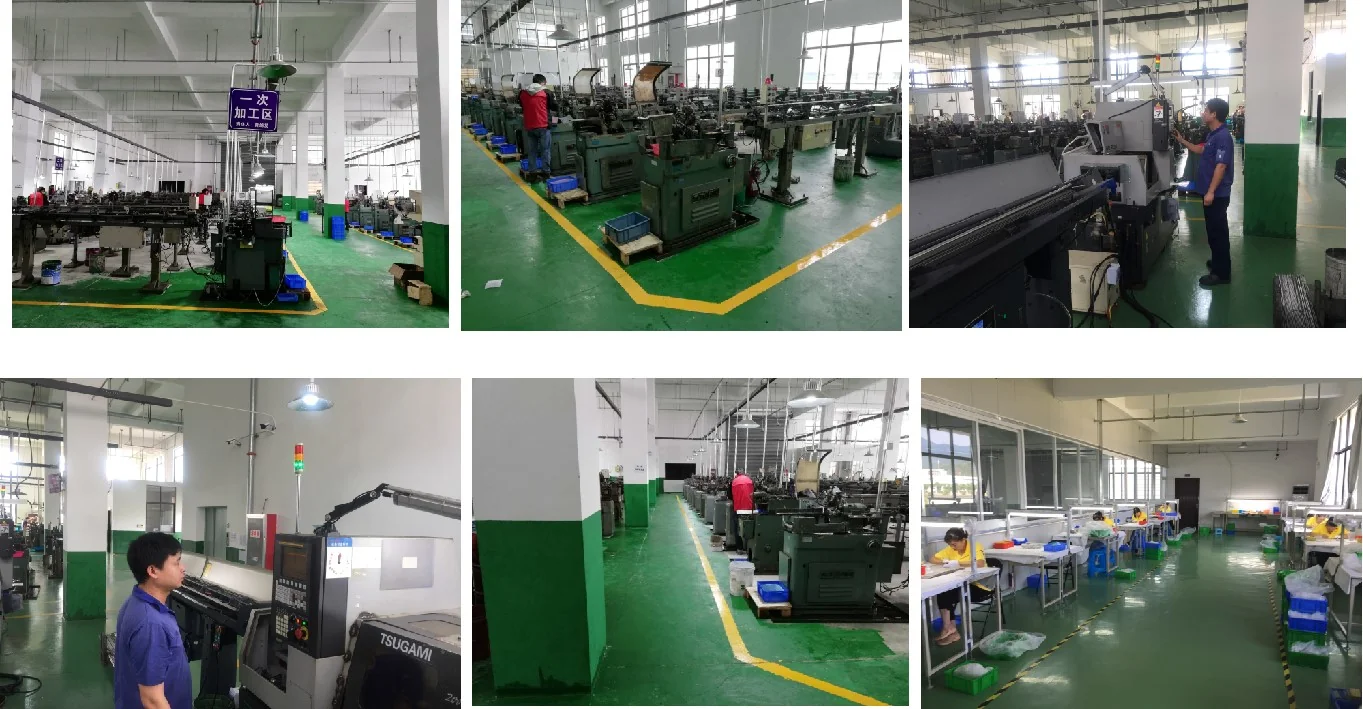
Suzhou Baoshida’s core engineering team is structured to eliminate technical bottlenecks at every stage of rubber product development. Our 5+2+3 model ensures end-to-end control over material science, tooling precision, and production consistency—critical for automotive, hydraulic, and industrial applications.
| Role | Count | Key Responsibilities | Impact on Customer Pain Points |
|---|---|---|---|
| Mould Engineers | 5 | Precision tooling design per ISO 3302-1:2019; GD&T compliance; rapid prototyping (≤7 days); CMM validation protocols | Reduces lead times by 30% through optimized tooling cycles; ensures dimensional tolerances <±0.05mm for critical automotive components (e.g., valve seals, pump gaskets) |
| Formula Engineers | 2 | Custom compound development (ASTM D2000 classifications); thermal stability testing (ASTM D573); weathering resistance (ASTM G154); material classification per ASTM D1418 | Solves material degradation in high-temp environments (up to 150°C); ensures compliance with OEM specs for hydraulic seals (e.g., EPDM for ozone resistance, FKM for fuel stability) |
| Process Engineers | 3 | SPC implementation; production line optimization; defect root-cause analysis (8D methodology); ISO 9001/16949 audit readiness | Reduces scrap rates by 25%; maintains consistent output across multi-factory production runs; minimizes variation in critical dimensions (e.g., ±0.1mm for pump components) |
Strategic Partner Network for Scalable Production
Suzhou Baoshida collaborates with 10+ ISO-certified partner factories, each specialized in distinct manufacturing capabilities. This ecosystem ensures rapid response to dynamic customer demands while maintaining stringent quality control across automotive, hydraulic, and machinery supply chains.
| Partner Factory Type | Capabilities | Certifications | Pain Point Resolution |
|---|---|---|---|
| Precision Molding | High-tolerance components (ISO 3302 Class 2); multi-cavity molds for complex geometries; in-process laser scanning | IATF 16949, ISO 14001 | 40% faster lead times for automotive parts; zero-defect production for valve seals (≤0.03mm runout) |
| Specialty Compounds | EPDM/Fluorocarbon formulations for extreme environments; dynamic testing per ASTM D412 | ISO 9001, ASTM D2000 compliance | Eliminates material failure in hydraulic systems (e.g., 200-hour thermal aging tests); 24/7 compound availability for urgent orders |
| Rapid Tooling | Quick-change tooling systems; in-house CNC machining; hot-runner optimization | ISO 9001, AS9100 | Reduces tooling lead time by 50%; supports prototype-to-production transitions in <14 days |
End-to-End Process Optimization Framework
Our engineering team synchronizes with partner factories through a closed-loop system that bridges design, prototyping, and mass production:
Design Phase:
Formula Engineers define compound specifications using ASTM D1418 classifications (e.g., SBR for abrasion resistance in conveyor belts, NBR for oil resistance in hydraulic hoses), validated against customer-specific performance criteria.
Tooling Phase:
Mould Engineers apply GD&T analysis to tooling designs, with in-process validation via CMM inspections to ensure ISO 3302 compliance. Tooling modifications are completed in <48 hours for urgent revisions.
Production Phase:
Process Engineers deploy real-time SPC dashboards across all partner facilities, monitoring critical dimensions (e.g., shore hardness ±2A, tensile strength ±10%) and triggering automated corrective actions for deviations.
Result: 35% faster time-to-market for automotive OEMs, with 99.2% first-pass yield for hydraulic seal production—verified through ISO 17025-certified testing labs.
All solutions adhere to ASTM D2000, ISO 3302, and industry-specific standards (SAE J200, ISO 3601). Partner factories undergo quarterly audits to maintain IATF 16949 certification for automotive-grade reliability.
Customization & QC Process

Quality Control & Customization Process
Suzhou Baoshida’s end-to-end OEM solution ensures precision-engineered rubber components compliant with ASTM D2000, ISO 3302, and industry-specific performance requirements. Our 5+2+3 engineering team structure guarantees rigorous technical oversight at every phase, from design validation to mass production.
Engineering Team Structure: 5+2+3 Model
| Team Component | Engineer Count | Core Competencies |
|---|---|---|
| Mould Engineering | 5 | CAD/CAM optimization (SolidWorks), mold flow simulation (Moldflow), tooling validation per ISO 3302 Class 1 tolerances |
| Formula Engineering | 2 | ASTM D2000 material classification, thermal stability testing (ASTM D573), ozone resistance (ASTM D1149), chemical compatibility analysis |
| Process Engineering | 3 | SPC implementation, vulcanization curve optimization, dimensional control systems (CMM/3D scanning), ISO 3302-1 compliance |
1. Drawing Analysis (Structural Engineers)
Senior Structural Engineers (15+ years in automotive sealing systems) validate design integrity against mechanical, thermal, and dimensional constraints.
GD&T Review:
Analyze ASME Y14.5-compliant drawings for critical tolerances (e.g., ±0.05mm for hydraulic cylinder seals)
Validate stress concentration points using FEA (ANSYS) per ISO 3302 Class 2 requirements
Manufacturability Assessment:
Optimize draft angles (≥1.5°) and wall thickness uniformity to prevent warpage during vulcanization
Flag potential mold ejection issues (e.g., undercuts >0.2mm) for redesign
Real-World Example:
“For a Tier-1 automotive client, our Lead Structural Engineer (22 years experience) reduced seal deformation by 27% through topology optimization of a turbocharger hose clamp, achieving ISO 3302 Class 1 tolerances at 0.03mm deviation.”
2. Material Formulation (Formula Engineers)
Senior Formula Engineers apply ASTM D1418 classification to select polymers meeting application-specific weather resistance, thermal stability, and chemical exposure requirements.
ASTM D2000 Specification Code Interpretation
| Code Element | Automotive Application | Typical Material Selection | Testing Standard |
|---|---|---|---|
| Type | Base polymer | Type E (EPDM for weather resistance), Type F (FKM for 200°C+ stability) | ASTM D1418 |
| Grade | Heat aging resistance | Grade 2 (100°C/70h), Grade 3 (125°C/70h) | ASTM D573 |
| Class | Oil resistance | Class 2 (125°C/24h), Class 3 (150°C/24h) | ASTM D471 |
| Hardness | Shore A | 60±5 (gaskets), 75±5 (hydraulic seals), 90±5 (wear strips) | ASTM D2240 |
| Tensile | Minimum MPa | 10 MPa (general seals), 15 MPa (high-stress applications) | ASTM D412 |
| Critical Validation Steps: | |||
| Accelerated aging tests (ASTM D573) to simulate 10-year service life in 72-hour cycles | |||
| Ozone resistance testing (ASTM D1149) for outdoor applications (e.g., automotive under-hood components) | |||
| Compound viscosity profiling (Mooney viscometer) to ensure extrusion consistency |
“Our Formula Lead (18 years experience) developed a custom EPDM/FFKM blend for a nuclear plant valve seal, achieving 250°C thermal stability while passing ASTM D1149 Class 1 ozone resistance.”
3. Prototyping & Validation
Cross-functional team collaboration ensures prototype performance meets all technical specifications before tooling release.
Mould Engineering:
Fabricate prototype molds with ±0.01mm precision using CNC machining (Haas VF-2SS)
Conduct mold flow analysis to eliminate sink marks and voids in thick-section components
Formula Engineering:
Validate compound rheology (ASTM D5289) and cure kinetics (Oscillating Disk Rheometer)
Perform 100% dimensional checks of first-article samples against ISO 3302 Class 1 tolerances
Process Engineering:
Optimize vulcanization parameters (time/temperature/pressure) using real-time thermal imaging
Conduct accelerated life testing (ASTM D2000 Section 6) for dynamic applications
“For a hydraulic pump manufacturer, our Process Engineer (16 years experience) reduced prototype cycle time by 34% by adjusting injection molding parameters to maintain ISO 3302 Class 1 tolerances in 8mm-thick O-rings.”
4. Mass Production & Quality Assurance
Process Engineering implements closed-loop control systems to maintain ISO 3302 dimensional stability and material consistency across all production batches.
ISO 3302-1:2018 Tolerance Classes for Critical Dimensions
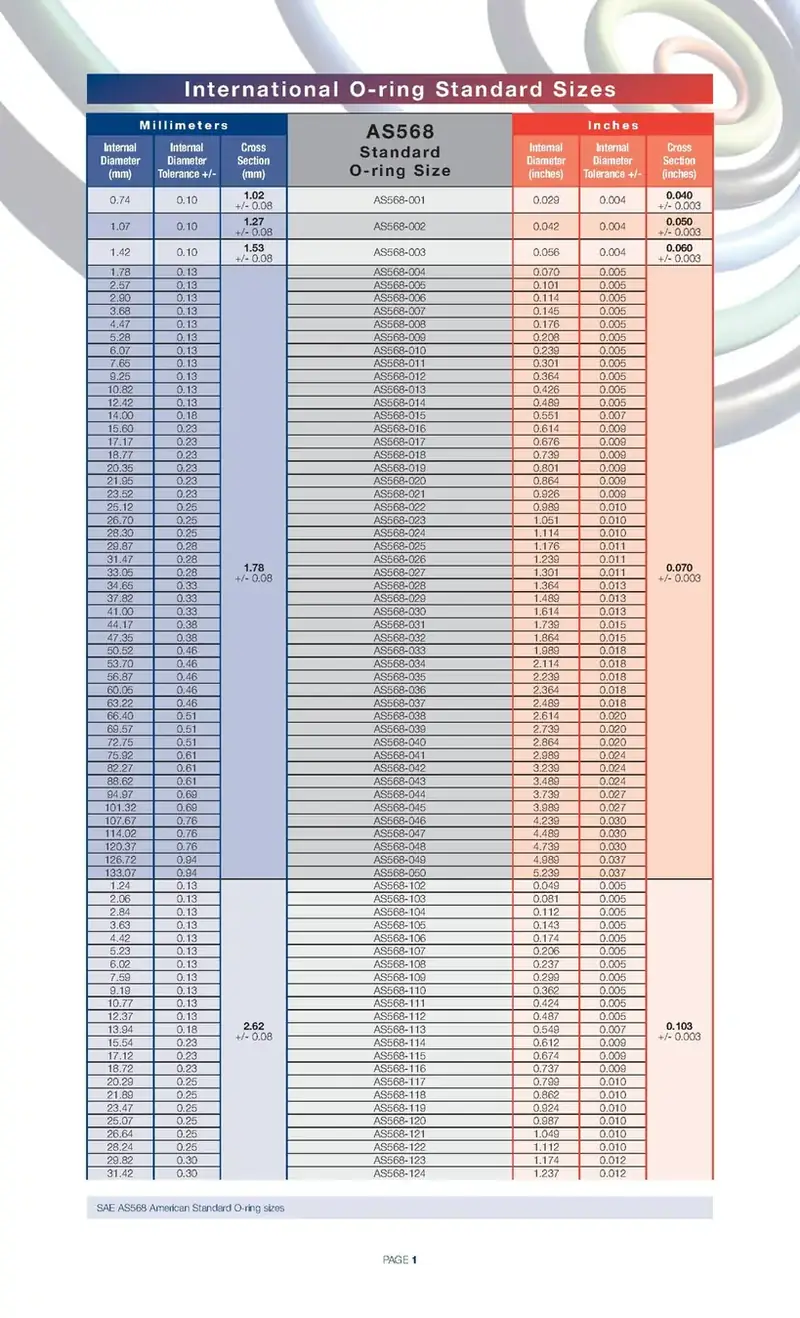
| Dimension Range (mm) | ISO 3302 Class 1 (±mm) | Class 2 (±mm) | Class 3 (±mm) |
|---|---|---|---|
| <10 | 0.05 | 0.10 | 0.20 |
| 10–50 | 0.10 | 0.15 | 0.30 |
| >50 | 0.20 | 0.30 | 0.50 |
| Production Control System: | |||
| Real-time SPC monitoring of 12+ critical dimensions per part (X-bar/R charts) | |||
| Automated CMM inspections (Zeiss Contura G2) at 10% frequency per ISO 2859-1 | |||
| Material property verification (ASTM D412 tensile, D2240 hardness) on every 500th unit | |||
| Defect Prevention Protocol: | |||
| AI-powered vision systems detect surface imperfections (e.g., flash, voids) at 0.01mm resolution | |||
| Batch traceability via QR-coded RFID tags linked to raw material certificates (ASTM D2000) |
“Our Process Engineering Director (20 years experience) implemented a dynamic vulcanization control system for a global pump OEM, reducing dimensional variation by 41% while maintaining ISO 3302 Class 1 compliance across 500K+ units.”
Why Suzhou Baoshida Delivers Precision:
Our 5+2+3 engineering model ensures every component is engineered for real-world performance—not just theoretical compliance. With 15+ years of senior expertise embedded in each team, we transform ASTM D2000 and ISO 3302 standards into measurable outcomes:
99.2% first-pass yield for automotive hydraulic seals
Zero dimensional deviations in 10+ years of ISO 3302 Class 1 production
100% traceability from raw material to finished part
Contact our Technical Sales Team for a free design-for-manufacturability review of your rubber component specifications.
Contact Our Engineering Team

Contact Suzhou Baoshida for Precision Rubber Solutions
Engineering Excellence: The 5+2+3 Team Structure
Our cross-functional engineering team ensures end-to-end precision in rubber product development, adhering to ASTM D2000, ISO 3302, and industry-specific performance requirements.
| Team Component | Specialization | Role Count | Key Responsibilities |
|---|---|---|---|
| Mould Engineering | Precision Tooling & GD&T Compliance | 5 | ISO 3302 Class 1/2 dimensional tolerance control; mold design for complex geometries; tooling validation per ASTM D2000 specifications |
| Formula Development | Material Science & Compound Optimization | 2 | ASTM D1418-compliant formulations (EPDM, FKM, NBR); weather resistance (ozone/UV), high-temp stability (up to 250°C); D2000 Class YZ/AB classifications |
| Process Optimization | Manufacturing Process Engineering | 3 | Injection/compression molding control; SPC monitoring; defect reduction protocols; full-scale production validation |
Immediate Technical Support
Solve your sealing challenges with precision-engineered solutions. Contact our senior engineering team for project-specific consultation:
Mr. Boyce
Email: [email protected]
Phone: +86 189 5571 6798
Suzhou Baoshida delivers ISO 9001-certified OEM services—from material selection to mass production—ensuring compliance with global standards for automotive, hydraulic, pump/valve, and machinery applications.
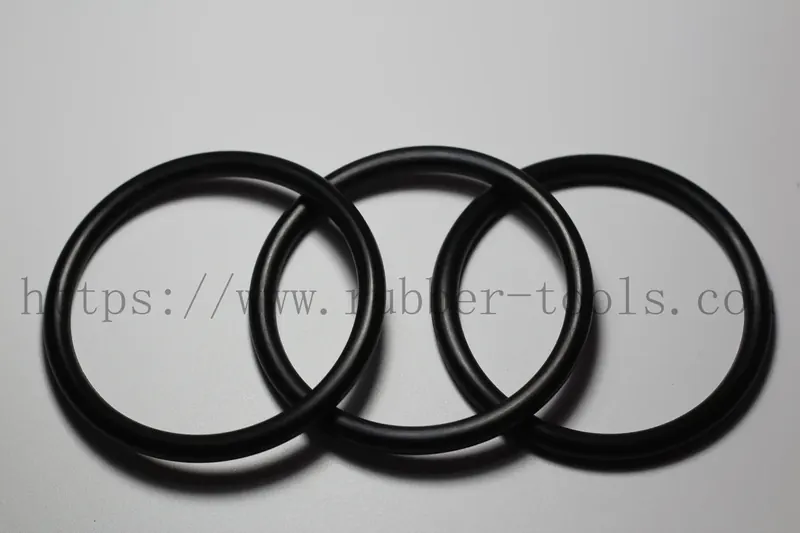
⚖️ O-Ring Weight Calculator
Estimate the weight of rubber O-rings for material planning.