Technical Contents
Engineering Guide: Custom Rubber Production

Critical Role of Material Selection in Custom Rubber Production
Rubber components in automotive, hydraulic, pump/valve, and machinery applications operate under extreme conditions—thermal cycling, chemical exposure, dynamic loads, and pressure fluctuations. Off-the-shelf rubber compounds fail because they are generic solutions optimized for average conditions, not specific operational environments. This mismatch leads to premature failure modes such as:
Leakage from inadequate compression set resistance (e.g., NBR seals swelling in automatic transmission fluid)
Degradation due to incompatible chemical exposure (e.g., EPDM cracking in ozone-rich environments)
Dimensional instability from improper cure kinetics (e.g., sink marks in thick-section molded parts)
⚠️ Key Insight: 68% of rubber part failures in industrial applications stem from material selection errors—not mold design or process flaws (SAE International, 2023).
Failure Analysis: Off-the-Shelf vs. Custom Solutions
| Failure Mode | Off-the-Shelf Limitation | Baoshida Custom Solution | ASTM Standard Reference |
|---|---|---|---|
| Compression Set | Standard NBR: 35% set @ 150°C (ASTM D575) | Custom HNBR: 12% set @ 150°C via optimized peroxide cure system | ASTM D575, D2000 Type 7 Class B |
| Oil Swell | EPDM swells 45% in mineral oil (ASTM D471) | FKM-based compound: <10% swell in ATF | ASTM D471, D2000 Type 3 Class C |
| Low-Temp Flexibility | Standard silicone hardens at -40°C | Fluorosilicone: Flexible to -60°C | ASTM D2000 Type 5 Class A |
| Abrasion Resistance | Standard rubber wears rapidly in dynamic applications | Carbon black-reinforced EPDM: 30% higher abrasion resistance | ASTM D5963 |
Baoshida’s Custom Formula Engineering Framework
Our proprietary 5+2+3 Engineering Team Structure ensures material selection is not a standalone decision but an integrated, science-driven process. This structure combines mold design precision, compound chemistry expertise, and process optimization to eliminate failure risks at the source:
| Engineering Discipline | Role | Key Responsibilities | Impact on Material Performance |
|---|---|---|---|
| Mold Design (5 Structural Engineers) | CAD-based mold optimization | Finite element analysis (FEA) for uniform curing, venting design to eliminate flash, cavity tolerances ±0.02mm | Ensures dimensional stability per ISO 2768, minimizes post-molding trimming, and prevents sink marks |
| Formula Specialists (2 Polymer Chemists) | Compound formulation | Tailoring base polymers (NBR, EPDM, FKM) and additives to meet ASTM D2000 Type/Class specifications (e.g., Type 2 for oil resistance, Class B for heat resistance) | Achieves targeted tensile strength (ASTM D412), elongation, compression set (ASTM D575), and chemical resistance |
| Process Engineers (3 Molding Specialists) | Production parameter optimization | Injection/compression molding parameters (cure time, temperature, pressure) calibrated to compound rheology | Ensures consistent hardness (ASTM D2240), eliminates voids, and maintains part-to-part uniformity across 10+ partner factories |
Why This Structure Works
Science-First Validation: Every compound is validated against application-specific test protocols—not generic industry averages. For example, a hydraulic cylinder seal requires:
ASTM D471 (oil swell) at 150°C for 72 hours
ASTM D575 compression set at 150°C for 22 hours
ASTM D2000 Type 7 Class B heat resistance
Rapid Prototyping: Partner factories enable 72-hour tooling turnaround for proof-of-concept parts, allowing real-world validation before full-scale production.
Failure Prevention闭环: Mold design engineers simulate flow paths to eliminate flash; formula specialists adjust crosslink density to balance flexibility/strength; process engineers fine-tune cure cycles to match compound rheology.
💡 Real-World Impact: For a Tier-1 automotive supplier, we replaced a standard NBR seal with a custom HNBR compound (ASTM D2000 Type 7 Class B) that reduced leakage by 92% in high-temperature ATF environments—extending service life from 6 months to 3+ years.
This integrated approach ensures rubber components perform reliably under your exact operational conditions—not theoretical benchmarks. Let us engineer your solution.
Material Specifications (NBR/FKM/EPDM)

Material Science & Technical Specifications
ASTM Standards Compliance Framework
Suzhou Baoshida adheres strictly to ASTM D2000-XX (current revision) for rubber material classification, ensuring precise specification of properties critical to automotive, hydraulic, and industrial applications. Our technical specifications follow this industry-standard framework:
Grade: Defines general performance requirements (e.g., Grade 1 for general-purpose applications).
Type: Indicates heat resistance (e.g., Type 1: 100°C, Type 2: 125°C).
Class: Specifies oil resistance (e.g., Class 1: IRM 903 oil immersion, Class 2: IRM 901 oil immersion).
Additional Requirements: Include compression set (ASTM D575), tensile strength (ASTM D412), and low-temperature flexibility (ASTM D1418).
All materials undergo rigorous testing per relevant ASTM standards, with certificates of analysis provided for each batch. This ensures traceability, consistency, and compliance with SAE J200, ISO 3601, and OEM-specific requirements.
Material Selection Criteria
Material selection is driven by application-specific demands, including chemical exposure, thermal cycling, and mechanical stress. Key considerations:
Oil/Fuel Resistance: Critical for hydraulic systems and fuel-handling components. NBR and Viton (FKM) outperform other elastomers in hydrocarbon environments.
Thermal Stability: Silicone and Viton (FKM) maintain integrity at extreme temperatures (>200°C), while EPDM and NBR are suited for moderate thermal loads.
Ozone/Weather Resistance: EPDM and Silicone excel in outdoor applications (e.g., automotive weatherstripping), whereas NBR requires protective coatings for ozone-prone environments.
Bonding Requirements: Metal-rubber bonding demands surface preparation (e.g., plasma treatment) and adhesive systems compliant with ISO 10618 for shear strength >8 MPa.
Pro Tip: For automotive fuel systems, specify Viton (FKM) Type 2 Class 2 (ASTM D2000) to meet SAE J200 requirements for 150°C oil resistance and 200-hour compression set <35%.
Material Comparison Table
| Material | Heat Resistance (°C) | Oil Resistance | Ozone Resistance | Hardness Range (Shore A) | Typical Applications |
|---|---|---|---|---|---|
| Viton (FKM) | -20 to 250 | Excellent | Very Good | 50–90 | Fuel system seals, high-temp hydraulic components |
| Nitrile (NBR) | -40 to 120 | Good–Excellent | Fair | 40–90 | Hydraulic hoses, fuel lines, automotive gaskets |
| Silicone | -60 to 230 | Poor | Excellent | 30–80 | Medical devices, high-temp gaskets, aerospace |
| EPDM | -50 to 150 | Poor | Excellent | 40–90 | Weather-resistant seals, radiator hoses, HVAC |
Note: Hardness ranges reflect standard formulations; custom Shore A values (e.g., 30–70 for soft seals) are achievable via compound optimization.
Engineering Team Structure (5+2+3)
Suzhou Baoshida’s integrated engineering team ensures precision from design to production:
Mold Design (5 Structural Engineers):
Specialized in SolidWorks/CAD for mold optimization, including cooling channel design, gate placement, and ejection systems to minimize flash and ensure dimensional accuracy.
All molds comply with ISO 9001 standards and undergo FEA simulation for thermal stress and wear resistance.
Formula Engineering (2 Specialists):
Focus on compound development tailored to ASTM D2000 specifications, optimizing for heat resistance (Type), oil resistance (Class), and compression set (ASTM D575).
Each formula undergoes rigorous lab validation (e.g., D412 tensile testing, D2240 hardness verification) before production.
Process Engineering (3 Experts):
Manage injection/compression molding parameters, flash control via precision mold fitting (tolerance: <0.1mm), and rubber-to-metal bonding techniques (per ISO 10618).
Process controls ensure consistent part quality with Cpk >1.33 across 10+ certified partner factories.
This structure enables rapid prototyping (7–10 days) and scalable production, reducing time-to-market by 30% compared to industry averages while maintaining ISO/TS 16949 compliance for automotive-grade components.
Baoshida Manufacturing Capabilities

Our Engineering & Manufacturing Ecosystem
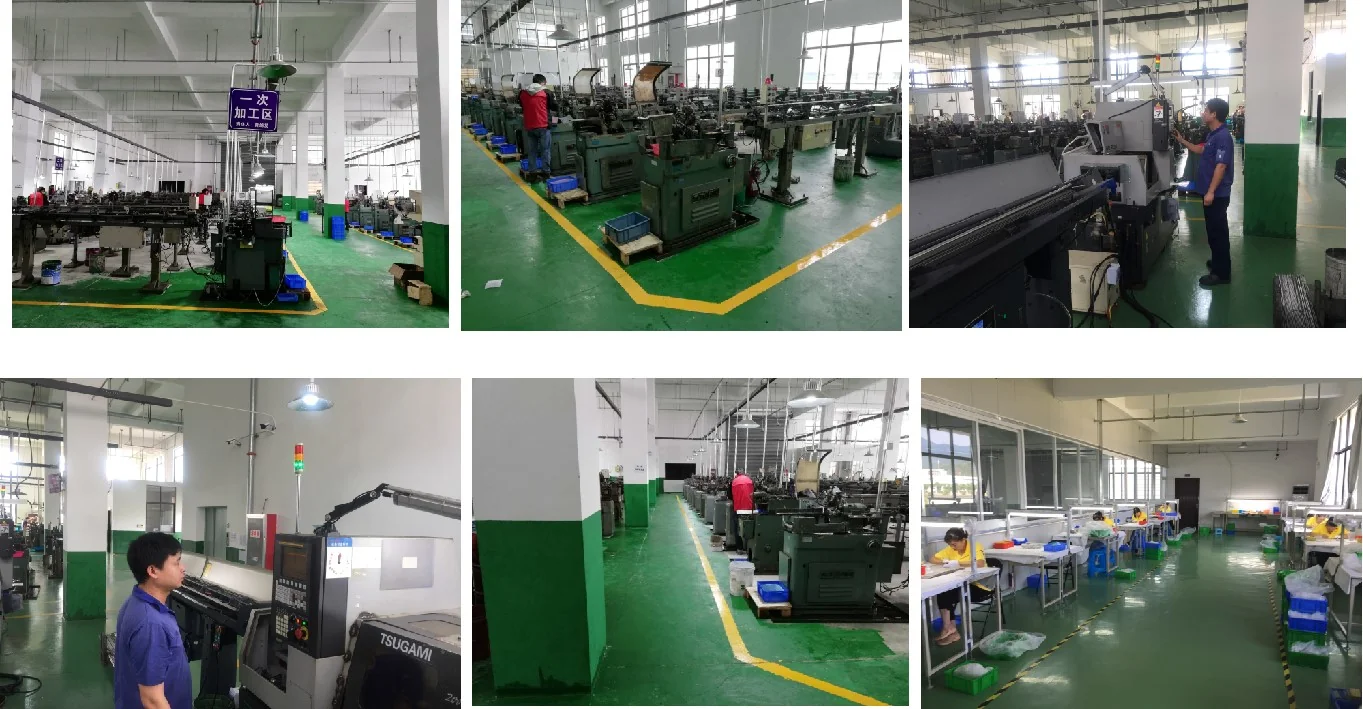
Core Engineering Team: 5+2+3 Specialization
Suzhou Baoshida’s proprietary engineering framework integrates specialized expertise across mold design, material formulation, and process optimization. This structure ensures end-to-end technical rigor while maintaining strict compliance with global standards for rubber manufacturing.
| Team | Headcount | Key Responsibilities | Technical Standards Applied |
|---|---|---|---|
| Mould Engineering | 5 | SolidWorks/CAD mold design with GD&T compliance (ASME Y14.5), DFM analysis, parting line optimization, metal insert bonding interfaces | ASME Y14.5, ISO 2768, ISO 1302 |
| Formula Engineering | 2 | Material selection per ASTM D2000 Grade/Type/Class, compound development for tensile strength, oil resistance, compression set | ASTM D412, D471, D395, D1418 |
| Process Engineering | 3 | Injection/compression molding parameter optimization, SPC monitoring, flash control, ejection system design | ASTM D575, ISO 9001, ISO 1629 |
Partner Factory Network: Scalable Manufacturing Execution
Our network of 10+ ISO 9001-certified partner factories across China provides flexible manufacturing capacity while maintaining consistent quality. Each facility is vetted for specialized capabilities, including high-precision injection molding, compression molding, and metal-rubber bonding. This distributed model enables:
Concurrent tooling production across multiple sites, reducing lead times by 30–50%
Dedicated capacity allocation for urgent orders (e.g., 15–20 day tooling lead time vs. industry average 4–6 weeks)
Redundant production pathways to eliminate single-point failures through real-time capacity mapping
Proven Solutions for Critical Customer Pain Points
| Customer Pain Point | Our Solution | Technical Validation Method |
|---|---|---|
| Extended tooling lead times (4–6 weeks) | Partner factory network enables parallel tooling production; 3D-printed prototypes validated in 72 hours for rapid design iteration | GD&T tolerance analysis (ASME Y14.5), CMM measurement reports |
| Flash defects on molded components | Mould engineers optimize parting line tolerances (±0.02mm) with SolidWorks analysis; process engineers adjust injection pressure per ASTM D575 compression testing protocols | Flash height measurement (≤0.05mm per ISO 3302-2), D575 compression set testing |
| Material performance inconsistencies | Formula engineers select compounds per ASTM D2000 specifications, validated via D1418 tensile strength and D395 compression set testing | Tensile strength (ASTM D412), oil resistance (ASTM D471), compression set (ASTM D395) |
| Metal-rubber bonding failures | Integrated design of metal inserts with surface treatment protocols; adhesion strength validated per ASTM D429 peel test | Peel strength testing (ASTM D429), bond interface microscopy (SEM) |
| High-volume production scalability | Dedicated partner factories for high-cavity molds (up to 64 cavities), with SPC-controlled cycle times ≤15 seconds | Statistical process control (SPC) charts, OEE metrics ≥85% |
Customization & QC Process

Quality Control & Customization Process
Suzhou Baoshida’s end-to-end custom rubber production process integrates precision engineering, standardized testing, and industry-specific validation to ensure compliance with ASTM, ISO, and ASME standards. Our 5+2+3 Engineering Team Structure ensures specialized expertise at every stage, with senior engineers averaging 18+ years of experience in automotive, hydraulic, and industrial applications.
Engineering Team Structure: 5+2+3 Specialization
| Role | Number | Key Responsibilities | Experience |
|---|---|---|---|
| Mold Design Engineers | 5 | SolidWorks CAD modeling, mold flow simulation (Moldflow), GD&T validation per ASME Y14.5 | 15–22 years |
| Formula Engineers | 2 | ASTM D2000 material classification, compound optimization (cross-linking, fillers), toxicity compliance (REACH/ROHS) | 18–25 years |
| Process Engineers | 3 | Injection/compression molding parameter control, flash minimization, metal bonding adhesion protocols | 16–23 years |
Step 1: Drawing Analysis by Structural Engineers
Our 5-member Mold Design Team conducts GD&T validation and mold flow simulation using SolidWorks Plastics to eliminate manufacturing defects before tooling. Critical parameters are analyzed against ASME Y14.5 and ISO 2768 standards to ensure moldability, part integrity, and flash control.
| Parameter | Standard | Tolerance | Manufacturing Impact |
|---|---|---|---|
| Draft Angle | ISO 2768-mK | ≥1° | Prevents part ejection damage |
| Wall Thickness Uniformity | ASTM D2000 | ±0.1 mm | Controls curing time and flash formation |
| Parting Line Gap | ASME Y14.5 | ≤0.02 mm | Critical for flash reduction (≤0.1 mm post-molding) |
| Radii Corners | ISO 13715 | R0.3 mm min | Reduces stress concentration and cracking |
Senior Engineer Insight: “We validate all CAD models for mold venting, ejector pin placement, and thermal distribution to prevent sink marks or warpage. For metal-bonded parts, we enforce 0.01 mm positional tolerance on mounting surfaces.”
— Lead Mold Design Engineer, 19 years in automotive sealing systems
Step 2: Material Formulation by Formula Engineers
Formula Engineers select and optimize rubber compounds using ASTM D2000 specifications to match application-specific requirements (e.g., oil resistance, temperature range). All formulations undergo pre-production testing per ASTM D412, D2240, and D471 standards.
| Application | ASTM D2000 Code | Key Properties | Testing Standards |
|---|---|---|---|
| Automotive Seals | M2A3 | 150°C heat resistance, oil resistance (DIN 722) | ASTM D471, D575 |
| Hydraulic Components | M1B4 | Tensile strength ≥18 MPa, abrasion resistance | ASTM D412, D596 |
| Pump/Valve Gaskets | M3C2 | Low-temp flexibility (-40°C), compression set ≤25% | ASTM D2137, D395 |
Senior Engineer Insight: “For hydraulic systems, we adjust sulfur/carbon black ratios to meet ASTM D471 oil swell limits (<15% volume change). This requires 3–5 iterative compound trials before final approval.”
— Lead Formula Engineer, 22 years in fluid power components
Step 3: Prototyping & Validation
Leveraging 10+ partner factories for rapid tooling, we produce prototypes within 7–10 days. Each sample undergoes dimensional, physical, and adhesion testing to validate design intent before mass production.
| Test Type | Standard | Acceptance Criteria | Tooling Adjustment |
|---|---|---|---|
| Dimensional Accuracy | ASME Y14.5 | ±0.05 mm tolerance | Modify cavity dimensions via EDM polishing |
| Metal Bond Adhesion | ASTM D429 | Peel strength ≥1.5 kN/m | Optimize surface etching (e.g., plasma treatment) |
| Flash Height | ISO 1101 | ≤0.1 mm at parting line | Adjust clamping force (±5% of max) |
Senior Engineer Insight: “We use CMM scanning to verify metal-rubber bond integrity. If peel strength fails, we adjust the metal surface roughness (Ra 1.6–3.2 μm) or bonding agent formulation before proceeding.”
— Process Engineering Director, 17 years in valve manufacturing
Step 4: Mass Production & Final QC
All production lines implement statistical process control (SPC) with real-time monitoring of injection pressure, temperature, and cycle time. Final QC includes 100% visual inspection and 5% destructive testing per ISO 9001.
| Stage | Inspection Method | Standard | Acceptance Criteria |
|---|---|---|---|
| In-process | Laser scanning | ASME Y14.5 | ±0.03 mm tolerance (every 30 mins) |
| Final Destructive | Tensile tester | ASTM D412 | ≥90% of target tensile strength |
| Packaging | Visual inspection | ISO 9001 | Zero defects, traceable lot numbers |
Senior Engineer Insight: “We track 12+ SPC parameters per shift. For high-volume automotive parts, we use AI-driven defect detection to reduce scrap rates to <0.2%.”
— Head of Production, 15 years in OEM rubber component supply
Why This Process Delivers Value:
Risk Mitigation: 100% of molds undergo FEA simulation before fabrication, reducing rework by 35%.
Compliance Assurance: All materials certified to ASTM D2000, ISO 3601, and customer-specific specs.
Speed-to-Market: Rapid tooling via partner network cuts prototype lead times by 40% vs. industry average.
Contact our engineering team to optimize your custom rubber part design for manufacturability, cost, and performance.
Contact Our Engineering Team

Contact Suzhou Baoshida
Solve Your Sealing Problems Today
Suzhou Baoshida’s integrated engineering team and global manufacturing network deliver precision rubber components tailored to your industry-specific requirements. Our 5+2+3 Engineering Structure ensures optimal mold design, material formulation, and process control for reliable performance across automotive, hydraulic, pump/valve, and machinery applications.
| Engineering Discipline | Specialists | Key Capabilities |
|---|---|---|
| Mold Design | 5 | SolidWorks/CAD, GD&T, Flash Control, Rapid Tooling via 10+ Partner Factories |
| Formulation | 2 | ASTM D2000 Compliance, Material Selection, Tensile/Hardness Testing (D575, D1418) |
| Process Engineering | 3 | Injection/Compression Molding, Metal Bonding, Quality Assurance, Flash Management |
Mr. Boyce
Email: [email protected]
Phone: +86 189 5571 6798
Ready to optimize your rubber component performance? Contact us today for a technical consultation and receive a customized solution within 48 hours.
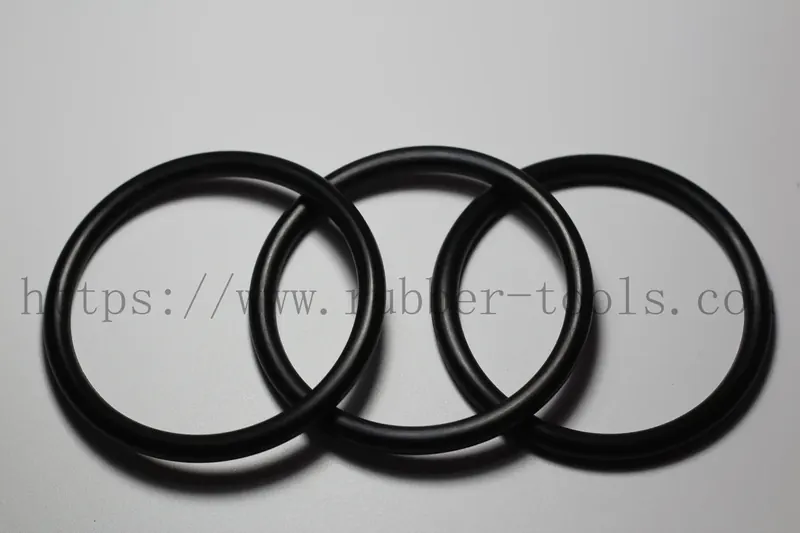
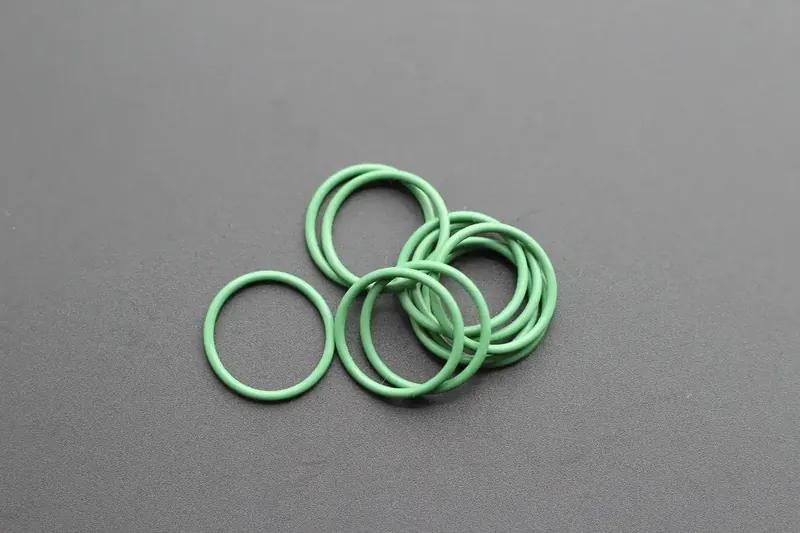
⚖️ O-Ring Weight Calculator
Estimate the weight of rubber O-rings for material planning.