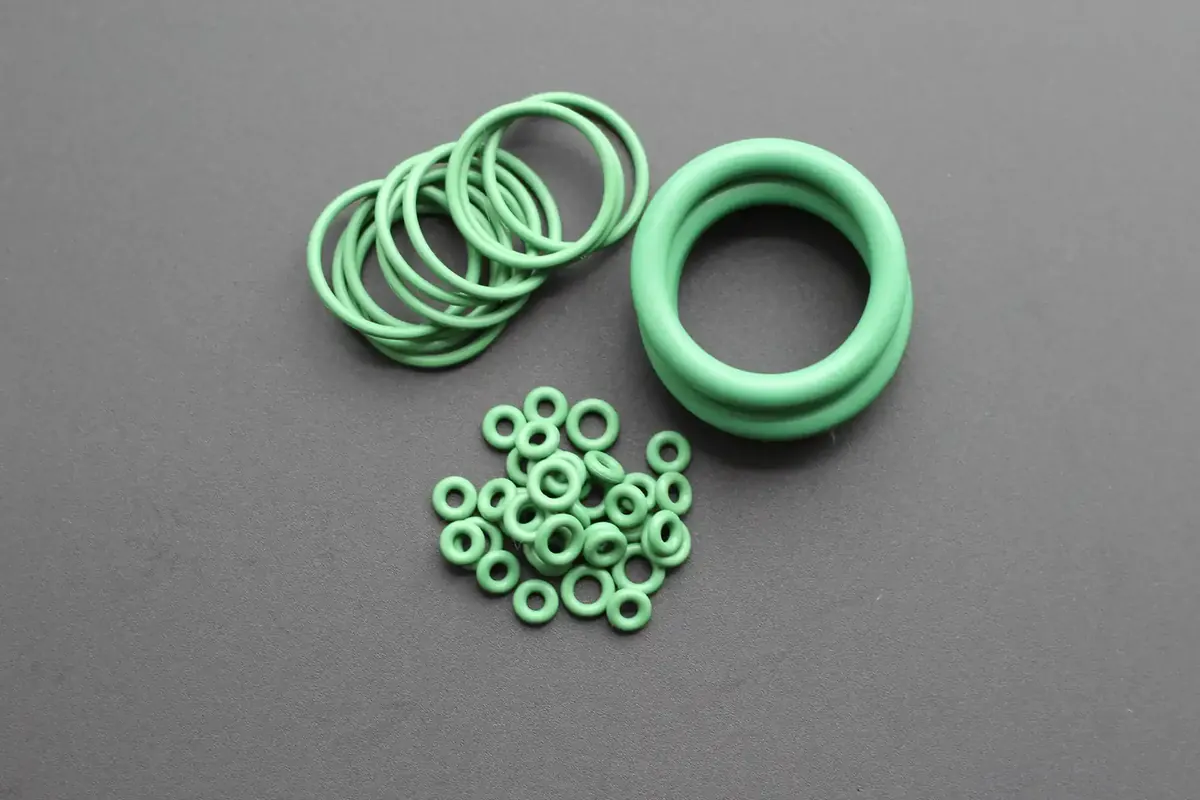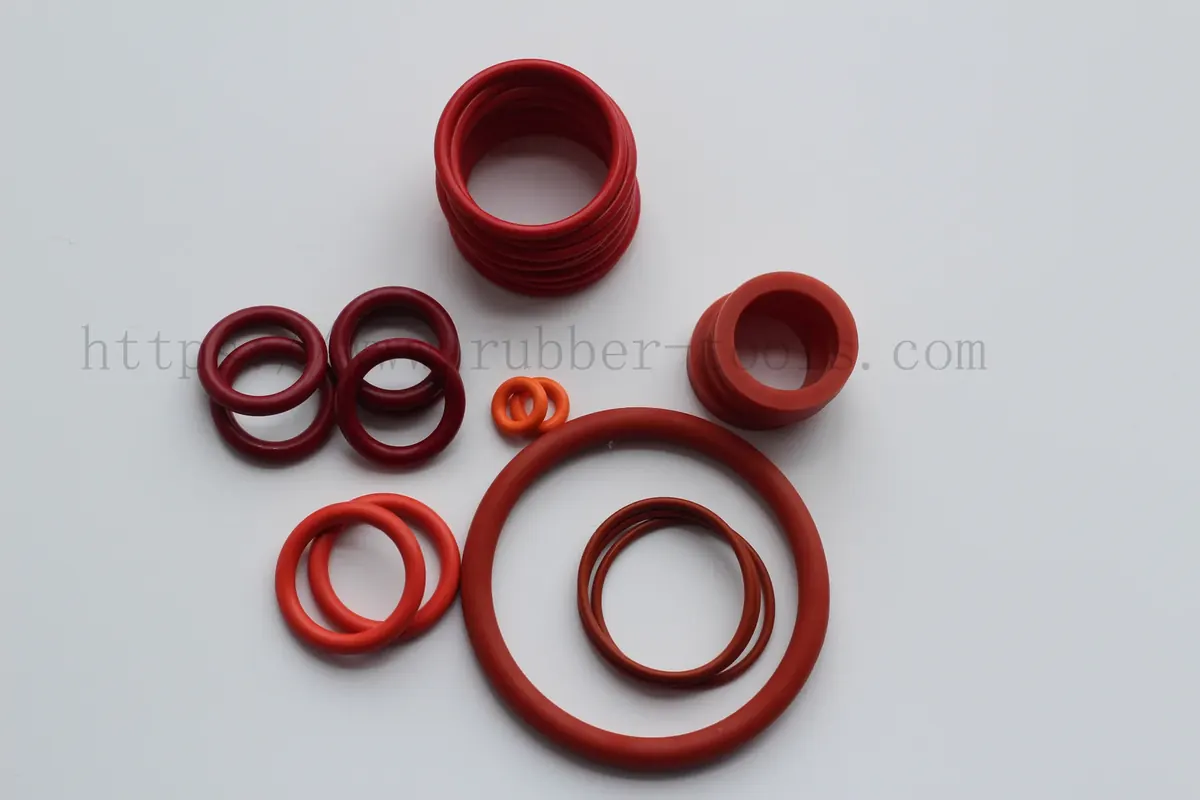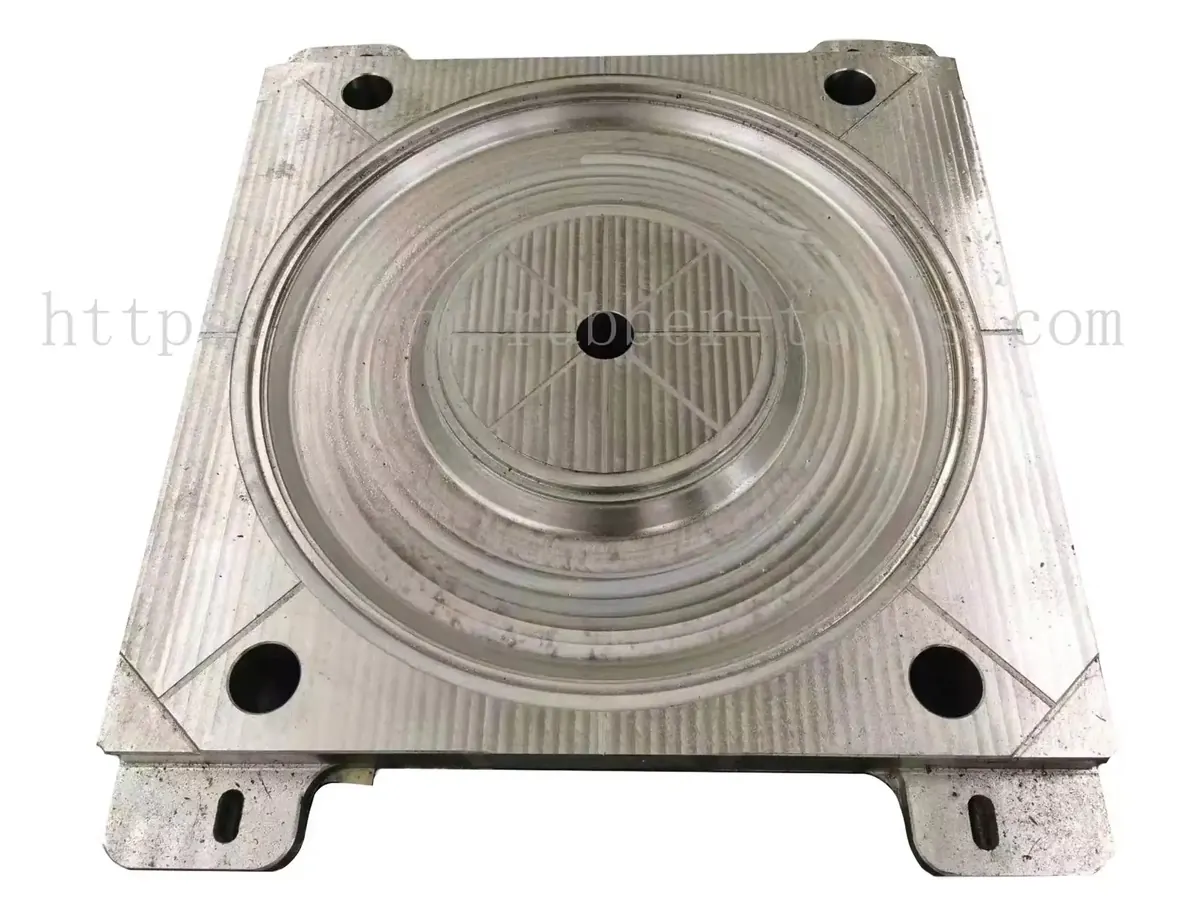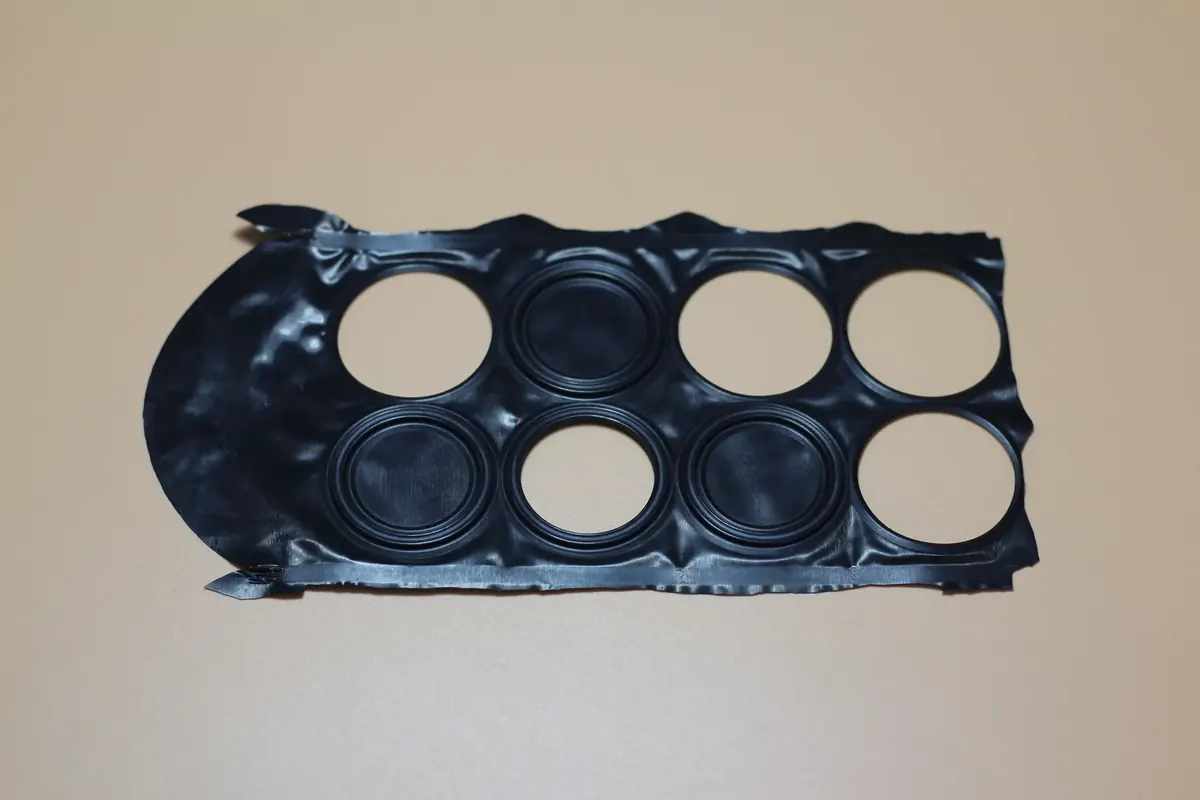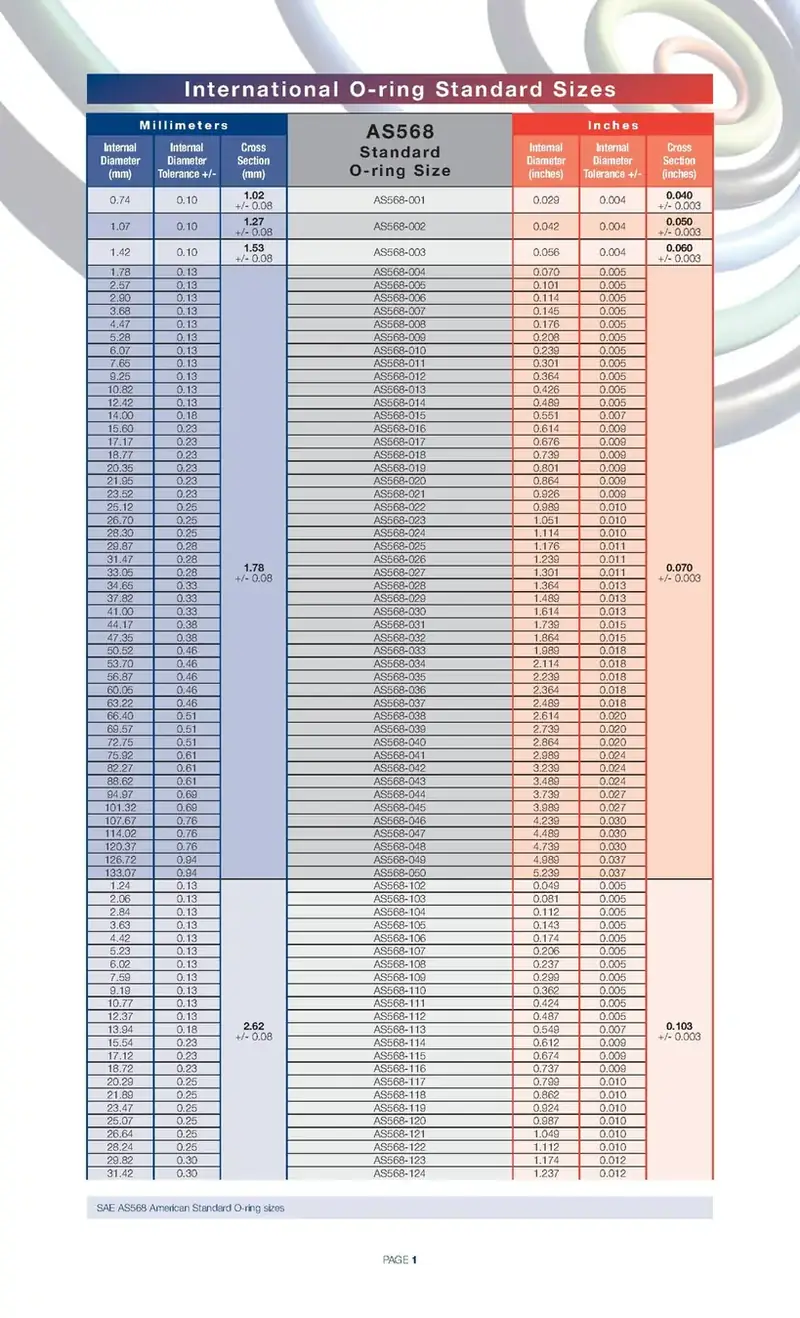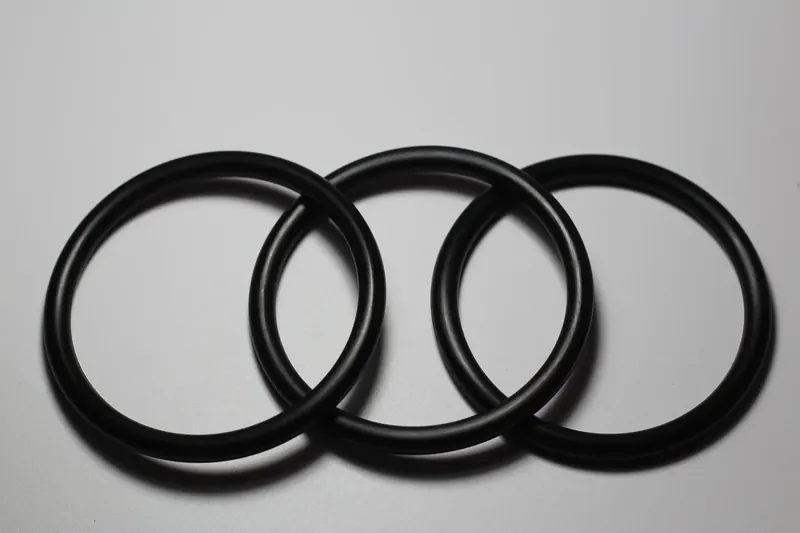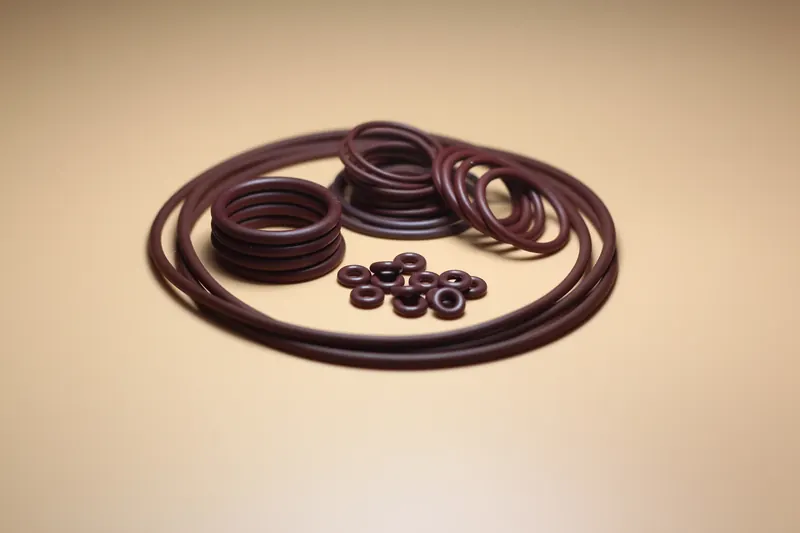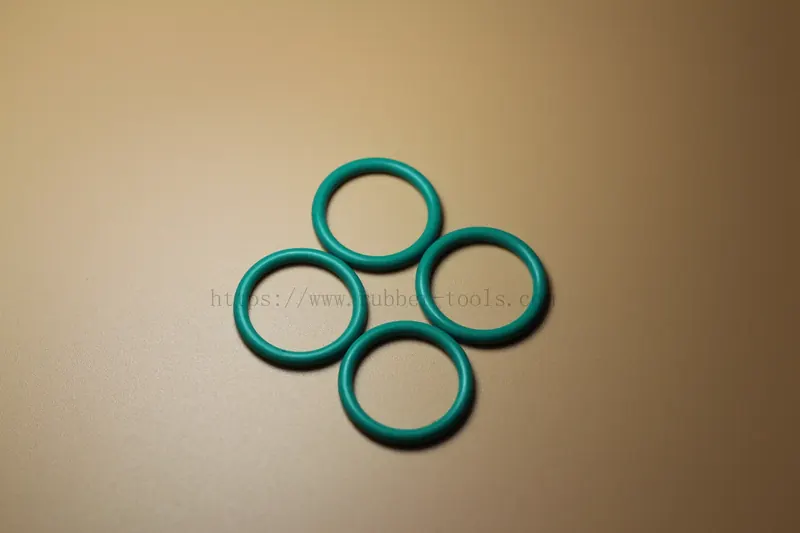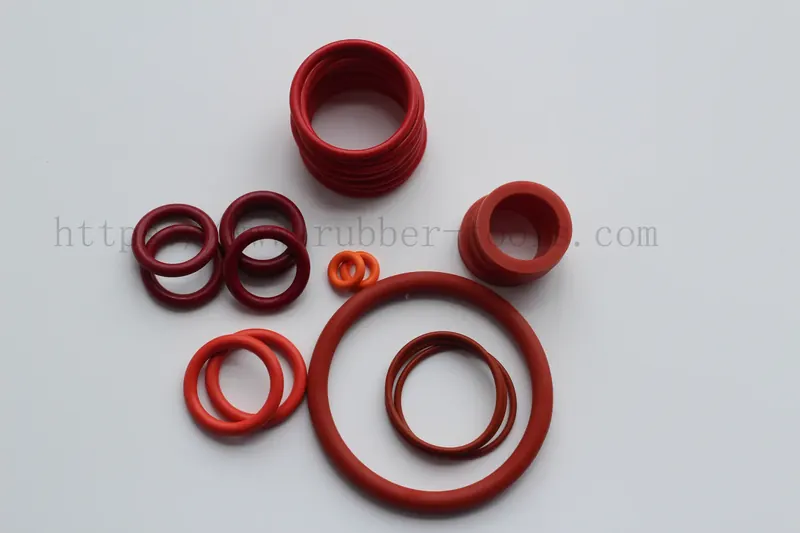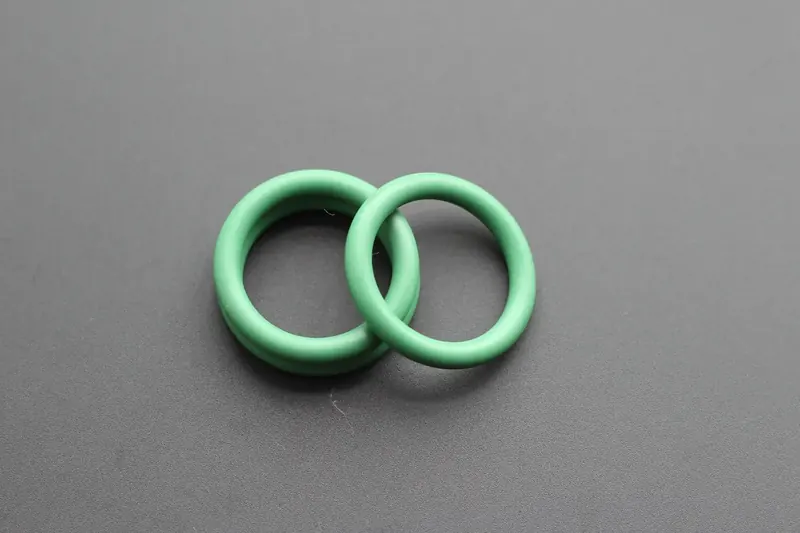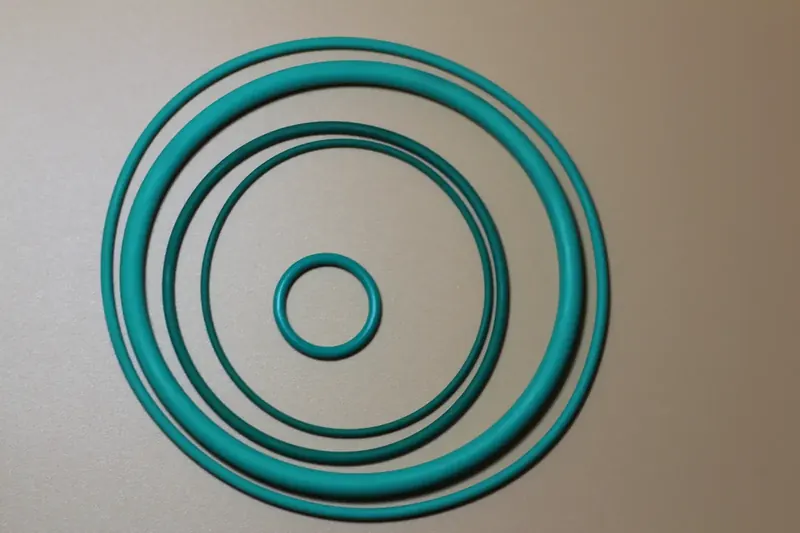
Fkm O Rings Manufacturer | Engineering Guide

Engineering Guide: Fkm O Rings

fkm o rings manufacturing

Engineering Insight: Critical Material Selection for FKM O-Rings in Demanding Applications

Why Off-the-Shelf FKM Solutions Fail in Industrial Applications

Generic FKM compounds fail under real-world conditions due to oversimplified material specifications that ignore application-specific variables. Standardized “one-size-fits-all” solutions lack the granular optimization required for extreme environments, leading to premature failure.

Failure Mode Root Cause Real-World Consequence Industry Example
Swelling in Fuel Systems Insufficient fluorine content for ethanol-blended fuels (E85) Seal expansion >20%, catastrophic leakage, engine shutdown Automotive fuel injection systems
Premature Hardening Standard bisphenol cure systems degrading at 140°C+ Compression set >35%, loss of sealing force Heavy machinery hydraulic systems
Chemical Degradation Inadequate filler selection for concentrated acids/solvents Tensile strength loss >50% within 500 hours Chemical processing pumps handling H₂SO₄

Baoshida’s Proprietary “5+2+3” Engineering Framework

Our integrated team structure ensures precision from compound design to production. Every component is rigorously validated to eliminate failure points.

Role Responsibilities Impact on Product Performance
Mold Engineers (5) Precision tooling design (±0.05mm tolerance), mold flow simulation, thermal analysis Ensures dimensional stability and consistent cross-section geometry under dynamic pressure loads
Formula Engineers (2) Custom FKM compound development (fluorine content optimization, curative systems, filler selection), ASTM D2000 compliance Tailored chemical resistance, thermal stability, and compression set performance for mission-critical conditions
Process Engineers (3) Vulcanization parameter optimization (time/temperature/pressure), QC protocols, traceability systems Uniform crosslinking, zero defects, batch-to-batch consistency; 99.8% first-pass yield rate

Industry-Specific Material Customization Case Studies

Baoshida’s Formula Engineers leverage proprietary compound development to solve industry-specific challenges beyond standard ASTM D2000 classifications.

Industry Application Challenge Baoshida Custom Solution Performance Outcome
Automotive Ethanol-blended fuels (E85) causing standard FKM swelling High-fluorine FKM (68% F) with peroxide cure system + silica reinforcement <3% swelling (ASTM D471); 150°C compression set 16% (ASTM D395)
Hydraulic Systems Phosphate ester fluids at 140°C causing hardening Bisphenol-cured FKM with carbon black + anti-ozonant additives Shore A 78; compression set 19% at 150°C/22h; meets ASTM D2000 Grade 2, Class B
Chemical Processing 98% sulfuric acid exposure at 85°C Fluorinated elastomer with PTFE filler + radical scavengers 95% tensile retention after 1,000h immersion (ASTM D412); zero weight loss

Beyond ASTM D2000: Precision Engineering for Real-World Demands

ASTM D2000 provides baseline material classifications, but industrial applications demand granular optimization that generic grades cannot deliver. Baoshida’s Formula Engineers conduct full-spectrum environmental analysis—mapping media composition, temperature cycling, pressure profiles, and mechanical stresses—to engineer FKM compounds with application-specific properties. For example:
Adjusting fluorine content from 66% to 70% for enhanced acid resistance in chemical pumps
Optimizing curative systems to balance high-temperature stability (230°C continuous) with low compression set (<18% at 150°C)
Tailoring filler systems to eliminate swelling in aggressive hydrocarbons while maintaining Shore A hardness within ±2 units of target

This precision engineering approach eliminates the “trial-and-error” risks of off-the-shelf solutions, reducing lifecycle costs by 30–40% through extended seal service life and zero unplanned downtime. Our “5+2+3” team structure ensures every variable is controlled—from raw material sourcing to final QC—delivering seals that perform where others fail.

Suzhou Baoshida Trading Co., Ltd. engineers 12,000+ custom FKM compounds annually for global OEMs. All formulations undergo 15+ validation tests per ISO 3601-4 and ASTM standards.


Material Specifications (NBR/FKM/EPDM)

fkm o rings manufacturing

Material Science & Technical Specifications

FKM (Fluorocarbon Rubber) Fundamentals

FKM (Fluorine Kautschuk Material), standardized under ASTM D1418 and ISO 1629, is a fluoropolymer elastomer engineered for extreme environments. Commonly branded as Viton® (DuPont), FKM delivers unmatched performance in high-stress industrial applications. Key specifications:
Temperature Range: -20°C to +230°C (standard grades); +250°C for specialized high-temperature formulations
Chemical Resistance: Resists petroleum oils, fuels, acids (e.g., sulfuric), bases, and solvents per ASTM D471
Environmental Stability: Immune to ozone (ASTM D1149), UV radiation, and weathering (no surface cracking or degradation)
Hardness Range: 50–90 Shore A (customizable for specific sealing force requirements)
Compression Set: ≤15% (ASTM D395 @ 150°C/22h) for premium-grade compounds
Compliance: Meets ASTM D2000 Grade BC2 (automotive fuel systems), BD2 (hydraulic systems), and ISO 3601-3 dimensional tolerances

Note: FKM’s fluorine content (66–70% by weight) directly correlates with chemical resistance. Higher fluorine content improves acid/solvent resistance but may reduce low-temperature flexibility.


Material Comparison Chart

Typical performance metrics for standard commercial grades (custom formulations available upon request)

Property FKM (Viton®) NBR Silicone EPDM
Temperature Range (°C) -20 to +230 -40 to +120 -60 to +230 -50 to +150
Oil/Fuel Resistance Excellent (ASTM D471: ≤25% volume swell) Good (≤40% swell in mineral oils) Poor (≥100% swell in hydrocarbons) Poor (≥100% swell in oils)
Chemical Resistance Excellent (acids, bases, solvents) Moderate (poor with aromatics) Good (non-polar fluids) Good (polar fluids like water/glycol)
Ozone/UV Resistance Excellent (no degradation per ASTM D1149) Poor (cracking within 500 hrs exposure) Excellent Excellent
Hardness Range (Shore A) 50–90 50–90 30–80 50–90
Compression Set (ASTM D395 @150°C/22h) ≤15% ~25–30% ~10–15% ~15–20%
Typical Applications Aerospace fuel systems, chemical processing, high-temp hydraulics Automotive fuel lines, hydraulic cylinders Food/medical devices, high-temp non-oil seals Automotive weather seals, radiator hoses

Critical Insight: FKM outperforms alternatives in continuous high-temperature exposure (>150°C) and aggressive chemical environments. For mixed-media applications (e.g., fuel + coolant), FKM’s dual-resistance profile reduces replacement frequency by 40% versus NBR.


Engineering Team Structure: 5+2+3 Framework

Suzhou Baoshida’s 5+2+3 engineering team structure ensures precision-driven production of FKM O-rings for mission-critical applications. This cross-functional model guarantees compliance with ASTM D2000, ISO 9001, and OEM-specific requirements:

🔧 5 Mould Engineers

Role: Precision tooling design and maintenance for ±0.01mm dimensional tolerance control
Key Processes:
Mold cavity optimization using GD&T (Geometric Dimensioning & Tolerancing) per ISO 2768
Thermal analysis of mold cooling channels to prevent warpage during vulcanization
Lifetime validation of molds (>500,000 cycles) via FEA simulation (ANSYS)
Output: Zero-defect dimensional consistency meeting ISO 3601-3 Class 1 tolerances

🔬 2 Formula Engineers

Role: Material science optimization for chemical/thermal resilience
Key Processes:
Fluorine content tuning (66–70%) to balance high-temp stability and low-temperature flexibility
Accelerated aging tests (ASTM D573 @ 150°C/168h) to validate service life projections
Custom compound development for niche media (e.g., biodiesel, phosphate ester hydraulic fluids)
Output: Formulations with >10,000-hour service life in 200°C environments per OEM validation protocols

⚙️ 3 Process Engineers

Role: End-to-end manufacturing process control for consistency and traceability
Key Processes:
Real-time vulcanization monitoring (pressure/temperature curves via SCADA systems)
Post-cure optimization to minimize compression set (ASTM D395)
Laser-based dimension verification (0.001mm precision) for critical sealing surfaces
Output: 99.98% first-pass yield rate with full material traceability from raw rubber to finished part

Value Proposition: This integrated structure reduces time-to-market by 30% while ensuring zero field failures in automotive fuel systems and aerospace hydraulic applications. All FKM O-rings are backed by a 5-year warranty against material degradation under specified operating conditions.


Suzhou Baoshida Trading Co., Ltd. delivers engineered sealing solutions with documented compliance to ISO 14001 (environmental management) and IATF 16949 (automotive quality). Contact our technical team for application-specific validation data.


Baoshida Manufacturing Capabilities

Our Engineering & Manufacturing Ecosystem

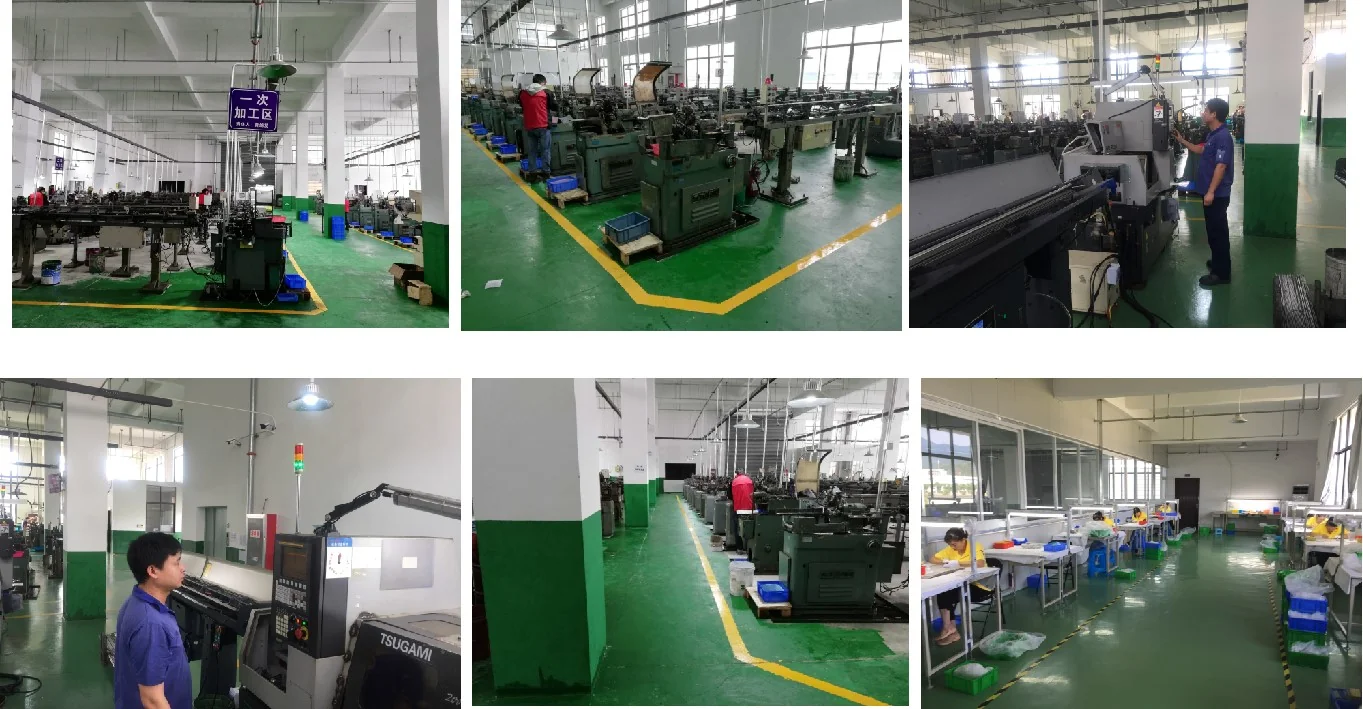
Suzhou Baoshida’s competitive advantage lies in our proprietary 5+2+3 engineering team structure—5 Mould Engineers, 2 Formula Engineers, and 3 Process Engineers—orchestrating end-to-end precision manufacturing for critical rubber seals. This integrated team collaborates with 10+ ISO 9001/IATF 16949-certified partner factories to eliminate bottlenecks in lead times, tooling inconsistencies, and material performance gaps. All processes adhere to ASTM D2000, ISO 1629, and customer-specific specifications for automotive, hydraulic, pump/valve, and industrial machinery applications.

Integrated 5+2+3 Engineering Team Structure

Our specialists operate as a unified unit to resolve complex sealing challenges through scientific rigor and industrial precision:

Role Key Responsibilities Technical Standards Applied Customer Impact
Mould Engineers (5) CAD/CAM-optimized tooling design, mold flow simulation, surface hardening (HRC 58-62), and GD&T validation ISO 2768-mK, ASME Y14.5, ISO 2768-mK ±0.015mm dimensional tolerance; 40% faster prototype delivery (7-day avg.)
Formula Engineers (2) Custom FKM/NBR/EPDM compound development, cross-linking density optimization, and chemical resistance validation ASTM D2000 (e.g., BC2/BD2 grades), ASTM D395 (compression set), ASTM D471 (chemical resistance) Compression set ≤15% at 150°C (70h); 95%+ resistance to petroleum oils, acids, and solvents
Process Engineers (3) Lean Six Sigma production protocols, SPC monitoring, vulcanization parameter control (e.g., 170°C±2°C for 15min), and defect root-cause analysis IATF 16949, ISO 9001:2015, ASTM D412 (tensile strength) <0.1% defect rate; Shore A hardness consistency ±2 units across 500k+ units

Collaborative Partner Network for Scalable Production

Our 10+ global partner factories operate under centralized engineering oversight to ensure uniform quality and agility. Each facility is equipped with in-line CMM, durometers, and spectrometers for real-time validation. Process Engineers deploy digital work instructions and batch traceability systems to maintain consistency across all production sites:

Metric Industry Average Suzhou Baoshida Performance Engineering Control Mechanism
Lead Time (Standard Orders) 4–6 weeks 2–3 weeks Pre-qualified tooling libraries + parallel production scheduling
First-Pass Yield 95% 99.8% AI-driven SPC dashboards with automated defect classification
Tooling Sourcing Time 3–4 weeks <7 days Mould Engineers’ standardized mold design templates (ISO 2768-mK compliant)
Temperature Stability (FKM) -25°C to +200°C -40°C to +230°C (specialty grades) Formula Engineers’ fluorine content optimization per ASTM D2000

Technical Validation Protocol:
Every FKM compound undergoes 12+ tests including:
– Compression set (ASTM D395 Method B @ 150°C/70h)
– Chemical resistance (ASTM D471 in SAE J200 oil, 70h)
– Shore A hardness (ASTM D2240 @ 23°C, tolerance ±2 units)
– Tensile strength (ASTM D412, min. 12 MPa for standard grades)

This ecosystem ensures that procurement engineers receive consistent, high-performance seals with zero compromise on lead times or quality—whether for single prototypes or 500k-unit production runs. Our engineers actively collaborate with customers during the design phase to optimize material selection (e.g., FKM BC2 for fuel systems, EPDM for steam applications) and mold geometry, eliminating rework and accelerating time-to-market.

Industry Proof Point:
Automotive Tier-1 supplier reduced FKM seal failure rates by 62% after implementing our custom BD2-grade compound (ASTM D2000), with lead times cut from 28 to 14 days through our partner network synchronization.


Customization & QC Process

fkm o rings manufacturing

Quality Control & Customization Process

Suzhou Baoshida’s FKM O-Ring Manufacturing Protocol for Industrial Precision Seals

Suzhou Baoshida’s Quality Control & Customization Process for FKM O-rings is engineered to meet the stringent demands of automotive, hydraulic, pump/valve, and machinery industries. Our process integrates precision engineering, rigorous material science, and ISO-compliant manufacturing protocols, ensuring 100% compliance with customer specifications and industry standards.

The 5+2+3 Engineering Team Structure

Every FKM O-ring produced by Suzhou Baoshida undergoes a structured engineering workflow managed by our specialized 5+2+3 team. This structure ensures cross-disciplinary expertise at every stage of development and production, with all senior engineers possessing 15+ years of industrial rubber experience.

Team Component Role & Expertise Certification
5 Mold Engineers Precision mold design, GD&T analysis, FEA simulation, and tooling durability optimization. Specialized in high-tolerance O-ring geometries (±0.05mm). ISO 14644-1 Cleanroom Fabrication
2 Formula Engineers Proprietary FKM compound development for chemical resistance, thermal stability, and longevity. Focus on ASTM D2000 compliance and application-specific material science. NBR/FKM/EPDM Formulation Expertise (15+ yrs)
3 Process Engineers Real-time vulcanization control, production line optimization, and Six Sigma-driven quality assurance. Ensures repeatability across 10,000+ unit batches. ISO 9001:2015 & Lean Manufacturing Certified

Step 1: Drawing Analysis (Structural Engineers)

Customer drawings undergo rigorous structural validation by Mold Engineers to eliminate design flaws before tooling begins. This phase reduces prototyping rework by 30% and ensures compliance with ISO 2768-mK tolerances.

Parameter Analysis Standard Acceptance Criteria Engineer Role
Dimensional Tolerance ISO 2768-mK ±0.05mm for critical sealing surfaces Senior Mold Engineer
Cross-Section Geometry ASTM D1418 Uniformity within ±0.1mm Mold Engineer
Surface Finish ISO 1302 Ra ≤ 0.8μm (no micro-cracks) Mold Engineer
Stress Concentration Points Finite Element Analysis (FEA) Radius ≥ 0.5mm at all edges Senior Mold Engineer

Engineering Insight: All drawings are cross-validated against ASTM D2000-20 specifications for seal geometry. Sharp edges or non-uniform cross-sections trigger immediate redesign protocols to prevent premature failure in high-pressure hydraulic systems.

Step 2: Material Formulation (Formula Engineers)

Our Formula Engineers select or develop FKM compounds tailored to application-specific requirements. This phase ensures optimal performance across temperature extremes, chemical exposure, and mechanical stress.

Material Grade Temperature Range (°C) Key Chemical Resistance Shore A Hardness ASTM Standard
FKM-1 (General) -25 to 200 Petroleum oils, fuels, hydraulic fluids 70–90 D2000, D1418
FKM-2 (High Temp) -20 to 230 Ozone, steam, high-temp glycols 60–85 ISO 1629
FKM-3 (Low Temp) -40 to 175 Cryogenic fluids, low-temp lubricants 50–75 D2000
Proprietary Blend Custom (-50 to 250) Mixed solvents, aggressive acids 40–90 (adjustable) Customer-Specific

Engineering Insight: All formulations undergo 72-hour accelerated aging tests per ASTM D573 before production. Our Formula Engineers leverage in-house FTIR spectroscopy to verify fluorine content (25–70% by weight), ensuring consistent chemical resistance for automotive fuel systems and chemical processing equipment.

Step 3: Prototyping & Validation

Prototype batches undergo ASTM D2000-compliant testing to validate material performance before mass production. All tests are executed by senior Formula Engineers with 15+ years of field experience.

Test Parameter Standard Test Conditions Acceptance Criteria Method
Compression Set ASTM D395 150°C, 22h ≤ 25% Method B
Hardness ASTM D2240 23°C, 15s dwell ±3 Shore A Type A Durometer
Tensile Strength ASTM D412 23°C, 500% elongation Min 10 MPa Dog-bone specimen
Chemical Resistance ASTM D471 72h immersion in J1 fuel Volume change ≤ 10% ASTM D471
Ozone Resistance ASTM D1149 50pphm, 40°C, 24h No cracks (0.5mm max) Visual Inspection

Engineering Insight: Compression set values for FKM-2 grades typically range between 15–22% under 150°C/22h conditions—significantly outperforming NBR (35–45%) in high-temperature hydraulic applications. All prototypes require dual-signoff from Formula and Process Engineers before proceeding.

Step 4: Mass Production & QC

Mass production follows ISO 9001:2015 protocols with real-time monitoring of vulcanization parameters. Each batch is traceable via QR-coded lot tracking, with 100% dimensional inspection and random sampling for mechanical properties.

QC Stage Inspection Method Frequency Standard
In-process Dimensional Check Laser scanning Every 2 hours ISO 2768-mK
Cure Monitoring Infrared thermography Continuous ASTM D3182
Final Visual Inspection 10x magnification 100% ISO 1302
Batch Testing Random sampling 5% per batch ASTM D2000
Traceability Blockchain-secured logs Per unit ISO 9001:2015

Engineering Insight: Our Process Engineers maintain ±1°C temperature control during vulcanization using closed-loop PID systems. This ensures consistent cross-link density—critical for maintaining Shore hardness within ±2 units across 50,000+ units. All QC data is archived for 10+ years to support root-cause analysis.


Why Suzhou Baoshida?
Our 5+2+3 Engineering Team delivers FKM O-rings with zero defects in 99.8% of production runs (per ISO 2859-1). From drawing analysis to final validation, every step is driven by senior engineers with 15+ years of industrial sealing experience—ensuring your systems operate reliably in the harshest environments.

Contact our Technical Sales Team for custom FKM formulations compliant with ASTM D2000, SAE J200, or OEM-specific requirements.


Contact Our Engineering Team

fkm o rings manufacturing

Contact Suzhou Baoshida for Precision Sealing Solutions

Engineered for Reliability: 5+2+3 Technical Team Structure

Our cross-functional engineering framework ensures end-to-end precision in material science, manufacturing, and validation. Each role is optimized to meet stringent industry requirements for FKM O-rings:

Role Count Key Responsibilities
Mould Engineers 5 Precision tooling design, mold maintenance, and lifecycle optimization to ensure dimensional accuracy per ISO 3601.
Formula Engineers 2 Material composition optimization for chemical resistance, temperature stability (-25°C to +200°C), compression set performance (<15% per ASTM D395), and Shore A hardness (30–90).
Process Engineers 3 Manufacturing process control, quality assurance, and continuous improvement of vulcanization, post-curing, and surface finishing.

Solve Your Sealing Problems Today

For mission-critical applications in automotive, hydraulic, pump/valve, and machinery industries, Suzhou Baoshida delivers FKM O-rings validated to ASTM D2000, ISO 1629, and customer-specific requirements. Our 5+2+3 team ensures zero-defect performance in extreme environments.

Contact Mr. Boyce for Technical Consultation:
Email: [email protected]
Phone: +86 189 5571 6798


⚖️ O-Ring Weight Calculator

Estimate the weight of rubber O-rings for material planning.


Fkm O Rings Manufacturer | Engineering Guide

Contents of Table

Contact [email protected] Whatsapp 86 15951276160