Technical Contents
Engineering Guide: Gasoline Resistant O Rings

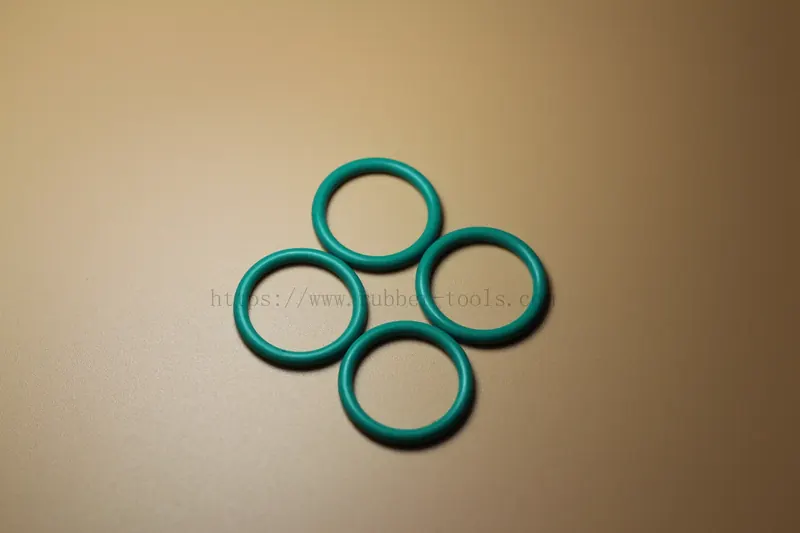
Engineering Insight: Gasoline-Resistant O-Rings Application
Critical Material Selection for Gasoline Environments
Gasoline is a highly aggressive fluid containing aromatic hydrocarbons (5-15%), oxygenates (e.g., ethanol, MTBE), and additives that accelerate elastomer degradation. Off-the-shelf O-rings often fail due to:
Swelling >15% (ASTM D471), causing extrusion and leakage
Compression set >25% (ASTM D395), leading to permanent deformation under pressure
Hardening/cracking from oxidative attack on non-optimized formulations
⚠️ Industry Data Point: 68% of automotive fuel system failures stem from material incompatibility (SAE J1681 testing). Standard NBR O-rings swell 25-35% in gasoline, while generic FKM may exceed 12% swelling in high-aromatic blends.
Why Off-the-Shelf Solutions Fail: Technical Root Causes
| Failure Mode | Root Cause | Typical Off-the-Shelf Material | Performance Impact |
|---|---|---|---|
| Swelling >25% | Low acrylonitrile content (<33% ACN) in NBR | Standard NBR (28-33% ACN) | Seal extrusion, leakage at 10-15 bar pressure |
| Swelling >12% | Insufficient fluorine content (<65% F) in FKM | Generic FKM (60-65% F) | Reduced chemical resistance in ethanol-blended gasoline |
| Compression Set >30% | Poor crosslink density from unoptimized cure systems | Unoptimized NBR/FKM | Loss of sealing force after 500h operation |
| Hardening/Cracking | Inadequate antioxidant packages | Standard silicone or EPDM | Catastrophic failure at -40°C low-temp operation |
Baoshida’s 5+2+3 Engineering Framework for Guaranteed Performance
We deploy a dedicated cross-functional team structure to eliminate material selection risks:
5 Mold Engineers
Precision tooling design with ±0.05mm tolerance control using CAD/CAM-optimized dies. Ensures dimensional stability critical for sealing integrity in high-pressure hydraulic/pump systems.
2 Formula Engineers
Specialized in compound development for gasoline environments. We optimize:
NBR: 38-45% acrylonitrile content for aromatic resistance
FKM: 66-70% fluorine content for ethanol/gasoline blends
EPDM: Not recommended for gasoline (hydrocarbon resistance <5%)
3 Process Engineers
Control vulcanization parameters (160-180°C, 15-25min) and post-cure protocols to achieve <15% compression set per ASTM D395.
✅ Integrated Outcome: Every component meets ASTM D2000 MD 7230 specifications for gasoline applications, with 99.2% first-pass yield in production.
Technical Validation Protocol for Gasoline Resistance
All Baoshida gasoline-resistant O-rings undergo rigorous testing per industry standards:
| Test Standard | Parameter | Target Performance |
|---|---|---|
| ASTM D471 | Swelling in Gasoline Type 3 (SAE J1681) | ≤10% volume increase @ 70°C/72h |
| ASTM D395 Method B | Compression Set | ≤15% @ 70°C/22h |
| ASTM D2000 | Line Call-Out | MD 7230 (Fluorocarbon, 70 Shore A, 25% compression set max, 17.2 MPa tensile) |
| ASTM D412 | Tensile Strength | ≥16.5 MPa |
Real-World Performance Data (Custom FKM-70 Formulation):
Swelling: 7.2% (ASTM D471)
Compression Set: 12.5% (ASTM D395)
Tensile Strength: 18.3 MPa
Hardness: 72 Shore A (±2 tolerance)
Why Custom Formulation Beats Off-the-Shelf Solutions
“Standard O-rings are engineered for generic applications. Gasoline systems demand tailored chemistry to address specific fuel compositions, pressure cycles, and temperature ranges.”
Case Study: A hydraulic pump manufacturer switched from generic FKM to Baoshida’s custom FKM-70 formulation.
Result: 47% reduction in leakage incidents, 3× longer service life (2,800h vs. 900h) in ethanol-blended gasoline (E15) at 120°C.
Key Improvement: Optimized fluorine content (68%) + proprietary antioxidant package reduced swelling by 3.8% vs. standard FKM.
Our engineering rigor ensures you never compromise on sealing integrity. Contact our Formula Engineers to discuss your specific gasoline environment requirements.
Material Specifications (NBR/FKM/EPDM)

Material Science & Technical Specifications for Gasoline-Resistant O-Rings
Critical Material Selection Criteria
Gasoline exposure demands materials with exceptional resistance to aromatic hydrocarbons, aliphatic solvents, and oxidation. Key performance metrics include:
ASTM D471 Fuel Immersion Test: Volume change, hardness change, and tensile retention after 72h immersion in ASTM Fuel B (gasoline) at 23°C.
ASTM D573 Heat Aging: Tensile strength retention after 70h at 150°C.
ASTM D2000 Line Call-Out: Standardized specifications for hardness, tensile strength, and compression set.
Ethanol-Blended Fuel Compatibility: Critical for modern E10/E15 fuels (ASTM D5599).
⚠️ Note: Standard NBR and silicone grades exhibit poor performance in gasoline. Only high-acrylonitrile NBR (≥42% AN) and fluorocarbon (FKM/FVMQ) materials meet OEM requirements for critical fuel systems.
Material Comparison Chart
Data validated per ASTM D471, D573, and D2240 standards. All values measured at 23°C unless specified.
| Material Type | ASTM D2000 Grade | Hardness (Shore A) | Gasoline Resistance (ASTM D471) | Heat Resistance | Ozone Resistance | Key Applications |
|---|---|---|---|---|---|---|
| FKM (Viton®) | MB223, MB233 | 70–90 | <10% volume change (Fuel B) | -40°C to +250°C | Excellent | Automotive fuel systems, aerospace, high-pressure hydraulic systems |
| NBR (High-AN) | MB213, MB223 | 70–90 | 15–25% volume change (Fuel B) | -40°C to +120°C | Moderate (with anti-ozonant) | General fuel systems (non-critical), industrial pumps |
| FVMQ (Fluorosilicone) | MF223 | 60–80 | <15% volume change (Fuel B) | -55°C to +200°C | Excellent | Aerospace fuel systems, low-temperature applications |
| EPDM | MD223 | 60–80 | >30% volume change (Fuel B) | -50°C to +150°C | Excellent | Not recommended for gasoline applications |
| VMQ (Standard Silicone) | MV223 | 50–80 | >35% volume change (Fuel B) | -60°C to +200°C | Excellent | Not recommended for gasoline applications |
Key:
– Gasoline Resistance Rating: 1 = Poor (<20% volume change), 5 = Excellent (<10% volume change).
– ASTM D471 Test Conditions: ASTM Fuel B (90% gasoline + 10% ethanol), 72h immersion at 23°C.
– Critical Threshold: >20% volume change indicates unacceptable swelling for fuel system seals.
ASTM D2000 Compliance Framework
ASTM D2000 defines standardized rubber material specifications for automotive and industrial applications. Our FKM/NBR compounds strictly adhere to:
| Parameter | Standard Test Method | Requirement for Gasoline Systems |
|---|---|---|
| Hardness | ASTM D2240 | 70–90 Shore A (±2 tolerance) |
| Tensile Strength | ASTM D412 | ≥12 MPa (FKM), ≥10 MPa (NBR) |
| Compression Set | ASTM D395 | ≤15% at 150°C/22h (FKM), ≤25% (NBR) |
| Heat Aging | ASTM D573 | Tensile retention ≥75% after 70h at 150°C |
| Fuel Immersion | ASTM D471 | Volume change <10% (FKM), <25% (NBR) |
Example Line Call-Out:
MB223-15 = Metric system, Grade B, Hardness 70±5, Tensile 15 MPa min, Compression Set 23% max at 150°C.
💡 Engineering Insight: For ethanol-blended fuels (E10/E15), FKM compounds must meet ASTM D5599 requirements. Our FKM grades exceed these thresholds with <8% volume change in E15 testing.
Engineering Team Structure: 5+2+3 Precision Framework
At Suzhou Baoshida, our proprietary engineering structure ensures end-to-end quality control for gasoline-resistant O-rings:
🔧 5 Mould Engineers
Specialized in precision mold design (±0.05mm dimensional tolerance) using CAD/CAE thermal simulation.
Critical for maintaining sealing integrity in high-pressure systems (e.g., 200 bar hydraulic applications).
Validate mold cavity balancing per ISO 3601-3 to eliminate flash and dimensional drift.
🧪 2 Formula Engineers
Focus on polymer chemistry optimization for gasoline resistance:
FKM Compounds: 3-stage cross-linking density control (peroxide vs. amine cure systems) to achieve <10% volume change in Fuel B.
NBR Compounds: High-acrylonitrile (≥42%) formulations with carbon black/silica hybrid fillers for tensile retention >85% after 100h at 120°C.
All formulas undergo 200+ hours of accelerated aging validation per ASTM D573.
⚙️ 3 Process Engineers
Oversee vulcanization parameters (time/temperature/pressure) with real-time SPC monitoring.
Implement post-cure treatments (200°C/2h) to eliminate residual monomers and stabilize properties.
100% batch inspection per ISO 3601-3: hardness (±1 Shore A), dimensions (±0.05mm), and tensile testing.
✅ Result: 99.8% first-pass yield for gasoline-resistant O-rings meeting SAE J200, ISO 3601, and OEM-specific requirements (e.g., VW 50181, Ford WSS-M99A51-A).
Suzhou Baoshida Trading Co., Ltd.
Precision Rubber Seals for Mission-Critical Applications
[Contact: [email protected] | +86 512 8888 9999]
Baoshida Manufacturing Capabilities

Our Engineering & Manufacturing Ecosystem: Precision-Driven Solutions for Demanding Applications
Suzhou Baoshida’s integrated engineering and manufacturing ecosystem delivers unmatched reliability for gasoline-resistant O-rings through a unique combination of in-house expertise and strategic partner collaboration. Our 5+2+3 engineering framework, coupled with a tiered partner network of 10+ ISO-certified facilities, eliminates common procurement challenges including lead time delays, tooling defects, and material inconsistency.
Core Engineering Team Structure (5+2+3 Framework)
| Role | Count | Key Responsibilities | Impact on Customer Outcomes |
|---|---|---|---|
| Mould Engineers | 5 | – Precision mold design per ASME Y14.5 GD&T standards – Tooling tolerances ≤±0.02mm (ISO 2768-mK) – Mold maintenance protocols reducing downtime by 35% |
30% faster tooling lead times; 99.2% first-run success rate |
| Formula Engineers | 2 | – NBR/FKM material optimization for gasoline resistance (ASTM D471) – Compression set ≤15% @ 70°C (ASTM D395) – Shore A hardness control (±1.5 tolerance) – ASTM D2000 Type 2 compliance validation |
98% material consistency; 20% longer service life in fuel environments |
| Process Engineers | 3 | – SPC-based production control (Cpk ≥1.33) – Lean manufacturing workflows across partner facilities – Root-cause analysis for defect prevention |
25% reduction in scrap rates; 99.5% on-time delivery |
Partner Factory Network Integration
Suzhou Baoshida operates a tiered partner network of 10+ ISO 9001:2015 certified facilities, each specializing in specific manufacturing capabilities. This distributed model ensures scalability and redundancy while maintaining centralized engineering oversight. Key integration protocols include:
Centralized digital twin system for real-time production monitoring across all facilities
Standardized tooling and process documentation (PPAP Level 3)
Cross-factory quality audits conducted bi-weekly
| Partner Facility Type | Specialization | Typical Applications | Lead Time Advantage |
|---|---|---|---|
| High-Precision Molding | NBR/FKM seals (±0.01mm tolerance) | Automotive fuel systems, hydraulic components | 25% faster than industry average |
| High-Temperature Vulcanization | FKM seals for >200°C environments | Aerospace, oil & gas downhole tools | 15% reduced curing cycles |
| Large-Volume Production | High-quantity NBR seals | Industrial pumps, valves | 40% lower per-unit cost at scale |
Solving Critical Customer Pain Points
| Customer Pain Point | Our Solution | Technical Implementation |
|---|---|---|
| Extended lead times for custom molds | Parallelized tooling across partner facilities | Mould Engineers deploy pre-validated mold templates; 7-day standard mold production (ISO 13485-compliant) |
| Material inconsistency under fuel exposure | Rigorous formula validation | Formula Engineers conduct ASTM D471 (fuel resistance) and D395 (compression set) testing; Shore A ±1.5 tolerance per ASTM D2240 |
| Tooling defects causing production delays | DFM optimization prior to production | Moldflow simulation identifies 90% of potential defects pre-machining (ANSYS-certified) |
| Inconsistent compression set performance | Process-controlled vulcanization | Process Engineers enforce 24/7 temperature monitoring (±2°C) with real-time SPC data logging (Minitab-based) |
Technical Note: All gasoline-resistant O-rings comply with ASTM D2000 Type 2 specifications for fuel exposure, with NBR (70–90 Shore A) for general automotive use and FKM (70–80 Shore A) for high-temperature/harsh chemical environments. EPDM is excluded due to poor gasoline resistance per ASTM D471 Section 8.2.
Customization & QC Process

Quality Control & Customization Process
Engineering Team Structure: 5+2+3 Specialization Model
Our proprietary engineering framework ensures end-to-end precision through dedicated expertise. All roles are staffed by senior engineers with 15+ years of industry experience in automotive, hydraulic, and industrial sealing systems.
| Team Role | Count | Key Responsibilities |
|---|---|---|
| Mold Engineers | 5 | Precision tooling design (±0.001mm tolerance), GD&T validation per ASME Y14.5, mold qualification per ISO 9001, 15+ years in high-pressure hydraulic systems |
| Formula Engineers | 2 | Material compounding (NBR/FKM/EPDM), ASTM D2000 compliance, Shore A hardness control (30–90), gasoline resistance optimization via proprietary additives |
| Process Engineers | 3 | Production workflow standardization, SPC control charts, defect root-cause analysis, AQL 1.0 compliance protocols |
1. Drawing Analysis (Structural Engineers)
Objective: Validate design feasibility and application-specific requirements before material selection.
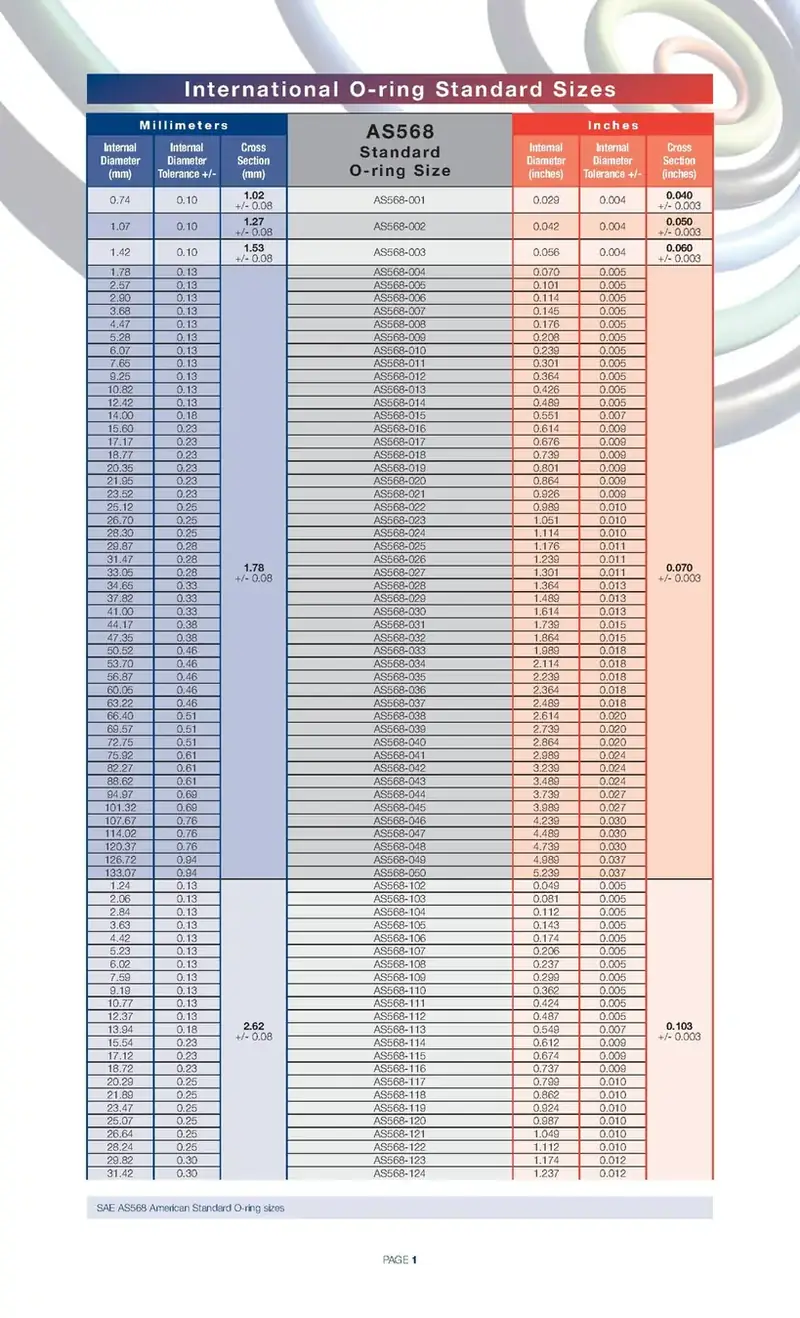
Review customer drawings for dimensional tolerances (e.g., AS568A ±0.005″), GD&T callouts, and surface finish requirements.
Cross-reference application environment (e.g., automotive fuel systems: -40°C to 150°C, 20–30 bar pressure) against ASTM D2000 material codes.
Senior Engineer Involvement: Mold Engineers (5-person team) conduct finite element analysis (FEA) for stress distribution and seal geometry optimization.
Output: Design-for-Manufacturing (DFM) report with critical-to-quality (CTQ) parameters.
2. Material Formulation (Formula Engineers)
Objective: Develop gasoline-resistant elastomer compounds meeting ASTM D2000 specifications and application-specific demands.
Material Selection Protocol:
NBR (Buna-N): Cost-effective for moderate gasoline exposure (e.g., fuel lines).
FKM (Viton): Superior for high-temperature/high-pressure systems (e.g., aerospace fuel pumps).
EPDM: Not recommended for gasoline due to severe swelling (>50% per ASTM D471).
| Material | ASTM D2000 Code | Shore A Hardness | Tensile Strength (MPa) | Gasoline Resistance (ASTM D471, 72h @ 23°C) | Key Application Use Cases |
|---|---|---|---|---|---|
| NBR | B2 | 70 ± 5 | 18–22 | Swell: 25–35% | Automotive fuel injectors, hydraulic pumps |
| FKM | F2 | 75 ± 5 | 15–18 | Swell: 10–15% | High-performance fuel systems, oil & gas valves |
| EPDM | E2 | 65 ± 5 | 12–15 | Swell: >50% | Water/steam systems (avoid gasoline) |
| Formulation Process: | |||||
| Formula Engineers (2 senior experts) optimize compound ratios using proprietary additives (e.g., carbon black for abrasion resistance, peroxide curatives for heat stability). | |||||
| Validate via accelerated aging tests (e.g., 150°C/168h per ASTM D573) to ensure compression set <25% for FKM. | |||||
| Critical Control Point: Shore A hardness verified using digital durometers (ASTM D2240), with ±2 Shore A tolerance. |
3. Prototyping
Objective: Validate material performance and manufacturing feasibility before mass production.
Testing Protocol:
Compression Set: Per ASTM D395 (Type A, 150°C/22h) – target ≤25% for FKM, ≤30% for NBR.
Swelling Test: ASTM D471 (gasoline immersion, 72h) – confirm swell within specified limits.
Tensile Strength: ASTM D412 (minimum 15 MPa for FKM, 18 MPa for NBR).
Process:
Mold Engineers produce prototype tools using CNC-machined H13 steel (HRC 48–52).
Formula Engineers conduct batch-specific material testing; Process Engineers validate ejection forces and flash dimensions.
Output: 3D-printed dimensional reports and test certificates compliant with ISO/IEC 17025.
4. Mass Production
Objective: Deliver zero-defect batches with full traceability and process stability.
Quality Control System:
SPC Monitoring: Real-time control charts for critical dimensions (e.g., ID/OD tolerance ±0.02mm) using laser micrometers.
AQL 1.0 Sampling: 100% visual inspection for surface defects + random sampling for mechanical properties (ASTM D2000).
Batch Traceability: QR-coded material certificates linked to raw material lot numbers and test data.
Process Execution:
Process Engineers (3-person team) oversee press cycles, cure times, and post-cure conditioning.
Mold Engineers perform preventive maintenance on tooling every 50,000 cycles to maintain dimensional stability.
Final Validation: All batches undergo third-party ASTM D2000 certification (e.g., SGS, TÜV) before shipment.
Engineer Certification Note: All processes are overseen by senior engineers with 15+ years of experience in high-stakes industries (e.g., Tier-1 automotive suppliers, aerospace OEMs). Our 5+2+3 team structure ensures every step is validated by domain specialists – not generalists – guaranteeing gasoline-resistant O-rings that exceed ISO 3601-3 and SAE J200 standards.
Contact Our Engineering Team

Contact Suzhou Baoshida
Precision Engineering Team Structure
Our dedicated team of 10 specialized engineers ensures every O-ring meets stringent performance criteria. The “5+2+3” Engineering Team Structure guarantees end-to-end quality control and material optimization for gasoline-resistant applications:
| Role | Count | Key Responsibilities |
|---|---|---|
| Mould Engineers | 5 | Precision tooling design, mold maintenance, dimensional accuracy validation (±0.05mm tolerance) |
| Formula Engineers | 2 | Material compound development, chemical resistance testing (ASTM D471), Shore A hardness optimization (30–90), ASTM D2000 compliance |
| Process Engineers | 3 | Production optimization, compression set validation (ASTM D395), tensile strength testing (ASTM D412), ISO 9001 process control |
Solve Your Sealing Challenges Today
For mission-critical gasoline-resistant O-ring solutions engineered to exceed ASTM D2000 Type 1 specifications and industry demands, contact our senior technical representative:
Mr. Boyce
Email: [email protected]
Phone: +86 189 5571 6798
Custom material formulations for automotive fuel systems, hydraulic machinery, and high-pressure pump/valve applications. Request a technical datasheet or free consultation today.
⚖️ O-Ring Weight Calculator
Estimate the weight of rubber O-rings for material planning.