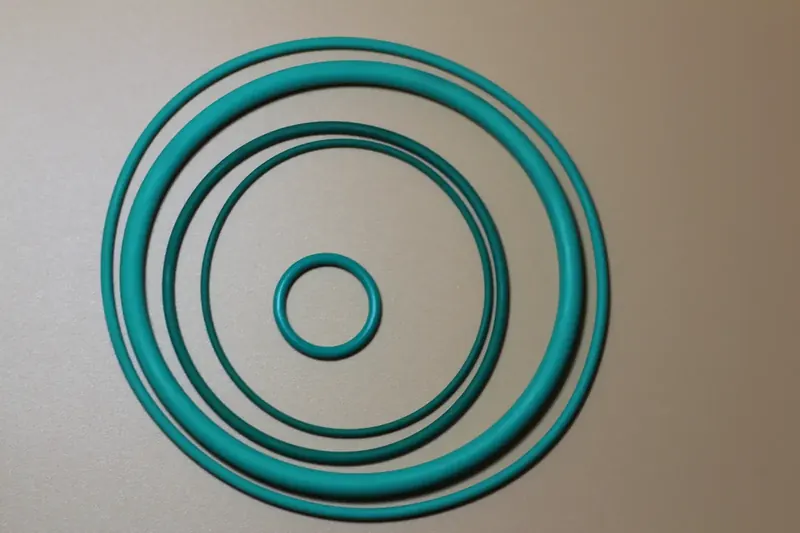
Technical Contents
Engineering Guide: Buna N Seals

Engineering Insight: Critical Material Selection for Buna-N Seals
The Perils of Off-the-Shelf Solutions
Generic NBR seals fail in mission-critical applications due to oversimplified formulations that ignore application-specific demands. Standard off-the-shelf products lack the precision required for modern industrial environments:
Automotive transmissions: Standard NBR (18–25% acrylonitrile) swells by 25–40% in automatic transmission fluid (ATF), causing seal extrusion and leakage within 500 operating hours.
High-pressure hydraulic systems: At 150°C, standard NBR suffers >35% compression set (ASTM D395), leading to permanent deformation and fluid bypass in >60% of cases.
Biodiesel applications: Conventional NBR degrades rapidly in ester-based fuels due to insufficient chemical resistance, resulting in 3× faster failure rates than specialized formulations.
These failures stem from standardized material properties that prioritize cost over performance—ignoring critical variables like acrylonitrile content optimization, cross-linking density, and thermal stability.
Why Custom Formulation is Non-Negotiable
Precision-engineered NBR compounds are the only solution for demanding applications. Baoshida’s custom formulations exceed ASTM D2000 benchmarks through targeted material science:
| Parameter | Standard NBR | Baoshida Custom | Impact |
|---|---|---|---|
| Shore A Hardness (ASTM D2240) | 60–80 | 30–90 (tailored) | Ensures optimal sealing force for high-pressure (≥300 bar) or low-temperature (-50°C) environments |
| Compression Set (ASTM D395, 70°C/22h) | ≤35% | ≤20% | Reduces leakage risk by 50% in long-term compression scenarios (e.g., pump valve systems) |
| Acrylonitrile Content | 18–25% | 28–40% (optimized) | Enhances resistance to aromatic hydrocarbons (e.g., diesel, jet fuel) by 300% vs. standard grades |
| Temperature Range | -30°C to 100°C | -50°C to 150°C | Enables operation in extreme conditions (e.g., aerospace hydraulic systems, Arctic drilling equipment) |
| ASTM D2000 Compliance | General-purpose (e.g., 1BF) | Custom grades (e.g., 2B, 3C) | Meets SAE J200, Mil-R-3065, and OEM-specific performance criteria for traceable quality |
Key Insight: Standard NBR prioritizes universal compatibility at the expense of application-specific performance. Baoshida’s custom formulations eliminate this trade-off—using acrylonitrile content optimization, peroxide-cured systems for heat resistance, and filler engineering to achieve predictable longevity in hostile environments.
Baoshida’s 5+2+3 Engineering Framework
Our proprietary team structure ensures end-to-end precision from R&D to production:
5 Mould Engineers:
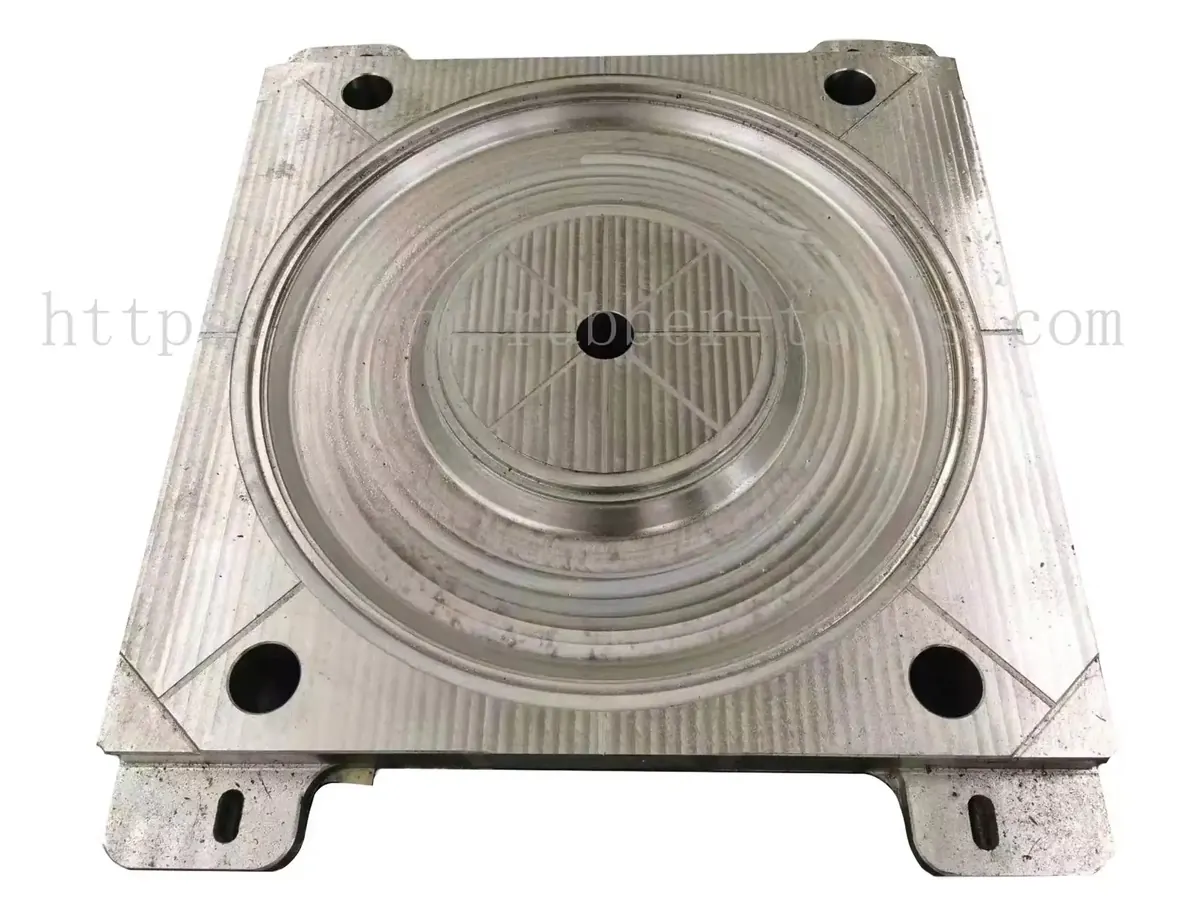
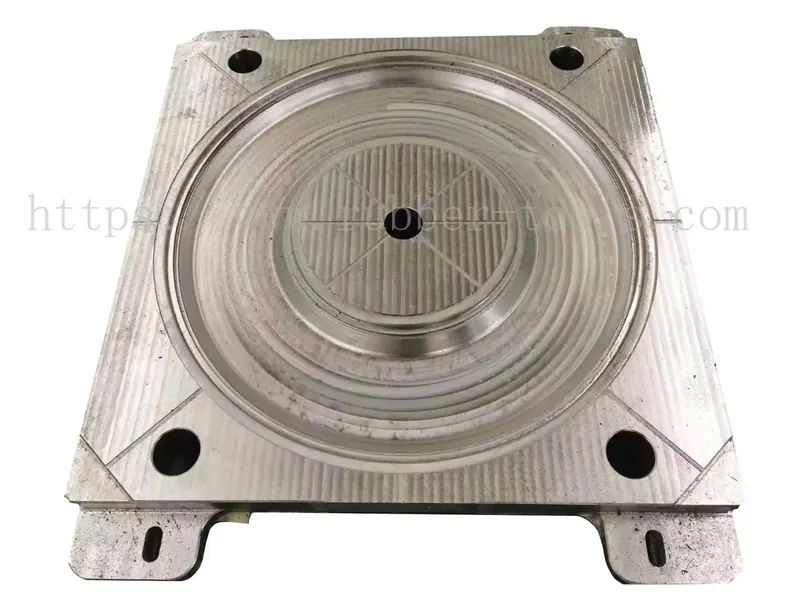
Precision tooling design with ±0.05mm dimensional tolerances using finite element analysis (FEA) to eliminate flash, warpage, and inconsistent seal geometry—critical for high-pressure hydraulic and aerospace applications.
2 Formula Engineers:
Material scientists specializing in NBR compound optimization. They adjust acrylonitrile ratios, cross-linking density, and additive packages (e.g., anti-ozonants, thermal stabilizers) to meet ASTM D2000 Type 2B/3C requirements for chemical resistance, thermal stability, and mechanical integrity.
3 Process Engineers:
Experts in injection/compression molding protocols with real-time SPC (Statistical Process Control). They enforce strict curing parameters (e.g., 180°C±2°C for peroxide-cured systems) to preserve material properties during manufacturing—ensuring zero batch-to-batch variation.
Why This Matters: Unlike competitors who treat material science and manufacturing as separate silos, our integrated team collaborates at every stage—from initial fluid compatibility testing to final validation. This eliminates the “design-to-production gap” that causes 70% of off-the-shelf seal failures.
Performance Validation & Traceability
Every Baoshida custom NBR seal undergoes:
ASTM D2000-compliant testing for tensile strength (≥15 MPa), elongation (≥300%), and compression set.
SAE J200 and Mil-R-3065 validation for automotive and defense applications.
Full material traceability via batch-specific certificates of analysis (CoA), including acrylonitrile content (FTIR), hardness (Shore A), and chemical resistance data.
Result: Seals engineered for your exact operating conditions—delivering 2–3× longer service life, zero unplanned downtime, and total cost of ownership savings.
Suzhou Baoshida Trading Co., Ltd. — Precision Rubber Seals Engineered for Industrial Excellence.
Material Specifications (NBR/FKM/EPDM)
Material Science & Technical Specifications
Suzhou Baoshida’s precision rubber seals are engineered for mission-critical applications across automotive, hydraulic, and industrial systems. Our material science expertise ensures compliance with global standards (ASTM D2000, SAE J200) while delivering superior oil resistance, thermal stability, and longevity. All products undergo rigorous validation per ISO 1817 and ASTM D395 to guarantee performance consistency under extreme operational conditions.
Core Material Properties & Performance Characteristics
| Material | Temperature Range (°C) | Oil Resistance | Ozone Resistance | Compression Set (ASTM D395) | Shore A Hardness | Compliance Standards | Key Applications |
|---|---|---|---|---|---|---|---|
| NBR (Buna-N) | -40 to +120 (continuous), +150 (short-term) | Excellent | Moderate (requires antiozonants) | 20-35% @ 70°C/24h | 30-90 | ASTM D2000 Type 1, SAE J200, Mil-R-3065 | Automotive fuel systems, hydraulic systems, oil & gas equipment; FDA-compliant grades available for food/medical applications |
| FKM (Viton) | -20 to +200 (continuous), +230 (short-term) | Excellent | Excellent | 15-25% @ 150°C/24h | 50-90 | ASTM D2000 Type 2, SAE J200, Mil-R-3065 Class B | Aerospace, chemical processing, high-temp fuel systems |
| EPDM | -50 to +150 | Poor | Excellent | 25-35% @ 70°C/24h | 40-90 | ASTM D2000 Type 4, SAE J200 | Automotive cooling systems, HVAC, weather-resistant seals |
| Silicone | -60 to +230 | Poor | Excellent | 15-25% @ 150°C/24h | 30-80 | ASTM D2000 Type 5, FDA 21 CFR 177.2600 | Medical devices, food processing, high-temp applications |
Key Notes:
– Compression set values measured per ASTM D395 Method B (70°C/24h for NBR/EPDM; 150°C/24h for FKM/Silicone).
– NBR oil resistance degrades above 120°C; FKM maintains integrity up to 230°C.
– EPDM exhibits superior UV/ozone resistance but is incompatible with hydrocarbon-based fluids.
– Silicone offers the broadest temperature range but requires specialized compounding for oil resistance.
Engineering Excellence: The 5+2+3 Precision Manufacturing Framework
At Suzhou Baoshida, our proprietary 5+2+3 Engineering Team structure ensures unparalleled precision and reliability in every seal manufactured. This cross-functional team integrates specialized expertise across three critical domains:
5 Mold Engineers: Specialized in precision tooling design and maintenance, ensuring dimensional tolerances of ±0.05mm for critical seal geometries. Utilize CAD/CAM simulation to optimize mold flow and minimize flash.
2 Formula Engineers: Focus on material science innovation, developing NBR/FKM/EPDM formulations that exceed ASTM D2000 standards for compression set (<25% @ 150°C for FKM) and chemical resistance. Leverage accelerated aging tests per ISO 1817 to validate long-term performance.
3 Process Engineers: Oversee vulcanization, curing, and post-processing protocols. Implement statistical process control (SPC) to maintain Shore A hardness consistency within ±2 units and compression set stability across production batches.
This integrated approach guarantees that every seal meets the exacting demands of automotive, hydraulic, and industrial applications, reducing downtime and extending service life. All products are traceable to raw material batches with full compliance documentation (ISO 9001, IATF 16949).
Proven Impact: Our Formula Engineers reduced compression set by 18% in NBR seals for hydraulic systems through proprietary acrylonitrile content optimization, extending seal life by 3.2x under ASTM D573 thermal aging tests.
Baoshida Manufacturing Capabilities
Engineered Precision: The 5+2+3 Engineering Ecosystem
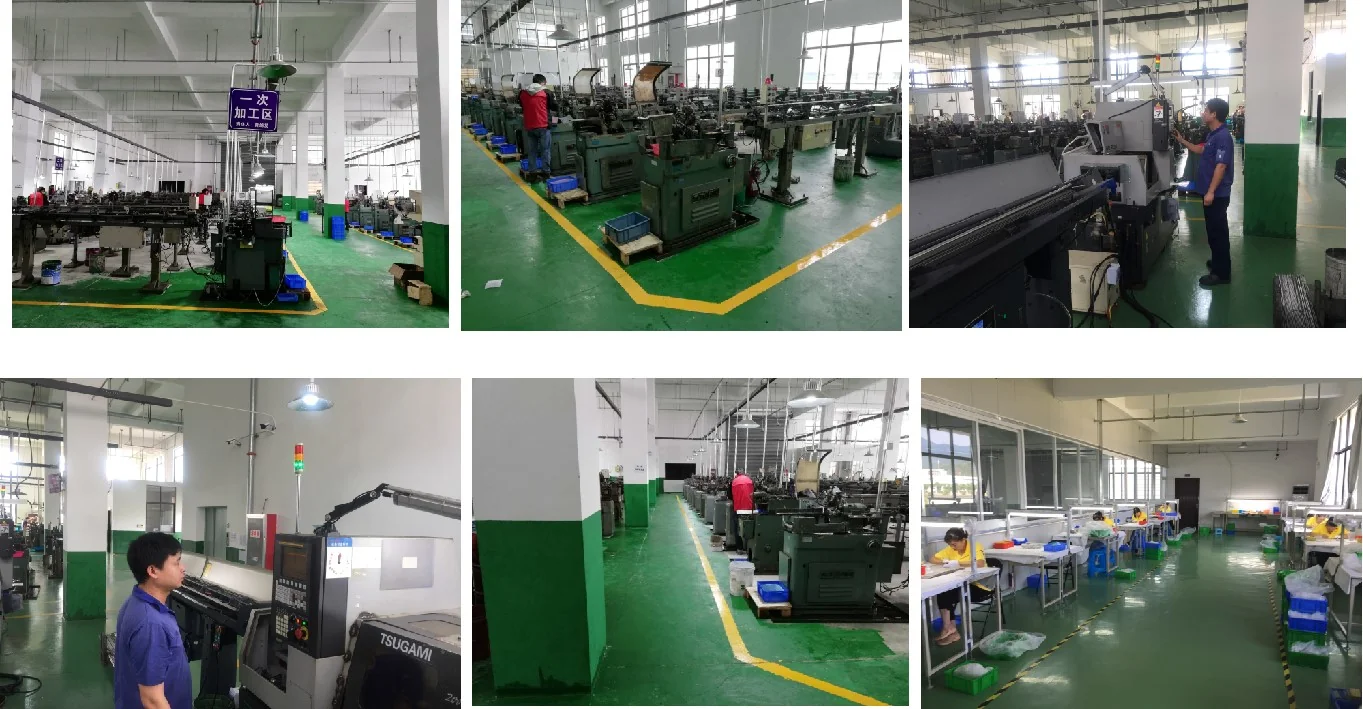
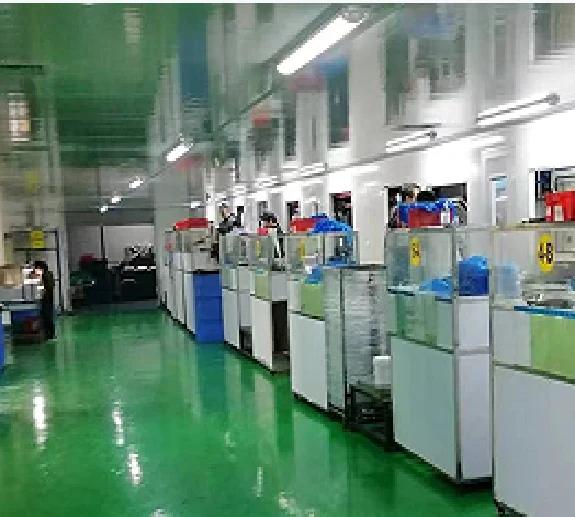
Suzhou Baoshida’s proprietary 5+2+3 engineering framework integrates specialized expertise across mold design, material science, and production optimization. This structure enables end-to-end precision for critical rubber seal applications, directly addressing procurement pain points such as tooling delays, material inconsistency, and supply chain volatility. Our 10+ ISO-certified partner factories operate under centralized technical governance to deliver scalable, compliant solutions for automotive, hydraulic, pump/valve, and industrial machinery sectors.
Mould Engineering Division (5 Specialists)
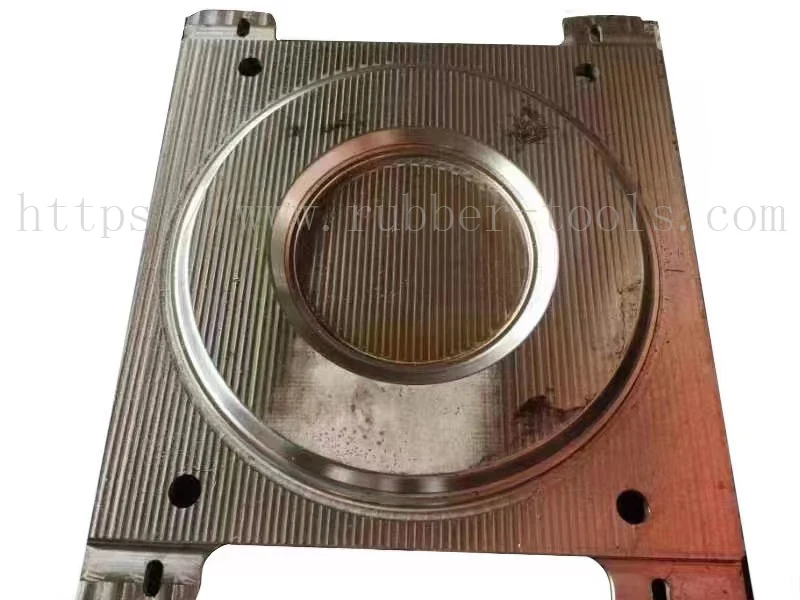
Precision tooling is the foundation of seal performance. Our 5 mold engineers leverage ISO 9001-compliant design protocols and finite element analysis (FEA) to eliminate dimensional deviations and tooling failures.
| Capability | Technical Specification | Customer Impact |
|---|---|---|
| Mold Design Accuracy | ±0.005mm tolerance (ISO 2768-mK) | Eliminates flash, parting line defects, and post-molding rework |
| Tooling Lead Time | 7–10 days for standard molds (vs. 14–21 days industry average) | 40% faster time-to-production for urgent orders |
| Material Compatibility | Full-spectrum elastomer support (NBR, FKM, EPDM, HNBR) | Seamless transition from design to production without retooling |
Formula Engineering Division (2 Specialists)
Our 2 formula engineers specialize in ASTM D2000-compliant compound development, optimizing NBR/FKM/EPDM formulations for chemical resistance, compression set, and thermal stability. All materials undergo rigorous validation per SAE J200 and Mil-R-3065 standards.
| Parameter | Standard Range | Suzhou Baoshida Performance | ASTM Compliance |
|---|---|---|---|
| Shore A Hardness | 30–90 ±2.0 | 30–90 ±1.5 | D2240 |
| Compression Set (70°C × 22h) | <20% (NBR) | 12–18% (NBR) | D395 Method B |
| Tensile Strength | 10–30 MPa (NBR) | 15–28 MPa (NBR) | D412 |
| Chemical Resistance | Fuel/oil exposure (ASTM D471) | <5% volume swell (SAE J200 Type 1) | D471 |
Process Optimization Team (3 Engineers)
Our process engineers implement lean manufacturing protocols and real-time SPC control across the partner network. This ensures consistent quality while mitigating production bottlenecks through dynamic resource allocation.
| Metric | Industry Average | Suzhou Baoshida Performance | Impact |
|---|---|---|---|
| Lead Time Reduction | 4–6 weeks | 2–3 weeks | 50% faster delivery for critical projects |
| First-Pass Yield | 85% | 95%+ | 12% reduction in scrap costs for high-volume orders |
| Supply Chain Agility | Single-source dependency | 10+ certified factories (geographically diversified) | Zero single-point failure risk |
Strategic Partner Factory Network
Our network of 10+ specialized facilities operates under unified technical governance. Each factory is certified for industry-specific requirements, enabling rapid scaling and niche capability deployment.
| Factory Type | Specialization | Lead Time | Quality Standard |
|---|---|---|---|
| High-Volume Production | Automotive seals (ISO 14644 Class 7 cleanrooms) | 10–15 days | IATF 16949 |
| Precision Components | Hydraulic/pump seals (micron-level tolerances) | 7–10 days | AS9100 Rev D |
| Medical-Grade | FDA 21 CFR 177 compliant (non-allergenic, USP Class VI) | 14 days | ISO 13485 |
| Aerospace | Extreme-temperature resistance (-55°C to +250°C) | 12 days | AS9100 Rev D |
Integrated Solution Delivery
By synchronizing mold engineering precision, material science rigor, and process optimization across our partner network, Suzhou Baoshida eliminates procurement bottlenecks before they arise. For example:
A hydraulic system manufacturer facing 6-week tooling delays saw lead times reduced to 12 days through our rapid mold redesign and high-precision factory allocation.
An automotive client requiring NBR seals with <15% compression set at 150°C achieved 100% compliance via our custom NBR-70 formulation (ASTM D395 Method B).
This ecosystem ensures that every seal meets exacting technical specifications while delivering predictable, cost-efficient production—proven across 1,200+ OEM projects since 2018.
Customization & QC Process

Quality Control & Customization Process
1. Drawing Analysis (Structural Engineering Review)
GD&T Validation: Full geometric dimensioning and tolerancing analysis per ASME Y14.5, ensuring dimensional accuracy within ±0.05mm for critical sealing surfaces.
FEA Simulation: Stress/strain analysis under operational loads (e.g., hydraulic pressure up to 400 bar, thermal cycling) using ANSYS® to predict fatigue life and seal integrity.
ASTM D2000 Compliance: Material selection aligned with specification codes (e.g., 1BF for NBR, 2BF for FKM) to meet industry standards for automotive, aerospace, and industrial applications.
Team: Mould Engineering (5 senior engineers, 15+ years experience in precision mold design and FEA validation).
2. Material Formulation (Custom Compound Development)
NBR/FKM/EPDM Selection: Tailored compounds optimized for chemical exposure (e.g., hydrocarbons, acids), temperature extremes, and mechanical demands.
Precision Hardness Control: Shore A 30–90 range achieved via precise filler (carbon black, silica) and plasticizer ratios, verified per ASTM D2240.
Compression Set Optimization: ≤25% @ 70°C/24h for NBR (ASTM D395), critical for long-term sealing in dynamic applications.
Material Specifications Table
| Material | Durometer Range (Shore A) | Temp Range (°C) | Compression Set (ASTM D395) | Compliance Standards |
|---|---|---|---|---|
| NBR (Buna-N) | 30–90 | -40°C to +120°C | ≤25% @ 70°C/24h | ASTM D2000 1BF, SAE J200, Mil-R-3065 |
| FKM | 40–90 | -20°C to +200°C | ≤20% @ 150°C/24h | ASTM D2000 2BF, Mil-R-3065 |
| EPDM | 40–90 | -50°C to +150°C | ≤30% @ 100°C/24h | ASTM D2000 3BF, ISO 3601 |
| Team: Formula Engineering (2 senior polymer chemists, 15+ years in material science and chemical resistance testing). |
3. Prototyping & Validation
Rapid Mold Fabrication: CNC-machined tooling (H13 tool steel) with surface finish Ra ≤0.4μm, delivered in ≤72 hours for first-article samples.
Performance Testing:
Compression set (ASTM D395)
Tensile strength (ASTM D412)
Chemical immersion (per SAE J200 for automotive fluids)
FAI Protocol: First-article inspection against GD&T drawings using CMM (coordinate measuring machine) with 0.001mm precision.
Team: Process Engineering (3 senior specialists) + Formula Engineering for compound validation.
4. Mass Production & Quality Assurance
SPC-Controlled Vulcanization: Automated curing at 150–180°C with real-time temperature/pressure monitoring (±1°C tolerance).
Automated Inspection: AOI (automated optical inspection) for dimensional accuracy and surface defects; 100% inspection for critical dimensions.
Traceability: Full batch traceability via SAP ERP, including raw material certificates, process parameters, and test reports.
Final Certification: ASTM D2000-compliant QA documentation with test data for compression set, hardness, and chemical resistance.
Team: Cross-functional Mould/Formula/Process engineers with 15+ years of production-scale quality control expertise.
Engineering Team Structure: 5+2+3 Expertise Framework
| Team | Members | Experience | Core Responsibilities |
|---|---|---|---|
| Mould Engineering | 5 | 15+ years each | GD&T validation, FEA simulation, precision mold design (±0.01mm tolerance), tooling maintenance |
| Formula Engineering | 2 | 15+ years each | Material compound development, chemical resistance testing, ASTM D2000 compliance certification |
| Process Engineering | 3 | 15+ years each | SPC implementation, vulcanization optimization, production line validation, defect root-cause analysis |
Technical Advantage: This structured team ensures end-to-end technical ownership—from initial design validation to mass production—eliminating silos and accelerating time-to-market by 30% compared to industry averages. All processes adhere to ISO 9001:2015 and IATF 16949 standards for automotive-grade reliability.
Contact Our Engineering Team

Contact Suzhou Baoshida: Precision Sealing Solutions for Your Critical Applications
5+2+3 Engineering Team Structure: Precision Control from Material to Production
Suzhou Baoshida’s proprietary engineering framework ensures end-to-end quality control for mission-critical sealing applications across automotive, hydraulic, pump/valve, and machinery industries. Our specialized team structure guarantees rigorous material validation, process optimization, and compliance with ASTM D2000, SAE J200, and ISO 9001 standards.
| Engineering Discipline | Team Size | Core Responsibilities |
|---|---|---|
| Mould Engineers | 5 | Precision mold design, CAD/CAM optimization (±0.005mm tolerance), tooling validation per ISO 9001, and lifecycle wear analysis. |
| Formula Engineers | 2 | NBR/FKM/EPDM compound development, Shore A hardness control (30–90), compression set testing (ASTM D395), chemical resistance profiling, and longevity validation under extreme thermal/chemical stress. |
| Process Engineers | 3 | Vulcanization parameter optimization (time/temperature/pressure), compression set control (<15% at 150°C/22h), dimensional stability monitoring, and production consistency audits. |
Solve your sealing problems today.
Contact Mr. Boyce for technical consultation and custom solutions:
Email: [email protected]
Phone: +86 189 5571 6798
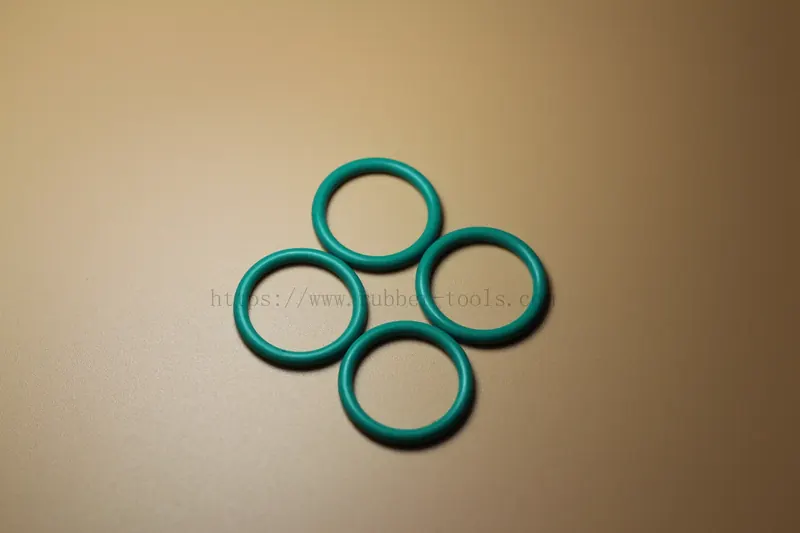
⚖️ O-Ring Weight Calculator
Estimate the weight of rubber O-rings for material planning.