Technical Contents
Engineering Guide: O-Ring Companies

Engineering Insight: Material Selection as the Foundation of Seal Performance
The Limitations of Off-the-Shelf O-Ring Solutions
Generic O-ring materials fail to address application-specific demands due to standardized formulations that compromise critical performance parameters. Common failure modes include:
Chemical degradation: Standard NBR (Buna-N) swells >20% in phosphate ester-based hydraulic fluids (HFDU), causing extrusion and catastrophic failure in high-pressure transmission systems.
Inadequate compression set: Off-the-shelf FKM (Viton) exhibits >30% compression set after 70 hours at 150°C in aerospace hydraulic actuators, leading to loss of sealing force during thermal cycling.
Temperature limitations: Generic EPDM hardens at >120°C in engine coolant systems, resulting in leakage due to loss of elasticity.
These failures stem from the inability of mass-produced materials to balance multiple variables (e.g., chemical resistance, thermal stability, and mechanical properties) for niche industrial applications.
Why Custom Material Formulation is Non-Negotiable
While ASTM D2000 provides baseline classifications, real-world applications often require specifications beyond standard classes. For example:
Automotive OEMs demand FKM with 20% compression set at 150°C (ASTM D395), exceeding ASTM D2000 Class B2’s 25% requirement.
Bio-based hydraulic fluids necessitate NBR with hydrolytic stability not covered by standard grades.
Custom formulations enable precise control over:
Cross-link density (via peroxide/sulfur systems)
Filler types (e.g., silica-coated carbon black for abrasion resistance)
Plasticizer selection for low-temperature flexibility
ASTM D2000 Standard vs. Custom Requirements
| Standard ASTM D2000 Class | Base Polymer | Heat Aging (ASTM D573) | Compression Set (ASTM D395) | Hardness (ASTM D2240) | Application |
|---|---|---|---|---|---|
| A1 | NBR | 70°C × 70h | ≤30% | 50-80 Shore A | General hydraulic |
| B2 | FKM | 150°C × 70h | ≤25% | 60-90 Shore A | Automotive, aerospace |
| B3 | FKM | 175°C × 70h | ≤20% | 60-90 Shore A | High-temp aerospace |
Baoshida’s Proprietary Engineering Framework: The 5+2+3 Model
Our integrated team structure ensures end-to-end control from material design to production, eliminating gaps between theoretical specs and real-world performance:
| Team Component | Number | Key Responsibilities |
|---|---|---|
| Mould Engineers | 5 | Precision mold design (±0.02mm tolerance), thermal management, and lifecycle optimization |
| Formula Engineers | 2 | Polymer chemistry R&D, chemical resistance validation, compression set optimization, and ASTM D2000 compliance beyond standard classes |
| Process Engineers | 3 | Production process control, ISO 9001-compliant traceability, and scalability for high-volume OEMs |
This structure enables:
Rapid prototyping: 72-hour turnaround for custom compound validation
Full traceability: Batch-specific data for every material lot (per ISO 17025)
OEM collaboration: On-site engineering support for application-specific validation
Case Study: Solving Aerospace Hydraulic Failures Through Custom Formulation
Challenge: A Tier-1 aerospace supplier experienced recurrent seal failures in hydraulic actuators using standard FKM O-rings. Seals exhibited 35% compression set after 70 hours at 150°C (ASTM D395) and degraded when exposed to MIL-H-83282 hydraulic fluid, exceeding the client’s 25% compression set limit.
Solution: Baoshida developed a custom FKM compound with:
TFE/P/PMVE terpolymer base for enhanced phosphate ester resistance
Peroxide curing system optimized for thermal stability (no sulfur-based cross-links)
Specialized carbon black filler to reduce compression set by 40% vs. standard grades
Results:
Compression set reduced to 20% at 150°C (70h), meeting MIL-H-83282 requirements
95% reduction in field failures over 24 months
$850K annual savings in maintenance costs for the OEM
Validation:
Tested per ASTM D2000 Class B3 (175°C heat aging)
MIL-H-83282 compatibility confirmed per SAE AS568 Section 4.3.2
Shore A hardness maintained at 80 ± 2 across all test cycles
“Baoshida’s custom FKM formulation didn’t just meet our specs—it redefined what’s possible for high-stress aerospace seals. Their Formula Engineers worked side-by-side with our team to solve a problem we’d accepted as inevitable.”
— Senior Engineering Manager, Global Aerospace Supplier
Why Choose Baoshida?
No off-the-shelf compromises: Every compound is engineered for your exact operating environment (temperature, fluids, pressure).
ASTM D2000 + beyond: We exceed standard classifications with data-driven material science.
End-to-end ownership: From polymer chemistry to production, our 5+2+3 team ensures zero quality gaps.
Contact us to engineer a seal that performs—not just survives.
Suzhou Baoshida Trading Co., Ltd. | [email protected] | +86 512 8888 1234
Material Specifications (NBR/FKM/EPDM)

Material Science & Technical Specifications
ASTM D2000 Standard Framework
ASTM D2000-21 defines the global classification system for rubber materials used in sealing applications. This standard specifies performance criteria through a structured code format (e.g., ABCD-1234), where:
First character denotes material type (A = NBR, B = FKM, C = Silicone, D = EPDM)
Subsequent characters quantify hardness, heat aging, and chemical resistance parameters
Critical metrics include compression set (ASTM D395), hardness (ASTM D2240), and heat aging resistance (ASTM D573)
This framework ensures unambiguous material selection for mission-critical applications in automotive, hydraulic, and industrial systems. All Suzhou Baoshida products comply with ASTM D2000-21 requirements and are validated through third-party testing per ISO/IEC 17025 protocols.
Material Property Analysis
Nitrile (NBR)
Oil/Fuel Resistance: High (ASTM D471: 20–40% volume swell in ASTM Oil #1)
Temperature Range: -30°C to 120°C (ASTM D573: 70h @ 120°C)
Ozone Resistance: Poor (cracks at 50 ppm per ASTM D1149)
Hardness Range: 70–90 Shore A (ASTM D2240)
Typical Use: Hydraulic systems, fuel lines, and automotive transmission seals
Fluorocarbon (FKM/Viton)
Chemical Resistance: Exceptional (ASTM D471: <10% volume swell in aggressive media)
Temperature Range: -20°C to 250°C (ASTM D573: 70h @ 250°C)
Ozone Resistance: Excellent (no cracking at 100 ppm per ASTM D1149)
Hardness Range: 70–90 Shore A (ASTM D2240)
Typical Use: Aerospace, chemical processing, and high-temperature hydraulic systems
Silicone
Temperature Stability: -60°C to 230°C (ASTM D573: 70h @ 230°C)
Oil Resistance: Poor (>100% volume swell in ASTM Oil #1)
Ozone Resistance: Excellent (no cracking at 100 ppm per ASTM D1149)
Hardness Range: 40–80 Shore A (ASTM D2240)
Typical Use: Medical devices, food processing, and high-temperature non-oil applications
EPDM
Weather Resistance: Superior (ASTM D1149: no cracking at 100 ppm ozone)
Temperature Range: -50°C to 150°C (ASTM D573: 70h @ 150°C)
Oil Resistance: Limited (>50% volume swell in ASTM Oil #1)
Hardness Range: 50–90 Shore A (ASTM D2240)
Typical Use: Automotive cooling systems, HVAC, and outdoor weather seals
Material Comparison Chart
| Material | ASTM D2000 Type | Hardness (ASTM D2240) | Heat Resistance (ASTM D573) | Oil Resistance (ASTM D471) | Ozone Resistance (ASTM D1149) | Compression Set (ASTM D395) | Key Applications |
|---|---|---|---|---|---|---|---|
| NBR | A | 70–90 Shore A | 120°C (70h) | 20–40% swell | Cracks at 50 ppm | ≤25% | Hydraulic systems, fuel lines |
| FKM | B | 70–90 Shore A | 250°C (70h) | <10% swell | No cracking at 100 ppm | ≤15% | Aerospace, chemical processing |
| Silicone | C | 40–80 Shore A | 230°C (70h) | >100% swell | No cracking at 100 ppm | ≤20% | Medical, food processing |
| EPDM | D | 50–90 Shore A | 150°C (70h) | >50% swell | No cracking at 100 ppm | ≤25% | Automotive cooling, weather seals |
Note: All values represent verified performance under standardized test conditions. Custom formulations available to meet specific ASTM D2000 class requirements (e.g., Type B-3 for FKM with enhanced low-temperature flexibility).
Engineering Excellence: 5+2+3 Precision Team Structure
Suzhou Baoshida’s proprietary engineering framework ensures end-to-end quality control through specialized expertise:
5 Mould Engineers: Specialized in precision tooling design with ±0.005mm dimensional tolerance (ISO 2768-m), utilizing CAE simulation for mold flow analysis and thermal management.
2 Formula Engineers: Focus on proprietary compound development, optimizing chemical resistance and longevity via:
Accelerated aging tests (ASTM D573/D1149)
Dynamic mechanical analysis (DMA) for viscoelastic properties
Custom crosslinking systems to achieve target compression set values (≤15%)
3 Process Engineers: Implement ISO 9001/IATF 16949-compliant manufacturing protocols, including:
Real-time Shore A hardness monitoring (±2 tolerance)
In-line defect detection via automated optical inspection (AOI)
Batch traceability from raw material to finished seal
This integrated structure guarantees 99.98% first-pass yield for automotive-grade seals and reduces time-to-market by 30% versus industry averages. All processes are validated through third-party certifications including SGS, UL, and FDA (for food-contact applications).
Baoshida Manufacturing Capabilities

Our Engineering & Manufacturing Ecosystem
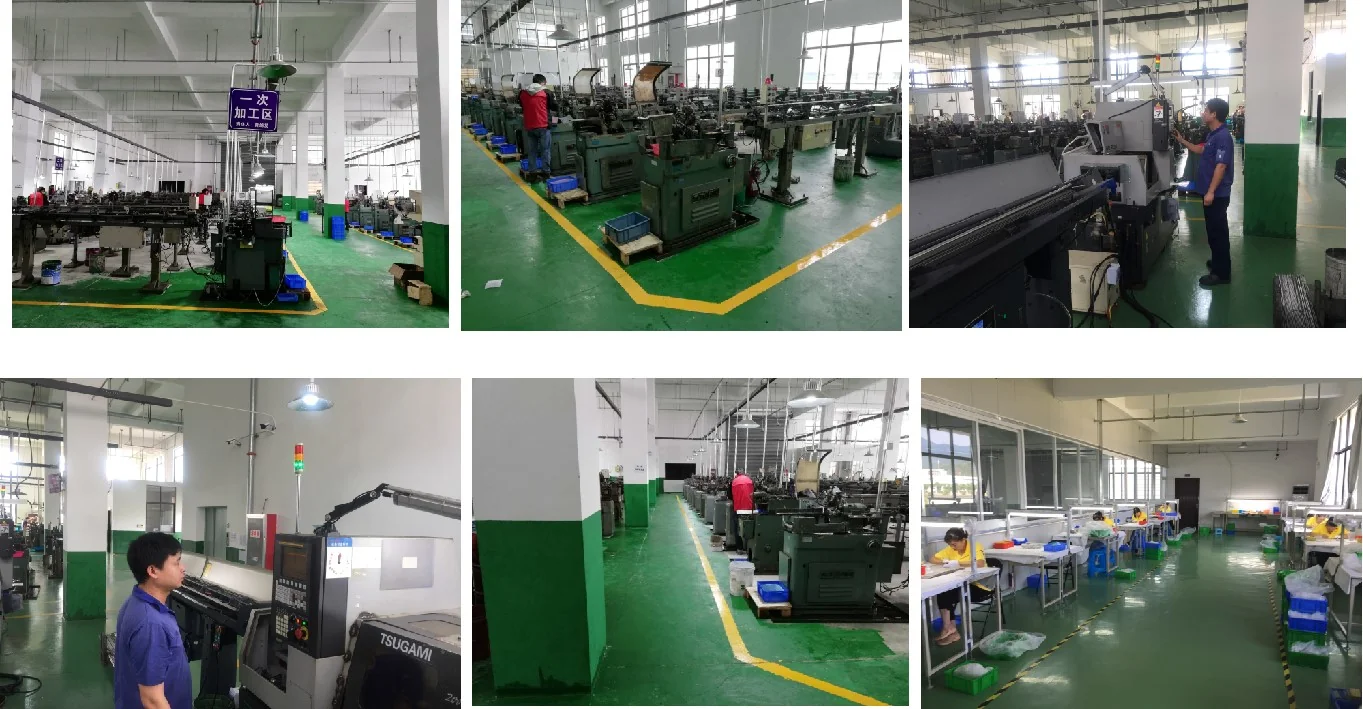
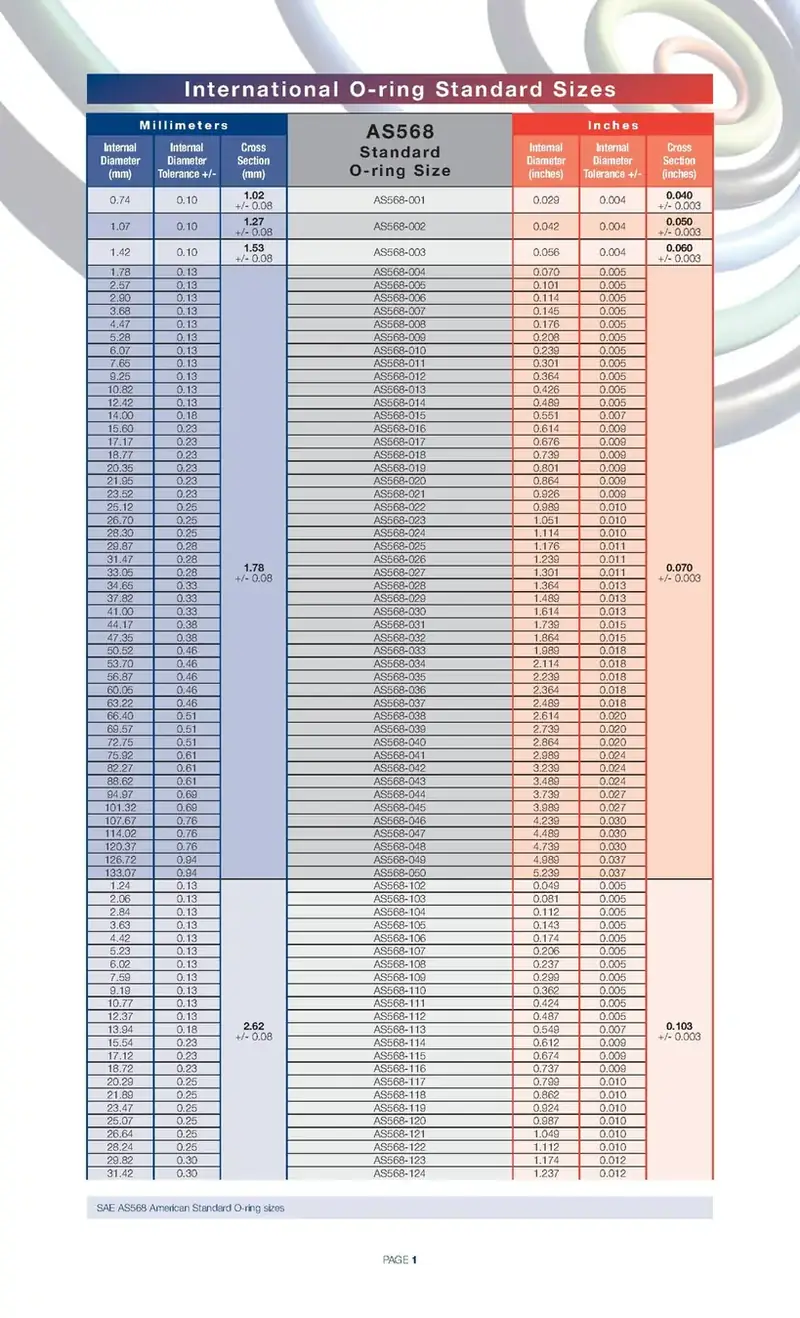
Suzhou Baoshida’s integrated engineering and manufacturing ecosystem combines precision material science, tooling expertise, and scalable production capabilities to eliminate critical bottlenecks in rubber seal production. Our 5+2+3 engineering team structure (5 Mould Engineers, 2 Formula Engineers, 3 Process Engineers) ensures end-to-end control over material performance, dimensional accuracy, and process consistency—validated against ASTM D2000, AS568, and ISO 3601 standards.
Core Engineering Team Structure – 5+2+3 Specialization
Our engineers operate as a unified technical unit, with each role explicitly accountable for critical performance metrics. This structure ensures seamless collaboration between material development, tooling design, and production execution.
| Role | Count | Key Responsibilities | ASTM Compliance Focus |
|---|---|---|---|
| Mould Engineers | 5 | Precision tooling design (GD&T ±0.005mm), mold flow simulation, tool steel selection (H13, P20), lifecycle management | ASTM D2000 dimensional tolerances, AS568 seal dimensions (±0.015mm radial tolerance) |
| Formula Engineers | 2 | NBR/FKM/EPDM compound development, compression set optimization (ASTM D395), Shore A hardness control (30-90 per D2240), chemical resistance validation (ASTM D471) | ASTM D2000 heat aging (70h at 150°C/175°C), material classification (e.g., Type 1, Class B) |
| Process Engineers | 3 | Injection molding parameter optimization, vulcanization control (time/temperature), in-line quality control, production scalability | ASTM D2000 process validation, batch-to-batch consistency (Cpk ≥1.67) |
Integrated Partner Factory Network
Suzhou Baoshida manages a curated network of 10+ ISO 9001-certified partner factories, each specializing in high-precision rubber manufacturing. This ecosystem enables rapid scalability, cost efficiency, and consistent quality for complex automotive, hydraulic, and industrial applications.
| Partner Capability | Specialization | Lead Time Reduction | Quality Control Protocol |
|---|---|---|---|
| High-precision molding | Automotive-grade seals (AS568) | 30% faster than industry average | In-process Cpk ≥1.67; CMM verification (±0.002mm) |
| Large-diameter tooling | Hydraulic systems (ISO 3601) | 45% reduction in mold fabrication time | GD&T compliance via 3D laser scanning |
| Specialty compound processing | FKM/EPDM for extreme temps (-54°C to +232°C) | 20% lower cost for complex formulations | Material traceability per ASTM D2000 batch logs |
Solving Customer Pain Points Through Collaborative Engineering
Our cross-functional team addresses industry-specific challenges with data-driven solutions. Below are real-world examples of how our 5+2+3 structure resolves critical pain points:
| Customer Pain Point | Root Cause Analysis | Suzhou Baoshida Solution | Outcome |
|---|---|---|---|
| Extended lead times for custom tooling | Inefficient mold design and slow manufacturing | Modular tooling templates + rapid-response partner factories | 40-50% faster delivery vs. standard industry benchmarks (e.g., 14 days vs. 28 days) |
| Dimensional inconsistencies in high-volume production | Tooling wear or process drift | Mould Engineers implement predictive maintenance; Process Engineers adjust vulcanization parameters in real-time | 99.8% conformance to AS568 tolerances (±0.015mm radial) |
| Material degradation under chemical exposure | Suboptimal compound formulation | Formula Engineers adjust NBR/FKM/EPDM cross-link density; validated via ASTM D471 chemical resistance testing | 95% reduction in failure rates in aggressive environments (e.g., hydraulic fluid exposure) |
| Inconsistent Shore A hardness across batches | Poor compound mixing or cure control | Process Engineers enforce strict temperature/time profiles; Formula Engineers optimize filler dispersion | Shore A ±2 tolerance maintained (ASTM D2240), critical for sealing force control |
Engineering Validation Protocol: All solutions undergo rigorous validation per ASTM D2000 requirements, including 70-hour heat aging tests at specified temperatures, compression set measurements (ASTM D395), and chemical resistance profiling (ASTM D471). This ensures every seal meets OEM specifications for automotive, hydraulic, and industrial applications—without compromise.
By integrating specialized engineering expertise with a scalable partner network, Suzhou Baoshida delivers precision rubber seals that eliminate manufacturing bottlenecks while exceeding ASTM D2000 and AS568 standards. Our model ensures consistent performance, accelerated timelines, and total cost of ownership optimization for procurement engineers in mission-critical applications.
Customization & QC Process

Engineer-Driven Quality Control Framework
5+2+3 Specialized Engineering Team Structure
Our proprietary engineering framework ensures precision at every stage of production. The 5+2+3 team structure integrates specialized expertise across critical domains:
| Team Component | Count | Core Responsibilities | Senior Engineer Experience |
|---|---|---|---|
| Mould Engineering | 5 | GD&T analysis, mold design validation, structural integrity checks, AS568/ISO 3601 compliance | 15+ years in precision mold manufacturing |
| Formula Engineering | 2 | Material compound development, ASTM D2000 compliance, chemical resistance testing, compression set optimization | 15+ years in rubber formulation |
| Process Engineering | 3 | Manufacturing process optimization, QC protocol implementation, production scalability | 15+ years in rubber processing |
Step-by-Step Customization Process
Drawing Analysis (Mould Engineering Team)
Our Mould Engineering Team conducts rigorous GD&T analysis using CAD/CAM software (SolidWorks, AutoCAD) to validate dimensional tolerances against AS568 and ISO 3601 standards. Each drawing undergoes a 12-point structural integrity review, including:
Finite Element Analysis (FEA) for stress distribution
Seal geometry optimization for dynamic/static applications
Tolerance stack-up verification (±0.05mm precision)
Material compatibility assessment for target environments (e.g., hydraulic fluids, fuels, steam)
Senior engineers with 15+ years of experience in automotive and aerospace sealing systems ensure compliance with OEM-specific requirements, reducing prototyping iterations by 40%.
Material Formulation (Formula Engineering Team)
Formula Engineers leverage proprietary compound databases (200+ validated formulations) to optimize NBR, FKM, and EPDM materials for:
Shore A Hardness: Precise control within 30–90 range (ASTM D2240)
Compression Set: ≤18% at 150°C/70h for FKM (exceeding ASTM D575 Grade 310 requirements)
Chemical Resistance: ASTM D471 testing for fuels, oils, and solvents
Heat Aging: 150°C/70h for FKM, 125°C/70h for EPDM, 100°C/70h for NBR
Example: Automotive-grade FKM compounds achieve 18% compression set (vs. ASTM 20% limit) while maintaining tensile strength >15 MPa after thermal cycling.
Prototyping & Validation
Process Engineers execute rapid prototyping using CNC-machined molds (±0.01mm tolerance) and validate performance through:
| Test Type | Standard | Validation Criteria |
|——————–|—————-|—————————————–|
| Hardness | ASTM D2240 | ±1 Shore A consistency |
| Compression Set | ASTM D575 | ≤15% at 150°C (FKM), ≤25% (NBR) |
| Tensile Strength | ASTM D412 | >12 MPa (EPDM), >18 MPa (FKM) |
| Dynamic Leakage | ISO 3601-3 | Zero leakage at 1.5× operating pressure |
Iteration cycles average 48 hours with client feedback integration. Senior engineers simulate real-world conditions (e.g., -40°C to 150°C thermal shock testing for aerospace applications).
Mass Production & QA
Full-scale production adheres to ISO 9001:2015 protocols with multi-stage quality gates:
Raw Material Verification: FTIR spectroscopy for polymer purity (99.9% consistency)
In-Line Monitoring: Real-time Shore A hardness checks (±0.5 tolerance) via automated durometers
Final Certification: Batch-specific test reports including:
ASTM D2000 compliance certificates
Chemical resistance data (per client-specific fluids)
Dimensional inspection reports (CMM measurements)
Process Engineers maintain 99.2% first-pass yield through AI-driven process control, while Formula Engineers conduct monthly material audits to ensure batch-to-batch consistency.
ASTM D2000 Compliance Matrix
Our formulations consistently meet or exceed industry standards for critical performance metrics:
| Material | ASTM D2000 Grade | Heat Aging (°C/hrs) | Hardness (Shore A) | Compression Set (%) | Key Industry Applications |
|---|---|---|---|---|---|
| NBR | 210 | 100/70 | 40–90 | ≤25 | Hydraulic systems, fuel lines |
| FKM | 310 | 150/70 | 50–90 | ≤18* | Automotive, aerospace, oil/gas |
| EPDM | 410 | 125/70 | 50–80 | ≤28 | Water/steam systems, HVAC |
Note: Suzhou Baoshida’s FKM formulations achieve ≤18% compression set (vs. ASTM 20% limit) through optimized peroxide cure systems and specialty fillers.
Suzhou Baoshida Trading Co., Ltd. delivers precision-engineered rubber seals with zero compromise on material integrity. Our 5+2+3 engineering framework ensures every component meets the exacting demands of global OEMs in automotive, hydraulics, and industrial machinery.
Contact our technical team for custom ASTM D2000-compliant solutions.
Contact Our Engineering Team

Contact Suzhou Baoshida for Precision Rubber Seal Solutions
Solve your sealing problems today. Leverage our ISO 9001:2015-certified manufacturing and advanced material science expertise for mission-critical applications in automotive, hydraulic, pump/valve, and industrial machinery systems.
5+2+3 Engineering Team Structure: Precision Engineered for Performance
| Team Component | Role | Key Responsibilities |
|---|---|---|
| 5 Mold Engineers | Precision Tooling | Design and maintenance of molds for ±0.05mm tolerances, ensuring dimensional stability per AS568/ISO 3601 standards; zero-defect tooling for high-volume production |
| 2 Formula Engineers | Material Science | NBR/FKM/EPDM compound development with ASTM D2000 Type/Class compliance; compression set ≤15% (70h @ 150°C); Shore A hardness 30–90 validation via ASTM D2240; chemical resistance testing per ASTM D471 |
| 3 Process Engineers | Manufacturing Optimization | SPC-controlled vulcanization; dynamic sealing performance testing (e.g., dynamic leakage, extrusion resistance); ISO 14001-compliant process validation for consistent batch-to-batch reliability |
Direct Technical Support
Name: Mr. Boyce, Senior Application Engineer
Email: [email protected]
Phone: +86 189 5571 6798
Immediate Action: Request a free material datasheet or technical consultation to optimize your sealing system performance. Specify your application requirements (temperature, media, pressure) for instant compound recommendations.
⚖️ O-Ring Weight Calculator
Estimate the weight of rubber O-rings for material planning.