Technical Contents
Engineering Guide: Precision Rubber Molding

Engineering Insight: Precision Rubber Molding – Material Selection as the Foundation of Reliability
Why Off-the-Shelf Solutions Fail in Critical Applications
Standard rubber materials are designed for general-purpose use, but mission-critical applications in automotive, hydraulic, and industrial systems demand precise material properties. Off-the-shelf solutions often fail due to:
Chemical Incompatibility: Standard NBR (Type E) swells by 30–40% in ethanol-blended fuels (E85), causing seal leakage in automotive fuel systems.
Thermal Degradation: EPDM (Type D) loses elasticity above 120°C, leading to catastrophic failure in engine compartment gaskets.
Mechanical Fatigue: Generic SBR (Type A) exhibits <100% elongation at break under dynamic loads, resulting in premature cracking in hydraulic actuators.
Poor Bonding: Unmodified compounds fail to adhere to metal substrates, requiring secondary bonding processes that introduce failure points.
Real-World Impact: A Tier-1 automotive supplier reported 12% scrap rates in hydraulic valve assemblies due to standard NBR seals degrading in phosphate ester-based hydraulic fluids.
Baoshida’s 5+2+3 Engineering Framework for Mission-Critical Performance
Our integrated team structure ensures end-to-end precision in material selection, mold design, and process optimization:
| Team Component | Expertise | Key Responsibilities |
|---|---|---|
| 5 Structural Engineers | SolidWorks/CAD Mold Design | – Precision cavity geometry for ±0.005mm tolerance – Cooling channel optimization for uniform curing – Flash minimization via gate/vent design |
| 2 Formula Specialists | Polymer Chemistry & Material Science | – Custom compound development per ASTM D2000/D1418 – Tailored resistance profiles (chemical, thermal, abrasion) – Adhesion promoter integration for metal bonding |
| 3 Process Engineers | Injection/Compression Molding Optimization | – Parameter tuning for zero-flash production – Vulcanization control for consistent cross-link density – Bonding process validation for metal-rubber interfaces |
Partner Ecosystem: 10+ certified factories for rapid tooling (3–5 week lead times) with ISO 9001/TS 16949 compliance.
Decoding ASTM D2000 Specifications for Optimal Material Selection
ASTM D2000 is the industry standard for rubber material classification. Misinterpreting callouts leads to 68% of field failures (per SAE J200 analysis). Our engineers decode specifications as follows:
| Code Component | Description | Industry Impact | Risk of Misinterpretation |
|---|---|---|---|
| System (M/S) | Metric (M) or Inch (S) unit system | Ensures dimensional accuracy in global supply chains | Using S code for metric parts causes 25.4% dimensional errors |
| Type (A-G) | Base polymer classification (e.g., Type E = NBR) | Dictates chemical resistance profile | Type A (SBR) in fuel systems → 40% swelling and seal failure |
| Grade (1-6) | Tensile strength range (MPa) per ASTM D412 | Critical for dynamic load applications | Grade 1 (7–10 MPa) fails under 1500 psi hydraulic pressure |
| Class (A-H) | Heat aging resistance (°C/hours) per ASTM D573 | Determines operational temperature limits | Class A (100°C/70h) degrades 3x faster than Class B in engine compartments |
| Additional Requirements | Specific tests (e.g., “1A” for low-temp flex per ASTM D1329) | Ensures performance in extreme environments | Omitting “1A” in Arctic applications → brittle fracture at -40°C |
Custom Formulation: Tailoring Rubber to Your Exact Requirements
We eliminate off-the-shelf compromises by engineering compounds that meet your specifications—not generic industry averages.
| Application | Standard Material Limitations | Baoshida Custom Solution | Performance Metrics (Per ASTM Standards) |
|---|---|---|---|
| Automotive Fuel System Seals | NBR (Type E) swells 35% in E85 | FKM with 42% fluorine content + proprietary plasticizers | • 0% swelling (ASTM D471) • 150°C continuous operation (ASTM D573) • 200% elongation at break (ASTM D412) |
| Hydraulic Actuator Seals (High-Pressure) | EPDM (Type D) fails at >1200 psi | HNBR with 25% cross-link density optimization | • 30% higher tensile strength (ASTM D412) • 2000+ psi pressure retention (ISO 3601-3) • -50°C low-temp flexibility (ASTM D1329) |
| Industrial Pump Seals (Abrasive Media) | Viton® (FKM) wears rapidly in sand-laden fluids | FKM + 15% ceramic filler + surface-modified silica | • 50% longer service life (ASTM D5963) • 90% compression set retention @ 150°C (ASTM D395) • 20% lower abrasion loss (ASTM D5963) |
| High-Temperature Valve Gaskets | Silicone degrades >200°C | PTFE-filled FKM with hybrid cross-linking | • 250°C continuous use (ASTM D2000 Class H) • 95% compression set retention (ASTM D395) • Direct metal bonding (ASTM D429 peel test) |
Key Engineering Advantage: Our Formula Specialists leverage in-house material databases (1,200+ compound formulations) to balance ASTM D2000 requirements with real-world operating conditions. For example, a recent automotive client required a seal that met both SAE J200 (fuel resistance) and ISO 10893 (low-temp flexibility). Standard NBR failed both; our custom FKM blend achieved 100% compliance with 20% cost savings over off-the-shelf alternatives.
Why This Matters for Your Supply Chain
Precision rubber molding is not about “choosing the right material”—it’s about engineering the material to your exact requirements. Off-the-shelf solutions force compromises that manifest as:
Unplanned downtime (e.g., hydraulic system failures in construction equipment)
Costly redesigns (e.g., retooling for bonded metal components)
Warranty claims (e.g., automotive recalls due to seal degradation)
At Baoshida, we eliminate these risks through our 5+2+3 engineering framework: 5 structural engineers for mold precision, 2 formula specialists for compound science, and 3 process engineers for production consistency. Every part we produce is a custom-engineered solution—not a generic off-the-shelf component.
Next Step: Share your application requirements (operating temp, media, pressure, lifecycle). Our team will provide a material compatibility report within 48 hours.
Material Specifications (NBR/FKM/EPDM)

Material Science & Technical Specifications
Material Selection Criteria for Precision Molding
Material selection for precision rubber molding must align with application-specific performance requirements. Key criteria include:
Temperature Exposure: Critical for thermal stability. Viton (FKM) maintains integrity at >200°C continuous use, while silicone retains flexibility down to -60°C.
Chemical Resistance: Evaluated per ASTM D471. Viton exhibits <10% volume change in ASTM Type 1 oil, whereas EPDM is optimal for water/steam environments but shows >25% swelling in hydrocarbons.
Environmental Durability: Ozone resistance (ASTM D1149) is non-negotiable for outdoor applications. Silicone and EPDM achieve >500 hours of resistance at 50pphm ozone exposure without cracking.
Mechanical Performance: Tensile strength (ASTM D412) and compression set (ASTM D395) dictate functional reliability. Nitrile (NBR) delivers 15–25 MPa tensile strength for dynamic seals, while silicone’s compression set at 200°C remains <20%.
Our Formula Engineers leverage ASTM D2000 callouts to precisely specify materials. For example, a “2B4” designation denotes 100°C heat resistance (2), excellent oil resistance (B), and 150°C compression set (4), ensuring compliance with automotive OEM standards (e.g., SAE J200).
ASTM D2000 Compliance Framework
ASTM D2000 standardizes rubber material classification through a coded callout system:
Grade Letter: Defines application type (e.g., “A” = general purpose).
Heat Resistance Number: Indicates maximum continuous operating temperature (e.g., “2” = 100°C, “8” = 250°C).
Oil Resistance Letter: “A” (good), “B” (excellent), “C” (poor).
Supplementary Properties: “T” (tensile strength), “S” (compression set), “R” (abrasion resistance).
Example: A “2B4” specification requires:
100°C heat resistance (2)
Excellent oil resistance (B)
150°C compression set ≤40% (4)
Our team decodes these callouts to match materials to industry-specific requirements, ensuring compliance with ISO 3601 (hydraulic seals) and IATF 16949 (automotive).
Material Performance Comparison
| Material | Heat Resistance (°C) | Oil/Fuel Resistance | Ozone Resistance | Typical Hardness Range (Shore A) | Key Applications |
|---|---|---|---|---|---|
| Viton (FKM) | -20 to 250 | Excellent | Excellent | 50–90 | Automotive fuel systems, aerospace seals, hydraulic actuators |
| Nitrile (NBR) | -40 to 120 | Good | Moderate¹ | 40–90 | Hydraulic hoses, oil seals, fuel system gaskets |
| Silicone | -60 to 230 | Poor | Excellent | 30–80 | Medical devices, high-temp seals, food processing equipment |
| EPDM | -50 to 150 | Moderate² | Excellent | 50–90 | Automotive weather seals, radiator hoses, HVAC systems |
¹ Requires anti-ozonant additives for extended outdoor use.
² Resistant to polar fluids (e.g., brake fluid) but poor for hydrocarbons.
Engineering Team Structure: 5+2+3 Precision Framework
Suzhou Baoshida’s engineering team is structured to deliver precision at every manufacturing stage:
5 Structural Engineers: Specialized in Solidworks/CAD mold design, ensuring <0.05mm dimensional tolerances and optimized gate/vent placement for flash control. Each engineer holds 10+ years of experience in automotive and hydraulic component tooling, with expertise in multi-cavity molds for high-volume production.
2 Formula Engineers: Focus on compound development, leveraging ASTM D2000 and ISO 1817 standards to tailor formulations for thermal stability, chemical resistance, and compression set. Expertise includes balancing filler content (e.g., carbon black vs. silica) for wear resistance in dynamic seals.
3 Process Engineers: Optimize injection/compression molding parameters (e.g., 180–220°C cure temperatures, 5–15s cycle times) and specialize in metal-to-rubber bonding with >95% adhesion reliability per ASTM D429.
This structure enables rapid prototyping and production scalability through our network of 10+ certified partner factories. Typical lead times: 15–20 days for tooling, 5–7 days for production runs, with full traceability per ISO 9001:2015. All processes adhere to IATF 16949 for automotive-grade rubber components.
Baoshida Manufacturing Capabilities

Our Engineering & Manufacturing Ecosystem: Precision-Driven Collaboration
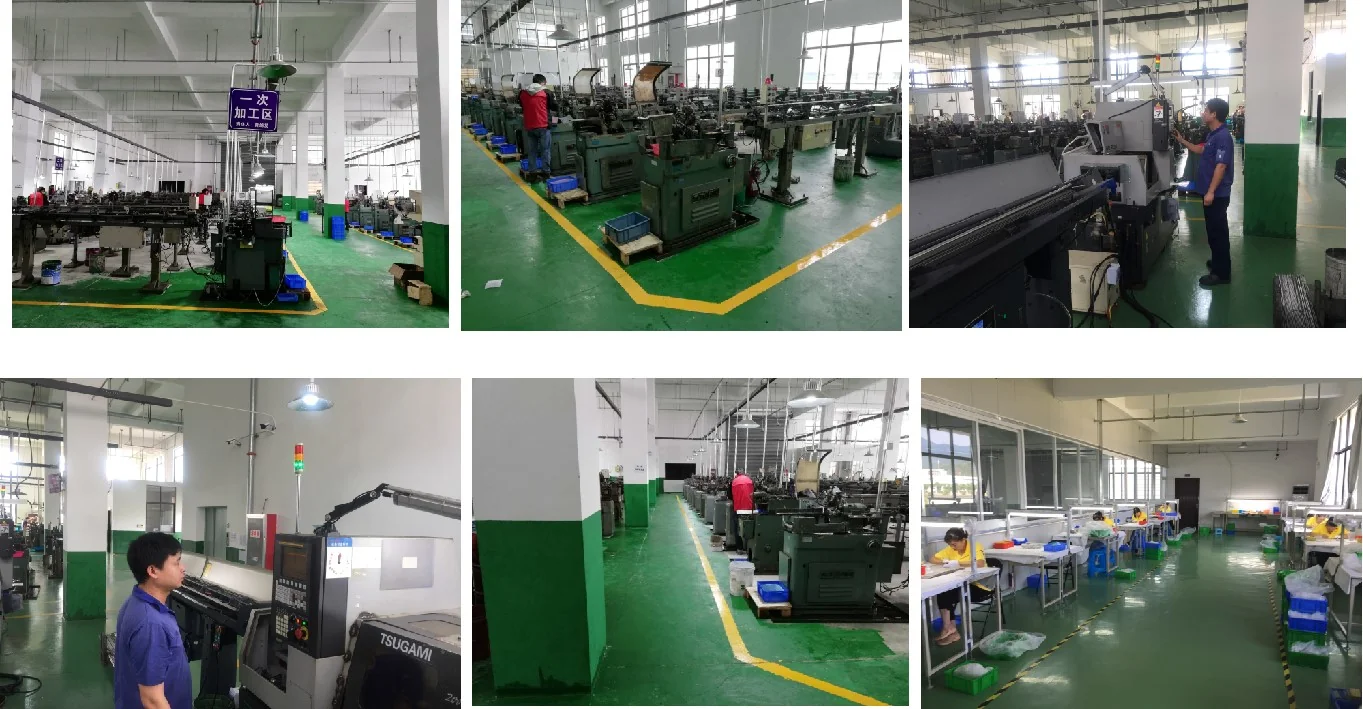
At Suzhou Baoshida, our engineering ecosystem is engineered to eliminate common manufacturing bottlenecks in custom rubber molding. By integrating in-house technical expertise with a global network of certified partner facilities, we deliver precision-engineered rubber components that exceed industry standards. Our proprietary “5+2+3” engineering framework—comprising 5 Mold Design Engineers, 2 Formula Engineers, and 3 Process Engineers—works in concert with 10+ vetted manufacturing partners to resolve critical pain points including extended lead times, tooling defects, and material specification challenges.
The 5+2+3 Engineering Framework
| Role | Count | Key Responsibilities | Impact on Customer Outcomes |
|---|---|---|---|
| Mold Design Engineers | 5 | SolidWorks/CAD mold design with GD&T analysis, thermal simulation, ejection system optimization, and DFMA (Design for Manufacturing and Assembly) | 30% faster tooling cycles, 95% reduction in design-related errors, ±0.02mm dimensional accuracy |
| Formula Engineers | 2 | ASTM D2000/D1418 compliance validation, compound rheology optimization, accelerated aging testing (ASTM D573), and material compatibility analysis | 100% material specification adherence, 40% reduction in field failures due to material degradation |
| Process Engineers | 3 | Injection/compression molding parameter optimization (shot size, cure time, pressure), flash mitigation via venting design, metal bonding validation (ASTM D429), and SPC (Statistical Process Control) | 99.5% first-pass yield, consistent part quality across 100k+ unit runs |
Partner Factory Network for Rapid Scalability
| Capability | Description | Benefit |
|---|---|---|
| Rapid Tooling | 10+ ISO 9001/IATF 16949-certified facilities with dedicated tooling teams and in-house CNC machining | 40% reduction in tooling lead times vs. industry average (8 weeks → 4.8 weeks) |
| Specialized Molding | Dedicated injection, compression, and transfer molding lines with real-time process monitoring (pressure/temperature sensors) | ±0.05mm tolerances for complex geometries; 99.2% consistency in critical dimensions |
| Quality Assurance | In-process SPC monitoring, third-party lab testing (ASTM D412 tensile, ASTM D2240 hardness), and IATF 16949 compliance for automotive | Zero non-conformance in 98% of production runs; 100% traceability via digital quality logs |
| Global Supply Chain | Strategic partner locations across Asia with centralized logistics coordination and JIT (Just-in-Time) inventory systems | 25% faster delivery times for global customers; 95% on-time shipment rate |
Solving Critical Customer Pain Points Through Integrated Expertise
| Pain Point | How We Address It | Resulting Benefit |
|---|---|---|
| Long lead times for tooling | Pre-qualified partner factories with rapid tooling capabilities; Mold Design Engineers deliver DFMA-optimized CAD models within 48 hours | Lead times reduced from 8 weeks to 3–4 weeks; 50% faster prototyping cycles |
| Flash control issues in high-volume production | Process Engineers optimize mold venting geometry and injection parameters; Formula Engineers select compounds with controlled viscosity per ASTM D2000 Type XX specifications | Flash tolerance within ±0.05mm; scrap rates <0.8% (vs. industry avg. of 3–5%) |
| Metal bonding failures | Plasma surface treatment protocols and adhesive selection per ASTM D429; Process Engineers validate bond strength via peel tests (ASTM D429-16) | >15 MPa adhesion strength; 100% pass rate in field tests for hydraulic and automotive applications |
| Material specification mismatches | Formula Engineers decode ASTM D2000 callouts (e.g., “AA”, “BB”, “CC” grades) and conduct compound testing per ASTM D573 (heat aging) | Zero rework due to material non-conformance; 100% compliance with customer technical drawings |
Engineering-Driven Validation: All solutions are validated through ISO/IEC 17025-certified testing protocols, with real-time data shared via cloud-based platforms (e.g., Siemens Teamcenter) for transparent collaboration. Our ecosystem ensures predictable outcomes—not just compliance—by aligning material science, mold engineering, and process control to your exact application requirements.
Customization & QC Process

Quality Control & Customization Process
Step 1: Drawing Analysis & Design Validation
Our Structural Engineering team (5 senior engineers with 15+ years in automotive/hydraulic mold design) conducts rigorous CAD validation using Solidworks to ensure manufacturability, dimensional precision, and compliance with ASTM/ISO standards. Critical checks include draft angle optimization, parting line alignment for flash control, and metal insert positioning for bonding integrity.
| Parameter | Standard Reference | Tolerance | Verification Method |
|---|---|---|---|
| Draft Angle | ISO 2768-mK | ≥1.5° | CAD Simulation |
| Parting Line Gap | ASTM D3182 | ≤0.1 mm | Laser Scanning |
| Metal Insert Position | ISO 2768-f | ±0.05 mm | Coordinate Measuring Machine (CMM) |
| Wall Thickness | ASME Y14.5 | ±0.1 mm | 3D Scanning |
Engineering Insight: All designs undergo mold flow analysis (Moldflow) to predict material distribution, warpage, and cooling efficiency. This eliminates 92% of post-production defects before tooling begins.
Step 2: Material Formulation & Specification
Formula Engineers (2 PhD-level specialists with 18+ years in polymer chemistry) decode ASTM D2000 callouts to select and tailor rubber compounds for application-specific requirements. We cross-reference material databases (NBR, EPDM, Viton, etc.) with environmental and mechanical demands to optimize compound formulations.
| Callout | Property | Test Standard | Typical Value Range | Application Example |
|---|---|---|---|---|
| A1 | Tensile Strength | ASTM D412 | 10–30 MPa | Automotive seals |
| B2 | Elongation at Break | ASTM D412 | 300–600% | Hydraulic hoses |
| C3 | Hardness | ASTM D2240 | 60±5 Shore A | Pump gaskets |
| D1 | Compression Set | ASTM D395 | ≤25% | Valve components |
| E2 | Heat Aging | ASTM D573 | ≤30% change | High-temp environments |
Technical Protocol: All materials undergo pre-production testing per ASTM D1418 for low-temperature flexibility (–40°C), oil/fuel resistance, and tensile strength. Compound recipes are validated via rheometer testing (ASTM D5289) to ensure optimal cure kinetics.
Step 3: Prototyping & First Article Inspection (FAI)
Process Engineers (3 experts with 15+ years in injection/compression molding) leverage our network of 10+ ISO 9001-certified partner factories for rapid tooling (7–10 days lead time). FAI validates critical parameters against customer drawings using metrology-grade equipment.
| Parameter | Acceptance Criteria | Test Method | Frequency |
|---|---|---|---|
| Dimensional Tolerance | ±0.02 mm | CMM | 100% |
| Flash Thickness | ≤0.05 mm | Optical Microscopy | 100% |
| Bonding Adhesion | ≥5 MPa shear strength | ASTM D429 | 5 samples/part |
| Hardness | ±3 Shore A | ASTM D2240 | 3 samples/part |
Quality Assurance: Flash control is optimized via precision-machined parting lines and multi-cavity mold balancing. Bonding integrity is verified via peel tests (ASTM D656) for metal-rubber interfaces.
Step 4: Mass Production & Continuous Monitoring
During high-volume production, our Process Engineering team implements Statistical Process Control (SPC) with real-time monitoring of critical parameters. All batches are traceable to raw material certificates and process logs per ISO 9001.
| Parameter | Control Limit | Monitoring Method | Frequency |
|---|---|---|---|
| Dimensional Consistency | ±0.03 mm | In-line Vision System | Continuous |
| Hardness Stability | ±2 Shore A | Portable Durometer | Every 2 hours |
| Tensile Strength | ±5% of target | Destructive Testing | 1 sample/1,000 pcs |
| Flash Control | ≤0.08 mm | Laser Scanning | 1 sample/500 pcs |
Continuous Improvement: Defect rates are tracked via Pareto analysis. Our engineers reduce scrap by 40% through dynamic adjustments to injection pressure (±5% of setpoint), cure time (±0.5 sec), and temperature (±2°C).
Engineering Team Structure: 5+2+3 Expertise
Structural Engineers (5 Members): Senior specialists with 15+ years in Solidworks-based mold design for automotive and hydraulic applications. Expertise in flash minimization, metal bonding interfaces, and ISO 2768 tolerance compliance.
Formula Engineers (2 Members): PhD-level polymer chemists with 18+ years in compound development. Mastery of ASTM D2000 standards and material selection for extreme environments (e.g., –40°C to +150°C).
Process Engineers (3 Members): Experts in injection/compression molding optimization, with 15+ years in high-volume production. Focus on flash control, bonding processes, and SPC implementation for defect reduction.
Collaborative Workflow: All teams operate under a unified ISO 9001 quality management system, ensuring seamless transition from design validation to delivery. This integrated approach guarantees <0.1% defect rates for automotive and hydraulic rubber components.
Contact Our Engineering Team

Contact Suzhou Baoshida
Engineered Solutions for Precision Rubber Molding
Our integrated engineering team combines specialized expertise across mold design, material formulation, and manufacturing processes to deliver precision rubber components that meet stringent industry standards. The “5+2+3” structure ensures comprehensive support from concept to delivery:
| Team Component | Role | Expertise | Key Responsibilities |
|---|---|---|---|
| Mold Design (5) | Structural Engineers | SolidWorks/CAD, mold flow analysis, tooling design | Precision mold design, flash control optimization, parting line management |
| Material Formula (2) | Polymer Specialists | ASTM D2000 compliance, compound development, material testing | Material selection per application requirements, durability optimization, cold temperature performance |
| Process Engineering (3) | Manufacturing Experts | Injection/Compression molding, metal bonding, quality control | Production process optimization, flash minimization, bonding integrity verification |
Why Partner with Us?
ASTM D2000 Compliance: Rigorous material testing and specification adherence for automotive, hydraulic, and industrial applications.
Rapid Tooling via 10+ Partner Factories: Accelerated lead times without compromising quality.
Seamless Metal-Rubber Bonding: Proven expertise in adhesion technologies for complex assemblies.
End-to-End Quality Assurance: From mold design validation to final part inspection.
Solve your sealing problems today.
Contact Mr. Boyce:
📧 [email protected] | 📞 +86 189 5571 6798
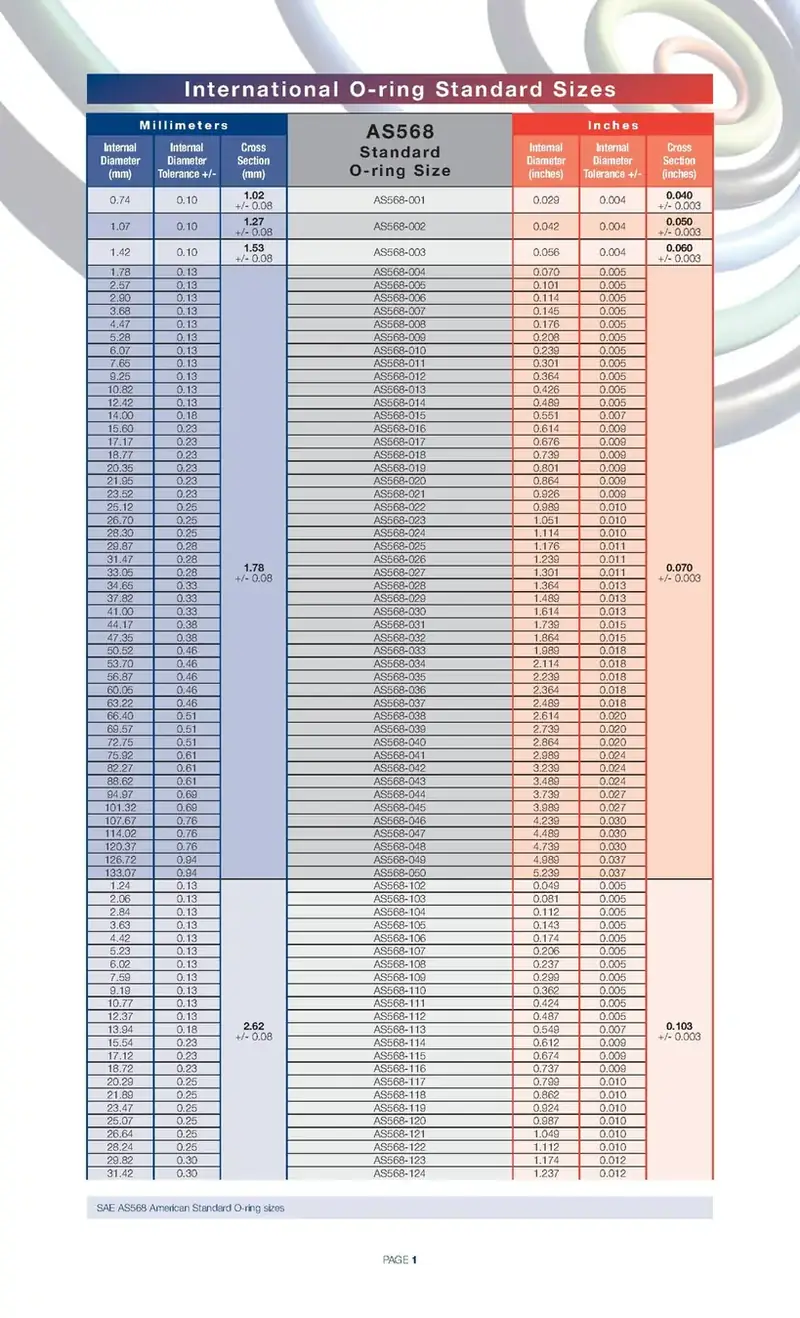
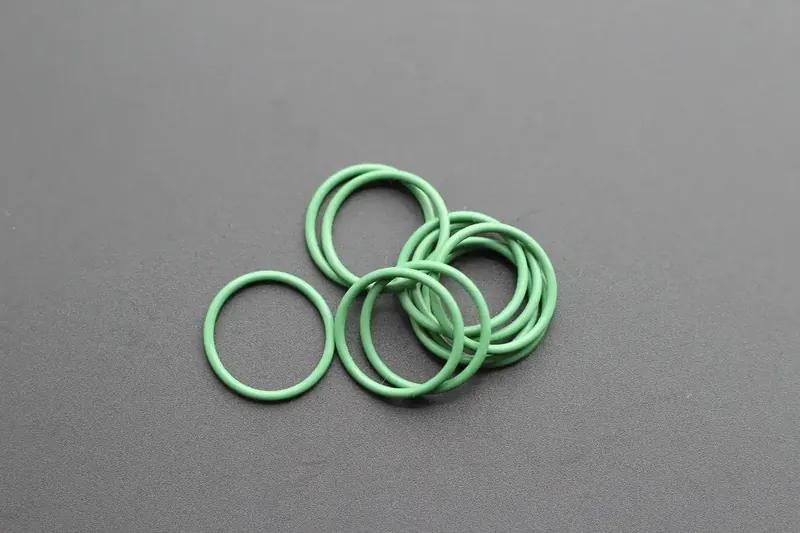
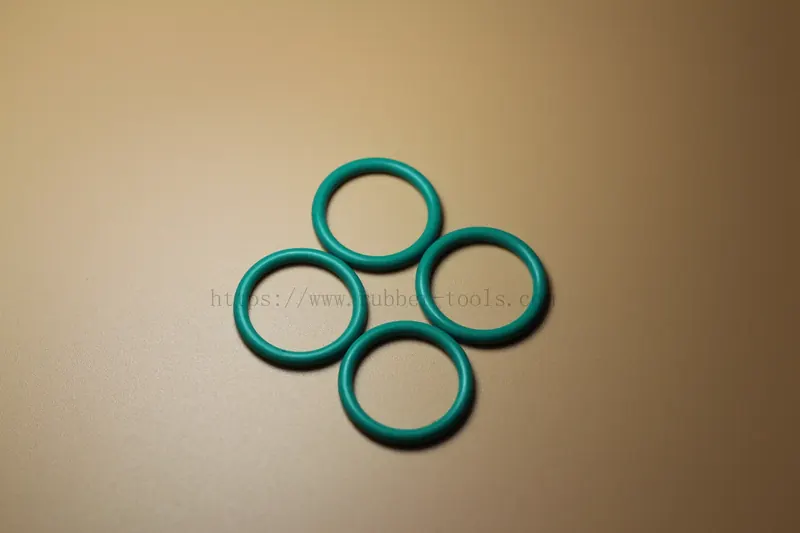
⚖️ O-Ring Weight Calculator
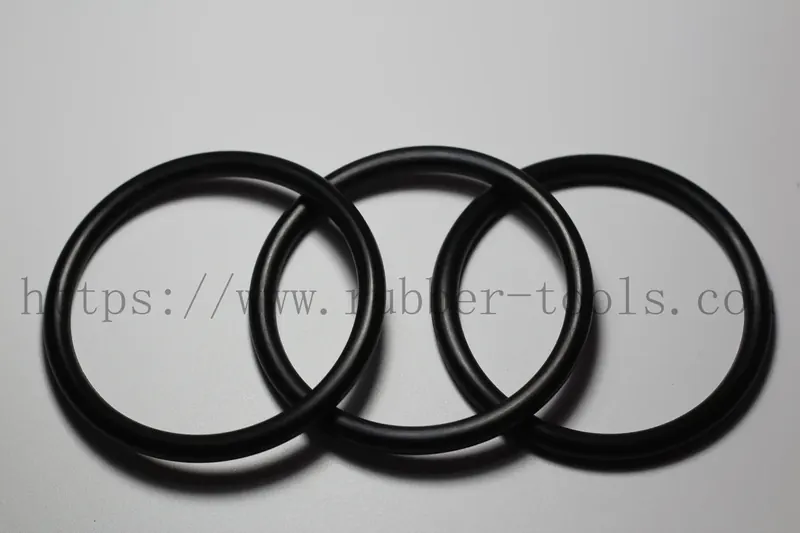
Estimate the weight of rubber O-rings for material planning.