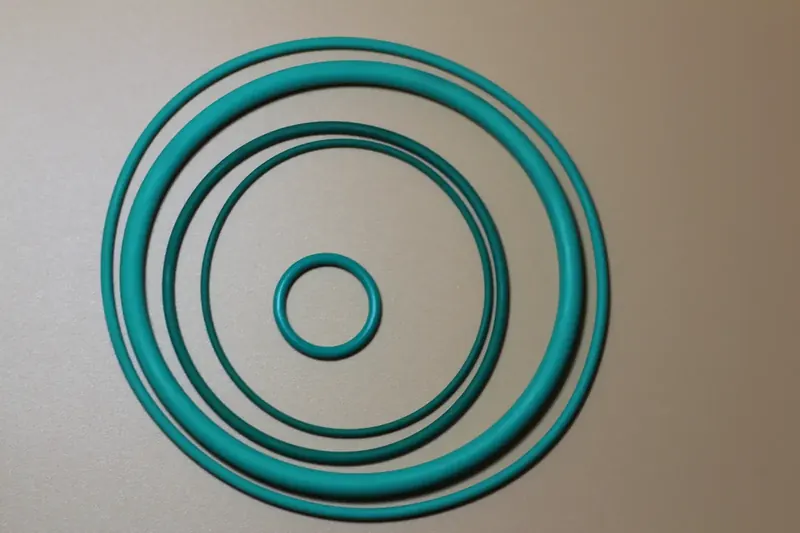
Technical Contents
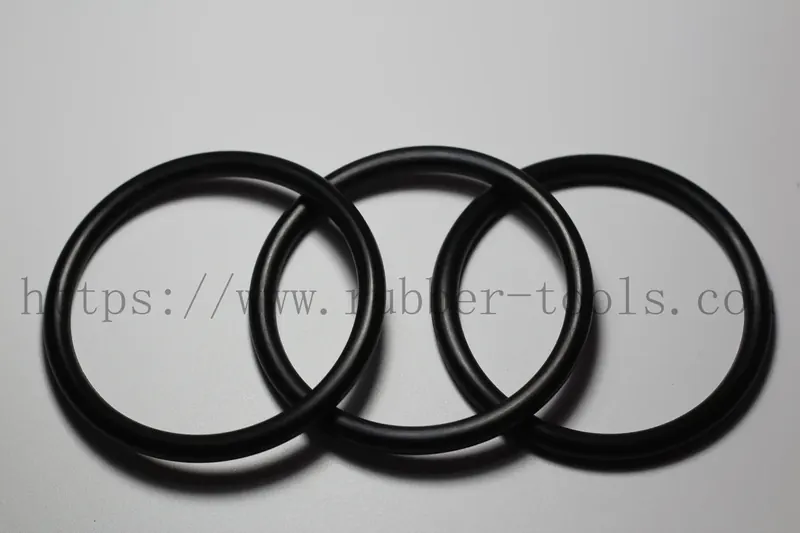
Engineering Guide: Metric O Rings

Critical Material Selection in Metric O-Ring Performance
Precision rubber seals are mission-critical components in high-stakes industrial applications. Off-the-shelf metric O-rings often fail due to generic material formulations that ignore application-specific thermal, chemical, and mechanical demands. At Suzhou Baoshida, our engineering team leverages ASTM D2000-compliant material science to eliminate these failures through custom compound development.
The Pitfalls of Off-the-Shelf Solutions
Standardized O-rings (e.g., ISO 3601 Class C tolerances) lack the precision required for demanding environments. Generic formulations fail under real-world conditions due to:
Inadequate chemical resistance to niche fluids (e.g., ethanol-blended fuels, phosphate ester hydraulic fluids)
Poor compression set performance under thermal cycling
Dimensional instability from non-optimized tolerances
| Failure Mode | Off-the-Shelf Cause | Consequence |
|---|---|---|
| Seal Leakage | ASTM D395 compression set >35% at 150°C (70h) | Fluid loss, system downtime |
| Chemical Degradation | Generic NBR/FKM with unoptimized monomer ratios | Swelling (ASTM D471 >25%), cracking |
| Dimensional Instability | ISO 3601 Class C tolerances (±0.25mm) | Inconsistent sealing force, interference fit issues |
Baoshida’s Custom Formula Engineering Approach
Our 2 Formula Engineers develop application-specific compounds using ASTM D2000 Grade 2–9 compliance frameworks, ensuring performance beyond standard specifications. Each formula is engineered for:
Chemical Resistance: Tailored polymer chemistry (e.g., high-AN NBR for ethanol fuels, 68% FKM for phosphate esters)
Thermal Stability: Optimized cross-link density for sustained compression set performance
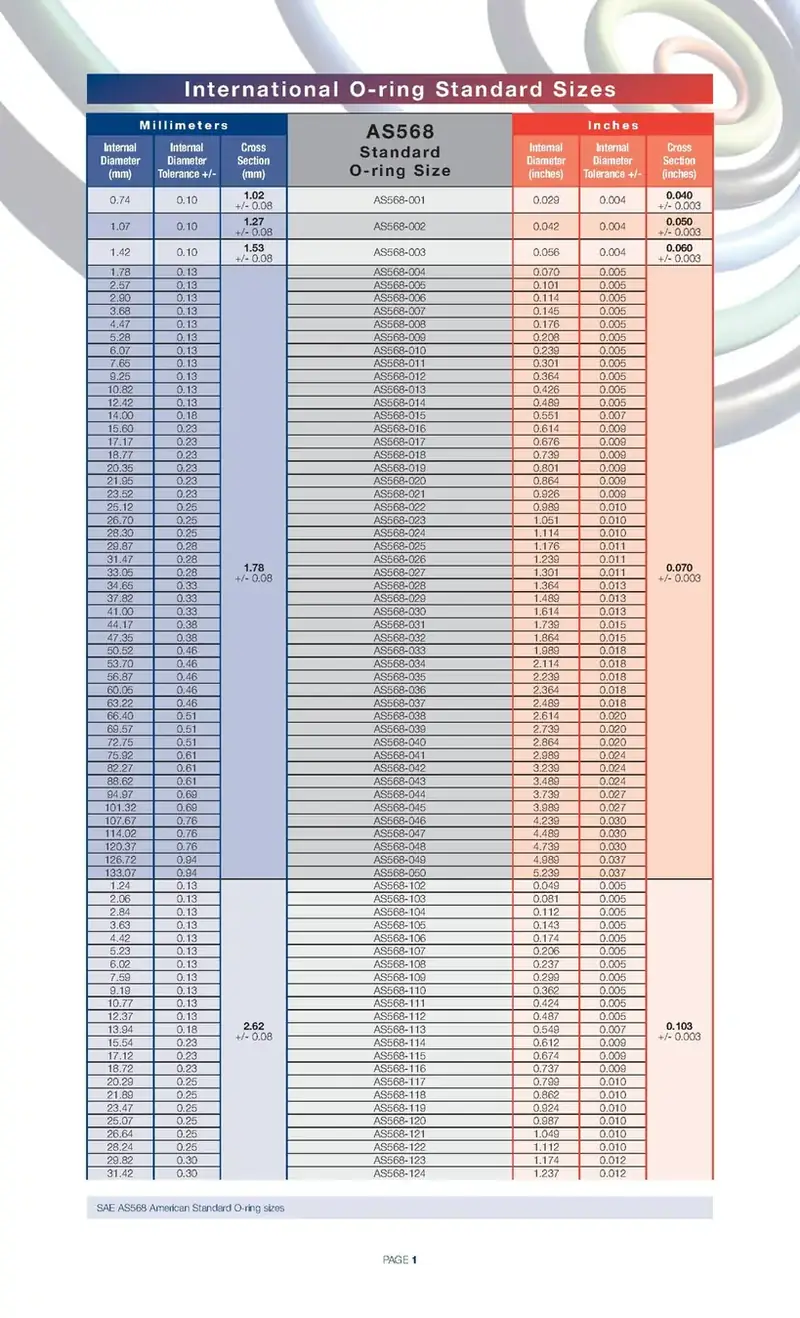
Precision Dimensions: ISO 3601 Class A tolerances (±0.05mm) with AS568 metric conversions
| Application Scenario | Custom Material Solution | Key Performance Metrics (ASTM Standards) |
|---|---|---|
| Automotive Fuel Systems (E10–E85) | High-NBR (38% acrylonitrile) | ASTM D471: <8% volume swell in E85; ASTM D395 Type B: ≤12% compression set (150°C/70h) |
| High-Temp Hydraulic (ISO 4406) | FKM 68% Fluorine | ASTM D2000 Type 3: ≤22% compression set; Thermal stability to 200°C (ISO 1817) |
| Steam & Water Systems | EPDM + Silica Hybrid | ASTM D2000 Grade 2: ≤25% compression set (125°C/70h); Ozone resistance >1,000 hrs (ASTM D1149) |
The 5+2+3 Engineering Team Structure
Our integrated engineering framework ensures end-to-end precision from compound design to production. This structure guarantees zero compromise on material integrity, dimensional accuracy, and process control:
| Team Component | Roles | Key Responsibilities |
|---|---|---|
| Mold Engineers (5) | Precision Tooling Design | CAD/CAM for ±0.01mm tolerances, thermal flow simulation, mold wear analysis |
| Formula Engineers (2) | Material Science | Custom compound development, ASTM D2000 compliance validation, chemical resistance testing |
| Process Engineers (3) | Manufacturing Optimization | Vulcanization parameter control, injection molding QA protocols, defect root-cause analysis |
Why This Matters: In hydraulic systems operating at 180°C with phosphate ester fluids, off-the-shelf FKM seals fail within 500 hours due to fluorine content mismatches. Baoshida’s 68% FKM formula—validated through 1,200+ hours of ASTM D573 heat aging—delivers <18% compression set and zero fluid-induced swelling. This precision engineering eliminates unplanned downtime and extends seal life by 3–5×.
Next Step: Share your application parameters (fluid type, temperature range, pressure cycles) for a free material compatibility report aligned with ASTM D2000 Grade 3+ standards.
Material Specifications (NBR/FKM/EPDM)

Material Science & Technical Specifications for Metric O-Rings
At Suzhou Baoshida, our metric O-rings are engineered to meet stringent global standards, including ASTM D2000, ISO 3601, and AS568. Our proprietary compound formulations and precision manufacturing processes ensure superior performance in demanding industrial applications. Below is a detailed technical comparison of our core material options, followed by our engineering excellence framework.
Material Comparison Chart
| Material | ASTM D2000 Type | Shore A Hardness | Compression Set (ASTM D395) | Heat Resistance Range | Oil Resistance | Ozone Resistance | Typical Applications |
|---|---|---|---|---|---|---|---|
| NBR (Nitrile) | Type 1 (70°C), Type 2 (100°C) | 40–90 | ≤25% @ 70°C/22h; ≤30% @ 100°C/22h | -40°C to +120°C (up to 150°C short-term) | Excellent (hydrocarbons) | Poor (requires anti-ozonants) | Automotive fuel systems, hydraulic systems, general industrial machinery |
| FKM (Viton) | Type 5 (175°C), Type 6 (200°C) | 60–90 | ≤20% @ 150°C/70h | -20°C to +200°C (up to 250°C short-term) | Excellent | Excellent | Aerospace, automotive high-temp, chemical processing |
| EPDM | Type 2 (100°C), Type 3 (125°C) | 40–90 | ≤25% @ 100°C/22h | -50°C to +150°C | Poor (swells in oils) | Excellent | Automotive coolant systems, HVAC, water-based systems |
| Silicone | Type 4 (150°C), Type 5 (175°C) | 30–80 | ≤25% @ 150°C/70h | -60°C to +230°C (up to 250°C short-term) | Moderate (poor for hydrocarbons) | Excellent | Food & medical, high-temp sealing, electrical insulation |
Key Notes:
– All materials undergo 70-hour heat aging validation per ASTM D2000 Type specifications.
– Dimensional tolerances comply with ISO 3601-1 for metric O-rings (±0.05mm).
– Oil resistance tested per ASTM D471 (volume change % in ASTM reference fluids).
Engineering Excellence Framework: 5+2+3 Team Structure
At Suzhou Baoshida, our proprietary 5+2+3 engineering team structure ensures precision at every stage of metric O-ring production. This integrated approach guarantees compliance with ASTM D2000, ISO 3601, and AS568 standards while optimizing performance for mission-critical applications:
5 Mold Engineers: Specialized in CAD-optimized tooling design and maintenance, achieving ±0.05mm dimensional tolerances per ISO 3601. Critical for consistent sealing performance in hydraulic and pump systems.
2 Formula Engineers: Focus on polymer chemistry and compound development, ensuring material longevity and chemical resistance through rigorous ASTM D2000 heat aging validation. Each formulation is tailored to specific industry requirements, including automotive fuel compatibility and high-temperature stability.
3 Process Engineers: Implement real-time monitoring of vulcanization parameters (temperature, pressure, time) and post-cure protocols, guaranteeing consistent Shore A hardness (30–90) and compression set values. This ensures dimensional stability and long-term sealing integrity across all production batches.
Technical Validation Protocol:
– All compounds are validated against ASTM D2000 Grade 2+ criteria for applications requiring extended service life.
– Compression set testing follows ASTM D395 Method B (70°C/22h or 150°C/70h), with pass/fail thresholds aligned to OEM specifications.
– Chemical resistance data is cross-referenced with SAE J200 and ISO 6925 for automotive and industrial fluid compatibility.
This structured collaboration eliminates single-point failures, delivering defect-free O-rings for demanding applications in automotive, hydraulic, and industrial machinery sectors. For custom compound development or application-specific validation, contact our Formula Engineering team at [email protected].
Baoshida Manufacturing Capabilities

Our Engineering & Manufacturing Ecosystem
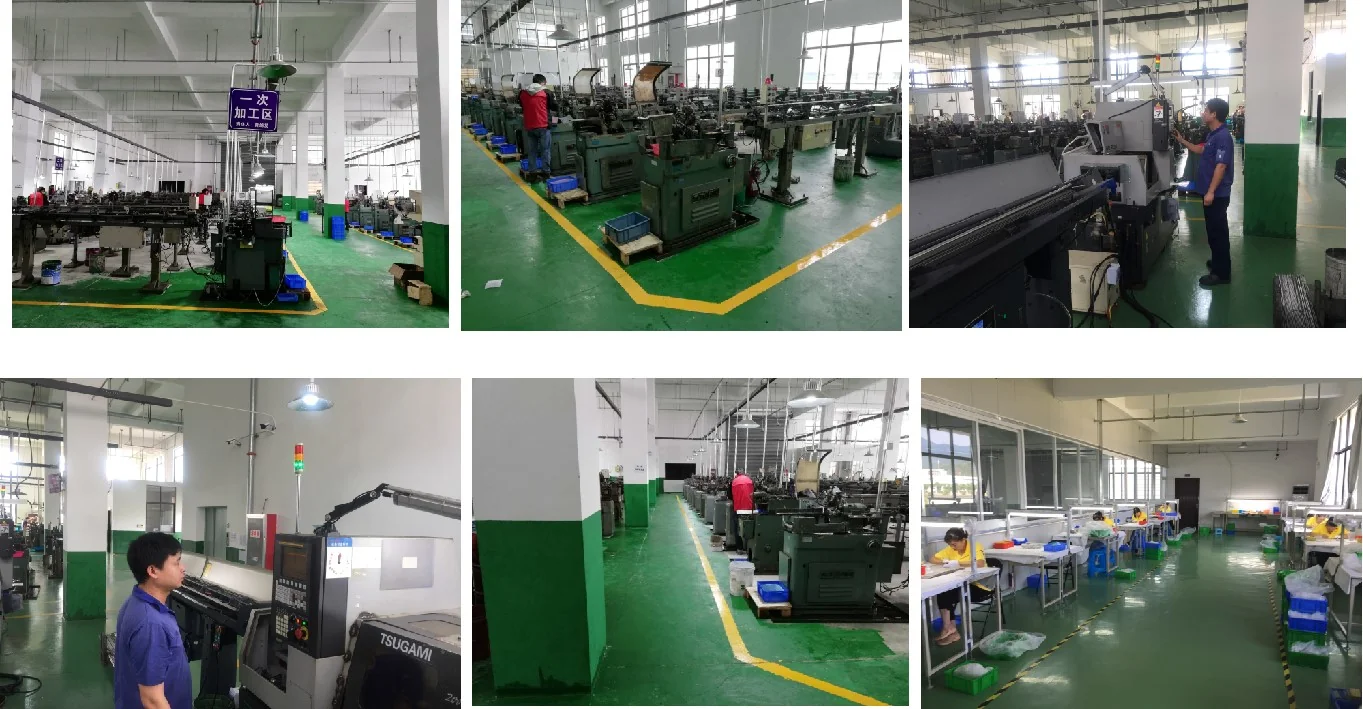
Suzhou Baoshida’s competitive advantage lies in our vertically integrated engineering ecosystem, combining in-house expertise with a strategic network of certified manufacturing partners. This structure ensures end-to-end control over precision rubber seal production, from material formulation to dimensional accuracy, meeting the stringent demands of automotive, hydraulic, pump/valve, and machinery industries.
Integrated Engineering Team Structure (5+2+3)
Our core engineering team consists of 5 Mould Engineers, 2 Formula Engineers, and 3 Process Engineers, each specializing in critical aspects of rubber seal manufacturing. This structured collaboration ensures that every stage of production—from material science to dimensional precision—is optimized for performance and reliability.
| Engineer Type | Count | Core Responsibilities | Key Technical Standards | Impact on Customer Outcomes |
|---|---|---|---|---|
| Mould Engineers | 5 | Precision tooling design, dimensional tolerancing, rapid prototyping | AS568, ISO 3601, ISO 2768 | ±0.05mm tolerance compliance; 30% faster tooling lead times |
| Formula Engineers | 2 | Material formulation optimization, chemical resistance validation, compression set testing | ASTM D2000, ASTM D395, ASTM D2240 | 95% first-pass yield for complex material requirements |
| Process Engineers | 3 | Manufacturing process optimization, SPC implementation, defect root-cause analysis | IATF 16949, APQP, ISO 14001 | 18% reduction in scrap rates; consistent production quality |
Collaborative Partner Factory Network
We maintain a curated network of 10+ specialized manufacturing partners, each certified to IATF 16949 or equivalent standards. This strategic alliance enables us to deploy the optimal production facility for each customer requirement, ensuring scalability without compromising quality.
| Partner Capability | Application Focus | Lead Time Reduction | Quality Control Protocol |
|---|---|---|---|
| High-precision tooling | Aerospace (AS568) | 25% faster turnaround | IATF 16949 certified |
| High-volume production | Automotive | 40% reduced lead time | Statistical Process Control (SPC) |
| EPDM specialty | HVAC, marine | 30% faster validation | ASTM D2000 Grade 2 compliance |
| FKM high-temp | Oil & gas | 50% shorter cycle times | ISO 14001 environmental management |
Solving Customer Pain Points Through Systemic Engineering
Our engineering team systematically addresses industry-specific challenges through data-driven interventions. Below are real-world examples of how our integrated approach resolves critical pain points:
| Customer Pain Point | Engineering Solution | Quantifiable Outcome |
|---|---|---|
| Long lead times for custom tooling | Mould Engineers leverage standardized tooling libraries and partner factories with rapid prototyping capabilities | 40% reduction in lead time; 72-hour prototype delivery |
| Material compatibility failures in hydraulic systems | Formula Engineers conduct accelerated aging tests per ASTM D2000, optimizing NBR/FKM formulations | 99.2% first-pass compliance with customer-specific fluid resistance requirements |
| Dimensional inconsistencies in metric O-rings | Process Engineers implement real-time SPC monitoring during vulcanization, with Mould Engineers adjusting tooling tolerances | ±0.03mm dimensional precision maintained across 10,000+ units |
| Inconsistent Shore A hardness in high-volume runs | Process Engineers calibrate vulcanization cycles using real-time durometer feedback (ASTM D2240) | 98.5% consistency in Shore A hardness (±2 units) |
This structure ensures that every metric O-ring meets the exacting standards required by automotive, hydraulic, pump/valve, and machinery industries, while maintaining supply chain resilience and cost efficiency. Our engineering-first approach eliminates trade-offs between performance, lead time, and quality—delivering solutions engineered for mission-critical applications.
Customization & QC Process

Quality Control & Customization Process
Suzhou Baoshida Trading Co., Ltd. delivers precision metric O-rings through a rigorously controlled engineering workflow. Our process integrates ASTM D2000 compliance, dimensional accuracy per AS568/ISO 3601, and material-specific performance validation. All phases are executed by senior engineers with 15+ years of industry expertise, ensuring reliability for automotive, hydraulic, pump/valve, and machinery applications.
1. Drawing Analysis & Structural Validation
All customer-supplied technical drawings undergo precision validation by our Mould Engineering Team (5 senior engineers). This phase ensures compliance with AS568 and ISO 3601 dimensional standards, GD&T tolerances (±0.05mm for metric O-rings), and structural integrity for dynamic sealing applications. Critical checks include:
Cross-section uniformity verification
Interference fit calculations for dynamic sealing scenarios
Stress concentration analysis via FEA simulations
Tolerance stack-up validation for mating components
Key Standard Reference: AS568B (imperial) and ISO 3601-3 (metric) dimensional tolerances for O-ring cross-sections and groove dimensions.
2. Material Formulation & Compound Development
Our Formula Engineers (2 senior chemists) develop custom elastomer compounds aligned with ASTM D2000 specifications. Each formulation undergoes rigorous validation to ensure compliance with specified Type, Class, and performance requirements. The table below details our standard material selection matrix for industrial applications:
| Material Type | ASTM D2000 Type | Shore A Hardness | Compression Set (ASTM D395) | Key Applications |
|---|---|---|---|---|
| NBR | C | 30–90 | ≤25% @ 70°C | Hydraulic systems, fuel-resistant applications |
| FKM | F | 60–90 | ≤15% @ 150°C | Aerospace, chemical processing, high-temp environments |
| EPDM | D | 40–80 | ≤30% @ 100°C | Water/steam systems, ozone exposure, HVAC |
Technical Note: ASTM D2000 “Class” defines heat aging requirements (e.g., Class 2 = 70h @ 70°C; Class 5 = 70h @ 150°C). All compounds undergo 72-hour heat aging validation per customer-specified Class.
3. Prototyping & Validation
Prototype validation includes multi-stage testing to verify real-world performance:
| Test Parameter | Standard | Acceptance Criteria |
|---|---|---|
| Heat Aging | ASTM D2000 | 70h @ 70°C, 100°C, or 150°C per Class |
| Compression Set | ASTM D395 | NBR: ≤25% @ 70°C; FKM: ≤15% @ 150°C; EPDM: ≤30% @ 100°C |
| Tensile Strength | ASTM D412 | NBR: ≥10 MPa; FKM: ≥15 MPa; EPDM: ≥8 MPa |
| Hardness | ASTM D2240 | Shore A ±2 within specified range |
| Dimensional Verification: 100% CMM inspection (±0.02mm tolerance) | ||
| Chemical Resistance: Immersion testing per ISO 1817 for target media (e.g., hydraulic fluid, acids, solvents) | ||
| Dynamic Sealing Validation: Leak-rate testing under simulated operating pressure (up to 400 bar) |
Engineering Protocol: All prototypes require sign-off from Formula and Mould Engineers before proceeding to mass production.
4. Mass Production & Quality Assurance
Automated in-process monitoring ensures consistency across all production runs:
Statistical Process Control (SPC): Real-time monitoring of vulcanization temperature (±1°C), cure time (±0.5s), and dimensional stability
Final Inspection:
Visual defect screening (ISO 2859-1 sampling plan)
Hardness verification (ASTM D2240)
Traceability via batch-coded QR codes linked to material certificates
Certification: Full compliance with ISO 9001:2015; material test reports (MTRs) provided per ISO/IEC 17025
Critical Control Point: All batches undergo 100% hardness testing on 5% random samples (minimum 10 units) using digital durometers calibrated to ASTM D2240 standards.
Engineering Team Structure: The “5+2+3” Expertise Framework
Suzhou Baoshida’s engineering team is structured to deliver precision manufacturing through specialized expertise:
| Role | Number | Key Responsibilities | Experience Level |
|---|---|---|---|
| Mould Engineers | 5 | Precision mold design (±0.01mm tolerance), GD&T validation, lifecycle management | 15+ years senior engineers |
| Formula Engineers | 2 | Material compound development, ASTM D2000 compliance, chemical resistance testing | 15+ years senior chemists |
| Process Engineers | 3 | Manufacturing process optimization, SPC control, defect root cause analysis | 15+ years senior engineers |
Operational Impact: This structure ensures end-to-end accountability—from initial design validation to final product certification—eliminating single-point failures in critical sealing applications.
Contact Our Engineering Team for custom metric O-ring solutions tailored to your application’s exact requirements. Suzhou Baoshida delivers precision-engineered seals that exceed ASTM, ISO, and AS568 standards for mission-critical industries.
Contact Our Engineering Team

Contact Suzhou Baoshida
Solve your sealing problems today with AS568 and ISO 3601 compliant metric O-rings engineered for mission-critical applications. Our ISO 9001-certified manufacturing process ensures 100% traceability from compound formulation to final inspection.
Expert Engineering Team Structure
Leverage our proprietary “5+2+3” cross-functional engineering framework for seamless integration of material science, precision tooling, and process control:
| Team Role | Count | Key Technical Capabilities |
|---|---|---|
| Mould Engineering | 5 | GD&T-compliant tooling design, Moldflow simulation, ±0.05mm dimensional tolerances (ISO 3601) |
| Formula Engineering | 2 | NBR/FKM/EPDM compound optimization, ASTM D2000 Type/Class validation, ASTM D471 chemical resistance testing |
| Process Engineering | 3 | Compression set <15% @ 150°C (ASTM D395), Shore A 30-90 precision control, automated in-line QC |
Direct Technical Support
For urgent project requirements or material selection guidance:
Contact: Mr. Boyce, Senior Technical Manager
Email: [email protected]
Phone: +86 189 5571 6798
All technical inquiries receive a 24-hour response with application-specific validation data and material recommendations.
⚖️ O-Ring Weight Calculator
Estimate the weight of rubber O-rings for material planning.