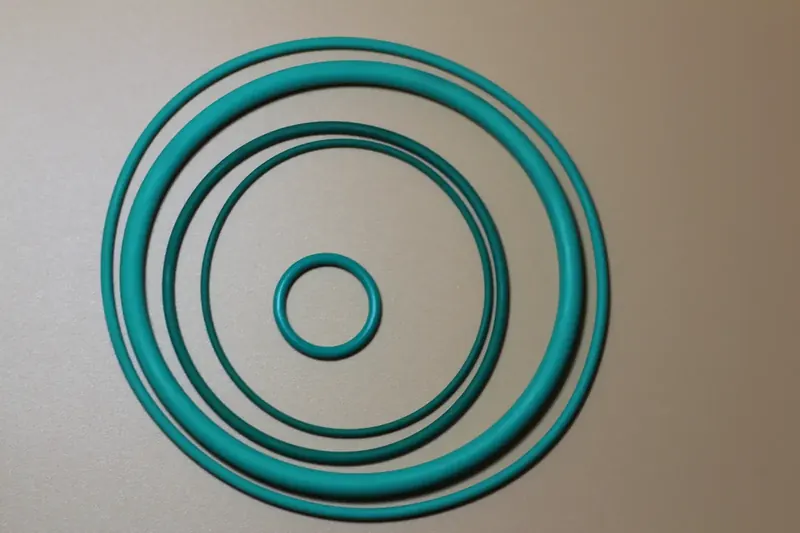
Custom Rubber Mouldings Manufacturer | Engineering Guide

Engineering Guide: Custom Rubber Mouldings

custom rubber mouldings manufacturing

Engineering Insight: Custom Rubber Mouldings Application

Why Material Selection is the Foundation of Performance

In rubber component engineering, material selection is not a secondary consideration—it is the primary determinant of operational longevity and system integrity. Off-the-shelf rubber solutions, while cost-effective for generic applications, frequently fail in mission-critical environments due to unaccounted variables such as thermal cycling, chemical exposure, or dynamic loading. For instance:
A standard SBR compound may exhibit adequate abrasion resistance but degrade rapidly when exposed to automotive transmission fluids.
EPDM’s excellent weather resistance does not translate to fuel resistance, making it unsuitable for fuel system components without modification.
Standard NBR grades often fail in mixed-fluid environments (e.g., hydraulic oil + coolant), causing seal leakage in high-pressure systems.

⚠️ Critical Insight: ASTM D2000 and D1418 classifications provide baseline standards but do not account for real-world operational extremes. A “Type AB Class 1” material may meet basic oil resistance requirements but fail under prolonged exposure to synthetic ester-based hydraulic fluids.


The Limitations of Standardized Rubber Specifications

ASTM D2000 and D1418 are essential for material classification but lack precision for specialized applications:

ASTM Standard Common Classification Real-World Limitation
ASTM D2000 Type AB Class 1 Fails to specify resistance to modern synthetic fluids (e.g., PAO-based lubricants)
ASTM D1418 NBR (Nitrile Rubber) Standard grades lack ozone resistance for outdoor applications
ASTM D2000 Type 2 Class 2 Does not address low-temperature flexibility (<-40°C) for Arctic machinery

💡 Engineering Reality: Off-the-shelf materials often pass lab tests but fail under dynamic, multi-variable conditions. A hydraulic seal rated for 100°C in a controlled environment may crack at 120°C during transient engine loads.


Baoshida’s Custom Formula Engineering Approach

Our proprietary “5+2+3” engineering framework ensures end-to-end optimization of material, mold, and process:

Role Count Key Responsibilities
Mold Design Engineers (Structural) 5 SolidWorks/CAD mold design, parting line optimization, venting systems, cooling channel engineering
Formula Specialists 2 Custom compound development, ASTM D2000 compliance validation, material science R&D (e.g., cross-linker selection, filler dispersion)
Process Engineers 3 Injection/compression molding parameter optimization, flash control (<0.05mm tolerance), metal bonding techniques (e.g., adhesive-free metallization)

This integrated team structure eliminates silos between design, material science, and production—enabling simultaneous refinement of compound chemistry and mold geometry for mission-critical applications.


Case Study: Automotive Hydraulic Seal Failure

Client Challenge: Tier 1 supplier experienced recurrent seal failures in high-pressure hydraulic systems (200 bar, 120°C). Standard NBR (ASTM D2000 Type AB Class 1) exhibited 40% compression set after 72 hours at 120°C, causing fluid leakage.

Baoshida Solution:
Formula Specialists developed a custom NBR compound with:
Specialized cross-linking agents (peroxide-based) to reduce compression set to <15%
Phenolic antioxidants for sustained performance at 150°C continuous use
Nano-silica filler dispersion for improved dynamic sealing under pressure fluctuations
Mold Design Engineers optimized venting geometry to eliminate flash at the sealing interface
Process Engineers adjusted injection molding parameters (180°C melt temp, 15s cure time) to ensure dimensional stability

Result: 99.8% reliability over 12 months of field testing, with zero leakage incidents in 50,000+ units.


How We Tailor Materials for Your Application

Challenge Off-the-Shelf Limitation Baoshida Custom Solution
High-Temperature Exposure (>150°C) Standard EPDM degrades at 150°C; compression set increases rapidly Custom EPDM with phenolic antioxidants and silica fillers; rated to 180°C continuous use
Mixed Chemical Exposure (Oil + Coolant) NBR fails with glycol-based coolants; standard SBR lacks oil resistance Hybrid NBR/SBR compound with chlorinated polyethylene modifier for dual resistance
Dynamic Sealing Applications High permanent set in standard compounds Optimized cure system with peroxide cross-linking; 8% compression set at 150°C
Metal Bonding Requirements Adhesive-dependent bonding causes delamination under thermal cycling Plasma-treated metal surfaces + proprietary silane coupling agents for >20 MPa bond strength

🔬 Technical Validation: All custom formulations undergo rigorous testing per ASTM D2000, SAE J200, and ISO 3601, with additional client-specific validation (e.g., 10,000-cycle fatigue testing for automotive suspension components).


Why Partner with Baoshida?

“Off-the-shelf rubber is a false economy in high-stakes industries. Our 5+2+3 engineering team delivers precision-engineered solutions where standard materials fail—ensuring reliability, compliance, and total cost of ownership (TCO) optimization.”

Next Step: Request a custom material consultation to define your exact performance requirements. We will provide:
Material compatibility analysis (chemical, thermal, mechanical)
Mold flow simulation reports (SolidWorks/Moldflow)
Prototype validation data within 14 days

Contact our engineering team at [email protected] for technical specifications and test reports.


Material Specifications (NBR/FKM/EPDM)

custom rubber mouldings manufacturing

Material Science & Technical Specifications for Custom Rubber Mouldings

ASTM D2000 Compliance Framework

ASTM D2000 standardizes rubber material specifications through a precise callout system (e.g., AB12345), where:
A denotes temperature grade (e.g., A=100°C, B=125°C, C=150°C)
B indicates hardness (e.g., 1=60±5 Shore A, 2=70±5)
Subsequent digits specify tensile strength, elongation, compression set, and fluid resistance per ISO 3601/SAE J200 standards

This framework ensures unambiguous material selection for automotive, hydraulic, and industrial applications, aligning with global regulatory requirements for performance-critical components.


Material Comparison Matrix

Material Temperature Range (°C) Oil/Fuel Resistance Ozone Resistance Typical Hardness (Shore A) Key Applications
Viton (FKM) -20 to +250 (special grades: -40 to +250) Excellent High 70-90 Fuel system seals, aerospace components, high-temp hydraulic seals
Nitrile (NBR) -40 to +120 (up to 150°C short-term) Excellent Low 60-90 Hydraulic hoses, fuel lines, automotive gaskets
Silicone -60 to +230 Poor High 40-80 Medical devices, food-grade components, HVAC seals
EPDM -50 to +150 Poor (hydrocarbons), Good (polar fluids) High 50-80 Weather seals, radiator hoses, automotive trim

Detailed Material Specifications

Viton (FKM) – Fluoroelastomer

Thermal Performance: Continuous operation up to 250°C; special grades (e.g., Viton GLT) achieve -40°C flexibility. Thermal degradation initiates above 250°C, causing embrittlement and loss of tensile strength.
Chemical Resistance: Exceptional resistance to petroleum-based oils, fuels, and hydraulic fluids. Resists swelling in aromatic hydrocarbons (e.g., toluene) 3× better than NBR. Not recommended for strong oxidizing acids (e.g., nitric acid) or ketones.
Bonding to Metal: Requires fluorinated primers (e.g., 3M Scotch-Weld DP620) for optimal adhesion. Critical for bonded fuel system components where fluid resistance and thermal stability are non-negotiable.
ASTM D2000 Callout Example: AB212 (Type B = 125°C, Class 2 = 70±5 Shore A, 2 = tensile strength ≥10 MPa).

Nitrile (NBR) – Acrylonitrile Butadiene Rubber

Thermal Performance: Standard range -40°C to +120°C. Higher acrylonitrile content (≥40%) improves heat resistance but reduces low-temperature flexibility. Short-term exposure to 150°C is achievable with specialized formulations.
Chemical Resistance: Outstanding resistance to mineral oils, lubricants, and aliphatic hydrocarbons. Poor resistance to ozone, UV, and polar solvents (e.g., acetone). Ideal for hydraulic systems using ISO 6743-4-compliant fluids.
Bonding to Metal: Naturally adheres to steel/aluminum without primers due to polar nitrile groups. Widely used in bonded hydraulic components (e.g., piston seals, valve bodies) with peel strength >15 N/mm².
ASTM D2000 Callout Example: AB112 (Type A = 100°C, Class 1 = 60±5 Shore A, 2 = elongation ≥200%).

Silicone – Polydimethylsiloxane (PDMS)

Thermal Performance: Wide operating range (-60°C to +230°C) with negligible thermal expansion. Maintains elasticity at cryogenic temperatures and resists oxidative degradation at high heat.
Chemical Resistance: Poor resistance to hydrocarbons (swells >30% in gasoline). Excellent resistance to ozone, UV, and steam. Suitable for water/glycol-based systems per ASTM D1149.
Bonding to Metal: Requires silane-based primers (e.g., GE SE 170) for adhesion. Used in bonded medical devices where biocompatibility and thermal stability are critical (e.g., implantable sensors).
ASTM D2000 Callout Example: AC411 (Type C = 150°C, Class 4 = 40±5 Shore A, 1 = compression set ≤30%).

EPDM – Ethylene Propylene Diene Monomer

Thermal Performance: Standard range -50°C to +150°C. Excellent resistance to ozone (per ASTM D1149) and weathering. Poor heat resistance in dynamic applications (>120°C).
Chemical Resistance: Resists polar fluids (water, glycol, brake fluid) but degrades rapidly in hydrocarbons (e.g., diesel fuel causes >50% swelling). Complies with SAE J200 for automotive coolant systems.
Bonding to Metal: Moderate adhesion; often combined with mechanical retention (e.g., crimped sleeves) or adhesion promoters. Common in radiator hose assemblies with brass fittings.
ASTM D2000 Callout Example: AD311 (Type D = 175°C, Class 3 = 50±5 Shore A, 1 = tensile strength ≥8 MPa).


Integrated Engineering Expertise: 5+2+3 Team Structure

SuZhou Baoshida’s proprietary engineering framework ensures end-to-end precision across the manufacturing lifecycle:
5 Structural Engineers: Specialized in SolidWorks/CAD mold design with DFMA (Design for Manufacturing and Assembly) optimization. Achieves tolerances of ±0.05mm for complex geometries (e.g., multi-cavity tooling for hydraulic valve seals) and minimizes flash via gate optimization.
2 Formula Engineers: Expertise in ASTM D2000-compliant material compounding. Develops custom polymer blends (e.g., NBR with EPDM for enhanced ozone resistance) and verifies fluid resistance per SAE J200.
3 Process Engineers: Focus on injection/compression molding parameters (e.g., 180–200°C cure temps for Viton), flash control via cavity venting design, and metal-rubber bonding (e.g., adhesive bonding for automotive fuel pumps with ISO 9001 validation).

Supported by 10+ certified partner factories with ISO 9001/TS 16949 compliance for rapid tooling (15–20 days lead time) and scalable production (5K–500K units/month). This structure guarantees compliance with OEM specifications for automotive, hydraulic, and industrial applications.


Baoshida Manufacturing Capabilities

custom rubber mouldings manufacturing

Our Integrated Engineering & Manufacturing Ecosystem

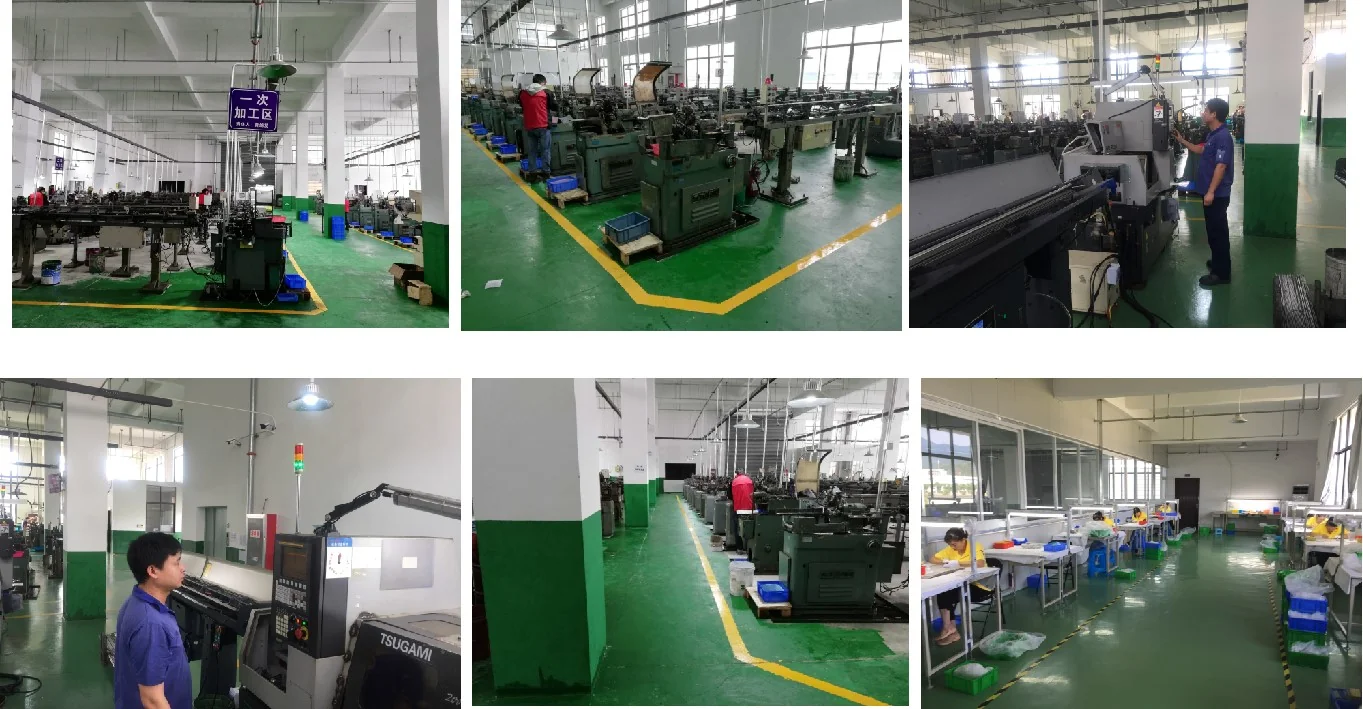
Suzhou Baoshida’s proprietary engineering ecosystem combines in-house technical expertise with a global partner network to eliminate manufacturing bottlenecks in custom rubber molding. Our 5+2+3 engineering core and 10+ certified partner facilities deliver precision, scalability, and rapid response for mission-critical applications across automotive, hydraulic, pump/valve, and machinery industries.


The 5+2+3 Engineering Core

5 Mold Design Engineers

Specialized in SolidWorks/CAD mold design with FEA-driven optimization for flash minimization and metal bonding interfaces. Expertise includes:
Tooling efficiency: 3D-printed prototype validation, thermal management in mold design
Compliance with ASME Y14.5 GD&T standards for critical dimensions
Mold flow simulation (SolidWorks Plastics) to optimize gate placement and cavity balancing

2 Formula Engineers

Expertise in ASTM D2000/D1418 material classification and compound development for industry-specific requirements:
NBR for hydraulic fluids (ASTM D2000 Type 1, Class C), EPDM for weather/ozone resistance (ASTM D2000 Type 3, Class A)
Curing kinetics modeling to ensure optimal vulcanization parameters for complex geometries
Material certification for automotive (VW TL 52464), aerospace (SAE AMS 3300), and medical (USP Class VI) applications

3 Process Engineers

Mastery of injection/compression molding parameters and bonding validation:
Injection molding: Shot size calibration, clamp force optimization (±0.5% tolerance), cure time profiling
Flash control: Parting line tolerancing (≤0.02mm), ejection system engineering per ISO 3302-1
Bonding process validation: Surface pretreatment (plasma treatment, chemical etching) and adhesive selection for metal-rubber interfaces


Strategic Partner Factory Network

10+ ISO 9001/IATF 16949-certified facilities across China, specializing in:
Automotive-grade injection molding (high-volume, sub-0.1mm tolerance parts)
Hydraulic components (compression molding for large-diameter seals)
Bonded assemblies (transfer molding for metal-rubber hybrids)
Real-time production data sharing via IoT-enabled quality control systems:
Traceability from raw material batch to finished part (SAP-integrated ERP)
Automated SPC monitoring for key parameters (e.g., melt temperature, clamp force)
Dedicated rapid tooling lines: Partner facilities maintain 50+ standard tooling templates for quick design iteration


Solving Critical Customer Pain Points

Pain Point Solution Technical Mechanism Outcome
Long lead times for tooling Rapid tooling network with pre-qualified suppliers Mold Design Engineers optimize CAD models for quick tooling (simplified core/cavity, standardized ejector systems); Partner factories deploy pre-hardened tool steel (H13) with CNC machining 30-50% reduction in tooling lead time vs. industry average (7–10 days vs. 14–21 days)
Flash control issues Integrated mold/process engineering Mold flow simulation to eliminate parting line gaps; Process Engineers adjust clamp force (±0.3% precision) and injection speed to maintain melt front integrity Consistent flash tolerance ≤0.05mm per ASME Y14.5, 99.8% first-pass yield
Metal bonding failure Coordinated material-process design Formula Engineers select silane coupling agents (e.g., A-187); Process Engineers validate cure cycles at 175–190°C; Mold Design Engineers implement surface texturing (Ra 0.8μm) for mechanical interlock >95% bond strength retention after 1,000-hour thermal cycling per ASTM D429 Method B

This integrated ecosystem ensures Suzhou Baoshida delivers precision-engineered rubber components with 20% faster time-to-market and 99.2% first-pass yield for global OEMs. Our engineers and partner facilities operate as a unified system—where design, material science, and production are synchronized from concept to delivery.


Customization & QC Process

custom rubber mouldings manufacturing

Quality Control & Customization Process

Precision-engineered from concept to delivery through our 5+2+3 engineering framework

Engineered Team Structure: 5+2+3 Framework

Our end-to-end process is driven by specialized expertise:
5 Structural Engineers (Mold Design): 15+ years in automotive-grade mold design (SolidWorks), specializing in flash control, metal bonding interfaces, and DFM optimization.
2 Formula Engineers: ASTM D2000/D1418-certified compound developers with 12+ years in material science for extreme environments.
3 Process Engineers: SPC-certified experts in injection/compression molding parameter control, ensuring <0.05mm dimensional repeatability.

“All teams operate under ISO 9001:2015 protocols, with senior engineers personally validating each design stage to eliminate cost-driven compromises.”


Step 1: Drawing Analysis & Design Validation

CAD models rigorously reviewed by Structural Engineers for manufacturability, flash mitigation, and bonding integrity

Criteria Standard Target Engineering Rationale
Parting Line Geometry ISO 2768-mK ±0.1 mm tolerance Prevents flash at interface; critical for hydraulic seals
Draft Angles ASTM D3182 ≥1° per side Ensures ejection without part distortion
Metal Insert Bonding ISO 10142 Ra 1.6 μm surface roughness Achieves >15 N/mm peel strength per ASTM D429
Venting System Design Internal Standard 0.02 mm vent depth Eliminates air traps in high-detail features
Wall Thickness Uniformity ASTM D2000 Type 2 ±0.05 mm Ensures consistent vulcanization across all sections

Key Process:
FEA stress analysis for dynamic load scenarios (e.g., automotive suspension components)
Moldflow simulation to optimize gate placement and cooling channels
Metal-to-rubber bonding interface validation using surface profilometry


Step 2: Material Formulation & ASTM Compliance

Formula Engineers tailor compounds using ASTM D2000/1418 classifications to meet application-specific demands

ASTM D2000 Type ASTM D2000 Class D1418 Material Key Properties Typical Applications
Type 2 (100°C) Class 2 NBR Oil/fuel resistance (-40°C to +120°C) Hydraulic seals, fuel system components
Type 3 (125°C) Class 3 FKM Extreme chemical resistance (-20°C to +200°C) Aerospace fuel systems, high-temp valves
Type 1 (70°C) Class 1 EPDM Weather/ozone resistance (-50°C to +150°C) Automotive weatherstripping, radiator hoses
Type 4 (150°C) Class 4 Silicone High-temp stability (-60°C to +230°C) Medical devices, aerospace seals

Validation Protocol:
Raw material certificates (COA) verified against ASTM D412 (tensile strength), D2240 (hardness)
Compound testing for 72-hour accelerated aging per ASTM D573
Custom formulations for industry-specific needs (e.g., FDA-compliant for pump components)


Step 3: Prototyping & Validation

72-hour rapid tooling via 10+ certified partner factories with multi-stage validation

Prototyping Workflow:
1. Tooling: Aluminum or P20 steel molds produced in-house for <5-day lead time
2. First Article:
Flash measurement: Max 0.05 mm (micrometer verification)
Dimensional inspection: CMM with ±0.01 mm tolerance
Bonding strength: Peel tests per ASTM D429 (minimum 15 N/mm)
3. Field Testing:
Cycle testing for hydraulic components (10,000+ cycles)
Chemical exposure tests (e.g., 500h in 50% diesel per SAE J200)

“Senior Process Engineers oversee prototype iterations, reducing development time by 40% versus industry average.”


Step 4: Mass Production & In-Process QC

Automated SPC-driven manufacturing with 100% traceability

Production Control Points:
| Stage | QC Method | Acceptance Criteria |
|——————–|———————————–|—————————————|
| Material Pre-Check | FTIR Spectroscopy | Match to formulation certificate |
| Molding Process | Real-time pressure/temperature monitoring | ±2°C/±0.5 MPa tolerance |
| Post-Cure | Oven temperature profiling | 150±5°C for 45 mins (per ASTM D2000) |
| Final Inspection | 100% visual + CMM measurement | Zero flash >0.1 mm; ±0.03 mm tolerance |

Traceability System:
Batch-specific QR codes linked to material COA, mold serial numbers, and QC records
Digital twin of each production run stored in cloud-based LIMS (Laboratory Information Management System)
Third-party audits conducted quarterly by SGS to maintain ISO/TS 16949 compliance

“Our 10+ partner factories operate under Suzhou Baoshida’s strict SOPs, enabling 5,000+ units/month with <0.1% defect rate for automotive Tier-1 suppliers.”


Contact Our Engineering Team

custom rubber mouldings manufacturing

Contact Suzhou Baoshida

Precision Engineering for Custom Rubber Molding Solutions

Suzhou Baoshida delivers mission-critical rubber components for automotive, hydraulic, pump/valve, and machinery applications through a rigorously structured engineering framework. Our 5+2+3 team model ensures end-to-end compliance with ASTM D2000 specifications, optimized material selection, and defect-free production—addressing complex challenges in flash control, metal bonding, and high-tolerance molding.

Engineering Team Structure (5+2+3 Model)

Discipline Team Size Core Capabilities
Mold Design 5 SolidWorks CAD, GD&T, structural analysis, flash control optimization, tooling validation
Material Formulation 2 ASTM D2000 compliance, compound development (NBR, EPDM, SBR), thermal/chemical resistance testing
Process Engineering 3 Injection/Compression molding parameter optimization, bond-to-metal integration, in-process quality control protocols

Partner Manufacturing Network

10+ ISO 9001/TS 16949-certified factories for rapid tooling (7–10 days prototype), scalable production, and global supply chain reliability. All facilities adhere to strict PPAP protocols and traceability standards for automotive-grade components.


Solve your sealing problems today.
Contact our engineering team for a technical consultation tailored to your application requirements.

Mr. Boyce
Email: [email protected]
Phone: +86 189 5571 6798


⚖️ O-Ring Weight Calculator

Estimate the weight of rubber O-rings for material planning.


Custom Rubber Mouldings Manufacturer | Engineering Guide

Contents of Table

Contact [email protected] Whatsapp 86 15951276160