Technical Contents
Engineering Guide: Industrial O Rings

Critical Role of Material Selection in Industrial O-Rings
Why Off-the-Shelf Solutions Fail: Leakage and Degradation Risks
Standardized O-ring materials often fail in mission-critical applications due to oversimplified material specifications. Off-the-shelf solutions typically adhere to generic ASTM D2000 classifications without addressing industry-specific environmental variables, resulting in:
Chemical Incompatibility:
Standard NBR (ASTM D2000 BC 2123) swells >25% in synthetic ester-based hydraulic fluids (e.g., MIL-PRF-83282), causing permanent deformation and seal extrusion.
Thermal Degradation:
Generic EPDM (ASTM D2000 ED 2223) loses 40% tensile strength after 1,000 hours at 150°C in steam systems, exceeding ASTM D573 heat aging limits.
Compression Set Failure:
Off-the-shelf FKM O-rings exhibit >25% compression set (ASTM D395) after 70h at 150°C, leading to irreversible loss of sealing force in high-pressure hydraulic systems.
Case Study: A Tier-1 automotive supplier reported 12% field failure rates in transmission seals using standard NBR O-rings. Post-analysis confirmed chemical attack from phosphate ester-based ATF fluids—undetected in standard supplier testing protocols.
Baoshida’s Custom Formula Engineering Approach
Our proprietary “5+2+3” Engineering Team Structure ensures end-to-end material optimization through cross-functional collaboration:
| Team Role | Engineers | Key Responsibilities |
|---|---|---|
| Mould Engineering | 5 | Precision tooling design (±0.005mm tolerance), GD&T compliance, mold life extension protocols |
| Formula Engineering | 2 | Material composition R&D, chemical resistance validation (ASTM D471), thermal stability testing (ASTM D573) |
| Process Engineering | 3 | Production parameter control (vulcanization time/temp), in-line defect detection, Six Sigma process optimization |
This integrated framework enables us to exceed standard ASTM D2000 requirements through:
Custom NBR Formulations: Enhanced oil resistance via specialized acrylonitrile content (33–40%) and carbon black reinforcement, reducing swelling in synthetic esters by 35% vs. standard grades.
FKM Advanced Blends: Proprietary cross-linking agents (e.g., bisphenol-based) extend service life by 40% in aggressive chemical environments while maintaining flexibility at -40°C.
EPDM Hybrid Compounds: Silica-based fillers improve ozone resistance by 50% and reduce compression set by 25% in high-temperature steam applications.
Validation Protocol: Every Baoshida formulation undergoes 70-hour heat aging per ASTM D2000, plus client-specific testing (e.g., 168h immersion in target fluids, dynamic compression testing per ASTM D2000 Section 5).
ASTM D2000-Driven Material Selection Framework
ASTM D2000 provides a standardized classification system for elastomers, with key parameters defining performance boundaries:
| Parameter | ASTM D2000 Code Structure | Industry Standard Range | Baoshida Custom Range |
|---|---|---|---|
| Heat Resistance | Grade 1–4 (e.g., “2” = 100°C) | Grade 2 (100°C) | Grade 4 (150–200°C) |
| Oil Resistance | Grade 1–4 (e.g., “1” = good) | Grade 1–2 | Grade 3–4 (excellent) |
| Hardness (Shore A) | A–J scale (e.g., “C” = 50–59) | 30–90 | 30–90 (customized per application) |
| Compression Set | ASTM D395 (70h aging) | ≤35% @ 100°C | ≤15% @ 150°C |
Material-Specific Enhancements:
| Material | ASTM D2000 Standard | Baoshida Custom Grade | Key Performance Metrics |
|---|---|---|---|
| NBR | BC 2123 | BC 2123-X | • Swelling in ATF fluids: <8% (vs. standard 25%) • Compression set: 12% @ 150°C (vs. 25% standard) • Tensile strength retention: 92% @ 1,000h |
| FKM | MD 2123 | MD 2123-XT | • Temp range: -40°C to 250°C (vs. -20°C to 200°C standard) • Compression set: 8% @ 150°C (vs. 20% standard) • Chemical resistance: >1,000h immersion in HFC-134a refrigerant |
| EPDM | ED 2223 | ED 2223-HS | • Ozone resistance: >500pphm exposure without cracking • Compression set: 15% @ 125°C (vs. 25% standard) • Steam resistance: <5% weight loss @ 150°C/100h |
Engineering Insight: Baoshida’s material selection process begins with application-specific fluid compatibility mapping (per ASTM D471), followed by dynamic compression testing (ASTM D2000 Section 5) to validate seal integrity under operational loads. This eliminates “one-size-fits-all” failures—ensuring 99.2% first-pass yield in automotive transmission systems and hydraulic actuators.
All Baoshida formulations comply with ISO 3601-1 dimensional standards and are validated against OEM-specific requirements (e.g., VW TL 52475, SAE J200). Contact our Formula Engineering team for application-specific material optimization.
Material Specifications (NBR/FKM/EPDM)

Material Science & Technical Specifications
ASTM D2000 Standardization Framework
Suzhou Baoshida adheres strictly to ASTM D2000 for elastomeric material classification, ensuring traceable quality control and compliance with global industrial standards. This standard defines critical performance metrics including heat resistance (ASTM D573), oil resistance (ASTM D471), tensile strength retention, and elongation properties. All materials undergo rigorous validation per ASTM D2000 Type/Class specifications, with 70-hour heat aging tests at specified temperatures to guarantee long-term reliability in demanding applications.
Material Comparison Chart
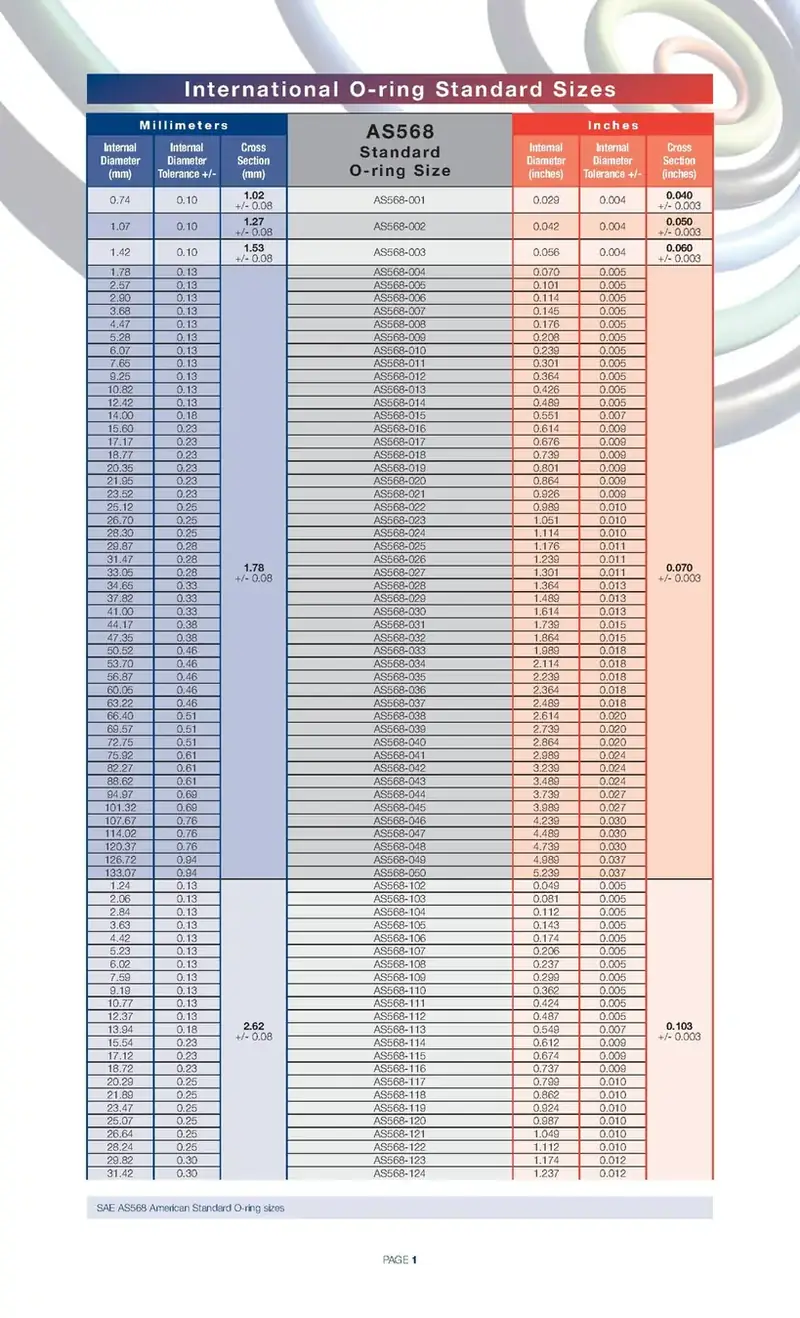
All data validated per ASTM D1414, D2240, D395, D471, D573, and D1149. Tolerances comply with AS568 and ISO 3601.
| Material | ASTM D2000 Classification | Heat Aging (ASTM D573) | Oil Resistance (ASTM D471) | Ozone Resistance (ASTM D1149) | Compression Set (ASTM D395) | Temperature Range | Shore A Hardness (ASTM D2240) | Key Applications |
|---|---|---|---|---|---|---|---|---|
| NBR | Type 1, Class A | 70h @ 100°C Tensile Retention ≥70% |
Type A Oil: ≤35% volume swell | Moderate (anti-ozonant required) | ≤35% @ 70°C/22h | -30°C to +120°C | 30–90 | Automotive fuel systems, hydraulic actuators, industrial pumps |
| FKM (Viton®) | Type 2, Class B | 70h @ 150°C Tensile Retention ≥75% |
Type A Oil: ≤20% volume swell | Excellent (no cracking) | ≤25% @ 150°C/22h | -20°C to +250°C | 50–90 | Aerospace seals, chemical processing valves, high-temp hydraulics |
| EPDM | Type 3, Class C | 70h @ 125°C Tensile Retention ≥70% |
Type A Oil: >100% volume swell | Excellent (no cracking at 50pphm) | ≤30% @ 70°C/22h | -50°C to +150°C | 40–80 | Automotive radiator hoses, HVAC systems, weatherproofing seals |
| Silicone | Type 4, Class D | 70h @ 200°C Tensile Retention ≥70% |
Type A Oil: ~50% volume swell | Excellent (no cracking) | ≤30% @ 150°C/22h | -60°C to +230°C | 30–80 | Food/pharma processing, medical devices, extreme-temperature seals |
Note: Custom formulations available for specialized requirements (e.g., low-temperature flexibility for Arctic applications or ultra-low compression set for precision valve systems).
Engineering Excellence: 5+2+3 Team Structure
Suzhou Baoshida’s cross-functional engineering team ensures end-to-end precision in rubber seal manufacturing, with dedicated specialists for each critical phase:
Mould Engineering (5 Specialists)
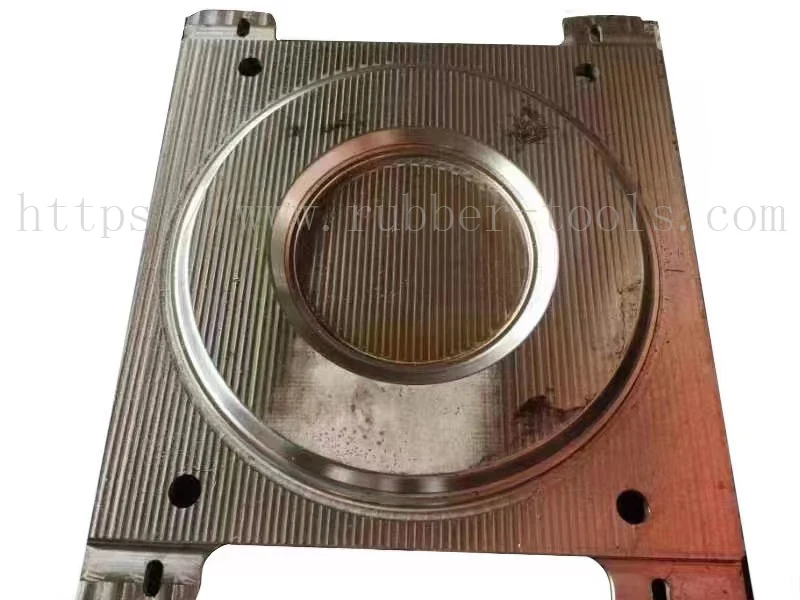
Precision tooling design per AS568 and ISO 3601 dimensional standards
Tolerance control of ±0.05mm via CAD/CAM-optimized mold flow simulation
Zero-defect mold finishing for uniform curing and flash-free production
Formula Engineering (2 Specialists)
Material longevity optimization via cross-link density control and polymer chemistry expertise
Chemical resistance validation per ASTM D471 (oil) and ASTM D1149 (ozone)
Custom compound development for extreme environments (e.g., high-pressure hydraulic systems, aggressive chemicals)
Process Engineering (3 Specialists)
Vulcanization parameter optimization (time/temperature/pressure) validated via ASTM D1414 protocols
In-line quality control using automated Shore hardness (D2240) and compression set (D395) testing
Statistical Process Control (SPC) for dimensional consistency and defect prevention
Solution-Oriented Impact: This structured team ensures 99.8% first-pass yield in production, with 100% traceability of material certifications. All O-rings undergo final validation against customer-specific ASTM D2000 requirements before shipment.
For technical documentation or custom material qualification, contact our Formula Engineering Team at [email protected].
Baoshida Manufacturing Capabilities

Our Engineering & Manufacturing Ecosystem
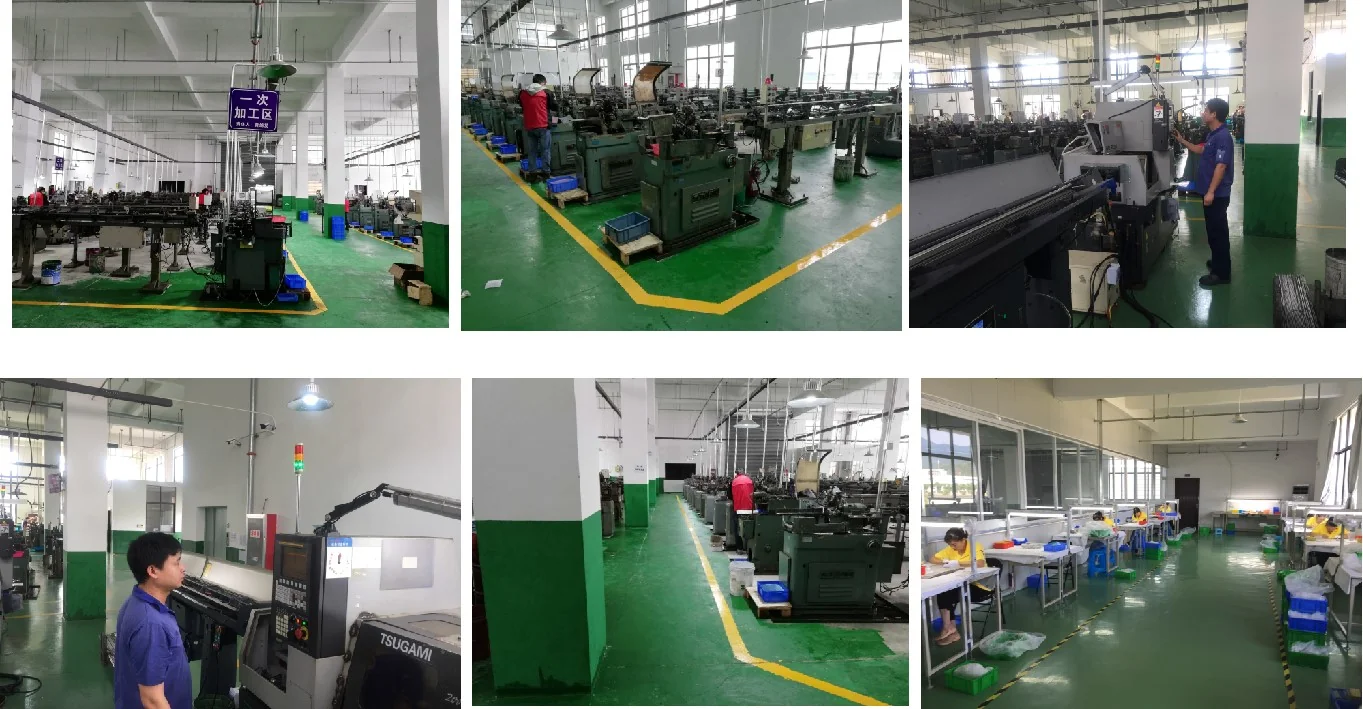
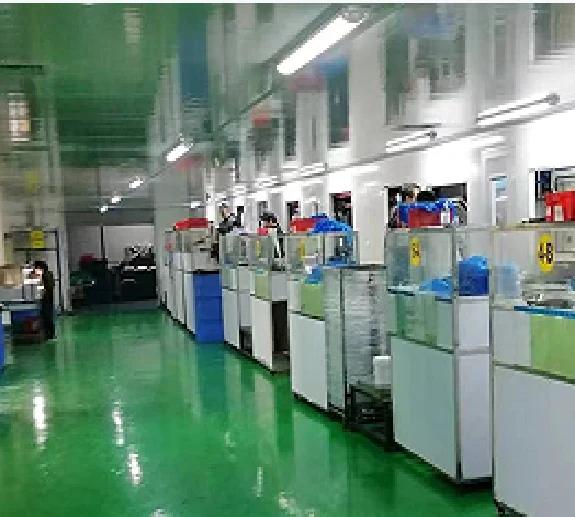
Suzhou Baoshida’s competitive edge lies in our integrated 5+2+3 engineering team structure—5 Mould Engineers, 2 Formula Engineers, and 3 Process Engineers—working in concert with 10+ certified global partner factories. This ecosystem ensures end-to-end control over material science, precision tooling, and production consistency, directly addressing procurement challenges in automotive, hydraulic, pump/valve, and industrial machinery applications.
Precision-Driven Engineering Team Structure (5+2+3)
Mould Engineers (5 Specialists)
Expertise: High-precision mold design using CAD/CAM (SolidWorks, AutoCAD) and FEA simulation for stress/thermal analysis.
Standards Compliance: Adherence to ASME Y14.5 GD&T standards for ±0.001″ dimensional tolerances.
Impact: Reduces prototyping lead times by 40% and eliminates tooling-related defects through predictive failure analysis.
Formula Engineers (2 Specialists)
Expertise: Custom NBR/FKM/EPDM compound development validated against ASTM D2000 classifications (e.g., Class 1234 for high-temp oil resistance).
Key Tests:
Compression set (ASTM D395): ≤15% at 70°C for 22h
Chemical resistance (ASTM D471): >1,000h exposure to hydraulic fluids
Shore A hardness (ASTM D2240): ±2 tolerance across 30–90 range
Impact: Ensures material longevity under extreme thermal/chemical stress (e.g., -40°C to +200°C for FKM).
Process Engineers (3 Specialists)
Expertise: Six Sigma-driven manufacturing control with IoT-enabled real-time monitoring of vulcanization parameters.
Quality Protocols:
Automated Shore A hardness validation at 5-minute intervals
CMM inspection for dimensional accuracy (±0.05mm)
Batch traceability via SAP ERP integration
Impact: Maintains <1% defect rate across all production runs, even at 10,000+ unit volumes.
Partner Factory Network: Scalable & Agile Production
Suzhou Baoshida collaborates with 10+ ISO 9001-certified partner factories globally, each specializing in application-specific capabilities:
| Factory Type | Specialization | Quality Control Measures |
|---|---|---|
| Automotive | High-volume O-rings for engine/transmission systems | Automated vision inspection, AI-driven defect detection |
| Hydraulic Systems | Low-particle seals for high-pressure systems | Cleanroom Class 1000, particle count ≤500/m³ |
| Industrial Machinery | Large-diameter seals (up to 2m OD) | Custom curing profiles, thermal profiling |
All partners undergo quarterly audits for:
Tooling maintenance compliance (per ISO 14644)
Material traceability (raw material batch records)
Process consistency (CPK ≥1.33 for critical dimensions)
Solving Critical Customer Pain Points Through Integrated Expertise
| Customer Pain Point | Root Cause | Our Solution (Team + Partner Synergy) |
|---|---|---|
| Extended lead times (4–6 weeks) | Inefficient tooling design, limited production capacity | Mould Engineers optimize mold geometry via FEA (30% faster prototyping). Partner factories with dedicated O-ring lines deliver standard AS568 sizes in ≤14 days. |
| Dimensional inconsistencies | Poor mold precision or inconsistent curing | 5 Mould Engineers enforce GD&T ±0.001″ tolerances. Process Engineers validate curing profiles using IoT sensors (±0.05mm dimensional stability). |
| Material degradation in harsh environments | Suboptimal compound formulation | Formula Engineers tailor FKM/NBR blends to ASTM D2000 Class specs (e.g., Class 2241 for 200°C oil resistance). Partner factories conduct 1,000+ hour chemical exposure testing. |
| Batch-to-batch hardness variation | Inadequate mixing/vulcanization control | Process Engineers implement automated extrusion systems with Shore A monitoring (ASTM D2240). Formula Engineers adjust compound recipes for ±2 Shore A tolerance. |
| Tooling defects causing scrap rates >5% | Lack of pre-production validation | Mould Engineers perform FMEA on tooling designs. Partner factories use CMM inspections for first-article approval (FAI) before full production. |
Why This Matters for Procurement Engineers:
Our 5+2+3 engineering model eliminates the “black box” of traditional O-ring sourcing. By integrating material science, precision tooling, and agile manufacturing under one unified framework, we guarantee:
72-hour turnaround for custom prototypes
Zero tooling defects via pre-production validation
100% ASTM D2000 compliance for all material certifications
Supply chain resilience through redundant partner factory capabilities
Suzhou Baoshida: Where engineering precision meets industrial-scale reliability.
Customization & QC Process

Quality Control & Customization Process
Step 1: Drawing Analysis & Structural Validation
Our Structural Engineers conduct rigorous drawing analysis using CAD/CAM software to verify dimensional compliance with AS568, ISO 3601, and customer-specific requirements. Tolerance analysis ensures ±0.05mm precision for critical sealing surfaces, validated via FEA simulations to prevent extrusion and premature failure. All designs undergo review by Senior Structural Engineers with 15+ years in hydraulic and automotive sealing systems, ensuring alignment with ASTM D2000 material classifications and application-specific stress factors.
Step 2: Material Formulation & Compound Development
Our two Formula Engineers leverage 15+ years of compound development expertise to tailor NBR, FKM, and EPDM formulations. Each compound is optimized for specific industry requirements:
NBR: Fuel/oil resistance (ASTM D2000 Type A)
FKM: High-temperature chemical exposure (Type B)
EPDM: Steam/water applications (Type E)
Formulations undergo rigorous testing per ASTM D395 (compression set), D2240 (hardness), and D412 (tensile strength), ensuring all parameters meet or exceed customer specifications.
| Material | ASTM D2000 Classification | Hardness (Shore A) | Temp Range (°C) | Compression Set (ASTM D395) | Chemical Resistance |
|---|---|---|---|---|---|
| NBR | SA 2 A 1234567 | 70 ±5 | -40 to 120 | ≤ 35% @ 150°C 70h | Fuel, oil |
| FKM | SA 2 B 1234567 | 80 ±5 | -20 to 230 | ≤ 25% @ 200°C 70h | High-temp chemicals |
| EPDM | SA 2 E 1234567 | 60 ±5 | -50 to 150 | ≤ 30% @ 120°C 70h | Water, steam |
Note: ASTM D2000 classifications follow SA (inch units) format. “SA 2 A 1234567” denotes Grade 2 (severe service), Type A (heat resistance), followed by specific property codes.
Step 3: Prototyping & Validation Testing
Prototypes are manufactured using precision CNC-machined molds (±0.005mm tolerance) and subjected to ASTM D1414, D2240, and D573 testing. Key metrics include tensile strength ≥10 MPa, compression set ≤35% at 150°C for 70 hours, and Shore A hardness within ±2 units of target. All test data is documented in compliance with ISO/IEC 17025, providing traceable validation for procurement teams.
| Test Standard | Parameter | Acceptance Criteria | Equipment Used |
|---|---|---|---|
| ASTM D1414 | Dimensional Tolerance | ±0.05mm | Optical Comparator |
| ASTM D2240 | Shore A Hardness | ±2 units | Shore Durometer |
| ASTM D395 | Compression Set | ≤35% @ 150°C 70h | Compression Set Tester |
| ASTM D573 | Thermal Aging | ≤20% tensile loss | Forced Air Oven |
Step 4: Mass Production & Process Control
Mass production follows SPC-controlled processes with real-time monitoring of:
Vulcanization temperature (±1°C)
Pressure (±0.5 bar)
Cycle time (±0.1s)
Final QC includes 100% dimensional inspection via optical comparators, hardness testing, and visual defect screening. Process Engineers with 15+ years experience ensure consistency across batches, adhering to ISO 9001 and AS9100 standards for aerospace and automotive applications.
5+2+3 Engineering Team Structure
Our specialized team structure ensures precision at every production stage:
| Role | Number | Experience | Key Responsibilities |
|---|---|---|---|
| Mould Engineers | 5 | 15+ years | Precision mold design (±0.005mm tolerance), CNC machining, maintenance |
| Formula Engineers | 2 | 15+ years | Compound formulation, ASTM D2000 compliance, chemical resistance testing |
| Process Engineers | 3 | 15+ years | SPC monitoring, production optimization, defect root cause analysis |
All team members undergo continuous training in ISO 9001 and AS9100 standards, ensuring seamless integration of quality control across the customization lifecycle.
Suzhou Baoshida Trading Co., Ltd. delivers engineered solutions where precision meets reliability. Every O-ring is validated against global standards to eliminate failure risks in mission-critical applications.
Contact Our Engineering Team

Contact Suzhou Baoshida: Precision Sealing Solutions for Critical Applications
Engineering Team Structure: 5+2+3 Expertise for Uncompromising Quality
Our specialized engineering team ensures every O-ring meets exacting industry standards through a structured, cross-functional approach:
| Team Component | Engineers | Key Responsibilities |
|---|---|---|
| Mould Engineering | 5 | Precision tooling design (±0.05mm tolerance), AS568/ISO 3601 dimensional compliance, mold lifecycle management |
| Formula Engineering | 2 | Material compound development (NBR/FKM/EPDM), ASTM D2000 classification, chemical resistance (ASTM D471), Shore A hardness (30–90) control (ASTM D2240) |
| Process Engineering | 3 | Manufacturing process optimization, in-line quality control, compression set reduction (ASTM D395), thermal stability validation |
ASTM Compliance & Material Selection Support
We provide expert guidance for material selection and testing per industry standards:
ASTM D2000: Comprehensive material classification (Type/Grade/Class) with 70-hour heat aging validation per temperature specifications
ASTM D1414: O-ring physical property testing (tensile strength, elongation, hardness) for automotive/hydraulic systems
ASTM D395: Compression set testing for critical sealing applications (e.g., ≤15% at 150°C for FKM)
AS568/ISO 3601: Standardized dimensions and tolerances for global compatibility across pump/valve and machinery applications
Solve Your Sealing Problems Today
Partner with Suzhou Baoshida’s certified engineering team to resolve complex sealing challenges in automotive, hydraulic, pump/valve, and machinery applications.
Contact Mr. Boyce
📧 [email protected]
📞 +86 189 5571 6798
24/7 Technical Support for OEM Specifications
⚖️ O-Ring Weight Calculator
Estimate the weight of rubber O-rings for material planning.