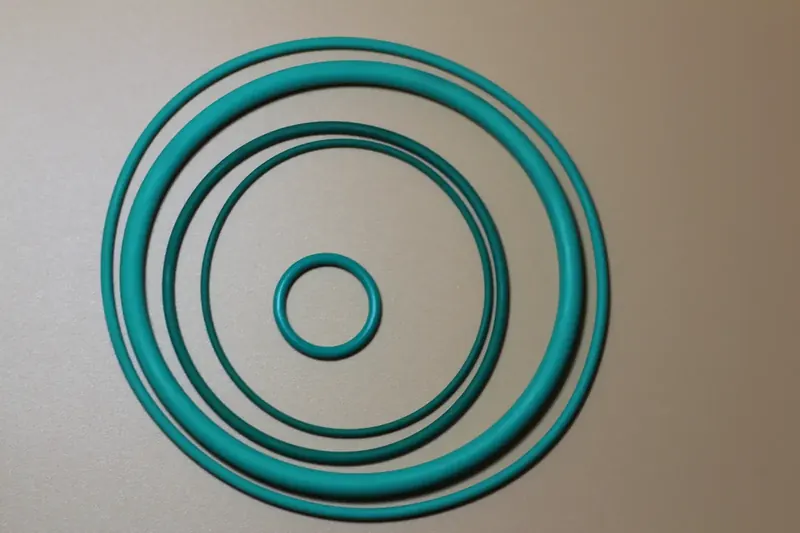
Foam Protection Manufacturer | Engineering Guide

Engineering Guide: Foam Protection

foam protection manufacturing

Engineering Insight: The Critical Role of Material Selection in Foam Protection

In industrial applications, foam protection is far more than a simple cushioning layer—it is a precision-engineered interface designed to mitigate mechanical stress, absorb vibration, resist environmental degradation, and ensure long-term reliability of sensitive components. At Suzhou Baoshida Trading Co., Ltd., we emphasize that material selection is the cornerstone of effective foam protection. Off-the-shelf foam solutions, while convenient, often fail under real-world operational conditions due to mismatched physical properties, inadequate chemical resistance, or poor thermal stability.

Standard foam products are typically formulated for general-purpose use, prioritizing cost-efficiency over performance specificity. In contrast, industrial environments demand materials engineered to withstand extreme temperatures, exposure to oils and solvents, dynamic compression cycles, and prolonged UV or ozone exposure. A common failure mode occurs when generic polyethylene or polyurethane foams degrade when exposed to hydraulic fluids or brake oils, leading to embrittlement, swelling, or loss of resilience. This compromises both protective function and system integrity.

The performance of foam protection hinges on precise formulation parameters: cell structure uniformity, compression set resistance, density, and tensile strength. For instance, closed-cell nitrile rubber (NBR) foams offer superior resistance to petroleum-based fluids, making them ideal for automotive and hydraulic applications. Similarly, EPDM-based foams excel in outdoor environments due to their outstanding resistance to weathering and UV radiation. Silicone rubber foams, though higher in cost, provide unmatched thermal stability from -60°C to over 200°C, critical in aerospace and high-temperature industrial equipment.

Beyond chemical and thermal performance, mechanical behavior under load must be evaluated. A foam that performs well at initial installation may exhibit excessive compression set after prolonged use, resulting in loss of sealing force or impact absorption. This is particularly critical in gasketing, insulation, and shock absorption applications where dimensional stability directly affects system performance.

To illustrate the importance of tailored material selection, consider the following comparative performance specifications:

Material Density (kg/m³) Compression Set (22h, 70°C) Temp Range (°C) Fluid Resistance Typical Application
NBR Foam 120–180 ≤30% -30 to 120 Excellent (oils, fuels) Automotive seals, machinery padding
EPDM Foam 100–160 ≤25% -50 to 130 Good (water, steam) Outdoor enclosures, HVAC systems
Silicone Foam 80–150 ≤20% -60 to 230 Moderate (limited oils) Aerospace, high-temp electronics
Polyethylene Foam 30–100 ≤15% -40 to 80 Poor (solvents, oils) Light packaging, temporary protection

At Suzhou Baoshida, we advocate for application-specific foam engineering. By analyzing operational stressors—thermal, chemical, mechanical—we develop customized rubber foam solutions that outperform generic alternatives. Relying on off-the-shelf foams risks premature failure, increased maintenance, and potential system downtime. True protection begins not with shape or size, but with the right molecular foundation.


Material Specifications

foam protection manufacturing

Material Specifications for Industrial Foam Protection Solutions

Selecting the optimal elastomeric foam for protection applications requires rigorous evaluation of chemical exposure, thermal stability, and mechanical resilience. At Suzhou Baoshida Trading Co., Ltd., we engineer foam protection solutions using Viton® (FKM), Nitrile (NBR), and Silicone (VMQ) compounds, each tailored to distinct industrial challenges. Viton® foam delivers unparalleled resistance to aggressive chemicals, including aromatic hydrocarbons, acids, and jet fuels, while maintaining integrity at continuous temperatures up to 250°C. Its molecular structure provides exceptional compression set retention under sustained stress, critical for sealing applications in aerospace and semiconductor manufacturing where failure is non-negotiable.

Nitrile foam offers a cost-effective solution for moderate oil and fuel exposure, with operational stability between -40°C and 120°C. Its acrylonitrile content directly correlates with resistance to aliphatic hydrocarbons and hydraulic fluids, making it ideal for automotive gasketing and industrial machinery seals. However, NBR exhibits vulnerability to ozone, ketones, and chlorinated solvents, necessitating careful environmental assessment. Silicone foam bridges extreme temperature versatility (-60°C to 230°C) with biocompatibility and UV resistance, suiting medical device packaging and outdoor electronics enclosures. While inherently weaker in tensile strength than Viton® or NBR, silicone’s low compression set and non-toxic decomposition profile are indispensable in regulated sectors.

All foams undergo stringent density calibration (0.3–0.8 g/cm³) to balance cushioning efficacy with structural support. Closed-cell variants prevent fluid ingress, while open-cell formulations enhance acoustic damping. Critical performance metrics must be validated against ASTM D3574 (cellular materials) and ISO 188 (heat aging) standards to ensure field reliability.

The following table details comparative specifications for precision-driven selection:

Material Density Range (g/cm³) Continuous Temp Range (°C) Compression Set (22h/70°C) Key Chemical Resistances Typical Applications
Viton® (FKM) 0.3–0.6 -20 to 250 ≤25% Aromatics, acids, jet fuels, hydraulic fluids Aerospace seals, chemical processing
Nitrile (NBR) 0.4–0.8 -40 to 120 ≤35% Aliphatic oils, greases, water-based fluids Automotive gaskets, industrial pumps
Silicone (VMQ) 0.3–0.7 -60 to 230 ≤20% Ozone, UV, water, mild acids Medical packaging, outdoor electronics

Application success hinges on matching foam chemistry to environmental stressors. Viton® is non-negotiable for high-temperature chemical exposure but carries premium costs. NBR optimizes value for oil-resistant applications within moderate thermal limits. Silicone dominates where biocompatibility or extreme cold flexibility is paramount. Suzhou Baoshida Trading Co., Ltd. provides material test reports (MTRs) and application-specific formulation adjustments to mitigate real-world degradation risks. Always validate foam selection through accelerated aging tests replicating end-use conditions, as minor chemical interactions can compound over time to compromise protection integrity. Our engineering team collaborates with OEMs to translate these specifications into failure-resistant designs, ensuring operational continuity in demanding industrial ecosystems.


Manufacturing Capabilities

foam protection manufacturing

Engineering Capability: Precision-Driven Development for Foam Protection Solutions

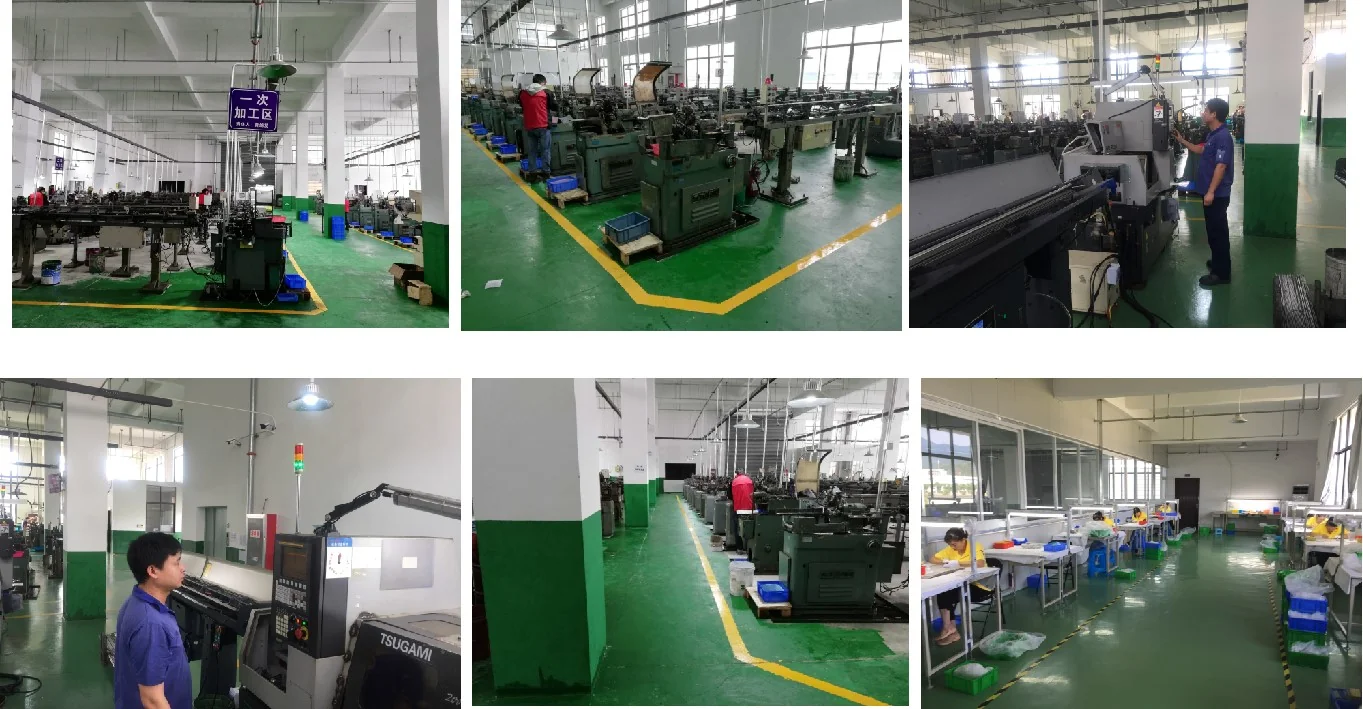
At Suzhou Baoshida Trading Co., Ltd., our engineering capability forms the backbone of our industrial rubber solutions, particularly in the specialized domain of foam protection. With a dedicated team of five certified mould engineers and two advanced formula engineers, we maintain full vertical control over the product development lifecycle. This integrated technical structure enables us to deliver highly customized, performance-optimized foam protection components tailored to the exact mechanical, thermal, and environmental demands of our OEM partners.

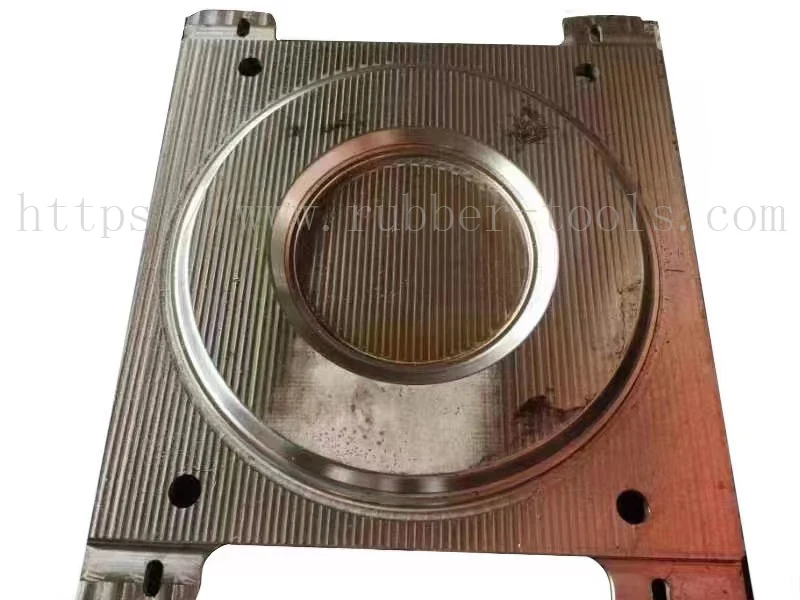
Our mould engineers bring over 70 combined years of experience in precision tooling design and manufacturing. Utilizing advanced CAD/CAM software including SolidWorks, AutoCAD, and UG NX, they develop high-tolerance moulds optimized for compression, transfer, and injection moulding processes. Each design undergoes rigorous simulation for flow dynamics, shrinkage prediction, and cycle efficiency, ensuring first-time-right production and minimizing time-to-market. Mould materials are selected based on production volume and compound characteristics, with standard use of P20, H13, and S136 steels, all treated for extended service life and resistance to rubber compound abrasion.

Complementing this capability are our two in-house rubber formulation engineers, who specialize in developing elastomeric compounds for foam protection applications. Their expertise spans EPDM, silicone, neoprene, and NBR-based foams, with a focus on achieving precise balance between compressibility, resilience, thermal stability, and aging resistance. Custom formulations are engineered to meet specific OEM requirements such as flame retardancy (UL94 HF-1), low outgassing (ASTM E595), and resistance to UV, ozone, and industrial fluids. Through iterative testing in our on-site lab, we validate foam density, compression set (per ASTM D395), tensile strength, and cell structure uniformity to ensure consistent performance under operational stress.

Our OEM development process is structured yet agile, beginning with technical consultation and material selection, followed by prototype tooling and DVP (Design Verification Plan) testing. We support low-volume pilot runs and scale seamlessly to high-volume production, maintaining full traceability and quality documentation per IATF 16949 standards. This end-to-end capability allows us to serve demanding industries including automotive, electronics, medical devices, and industrial automation with reliable, high-performance foam protection systems.

The following table outlines key technical parameters achievable through our combined engineering expertise:

Parameter Typical Range Test Standard
Foam Density 0.3 – 0.8 g/cm³ ASTM D3574
Compression Set (22h, 70°C) ≤ 20% ASTM D395
Hardness (Shore A) 15 – 60 ASTM D2240
Operating Temperature Range -40°C to +150°C (up to +200°C for silicone)
Closed Cell Content ≥ 85% ASTM D2471
Tensile Strength 0.8 – 3.5 MPa ASTM D412

By integrating advanced mould design with scientific compound development, Suzhou Baoshida delivers engineered foam protection solutions that meet the highest standards of reliability, durability, and functional precision.


Customization Process

foam protection manufacturing

Customization Process for Precision Foam Protection Solutions

At Suzhou Baoshida Trading Co., Ltd., our industrial foam protection systems undergo a rigorously defined customization pathway to ensure optimal performance for demanding OEM applications. This process integrates material science expertise with manufacturing precision, beginning with comprehensive drawing analysis. Engineering teams dissect client-provided technical schematics, focusing on geometric tolerances per ISO 2768, environmental exposure parameters, and functional load requirements. Critical attention is given to sealing interfaces, compression ratios, and potential stress concentration points. Non-conformities or design ambiguities are resolved through collaborative engineering reviews, ensuring the foundation aligns with both application physics and manufacturability constraints before advancing.

Formulation development follows, leveraging our proprietary rubber chemistry database. Material selection is dictated by the operational profile: closed-cell nitrile rubber (NBR) for oil resistance, silicone for extreme temperatures, or EPDM for ozone stability. Key variables—including polymer backbone composition, crosslink density, and additive packages (e.g., flame retardants or conductive fillers)—are computationally modeled to achieve target properties. This phase balances performance metrics against cost efficiency, with formulations validated through accelerated aging simulations per ASTM D2240 and ISO 188 standards.

Prototyping executes the engineered solution through precision molding. Short-run tooling produces samples for empirical validation against the original specifications. Critical tests include compression deflection force (ASTM D575), fluid immersion resistance (ISO 1817), and dynamic fatigue cycling. Dimensional verification via CMM ensures geometric fidelity, while client-side application trials confirm real-world functionality. Iterative refinements occur here; minor formulation tweaks or tooling adjustments address any performance gaps without compromising scalability.

Mass production transitions validated prototypes into volume output under stringent IATF 16949 protocols. Automated mixing systems guarantee batch-to-batch consistency in compound viscosity and cure kinetics. In-line monitoring tracks key process indicators: mold temperature stability (±2°C), cure time adherence (via rheometer feedback), and post-cure dimensional drift. Every lot undergoes final inspection against the approved prototype’s critical-to-quality attributes, with full traceability from raw material certificates to finished part serialization. This closed-loop system ensures Suzhou Baoshida delivers foam protection components that consistently meet OEM durability and safety mandates.

Key Foam Property Specifications for Industrial Applications

Property Standard Grade High-Performance Grade Extreme Duty Grade Test Standard
Density (kg/m³) 180–220 200–250 230–280 ASTM D3574
Hardness (Shore A) 30–45 40–55 50–70 ISO 7619-1
Compression Set (%) ≤25 ≤18 ≤12 ASTM D395
Temp. Range (°C) -40 to +100 -50 to +120 -60 to +150 ISO 188
Tensile Strength (MPa) ≥1.2 ≥1.8 ≥2.5 ISO 37

This structured approach—from analytical rigor in design interpretation to statistically controlled mass production—ensures Suzhou Baoshida’s foam solutions provide uncompromised protection in automotive, aerospace, and industrial machinery contexts.


Contact Engineering Team

foam protection manufacturing

Contact Suzhou Baoshida for Advanced Foam Protection Solutions

At Suzhou Baoshida Trading Co., Ltd., we specialize in delivering high-performance industrial rubber solutions tailored to the rigorous demands of modern manufacturing, automotive, electronics, and packaging sectors. Our expertise in foam protection engineering ensures that your sensitive components, equipment, and shipments are safeguarded against vibration, impact, compression, and environmental exposure. As a trusted OEM partner, we combine material science precision with scalable production capabilities to deliver consistent, reliable performance across global supply chains.

If your operations require custom-engineered foam protection systems—whether for cushioning fragile electronics, isolating industrial machinery, or securing high-value logistics—our technical team is ready to support you. Mr. Boyce, our dedicated OEM Manager and Rubber Formula Engineer, leads a cross-functional team focused on material selection, density optimization, and geometric design to meet your exact functional and regulatory requirements. With deep experience in closed-cell elastomeric foams, silicone sponge, EPDM, neoprene, and polyurethane composites, we ensure every solution is validated for long-term durability and environmental resistance.

We understand that effective foam protection is not a one-size-fits-all proposition. Each application demands a systematic approach to compression deflection, rebound resilience, temperature stability, and chemical compatibility. Our development process begins with a detailed technical consultation, where we analyze your load profiles, service conditions, and dimensional constraints to formulate the optimal material architecture. From prototyping to full-scale production, Suzhou Baoshida maintains ISO-compliant quality controls and rapid turnaround times to keep your projects on schedule.

For immediate technical assistance or to initiate a custom development project, please contact Mr. Boyce directly at [email protected]. We respond to all inquiries within 12 business hours and offer sample submissions, material data sheets, and performance test reports upon request. Our team supports English and Chinese communications and can coordinate international logistics for global OEMs and tier suppliers.

Below is a representative summary of our standard foam protection material specifications. Custom formulations are available upon technical review.

Material Type Density (kg/m³) Hardness (Shore A) Compression Set (%) Temp Range (°C) Key Applications
Closed-Cell EPDM 80 – 120 40 – 60 ≤ 20% (70°C, 22h) -40 to +120 Outdoor Sealing, Automotive Gaskets
Silicone Sponge 300 – 450 30 – 50 ≤ 15% (200°C, 72h) -60 to +250 High-Temp Electronics, Aerospace
Neoprene Foam 90 – 130 50 – 70 ≤ 25% (70°C, 22h) -30 to +100 Marine Equipment, Industrial Covers
Polyurethane (HR) 150 – 200 45 – 65 ≤ 10% (70°C, 22h) -20 to +90 Packaging Inserts, Medical Devices
NBR/PVC Blend Foam 100 – 160 55 – 75 ≤ 20% (70°C, 22h) -30 to +110 Vibration Damping, Machinery Pads

Initiate your next foam protection project with engineering precision. Contact Mr. Boyce today at [email protected] to schedule a technical consultation and receive application-specific material recommendations.


⚖️ O-Ring Weight Calculator

Estimate rubber O-ring weight (Approx).


Foam Protection Manufacturer | Engineering Guide

Contents of Table

Contact [email protected] Whatsapp 86 15951276160