Technical Contents
Engineering Guide: Silicone White Tube
Engineering Insight: Material Selection Criticality in Silicone White Tube Applications
Off-the-shelf silicone white tubes frequently fail in demanding industrial environments due to generic material formulations that ignore application-specific stressors. Standard commercial grades prioritize cost reduction over performance resilience, leading to premature degradation in critical parameters. Common failure modes include compression set in dynamic sealing applications, thermal oxidation at sustained high temperatures, and chemical incompatibility with process media. These failures stem from unoptimized polymer architecture, inconsistent filler dispersion, and inadequate curing systems. For instance, peroxide-cured formulations—common in budget tubes—leave residual byproducts that compromise biocompatibility and induce discoloration under UV exposure, rendering them unsuitable for medical or optical applications.
Material science dictates that silicone white tube performance hinges on precise control of three interdependent factors: polymer molecular weight distribution, reinforcing filler type/concentration, and crosslink density. Generic tubes often utilize broad molecular weight distributions that reduce extrusion consistency, causing wall thickness variations exceeding ±15%. This geometric instability accelerates fatigue in pulsating fluid systems. Furthermore, insufficient silica reinforcement (typically <30% wt) in commercial grades results in tensile strength below 6.0 MPa, making tubes prone to kinking and collapse under vacuum conditions. Crucially, inadequate platinum catalyst systems in low-cost alternatives fail to achieve full cure below 150°C, leaving reactive vinyl groups vulnerable to ozone attack in outdoor installations.
The following specifications illustrate performance gaps between standard off-the-shelf tubes and engineered solutions:
| Property | Standard Off-the-Shelf | Engineered Solution |
|---|---|---|
| Durometer Tolerance | ±5 Shore A | ±2 Shore A |
| Tensile Strength | 5.0–6.5 MPa | 8.0–9.5 MPa |
| Elongation at Break | 350–450% | 550–650% |
| Compression Set (70h/70°C) | 25–35% | 8–12% |
| Operating Temperature | -50°C to +200°C | -65°C to +230°C |
| Ionic Impurities (ppm) | >50 | <10 |
Engineered silicone white tubes address these deficiencies through narrow Mw polymer fractions, surface-treated fumed silica at 35–40% wt loading, and dual-cure platinum systems. This achieves molecular homogeneity critical for extrusion precision—maintaining dimensional tolerances within ±0.05mm. The enhanced crosslink density prevents extractables in pharmaceutical fluid paths while resisting swelling in aliphatic hydrocarbon exposure. In semiconductor manufacturing, our low-ionic formulations eliminate particle shedding that contaminates 300mm wafers, a failure mode unaddressed by commodity tubes.
Suzhou Baoshida’s OEM protocols mandate application-specific validation beyond ASTM D2240/D2000 standards. We simulate real-world stressors including 500k-cycle flex fatigue, 1,000-hour thermal aging at 225°C, and compatibility testing against 120+ industrial fluids. This prevents the cascading costs of tube failure: unplanned downtime averages $18,000/hour in automotive assembly lines, while fluid contamination in bioreactors incurs batch losses exceeding $250,000. Material selection is not a cost center but a risk mitigation imperative—where engineered silicone white tubes deliver 3.2x service life versus off-the-shelf alternatives in validated field trials.
Material Specifications
Silicone white tube is a critical component in modern industrial fluid transfer systems, particularly where purity, thermal stability, and chemical resistance are paramount. At Suzhou Baoshida Trading Co., Ltd., we specialize in high-performance rubber solutions tailored to meet stringent OEM and industrial requirements. Our silicone white tubes are formulated for applications across pharmaceuticals, food and beverage, automotive, and semiconductor industries, where compliance with safety and performance standards is non-negotiable.
Silicone rubber is inherently non-toxic, odorless, and exhibits excellent resistance to extreme temperatures, typically operating within a range of -60°C to +200°C. This makes it ideal for environments involving repeated thermal cycling or sterilization processes such as steam autoclaving or gamma irradiation. The translucent white formulation allows for visual inspection of fluid flow, minimizing contamination risks and supporting hygiene-critical operations. Additionally, silicone demonstrates good electrical insulation properties, making it suitable for use in sensitive electronic manufacturing environments.
In contrast, Viton (fluoroelastomer) and Nitrile (nitrile butadiene rubber, NBR) offer distinct advantages in different operational contexts. Viton excels in resistance to oils, fuels, and aggressive chemicals, including aromatic and chlorinated hydrocarbons. It maintains integrity at elevated temperatures up to 250°C, making it a preferred choice for aerospace, petrochemical, and high-performance automotive applications. However, its rigidity and higher cost may limit use in flexible tubing systems where repeated flexing is required.
Nitrile rubber provides excellent resistance to aliphatic hydrocarbons, oils, and fuels, with good abrasion resistance and mechanical strength. It performs reliably in temperature ranges from -40°C to +120°C, making it well-suited for hydraulic systems, fuel lines, and industrial machinery. However, Nitrile is less resistant to ozone, UV exposure, and polar solvents, and it lacks the biocompatibility and high-temperature resilience of silicone.
To assist in material selection, the following table compares key physical and chemical properties of Viton, Nitrile, and Silicone rubber materials used in industrial tubing applications.
| Property | Silicone | Viton | Nitrile (NBR) |
|---|---|---|---|
| Temperature Range (°C) | -60 to +200 | -20 to +250 | -40 to +120 |
| Tensile Strength (MPa) | 6–8 | 12–18 | 10–20 |
| Elongation at Break (%) | 400–600 | 200–300 | 300–500 |
| Hardness (Shore A) | 40–70 | 60–80 | 50–85 |
| Resistance to Oils/Fuels | Low | Excellent | Good |
| Resistance to Ozone/UV | Excellent | Excellent | Fair |
| Resistance to Aliphatic Hydrocarbons | Fair | Excellent | Good |
| Resistance to Polar Solvents | Poor | Good | Poor |
| Biocompatibility | Excellent | Good | Poor |
| Flexibility at Low Temp | Excellent | Fair | Good |
Selection of the appropriate elastomer depends on the operational environment, media type, temperature profile, and regulatory requirements. Suzhou Baoshida Trading Co., Ltd. provides customized silicone white tube solutions with precise dimensional control and material certification, ensuring compliance with ISO 13485, FDA, and USP Class VI standards where applicable.
Manufacturing Capabilities
Engineering Capabilities for Precision Silicone White Tube Manufacturing
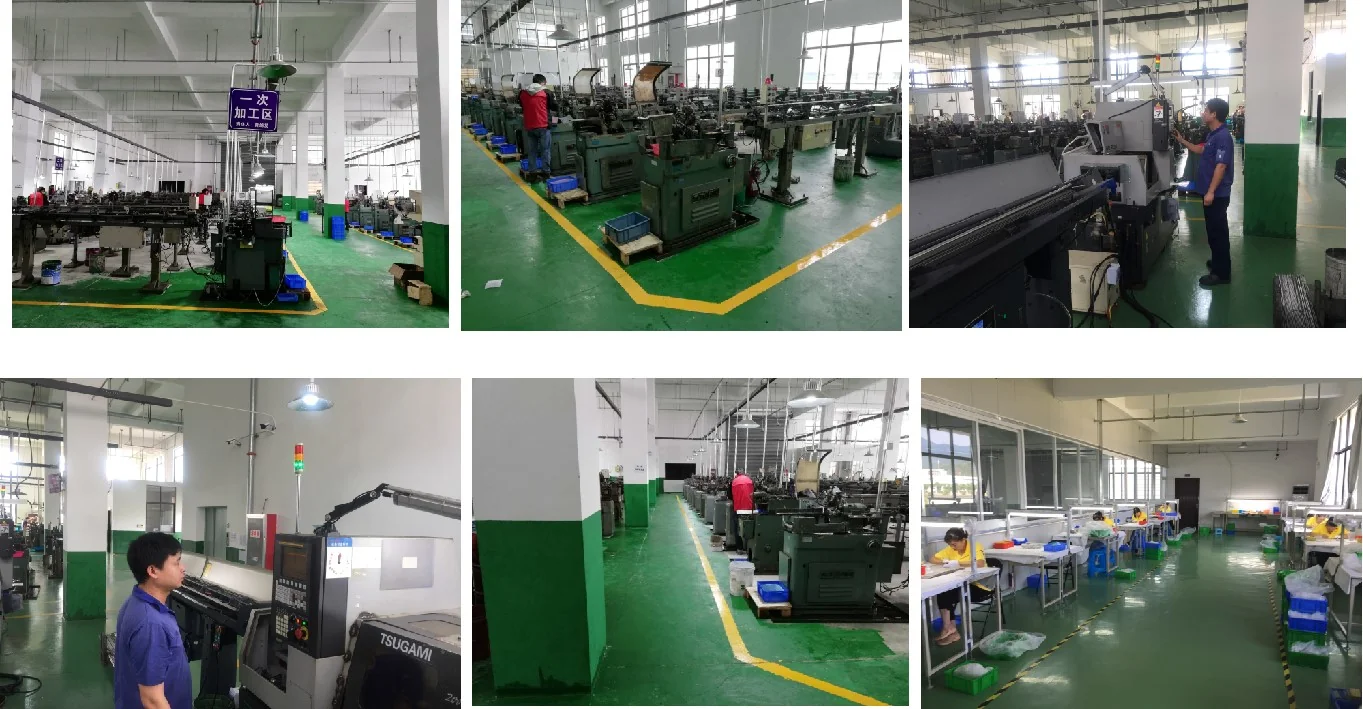
Suzhou Baoshida Trading Co., Ltd. leverages deep expertise in industrial rubber solutions through a dedicated engineering team comprising five specialized Mould Engineers and two certified Rubber Formula Engineers. This dual-discipline structure ensures end-to-end control over silicone white tube production, from molecular formulation to precision tooling. Our Formula Engineers optimize silicone polymer matrices to achieve exacting requirements for biocompatibility, thermal stability, and mechanical performance, while Mould Engineers translate these formulations into high-tolerance tooling systems capable of micron-level dimensional accuracy. This integrated approach eliminates cross-departmental inefficiencies, accelerating time-to-market for custom solutions without compromising repeatability.
Material science drives our core competency. Our Formula Engineers systematically adjust platinum-cure silicone formulations to meet stringent industry standards, including ISO 10993 for medical applications and FDA 21 CFR 177.2600 for food contact. Critical parameters such as durometer consistency, compression set resistance, and extractable levels are rigorously validated through in-house testing protocols. For instance, we resolve common client challenges like extrusion die swell or post-cure shrinkage by modifying filler dispersion techniques and crosslink density, ensuring tubes maintain ±0.05 mm tolerances across production runs. This precision is non-negotiable for applications in pharmaceutical fluid transfer or semiconductor manufacturing where failure risks are critical.
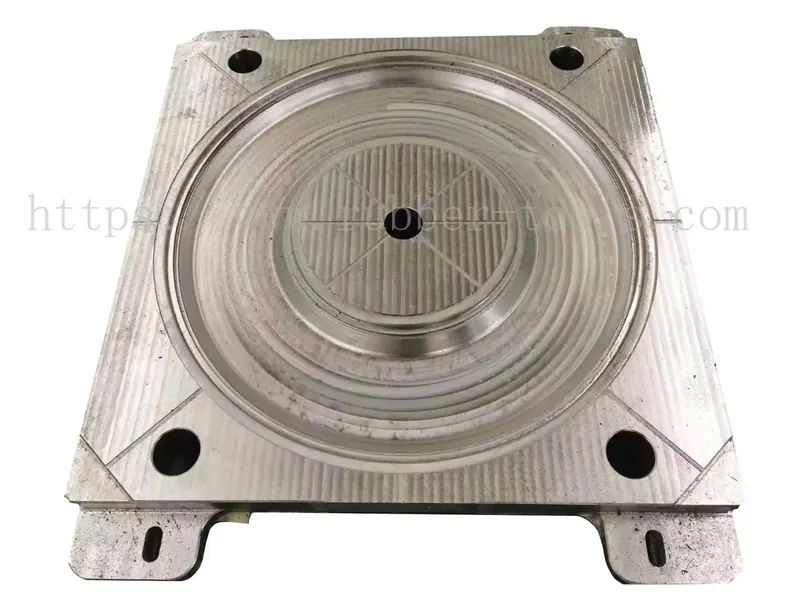
Mould Engineering excellence underpins scalable production. Our five-engineer team utilizes advanced CAD/CAM software (SolidWorks, Moldflow) to design multi-cavity extrusion dies and mandrel systems that minimize material waste while maximizing throughput. We implement real-time process monitoring with IoT-enabled sensors to track vulcanization kinetics, adjusting temperature gradients and dwell times dynamically. This capability allows seamless transition from prototype to mass production, supporting OEM volumes from 1,000 to 500,000+ units monthly with zero tooling rework. Clients benefit from Design for Manufacturing (DFM) reviews that identify cost-saving opportunities early, such as optimizing wall thickness to reduce cycle times by 18–22%.
Our OEM framework delivers full vertical integration. Starting with client-specified CAD files or physical samples, we manage every phase: raw material sourcing (certified medical-grade silicone from Momentive or Shin-Etsu), tooling validation, batch traceability via QR-coded lot tracking, and final inspection per ISO 3302-1 dimensional standards. All tubes undergo 100% visual inspection and statistical sampling for critical attributes, with full material test reports (MTRs) provided. This turnkey model has enabled partnerships with Tier-1 medical device manufacturers requiring ISO 13485-compliant production and automotive suppliers demanding IATF 16949 traceability.
Key silicone white tube specifications consistently achieved:
| Property | Standard Value | Test Method |
|---|---|---|
| Durometer (Shore A) | 40 ± 5 | ASTM D2240 |
| Tensile Strength | ≥ 8.0 MPa | ASTM D412 |
| Elongation at Break | ≥ 500% | ASTM D412 |
| Temperature Range | -60°C to +230°C | ISO 37 |
| Compression Set (22h) | ≤ 20% | ASTM D395 |
| Biocompatibility | USP Class VI Pass | ISO 10993 |
This engineering synergy—combining formula science with precision tooling—ensures Suzhou Baoshida delivers silicone white tubes that exceed functional and regulatory demands while optimizing total production economics for global OEM partners.
Customization Process
Technical B2B Manufacturing Guide: Silicone White Tube – Customization Process
At Suzhou Baoshida Trading Co., Ltd., our industrial rubber solutions are engineered to meet the exact performance demands of diverse sectors, including automotive, medical, and semiconductor manufacturing. The customization process for silicone white tubes follows a rigorous four-stage workflow: Drawing Analysis, Formulation, Prototyping, and Mass Production. Each phase integrates material science precision with industrial scalability to ensure product integrity and client satisfaction.
The process begins with Drawing Analysis, where our engineering team evaluates the client’s technical specifications, dimensional tolerances, and application environment. Critical parameters such as inner diameter (ID), outer diameter (OD), wall thickness, bend radius, and length are verified against international standards (e.g., ASTM D2000, ISO 3601). We assess fluid compatibility, thermal exposure, pressure ratings, and regulatory compliance (e.g., FDA, RoHS) to determine functional feasibility. This stage ensures that design intent aligns with manufacturability, minimizing downstream risks.
Following design validation, we proceed to Formulation. Our rubber formula engineers develop a custom silicone compound tailored to the operational requirements. High-purity platinum-cured silicone is typically selected for its thermal stability (–60°C to +200°C), low compression set, and biocompatibility. Additives may be incorporated to enhance UV resistance, flame retardancy (UL 94 V-0), or electrical insulation properties. The formulation is documented under controlled batch records to ensure repeatability and traceability, a critical factor in regulated industries.
The third phase, Prototyping, allows for functional verification. Using precision extrusion and vulcanization techniques, we produce sample tubes in controlled batches. Each prototype undergoes rigorous testing, including tensile strength, elongation at break, durometer hardness (Shore A), and volume resistivity. Dimensional inspection is performed using digital micrometers and optical comparators to confirm conformance within ±0.1 mm tolerance. Clients receive test reports and physical samples for field evaluation, enabling iterative refinement if necessary.
Upon client approval, we initiate Mass Production. Our manufacturing lines operate under ISO 9001-certified protocols, with in-line monitoring for extrusion consistency, cure uniformity, and surface finish. Final products are packaged per client specifications, with optional kitting, labeling, and barcoding. We maintain raw material lot traceability and conduct batch-level quality audits to ensure long-term reliability.
The following table summarizes typical performance specifications for our standard platinum-cured silicone white tube:
| Parameter | Value |
|---|---|
| Material | Platinum-Cured Silicone Rubber |
| Color | Pure White (Pantone 11-0601 TPX) |
| Hardness (Shore A) | 40 ±5 |
| Tensile Strength | ≥8.0 MPa |
| Elongation at Break | ≥400% |
| Operating Temperature Range | –60°C to +200°C |
| Electrical Resistivity | ≥1×10¹⁴ Ω·cm |
| Regulatory Compliance | FDA 21 CFR 177.2600, RoHS, REACH |
| Standard Tolerances (ID/OD) | ±0.1 mm (for dimensions ≤10 mm) |
Through this structured customization pathway, Suzhou Baoshida ensures that every silicone white tube delivers consistent performance, regulatory adherence, and technical excellence.
Contact Engineering Team
Precision Engineering Partnerships Begin Here
Suzhou Baoshida Trading Co., Ltd. stands at the forefront of industrial silicone extrusion, delivering rigorously validated white silicone tubing solutions tailored to exacting manufacturing specifications. Our engineering team leverages advanced polymer science and ISO 9001-certified processes to ensure every meter of tubing meets critical performance thresholds for thermal stability, chemical resistance, and dimensional accuracy. Unlike commodity suppliers, we integrate material formulation with precision extrusion control, optimizing cross-linking density and filler dispersion to eliminate batch variability. This scientific approach guarantees consistent Shore A hardness, tensile strength, and biocompatibility—essential for pharmaceutical, semiconductor, and high-purity fluid transfer applications where failure is not an option.
Our OEM partnership model begins with deep technical collaboration. We analyze your fluid dynamics, environmental exposure, and regulatory constraints to refine silicone compound architecture—adjusting vinyl content, platinum catalyst ratios, and inert filler percentages to achieve target properties. This eliminates costly prototyping cycles and accelerates time-to-market. Below is a representative specification profile for our standard platinum-cured white silicone tubing, reflecting baseline capabilities. Note that all parameters are adjustable per project requirements through our formulation lab.
| Parameter | Test Method | Typical Value Range | Industrial Significance |
|---|---|---|---|
| Hardness (Shore A) | ASTM D2240 | 40–80 | Balances flexibility with kink resistance |
| Tensile Strength | ASTM D412 | 8.0–12.0 MPa | Ensures durability under mechanical stress |
| Elongation at Break | ASTM D412 | 450–700% | Critical for dynamic flexing applications |
| Temperature Range | UL 224 | -60°C to +230°C | Supports cryogenic to high-heat processes |
| Specific Gravity | ASTM D792 | 1.12–1.18 | Impacts weight-sensitive assemblies |
| Compression Set (22h/70°C) | ASTM D395 | ≤20% | Maintains seal integrity after deformation |
| FDA/USP Class VI | 21 CFR 177.2600 | Compliant | Mandatory for food/pharma contact surfaces |
These metrics represent our baseline engineering control—not limitations. We routinely develop custom formulations exceeding standard ranges, such as ultra-low compression set variants (<10%) for semiconductor tooling or reinforced grades with 15 MPa tensile strength for hydraulic systems. Our Suzhou production facility utilizes closed-system mixing and laser-guided extrusion to hold tolerances within ±0.05 mm on ID/OD dimensions, directly reducing assembly scrap rates for clients.
Initiate your project with a technical consultation. Contact Mr. Boyce, our dedicated OEM Solutions Manager, at [email protected] to submit your application requirements. Include fluid media composition, operating temperature/pressure profiles, and dimensional schematics for rapid feasibility assessment. Mr. Boyce will coordinate our materials science team to provide a formal quotation with compound certification data, extrusion tolerance analysis, and production lead time within 72 business hours. Do not settle for off-the-shelf compromises when your process demands engineered precision. Suzhou Baoshida transforms silicone tubing from a commodity component into a validated system element—backed by full traceability from raw polymer to finished product.
Elevate your supply chain reliability. Email Mr. Boyce today with subject line “White Silicone Tube OEM Inquiry – [Your Company Name]” to activate our engineering workflow. All technical discussions are protected under NDA, and prototype samples ship within 10 business days of specification finalization. Your next-generation fluid handling solution begins with a single, scientifically grounded email.
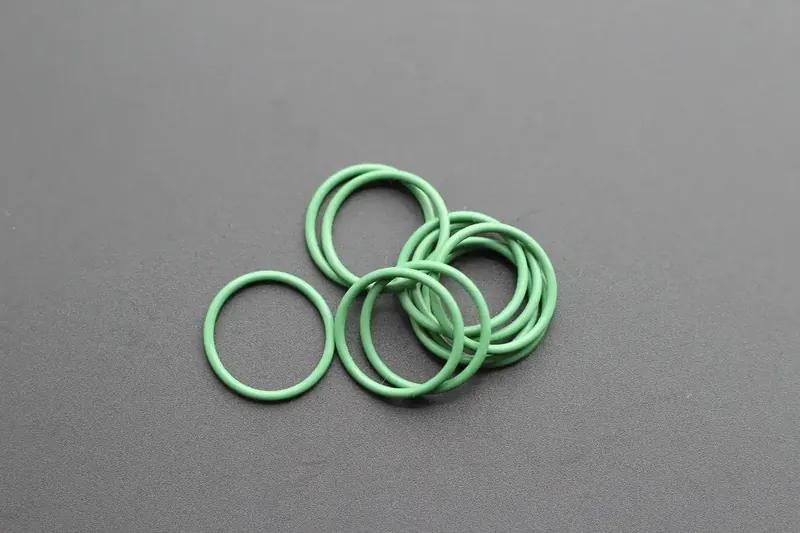
⚖️ O-Ring Weight Calculator
Estimate rubber O-ring weight (Approx).