Outdoor Play Area Tiles Manufacturer | Engineering Guide

Engineering Guide: Outdoor Play Area Tiles

outdoor play area tiles manufacturing

Engineering Insight: Material Selection in Outdoor Play Area Tiles

The performance and longevity of outdoor play area tiles are fundamentally determined by material science. While many manufacturers offer off-the-shelf rubber tile solutions, these products often fail under real-world environmental and mechanical stress due to inadequate polymer formulation and insufficient quality control. At Suzhou Baoshida Trading Co., Ltd., we emphasize engineered rubber solutions tailored to withstand the dynamic demands of public playgrounds, educational institutions, and recreational facilities.

Standard commercial tiles typically utilize recycled rubber granules bound with low-grade polyurethane or styrene-butadiene rubber (SBR). These materials exhibit poor UV resistance, leading to rapid surface degradation, color fading, and embrittlement within 12 to 18 months of installation. Additionally, inconsistent cross-linking density in the curing process results in non-uniform compression recovery, increasing the risk of trip hazards and reduced impact attenuation over time.

In contrast, high-performance outdoor tiles require a precision-engineered blend of ethylene propylene diene monomer (EPDM) and virgin thermoplastic polyurethane (TPU). EPDM provides superior ozone and UV stability, maintaining elasticity across a wide temperature range (-40°C to +90°C). TPU enhances tensile strength, abrasion resistance, and long-term resilience—critical for impact absorption in fall-height safety applications. The co-curing of these layers ensures interfacial adhesion, preventing delamination under thermal cycling and mechanical load.

Another common failure in generic tiles stems from improper density and hardness calibration. Overly soft tiles deform under static loads (e.g., playground equipment), while excessively rigid tiles compromise safety standards for head injury criteria (HIC). Our industrial rubber solutions are formulated to meet ASTM F1292 and EN 1177 impact attenuation requirements, balancing Shore A hardness between 65 and 75 for optimal performance.

Moreover, water absorption and dimensional stability are often overlooked. Porous binders in low-cost tiles absorb moisture, accelerating microbial growth and freeze-thaw damage in colder climates. Our closed-cell microstructure design limits water ingress to less than 1.2% by volume, ensuring dimensional stability and preventing mold or mildew formation.

The following table outlines key material specifications differentiating engineered versus standard rubber tiles:

Property Engineered Tile (Baoshida) Standard Off-the-Shelf Tile
Base Polymer EPDM + Virgin TPU Recycled SBR + PU
Shore A Hardness 65–75 50–85 (inconsistent)
UV Resistance (ASTM G154) >3,000 hrs no cracking <1,000 hrs, chalking observed
Water Absorption (ASTM D570) <1.2% 3–8%
Compression Set (ASTM D395) ≤15% after 22 hrs @ 70°C ≥35%
Impact Attenuation (ASTM F1292) Compliant up to 3.0 m Fails beyond 1.5 m
Service Life (Field Data) 8–12 years 2–4 years

Material selection is not a cost-driven compromise but a technical imperative. At Suzhou Baoshida, we engineer every tile as a system—integrating chemistry, mechanical performance, and environmental durability to deliver industrial-grade safety surfaces. Off-the-shelf solutions may offer short-term savings, but only precision-formulated rubber delivers lifecycle value and reliable performance in demanding outdoor environments.


Material Specifications

outdoor play area tiles manufacturing

Material Specifications for Outdoor Play Area Tiles

Selecting appropriate elastomeric compounds is critical for outdoor play area tiles, where performance must balance safety compliance, environmental resilience, and long-term durability. At Suzhou Baoshida Trading Co., Ltd., we engineer rubber formulations to withstand UV exposure, temperature extremes, mechanical abrasion, and chemical contaminants while meeting international safety standards such as EN 1177 for impact absorption. Our industrial-grade solutions prioritize non-toxicity, consistent Shore A hardness (65–85), and resistance to permanent deformation under static and dynamic loads. Below we detail three primary elastomer systems optimized for this application, each offering distinct performance profiles for diverse climatic and usage conditions.

Viton (FKM) fluorocarbon rubber delivers exceptional resistance to ozone, weathering, and hydrocarbon exposure, making it ideal for tiles in industrial-adjacent playgrounds or regions with high pollution levels. Its operational range spans -20°C to 230°C, ensuring stability in extreme heat while maintaining tensile strength above 15 MPa (ASTM D412). However, its premium cost necessitates strategic deployment in high-risk zones rather than full-area coverage. Nitrile (NBR) remains the cost-effective standard for general applications, providing robust resistance to oils, greases, and moderate UV exposure. With a service temperature range of -30°C to 100°C and tensile strength of 10–18 MPa, NBR compounds excel in temperate climates but require supplemental UV stabilizers for prolonged sun exposure. Silicone (VMQ) offers unmatched flexibility in sub-zero environments down to -60°C and heat resistance up to 200°C, coupled with inherent non-toxicity. Its low compression set (ASTM D395) ensures consistent shock absorption, though lower abrasion resistance demands specialized fillers for high-traffic zones.

Our OEM engineering process tailors these base polymers through precision compounding. For instance, NBR formulations integrate carbon black and silica fillers to enhance UV stability and tear strength, while silicone matrices utilize platinum-cured systems to minimize volatile organic compound emissions. All compounds undergo rigorous ASTM D2240 hardness validation and accelerated aging tests per ISO 188 to guarantee 10+ years of service life. Crucially, we avoid plasticizers that migrate over time, ensuring permanent elasticity and colorfastness against ISO 105-B02 standards.

Material performance is quantified below for direct comparison:

Property Viton (FKM) Nitrile (NBR) Silicone (VMQ)
Shore A Hardness Range 60–90 65–85 40–80
Tensile Strength (MPa) 15–20 10–18 6–10
Temperature Range (°C) -20 to 230 -30 to 100 -60 to 200
UV/Ozone Resistance Excellent Moderate* Excellent
Oil/Fuel Resistance Outstanding Good Poor
Compression Set (ASTM D395) ≤20% ≤25% ≤15%
Primary Application High-heat/pollution zones General use Extreme cold zones

*Requires UV stabilizers for outdoor longevity

Suzhou Baoshida’s technical team collaborates with OEM partners to select and refine materials based on regional climate data, expected foot traffic density, and regulatory requirements. We provide full traceability via batch-specific Certificates of Analysis and support ISO 9001-compliant manufacturing protocols. This scientific approach ensures tiles maintain critical fall height (CFH) performance throughout their lifecycle, directly contributing to child safety and reduced liability exposure.


Manufacturing Capabilities

outdoor play area tiles manufacturing

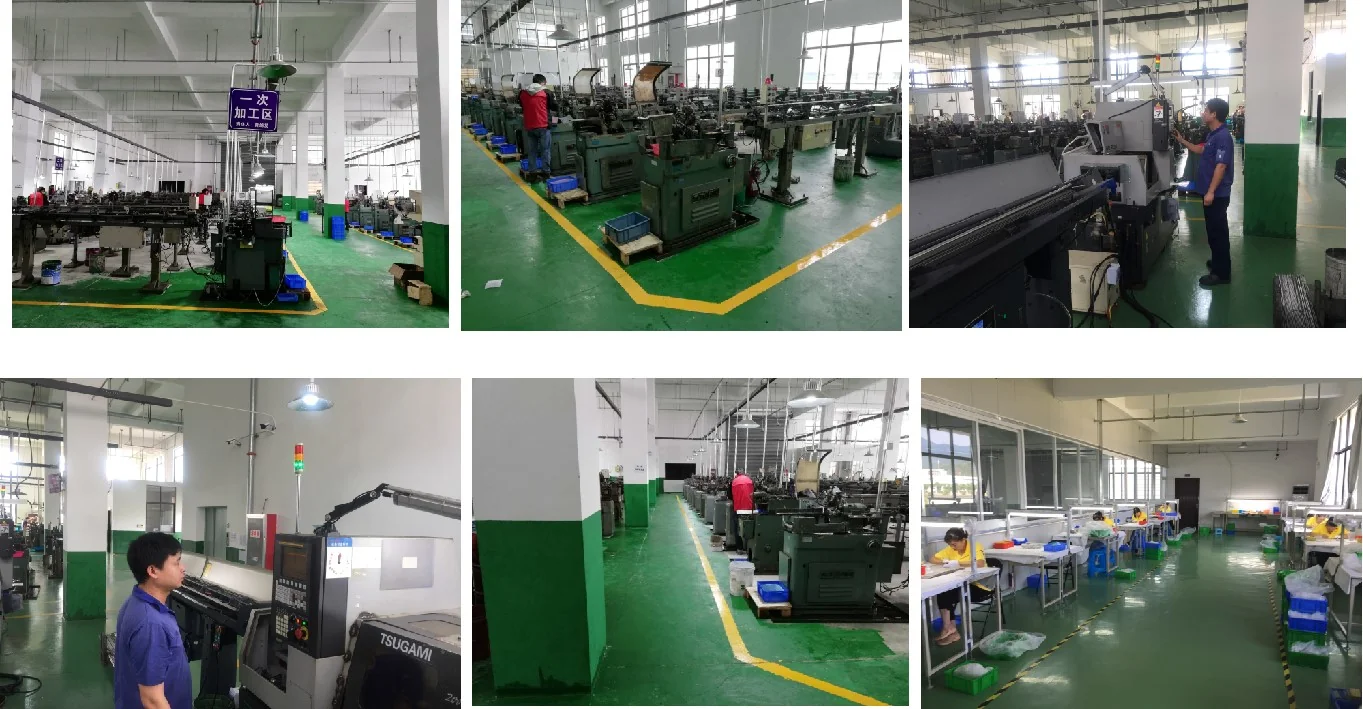
Suzhou Baoshida Trading Co., Ltd. maintains a robust engineering framework specifically tailored for the development and production of high-performance outdoor play area tiles. At the core of our technical capability are five dedicated mould engineers and two specialized rubber formula engineers, enabling us to deliver precision-engineered, durable, and safe elastomeric solutions for commercial and public recreational environments. Our integrated approach combines material science with advanced tooling design to ensure every product meets stringent international safety, resilience, and environmental standards.

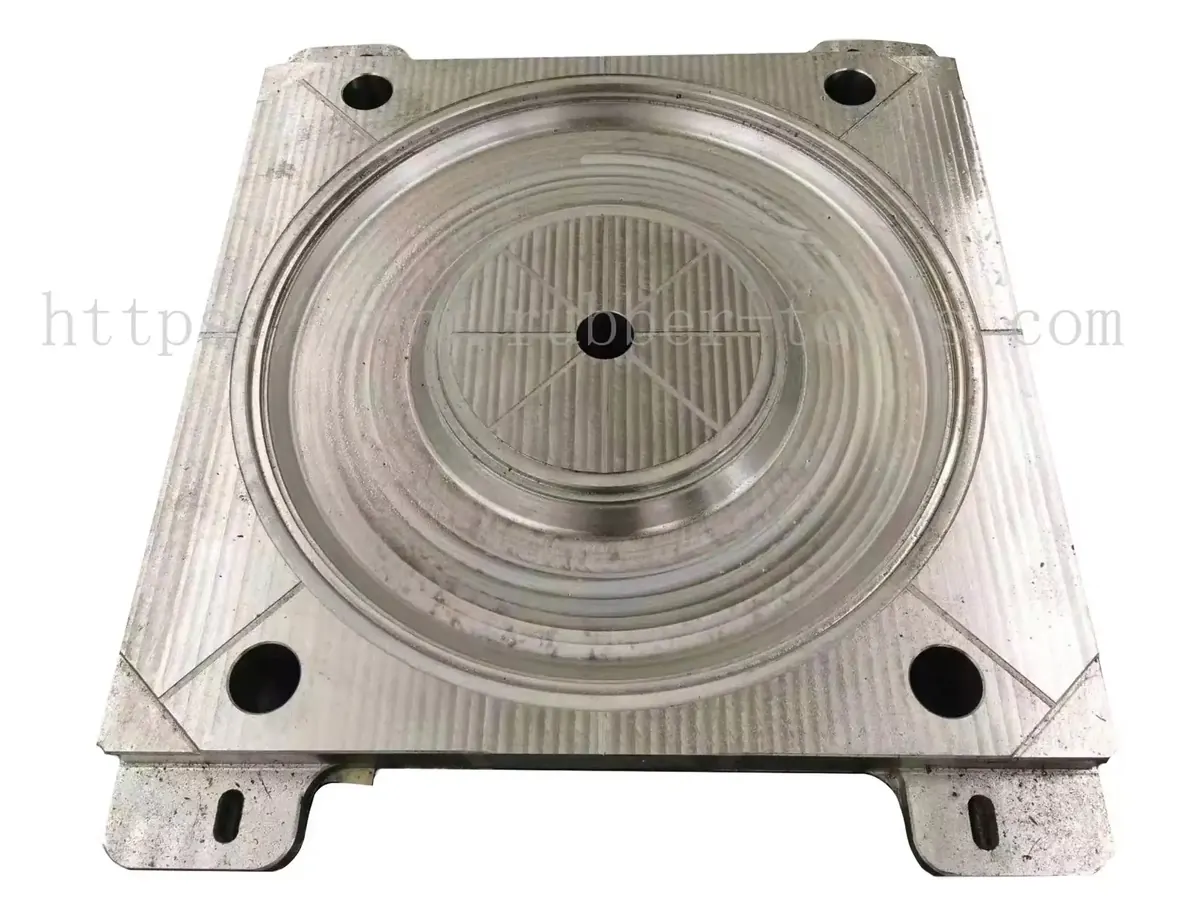
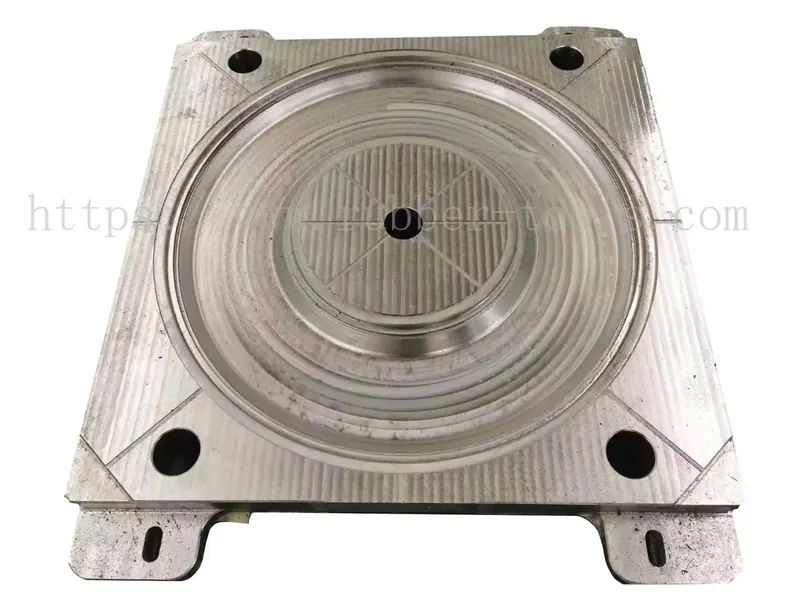
Our mould engineering team possesses extensive experience in designing and refining steel and aluminum moulds for complex tile geometries, including interlocking systems, anti-slip surface textures, and impact-absorbing core structures. Each design undergoes rigorous simulation and stress analysis to optimize flow dynamics during vulcanization, minimize flash formation, and extend tool life. This precision ensures dimensional consistency across high-volume production runs, critical for seamless installation in playgrounds, schools, and municipal parks.

Complementing our tooling expertise, our two in-house rubber formula engineers specialize in custom elastomer development for outdoor applications. They formulate proprietary rubber blends using SBR, EPDM, and recycled tire granules, balancing hardness, shock absorption, UV resistance, and color stability. Each formulation is engineered to meet ASTM F1292 for impact attenuation and EN 1177 for critical fall height performance. Additionally, our compounds are tested for heavy metal content, ensuring compliance with REACH and RoHS directives.

Our OEM capabilities allow clients to co-develop fully customized tile systems—from concept to commercialization. We support private labeling, custom colors, thickness variations, and unique performance specifications. With an in-house laboratory equipped for tensile strength, compression set, abrasion resistance, and accelerated weathering tests, we validate every batch for long-term durability under extreme climatic conditions.

The synergy between our mould and formula engineering teams enables rapid prototyping and iterative refinement, reducing time-to-market for new products. Whether scaling an existing design or developing a novel tile system, our engineering team ensures technical excellence, repeatability, and full traceability throughout the manufacturing process.

Below are key technical specifications achievable through our engineering platform:

Parameter Standard Range Test Method
Thickness 20 mm – 100 mm ASTM D3776
Hardness (Shore A) 45 – 85 ASTM D2240
Impact Attenuation (G-max) ≤ 200 (up to 3m critical fall) ASTM F1292
Compression Deflection 15% – 25% at 50 psi ASTM F355
Tensile Strength ≥ 1.5 MPa ISO 37
Elongation at Break ≥ 150% ISO 37
Abrasion Resistance ≤ 120 mg loss (DIN wheel) ISO 4649
UV Resistance Pass 1500 hrs QUV exposure ASTM G154
Slip Resistance (DSR) ≥ 0.6 (wet & dry) BS 7976

Suzhou Baoshida Trading Co., Ltd. leverages deep technical expertise and vertical integration to deliver engineered rubber solutions that exceed the performance demands of modern outdoor play environments.


Customization Process

outdoor play area tiles manufacturing

Outdoor Play Area Tile Customization: Precision Engineering Process

At Suzhou Baoshida Trading Co., Ltd., our industrial rubber solutions for outdoor play area tiles undergo a rigorously controlled customization sequence. This process ensures compliance with global safety standards (EN 1177, ASTM F1292) while meeting site-specific performance demands. We prioritize material science precision to balance impact absorption, weather resistance, and longevity under UV exposure, freeze-thaw cycles, and abrasive wear.

Drawing Analysis
Client CAD drawings and site specifications undergo multidisciplinary review by our engineering team. We assess critical parameters including tile dimensions, interlock geometry, drainage channels, and surface texture. Finite element analysis (FEA) simulates dynamic load distribution to optimize shock attenuation. Any deviations from manufacturability standards—such as wall thickness below 15mm or unsupported overhangs exceeding 5mm—are flagged for joint resolution. This phase concludes with a signed technical agreement validating geometry and performance targets.

Formulation Development
Based on analysis outputs, our rubber compounding laboratory engineers design a proprietary elastomer blend. Primary components include recycled SBR crumb (40–60 mesh) for cost efficiency and virgin EPDM granules for UV stability. Critical additives are dosed to achieve target properties:
Rebound resilience: 25–35% (ASTM D3574) for optimal fall protection
Hardness: 45–65 Shore A (ISO 7619-1) to prevent tripping hazards
Tensile strength: Minimum 7.5 MPa (ISO 37) for structural integrity
Accelerated aging tests (1,000 hours QUV exposure) validate colorfastness and mechanical retention. Formulation adjustments occur iteratively until all metrics align with client requirements.

Prototyping and Validation
Three-dimensional prototypes are produced via precision compression molding using client-approved tooling. Each sample undergoes:
Critical fall height (CFH) testing per EN 1177
Slip resistance measurement (R10–R13 rating) via pendulum test (EN 13036-4)
Chemical resistance screening against common playground contaminants
Clients receive a comprehensive test report with deviation analysis. Two revision cycles are included; subsequent iterations incur nominal fees. Lead time for prototype approval is 15–20 business days.

Mass Production Execution
Upon prototype sign-off, production shifts to our ISO 9001-certified facility. Automated batching systems ensure ±0.5% raw material accuracy. In-line quality checks occur at three stages: post-mixing (Mooney viscosity), post-molding (dimensional tolerance ±0.8mm), and pre-shipment (color spectrophotometry). All batches include traceable material certificates and third-party test documentation. Standard production throughput is 15,000 m²/month, with JIT delivery coordination for global logistics.

Material Performance Specifications

Parameter Target Range Test Standard Acceptance Threshold
Impact Attenuation (G-max) ≤200 ASTM F1292 Pass at 1.8m CFH
Density 1.15–1.25 g/cm³ ISO 2781 ±0.03 g/cm³
Abrasion Loss ≤120 mm³ ISO 4649 Max 150 mm³
Compression Set (22h) ≤25% ISO 815-1 Max 30%
Color Fastness Grade 4–5 ISO 105-A02 No fading at 500 hrs

This systematic approach eliminates guesswork in outdoor play surface manufacturing. Suzhou Baoshida guarantees that every tile batch delivers engineered safety without compromising aesthetic or functional customization. Final validation includes on-site installation support and post-deployment performance audits.


Contact Engineering Team

outdoor play area tiles manufacturing

For industrial partners seeking high-performance, durable rubber solutions for outdoor play area tiles, Suzhou Baoshida Trading Co., Ltd. stands as a leading OEM provider in China’s advanced polymer manufacturing sector. Our engineered rubber systems are designed to meet rigorous international safety, durability, and environmental standards, making them ideal for commercial playgrounds, schools, daycare centers, and public recreational spaces.

Our proprietary rubber formulations utilize vulcanized EPDM (Ethylene Propylene Diene Monomer) and SBR (Styrene-Butadiene Rubber) compounds, optimized for UV resistance, impact absorption, and long-term dimensional stability under variable climatic conditions. Each tile is manufactured using precision steel molds and high-pressure curing techniques, ensuring consistent thickness, texture, and interlocking geometry. We offer customizable Shore A hardness ratings, color integration throughout the cross-section, and compliance with ASTM F1292, EN 1177, and CE marking requirements for critical fall height protection.

Suzhou Baoshida specializes in end-to-end OEM collaboration, from initial material selection and prototype development to large-scale production and global logistics. Our in-house R&D team works directly with clients to tailor compound formulations for specific regional climate challenges, including freeze-thaw resilience, high-temperature deformation resistance, and anti-slip surface profiles. With ISO 9001-certified quality control protocols and third-party test reporting available upon request, we ensure every batch meets exact technical and regulatory demands.

To support global procurement teams, we provide full documentation packages, including material safety data sheets (MSDS), fire ratings (DIN 4102 B1), and heavy metal compliance under REACH and RoHS directives. Our production capacity supports minimum order quantities starting at 500 m², with scalable output up to 50,000 m² per month, depending on tile configuration and color complexity.

For technical inquiries, sample requests, or project consultations, contact Mr. Boyce, OEM Account Manager and Rubber Formulation Engineer at Suzhou Baoshida Trading Co., Ltd. Mr. Boyce leads client engineering integration and is available to discuss material specifications, compliance pathways, and custom development timelines. Reach him directly via email at [email protected] for prompt technical engagement.

Below are key technical specifications for our standard outdoor play tile series:

Property Specification
Material Composition Vulcanized EPDM/SBR blend, virgin rubber content ≥ 85%
Thickness Options 20 mm, 25 mm, 30 mm, 40 mm
Shore A Hardness 65 ± 5 (adjustable upon request)
Impact Attenuation (HIC) < 200 (ASTM F1292 compliant at 3 m fall height)
Slip Resistance (DIN 51130) R10 minimum
UV Stability Color retention > 90% after 2,000 hrs QUV exposure
Operating Temperature Range -40°C to +80°C
Fire Rating DIN 4102 B1 (flammable, but self-extinguishing)
Environmental Compliance REACH, RoHS, PAHs-free, cadmium & lead free
Installation Method Loose lay with interlocking edges or adhesive bonding

Initiate your next project with a trusted industrial rubber partner. Contact Mr. Boyce today at [email protected] to receive technical data sheets, arrange material samples, or schedule a virtual factory audit.


⚖️ O-Ring Weight Calculator

Estimate rubber O-ring weight (Approx).


Outdoor Play Area Tiles Manufacturer | Engineering Guide

Contents of Table

Contact [email protected] Whatsapp 86 15951276160