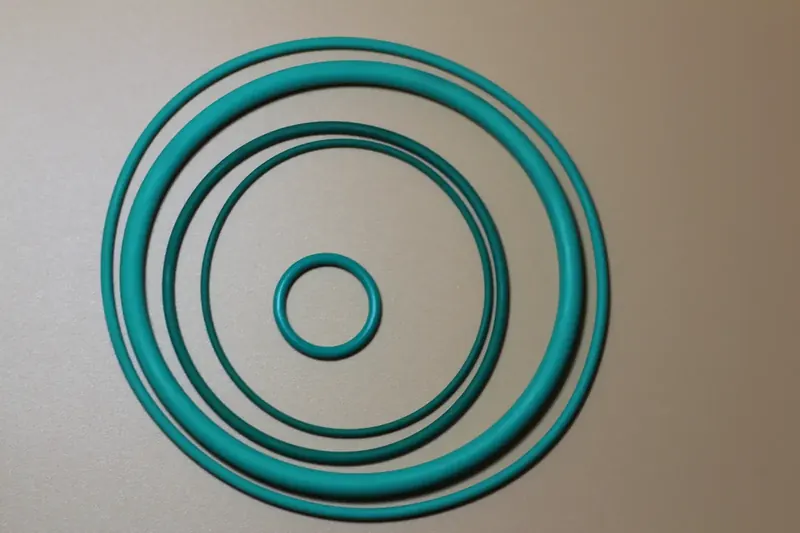
F7925 Olp Manufacturer | Engineering Guide

Engineering Guide: F7925 Olp

f7925 olp manufacturing

Engineering Insight: f7925 olp Material Selection Imperatives

Material selection constitutes the foundational determinant of performance and longevity in demanding industrial sealing and damping applications. Off-the-shelf rubber compounds frequently fail to meet the rigorous, application-specific requirements encountered in modern manufacturing environments, leading to premature component degradation, unplanned downtime, and significant cost escalations. Generic formulations prioritize broad market appeal over engineered precision, resulting in critical compromises. Standard nitrile butadiene rubber (NBR) variants, for instance, exhibit inadequate resistance to modern synthetic lubricants and hydraulic fluids prevalent in high-efficiency systems. Exposure initiates chain scission and plasticization, causing excessive swelling, loss of mechanical integrity, and seal extrusion. Concurrently, these materials often lack the requisite low-temperature flexibility required for consistent operation in variable climates or refrigeration cycles, becoming brittle and prone to fracture below -20°C. Thermal degradation initiates at lower thresholds than required for extended service life in high-heat zones near engines or processing equipment. Compression set resistance—the ability to maintain sealing force after prolonged deformation—is frequently suboptimal, accelerating leakage paths in static seals.

Suzhou Baoshida Trading Co., Ltd. addresses these systemic failures through the precision-engineered f7925 olp compound. This proprietary formulation transcends generic NBR limitations via targeted molecular architecture and synergistic additive systems. Critical enhancements include specialized co-monomer ratios for superior resistance to aggressive ester-based and polyalkylene glycol (PAG) lubricants, nano-reinforced fillers for exceptional tensile and tear strength retention after fluid exposure, and low-temperature plasticizers enabling reliable function down to -45°C. The vulcanization system is meticulously optimized to maximize crosslink density stability under thermal aging, directly translating to industry-leading compression set performance. This holistic approach ensures dimensional stability, sustained elasticity, and reliable sealing force over extended operational cycles where off-the-shelf solutions catastrophically degrade.

The performance differential is quantifiable against standard industrial benchmarks. Key specifications demonstrate f7925 olp’s engineered superiority:

Property Standard NBR (Typical) f7925 olp (Suzhou Baoshida) Test Method
Hardness (Shore A) 70 ± 5 75 ± 3 ASTM D2240
Tensile Strength (MPa) 15.0 min 22.5 ASTM D412
Elongation at Break (%) 250 min 380 ASTM D412
Compression Set (%) 35 max (70h, 100°C) 18 ASTM D395 B
Volume Swell in IRM 903 35% max 12% ASTM D471
Low Temp. Flexibility -25°C (Brittle Point) -45°C ASTM D2137
Heat Aging (70h, 125°C) Δ Hardness +15 max Δ Hardness +8 ASTM D573

Selecting f7925 olp is not merely a material choice; it is an investment in operational continuity. The compound’s engineered resilience directly mitigates the root causes of seal and damper failure inherent in generic alternatives. By eliminating the performance gaps that trigger field failures, manufacturers achieve demonstrable reductions in maintenance frequency, component replacement costs, and production stoppages. Suzhou Baoshida’s OEM partnership ensures this precision formulation is rigorously validated against your specific fluid, temperature, and dynamic load profiles, transforming material selection from a point of vulnerability into a cornerstone of system reliability and total cost optimization.


Material Specifications

f7925 olp manufacturing

Material Specifications for Industrial Sealing Applications: Viton, Nitrile, and Silicone

In the development and selection of elastomeric materials for industrial sealing solutions, precision in material performance is paramount. At Suzhou Baoshida Trading Co., Ltd., we provide engineered rubber compounds tailored to meet the rigorous demands of dynamic and static sealing environments. Among the most widely specified materials in our portfolio are Viton (FKM), Nitrile (NBR), and Silicone (VMQ). Each material offers a distinct balance of chemical resistance, temperature tolerance, mechanical strength, and environmental stability, making them suitable for specific operational conditions.

Viton, a fluorocarbon-based rubber, delivers exceptional resistance to high temperatures, oils, fuels, and a broad spectrum of aggressive chemicals. With continuous service capabilities up to 230°C and intermittent peaks exceeding 260°C, Viton is the material of choice in aerospace, automotive, and chemical processing industries where reliability under extreme conditions is non-negotiable. Its low gas permeability and outstanding aging characteristics further enhance long-term sealing integrity, though it exhibits lower flexibility at sub-zero temperatures compared to Nitrile or Silicone.

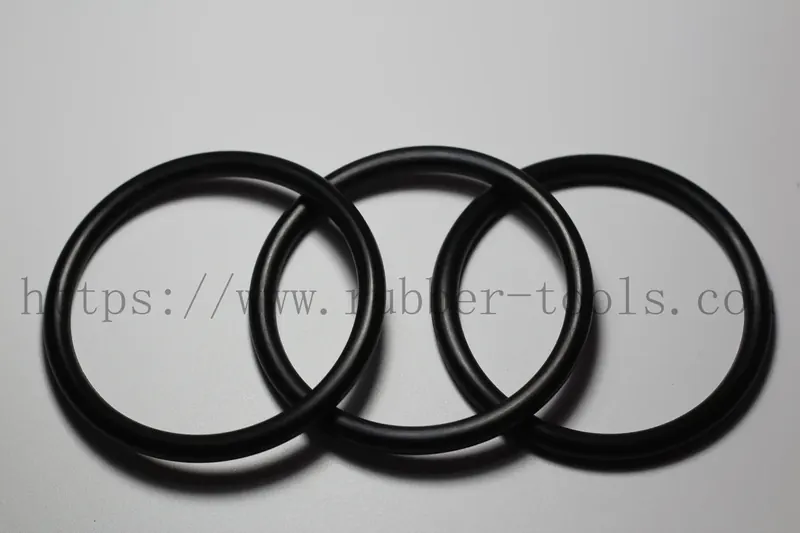
Nitrile rubber, known for its excellent resistance to petroleum-based fluids, hydraulic oils, and aliphatic hydrocarbons, remains a cost-effective solution for general industrial applications. Operating effectively within a temperature range of -30°C to 120°C, NBR provides good abrasion resistance and tensile strength. It is frequently used in O-rings, gaskets, and seals for machinery, fuel systems, and hydraulic equipment. However, its performance degrades when exposed to ozone, weathering, and polar solvents, limiting its use in outdoor or highly oxidative environments.

Silicone rubber excels in applications requiring extreme temperature stability and biocompatibility. With a functional range spanning from -60°C to 200°C, VMQ maintains elasticity and structural integrity in both cryogenic and high-heat settings. It demonstrates excellent resistance to UV radiation, ozone, and weathering, making it ideal for outdoor electrical insulation, medical devices, and food-grade applications. While Silicone offers limited mechanical strength and poor resistance to petroleum oils, its inertness and regulatory compliance (e.g., FDA, USP Class VI) support use in sensitive environments.

The following table summarizes key technical specifications for Viton, Nitrile, and Silicone to facilitate informed material selection.

Property Viton (FKM) Nitrile (NBR) Silicone (VMQ)
Temperature Range (°C) -20 to 230 -30 to 120 -60 to 200
Tensile Strength (MPa) 15–20 10–20 5–8
Elongation at Break (%) 200–300 250–400 400–600
Hardness (Shore A, 70–90 scale) 70–90 60–90 30–80
Resistance to Oils & Fuels Excellent Excellent Poor
Resistance to Ozone/UV Excellent Fair Excellent
Compression Set Resistance Excellent Good Good
Fluid Compatibility – Acids Good (dilute) Poor Fair
Fluid Compatibility – Water Good Good Excellent

Understanding these material characteristics ensures optimal performance, longevity, and safety in industrial sealing systems. At Suzhou Baoshida Trading Co., Ltd., we support OEMs and industrial partners with precision-formulated rubber solutions backed by rigorous testing and global supply chain reliability.


Manufacturing Capabilities

f7925 olp manufacturing

Engineering Capabilities: Precision Rubber Solutions for f7925 OLP Applications

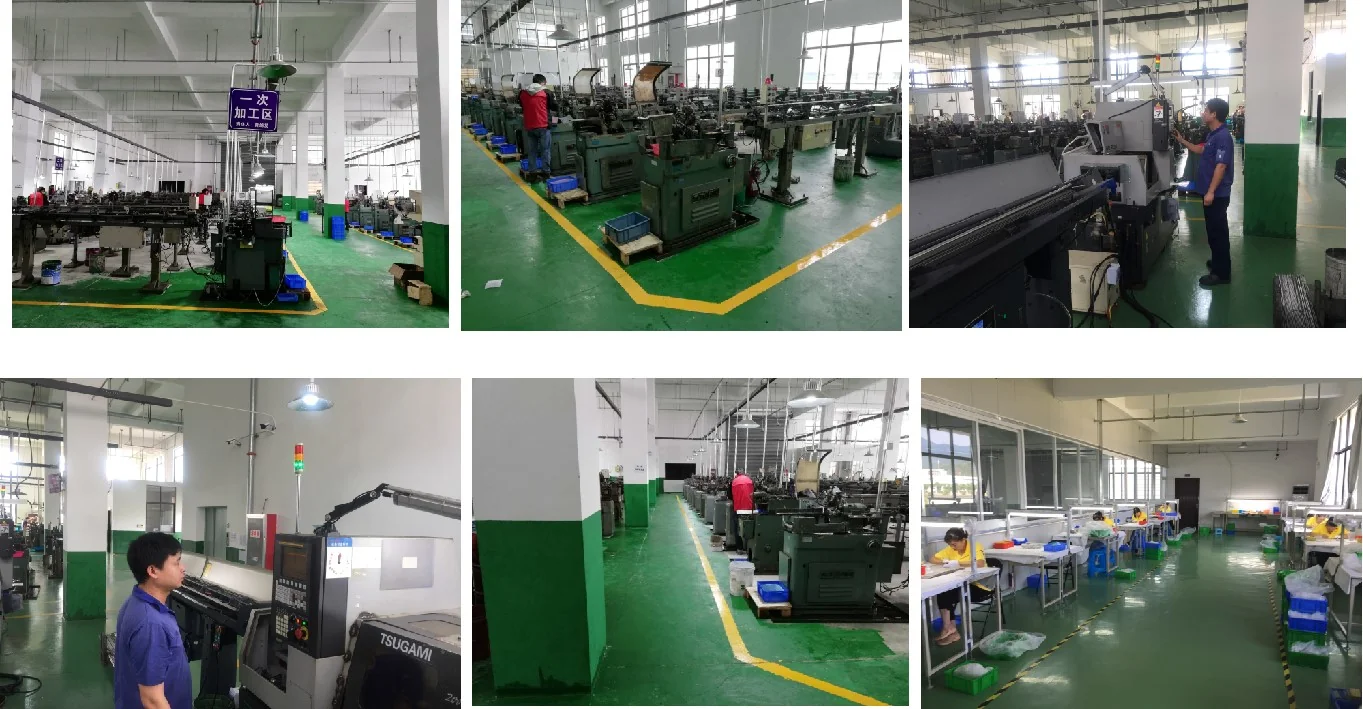
Suzhou Baoshida Trading Co., Ltd. leverages a dedicated engineering team to deliver mission-critical rubber components for industrial applications, including the specialized f7925 OLP formulation. Our core strength lies in the integration of advanced material science and precision tooling expertise, ensuring optimal performance under demanding operational conditions. The engineering division comprises five specialized Mould Engineers and two certified Rubber Formula Engineers, collectively enabling end-to-end control from compound design to final part validation. This structure eliminates external dependencies, accelerating time-to-market while maintaining rigorous quality standards expected by global OEM partners.

Our Rubber Formula Engineers focus exclusively on optimizing elastomeric properties for the f7925 OLP series, which targets high-pressure sealing and dynamic fatigue resistance in hydraulic systems. Utilizing ASTM D2000 and ISO 3601 standards as baselines, we fine-tune polymer matrices, filler dispersion, and vulcanization kinetics to achieve exact client specifications. Key parameters include compression set reduction below 15% at 100°C, Shore A hardness tolerance of ±2 points, and ozone resistance exceeding 100 hours at 50 ppm. This granular control ensures consistent part integrity across 500,000+ cycle lifespans in aggressive media such as phosphate ester fluids and synthetic hydrocarbons.

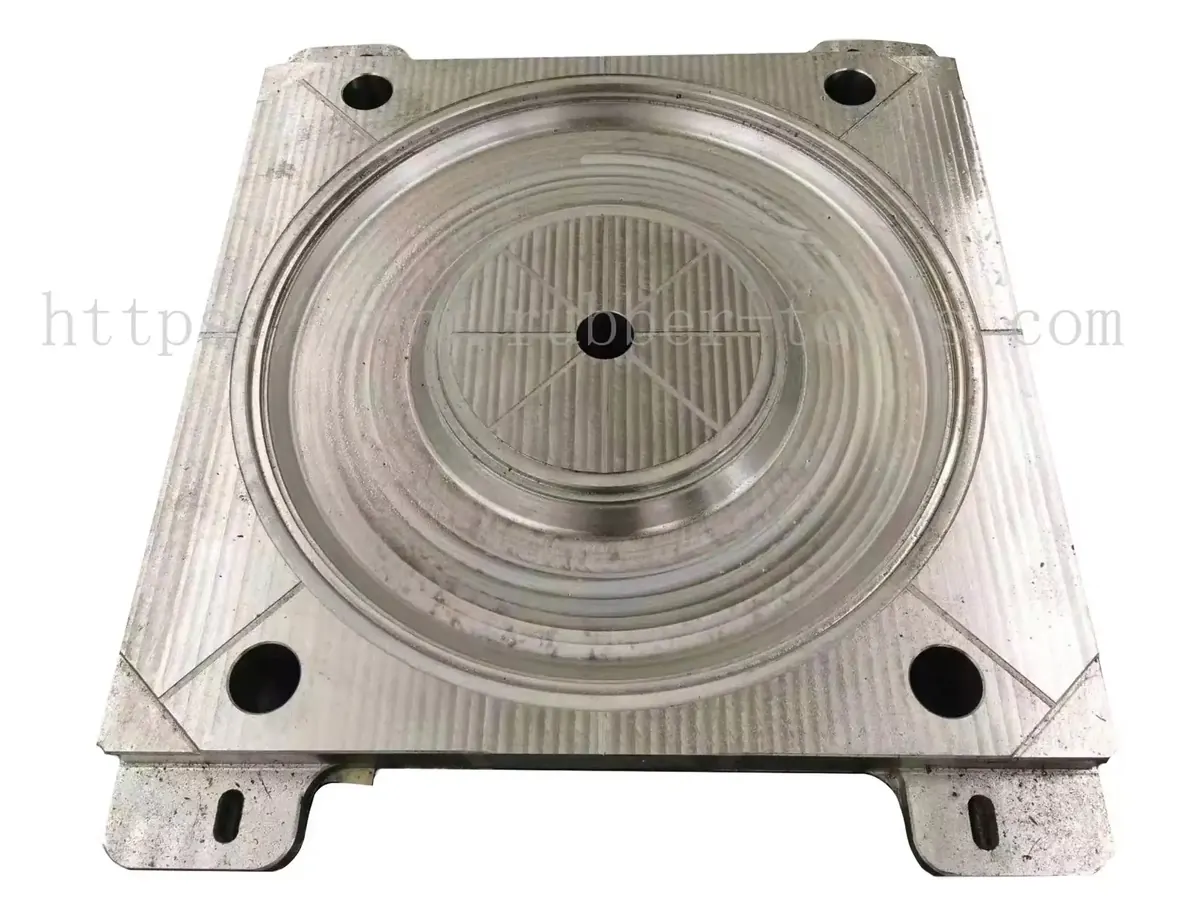
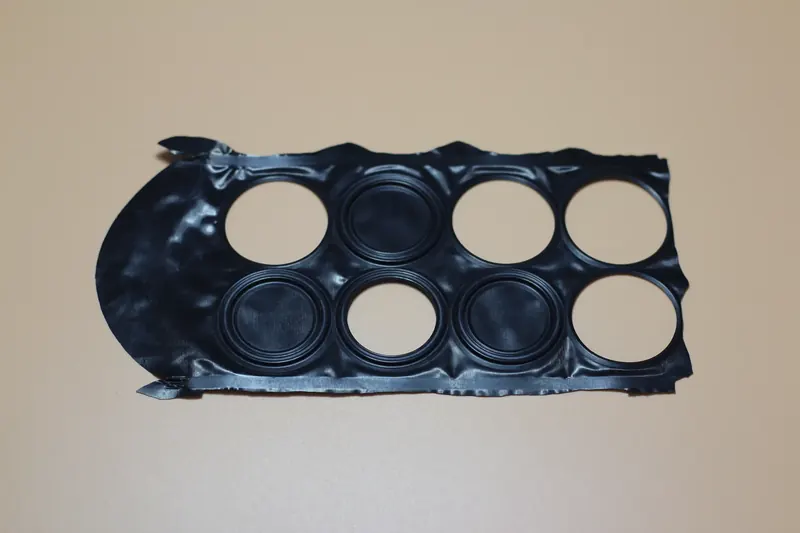
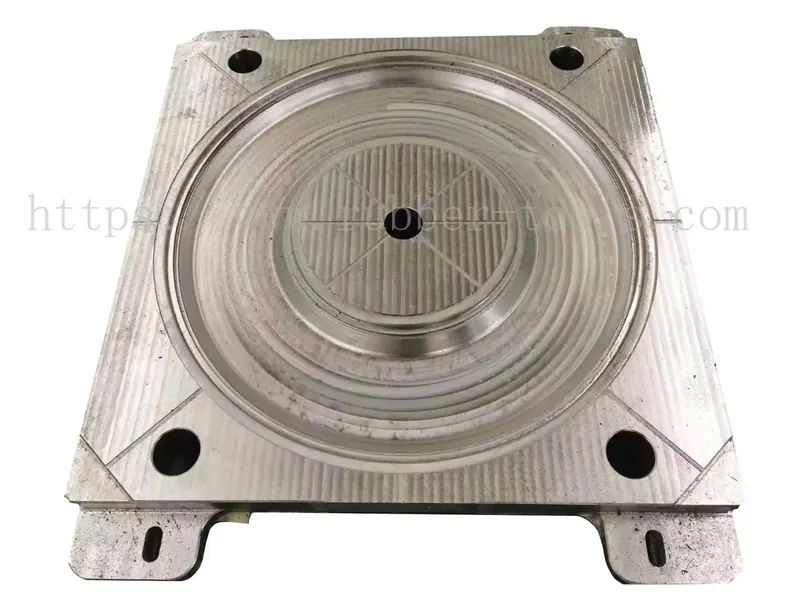
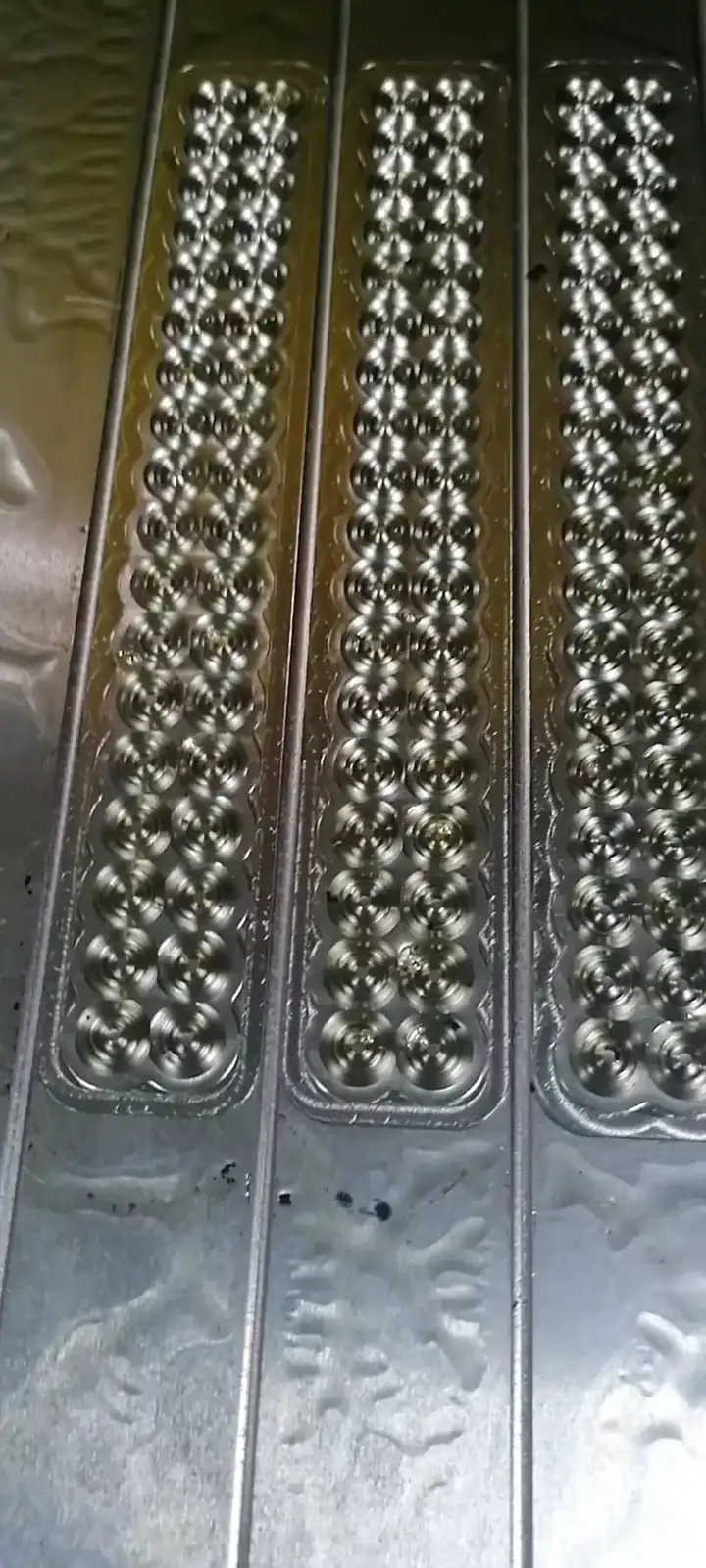
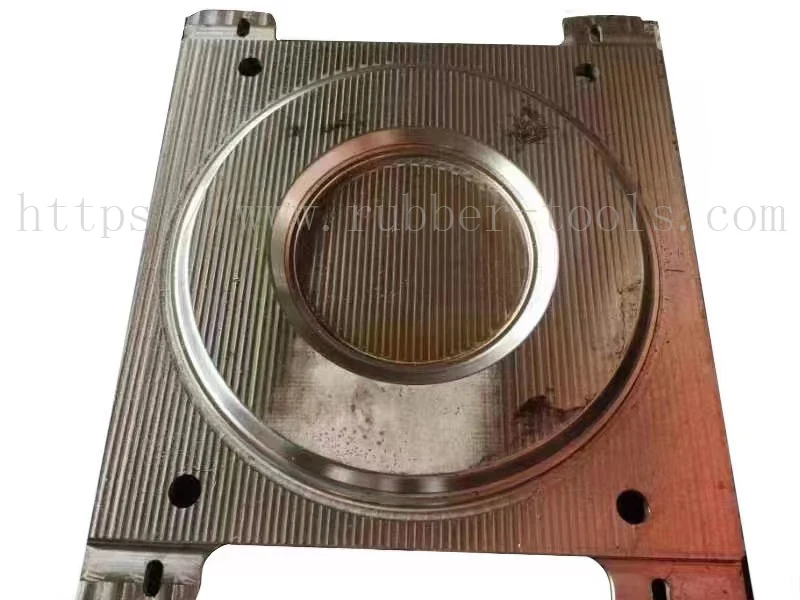
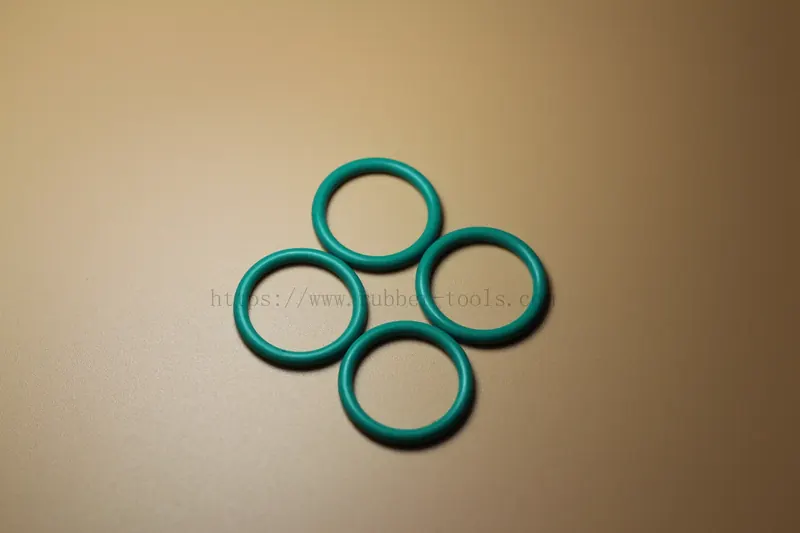
Synergistically, our Mould Engineering team translates these formulations into production-ready tooling. Each engineer possesses 10+ years of experience in multi-cavity hot-runner systems and precision machining of P20/NAK80 steels. Critical capabilities include mold-flow analysis for knit-line mitigation, thermal management design to prevent scorch during high-speed curing, and tolerance control to ±0.05 mm on geometric features. This eliminates common defects like flash, incomplete cures, or dimensional drift in complex geometries such as spiral-wound O-rings or quad-ring profiles inherent to f7925 OLP applications.

As an OEM partner, Suzhou Baoshida provides full technical ownership through a structured development framework. We manage all phases from initial RFQ to量产, with engineering sign-offs at each milestone to ensure alignment with client performance criteria. The table below outlines our OEM workflow:

Phase Key Activities Engineering Input Typical Lead Time
Specification Review Material/performance requirement analysis Formula feasibility study, DFM feedback 3-5 business days
Prototype Development Compound mixing, mold trials, first-article testing Iterative formula adjustment, mold correction 10-15 days
Validation Full ASTM/ISO compliance testing, SPC data generation Test protocol design, root-cause analysis 7-10 days
量产 Ramp-up Process optimization, PPAP submission Mold maintenance protocols, in-line QC checkpoints 5-8 days
Lifecycle Support Continuous improvement, failure mode tracking Formula recalibration, tooling upgrades Ongoing

This integrated approach guarantees that f7925 OLP components meet exacting automotive and industrial OEM standards, including ISO/TS 16949 and NORSOK M-710. By embedding formula and mould engineering within a single organizational structure, Suzhou Baoshida eliminates communication gaps that typically cause delays in complex rubber part manufacturing. Clients receive not just a supplier, but a technical extension of their R&D team—ensuring rubber solutions that perform reliably in the most extreme operational environments. Our commitment to engineering precision transforms material challenges into competitive advantages for your end products.


Customization Process

f7925 olp manufacturing

Customization Process for f7925 OLP Industrial Rubber Components

At Suzhou Baoshida Trading Co., Ltd., our engineering approach to customizing the f7925 OLP (Oil and Lubricant Resistant Polymer) series ensures optimal performance in demanding industrial environments. The customization process is structured into four precision-driven phases: Drawing Analysis, Formulation Development, Prototyping, and Mass Production. Each stage integrates material science expertise with manufacturing rigor to deliver components that meet exact OEM specifications.

The process begins with Drawing Analysis, where our rubber formula engineers conduct a comprehensive review of client-provided technical drawings and performance requirements. Critical parameters such as dimensional tolerances, operating temperature range, media exposure (e.g., hydraulic oils, greases), and mechanical stress are evaluated. This phase ensures that design intent aligns with material capabilities and manufacturability, minimizing risk during later stages.

Following drawing validation, Formulation Development is initiated. The f7925 OLP base polymer is modified through proprietary compounding techniques to enhance specific attributes such as compression set resistance, tensile strength, and swell behavior in petroleum-based fluids. Our lab utilizes ASTM-standardized testing protocols to fine-tune filler systems, vulcanization agents, and protective additives. The resulting compound is tailored to deliver consistent performance under the anticipated service conditions.

Once the formulation is approved, we proceed to Prototyping. Using precision molding techniques—compression, transfer, or injection molding depending on geometry—we produce a limited batch of components for functional evaluation. These prototypes undergo rigorous in-house testing, including hardness measurement, volume swell analysis in IRM 903 oil, and dynamic compression testing. Data from these trials are compiled and shared with the client for review, enabling design or material adjustments before scale-up.

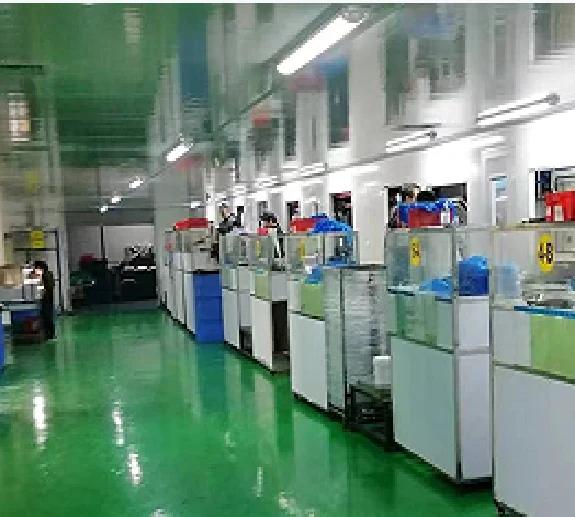
Upon prototype approval, the project transitions to Mass Production. Our manufacturing facilities operate under ISO 9001-certified quality management systems, ensuring batch-to-batch consistency and traceability. Automated mixing lines, calibrated molds, and 100% visual inspection protocols are employed to maintain high yield and reliability. Production outputs are documented with full material certifications and test reports for compliance tracking.

The following table summarizes key technical specifications achievable with the customized f7925 OLP compound:

Property Test Method Typical Value
Hardness (Shore A) ASTM D2240 60–90 ±5
Tensile Strength ASTM D412 ≥10 MPa
Elongation at Break ASTM D412 ≥250%
Compression Set (24h, 70°C) ASTM D395B ≤20%
Volume Swell in IRM 903 (70°C, 70h) ASTM D471 ≤15%
Operating Temperature Range -30°C to +120°C

This systematic customization pathway ensures that every f7925 OLP component meets the exact functional, environmental, and regulatory demands of modern industrial applications.


Contact Engineering Team

f7925 olp manufacturing

Technical Engagement Protocol for f7925 OLP Industrial Rubber Compound

Suzhou Baoshida Trading Co., Ltd. operates at the forefront of precision elastomer engineering, specializing in the development and OEM manufacturing of mission-critical rubber solutions for global industrial applications. Our proprietary f7925 OLP compound represents a significant advancement in oil-resistant, low-permeability polymer formulations, engineered specifically for high-stress hydraulic sealing, aerospace fluid systems, and deep-well drilling equipment. This compound undergoes rigorous batch validation per ASTM D2000 and ISO 3601 standards, ensuring dimensional stability under extreme pressure differentials and prolonged exposure to aggressive hydrocarbons. As your dedicated Rubber Formula Engineer and OEM Manager, I confirm that f7925 OLP delivers unmatched performance in environments where conventional nitrile or FKM materials exhibit premature degradation.

The compound’s technical superiority is quantifiable through controlled laboratory testing and field deployment data. Key performance metrics are summarized below for immediate engineering reference.

Property Test Method Value Unit
Hardness (Shore A) ASTM D2240 75 ± 2
Tensile Strength ASTM D412 24.5 MPa
Elongation at Break ASTM D412 320 %
Compression Set (22h/150°C) ASTM D395 18 %
Volume Swell (IRMOG 150°C/70h) ASTM D471 12 %
Operating Temperature Internal -40 to +180 °C

These specifications reflect the baseline formulation. Suzhou Baoshida maintains full flexibility to adjust the f7925 OLP matrix for client-specific requirements, including enhanced thermal stability up to 200°C, reduced compression set through peroxide curing optimization, or custom reinforcement for dynamic sealing applications. Our ISO 9001-certified production facility in Suzhou integrates real-time rheometry monitoring and FTIR spectroscopy for batch-to-batch consistency, eliminating formulation drift that compromises sealing integrity in critical assemblies.

Industrial procurement managers and R&D engineers requiring technical validation or volume production support must initiate direct consultation with our OEM management team. Mr. Boyce, Lead Technical Account Manager, possesses exclusive authority to disclose formulation IP, negotiate minimum order quantities (MOQs), and coordinate joint development agreements (JDAs) for custom derivatives. His engineering background ensures precise translation of your operational challenges into validated rubber solutions, with full NDA compliance and secure data handling protocols.

Do not rely on generic distributor channels for f7925 OLP procurement. Contact Mr. Boyce immediately at [email protected] to submit material requisition details, request ASTM-certified test reports, or schedule a virtual technical review. Include your application’s pressure rating, fluid media composition, and cycle life requirements to expedite our engineering response. Suzhou Baoshida guarantees a 48-hour technical feedback window for all qualified OEM inquiries, with prototype samples available within 15 business days of specification finalization. Your next-generation sealing performance begins with precise formula ownership—initiate this critical partnership without delay.


⚖️ O-Ring Weight Calculator

Estimate rubber O-ring weight (Approx).


F7925 Olp Manufacturer | Engineering Guide

Contents of Table

Contact [email protected] Whatsapp 86 15951276160