Technical Contents
Engineering Guide: Brake Liner Material

Engineering Insight: The Critical Role of Material Selection in Brake Liner Performance
In industrial braking systems, the performance and longevity of brake liners are directly tied to the precision of material selection. Off-the-shelf solutions, while cost-attractive, frequently fail under real-world operational stress due to their generalized composition and lack of application-specific engineering. At Suzhou Baoshida Trading Co., Ltd., we emphasize that effective brake liner materials must be engineered to meet exact thermal, mechanical, and environmental demands—factors that mass-produced compounds inherently overlook.
Brake liners operate in high-energy environments where friction generates extreme heat, often exceeding 300°C. Standard rubber or composite materials degrade rapidly under such conditions, leading to material hardening, cracking, and loss of frictional consistency. This degradation not only compromises braking efficiency but also increases maintenance downtime and safety risks. The root cause lies in the absence of tailored polymer matrices and reinforcement systems in generic formulations.
High-performance brake liners require elastomers with exceptional thermal stability, such as nitrile rubber (NBR), hydrogenated nitrile (HNBR), or ethylene propylene diene monomer (EPDM), combined with advanced fillers like aramid fibers, carbon black, or ceramic particulates. These components work synergistically to maintain coefficient of friction across temperature gradients, resist wear, and dissipate heat efficiently. Off-the-shelf materials typically use lower-grade fillers and base polymers optimized for cost, not performance, resulting in premature failure.
Moreover, environmental exposure—such as oils, moisture, and ozone—demands chemical resistance that generic compounds cannot provide. For example, in mining or steel mill applications, brake systems are exposed to abrasive dust, hydraulic fluids, and wide temperature swings. A one-size-fits-all liner will swell, soften, or embrittle, losing structural integrity. Precision-engineered materials incorporate protective cross-linking and barrier additives to withstand these challenges.
Custom formulation also allows control over compression set, tensile strength, and dynamic modulus—critical parameters for maintaining contact pressure and responsiveness in braking systems. Without this control, even minor deviations in material behavior can lead to inconsistent braking, pedal fade, or system failure.
At Suzhou Baoshida, we leverage decades of industrial rubber expertise to develop brake liner materials calibrated to the exact duty cycle, load profile, and environmental conditions of our clients’ equipment. This approach ensures reliability, safety, and total cost of ownership advantages over generic alternatives.
Typical Performance Specifications of Engineered Brake Liner Materials
| Property | NBR-Based Compound | HNBR-Based Compound | EPDM-Based Compound |
|---|---|---|---|
| Operating Temperature Range | -30°C to 120°C | -40°C to 150°C | -50°C to 130°C |
| Tensile Strength (MPa) | ≥18 | ≥22 | ≥16 |
| Elongation at Break (%) | ≥300 | ≥280 | ≥350 |
| Hardness (Shore A) | 75–85 | 80–90 | 70–80 |
| Compression Set (22h, 100°C) | ≤25% | ≤20% | ≤30% |
| Friction Coefficient (dry) | 0.35–0.45 | 0.40–0.50 | 0.30–0.40 |
| Fluid Resistance (oil/hydraulic) | Good | Excellent | Poor to Fair |
Material selection is not a commodity decision—it is an engineering imperative. Partnering with a specialist in industrial rubber solutions ensures that brake liner performance aligns precisely with operational demands.
Material Specifications

Brake Liner Material Specifications for Industrial Applications
Selecting optimal elastomeric compounds for brake liners demands rigorous evaluation of thermal stability, chemical resistance, and mechanical endurance under dynamic stress. At Suzhou Baoshida Trading Co., Ltd., we prioritize formulations that maintain dimensional integrity and frictional consistency across operational extremes. Brake liners must resist degradation from hydraulic fluids, oxidize at elevated temperatures, and sustain compressive loads without permanent set. Below we detail critical specifications for Viton, Nitrile, and Silicone rubbers, validated per ASTM D2000 and ISO 37 standards.
The comparative analysis focuses on parameters directly impacting brake performance: continuous operating temperature, resistance to brake fluid glycol ethers, tensile strength retention after heat aging, and compression set at 100°C. These metrics determine service life in automotive and industrial braking systems where failure risks catastrophic safety outcomes.
| Property | Viton (FKM) | Nitrile (NBR) | Silicone (VMQ) |
|---|---|---|---|
| Continuous Temp Range (°C) | -20 to +230 | -30 to +120 | -60 to +200 |
| Peak Short-Term Temp (°C) | 300 | 150 | 250 |
| Tensile Strength (MPa) | 15–20 | 10–18 | 6–10 |
| Elongation at Break (%) | 150–250 | 200–400 | 200–600 |
| Hardness Range (Shore A) | 60–90 | 50–90 | 30–80 |
| Compression Set (70 hrs, 100°C) | ≤20% | ≤35% | ≤25% |
| Brake Fluid Resistance (DOT 3/4) | Excellent | Good | Poor |
| Ozone Resistance | Excellent | Poor | Excellent |
| Key Limitation | Cost sensitivity | Limited high-temp stability | Low abrasion resistance |
Viton exhibits unparalleled resistance to brake fluid glycol ethers and oxidative aging, making it ideal for high-performance or heavy-duty applications exceeding 150°C. Its low compression set ensures consistent pedal feel during repeated braking cycles. Nitrile remains the cost-effective solution for standard automotive systems below 120°C, balancing fuel and oil resistance with mechanical robustness. However, its vulnerability to ozone cracking necessitates protective additives in exposed environments. Silicone’s exceptional low-temperature flexibility suits cold-climate applications but its inferior tensile strength and poor brake fluid compatibility restrict use to non-critical static seals.
Suzhou Baoshida’s OEM engineering team emphasizes that brake liner material selection must align with duty cycle analysis. For example, commercial vehicle fleets operating in desert climates require Viton’s thermal resilience, while urban delivery vans may optimize cost-performance with advanced NBR formulations. All compounds undergo 168-hour dynamic testing simulating 50,000 braking events to validate real-world reliability. We collaborate with clients to match material specs to SAE J1400 standards, ensuring compliance without over-engineering. Precision in elastomer selection directly correlates to reduced brake fade and extended service intervals—critical metrics for industrial fleet operators. Consult our technical dossier for compound-specific aging curves and friction coefficient data.
Manufacturing Capabilities

Engineering Capability
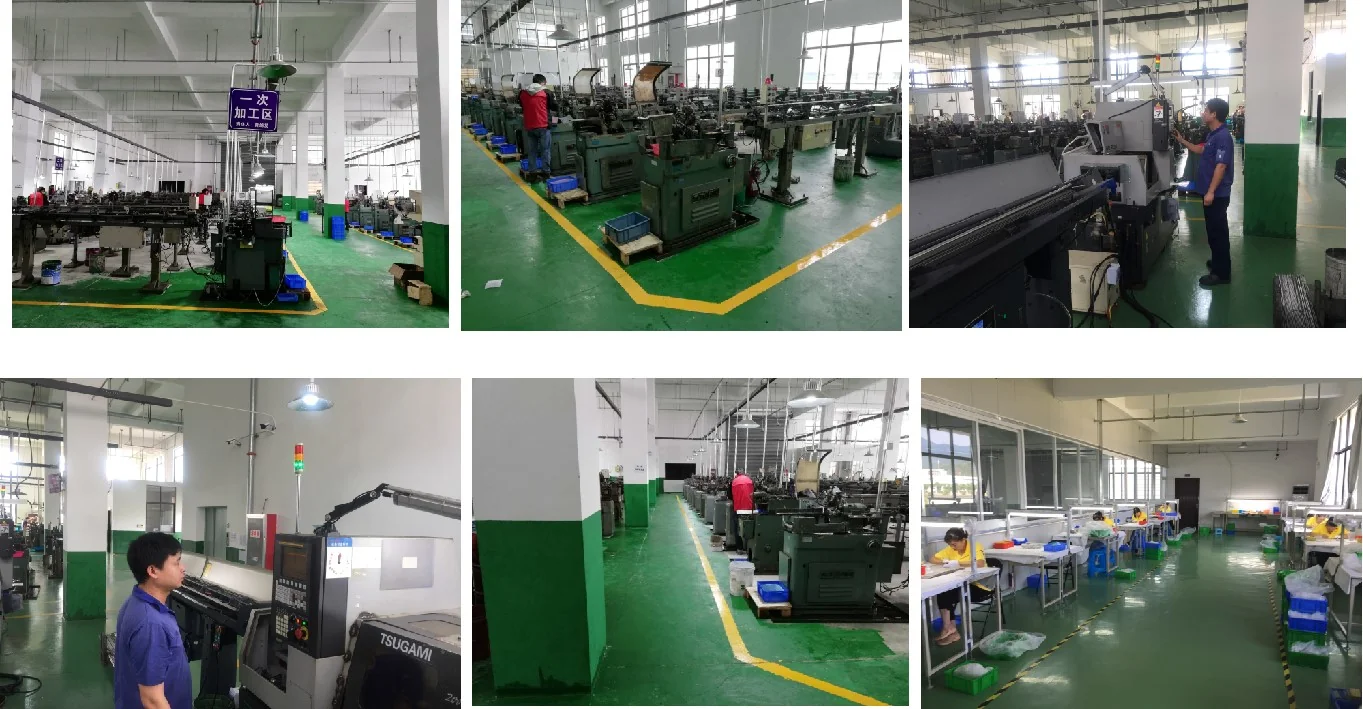
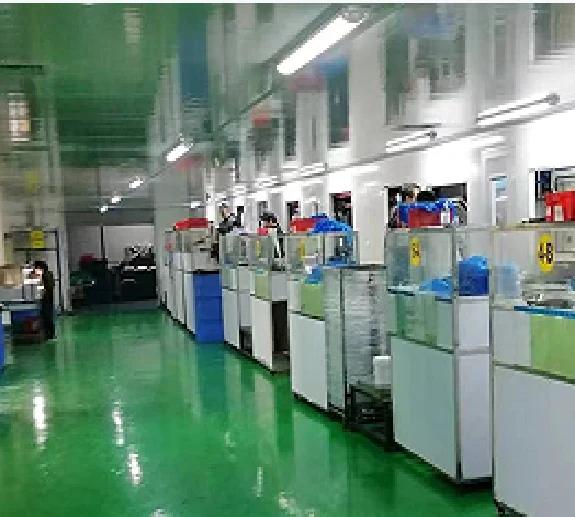
At Suzhou Baoshida Trading Co., Ltd., our engineering capability forms the backbone of our industrial rubber solutions, particularly in the development and production of high-performance brake liner materials. With a dedicated team of five mould engineers and two specialized rubber formula engineers, we maintain full in-house control over the entire product development cycle—from concept and material formulation to tooling design and final validation. This integrated approach ensures precision, repeatability, and rapid time-to-market for our OEM partners.
Our formula engineers possess deep expertise in elastomer chemistry, focusing on optimizing rubber compounds for specific mechanical and thermal performance criteria. For brake liner applications, this includes formulating materials with exceptional heat resistance, friction stability, wear resistance, and noise-damping characteristics. Through iterative lab testing and real-world simulation, we tailor formulations using EPDM, NBR, HNBR, and specialty silicone blends, ensuring compatibility with diverse operating environments and regulatory standards. Each compound is engineered to meet or exceed OEM performance benchmarks, including DIN, ISO, and SAE specifications.
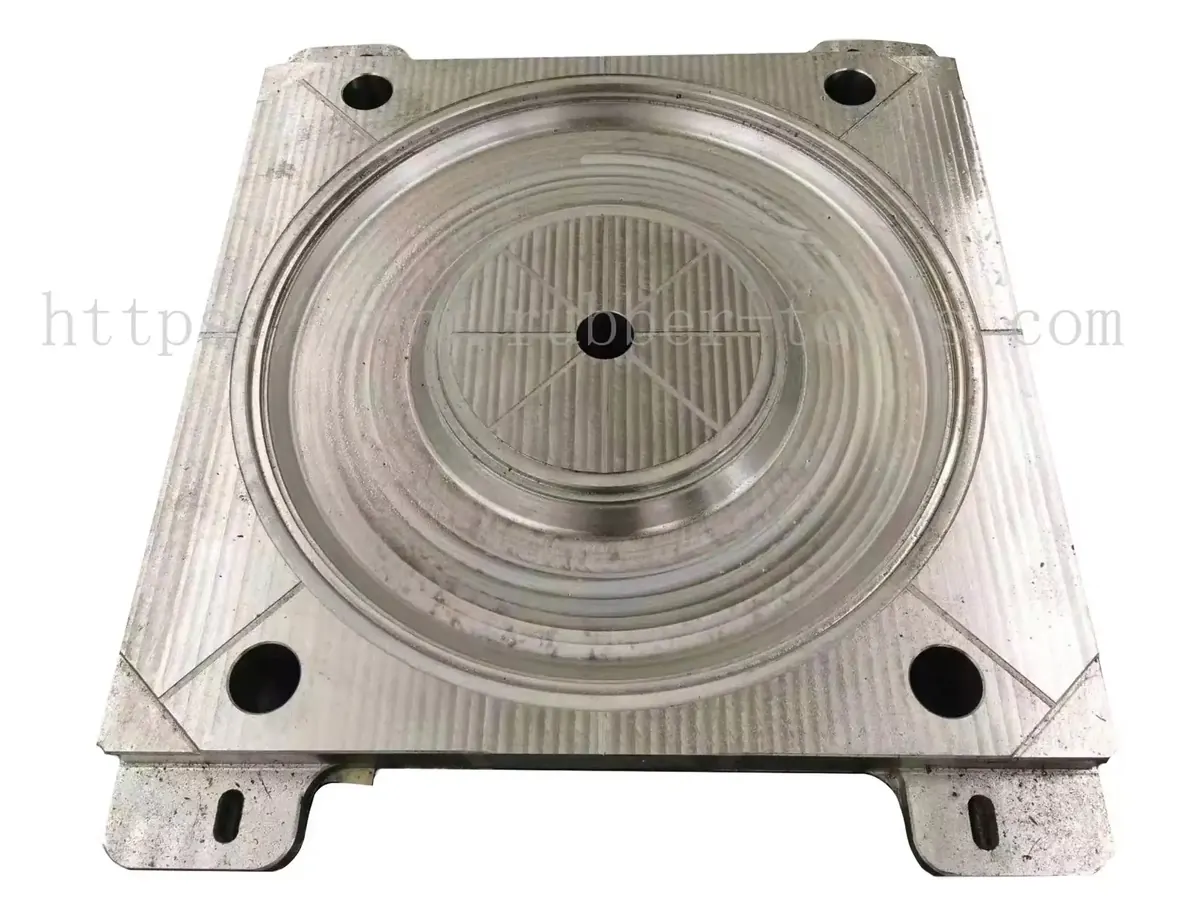
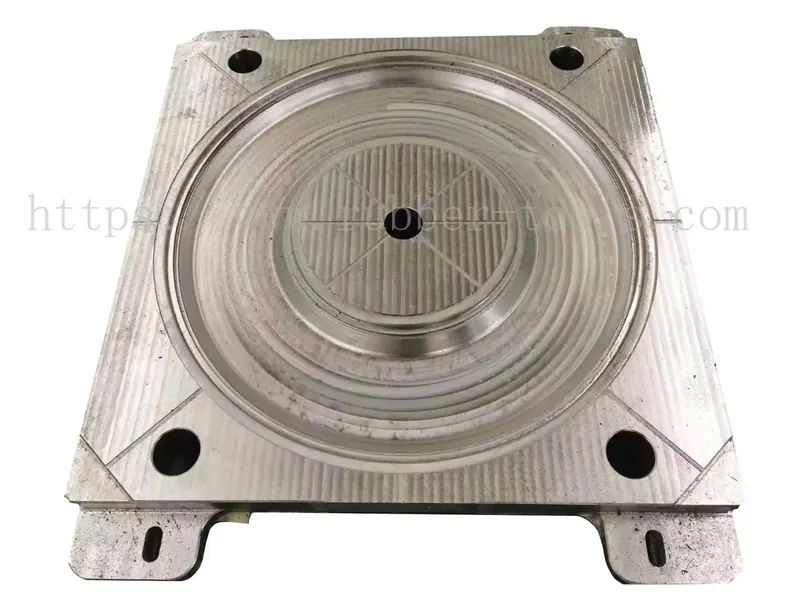
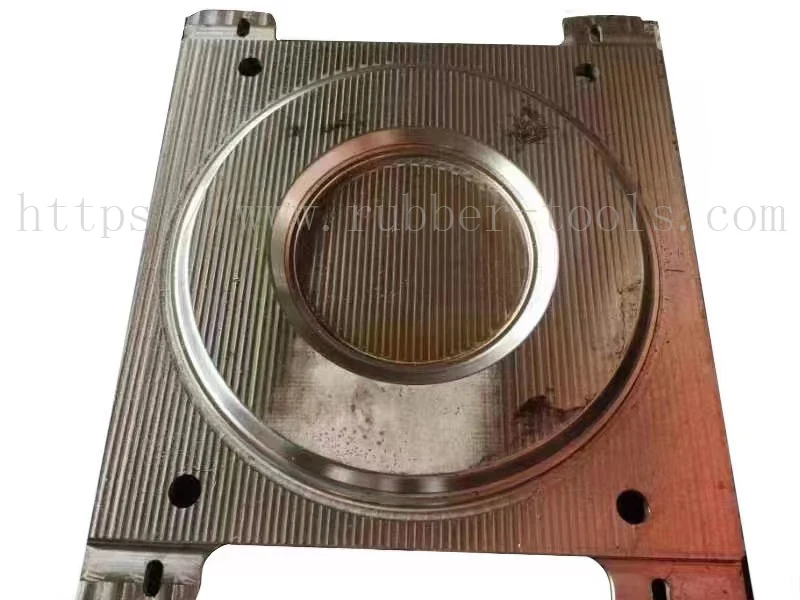
Complementing material development, our five mould engineers bring extensive experience in precision tooling design and manufacturing process optimization. Utilizing advanced CAD/CAM software and CNC machining, they develop robust mould systems that ensure dimensional accuracy, uniform material flow, and minimal flash. Our team specializes in multi-cavity and family moulds, enabling cost-effective, high-volume production without compromising quality. Finite element analysis (FEA) is routinely applied to predict mould behavior under thermal and mechanical stress, reducing trial iterations and enhancing tool longevity.
Our OEM capabilities are structured to support global manufacturers in the automotive, rail, and industrial machinery sectors. We offer complete design-for-manufacturability (DFM) reviews, prototyping within 15–20 days, and full documentation packages including material certifications, process capability studies (Cp/Cpk), and PPAP submissions. All production processes are conducted under ISO 9001-certified quality management systems, with real-time monitoring and traceability at every stage.
The synergy between our formula and mould engineering teams enables us to deliver brake liner materials that are not only technically superior but also optimized for scalable, consistent manufacturing. This vertical integration of material science and precision engineering positions Suzhou Baoshida as a trusted partner in advanced industrial rubber solutions.
Typical Brake Liner Material Specifications
| Property | Test Method | Typical Value |
|---|---|---|
| Hardness (Shore A) | ASTM D2240 | 70–85 |
| Tensile Strength | ASTM D412 | ≥12 MPa |
| Elongation at Break | ASTM D412 | ≥250% |
| Compression Set (22 hrs, 100°C) | ASTM D395 | ≤25% |
| Operating Temperature Range | — | -40°C to +150°C (up to +180°C intermittent) |
| Friction Coefficient (dynamic) | DIN 53509 | 0.35–0.45 |
| Abrasion Resistance (DIN Abrader) | DIN 53516 | ≤80 mm³ loss |
Customization Process

Customization Process for High-Performance Brake Liner Material
At Suzhou Baoshida Trading Co., Ltd., our brake liner material customization adheres to a rigorously defined workflow, ensuring alignment with OEM performance, safety, and regulatory demands. This process transforms initial technical drawings into certified mass-produced components through four sequential phases, each governed by industrial precision standards.
Drawing Analysis
The foundation begins with comprehensive interpretation of OEM engineering drawings. Our team scrutinizes geometric dimensioning and tolerancing (GD&T), surface finish requirements, and operational constraints such as maximum operating temperature, dynamic load profiles, and environmental exposure. Critical attention is given to interface geometry with caliper assemblies and rotor contact zones. Material thickness tolerances, porosity limits, and bonding surface specifications are evaluated against ISO 6310 and SAE J661 standards. This phase identifies potential manufacturability conflicts early, such as undercuts affecting mold release or material flow during curing.
Formulation Development
Leveraging Suzhou Baoshida’s proprietary rubber compound database, we engineer bespoke elastomer matrices targeting the exact friction coefficient decay profile, thermal stability, and wear resistance defined in the drawing analysis. Key parameters include optimizing the balance between nitrile rubber (NBR) or hydrogenated nitrile (HNBR) base polymers, reinforcing fillers (e.g., aramid fibers, ceramic particulates), and friction modifiers. Curing kinetics are precisely calibrated for the target molding process, ensuring complete crosslinking at production cycle times while preventing scorch during transfer. Formulation validation includes small-batch laboratory testing for hardness (Shore A), tensile strength, and thermal decomposition onset via TGA.
Prototyping and Validation
Two iterative prototyping cycles are standard. Initial prototypes undergo dimensional verification via CMM against the OEM drawing, followed by bench testing on inertia dynamometers per SAE J2522. Critical metrics include fade resistance at 350°C, recovery performance after thermal saturation, and noise/vibration/harshness (NVH) thresholds. Material microstructure is analyzed via SEM to confirm filler dispersion and bonding integrity. Client feedback on dynamometer results drives formulation adjustments before final validation. Only upon achieving 100% compliance with the OEM’s performance envelope do we approve the prototype for tooling sign-off.
Mass Production Implementation
Full-scale production initiates with statistical process control (SPC) monitoring of critical parameters: compound viscosity (Mooney ML 1+4 @ 100°C), cure state (t90 via MDR), and post-cure dimensional stability. Each production batch undergoes 100% visual inspection and automated thickness mapping. Random samples per ISO 2859-1 undergo destructive testing for tensile properties and friction coefficient consistency across 150–350°C. Traceability is maintained via batch-specific material certificates (ISO 17025 accredited lab data) and serialized production logs.
Key Material Specifications Translated from OEM Inputs
| Parameter | OEM Requirement | Baoshida Solution | Testing Standard |
|---|---|---|---|
| Max Operating Temp | 350°C | Ceramic-modified HNBR matrix | ISO 6310 Annex A |
| Dynamic Friction Coeff | 0.38 ± 0.03 (200°C) | Optimized aramid/copper fiber blend | SAE J661 |
| Compressive Strength | ≥ 25 MPa @ 250°C | Nano-silica reinforcement | ISO 3385 |
| Wear Rate | ≤ 0.5 mm/km (fade) | Hybrid organic/inorganic frictionator | SAE J2522 |
| Bond Strength | ≥ 8 MPa (shear) | Plasma-treated bonding layer | ASTM D429 Method B |
This structured methodology ensures Suzhou Baoshida delivers brake liners that meet exacting automotive safety standards while minimizing time-to-market for OEM partners. Every phase integrates real-time data feedback, guaranteeing repeatability and zero-defect performance in serial production.
Contact Engineering Team

For industrial manufacturers seeking high-performance brake liner materials, Suzhou Baoshida Trading Co., Ltd. stands as a trusted partner in the development and supply of advanced rubber-based friction solutions. With years of engineering expertise in industrial rubber formulations, our team specializes in custom-tailored brake liner compounds that meet rigorous operational demands across heavy machinery, rail systems, automotive transmissions, and industrial braking units. Our materials are engineered for optimal heat resistance, wear durability, and consistent friction performance under variable load and temperature conditions.
At Suzhou Baoshida, we understand that brake liner performance is not a commodity metric—it is a function of precise elastomer formulation, filler dispersion, and reinforcement architecture. Our R&D team leverages state-of-the-art compounding techniques and rigorous QA protocols to deliver materials that comply with international standards including ISO 6192, GB/T 22309, and ASTM D395. Whether you require asbestos-free formulations, high-temperature resistant nitrile blends, or low-noise silicone-modified compounds, we provide engineered solutions calibrated to your application’s mechanical and thermal profile.
We invite OEMs, Tier-1 suppliers, and industrial equipment manufacturers to engage directly with our technical sales team to discuss material specifications, performance benchmarks, and custom formulation pathways. All inquiries are handled with strict confidentiality and technical rigor, ensuring alignment with your production timelines and quality benchmarks.
Contact Mr. Boyce, our dedicated OEM Manager and Rubber Formula Engineer, to initiate a technical consultation. Mr. Boyce brings over a decade of experience in friction material development and client-specific rubber engineering. He will work closely with your team to assess performance requirements, review environmental operating conditions, and recommend or develop a brake liner material solution that enhances reliability and reduces lifecycle costs.
Below is a representative specification table for one of our standard high-performance brake liner compounds. Custom formulations may vary based on application-specific needs.
| Property | Test Method | Typical Value |
|---|---|---|
| Hardness (Shore A) | ASTM D2240 | 85 ± 5 |
| Tensile Strength | ASTM D412 | ≥18 MPa |
| Elongation at Break | ASTM D412 | ≥250% |
| Compression Set (22h at 100°C) | ASTM D395 | ≤25% |
| Friction Coefficient (Dynamic) | GB/T 22309 | 0.38–0.45 (on steel) |
| Operating Temperature Range | — | -40°C to +300°C |
| Abrasion Resistance (Volume Loss) | ASTM D1630 | ≤120 mm³ |
All materials undergo batch-specific quality verification, and we support full traceability, technical data sheets, and sample provisioning upon request. Our production network ensures scalable supply with consistent quality for both prototyping and high-volume manufacturing.
To discuss your brake liner material requirements or request a sample evaluation, contact Mr. Boyce directly at [email protected]. Include your technical specifications, volume expectations, and application context to enable a rapid and precise response. Suzhou Baoshida Trading Co., Ltd. is committed to advancing industrial performance through engineered rubber solutions—partner with us to drive innovation in braking technology.
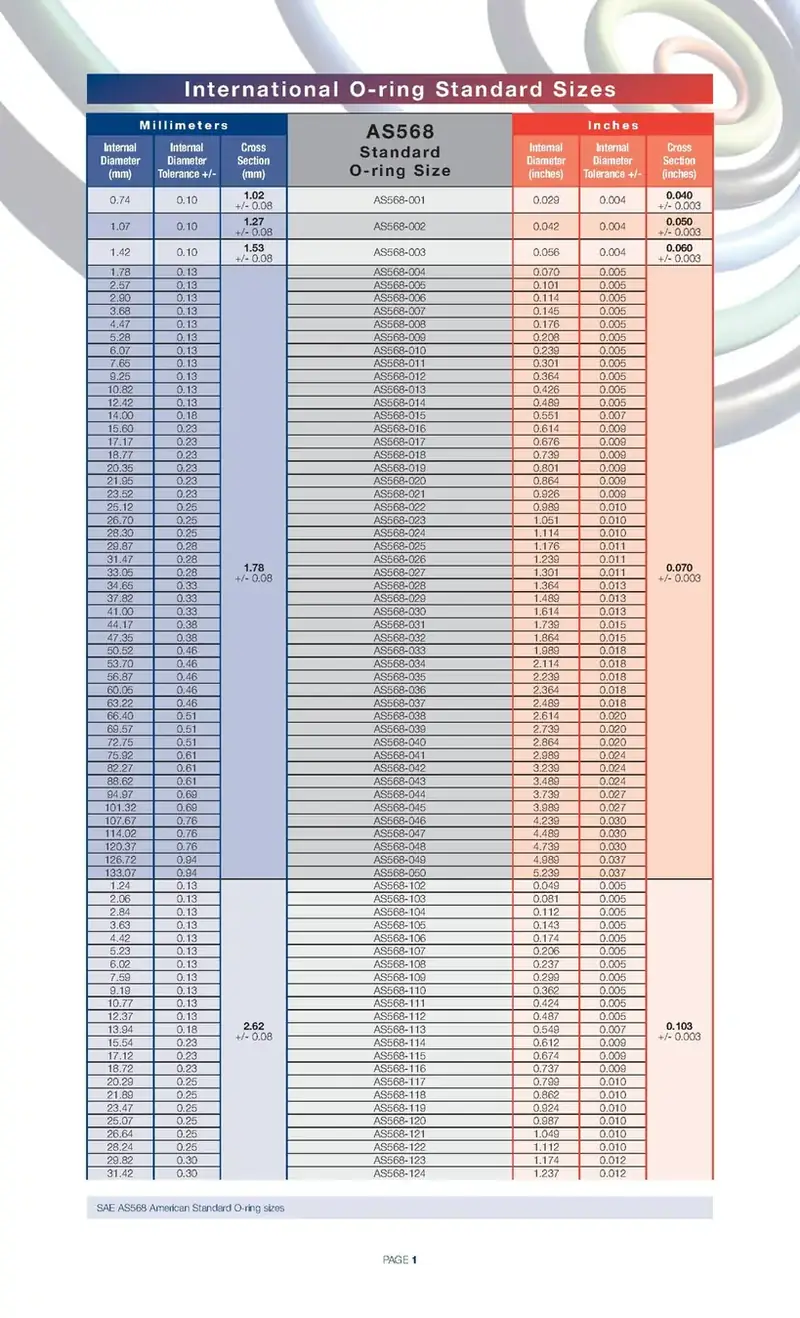
⚖️ O-Ring Weight Calculator
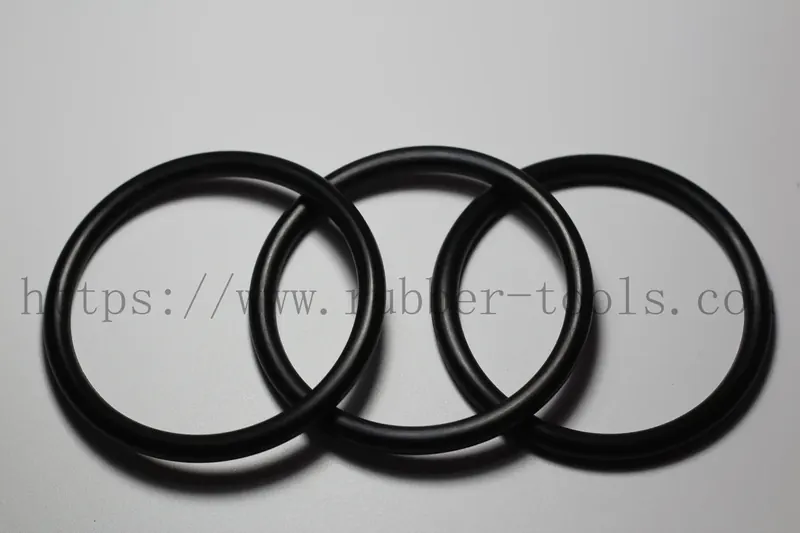
Estimate rubber O-ring weight (Approx).