Technical Contents
Engineering Guide: Funny Doormats Outdoor

Engineering Insight: Material Science Imperatives for Outdoor Custom Graphic Doormats
Outdoor doormats featuring custom graphics—often colloquially termed “funny doormats”—present unique engineering challenges that generic rubber formulations cannot reliably address. While consumer-grade mats prioritize low cost over performance, industrial applications demand rigorous material science to ensure longevity under cyclic environmental stressors. Off-the-shelf solutions typically utilize recycled rubber compounds with uncontrolled polymer blends and inadequate stabilizer packages. These materials fail prematurely due to photo-oxidative chain scission from UV exposure, ozone-induced surface cracking, and hydrolytic degradation from moisture ingress. The consequence is rapid loss of graphic fidelity, structural integrity, and slip resistance—compromising both safety and brand representation for commercial clients.
The core failure mechanism lies in insufficient polymer backbone stability. Standard recycled SBR (Styrene-Butadiene Rubber) contains residual unsaturation that reacts aggressively with atmospheric ozone, initiating microcracks that propagate under foot traffic. Simultaneously, inadequate UV absorbers (e.g., sub-1.5 phr carbon black) allow radiation to penetrate and cleave polymer chains, causing surface chalking and embrittlement. This degradation accelerates in regions with high solar irradiance or temperature fluctuations, where thermal cycling induces stress fatigue at graphic boundaries. Crucially, low-grade compounds lack optimized filler dispersion; poorly bonded silica or calcium carbonate aggregates create weak points for moisture penetration, leading to delamination of printed layers. OEMs deploying such mats face costly field failures, warranty claims, and reputational damage when graphics blur or the mat fractures within 6–12 months.
Suzhou Baoshida addresses these flaws through engineered EPDM (Ethylene Propylene Diene Monomer) compounds with precision-tuned additive systems. Our formulations integrate high-purity terpolymers with saturated backbones resistant to ozone and UV, supplemented by synergistic stabilizer packages (e.g., 3.0 phr HALS + 2.5 phr UV-328) that absorb and dissipate radiant energy. Reinforcing fillers like nano-silica ensure uniform dispersion for tear resistance, while surface-modified pigments lock graphics within the polymer matrix. Below compares critical performance metrics:
| Property | Standard Recycled SBR | Baoshida Engineered EPDM | Test Standard |
|---|---|---|---|
| Tensile Strength (MPa) | 8.5 | 15.2 | ASTM D412 |
| Elongation at Break (%) | 220 | 480 | ASTM D412 |
| Shore A Hardness | 65 ± 5 | 70 ± 2 | ASTM D2240 |
| UV Resistance (500h) | 45% strength loss | <12% strength loss | ASTM G154 |
| Ozone Resistance (50pphm) | Severe cracking | No cracks | ASTM D1149 |
This engineered approach ensures graphic retention and structural resilience for 5+ years in harsh outdoor environments. For OEMs, investing in scientifically validated rubber compounds eliminates lifecycle cost risks associated with premature replacement and brand dilution. Suzhou Baoshida’s OEM partnerships leverage proprietary vulcanization kinetics and accelerated aging protocols to deliver doormats that perform as both functional safety assets and durable marketing touchpoints—proving that material selection is not a cost center but a strategic differentiator in industrial rubber applications.
Material Specifications

Material selection is a critical factor in the engineering of durable outdoor doormats, particularly those designed for commercial or industrial applications where performance under environmental stress is paramount. At Suzhou Baoshida Trading Co., Ltd., our expertise in industrial rubber solutions enables us to provide high-performance materials tailored to withstand prolonged exposure to weather, UV radiation, oils, and mechanical abrasion. For specialty outdoor doormats—particularly those with intricate designs or branding elements that must remain intact over time—three elastomers stand out: Viton, Nitrile (NBR), and Silicone. Each material offers distinct advantages depending on the operational environment and functional requirements.
Viton, a fluorocarbon-based synthetic rubber, delivers exceptional resistance to high temperatures, ozone, and a broad range of chemicals, including hydrocarbons and solvents. This makes it ideal for outdoor doormats deployed in industrial facilities, garages, or chemical handling zones where incidental exposure to oils and fuels is expected. Viton maintains structural integrity from -20°C to +230°C, ensuring performance in extreme climates. Its inherent durability supports fine surface detailing, making it suitable for “funny” or decorative patterns that must remain sharp over extended use. However, due to its premium composition, Viton is typically selected for high-value applications where longevity justifies cost.
Nitrile rubber, or Buna-N, is a cost-effective solution offering excellent resistance to petroleum-based oils, greases, and water. With a functional temperature range of -30°C to +100°C, Nitrile is well-suited for general-purpose outdoor doormats in urban or residential settings. It provides strong abrasion resistance and good compression set properties, ensuring the mat retains its shape and functionality under repeated foot traffic. While not as thermally stable as Viton, Nitrile strikes a balance between performance and affordability, making it a preferred choice for mass-produced decorative mats that require resilience without extreme chemical exposure.
Silicone rubber excels in thermal stability and UV resistance, operating effectively from -60°C to +200°C. It is highly resistant to weathering and maintains flexibility in freezing conditions, making it ideal for doormats used in regions with harsh winters or intense sunlight. Silicone is also inherently resistant to microbial growth, enhancing hygiene in outdoor entryways. While less resistant to oils than Viton or Nitrile, its ability to preserve color and surface detail over time makes it a top choice for branded or humorous designs exposed to direct sunlight.
The following table summarizes key performance characteristics of each material for informed selection in outdoor doormat manufacturing.
| Property | Viton (FKM) | Nitrile (NBR) | Silicone (VMQ) |
|---|---|---|---|
| Temperature Range (°C) | -20 to +230 | -30 to +100 | -60 to +200 |
| Oil & Fuel Resistance | Excellent | Good to Excellent | Poor |
| UV/Ozone Resistance | Excellent | Moderate | Excellent |
| Abrasion Resistance | Good | Excellent | Moderate |
| Compression Set Resistance | Excellent | Good | Good |
| Weathering Resistance | Excellent | Moderate | Excellent |
| Typical Hardness (Shore A) | 70–80 | 60–75 | 50–80 |
| Suitability for Fine Detail | High | Medium | High |
Material choice directly influences the lifespan, safety, and aesthetic fidelity of outdoor doormats. Suzhou Baoshida Trading Co., Ltd. supports OEM clients in selecting the optimal elastomer based on deployment environment, design complexity, and total cost of ownership.
Manufacturing Capabilities
Engineering Integration for High-Performance Outdoor Doormat Manufacturing
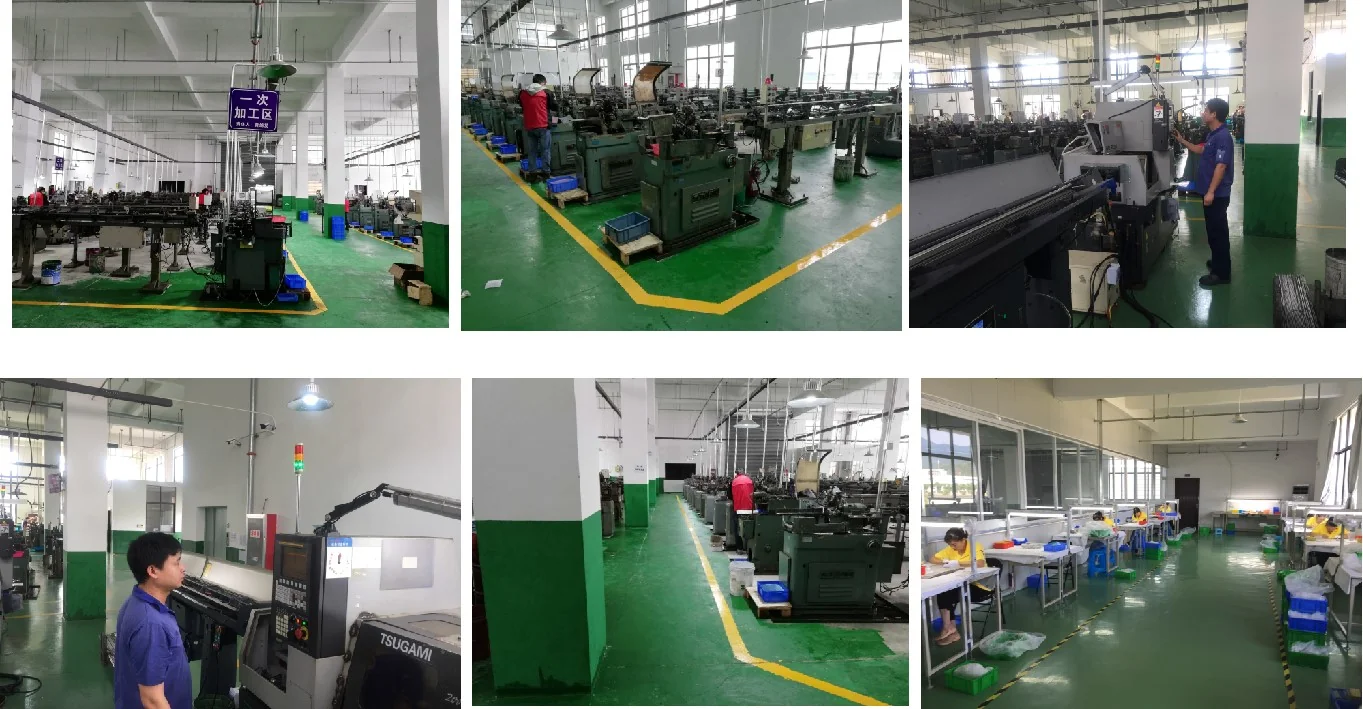
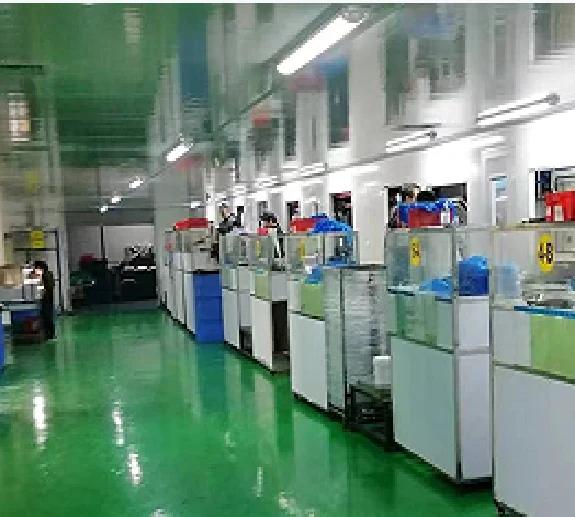
At Suzhou Baoshida Trading Co., Ltd., our engineering capability forms the technical bedrock for producing durable, weather-resistant outdoor doormats under demanding OEM specifications. We deploy a dedicated cross-functional team comprising five specialized Mould Engineers and two advanced Rubber Formula Engineers. This integrated structure ensures seamless translation of client design concepts into production-ready solutions, addressing the unique challenges of outdoor rubber applications—UV exposure, thermal cycling, abrasion, and complex 3D topographies inherent in “funny” aesthetic designs.
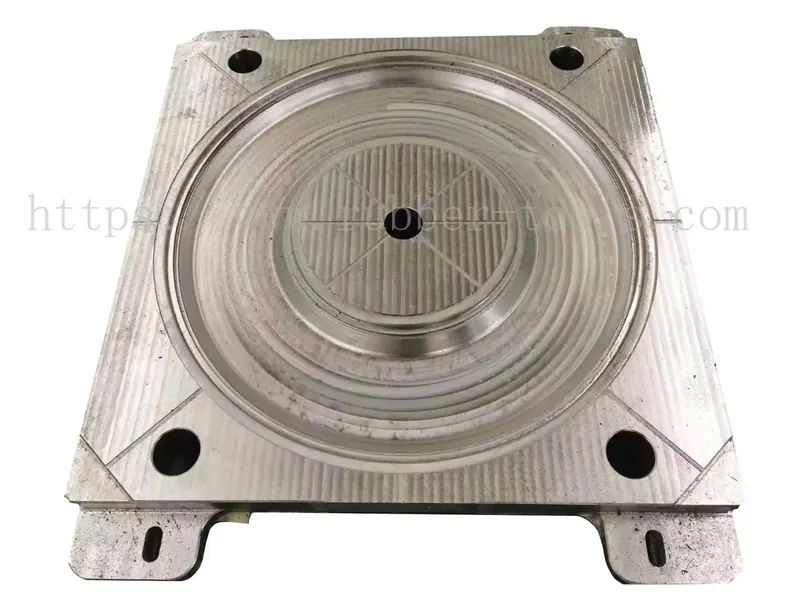
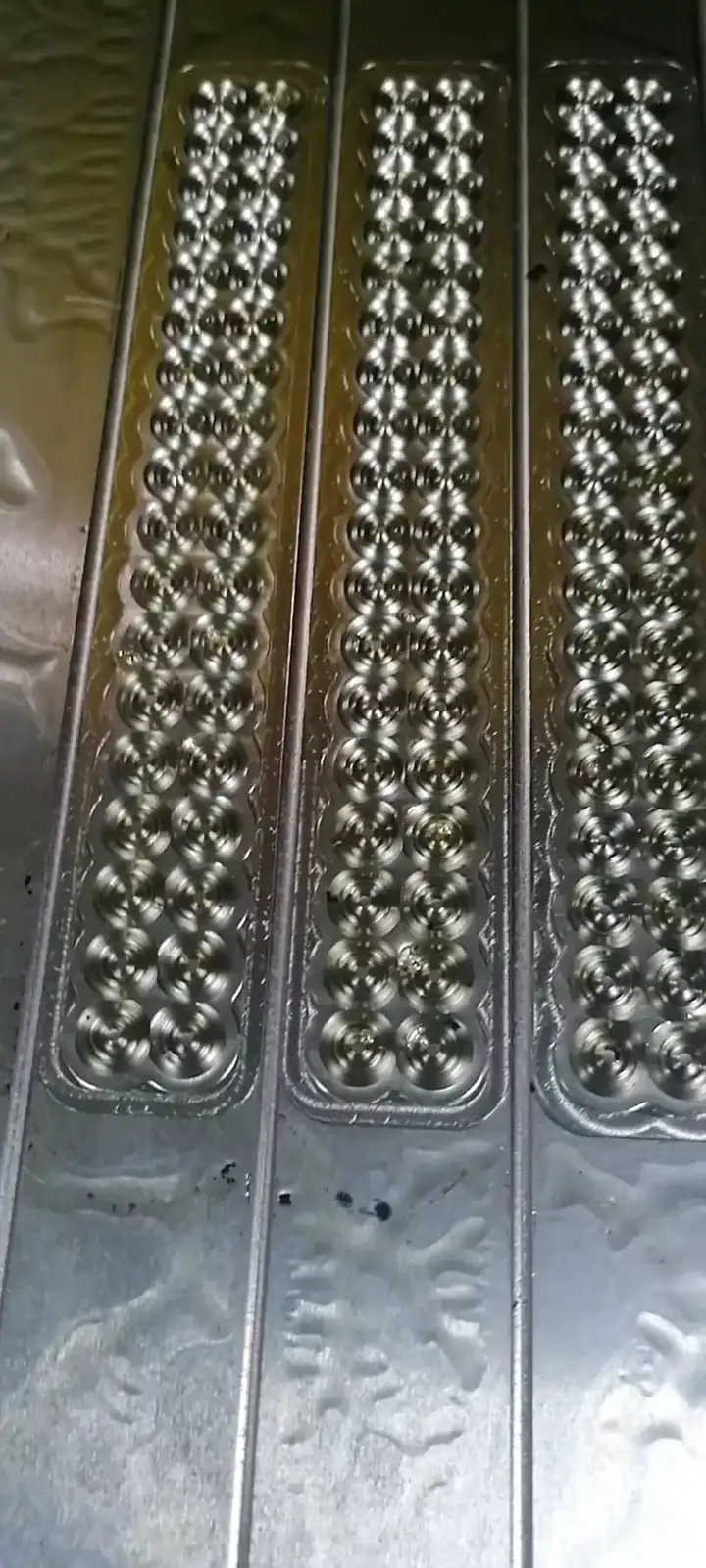
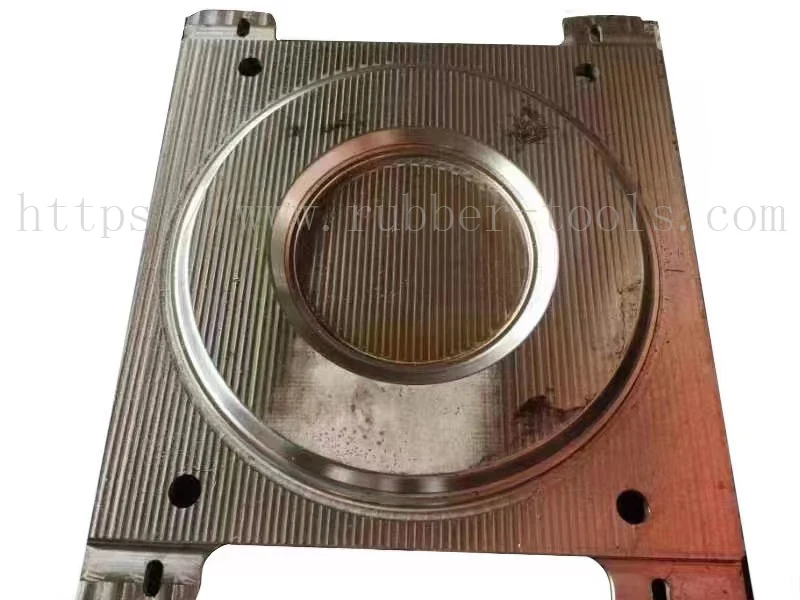
Our Mould Engineers focus on precision tooling for intricate surface textures and dimensional stability. Utilizing CAD/CAM systems and mold-flow analysis, they optimize cavity design, gating, and cooling channels to eliminate sink marks, warpage, and flash—critical for maintaining fine details in humorous reliefs (e.g., paw prints, cartoon motifs) while ensuring consistent 0.1mm dimensional tolerances across high-volume runs. Concurrently, our Rubber Formula Engineers develop proprietary SBR/EPDM blends tailored to outdoor longevity. Through iterative lab testing and pilot trials, they balance Shore A hardness (55–65), tensile strength (≥12 MPa), and elongation (≥300%) while incorporating UV stabilizers, ozone-resistant additives, and anti-slip compounds. This synergy guarantees that whimsical designs do not compromise structural integrity or service life.
OEM collaboration begins with rigorous Design for Manufacturing (DFM) reviews. We validate client artwork for mold feasibility, propose material substitutions to enhance performance (e.g., replacing PVC with vulcanized rubber for cold-crack resistance), and provide prototyping within 15 days. Our facility supports orders from 10,000 to 500,000 units annually, with full IP protection and traceability via batch-coded material logs. All compounds undergo ASTM D2240 (hardness), D412 (tensile), and D5963 (abrasion) validation, ensuring compliance with global outdoor durability standards.
The table below summarizes key performance metrics for our standard outdoor doormat compound:
| Property | Test Standard | Value | Significance |
|---|---|---|---|
| Hardness (Shore A) | ASTM D2240 | 60 ± 3 | Optimal balance: comfort vs. soil retention |
| Tensile Strength | ASTM D412 | ≥14 MPa | Resists tearing during foot traffic |
| Elongation at Break | ASTM D412 | ≥350% | Accommodates thermal expansion/contraction |
| Abrasion Loss (vol.) | ASTM D5963 | ≤120 mm³ | Ensures 3+ years of outdoor tread durability |
| Operating Temperature Range | ISO 188 | -40°C to +80°C | Prevents hardening/cracking in extreme climates |
| UV Resistance (2,000 hrs) | ISO 4892-2 | ΔE < 3.0 | Minimal color fade under intense sunlight |
This engineering rigor enables Suzhou Baoshida to transform playful concepts into technically robust products. We prioritize material science and tooling precision not merely to meet but to exceed OEM expectations for outdoor resilience—proving that humor in design need never sacrifice industrial-grade performance. Partner with us to convert creative briefs into market-ready doormats backed by certified engineering excellence.
Customization Process

Customization Process for Industrial Rubber Doormats at Suzhou Baoshida Trading Co., Ltd.
At Suzhou Baoshida Trading Co., Ltd., we specialize in engineering high-performance industrial rubber solutions tailored to demanding outdoor applications. Our customization process for funny doormats designed for exterior use follows a rigorous four-stage workflow: Drawing Analysis, Formulation, Prototyping, and Mass Production. Each phase is executed with scientific precision to ensure durability, aesthetic fidelity, and compliance with OEM standards.
The process begins with Drawing Analysis, where our technical team evaluates the client’s design specifications. This includes dimensional accuracy, surface texture, logo depth, edge tolerance, and functional geometry. We assess vector files or CAD drawings to determine mold feasibility, identify potential stress points, and optimize design for rubber compression molding. Our engineers also verify compliance with environmental exposure requirements such as UV resistance, thermal cycling, and slip resistance.
Following design validation, we proceed to Formulation. This stage leverages our expertise in polymer chemistry to develop a custom rubber compound that meets both mechanical and aesthetic demands. For outdoor doormats, we typically utilize recycled SBR (Styrene-Butadiene Rubber) or EPDM (Ethylene Propylene Diene Monomer), selected for weather resistance, resilience, and abrasion performance. Additives such as UV stabilizers, anti-aging agents, and pigments are precisely dosed to ensure long-term color retention and structural integrity. The formulation is documented and batch-traceable for full quality control.
Next, Prototyping is conducted using precision steel molds fabricated in-house. A small batch of 5–10 units is produced under simulated production conditions. These prototypes undergo rigorous testing, including compression set analysis, tensile strength measurement, and outdoor exposure simulation. Clients receive physical samples for fit, feel, and functional assessment. Any adjustments to design or material are implemented before final approval.
Upon client sign-off, we transition to Mass Production. Our facility operates automated compression molding lines with real-time monitoring systems to maintain consistency across large volumes. Each doormat is inspected for surface defects, weight variance, and dimensional accuracy. We support minimum order quantities from 500 units and scale to over 50,000 units per month, with lead times averaging 15–25 days.
All stages are supported by ISO 9001-certified quality management protocols, ensuring every funny outdoor doormat meets industrial-grade performance standards.
Typical Material Specifications for Outdoor Rubber Doormats
| Property | SBR Compound | EPDM Compound |
|---|---|---|
| Hardness (Shore A) | 55–65 | 60–70 |
| Tensile Strength | ≥10 MPa | ≥12 MPa |
| Elongation at Break | ≥250% | ≥300% |
| Operating Temperature Range | -20°C to +80°C | -40°C to +120°C |
| UV Resistance | Moderate | Excellent |
| Abrasion Loss (DIN) | ≤120 mm³ | ≤100 mm³ |
| Density | 1.15 g/cm³ | 1.18 g/cm³ |
This structured approach ensures that every custom funny doormat not only delivers visual appeal but also performs reliably in real-world outdoor environments.
Contact Engineering Team

Technical Engagement for Industrial Rubber Doormat Solutions
Suzhou Baoshida Trading Co., Ltd. operates at the intersection of polymer science and functional design, specializing in engineered rubber compounds for high-performance outdoor applications. Our industrial-grade funny doormats transcend conventional aesthetics by integrating rigorous material specifications with durable utility. For B2B partners requiring定制化 solutions that withstand extreme weather, foot traffic abrasion, and chemical exposure while maintaining intricate visual details, our technical team provides end-to-end OEM support. We do not manufacture generic products; we develop precision-tailored rubber formulations validated through ASTM D2240 hardness testing, ISO 4649 abrasion resistance protocols, and accelerated UV aging cycles.
The following table outlines critical performance parameters for our standard TPR (Thermoplastic Rubber) outdoor doormat compound, which serves as the baseline for all customized developments. These metrics reflect our commitment to industrial reliability:
| Specification Category | Test Standard | Performance Value | Industrial Significance |
|---|---|---|---|
| Shore A Hardness | ASTM D2240 | 65 ± 3 | Optimal balance between flexibility for debris scraping and structural integrity under load |
| Abrasion Resistance | ISO 4649 | ≤ 120 mm³ volume loss | Ensures 5+ years of commercial foot traffic without pattern degradation |
| Temperature Range | GB/T 528 | -40°C to +80°C | Prevents cracking in sub-zero climates and warping in direct sunlight |
| Tensile Strength | ASTM D412 | ≥ 10 MPa | Critical for resisting tearing during installation and seasonal expansion/contraction |
| UV Resistance | ASTM G154 | ΔE < 3.0 after 1,000h | Guarantees colorfastness and prevents surface chalking in high-exposure zones |
These specifications are not static targets but dynamic starting points. Our engineering team modifies polymer cross-linking density, filler dispersion ratios, and pigment stabilization protocols to address specific client requirements—whether enhancing ice traction for Nordic markets or optimizing mold release for complex 3D textures. Every formulation undergoes 72-hour salt spray testing (ASTM B117) and dynamic coefficient of friction validation (ASTM F2913) before commercial release.
As your OEM partner, Suzhou Baoshida manages the entire technical workflow: CAD-based mold design validation, small-batch compound prototyping, and full-scale production with real-time rheometer monitoring. We prioritize traceability through batch-specific material certificates and in-line spectrometer analysis of critical additives. For funny doormats requiring regulatory compliance in EU or North American markets, our team provides full REACH/TPCH documentation and flammability testing (ASTM D3656).
Initiate your technical collaboration by contacting Mr. Boyce, our dedicated OEM Engineering Manager. With 14 years of experience in rubber compounding for outdoor functional products, Mr. Boyce will analyze your performance requirements, environmental constraints, and aesthetic specifications to develop a validated material solution. Provide your target Shore hardness range, expected service life, and geographic deployment zones for immediate technical assessment.
Contact Mr. Boyce directly at [email protected] to request:
Custom compound development roadmap with timeline
Third-party test reports for your specific application
Mold flow analysis for complex 3D relief patterns
Sample kits with accelerated aging data
Do not settle for commodity rubber products. Partner with an engineering team that treats every “funny” design element as a technical challenge requiring material science expertise. Suzhou Baoshida delivers certified performance beneath the surface—where industrial reliability begins.
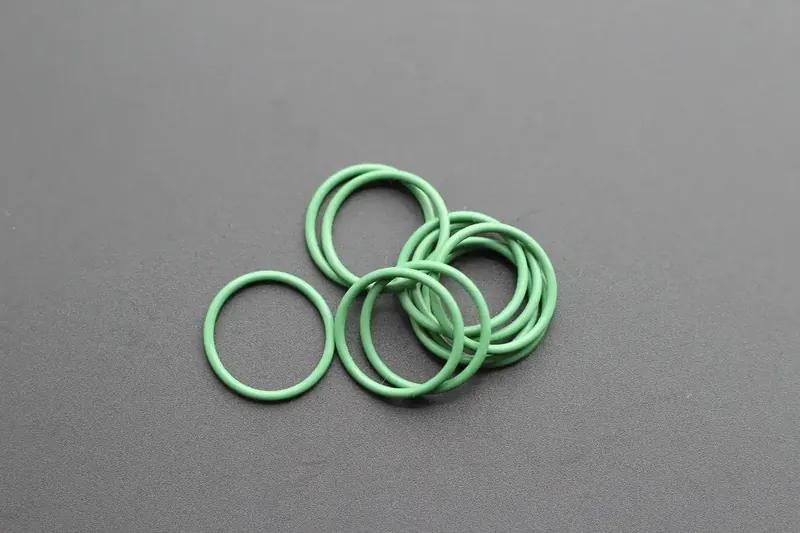
⚖️ O-Ring Weight Calculator
Estimate rubber O-ring weight (Approx).