Latex By The Yard Manufacturer | Engineering Guide

Engineering Guide: Latex By The Yard

latex by the yard manufacturing

Engineering Insight: The Critical Role of Material Selection in Latex by the Yard Applications

In industrial rubber solutions, the phrase “latex by the yard” often evokes images of flexible, stretchable sheeting used across sectors ranging from medical device manufacturing to automated machinery sealing. However, the assumption that such material is a commodity—interchangeable and easily sourced—leads to systemic performance failures in demanding environments. At Suzhou Baoshida Trading Co., Ltd., we emphasize that latex sheeting is not a one-size-fits-all material. Its performance is directly governed by precise formulation, curing methodology, and application-specific engineering.

Natural latex, derived from Hevea brasiliensis, offers exceptional elasticity, tensile strength, and resilience. These properties make it ideal for dynamic applications involving repeated flexing, compression, or impact absorption. Yet, unmodified or generic latex formulations degrade rapidly under UV exposure, ozone, elevated temperatures, or contact with certain chemicals. Off-the-shelf latex by the yard often lacks the stabilizers, antioxidants, or cross-linking agents required for industrial durability. As a result, premature cracking, loss of elasticity, and failure under load are common.

Material selection must begin with a thorough understanding of the operational environment. Will the latex be exposed to oils, solvents, or sterilization processes? Is it subjected to continuous tension or cyclic stress? These factors dictate whether a standard 60 Shore A natural latex compound is sufficient or if a reinforced, blended, or synthetic-modified formulation is required. For instance, in medical automation, where repeated actuation and biocompatibility are critical, a peroxide-cured, low-protein latex with enhanced fatigue resistance outperforms conventionally sulfur-cured variants.

Furthermore, dimensional stability and consistency in thickness tolerance are paramount in precision engineering. Generic suppliers often exhibit ±0.3 mm thickness variation across a roll, introducing unpredictable performance in sealing or actuation systems. Suzhou Baoshida ensures tight process control with calendering techniques that maintain ±0.1 mm tolerance, directly enhancing functional reliability.

Below is a comparative specification table highlighting engineered latex versus standard off-the-shelf variants:

Property Engineered Latex (Baoshida) Standard Off-the-Shelf Latex
Tensile Strength ≥30 MPa 18–22 MPa
Elongation at Break ≥800% 600–700%
Hardness (Shore A) 55–65 (customizable) 60 (fixed)
Heat Aging Resistance (70°C, 72h) Minimal strength loss (<10%) Strength loss up to 25%
Ozone Resistance Excellent (no cracking at 50 pphm) Poor (surface cracking evident)
Thickness Tolerance ±0.1 mm ±0.3 mm
Protein Content (for medical use) <50 µg/g (low-allergen) Not controlled

The data underscores a fundamental truth: performance follows precision. Selecting latex by the yard based on price or availability ignores the engineering consequences downstream. At Suzhou Baoshida, we partner with OEMs to co-develop formulations that meet exact functional demands—ensuring longevity, safety, and operational efficiency. In industrial applications, the right latex isn’t just a material choice. It’s a performance imperative.


Material Specifications

latex by the yard manufacturing

Material Specifications for Industrial Rubber Sheet Products

Suzhou Baoshida Trading Co., Ltd. clarifies a critical industry distinction: the term “latex by the yard” commonly misrepresents industrial rubber sheet offerings. Natural latex sheets lack the thermal stability, chemical resistance, and durability required for industrial sealing, gasketing, or fluid-handling applications. Instead, precision-engineered synthetic elastomers—specifically Viton® fluoroelastomers, Nitrile (NBR), and Silicone—are manufactured in continuous sheet formats (“by the yard”) to meet rigorous OEM standards. These materials undergo stringent compounding to achieve consistent physical properties across batches, ensuring dimensional accuracy and performance reliability in demanding environments.

Viton® sheets deliver exceptional resistance to fuels, oils, and aggressive chemicals at temperatures ranging from -20°C to +230°C. Their low gas permeability and outstanding ozone resistance make them ideal for aerospace and automotive fuel systems. Nitrile sheets excel in petroleum-based fluid applications, offering robust abrasion resistance and tensile strength (15–25 MPa) within -30°C to +120°C operating ranges. Silicone sheets provide extreme temperature resilience (-60°C to +230°C), electrical insulation, and biocompatibility, though with lower mechanical strength. All sheets are produced to ASTM D2000 standards, with thickness tolerances held to ±0.1 mm for critical sealing interfaces.

The comparative analysis below details key performance metrics for industrial sheet rubber selection:

Property Viton® Fluoroelastomer Nitrile (NBR) Silicone
Temperature Range (°C) -20 to +230 -30 to +120 -60 to +230
Tensile Strength (MPa) 10–15 15–25 5–8
Elongation at Break (%) 150–300 200–400 200–600
Compression Set (ASTM D395, 22h/150°C) ≤25% ≤35% ≤20%
Key Fluid Resistance Fuels, Acids, Ozone Oils, Greases Water, Steam
Hardness Range (Shore A) 50–90 40–90 30–80
Typical Industrial Applications Fuel hoses, O-rings Hydraulic seals, Gaskets Medical tubing, Insulation

Material selection directly impacts product lifecycle and compliance. Viton® is non-negotiable for high-temperature chemical exposure but commands premium pricing. Nitrile offers optimal cost-performance balance for general industrial sealing where petroleum resistance is critical. Silicone is essential for extreme thermal cycling or biocompatible requirements but requires reinforcement for high-pressure scenarios. Suzhou Baoshida enforces ISO 9001-certified production protocols, including Mooney viscosity control (±3 MU) and spectrophotometric color consistency (ΔE < 0.5) for OEM co-branding.

All sheet rubber products undergo 100% visual inspection for surface defects and batch-specific mechanical validation per ASTM D412/D2240. Thickness uniformity is verified via laser micrometry at 500 mm intervals across rolls. For mission-critical applications, we provide full material traceability—including cure date, compound certificate, and third-party test reports—to satisfy AS9100 or IATF 16949 audits. Partner with Suzhou Baoshida to convert these specifications into validated OEM solutions, minimizing field failures through engineered material science.


Manufacturing Capabilities

latex by the yard manufacturing

Engineering Capability: Precision-Driven Rubber Solutions for Industrial Applications

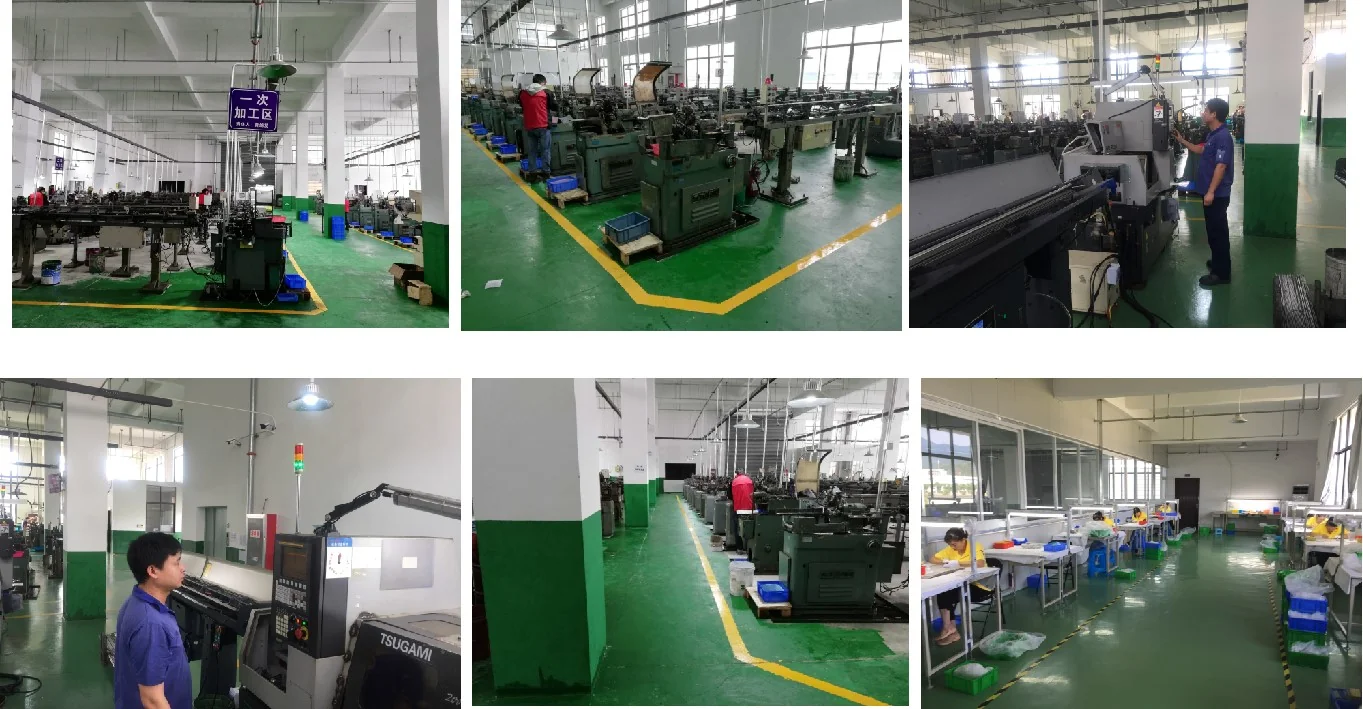
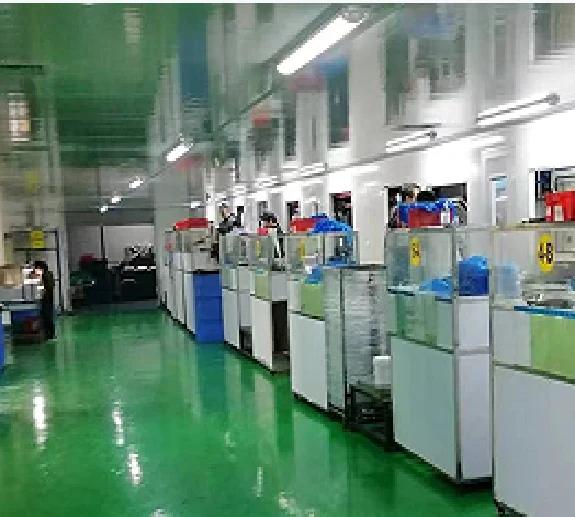
At Suzhou Baoshida Trading Co., Ltd., our Engineering Capability forms the backbone of our industrial rubber manufacturing excellence. With a dedicated team of five experienced mould engineers and two specialized rubber formula engineers, we bring scientific rigor and technical precision to every stage of product development. Our integrated engineering approach ensures that both material composition and physical design are optimized for performance, durability, and application-specific requirements.

Our formula engineers focus on the molecular architecture of rubber compounds, tailoring formulations to meet exact mechanical, thermal, and chemical resistance needs. Whether the application demands high tensile strength, ozone resistance, or low compression set, our team develops custom latex and synthetic rubber blends that consistently exceed industry benchmarks. This deep expertise in polymer science enables us to support clients across demanding sectors such as automotive sealing, industrial machinery, and protective equipment manufacturing.

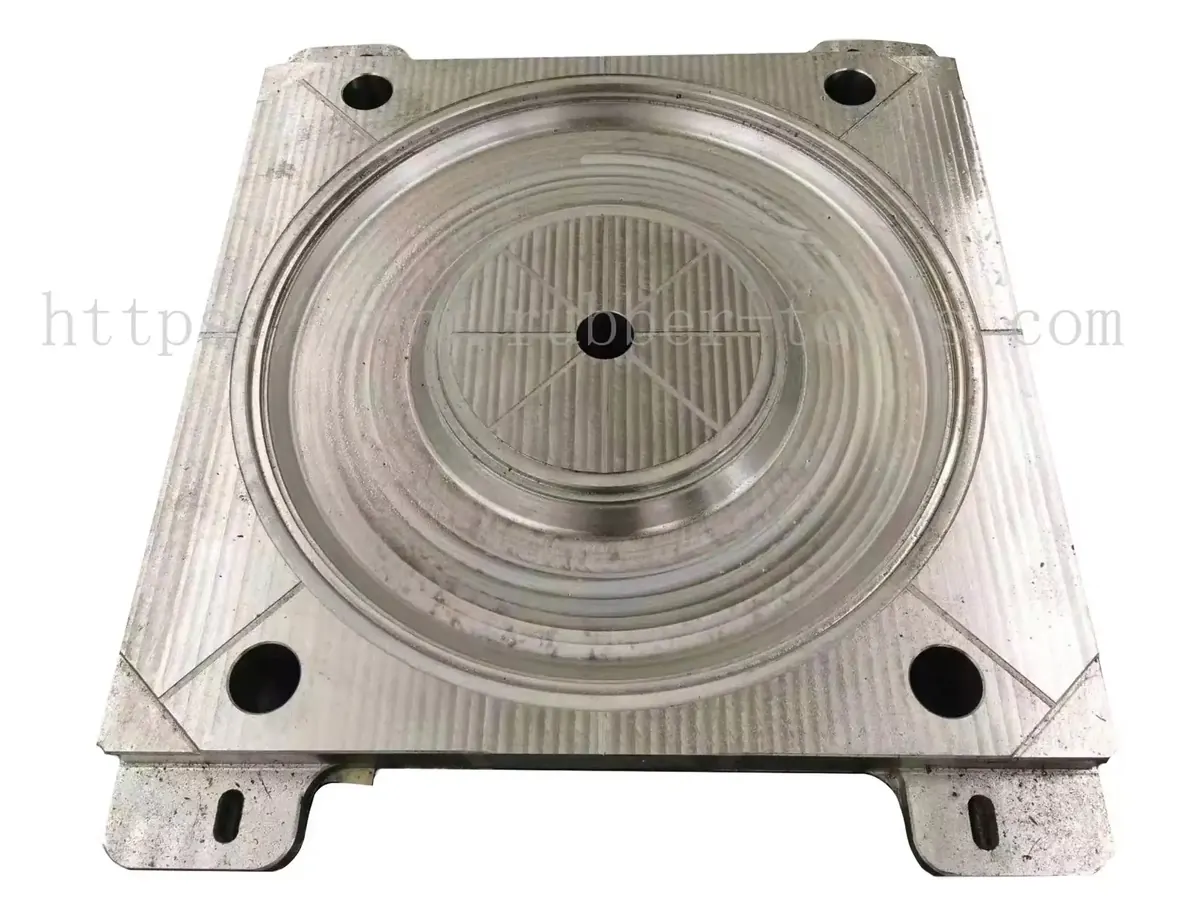
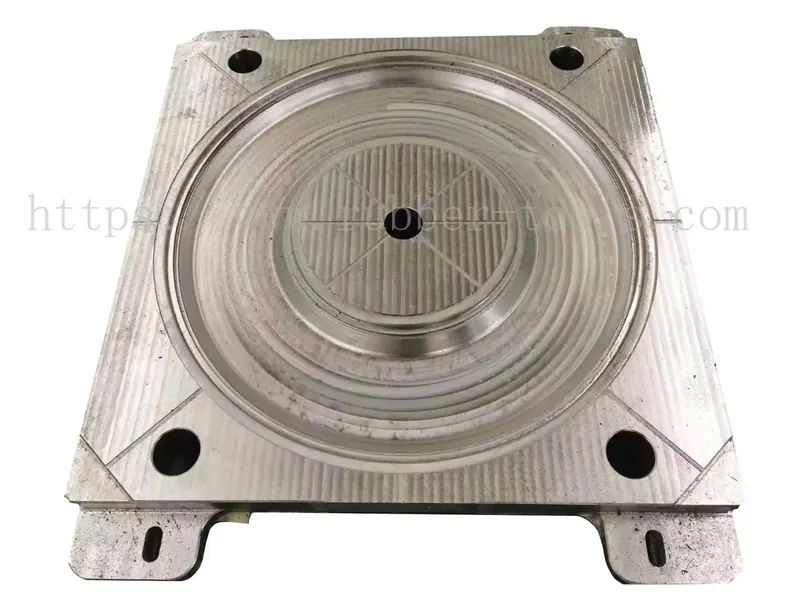
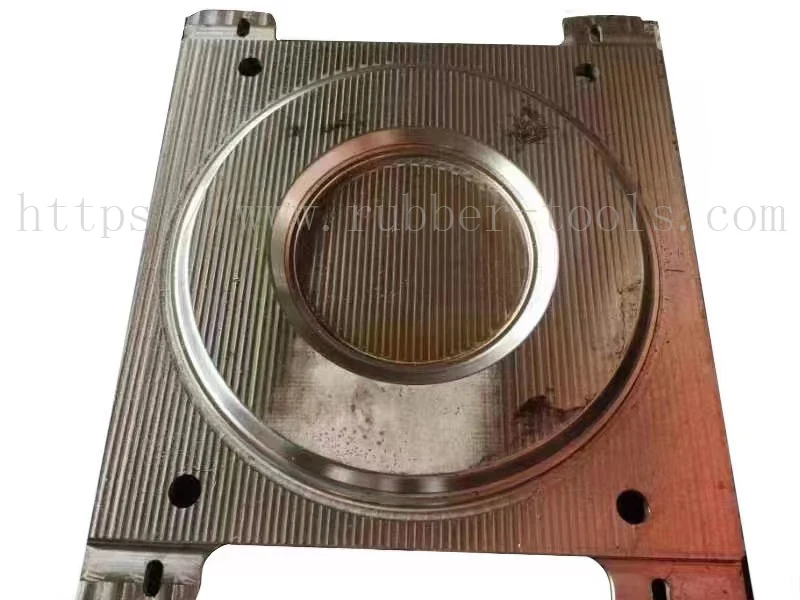
Complementing our material science capabilities is a robust mould engineering division. Our five mould engineers specialize in precision tooling design for compression, transfer, and injection moulding processes. Utilizing advanced CAD/CAM software and collaborating closely with the formula team, they ensure dimensional accuracy, optimal flow characteristics, and repeatable production cycles. This synergy between material and mould design minimizes defects, reduces cycle times, and enhances product consistency—critical factors in high-volume OEM manufacturing.

We operate as a full-service OEM partner, capable of managing projects from initial concept and prototyping through to mass production. Our engineering team works directly with client specifications, reverse-engineering legacy components when necessary, and validating designs through rigorous testing protocols. This end-to-end control allows us to maintain tight tolerances and ensure compliance with international quality standards.

Our technical infrastructure supports rapid iteration and scalability. With in-house tooling fabrication, compound testing labs, and real-time process monitoring, we deliver engineered rubber solutions that balance performance, cost-efficiency, and manufacturability.

The following table summarizes our core engineering specifications and capabilities:

Parameter Specification
Mould Design Capacity Up to 1,200 mm x 800 mm x 600 mm (LxWxH)
Tolerance Range ±0.05 mm to ±0.2 mm (based on part complexity)
Rubber Hardness Range (Shore A) 30–90 Shore A
Operating Temperature Range -40°C to +120°C (extended range on request)
Standard Compliance ROHS, REACH, FDA (material-dependent)
Lead Time (Prototype) 15–25 days from approved design
Production Volume Capacity 50,000–500,000 units/month (per product line)

By integrating advanced rubber chemistry with precision engineering, Suzhou Baoshida delivers technically superior, application-optimized solutions. Our OEM model is built on collaboration, innovation, and industrial-grade reliability—ensuring that every yard of latex or rubber product meets the highest standards of performance and consistency.


Customization Process

latex by the yard manufacturing

Customization Process for Industrial Latex by the Yard Solutions

At Suzhou Baoshida Trading Co., Ltd., our OEM customization process for industrial latex by the yard integrates rigorous scientific methodology with precision manufacturing. This ensures final products meet exacting performance and dimensional requirements for demanding applications such as sealing, vibration damping, and fluid containment. The process systematically progresses through four critical phases, each governed by stringent quality protocols.

Initial engagement begins with Drawing Analysis, where our engineering team dissects client technical specifications. We validate critical dimensions, tolerances, surface finishes, and environmental exposure parameters against ASTM D2000 or ISO 37 standards. This phase identifies potential manufacturability conflicts early, such as wall thickness inconsistencies or complex geometries requiring specialized tooling. Material compatibility with oils, chemicals, or extreme temperatures is cross-referenced against our polymer database to prevent field failures. Client-supplied CAD files undergo GD&T verification to ensure seamless transition to production tooling.

Subsequent Formulation leverages our 15-year compound library and in-house rheometry testing. Based on the drawing analysis, we engineer bespoke latex formulations by adjusting natural/synthetic rubber ratios, filler types (e.g., carbon black vs. silica), and vulcanization systems. Critical properties like tensile strength, elongation, and compression set are targeted through controlled variations in accelerator packages and cure kinetics. Every formulation undergoes Mooney viscosity and cure rate simulations to guarantee process stability during extrusion or calendering.

Prototyping validates the formulation under real-world conditions. Using client-approved tooling, we produce 3–5 meter samples for comprehensive physical testing. Key metrics include tear resistance (ASTM D624), low-temperature flexibility (ASTM D2137), and fluid immersion stability. Clients receive detailed test reports with delta values against target specs. If deviations exceed ±5%, we initiate iterative reformulation—adjusting plasticizer content or crosslink density—until all parameters align. This phase typically requires 2–3 iterations for complex specifications.

Upon prototype sign-off, Mass Production commences under ISO 9001-controlled conditions. We implement Statistical Process Control (SPC) monitoring of extrusion line temperature profiles, line speeds, and vulcanization times. Every 500-meter batch undergoes in-line thickness verification via laser micrometers and post-cure hardness checks. Full traceability is maintained through batch-coded material logs, linking raw rubber lots to final product certifications. Production runs exceeding 10,000 meters include quarterly revalidation testing to ensure consistency.

Key performance specifications achievable through this process are summarized below.

Parameter Standard Range Custom Capability Testing Standard
Durometer (Shore A) 30–90 A 25–95 A (±2 tolerance) ASTM D2240
Tensile Strength 10–30 MPa 8–35 MPa ASTM D412
Elongation at Break 300–800% 250–900% ASTM D412
Compression Set ≤25% (70°C, 24h) ≤15% achievable ASTM D395
Thickness Tolerance ±0.1 mm (≤3mm) ±0.05 mm achievable ISO 3302

This structured approach minimizes time-to-market while guaranteeing repeatability. Suzhou Baoshida’s integration of formulation science, precision prototyping, and controlled scale-up delivers latex by the yard solutions that consistently exceed OEM durability and performance expectations in industrial environments.


Contact Engineering Team

latex by the yard manufacturing

For industrial manufacturers and procurement specialists seeking high-performance rubber materials, Suzhou Baoshida Trading Co., Ltd. stands as a trusted partner in the development and supply of precision-engineered latex solutions. As a specialized OEM manager and rubber formula engineer, we understand that consistency, durability, and material integrity are non-negotiable in demanding production environments. Our expertise in compounding and fabricating latex by the yard ensures that every order meets exact technical specifications, whether for gaskets, seals, conveyor linings, or custom industrial components.

Our latex sheets are formulated to deliver superior tensile strength, abrasion resistance, and elasticity under continuous operational stress. We offer both natural and synthetic latex variants, with customizable thicknesses, densities, and surface finishes to align with your application requirements. Every batch undergoes rigorous quality control, including tensile testing, elongation verification, and dimensional accuracy checks, ensuring compliance with international industrial standards.

To support seamless integration into your manufacturing workflow, we provide technical data sheets, material certifications, and sample testing upon request. Our engineering team collaborates directly with clients to optimize material performance, reduce downtime, and enhance product lifecycle. Whether you require low-volume prototyping or high-volume production runs, Suzhou Baoshida delivers on-time, precision-cut latex by the yard, tailored to your exact dimensional and performance criteria.

The following table outlines key technical specifications for our standard latex sheet offerings:

Property Test Method Value Range
Hardness (Shore A) ASTM D2240 40–70
Tensile Strength ASTM D412 12–18 MPa
Elongation at Break ASTM D412 450–600%
Thickness Range ISO 2768 1.0 mm – 10.0 mm
Temperature Resistance Continuous -20°C to +80°C
Compression Set (22h, 70°C) ASTM D395 ≤ 25%
Color Options Natural, Black, Custom
Surface Finish Smooth, Textured, Cloth-Backed

Partnering with Suzhou Baoshida means gaining access to both advanced material science and responsive, client-focused service. We do not operate as a generic distributor—we engineer solutions. Our technical team, led by Mr. Boyce, specializes in formulating latex compounds that meet exact environmental, mechanical, and regulatory demands. From initial consultation to final delivery, we ensure full traceability, batch consistency, and technical support.

To discuss your latex by the yard requirements or request a custom formulation, contact Mr. Boyce directly at [email protected]. Include your application details, performance needs, and preferred dimensions for a prompt technical evaluation and quotation. At Suzhou Baoshida Trading Co., Ltd., we are committed to delivering industrial rubber solutions that perform—precisely, reliably, and at scale.


⚖️ O-Ring Weight Calculator

Estimate rubber O-ring weight (Approx).


Latex By The Yard Manufacturer | Engineering Guide

Contents of Table

Contact [email protected] Whatsapp 86 15951276160