Liquid Tpe Manufacturer | Engineering Guide

Engineering Guide: Liquid Tpe

liquid tpe manufacturing

Engineering Insight: The Critical Role of Material Selection in Liquid TPE Applications

In the realm of industrial rubber solutions, liquid thermoplastic elastomers (liquid TPE) represent a significant advancement in material science, offering a unique combination of processability, elasticity, and chemical resistance. At Suzhou Baoshida Trading Co., Ltd., we emphasize that successful integration of liquid TPE into high-performance applications begins not with processing or tooling, but with precise material selection. Off-the-shelf formulations, while convenient, often fail to meet the rigorous demands of specialized industrial environments due to their generalized composition and lack of customization.

Liquid TPEs are inherently sensitive to operational variables such as temperature fluctuations, mechanical stress, and exposure to aggressive media. Standard-grade materials are typically engineered for broad compatibility rather than targeted performance. This compromises their longevity and functional reliability in applications such as dynamic seals, medical fluid handling systems, or automotive under-hood components. For instance, a generic liquid TPE may exhibit adequate flexibility at room temperature but undergo rapid compression set or swelling when exposed to hot oil or ozone—conditions common in real-world use.

The failure of off-the-shelf solutions stems from an oversimplification of material behavior. Industrial applications require a deep understanding of polymer morphology, crosslinking density, and additive interaction. Custom-formulated liquid TPEs allow for precise tuning of these parameters, enabling optimization for specific durometer, elongation at break, thermal stability, and fluid resistance. This level of control is unattainable with pre-mixed compounds that sacrifice performance for market scalability.

At Baoshida, we approach material selection as a collaborative engineering process. By analyzing the end-use environment—including temperature range, media exposure, mechanical load, and regulatory requirements—we develop tailored liquid TPE formulations that ensure long-term reliability. Our in-house testing protocols validate performance under simulated service conditions, reducing the risk of field failure and costly downtime.

The following table highlights key performance characteristics of a custom-engineered liquid TPE formulation compared to a standard commercial grade:

Property Custom Liquid TPE (Baoshida) Standard Off-the-Shelf TPE
Hardness (Shore A) 60 ± 2 60 ± 5
Tensile Strength (MPa) 12.5 9.0
Elongation at Break (%) 580 450
Compression Set (70°C, 22h) 18% 35%
Heat Aging (100°C, 7 days) Retains >90% tensile Loses ~25% tensile
Oil Resistance (IRM 903, 70°C, 70h) Swell: 15% Swell: 32%
Operating Temperature Range -50°C to +135°C -40°C to +110°C

This data underscores the performance gap between engineered and generic materials. The superior stability, resilience, and environmental resistance of custom liquid TPE formulations directly translate into extended service life and reduced total cost of ownership.

Material selection is not a procurement decision—it is an engineering imperative. In high-stakes industrial applications, relying on off-the-shelf liquid TPEs is a compromise that often leads to premature failure. At Suzhou Baoshida Trading Co., Ltd., we deliver precision-crafted rubber solutions where performance, reliability, and consistency are non-negotiable.


Material Specifications

Material Specifications for Liquid TPE in Industrial Applications

Liquid thermoplastic elastomers (TPE) represent a critical advancement in precision rubber manufacturing, offering seamless processability and tailored performance for demanding OEM components. At Suzhou Baoshida Trading Co., Ltd., we engineer liquid TPE formulations to bridge the performance gaps between traditional thermoset rubbers and conventional TPEs. This section details key specifications for Viton, Nitrile, and Silicone elastomers—materials frequently compared against liquid TPE solutions in automotive, aerospace, and medical device manufacturing. Understanding their intrinsic properties ensures optimal material selection for sealing, damping, and fluid-handling applications where thermal stability, chemical resistance, and mechanical integrity are non-negotiable.

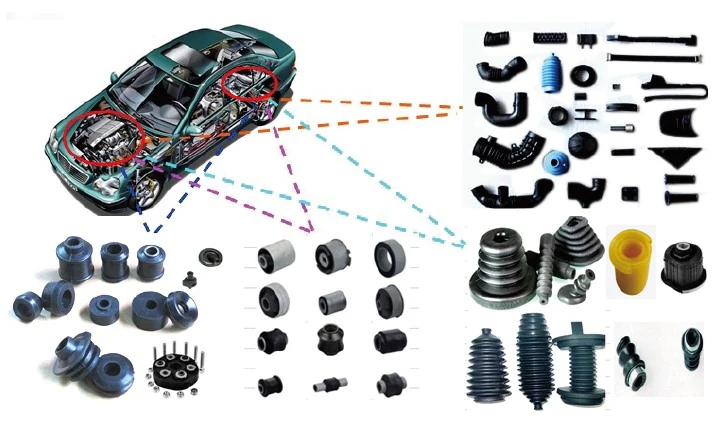
Viton fluoroelastomers deliver exceptional resistance to extreme temperatures, aggressive fuels, and industrial chemicals. Operating effectively from -20°C to 250°C, Viton maintains structural integrity in jet engine seals and chemical processing gaskets where hydrocarbon exposure is severe. Its high fluorine content provides unmatched stability against oxidation and plasma etching, though it exhibits limited flexibility at sub-zero temperatures and higher material costs. Nitrile rubber (NBR) remains the industry standard for cost-sensitive fuel and oil sealing applications, with acrylonitrile content (18–50%) dictating its balance of abrasion resistance and low-temperature performance. Standard NBR functions reliably between -30°C and 120°C but degrades rapidly in ozone-rich or polar solvent environments, necessitating careful environmental assessment. Silicone rubber excels in biocompatible and high-purity contexts, featuring an unparalleled -60°C to 200°C operational range and inherent resistance to UV, ozone, and sterilization methods. Its low compression set suits long-term static seals in medical devices, yet silicone’s poor tear strength and susceptibility to퀵 fuels limit use in dynamic mechanical systems.

Liquid TPE formulations address these limitations through customizable Shore hardness (20A–80D), rapid curing without vulcanization, and adhesion to diverse substrates—enabling weight reduction and multi-material integration unattainable with thermosets. The comparative analysis below highlights critical parameters for informed material qualification.

Material Temperature Range (°C) Key Resistances Typical Hardness (Shore A/D) Density (g/cm³) Critical Applications
Viton -20 to 250 Fuels, oils, acids, plasma 60–90 A 1.80–1.95 Aerospace seals, chemical valves
Nitrile -30 to 120 Aliphatic hydrocarbons, abrasion 40–90 A 0.95–1.05 Automotive O-rings, fuel lines
Silicone -60 to 200 Ozone, UV, steam, biocompatibility 30–80 A 1.10–1.30 Medical tubing, food-grade seals

Suzhou Baoshida prioritizes material traceability and batch consistency, supplying all elastomers with full ASTM D2000 compliance documentation and OEM-specific formulation adjustments. Our liquid TPE solutions further enhance manufacturability through reduced cycle times and elimination of post-cure processing—directly supporting lean production goals. For mission-critical components, we recommend accelerated aging tests per ISO 188 alongside chemical immersion trials to validate real-world performance. Partner with our technical team to align material specifications with your dimensional tolerances, regulatory requirements, and lifecycle expectations, ensuring seamless integration into high-volume assembly lines. Precision engineering begins with uncompromised material science.


Manufacturing Capabilities

liquid tpe manufacturing

Engineering Capability: Precision-Driven Liquid TPE Solutions for Industrial Applications

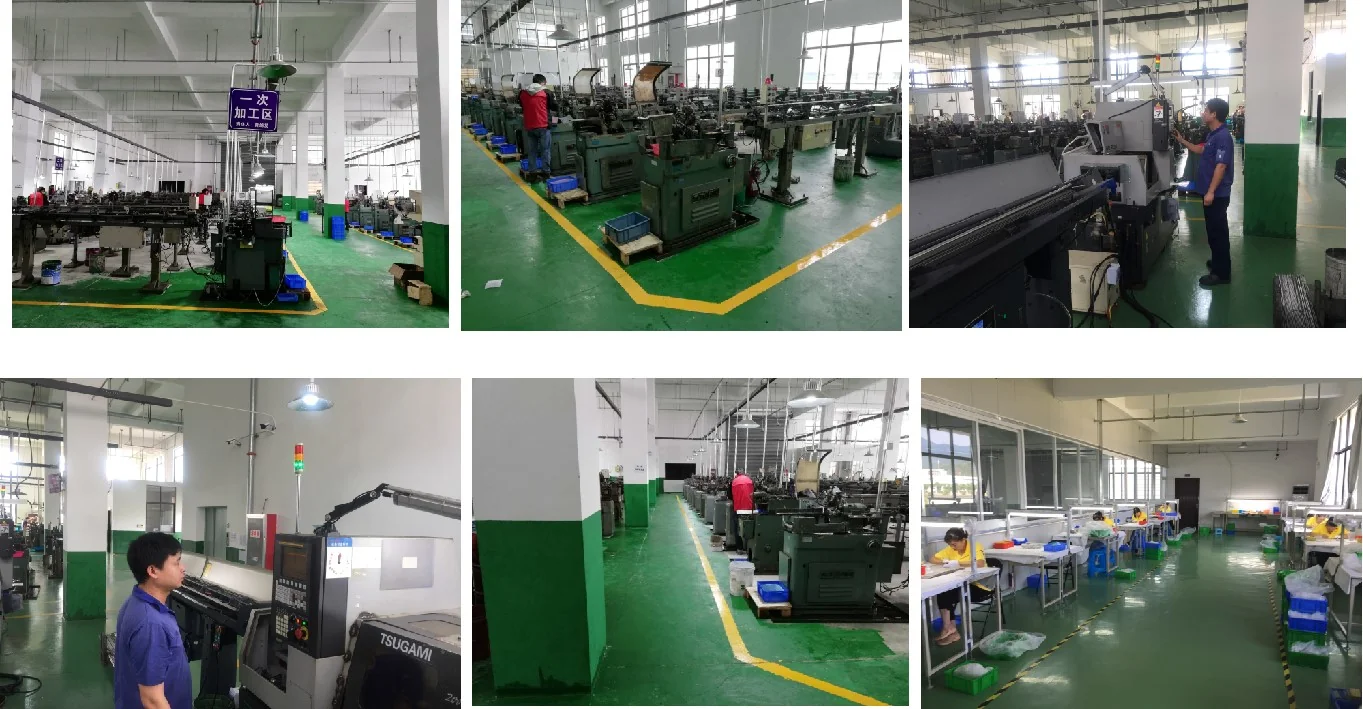
At Suzhou Baoshida Trading Co., Ltd., our engineering capability forms the backbone of our industrial rubber solutions, particularly in the development and manufacturing of high-performance liquid thermoplastic elastomers (TPE). With a dedicated team of five specialized mould engineers and two senior formula engineers, we maintain full in-house control over the product development lifecycle—from concept and material formulation to mould design and final production validation. This integrated approach ensures technical precision, accelerated development cycles, and superior consistency in delivering customized liquid TPE solutions tailored to the demanding requirements of OEM clients.

Our formula engineers bring over a decade of cumulative expertise in polymer chemistry and elastomer compounding, focusing exclusively on liquid TPE systems. They are responsible for designing formulations that achieve optimal balance between flow characteristics, thermal stability, mechanical resilience, and chemical resistance. Each formulation is developed with the end-use environment in mind—whether it requires biocompatibility for medical devices, UV resistance for outdoor applications, or low-temperature flexibility for automotive seals. Rigorous lab testing, including rheological analysis, Shore A hardness calibration, and aging performance evaluation, is conducted before any material is approved for production.

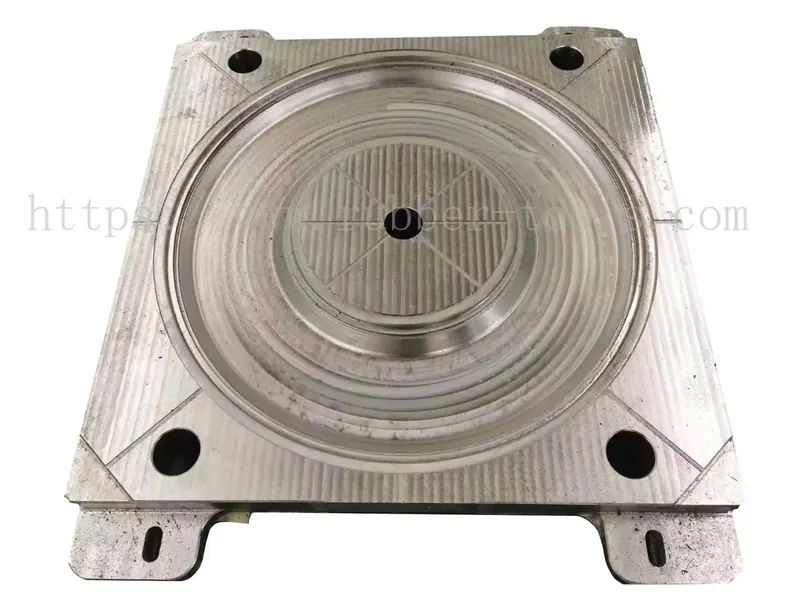
Complementing our formulation expertise, our five mould engineers specialize in precision tooling for liquid TPE overmoulding and 2K injection processes. They utilize advanced CAD/CAM software (SolidWorks, UG NX, and Moldflow) to simulate filling, cooling, and warpage behavior, minimizing defects and optimizing cycle times. Our team routinely designs multi-cavity cold-runner systems and valve-gated hot runners to ensure uniform part quality and material efficiency. All tooling projects undergo Design for Manufacturing (DFM) reviews to align with client specifications, production volume targets, and regulatory standards.

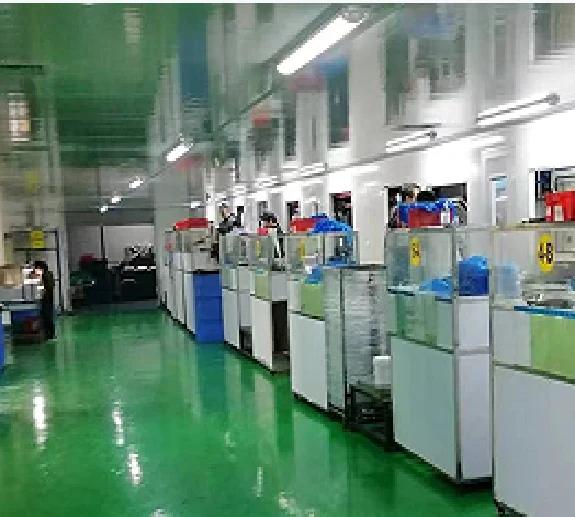
We operate as a full-service OEM partner, offering end-to-end manufacturing from prototype to mass production. Our facility supports cleanroom moulding for sensitive applications and integrates automated inspection systems for dimensional accuracy and defect detection. With ISO 9001 and IATF 16949 certifications, we meet the quality management standards required by automotive, medical, and consumer electronics industries.

The following table outlines key technical capabilities and material performance benchmarks for our liquid TPE systems:

Parameter Typical Range Testing Standard
Hardness (Shore A) 30A – 90A ASTM D2240
Tensile Strength 8 – 15 MPa ASTM D412
Elongation at Break 400% – 800% ASTM D412
Melt Flow Index (190°C/2.16kg) 5 – 25 g/10 min ASTM D1238
Operating Temperature Range -50°C to +135°C (short-term) ISO 188 / ASTM D573
Specific Gravity 0.98 – 1.05 ASTM D792
Compression Set (22h, 70°C) ≤ 25% ASTM D395

By combining advanced material science with precision engineering, Suzhou Baoshida Trading Co., Ltd. delivers reliable, scalable liquid TPE solutions that meet the evolving demands of global industrial OEMs.


Customization Process

liquid tpe manufacturing

Liquid TPE Customization Process: Precision Engineering from Concept to Volume

At Suzhou Baoshida Trading Co., Ltd., our liquid thermoplastic elastomer (TPE) customization process integrates rigorous material science with industrial-scale manufacturing discipline. This structured workflow ensures seamless transition from client specifications to high-volume production while maintaining uncompromised performance consistency.

Drawing Analysis initiates the engagement. Client-provided technical drawings undergo dimensional tolerance verification against ISO 2768-mK standards and functional requirement assessment. We evaluate critical factors including part geometry complexity, wall thickness uniformity, and gate location feasibility for liquid injection molding. Thermal expansion coefficients and chemical resistance requirements are cross-referenced with substrate compatibility databases. This phase culminates in a formal Design for Manufacturability (DFM) report identifying potential flow-induced defects or stress concentration zones.

Formulation Development leverages our proprietary material database containing 12,000+ validated compound iterations. Based on DFM outputs, our engineers select base polymers (SEBS/SEPS), adjust oil/plasticizer ratios, and incorporate performance additives. Critical parameters such as Shore hardness, tensile strength, and thermal stability are precisely tuned. For medical-grade applications, USP Class VI compliance is integrated via platinum-cured systems; automotive projects receive ozone-resistant stabilizers meeting ASTM D1149. Every formulation undergoes accelerated aging simulations before prototype approval.

Prototyping utilizes 320-ton ENGEL liquid injection molding systems with ±0.02mm positional accuracy. Initial 50-shot batches undergo comprehensive validation:
Dimensional inspection via Zeiss coordinate measuring machines
Mechanical testing per ASTM D412 (tensile) and D2240 (hardness)
Dynamic mechanical analysis (DMA) for viscoelastic behavior
Client feedback triggers iterative refinements until all specifications are met within 15 working days.

Mass Production commences only after PPAP Level 3 documentation approval. Our Suzhou facility employs real-time process monitoring with 0.1-second data logging for melt temperature, injection pressure, and cure time. Statistical process control (SPC) charts track critical-to-quality characteristics, ensuring CpK ≥1.67. Each production lot includes full traceability from raw material batch numbers to operator IDs, with certificates of conformance detailing actual vs. target properties.

Key Liquid TPE Customization Parameters

Property Standard Range Customizable Range Test Method
Shore A Hardness 30–90 15–95 ASTM D2240
Tensile Strength (MPa) 5–15 2–25 ASTM D412
Elongation at Break (%) 300–800 150–1200 ASTM D412
Compression Set (%) ≤25 (22h/70°C) ≤15 (22h/100°C) ASTM D395
Melt Viscosity (Pa·s) 50–500 (190°C/100s⁻¹) 20–1000 (150–220°C) ISO 11443

This systematic approach eliminates guesswork in liquid TPE customization. Suzhou Baoshida guarantees ≤0.5% defect rates in volume production through embedded quality gates at each phase, delivering solutions that meet exacting industrial performance demands. Our ISO 13485 and IATF 16949 certifications underscore commitment to precision engineering from prototype to global supply chain integration.


Contact Engineering Team

liquid tpe manufacturing

For industrial manufacturers seeking high-performance liquid TPE (Thermoplastic Elastomer) solutions, Suzhou Baoshida Trading Co., Ltd. stands at the forefront of innovation and precision in rubber material supply. As a trusted OEM manager and rubber formula engineer, we specialize in delivering customized liquid TPE compounds engineered for superior elasticity, processability, and durability across automotive, medical, consumer goods, and industrial applications. Our formulations are developed with exacting standards to meet the rigorous demands of modern injection molding and overmolding processes, ensuring consistent flow, rapid curing, and excellent adhesion to rigid substrates such as PP, ABS, and PC.

Liquid TPE technology offers a transformative advantage in high-volume manufacturing due to its low viscosity, energy-efficient processing, and recyclability. At Suzhou Baoshida, we leverage advanced polymer science to tailor material properties—such as hardness, transparency, thermal stability, and chemical resistance—according to your product specifications. Whether you require soft-touch finishes, sealing components, or biocompatible parts, our team provides end-to-end technical support from concept to production.

To ensure seamless integration into your manufacturing workflow, we offer comprehensive material data sheets, processing guidelines, and on-site technical consultation. Our quality management system adheres to ISO standards, with rigorous batch testing and traceability protocols to guarantee consistency and compliance.

The following table outlines the typical technical specifications of our standard liquid TPE formulations. Custom modifications are available upon request to meet specific performance criteria.

Property Test Method Value Range
Hardness (Shore A) ASTM D2240 40–90
Tensile Strength ASTM D412 8–18 MPa
Elongation at Break ASTM D412 450–800%
Specific Gravity ASTM D792 0.98–1.05
Melt Viscosity (at 200°C) Capillary Rheometer 1,500–4,000 cP
Adhesion Performance Peel Test on PP/ABS Excellent
Heat Resistance (Short Term) Up to 120°C
Operating Temperature Range -40°C to 100°C
Curing Time (at 200°C) 30–90 seconds

Partnering with Suzhou Baoshida means gaining access to a dedicated team of material scientists and application engineers committed to optimizing your production outcomes. We understand that every manufacturing environment presents unique challenges, and our responsive support model ensures timely resolution and continuous improvement.

For technical inquiries, sample requests, or formulation development collaboration, contact Mr. Boyce, OEM Manager and Rubber Formula Engineer, directly at [email protected]. Include your application requirements, volume expectations, and any regulatory standards (e.g., RoHS, REACH, FDA) applicable to your product. Our team will provide a detailed technical proposal and material recommendation within 24 hours.

Elevate your manufacturing precision with engineered liquid TPE solutions from Suzhou Baoshida Trading Co., Ltd. Reach out today to initiate a partnership built on performance, reliability, and industrial expertise.


⚖️ O-Ring Weight Calculator

Estimate rubber O-ring weight (Approx).


Liquid Tpe Manufacturer | Engineering Guide

Contents of Table

Contact [email protected] Whatsapp 86 15951276160