Epoxy Resin Laminate Manufacturer | Engineering Guide

Engineering Guide: Epoxy Resin Laminate

Engineering Insight: Epoxy Resin Laminate Material Selection Imperatives

Material selection for epoxy resin laminates transcends basic procurement; it is a foundational engineering decision directly impacting product lifecycle, safety, and operational economics in demanding industrial environments. Generic, off-the-shelf laminates frequently fail to meet the nuanced requirements of specialized applications, particularly within rubber processing equipment, electrical insulation systems, and structural composites subjected to thermal cycling, chemical exposure, or mechanical stress. These failures manifest as premature delamination, electrical tracking, dimensional instability, or catastrophic loss of mechanical integrity, leading to costly downtime, safety hazards, and reputational damage. The root cause lies in the inherent compromise of standardized formulations, which prioritize broad market appeal over the specific thermal, chemical, and mechanical profiles demanded by rigorous OEM specifications. Critical parameters such as glass transition temperature (Tg), coefficient of thermal expansion (CTE), flexural strength retention at elevated temperatures, and resistance to plasticizers or process chemicals are often inadequately optimized in catalog-grade materials. Thermal degradation initiates at 15-20°C below the rated Tg under sustained load, a threshold easily breached in rubber vulcanization presses or high-power electronics. Similarly, unmodified epoxy matrices exhibit significant Tg depression and plasticization when exposed to common rubber processing oils or solvents, accelerating failure.

The limitations of non-specialized laminates become starkly evident under real-world operational stress. Standard grades typically lack the tailored filler systems and resin toughening agents necessary to resist microcracking during thermal shock events inherent in cyclic manufacturing processes. Their dielectric properties may degrade unpredictably in humid or contaminated environments, risking electrical failure. Crucially, off-the-shelf solutions rarely account for the synergistic effects of multiple stressors—simultaneous heat, chemical ingress, and mechanical vibration—which are commonplace in industrial machinery. This multi-stress vulnerability leads to field failures that standard datasheet values, measured under benign single-stress conditions, cannot predict. The consequence is a false economy; while initial material costs appear lower, the total cost of ownership escalates dramatically due to maintenance, scrap, warranty claims, and unplanned production stoppages.

Suzhou Baoshida Trading Co., Ltd. addresses this critical gap through application-specific formulation protocols. We collaborate with OEMs to define exact operational envelopes and failure thresholds, then engineer laminates with precisely controlled resin chemistry, reinforcement architecture, and additive packages. The following comparison illustrates the performance delta achievable through engineered material selection versus standard grades:

Parameter Standard Grade Suzhou Baoshida Engineered Grade Performance Delta
Glass Transition (Tg) 130°C 165°C +35°C
Flexural Strength @ 120°C 320 MPa 485 MPa +52%
Toluene Resistance (24h) Severe Swelling Minimal Weight Gain (<1.5%) Eliminated Failure
Dielectric Strength (wet) 18 kV/mm 28 kV/mm +56%

This engineered approach ensures laminates maintain structural and functional integrity precisely where and when it matters most. Suzhou Baoshida’s expertise in rubber-adjacent material science enables the development of laminates that withstand the aggressive chemical cocktails and thermal extremes encountered in modern manufacturing, transforming a common failure point into a reliable, long-life component. Partnering for bespoke material solutions is not an added cost—it is an investment in operational resilience and sustained performance leadership.


Material Specifications

epoxy resin laminate manufacturing

Epoxy resin laminates are high-performance composite materials widely used in industrial applications requiring excellent mechanical strength, thermal stability, and electrical insulation. When integrated with elastomeric sealing or bonding components, the selection of compatible rubber materials is critical to ensure long-term reliability under operational stress. At Suzhou Baoshida Trading Co., Ltd., we specialize in industrial rubber solutions designed to complement advanced laminates, particularly in demanding environments such as electrical enclosures, automotive systems, and chemical processing equipment. The compatibility of elastomers like Viton, Nitrile, and Silicone with epoxy resin laminates depends on factors including temperature resistance, chemical exposure, mechanical loading, and environmental aging.

Viton, a fluorocarbon-based elastomer, offers superior resistance to high temperatures, oils, fuels, and a broad range of aggressive chemicals. Its thermal stability up to 200°C makes it ideal for applications where epoxy laminates are exposed to elevated operating temperatures. Viton also exhibits low outgassing and excellent UV resistance, making it suitable for aerospace and semiconductor applications. However, its higher cost and lower elasticity compared to other elastomers require careful evaluation based on service conditions.

Nitrile rubber (NBR) is a cost-effective solution with excellent resistance to petroleum-based oils and fuels. It provides good mechanical properties and abrasion resistance, making it a common choice for gaskets and seals in industrial machinery where epoxy laminates are used for structural or insulating components. While Nitrile performs well in temperature ranges from -30°C to 100°C, its performance degrades rapidly above this range and in the presence of polar solvents or ozone, limiting its use in harsher chemical environments.

Silicone rubber stands out for its exceptional thermal range, operating effectively from -60°C to 200°C, and maintaining flexibility at low temperatures where other elastomers become brittle. It also offers good resistance to ozone and UV radiation, making it suitable for outdoor applications. While silicone has relatively low mechanical strength and poor resistance to hydrocarbon oils, its electrical insulation properties complement epoxy resin laminates in high-voltage and electronic applications.

The following table summarizes key physical and chemical properties of these elastomers in relation to epoxy resin laminate integration.

Property Viton (FKM) Nitrile (NBR) Silicone (VMQ)
Temperature Range (°C) -20 to 200 -30 to 100 -60 to 200
Tensile Strength (MPa) 15–20 10–20 5–8
Elongation at Break (%) 200–300 250–400 200–600
Hardness (Shore A) 60–90 50–90 30–80
Resistance to Oils & Fuels Excellent Excellent Poor
Resistance to Ozone/UV Excellent Good Excellent
Chemical Resistance Excellent Moderate Moderate
Electrical Insulation Good Good Excellent
Compression Set Resistance Excellent Good Moderate

Selecting the appropriate elastomer requires a balanced assessment of operational demands and material synergies with epoxy resin laminates. Suzhou Baoshida Trading Co., Ltd. provides technical support to ensure optimal material pairing for enhanced system performance and durability.


Manufacturing Capabilities

Engineering Capability: Precision Epoxy Resin Laminate Development

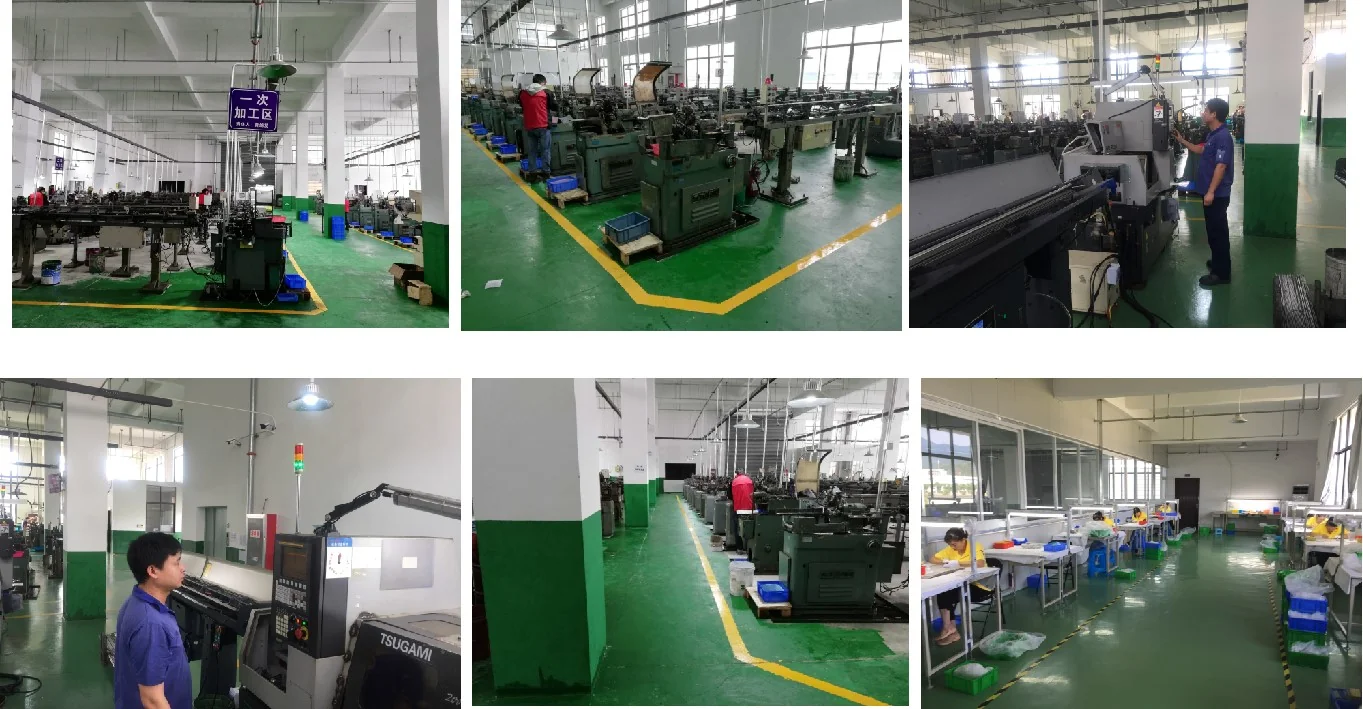
Suzhou Baoshida Trading Co., Ltd. leverages deep materials science expertise to deliver engineered epoxy resin laminates meeting stringent industrial demands. Our dedicated team of seven core engineers—five specialized Mould Engineers and two advanced Formula Engineers—forms the technical backbone of our OEM manufacturing process. This integrated structure ensures seamless translation from molecular design to final part geometry, eliminating cross-departmental communication gaps common in outsourced production. We focus exclusively on thermoset polymer systems where precise resin chemistry and mold dynamics directly dictate end-product performance in high-stress applications.

Our Formula Engineers possess advanced degrees in polymer chemistry and 15+ years of composite formulation experience. They optimize epoxy-anhydride and epoxy-amine systems at the molecular level, adjusting crosslink density, filler dispersion, and reactive diluent ratios to achieve target thermal, mechanical, and electrical properties. Critical parameters such as glass transition temperature (Tg), coefficient of thermal expansion (CTE), and dielectric strength are systematically tuned through iterative lab-scale synthesis and DSC/TGA validation. This capability is essential for clients requiring laminates that withstand extreme thermal cycling in power electronics or maintain dimensional stability in precision aerospace components. Below details key performance metrics achievable through our formulation control:

Property Standard Range Customizable Range Test Method
Glass Transition (Tg) 130–150°C 110–180°C ASTM E1640
CTE (Z-axis) 45–60 ppm/°C 30–75 ppm/°C IPC-TM-650 2.4.24
Flexural Strength 450–550 MPa 400–650 MPa ASTM D7264
Dielectric Constant (1 GHz) 3.8–4.2 3.2–4.8 ASTM D3300
Arc Resistance 120–150 sec 90–180 sec ASTM D495

Mould Engineers collaborate concurrently with formula development to address manufacturing physics. They utilize Moldflow simulation to predict resin flow front progression, cure kinetics, and internal stress development during compression molding. This allows preemptive resolution of warpage risks, knit line formation, and filler settling issues—particularly critical for thin-section laminates below 0.5mm thickness. Tool steel selection, thermal channel design, and press parameter sequencing are optimized for each formulation to ensure repeatability at volumes exceeding 50,000 units monthly.

Our OEM capability extends beyond production to full technical partnership. Clients receive comprehensive DFM reports with thermal imaging of cure exotherms and finite element analysis of residual stresses. We maintain ISO 9001-certified documentation for all formulations, including raw material traceability to batch level and accelerated aging protocols per IEC 60216. For mission-critical applications, we implement in-process FTIR spectroscopy to verify cure completion within ±2% of target conversion. This engineering-led approach reduces client time-to-market by 30% while eliminating field failures linked to material-process mismatches. Suzhou Baoshida transforms epoxy resin laminate specifications into reliably manufactured industrial solutions through uncompromising scientific rigor.


Customization Process

epoxy resin laminate manufacturing

Customization Process for Epoxy Resin Laminate Manufacturing

At Suzhou Baoshida Trading Co., Ltd., our industrial rubber solutions are engineered to meet exacting performance standards across diverse sectors including automotive, aerospace, and electrical insulation. When it comes to epoxy resin laminates, customization is not a one-size-fits-all process. We follow a rigorous four-stage workflow—Drawing Analysis, Formulation, Prototyping, and Mass Production—to ensure dimensional accuracy, material integrity, and functional reliability.

The process begins with Drawing Analysis, where our engineering team conducts a comprehensive review of technical blueprints provided by the client. This includes evaluating critical dimensions, tolerance bands, layer configurations, and intended operating environments. We verify compliance with international standards such as IEC 60893 and NEMA LI 1-1998, ensuring that the design is manufacturable and optimized for performance. Any potential issues related to delamination risks, thermal expansion, or mechanical stress concentrations are flagged and discussed prior to material selection.

Next, the Formulation phase integrates material science with application-specific requirements. Epoxy resin systems are tailored by adjusting resin-to-hardener ratios, incorporating flame-retardant additives (e.g., brominated epoxy), and selecting appropriate reinforcements such as woven glass cloth (e.g., style 7628) or aramid fibers. Key variables like glass transition temperature (Tg), dielectric strength, and coefficient of thermal expansion (CTE) are precisely controlled. Our in-house laboratory performs rheological and DSC (Differential Scanning Calorimetry) testing to validate cure kinetics and ensure batch-to-batch consistency.

Once the formulation is finalized, we proceed to Prototyping. Small-batch samples are produced using controlled lamination cycles under high pressure and temperature in multi-opening hydraulic presses. These prototypes undergo rigorous quality checks, including peel strength testing, arc resistance measurement, and dimensional stability verification. Clients receive full test reports and physical samples for validation, allowing for design or material adjustments before scale-up.

Upon approval, the project transitions into Mass Production. Our automated production lines ensure high throughput while maintaining tight process control. Real-time monitoring of lamination parameters—temperature profile, press tonnage, and dwell time—guarantees uniformity across batches. Final products are inspected per AQL Level II standards and packaged to prevent moisture absorption and mechanical damage during transit.

The following table outlines typical specifications achievable through our customization process:

Property Test Method Typical Value
Tensile Strength IEC 60243 ≥300 MPa
Flexural Strength IEC 60243 ≥450 MPa
Dielectric Strength IEC 60243 ≥18 kV/mm
Glass Transition Temperature (Tg) DSC 130–170°C
Volume Resistivity IEC 60093 ≥1×10¹² Ω·cm
Flame Rating UL 94 V-0

This systematic approach ensures that every epoxy resin laminate we produce delivers unmatched performance, reliability, and compliance with industrial demands.


Contact Engineering Team

epoxy resin laminate manufacturing

Contact Suzhou Baoshida for Precision Epoxy Resin Laminate Solutions

Suzhou Baoshida Trading Co., Ltd. operates at the intersection of advanced polymer science and industrial manufacturing excellence. Our epoxy resin laminate formulations are engineered for critical applications demanding thermal stability, electrical insulation, and mechanical resilience under extreme operational conditions. As your dedicated OEM partner, we prioritize empirical validation and process optimization to ensure material performance aligns precisely with your engineering specifications. Our in-house R&D facility leverages Fourier-transform infrared spectroscopy (FTIR) and dynamic mechanical analysis (DMA) to fine-tune cure kinetics, resin-filler interactions, and interfacial adhesion—delivering laminates that exceed IPC-4101 and NEMA LI 1 standards.

The table below summarizes core technical parameters for our standard FR-4 grade epoxy resin laminate, validated per ASTM and IEC protocols. These values represent baseline capabilities; we routinely customize formulations for niche requirements including halogen-free compliance, ultra-low Z-axis CTE, or enhanced arc resistance.

Parameter Standard Value Test Method
Glass Transition Temp (Tg) 140°C ASTM D7028
Tensile Strength 340 MPa ASTM D638
Flexural Strength 520 MPa ASTM D790
Dielectric Strength 20 kV/mm IEC 60243-1
Coefficient of Thermal Expansion (Z-axis) 2.8% (50-260°C) IPC-TM-650 2.4.24
Volume Resistivity >1.0 x 10¹² Ω·cm ASTM D257

Our manufacturing ecosystem integrates automated prepreg lines, computer-controlled lamination presses, and real-time rheological monitoring to eliminate batch variance. Every production run undergoes rigorous quality assurance, including microsection analysis for void detection and thermal gravimetric analysis (TGA) for decomposition profiling. This systematic approach ensures dimensional stability within ±0.05mm tolerance and consistent dielectric properties across high-volume orders. We support global supply chains through JIT inventory models and dual-sourcing strategies, mitigating disruption risks while maintaining ISO 9001-certified traceability from raw material to finished goods.

For applications requiring non-standard formulations—such as aerospace-grade cyanate ester hybrids, conductive-filled variants, or radiation-resistant systems—direct engineering consultation is essential. Mr. Boyce, our Senior Technical Account Manager, possesses 15 years of experience in epoxy chemistry optimization and OEM program management. He will coordinate cross-functional teams to address your specific thermal, electrical, or mechanical challenges, providing material data sheets, sample validation protocols, and production scalability assessments.

Initiate your project with Suzhou Baoshida by contacting Mr. Boyce directly at [email protected]. Include your target application, performance thresholds, and volume requirements to receive a tailored technical proposal within 48 business hours. Our engineering team stands ready to conduct joint feasibility studies, share proprietary formulation insights, and establish controlled material release procedures for seamless integration into your manufacturing workflow. Partner with us to transform demanding specifications into reliable, high-yield industrial components.

Note: All specifications subject to contractual agreement. Custom formulations require preliminary resin characterization and cure cycle development.


⚖️ O-Ring Weight Calculator

Estimate rubber O-ring weight (Approx).


Epoxy Resin Laminate Manufacturer | Engineering Guide

Contents of Table

Contact [email protected] Whatsapp 86 15951276160