Technical Contents
Engineering Guide: Aero Freezer

Engineering Insight: Material Selection Imperatives for Aero Freezer Sealing Systems
Industrial aero freezers subject sealing components to extreme thermal cycling, rapid depressurization, and sustained cryogenic exposure down to -80°C. Standard rubber compounds universally fail under these conditions due to fundamental material limitations. Off-the-shelf EPDM or NBR seals experience catastrophic embrittlement below -40°C, losing elasticity and fracturing under mechanical stress. This compromises critical airtight integrity, directly impacting freezing efficiency, product quality, and operational safety. The root cause lies in generic formulations prioritizing cost over cryogenic performance metrics like glass transition temperature (Tg) and compression set resistance at ultra-low temperatures.
Material selection must address three interdependent failure modes: thermal contraction mismatch with metal housings, loss of resilience during rapid cooldown cycles, and accelerated ozone degradation from circulating air. Standard compounds exhibit Tg values above -50°C, rendering them rigid and non-sealing at operational temperatures. Concurrently, poor low-temperature compression set (>60% at -70°C) prevents recovery after pressure cycles, creating permanent leakage paths. Generic solutions also lack sufficient saturation to resist ozone cracking at ppm-level concentrations present in freezer atmospheres.
Suzhou Baoshida Trading Co., Ltd. engineers proprietary elastomer systems specifically for aero freezer OEM applications. Our formulations utilize peroxide-cured hydrogenated nitrile (HNBR) and specialty fluorocarbon (FKM) blends with Tg values engineered below -85°C. Critical to success is balancing low-temperature flexibility with tensile strength retention and ozone resistance—achieved through precise co-agent selection and nano-reinforced filler systems. This eliminates the trade-offs inherent in commodity materials.
The performance gap between standard and engineered compounds is quantifiable:
| Material Property | Standard NBR (Off-the-Shelf) | Baoshida AeroFreeze™ HNBR | Test Standard |
|---|---|---|---|
| Glass Transition (Tg) | -45°C | -88°C | ASTM D746 |
| Compression Set @ -70°C | 78% | 18% | ASTM D395 |
| Tensile Strength @ -70°C | 1.2 MPa | 9.5 MPa | ASTM D412 |
| Ozone Resistance (50 ppm) | Severe cracking in 24h | No cracks after 168h | ASTM D1149 |
Using non-validated materials incurs severe operational costs: unplanned downtime for seal replacement averages 4.7 hours per incident in food processing lines, with contamination risks triggering full batch recalls. Our OEM validation protocols subject compounds to 500+ thermal cycles between -85°C and +80°C, simulating 5+ years of service life. This precision engineering ensures seal longevity exceeding 36 months in continuous operation—directly protecting client throughput and compliance.
Selecting rubber compounds based solely on catalog temperature ratings ignores the synergistic stresses of aero freezer environments. Baoshida’s material science approach delivers sealing integrity where generic solutions fracture, transforming a critical failure point into a reliability asset. Partner with our engineering team to specify formulations validated for your exact operational parameters.
Material Specifications

Material selection is a critical factor in the performance and longevity of sealing components used in industrial applications such as aero freezers. These systems operate under extreme temperature fluctuations, exposure to refrigerants, and mechanical stress, requiring elastomers with exceptional thermal stability, chemical resistance, and resilience. At Suzhou Baoshida Trading Co., Ltd., we specialize in high-performance rubber solutions tailored to demanding environments. Our expertise includes the application of Viton, Nitrile (NBR), and Silicone rubber—three of the most widely used elastomers in cryogenic and refrigeration systems.
Viton, a fluorocarbon-based rubber (FKM), is renowned for its outstanding resistance to a broad range of chemicals, including halogenated refrigerants, oils, and acids commonly found in aero freezer systems. It maintains structural integrity across a wide temperature range from -20°C to +200°C, making it ideal for applications involving both low-temperature cycling and occasional high-temperature excursions. Its low gas permeability and excellent aging characteristics further enhance its suitability for long-term sealing applications where reliability is paramount.
Nitrile rubber (NBR) is a cost-effective solution for applications involving exposure to hydrocarbon-based oils and greases. With a temperature range of -30°C to +100°C, NBR performs reliably in standard refrigeration environments. While not as chemically resistant as Viton, NBR offers superior abrasion resistance and mechanical strength, making it well-suited for dynamic seals and gaskets subject to friction and compression. It is particularly effective in systems utilizing traditional refrigerants such as R134a or mineral oils.
Silicone rubber (VMQ) provides exceptional flexibility and stability at extreme low temperatures, with a functional range from -60°C to +200°C. This makes it an optimal choice for aero freezer applications where deep cryogenic conditions are routine. Silicone exhibits excellent resistance to ozone and UV degradation, although it has lower tensile strength and is less resistant to petroleum-based fluids compared to Viton and Nitrile. Its non-reactive nature and compliance with food-grade standards also make it suitable for clean or sensitive environments.
The following table compares key physical and chemical properties of these materials to assist in material selection for aero freezer sealing components:
| Property | Viton (FKM) | Nitrile (NBR) | Silicone (VMQ) |
|---|---|---|---|
| Temperature Range (°C) | -20 to +200 | -30 to +100 | -60 to +200 |
| Tensile Strength (MPa) | 15–20 | 10–25 | 5–8 |
| Elongation at Break (%) | 200–300 | 200–500 | 200–600 |
| Hardness (Shore A) | 60–90 | 50–90 | 30–80 |
| Fluid Resistance (Oils) | Excellent | Good to Excellent | Poor |
| Fluid Resistance (Refrigerants) | Excellent | Moderate | Poor to Fair |
| Compression Set Resistance | Excellent | Good | Good |
| Low-Temperature Flexibility | Moderate | Good | Excellent |
Selecting the appropriate elastomer requires a balanced assessment of operational conditions, fluid compatibility, and mechanical demands. Suzhou Baoshida Trading Co., Ltd. provides customized rubber solutions backed by rigorous material testing and OEM collaboration to ensure optimal performance in aero freezer systems.
Manufacturing Capabilities

Engineering Capability: Precision Rubber Solutions for Aero Freezer Applications
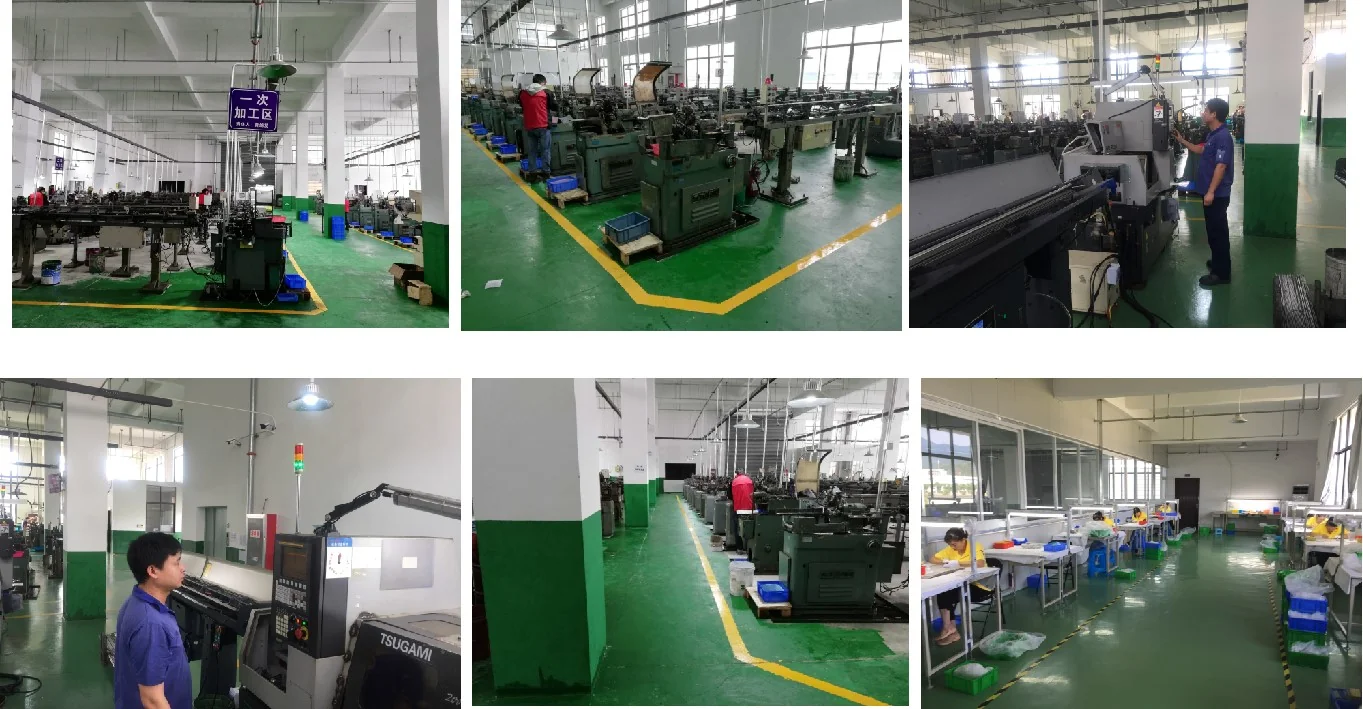
Suzhou Baoshida Trading Co., Ltd. delivers mission-critical rubber components for aero freezer systems through integrated engineering expertise and rigorous OEM processes. Our dedicated team comprises five specialized mould engineers and two advanced formula engineers, ensuring seamless development from material science to production. This structure enables us to address the extreme thermal cycling, low-temperature flexibility, and stringent regulatory demands inherent in cryogenic freezer environments. We prioritize material integrity at temperatures as low as -70°C, where conventional elastomers fail due to embrittlement or compression set loss.
Our formula engineers leverage proprietary compound design methodologies to optimize polymer selection, filler dispersion, and curing systems. For aero freezer seals and gaskets, we deploy peroxide-cured EPDM, FKM, and HNBR formulations engineered for resilience under rapid thermal shock. Each compound undergoes ASTM D2000 classification testing, with validation for ozone resistance, fluid compatibility (including refrigerants like R-134a), and compression set stability. Critical to performance is minimizing permanent deformation after prolonged exposure to sub-zero conditions—a metric we consistently achieve below 25% at -50°C through tailored crosslink density control.
Mould engineering excellence ensures dimensional precision and repeatability. Our five-engineer team utilizes Moldflow simulation to eliminate knit lines, sink marks, and flow inconsistencies in complex geometries. All tooling adheres to ISO 2768-mK tolerances, with cavity pressure monitoring during production to maintain ±0.05mm critical dimensions. This precision guarantees consistent sealing force across thousands of thermal cycles, directly impacting freezer energy efficiency and operational lifespan.
Material performance specifications for key aero freezer applications are summarized below:
| Material Grade | Key Properties | Aero Freezer Application |
|---|---|---|
| BD-EPDM-70C | Tg: -65°C; Compression Set: 22% @ -50°C/72h | Door seals, insulation gaskets |
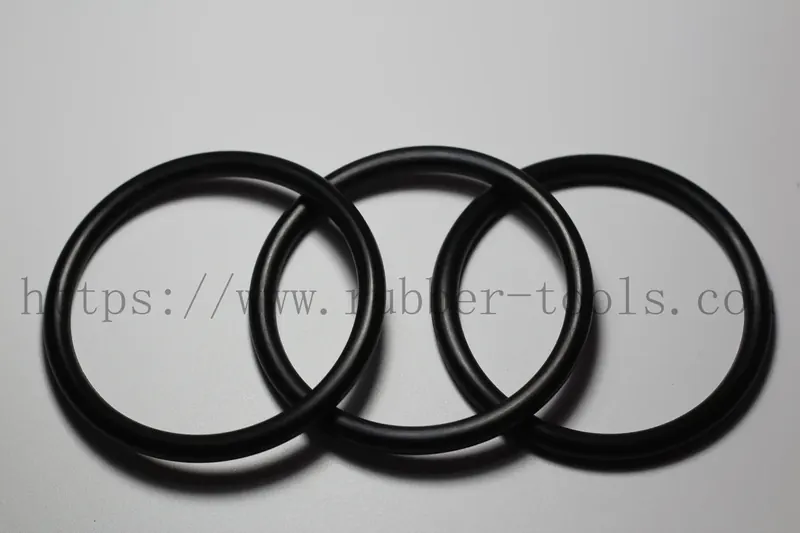
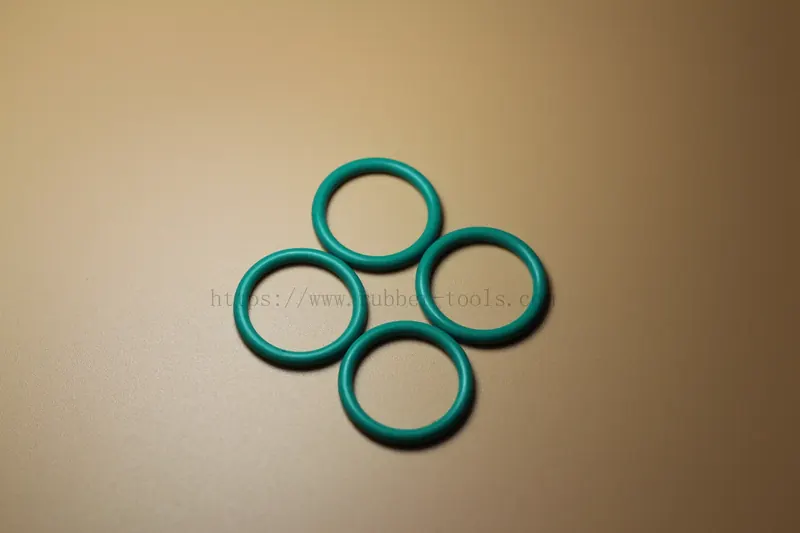
| BD-FKM-85A | Fluid resistance: R-134a/CO₂; Tensile: 14 MPa | Refrigerant line O-rings |
| BD-HNBR-90B | Abrasion loss: 45 mm³; Temp range: -60°C to 150°C | Actuator boots, valve stems |
As an OEM partner, we implement full process traceability from raw material lot numbering to final inspection reports. Our clients benefit from accelerated prototyping cycles (≤15 days for T1 samples) and scalable production across 12 hydraulic presses (50T–500T). All compounds comply with FDA 21 CFR 177.2600 and ISO 10993-5 for medical-grade freezers, with documentation supporting AS9100 and ISO 13485 audits. We collaborate with clients during DFM stages to optimize part geometry for manufacturability, reducing scrap rates by up to 30% while meeting aerospace and medical device lifecycle requirements. This end-to-end control ensures rubber components that maintain leak-tight integrity across 50,000+ thermal cycles—directly enhancing aero freezer reliability and client time-to-market.
Customization Process

Customization Process for Aero Freezer Rubber Components
At Suzhou Baoshida Trading Co., Ltd., our approach to delivering high-performance rubber solutions for aero freezer applications follows a rigorous, science-driven customization pathway. Each stage is engineered to ensure material compatibility, dimensional accuracy, and long-term reliability under extreme low-temperature environments. The process begins with Drawing Analysis, where technical blueprints provided by OEM partners are meticulously evaluated. Our engineering team assesses critical parameters such as part geometry, sealing surfaces, tolerance ranges, and installation constraints. This phase ensures that all design intent is fully understood and that potential manufacturability issues are identified early.
Following drawing validation, we proceed to Formulation Design—a core competency where material science meets application demands. Aero freezers operate at sub-zero temperatures, often below -40°C, necessitating elastomers with exceptional low-temperature flexibility, compression set resistance, and minimal outgassing. Based on the operational profile, we select base polymers such as hydrogenated nitrile (HNBR), fluorocarbon (FKM), or silicone (VMQ), then tailor the compounding recipe with specialized additives. These include anti-degradation agents, reinforcing fillers, and cryo-stabilizers to prevent embrittlement. The formulation is optimized using rheological modeling and accelerated aging simulations to predict long-term behavior.
Prototyping is the next critical phase, where precision molding techniques—such as injection, compression, or transfer molding—are employed to produce functional samples. These prototypes undergo comprehensive testing in simulated aero freezer conditions, including thermal cycling, vacuum exposure, and mechanical stress evaluation. Dimensional inspection is performed using coordinate measuring machines (CMM) to verify conformity to print specifications. Feedback from this stage informs any necessary design or material refinements before release for Mass Production.
In the final stage, production is scaled under strict ISO 9001-certified processes, ensuring batch-to-batch consistency and full traceability. All compounds are mixed in controlled environments with real-time monitoring of cure characteristics. Finished components are subjected to 100% visual inspection and statistical sampling for physical property verification.
The table below outlines key material and performance specifications for typical aero freezer sealing applications:
| Property | Test Method | HNBR | FKM | VMQ |
|---|---|---|---|---|
| Hardness (Shore A) | ASTM D2240 | 70 ± 5 | 75 ± 5 | 65 ± 5 |
| Tensile Strength (MPa) | ASTM D412 | ≥15 | ≥12 | ≥8 |
| Elongation at Break (%) | ASTM D412 | ≥250 | ≥180 | ≥300 |
| Low-Temperature Flexibility (TR10, °C) | ASTM D1329 | -50 | -25 | -60 |
| Compression Set (70h at -40°C, %) | ASTM D395 | ≤30 | ≤40 | ≤35 |
| Operating Temperature Range (°C) | — | -50 to +150 | -20 to +200 | -60 to +180 |
Through this structured, data-backed process, Suzhou Baoshida ensures that every rubber component meets the exacting standards required in aerospace refrigeration systems.
Contact Engineering Team

Precision Elastomer Solutions for Aero Freezer Applications: Engineering Contact Protocol
Aero freezer systems operate under extreme cryogenic conditions, where standard elastomer compounds inevitably fail due to embrittlement, loss of seal integrity, and accelerated compression set. At Suzhou Baoshida Trading Co., Ltd., our Rubber Formula Engineering team specializes in proprietary fluoroelastomer (FKM) and perfluoroelastomer (FFKM) formulations engineered explicitly for temperatures as low as -80°C. These compounds undergo rigorous ISO 2230-certified validation for thermal cycling stability, outgassing resistance, and resilience against aggressive refrigerants like R-23 and R-508B. Generic rubber seals compromise system reliability, leading to costly downtime and contamination risks in pharmaceutical or aerospace cold-chain workflows. Our formulations mitigate these failures through molecular crosslinking optimization and nano-filler dispersion technology, ensuring dimensional stability across 10,000+ thermal cycles.
Material performance is non-negotiable in cryogenic sealing. Below is a comparative analysis of critical properties for standard versus Baoshida-engineered compounds under aero freezer operational parameters:
| Property | Standard FKM Compound | Baoshida CryoSeal™ FFKM | Test Standard |
|---|---|---|---|
| Glass Transition Temperature (Tg) | -25°C | -110°C | ASTM D3418 |
| Compression Set at -70°C (72h) | 78% | 12% | ASTM D395 Method B |
| Tensile Strength at -80°C | 1.8 MPa | 8.5 MPa | ISO 37 |
| Outgassing (Total Mass Loss) | 1.2% | 0.03% | ASTM E595 |
| Permeation Rate (R-23, 23°C) | 18.7 cm³·mm/m²·day·atm | 0.8 cm³·mm/m²·day·atm | ISO 2782 |
These specifications reflect our commitment to eliminating seal-induced failures in ultra-low-temperature environments. Each compound is batch-traceable to ISO 9001:2015-certified production runs, with lot-specific certificates of conformance available upon request. Our OEM integration process begins with a technical audit of your freezer’s dynamic sealing interfaces, pressure differentials, and fluid compatibility requirements. We then deploy finite element analysis (FEA) to simulate compound behavior under your exact operational profile, followed by prototype validation in our in-house cryogenic test chamber (-100°C to 150°C range).
For immediate technical engagement, contact Mr. Boyce, OEM Manager and Lead Rubber Formulation Engineer at Suzhou Baoshida. Mr. Boyce holds 14 years of specialized experience in cryogenic elastomer development, including NASA-certified projects for liquid hydrogen sealing systems. He will initiate a structured engineering dialogue to define your material formulation parameters, dimensional tolerances, and qualification protocols. Direct correspondence ensures your requirements bypass generic sales channels and enter our technical workflow within 4 business hours. Provide your system’s operating envelope, fluid media, and failure history for a targeted compound recommendation.
All technical inquiries must reference your application’s ISO 21360-3 compliance class and maximum allowable leakage rate (e.g., 1×10⁻⁹ mbar·L/s for vacuum integrity). Mr. Boyce coordinates cross-functional support from our Shanghai R&D lab and Suzhou production facility to deliver samples within 15 working days. Initiate the engineering review process exclusively via:
Include “Aero Freezer Technical Query – [Your Company Name]” in the subject line. Suzhou Baoshida does not process unqualified RFQs; all engagements require documented performance specifications. Our engineering team responds only to technically substantiated requests with defined material test plans. Partner with us to eliminate elastomer-related downtime in your critical cooling infrastructure.
⚖️ O-Ring Weight Calculator
Estimate rubber O-ring weight (Approx).