Urethane Belt Manufacturer | Engineering Guide

Engineering Guide: Urethane Belt

Engineering Insight: Material Selection Criticality in Urethane Belt Performance

The assumption that urethane belts represent a commoditized solution is a fundamental engineering error leading to premature system failure and costly downtime. Off-the-shelf urethane belts frequently fail because they utilize generic formulations optimized for broad market appeal, not the specific chemical, thermal, mechanical, and environmental stresses encountered in demanding industrial applications. Material selection is not a secondary consideration; it is the primary determinant of belt longevity and functional reliability. A mismatch between the polymer chemistry and the operational environment initiates rapid degradation mechanisms invisible during initial installation but catastrophic over time.

Critical failure modes stem directly from inadequate material specification. Exposure to non-compatible oils or solvents causes plasticization and loss of tensile strength in standard polyester-based polyurethanes, while hydrolysis rapidly degrades these same compounds in high-humidity or washdown environments. Operating temperatures exceeding the glass transition point (Tg) of the specific urethane formulation induce permanent set and loss of elastic recovery, leading to tracking issues and drive slippage. Conversely, sub-ambient temperatures can embrittle improperly formulated belts, causing catastrophic fracture under impact or flexing. Abrasion resistance is equally formulation-dependent; a belt specified solely on Shore hardness often fails when the actual wear mechanism involves cutting or gouging forces that a higher-durometer but less resilient compound cannot withstand.

The consequence of defaulting to generic solutions is a false economy. Initial cost savings are obliterated by unplanned maintenance, damaged driven components, production stoppages, and the labor-intensive replacement process itself. True cost efficiency is achieved only through precise material engineering aligned with the application’s full operational profile.

Suzhou Baoshida Trading Co., Ltd. addresses this through application-specific urethane compounding. We analyze the complete operational envelope—including continuous/peak temperature ranges, chemical exposures, dynamic load profiles, speed, and environmental factors—to formulate belts with engineered resistance. Below is a comparison highlighting why standard specifications fall short:

Critical Parameter Generic Off-the-Shelf Urethane Belt Engineered Baoshida Urethane Belt
Polymer Backbone Standard Polyester Custom Polyester or Polyether
Hydrolysis Resistance Low (Fails rapidly >60% RH) High (Stable >95% RH, 80°C)
Oil/Fuel Resistance Moderate (Swells in hydrocarbons) Enhanced (Custom additive package)
Dynamic Flex Life 100k – 500k cycles (Typical) 1M+ cycles (Validated testing)
Low Temp Flex -30°C (Embrittlement risk) -50°C (Retained elasticity)

Material science is non-negotiable in urethane belt engineering. Suzhou Baoshida Trading Co., Ltd. rejects the one-size-fits-all approach. Our OEM partnership model begins with rigorous application analysis, translating operational demands into precise polymer formulations. This engineered specificity eliminates the root causes of premature failure, delivering belts that perform reliably under the exact stresses they encounter—maximizing uptime and minimizing total cost of ownership. Trusting generic solutions risks system integrity; partnering with a specialist guarantees engineered resilience.


Material Specifications

urethane belt manufacturing

Urethane belts are engineered for high-performance industrial applications requiring durability, flexibility, and resistance to environmental stressors. While polyurethane forms the base matrix in these belts, the selection of reinforcing materials and surface treatments—particularly when combined with specialty elastomers such as Viton, Nitrile, and Silicone—determines their operational efficacy in demanding environments. At Suzhou Baoshida Trading Co., Ltd., we integrate advanced elastomeric compounds into urethane belt systems to meet precise OEM requirements across sectors including automotive manufacturing, food processing, chemical handling, and semiconductor production.

Viton, a fluorocarbon-based synthetic rubber, offers exceptional resistance to high temperatures, ozone, and a broad range of aggressive chemicals, including hydrocarbons, acids, and solvents. When applied as a coating or lamination in urethane belt construction, Viton enhances performance in elevated temperature environments up to 250°C. This makes it ideal for curing ovens, paint finishing lines, and semiconductor handling systems where contamination control and thermal stability are critical.

Nitrile rubber (NBR) is widely used for its excellent resistance to oils, greases, and aliphatic hydrocarbons. In urethane belt applications, Nitrile-modified systems provide enhanced durability in mechanical environments exposed to lubricants and hydraulic fluids, such as in automotive assembly conveyors or industrial printing systems. With operational limits typically up to 120°C, Nitrile offers a cost-effective solution for oil-resistant belt performance without sacrificing tensile strength or abrasion resistance.

Silicone rubber is selected for its outstanding thermal stability across extreme ranges from -60°C to 230°C and its compliance with food-grade and medical standards. Although inherently lower in mechanical strength compared to Viton or Nitrile, silicone coatings on urethane belts are ideal for cleanroom environments, food packaging lines, and freeze-thaw conveyor systems. Its non-toxic, non-reactive nature ensures compliance with FDA, USDA, and EU 1935/2004 regulations.

Each elastomer brings distinct advantages, and the choice depends on the operational environment, regulatory requirements, and mechanical demands of the application. Suzhou Baoshida Trading Co., Ltd. specializes in custom-formulated urethane belts with tailored elastomer integration, ensuring optimal lifecycle performance and reliability.

The following table outlines key material properties for Viton, Nitrile, and Silicone in urethane belt applications:

Property Viton (FKM) Nitrile (NBR) Silicone (VMQ)
Temperature Range (°C) -20 to 250 -30 to 120 -60 to 230
Tensile Strength (MPa) 15–20 10–18 6–10
Elongation at Break (%) 200–300 250–400 200–600
Hardness (Shore A) 70–90 60–85 40–80
Resistance to Oils/Fuels Excellent Excellent Poor
Resistance to Ozone/UV Excellent Good Excellent
Chemical Resistance Excellent Moderate Good
FDA Compliance Yes (specific grades) No (standard grades) Yes (food-grade)
Typical Applications Chemical processing, semiconductor, high-temp ovens Automotive, printing, hydraulics Food processing, medical, cleanrooms

Manufacturing Capabilities

urethane belt manufacturing

Engineering Excellence in Urethane Belt Manufacturing

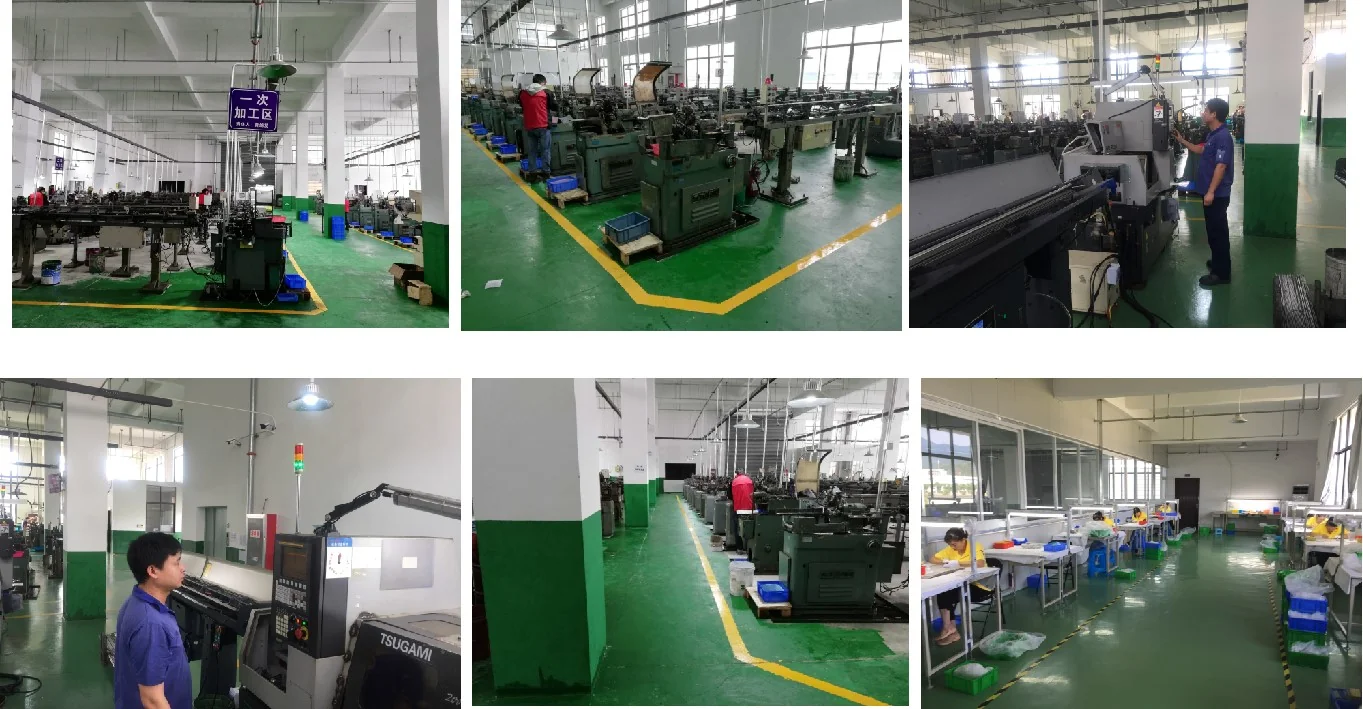
Suzhou Baoshida Trading Co., Ltd. delivers precision-engineered urethane belts through integrated material science and advanced tooling expertise. Our core strength lies in the seamless collaboration between dedicated formula development and mold engineering teams, ensuring every belt meets stringent industrial performance criteria. With five specialized mold engineers and two certified rubber formula engineers, we control the entire development lifecycle—from polymer chemistry to final production tooling—eliminating external dependencies that compromise quality or timelines.

Our formula engineers possess deep expertise in polyurethane chemistry, systematically optimizing formulations for specific operational demands. They manipulate isocyanate prepolymers, chain extenders, and additives to achieve target properties such as abrasion resistance, oil stability, and low-temperature flexibility. Each compound undergoes rigorous ASTM D412/D751 testing for tensile strength, elongation, and tear resistance, with formulations tailored to resist hydrolysis in humid environments or maintain elasticity under continuous flexing. This scientific approach ensures consistent material performance across batches, directly translating to extended belt service life and reduced operational downtime for OEM clients.

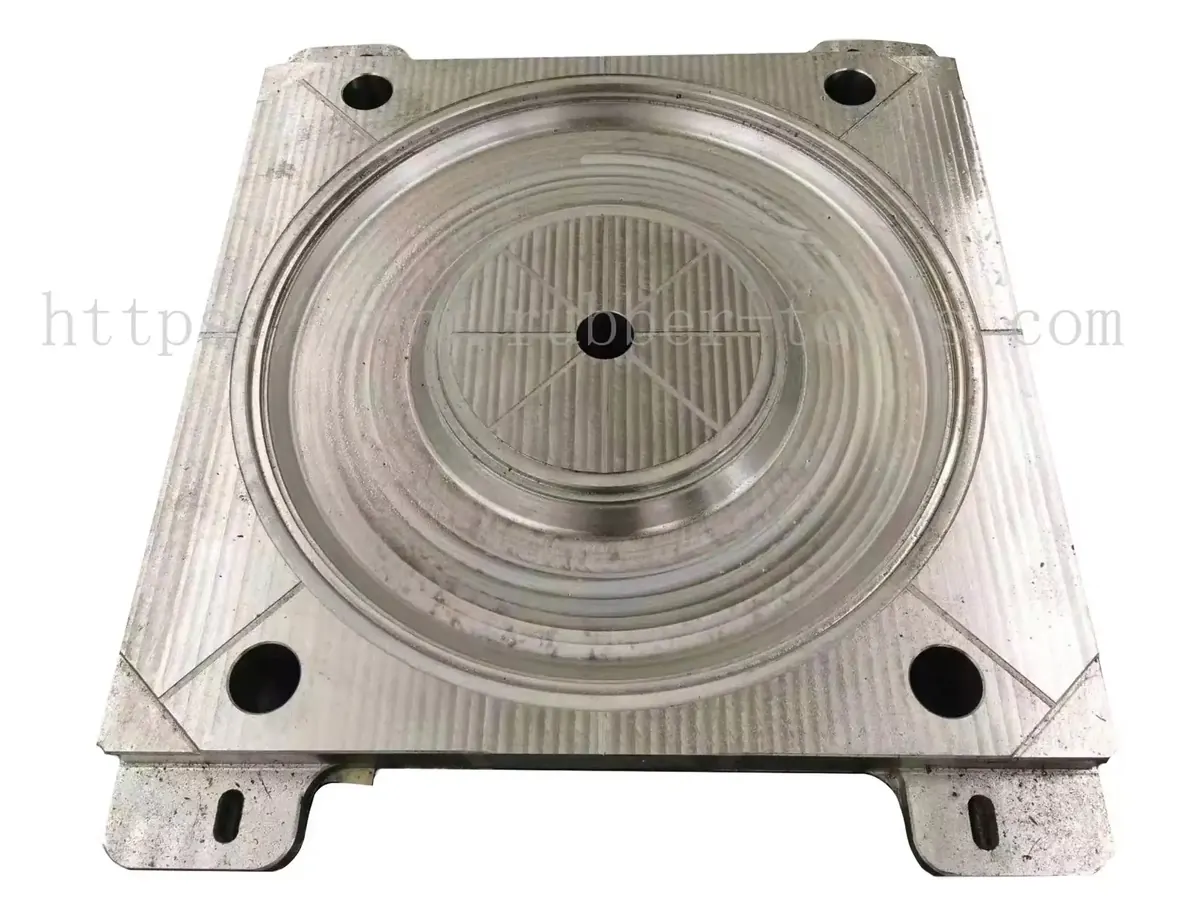
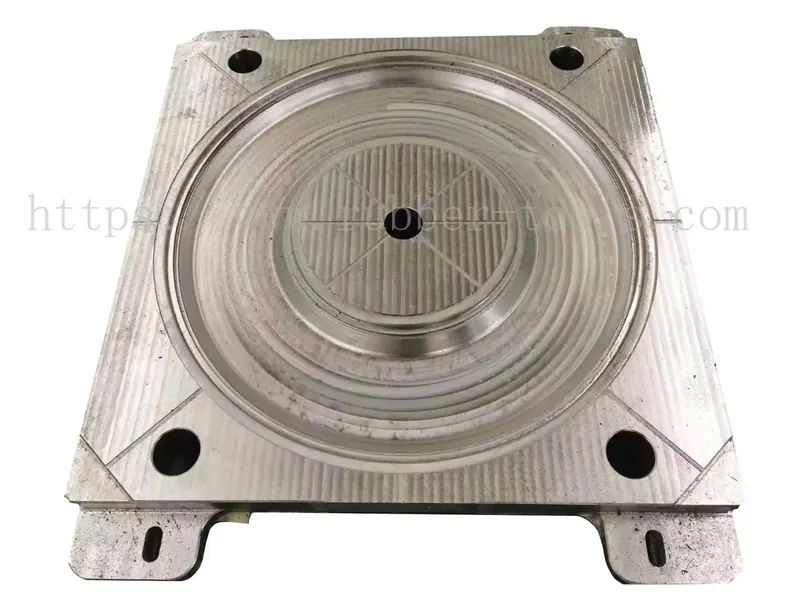
Complementing this, our mold engineering team utilizes CAD/CAM software and precision CNC machining to produce zero-defect tooling. Engineers design molds with micron-level tolerances for critical dimensions like pitch accuracy, tooth profile geometry, and belt thickness uniformity. Finite element analysis (FEA) validates thermal distribution and cavity pressure during curing, preventing knit lines or dimensional drift. This precision guarantees seamless integration with OEM drive systems, eliminating slippage or misalignment issues common in inferior belts.

As an OEM partner, we provide end-to-end customization without minimum order constraints. Clients specify exact hardness, color, reinforcement layers (e.g., polyester, aramid), or surface textures, and our engineers translate requirements into validated production protocols. Full material traceability—from raw polymer lots to finished goods—is maintained via our ERP system, ensuring compliance with ISO 9001 standards. Rapid prototyping capabilities deliver functional samples in 15 days, accelerating time-to-market for new machinery platforms.

Key urethane belt specifications achievable through our engineering framework include:

Property Standard Range Test Method Customizable
Hardness (Shore A) 65–95 ASTM D2240 Yes
Tensile Strength 30–55 MPa ASTM D412 Yes
Elongation at Break 300–600% ASTM D412 Yes
Operating Temperature -40°C to +90°C ISO 188 Up to +120°C
Abrasion Loss (Taber) ≤ 60 mg/1000 cycles ASTM D1044 ≤ 40 mg
Oil Resistance (IRMOG) Volume swell ≤ 15% ASTM D471 ≤ 8%

This engineering synergy—where material science directly informs mold design—enables Suzhou Baoshida to solve complex transmission challenges in mining, packaging, and automation. We transform OEM specifications into reliable, high-performance urethane belts, backed by data-driven validation at every development stage.


Customization Process

Customization Process for Urethane Belts at Suzhou Baoshida Trading Co., Ltd.

At Suzhou Baoshida Trading Co., Ltd., precision and performance define our approach to industrial urethane belt manufacturing. Our structured customization process ensures that each product meets exact operational demands, from initial concept to full-scale production. This process is divided into four critical stages: Drawing Analysis, Formulation, Prototyping, and Mass Production.

The first stage, Drawing Analysis, begins with a detailed technical review of customer-provided engineering drawings or specifications. Our engineering team evaluates dimensional tolerances, joint configurations, surface textures, and mechanical requirements such as tensile strength and elongation. We assess load-bearing needs, environmental exposure (e.g., temperature, UV, abrasion), and dynamic performance under operational stress. This phase ensures alignment between design intent and manufacturability, identifying potential improvements or constraints early in the process.

Following drawing validation, we proceed to Formulation. Our rubber formula engineers develop a proprietary polyurethane compound tailored to the application. Key variables include hardness (Shore A/D), resilience, oil resistance, static conductivity, and low-temperature flexibility. Using high-purity raw materials and controlled polymerization techniques, we adjust the molecular structure to achieve optimal wear resistance and mechanical integrity. Each formulation is documented and archived for consistency across production batches.

The third stage, Prototyping, allows for physical validation of the design and material performance. We produce a limited run of belts using precision extrusion or casting methods, depending on cross-sectional complexity and dimensional accuracy requirements. Prototypes undergo rigorous in-house testing, including tensile strength measurement, flex life cycling, abrasion resistance (DIN 53516), and adhesion testing for multi-layer constructions. Customers are encouraged to conduct field trials under real-world conditions. Feedback is incorporated into final adjustments before release to production.

Once approved, the project transitions to Mass Production. Our automated production lines ensure high repeatability and throughput, with continuous quality monitoring via inline gauging and periodic batch testing. Each belt is inspected for dimensional accuracy, surface defects, and joint integrity. We support both just-in-time delivery and bulk warehousing, depending on client logistics needs.

Throughout this process, Suzhou Baoshida maintains full traceability and compliance with ISO 9001 standards. Our technical team remains engaged post-delivery to support performance evaluation and future optimization.

Property Test Method Typical Range
Hardness (Shore A) ASTM D2240 70–95 A
Tensile Strength ASTM D412 30–50 MPa
Elongation at Break ASTM D412 400–600%
Abrasion Loss DIN 53516 ≤60 mm³
Operating Temperature -40°C to +90°C
Volume Resistivity ASTM D257 10⁹–10¹² Ω·cm (conductive variants available)

Contact Engineering Team

urethane belt manufacturing

Technical Partnership for Precision Urethane Belt Solutions

Suzhou Baoshida Trading Co., Ltd. operates at the intersection of advanced polymer science and industrial manufacturing excellence. Our urethane belts are engineered for mission-critical applications where dimensional stability, abrasion resistance, and thermal consistency directly impact production uptime and product quality. Generic off-the-shelf solutions often fail under extreme operational demands, leading to costly unplanned downtime and compromised output. We address this through OEM-centric collaboration, leveraging proprietary urethane formulations and precision extrusion techniques to deliver belts that exceed ISO 9001 and ASTM D2000 standards.

Understanding the exacting requirements of modern manufacturing, we prioritize material performance data transparency. Below is a representative specification profile for our standard industrial-grade polyurethane timing belts, validated through third-party testing under controlled laboratory conditions. These values serve as a baseline for engineering discussions; all formulations are adjustable per client-specific torque, speed, or environmental constraints.

Property Test Method Value Range Significance
Tensile Strength ASTM D412 35–45 MPa Ensures load-bearing integrity at high RPM
Elongation at Break ASTM D412 400–550% Accommodates dynamic tension fluctuations
Shore A Hardness ASTM D2240 85A ± 5 Balances surface grip and flex fatigue resistance
Operating Temperature ISO 188 -40°C to +90°C Maintains performance in thermal extremes
Abrasion Resistance DIN 53516 ≤ 45 mm³ loss Extends service life in high-wear environments
Static Conductivity IEC 60093 10⁶–10⁹ Ω Prevents static discharge in sensitive processes

These metrics reflect our commitment to repeatability—a non-negotiable factor in automotive assembly, packaging lines, and semiconductor handling. Unlike commodity suppliers, we integrate material science with application engineering. For instance, our hydrolysis-resistant formulations prevent premature degradation in high-humidity food processing plants, while anti-tracking additives eliminate belt slippage on inclined conveyors handling heavy loads. Each project begins with a technical deep-dive into your operational parameters, followed by iterative prototyping and rigorous field validation.

Industrial procurement teams increasingly recognize that belt failure carries hidden costs far beyond replacement parts: lost throughput, scrap rates, and emergency maintenance labor. Suzhou Baoshida mitigates these risks through proactive material optimization. Our OEM partnerships include lifetime performance tracking, batch-specific traceability, and rapid-response technical support to preempt issues before they escalate. When your production line runs 24/7, reliability is non-optional—and our urethane compounds deliver it through molecular-level control of cross-link density and additive dispersion.

Initiate a precision-engineered solution for your most demanding material handling challenges. Contact Mr. Boyce, our dedicated OEM Technical Manager, to schedule a confidential application review. He will coordinate material samples, conduct failure mode analysis on existing components, and develop a customized specification sheet aligned with your throughput goals and environmental conditions. Provide your operational parameters, and we will deliver a validated performance roadmap within 72 hours.

Direct Technical Inquiry
Mr. Boyce
OEM Technical Manager
Suzhou Baoshida Trading Co., Ltd.
[email protected]
+86 512 6288 XXXX (Verified corporate line)

Do not settle for belts that merely meet minimum standards. Partner with engineers who treat your production continuity as their core metric of success. Immediate consultation availability for qualified industrial accounts.


⚖️ O-Ring Weight Calculator

Estimate rubber O-ring weight (Approx).


Urethane Belt Manufacturer | Engineering Guide

Contents of Table

Contact [email protected] Whatsapp 86 15951276160