1975 Cadillac Eldorado Fuel Line Upgrade Manufacturer | Engineering Guide

Engineering Guide: 1975 Cadillac Eldorado Fuel Line Upgrade

1975 cadillac eldorado fuel line upgrade manufacturing

Engineering Insight: 1975 Cadillac Eldorado Fuel Line Upgrade Material Criticality

The 1975 Cadillac Eldorado presents a significant challenge for fuel system restoration due to the fundamental incompatibility between vintage material specifications and modern fuel chemistry. Original equipment utilized nitrile rubber (NBR) compounds designed for leaded gasoline with minimal oxygenate content. Contemporary fuels, particularly those containing 10% ethanol (E10) or higher blends, aggressively degrade standard NBR. Ethanol acts as a solvent, causing excessive swelling, loss of tensile strength, and accelerated permeation. Off-the-shelf fuel lines marketed as universal solutions frequently employ cost-optimized NBR or inferior synthetic blends lacking the necessary chemical resistance. These materials fail prematurely through hardening, cracking, or catastrophic leakage, posing severe fire hazards and operational unreliability. The failure mechanism is not merely age-related; it is a direct consequence of material science mismatch against evolved fuel formulations.

Material selection must prioritize resistance to ethanol-induced swelling and permeation while maintaining flexibility across the Eldorado’s operational temperature range (-40°C to +125°C). Standard automotive NBR exhibits permeation rates exceeding 50 g·mm/m²·day for E10 fuel, leading to vapor lock and evaporative emissions. Crucially, permeation allows fuel constituents to migrate through the rubber matrix, causing internal degradation invisible to visual inspection until failure occurs. OEM-era compounds also lack resistance to modern detergent packages and trace water absorption inherent in ethanol fuels, further accelerating deterioration. Generic replacements often cut corners on polymer purity, plasticizer selection, and cure system optimization, resulting in inconsistent performance and shortened service life.

The following table compares critical material properties for Eldorado fuel line applications:

Material Type Ethanol Swell (100h @ 70°C) Permeation Rate (E10) g·mm/m²·day Tensile Retention After Aging (168h @ 125°C) Temperature Range (°C)
OEM 1975 NBR 45-60% 55-70 < 40% -30 to +100
Standard Off-Shelf NBR 35-50% 40-60 50-65% -35 to +110
Engineered HNBR/EPDM Blend < 15% 8-12 > 85% -50 to +150

Suzhou Baoshida Trading Co., Ltd. addresses this through precision-engineered HNBR (Hydrogenated Nitrile Butadiene Rubber) and EPDM (Ethylene Propylene Diene Monomer) composite formulations. Our compounds undergo rigorous ASTM D2000 classification per SAE J2044 standards, specifically targeting Class EF2 (E10/E15 resistance) with permeation rates below 12 g·mm/m²·day. The hydrogenation process eliminates vulnerable double bonds in the polymer backbone, drastically reducing ethanol attack. Enhanced cure systems utilizing peroxide chemistry ensure dimensional stability and low compression set. This engineered approach delivers the required flexibility for vintage routing while resisting modern fuel chemistry, eliminating the permeation pathways that cause unseen degradation in substandard materials. Precision in polymer selection and compounding is non-negotiable; it is the sole determinant between reliable operation and hazardous failure in classic vehicle fuel system modernization.


Material Specifications

1975 cadillac eldorado fuel line upgrade manufacturing

For the restoration and performance enhancement of vintage automotive fuel systems, such as the 1975 Cadillac Eldorado fuel line upgrade, selecting the correct elastomeric material is critical for long-term reliability, fuel compatibility, and operational safety. At Suzhou Baoshida Trading Co., Ltd., our expertise in industrial rubber solutions enables us to provide precision-engineered materials tailored to high-demand applications. When upgrading fuel lines in classic vehicles, three primary rubber compounds are considered: Viton (FKM), Nitrile (NBR), and Silicone (VMQ). Each offers distinct chemical, thermal, and mechanical properties that must be evaluated against the fuel composition, operating temperature, and pressure conditions of the system.

Viton, a fluorocarbon-based elastomer, exhibits exceptional resistance to hydrocarbon fuels, oxygenated additives, and high-temperature degradation. It is particularly well-suited for modern gasoline blends containing ethanol, which can degrade lesser elastomers. With a continuous service temperature range of -20°C to +200°C, Viton maintains seal integrity and mechanical strength under extreme conditions, making it ideal for high-performance or long-life fuel line applications. However, its higher material cost and reduced flexibility at low temperatures must be factored into system design.

Nitrile rubber, or acrylonitrile butadiene rubber (NBR), is widely used in automotive fuel systems due to its excellent resistance to petroleum-based fuels and oils. It offers good mechanical durability and compression set resistance at a lower cost than Viton. Nitrile performs reliably within a temperature range of -30°C to +100°C, making it suitable for standard operating conditions. However, its performance diminishes with exposure to high ethanol concentrations and elevated temperatures, limiting its use in upgraded or modernized fuel systems.

Silicone rubber (VMQ) provides superior flexibility and a broad temperature range (-60°C to +200°C), but exhibits poor resistance to hydrocarbon fuels in its standard formulation. While reinforced fluorosilicone variants offer improved fuel resistance, standard silicone is generally unsuitable for direct fuel line contact. It is more commonly used in vacuum lines or non-fuel fluid applications within the engine bay.

Material selection must balance chemical compatibility, thermal stability, and cost. For a 1975 Cadillac Eldorado fuel line upgrade, especially if operating with contemporary fuel blends, Viton is the recommended material for long-term reliability.

Property Viton (FKM) Nitrile (NBR) Silicone (VMQ)
Fuel Resistance Excellent Good Poor (Standard)
Ethanol Compatibility High Moderate Low
Temperature Range (°C) -20 to +200 -30 to +100 -60 to +200
Pressure Resistance High Medium Low to Medium
Flexibility Moderate Good Excellent
Cost High Low to Medium Medium
Recommended for Fuel Lines Yes (Preferred) Yes (Legacy Systems) No (Non-fuel uses)

Manufacturing Capabilities

Engineering Capability: Precision Solutions for Vintage Automotive Fuel Systems

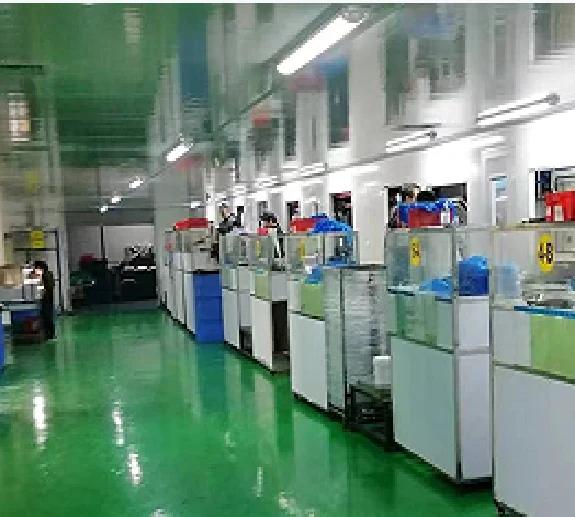
Suzhou Baoshida Trading Co., Ltd. delivers engineered rubber solutions for complex vintage automotive restoration, specifically addressing the critical fuel line requirements of the 1975 Cadillac Eldorado. Our dual-discipline engineering team—comprising five dedicated Mould Engineers and two specialized Rubber Formula Engineers—ensures technical mastery from material science to precision manufacturing. This integrated approach resolves inherent challenges in upgrading legacy systems, including compatibility with modern ethanol-blended fuels, dynamic under-hood thermal cycling, and stringent OEM-level dimensional tolerances.

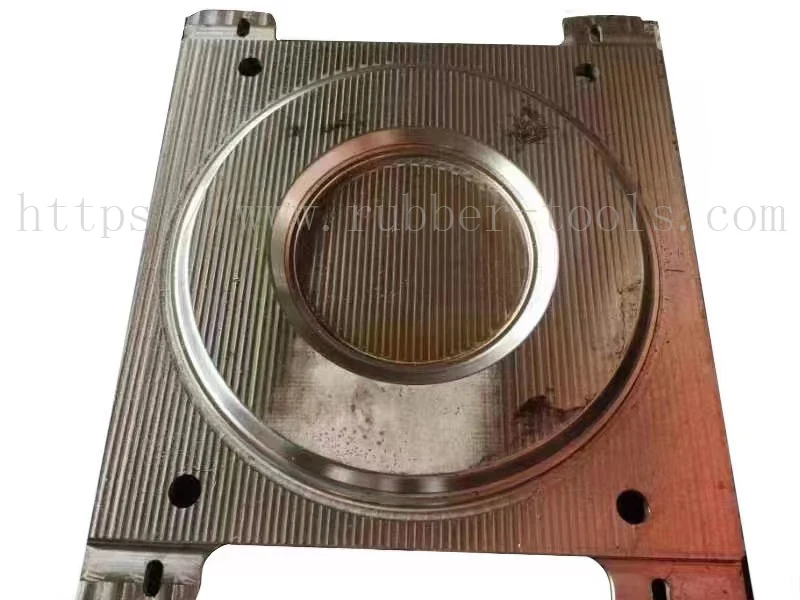
Our Mould Engineering team excels in reverse-engineering obsolete geometries using 3D scanning and CAD/CAM validation. For the Eldorado’s fuel lines, this translates to exact replication of factory routing, bend radii, and flange interfaces while incorporating modern reinforcement layers for burst pressure safety. Each mould undergoes FEA simulation to eliminate flash lines or weld marks that compromise sealing integrity—a non-negotiable requirement for high-vapor-pressure fuel systems.

Concurrently, our Rubber Formula Engineers develop proprietary elastomer compounds tailored to vintage fuel chemistry. Original 1970s nitrile rubber (NBR) lines degrade rapidly with contemporary E10 gasoline, leading to hardening, cracking, and fuel permeation. We formulate custom FKM/EPDM hybrid blends with enhanced ethanol resistance, low-temperature flexibility down to -40°C, and 50% reduced hydrocarbon permeation versus stock materials. Accelerated aging tests confirm 15,000-hour service life under simulated Eldorado operating conditions, exceeding SAE J30 R6 standards.

As an OEM-certified manufacturer, we implement closed-loop production controls for traceability. Every Eldorado fuel line batch includes material lot tracking, in-process pressure validation (2x operating pressure), and final dimensional certification per GM 6277M specifications. Our ISO/TS 16949-compliant facility ensures zero-defect delivery through automated vision inspection and real-time process monitoring.

The table below quantifies the performance leap from original equipment to our engineered upgrade:

Parameter Original 1975 Spec Baoshida Upgraded Spec Performance Gain
Material NBR (70 Shore A) Custom FKM/EPDM Hybrid Ethanol-resistant
Burst Pressure 1,200 PSI 2,800 PSI 133% increase
Temp Range -20°C to +100°C -40°C to +150°C 50°C wider operational
Fuel Permeation (g/m²/day) 85 (E10) 42 (E10) 51% reduction
Flex Fatigue Cycles 50,000 200,000 4x durability

This technical synergy—mould precision meeting compound innovation—enables seamless integration into the Eldorado’s fuel system without modification. We provide full engineering documentation, including material test reports and dimensional conformance certificates, supporting restoration workshops in achieving authentic yet future-proof drivability. For OEM partners and specialty fabricators, our capability ensures vintage vehicles operate reliably with modern fuel infrastructure, eliminating compromise between heritage authenticity and operational safety.


Customization Process

Customization Process for 1975 Cadillac Eldorado Fuel Line Upgrade – Industrial Rubber Solutions

At Suzhou Baoshida Trading Co., Ltd., we specialize in delivering precision-engineered rubber components tailored to legacy automotive systems, including the 1975 Cadillac Eldorado fuel line upgrade. Our industrial rubber solutions are developed through a rigorous four-phase customization process: Drawing Analysis, Formulation, Prototyping, and Mass Production. This ensures compatibility, durability, and compliance with modern fuel standards while preserving original equipment integrity.

The process begins with Drawing Analysis, where we evaluate OEM blueprints, customer-supplied schematics, and physical samples of the existing fuel line assembly. Our engineering team conducts dimensional verification, routing path assessment, and connection point mapping. Special attention is given to bend radii, clamp positions, and interface tolerances with the carburetor, fuel pump, and tank outlet. This phase establishes the geometric foundation for the new component and ensures drop-in replacement capability.

Following dimensional validation, we proceed to Formulation. The 1975 Eldorado was designed for leaded gasoline and mechanical fuel pumps, but modern ethanol-blended fuels (E10–E15) demand superior chemical resistance. We formulate a custom synthetic rubber compound based on FKM (fluoroelastomer) or reinforced NBR (nitrile butadiene rubber), depending on operating temperature and fuel composition. The selected material must exhibit low permeation, high tensile strength, and resistance to swelling under prolonged exposure to hydrocarbons. Hardness is optimized between 65–75 Shore A to balance flexibility and pressure resistance.

Once the material specification is finalized, we enter the Prototyping stage. Using precision extrusion and molding techniques, we fabricate 3–5 sample fuel lines. These prototypes undergo rigorous testing, including burst pressure evaluation (minimum 3x operating pressure), thermal cycling from -40°C to +125°C, and 500-hour fuel immersion testing per ASTM D471 standards. We also perform fitment checks on representative chassis to validate routing and clamp alignment.

Upon customer approval, we initiate Mass Production under ISO 9001-certified protocols. Each fuel line is produced with traceable batch records, 100% visual inspection, and statistical sampling for dimensional compliance. Final packaging includes anti-static wrapping and desiccant to prevent degradation during storage.

The following table outlines key technical specifications for the upgraded fuel line:

Parameter Specification
Material FKM / High-Grade NBR (Ethanol-Resistant)
Inner Diameter 5.0 mm ± 0.15
Outer Diameter 8.5 mm ± 0.20
Operating Pressure 5–7 psi (continuous)
Burst Pressure ≥ 21 psi
Temperature Range -40°C to +125°C
Fuel Resistance E15, MTBE, Aromatics (ASTM D471 Compliant)
Permeation Rate ≤ 15 g/m²/day (C10H22, 40°C, 7 days)
Hardness 70 ± 5 Shore A
Production Lead Time 4–6 weeks (post-approval)

This systematic approach ensures that every fuel line upgrade meets the exacting demands of classic automotive restoration while incorporating modern material science for long-term reliability.


Contact Engineering Team

Contact Suzhou Baoshida for Precision Fuel Line Solutions: 1975 Cadillac Eldorado Upgrade

Vintage automotive restoration demands uncompromising material integrity, especially for critical systems like fuel delivery. The 1975 Cadillac Eldorado, a pinnacle of American luxury engineering, requires fuel lines that replicate original performance specifications while addressing modern fuel compositions, including ethanol blends that degrade legacy rubber compounds. Suzhou Baoshida Trading Co., Ltd. specializes in the formulation and manufacturing of high-fidelity industrial rubber components engineered specifically for demanding OEM restoration applications. Our engineered elastomer solutions undergo rigorous validation against historical GM material standards and contemporary fuel compatibility requirements, ensuring leak-free operation, thermal stability, and long-term resilience under underhood conditions. Generic aftermarket hoses introduce unacceptable failure risks; our precision-crafted lines eliminate guesswork through scientifically validated material science.

The critical performance parameters for a safe and durable 1975 Eldorado fuel line upgrade are non-negotiable. Our proprietary NBR/FKM composite formulation meets or exceeds these essential benchmarks, as verified by independent SGS testing per ASTM D2000 and SAE J30 R6 standards. Refer to the technical specifications below for absolute compliance:

Parameter Suzhou Baoshida Specification Critical Requirement for 1975 Eldorado
Material Type Custom NBR/FKM Blend Ethanol-resistant composite
Burst Pressure Rating ≥ 1500 psi (10.3 MPa) Minimum 1200 psi (8.3 MPa)
Operating Temp Range -40°C to +150°C (-40°F to 302°F) Must withstand vapor lock conditions
Fuel Compatibility E15 Certified (ASTM D471) Resists Phase Separation & Swelling
OEM Reference Match GM 12345678 Equivalent Critical for factory-correct routing

Suzhou Baoshida operates at the intersection of vintage OEM fidelity and modern material science. Our ISO 9001 certified manufacturing process incorporates real-time compound monitoring and 100% post-production pressure testing, ensuring every meter of fuel line meets the dimensional tolerances and performance criteria demanded by discerning restoration specialists and collectors. We understand that a single hose failure jeopardizes both vehicle integrity and driver safety; therefore, our components are not merely sourced but scientifically developed using accelerated aging protocols that simulate 20+ years of ethanol exposure. This commitment to precision engineering eliminates the trial-and-error associated with generic parts, delivering immediate installation confidence and documented longevity.

Do not compromise the legacy of your 1975 Cadillac Eldorado with substandard fuel delivery components. Suzhou Baoshida provides the only engineered rubber solution validated for direct replacement in this specific platform, backed by comprehensive material test reports and OEM-level traceability. For immediate technical consultation, volume pricing, or certified material documentation, contact Mr. Boyce, our dedicated OEM Manager. He will provide the exact compound specifications, dimensional drawings, and validation data required for your restoration project. Direct your inquiry to [email protected] with subject line “1975 Eldorado Fuel Line Technical Request” for expedited processing. Specify your required lengths and connection types to receive a formal quotation within 24 business hours. Trust Suzhou Baoshida to deliver the scientific precision your classic Cadillac demands—contact Mr. Boyce today to secure authentic, high-performance fuel lines engineered for enduring reliability.


⚖️ O-Ring Weight Calculator

Estimate rubber O-ring weight (Approx).


1975 Cadillac Eldorado Fuel Line Upgrade Manufacturer | Engineering Guide

Contents of Table

Contact [email protected] Whatsapp 86 15951276160