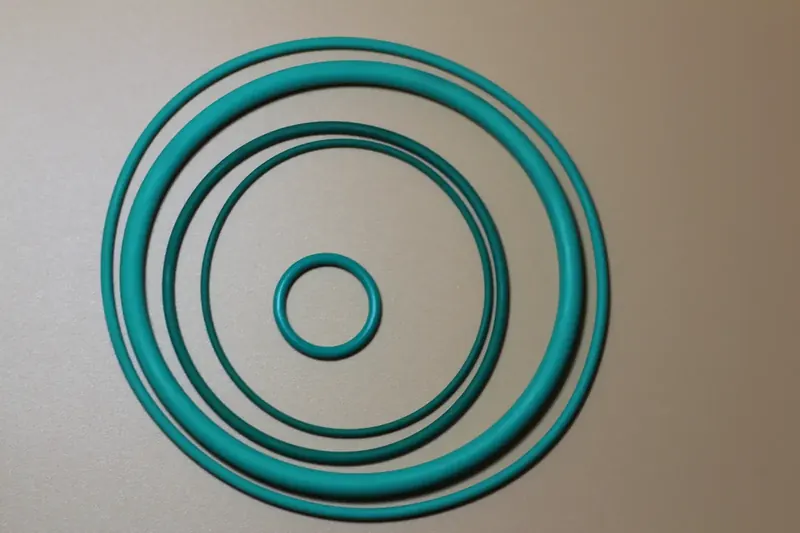
Elastosil E41 Manufacturer | Engineering Guide

Engineering Guide: Elastosil E41

elastosil e41 manufacturing

Engineering Insight: Elastosil E41 – Precision Material Selection Beyond Generic Solutions

Material selection constitutes the foundational engineering decision in high-performance rubber component design, directly dictating functional longevity and system reliability. Off-the-shelf silicone compounds frequently fail in demanding industrial applications due to insufficient customization for specific operational stressors. Elastosil E41, a platinum-cured liquid silicone rubber (LSR) engineered by Wacker Chemie AG, exemplifies the critical necessity of purpose-built formulations. Its molecular architecture delivers exceptional properties unattainable in generic silicones, particularly where thermal stability, chemical resistance, and long-term elastic recovery are non-negotiable. Standard commercial silicones often exhibit premature compression set, inadequate tear strength under dynamic loads, or susceptibility to fluid degradation, leading to seal failure, contamination, or catastrophic component breakdown. These failures manifest not during initial testing but through accelerated aging in situ, resulting in costly downtime, warranty claims, and reputational damage for OEMs. Field failures consistently demonstrate that generic materials compromise on critical crosslink density control and filler optimization, sacrificing performance for lower cost and faster production cycles.

Elastosil E41 addresses these vulnerabilities through precise platinum-catalyzed vulcanization and high-purity silica reinforcement. Its engineered structure ensures minimal compression set even after prolonged exposure to elevated temperatures, maintaining sealing force integrity where standard silicones permanently deform. Superior resistance to automotive fluids, steam, and ozone prevents swelling, cracking, or hardening in harsh environments like under-hood components or medical fluid handling systems. Crucially, its consistent flow characteristics and low shrinkage enable the production of complex, thin-walled geometries with tight tolerances – essential for microfluidic devices or precision gaskets – without the voids or inconsistencies common in less controlled formulations. The cost of component failure vastly exceeds the marginal premium of a validated engineered material like E41. Suzhou Baoshida Trading Co., Ltd. emphasizes rigorous application analysis to match material science to operational reality, preventing the false economy of generic substitutes.

The following table contrasts Elastosil E41’s certified properties against typical off-the-shelf silicone limitations:

Property Elastosil E41 (Typical Value) Standard Off-the-Shelf Silicone Limitation
Hardness Range (Shore A) 40 – 80 (Precise gradation) Limited range; inconsistent batch control
Tensile Strength (MPa) 8.0 – 10.0 (ASTM D412) Often < 7.0 MPa; higher variability
Elongation at Break (%) 600 – 800 (ASTM D412) Typically 400 – 600%; prone to premature failure
Compression Set (22h/150°C) ≤ 15% (ASTM D395 Method B) Frequently > 25%; significant permanent deformation
Continuous Use Temperature -50°C to +200°C Often limited to +150°C; rapid degradation above
Fluid Resistance (e.g., Oils) Excellent (Minimal swell) Moderate to poor; significant swell/hardening

Selecting Elastosil E41 is not merely specifying a material but implementing a proven engineering solution. Suzhou Baoshida Trading Co., Ltd. partners with OEMs to validate this compound against exact application parameters, ensuring reliability where generic alternatives inevitably compromise performance and safety. Precision manufacturing demands precision materials.


Material Specifications

elastosil e41 manufacturing

Elastosil E41 is a high-performance liquid silicone rubber (LSR) manufactured by Wacker Chemie AG, widely adopted in industrial, automotive, and medical applications due to its excellent thermal stability, compression set resistance, and biocompatibility. As a two-component addition-cure silicone, Elastosil E41 offers consistent flow properties and rapid vulcanization, making it ideal for precision injection molding processes. When evaluating Elastosil E41 against other common elastomers such as Viton (FKM), Nitrile (NBR), and general-purpose silicone (VMQ), it is essential to consider mechanical properties, chemical resistance, temperature range, and application-specific performance.

Viton fluorocarbon rubber exhibits superior resistance to oils, fuels, and high-temperature environments, commonly operating in ranges from -20°C to 230°C. It is frequently specified in aerospace, automotive fuel systems, and chemical processing equipment where exposure to aggressive media is expected. However, Viton has higher material and processing costs compared to other elastomers, and its low-temperature flexibility is limited.

Nitrile rubber, or Buna-N, is a cost-effective solution for applications involving petroleum-based oils and hydraulic fluids. With a typical service temperature between -30°C and 100°C, NBR provides good abrasion resistance and tensile strength. It is commonly used in seals, gaskets, and hoses within automotive and industrial machinery. However, NBR performs poorly under ozone, UV exposure, and high-temperature conditions, limiting its use in outdoor or extreme environments.

General-purpose silicone rubber (VMQ) offers wide thermal stability from -60°C to 200°C and excellent resistance to UV and ozone. It is widely used in electrical insulation, food-contact applications, and low-stress sealing components. While VMQ provides good flexibility at low temperatures, it has relatively poor resistance to oils and fuels, as well as lower tensile and tear strength compared to NBR or Viton.

Elastosil E41, as a premium liquid silicone, combines the thermal and environmental resistance of silicone with superior processing efficiency and part consistency. It maintains performance from -50°C to 180°C, with short-term exposure up to 200°C. Its low compression set and high purity meet stringent industry standards, including USP Class VI and FDA compliance, making it suitable for medical and food-grade applications. Furthermore, its addition-cure mechanism eliminates by-products during curing, ensuring high part integrity in complex molds.

The following table summarizes key physical and chemical properties of these materials for comparative analysis.

Property Elastosil E41 (LSR) Viton (FKM) Nitrile (NBR) Silicone (VMQ)
Base Polymer Addition-cure LSR Fluorocarbon Nitrile Vinyl-methyl
Hardness (Shore A) 40–80 60–90 50–90 30–80
Tensile Strength (MPa) 8–12 12–20 15–25 5–10
Elongation at Break (%) 400–600 200–400 200–500 400–700
Continuous Use Temp Range (°C) -50 to 180 -20 to 230 -30 to 100 -60 to 200
Compression Set (22 hrs, 150°C) <20% <25% 30–50% <20%
Resistance to Oils/Fuels Moderate Excellent Good Poor
Resistance to Ozone/UV Excellent Excellent Fair Excellent
Biocompatibility Yes (USP VI, FDA) Limited No Yes (some grades)

Selecting the appropriate elastomer requires balancing performance requirements with cost and processing constraints. Elastosil E41 stands out in applications demanding precision, purity, and long-term reliability under thermal cycling and environmental exposure.


Manufacturing Capabilities

elastosil e41 manufacturing

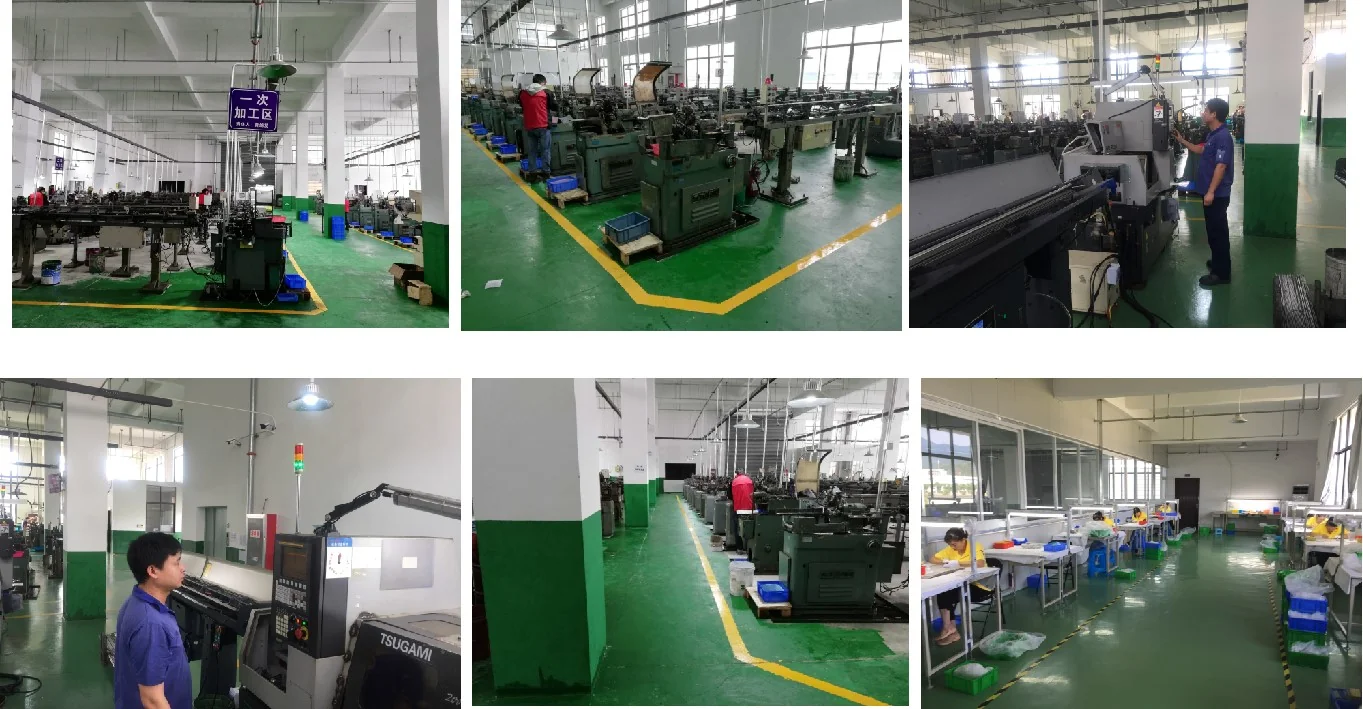
Suzhou Baoshida Trading Co., Ltd. Engineering Capability for Elastosil E41 Manufacturing

Suzhou Baoshida Trading Co., Ltd. leverages deep technical expertise to deliver precision-engineered Elastosil E41 silicone components for demanding industrial applications. Our core strength lies in an integrated engineering team comprising five specialized mould engineers and two dedicated rubber formula engineers. This structure ensures seamless collaboration from material science to final tooling, optimizing both the elastomer formulation and manufacturing process for Elastosil E41. Our formula engineers possess advanced proficiency in platinum-cure silicone chemistry, enabling precise modification of Elastosil E41’s base properties to meet exact client specifications for compression set, thermal stability, and chemical resistance without compromising its inherent biocompatibility or electrical insulation characteristics.

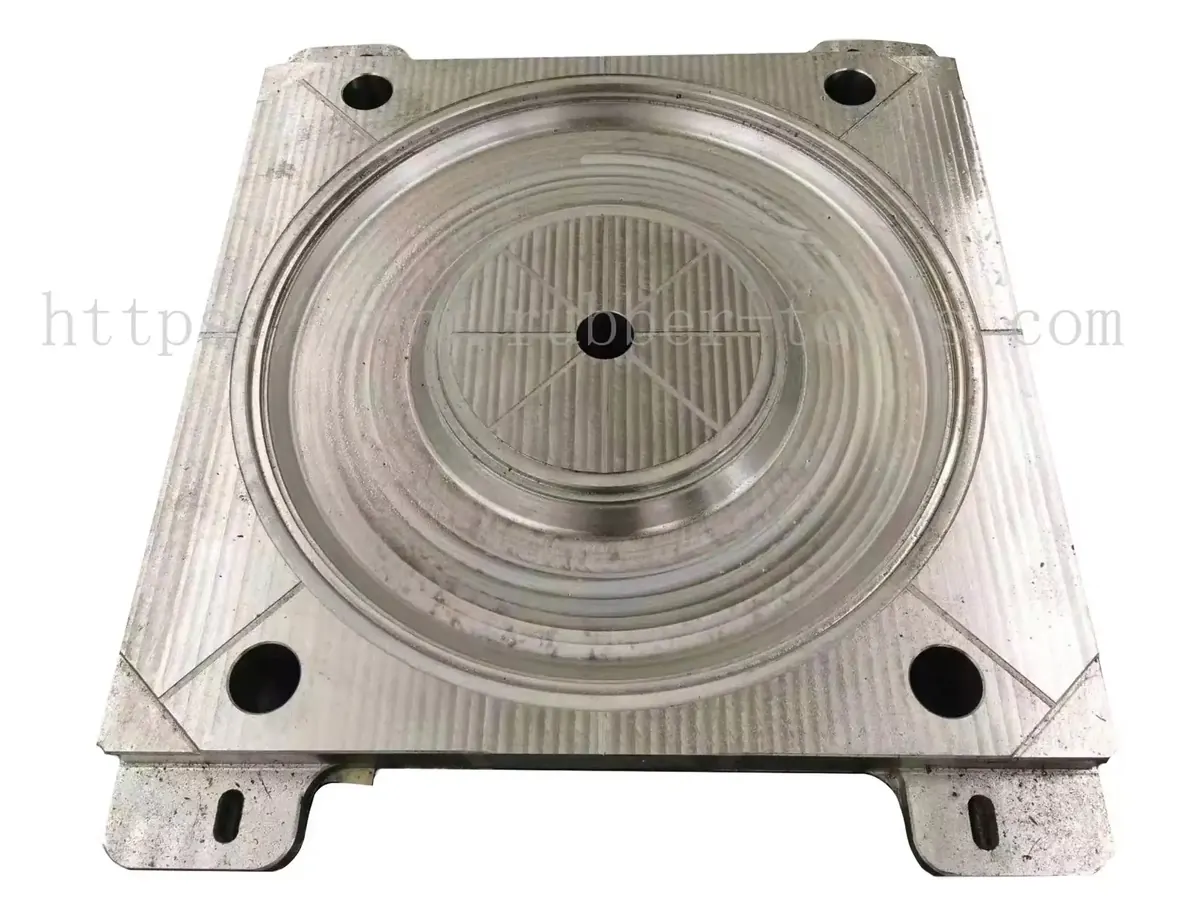
Mould engineering excellence drives manufacturability and part consistency. Our five engineers utilize advanced CAD/CAM software and moldflow analysis to design tooling that accommodates Elastosil E41’s unique flow behavior and cure kinetics. This mitigates common challenges such as flash, incomplete cavity filling, or post-cure distortion, ensuring dimensional accuracy within ±0.1 mm tolerances for complex geometries. Critical to our process is the co-engineering approach: formula adjustments are validated against mould performance data, guaranteeing the final compound performs optimally under actual production conditions.

As a certified OEM partner, Suzhou Baoshida manages end-to-end production under strict ISO 9001 protocols. We execute controlled compounding, precision liquid injection molding (LIM), and secondary operations including plasma treatment or automated assembly. Rigorous in-process validation via FTIR spectroscopy and rheometry ensures batch-to-batch repeatability of Elastosil E41’s critical properties. Our OEM framework includes full documentation control, PPAP submission support, and real-time SPC monitoring, providing clients with auditable traceability from raw material lot to finished component.

The following table details key physical properties of standard Elastosil E41 after curing, reflecting baseline performance achievable through our optimized processes:

Property Test Method Value
Hardness (Shore A) ASTM D2240 40 ± 3
Tensile Strength ASTM D412 ≥ 8.0 MPa
Elongation at Break ASTM D412 ≥ 600 %
Tear Strength ASTM D624 ≥ 25 kN/m
Operating Temperature Range -50°C to +200°C
Specific Gravity ASTM D792 1.12 ± 0.02
Volume Resistivity ASTM D257 ≥ 1.0 x 10¹⁴ Ω·cm

Suzhou Baoshida’s engineering synergy transforms Elastosil E41’s theoretical potential into production-ready solutions. By unifying formula science with precision moulding, we eliminate performance gaps between material datasheets and real-world component behavior. Our OEM commitment extends beyond manufacturing to joint problem-solving, ensuring clients receive not just parts, but validated systems that enhance product reliability in automotive, medical, and energy applications. This integrated capability positions us as a strategic partner for complex silicone projects demanding uncompromised technical execution.


Customization Process

elastosil e41 manufacturing

Drawing Analysis

The customization process for Elastosil E41 begins with a comprehensive drawing analysis to ensure dimensional accuracy, functional performance, and compatibility with the intended application environment. At Suzhou Baoshida Trading Co., Ltd., our engineering team evaluates client-supplied technical drawings with precision, focusing on critical parameters such as part geometry, tolerance specifications, sealing surfaces, and assembly interfaces. We assess draft angles, wall thickness uniformity, and potential stress concentration zones to prevent defects during molding. This stage also includes a feasibility review to determine whether the design can be efficiently produced using liquid silicone rubber (LSR) processing techniques. Any discrepancies or potential improvements are communicated through formal engineering feedback, ensuring alignment before formulation development begins.

Formulation Development

Once the design is validated, our rubber formula engineers initiate the formulation phase, tailoring the Elastosil E41 base compound to meet specific performance criteria. Elastosil E41, a platinum-cured, heat-resistant LSR, serves as the foundation for high-performance applications in automotive, medical, and industrial sectors. Modifications may include adjusting hardness (Shore A), enhancing thermal stability, improving tear strength, or optimizing flow behavior for complex mold geometries. Additives such as pigments, conductive fillers, or adhesion promoters are incorporated based on functional requirements. All formulations are developed in accordance with ISO 9001 standards and undergo rigorous laboratory testing, including rheometry, durometer analysis, and thermal gravimetric analysis (TGA), to ensure consistency and reliability.

Prototyping and Validation

Following formulation finalization, a prototype batch is produced using precision injection molding equipment calibrated for LSR processing. Prototypes are manufactured under near-production conditions to accurately simulate final part behavior. Each sample undergoes dimensional verification via coordinate measuring machine (CMM) inspection and is subjected to mechanical and environmental testing, including compression set, tensile strength, and exposure to elevated temperatures or chemical agents. This validation phase ensures that the part meets both design intent and operational demands. Client feedback is integrated at this stage, allowing for iterative refinements before tooling sign-off.

Mass Production

With prototype approval, the project transitions into mass production. Suzhou Baoshida leverages automated LSR injection lines with in-line quality monitoring to ensure batch-to-batch consistency. Real-time process control systems track key parameters such as shot weight, cure time, and mold temperature. All finished components are inspected per AQL standards, with full traceability maintained through batch coding and material certificates. Our production capacity supports both medium and high-volume runs, delivering customized Elastosil E41 solutions with minimal lead time.

Typical Physical Properties of Customized Elastosil E41 Formulations

Property Test Method Typical Value
Hardness (Shore A) ASTM D2240 40 – 70
Tensile Strength ASTM D412 ≥ 8.0 MPa
Elongation at Break ASTM D412 ≥ 600 %
Tear Strength (Die C) ASTM D624 ≥ 25 kN/m
Compression Set (22h, 150°C) ASTM D395 ≤ 20 %
Thermal Resistance (continuous) DIN 53508 Up to 180°C
Cure System Platinum-catalyzed
Specific Gravity ASTM D792 ~1.15 g/cm³

Contact Engineering Team

elastosil e41 manufacturing

Optimize Your Elastosil E41 Formulation with Suzhou Baoshida’s Precision Engineering

Selecting the optimal silicone compound is critical for demanding industrial applications where failure is not an option. Elastosil E41, Wacker Chemie AG’s platinum-cured liquid silicone rubber (LSR), delivers exceptional thermal stability, biocompatibility, and mechanical resilience for medical devices, automotive seals, and high-performance gaskets. However, achieving consistent production yields and meeting stringent OEM specifications requires more than raw material procurement—it demands expert formulation calibration and process validation. At Suzhou Baoshida Trading Co., Ltd., we bridge this gap through rigorous material science and tailored OEM support. Our engineering team possesses 15+ years of experience optimizing LSR compounds like Elastosil E41 for injection molding, compression molding, and 2K overmolding processes. We address critical pain points: viscosity inconsistencies affecting flow dynamics, post-cure shrinkage impacting dimensional tolerances, and adhesion challenges in multi-material assemblies. Partnering with us ensures your Elastosil E41 formulations meet ISO 13485, FDA 21 CFR 177.2600, and USP Class VI requirements without costly rework cycles.

Technical Comparison: Elastosil E41 vs. Industry Benchmarks

Property Elastosil E41 Standard Silicone LSR High-Performance Alternative
Hardness (Shore A) 40 ± 3 45 ± 5 35 ± 3
Tensile Strength (MPa) 9.5 7.0 8.2
Elongation at Break (%) 650 550 700
Temp Range (°C) -60 to +200 -50 to +180 -65 to +220
Compression Set (22h/150°C) 12% 25% 18%
FDA/USP Compliance Yes Partial Yes

This data underscores Elastosil E41’s superiority in balancing flexibility with structural integrity—particularly vital for dynamic sealing applications under thermal cycling. Yet, real-world performance hinges on precise catalyst ratios, inhibitor selection, and mold temperature profiling. Our Suzhou-based laboratory replicates your production environment to validate cure kinetics and material behavior, eliminating guesswork during scale-up. We provide full traceability from raw material batch certification to final part validation, ensuring compliance with IATF 16949 and medical device QMS protocols. For complex geometries requiring low compression set or enhanced tear resistance, our engineers develop custom additive packages without compromising E41’s inherent biocompatibility.

Initiate Your Technical Collaboration Today

Do not risk production delays or suboptimal part performance with generic material suppliers. Suzhou Baoshida delivers engineered rubber solutions—not commodities. Contact Mr. Boyce, our dedicated OEM Manager, to schedule a formulation review for your Elastosil E41 application. Mr. Boyce specializes in translating technical specifications into robust manufacturing processes, having supported Tier-1 automotive and Class III medical device manufacturers across APAC since 2008. He will coordinate a confidential assessment of your current challenges, including material testing, DOE optimization, and cost-impact analysis. Reach Mr. Boyce directly via email at [email protected] to receive a project-specific technical dossier within 48 hours. Specify your application’s ASTM/ISO test requirements and annual volume for immediate prioritization. With Suzhou Baoshida, transform Elastosil E41 from a raw material into a validated, high-yield production asset—backed by Suzhou’s industrial infrastructure and our uncompromising precision engineering standards. Your next-generation rubber component starts with a single technical consultation.


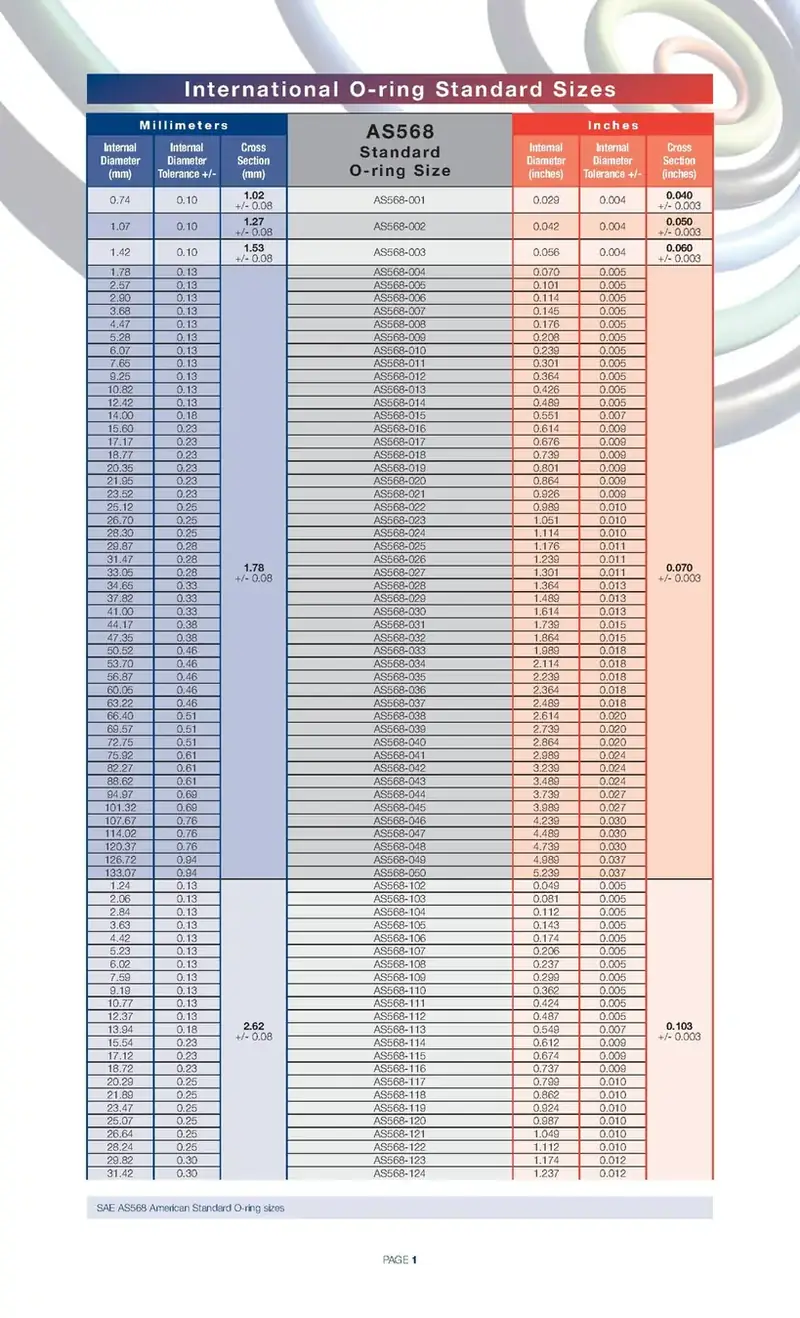
⚖️ O-Ring Weight Calculator

Estimate rubber O-ring weight (Approx).


Elastosil E41 Manufacturer | Engineering Guide

Contents of Table

Contact [email protected] Whatsapp 86 15951276160