Silicone Pump Sleeve Manufacturer | Engineering Guide

Engineering Guide: Silicone Pump Sleeve

silicone pump sleeve manufacturing

Material Selection Criticality in Silicone Pump Sleeve Engineering

Silicone pump sleeves operate under extreme mechanical stress, chemical exposure, and thermal cycling inherent to fluid transfer systems. Off-the-shelf silicone components frequently fail prematurely due to generic material formulations that ignore application-specific parameters. Standard commercial silicones prioritize cost and broad compatibility over the precise balance of resilience, chemical inertness, and dimensional stability required for continuous pump operation. This compromises seal integrity, accelerates wear, and risks catastrophic fluid contamination or system downtime.

The core failure mechanism lies in inadequate polymer backbone modification. Standard HTV (High-Temperature Vulcanizing) silicones exhibit excessive compression set above 150°C, causing irreversible deformation under constant gland pressure. Simultaneously, insufficient crosslink density in commodity grades permits permeation of aggressive media like hydraulic fluids, solvents, or biofuels, leading to swelling, loss of tensile strength, and extrusion into clearance gaps. Thermal aging further degrades unmodified polysiloxane chains, embrittling the material and initiating micro-cracks that propagate under cyclic stress. Crucially, off-the-shelf sleeves rarely account for dynamic friction coefficients against mating surfaces like stainless steel or ceramic plungers, accelerating abrasive wear.

Suzhou Baoshida addresses these failures through molecular-level customization. Our engineered formulations incorporate reactive vinyl groups for optimal peroxide crosslinking, achieving compression set values below 10% after 70 hours at 200°C. Selective incorporation of phenyl or trifluoropropyl monomers enhances resistance to aromatic hydrocarbons and low-temperature flexibility down to -60°C. Reinforced silica fillers with surface modification prevent agglomeration, maintaining tear strength above 25 kN/m even after prolonged exposure to phosphate ester hydraulic fluids. This precision eliminates the trade-offs inherent in generic materials.

The performance gap between standard and engineered silicones is quantifiable across critical parameters:

Property Standard Silicone Sleeve Baoshida Engineered Sleeve Failure Consequence in Pump Systems
Compression Set (200°C/70h) 25-35% ≤8% Permanent seal loss, leakage paths
Swell in Skydrol 500B-4 18-22% ≤5% Extrusion, reduced pumping efficiency
Tensile Strength Retention (150°C/1000h) 40-50% ≥85% Sleeve rupture, particulate contamination
Dynamic Friction Coefficient (vs. 316SS) 0.8-1.0 0.3-0.4 Accelerated wear, increased drive torque

Generic solutions treat silicone as a monolithic material class, ignoring how minor compositional variations dictate field performance. At Suzhou Baoshida, we correlate OEM pump specifications—pressure cycles, media chemistry, stroke velocity, and temperature profiles—with tailored polymer architectures. This eliminates the guesswork of off-the-shelf selection, ensuring sleeves maintain sealing force and structural integrity over 20,000+ operational hours. Material selection is not a cost line item; it is the foundational determinant of pump reliability and total cost of ownership. Our OEM partnership model embeds this engineering rigor into every formulation, transforming silicone from a consumable component into a performance asset.


Material Specifications

silicone pump sleeve manufacturing

Material Specifications for Silicone Pump Sleeves

Silicone pump sleeves are critical sealing components in industrial fluid handling systems, particularly where resistance to temperature extremes, chemical exposure, and mechanical stress is required. At Suzhou Baoshida Trading Co., Ltd., we engineer silicone pump sleeves using high-performance elastomers tailored to operational demands. The selection of base material directly influences service life, sealing integrity, and compatibility with process media. Among the most widely used compounds are Viton (FKM), Nitrile (NBR), and Silicone (VMQ), each offering distinct advantages depending on application parameters.

Viton, a fluorocarbon-based rubber, delivers exceptional resistance to high temperatures, oils, fuels, and a broad range of aggressive chemicals. It maintains structural integrity from -20°C to +200°C, with short-term exposure tolerance up to 250°C. This makes Viton ideal for hydraulic systems, chemical processing, and high-temperature pumping environments where hydrocarbon exposure is prevalent. Its low gas permeability and excellent aging characteristics further enhance reliability in demanding industrial settings.

Nitrile rubber, or Buna-N, is a cost-effective solution for applications involving petroleum-based oils, aliphatic hydrocarbons, and water. With an operational range of -30°C to +100°C, NBR provides strong abrasion resistance and mechanical durability. While it lacks the thermal and chemical resistance of Viton, Nitrile remains a preferred choice for general-purpose pump sleeves in automotive, hydraulics, and industrial machinery where cost efficiency and oil resistance are prioritized.

Silicone rubber (VMQ) excels in extreme temperature applications, functioning reliably from -60°C to +200°C. It offers outstanding flexibility at low temperatures and maintains elasticity under prolonged thermal cycling. Silicone is highly resistant to ozone and UV radiation, making it suitable for outdoor or sterilization-intensive environments such as pharmaceutical and food processing. However, it exhibits lower tensile strength and abrasion resistance compared to Viton and Nitrile, necessitating careful design considerations in high-wear applications.

Material selection must balance chemical compatibility, temperature range, mechanical load, and cost. At Suzhou Baoshida Trading Co., Ltd., we support OEMs and industrial clients with material testing data and custom formulation services to ensure optimal performance.

Property Viton (FKM) Nitrile (NBR) Silicone (VMQ)
Temperature Range (°C) -20 to +200 (up to 250°C short-term) -30 to +100 -60 to +200
Tensile Strength (MPa) 15–25 10–20 5–10
Elongation at Break (%) 200–300 250–400 300–600
Hardness (Shore A) 60–90 50–90 30–80
Resistance to Oils & Fuels Excellent Good to Excellent Poor
Resistance to Aliphatic Hydrocarbons Excellent Good Poor
Resistance to Ozone/UV Excellent Fair Excellent
Compression Set Resistance Excellent Good Good
Water Resistance Good Good Excellent
Common Applications Chemical processing, aerospace, high-temp seals Automotive, hydraulics, general sealing Medical, food processing, extreme temp environments

Manufacturing Capabilities

silicone pump sleeve manufacturing

Engineering Excellence in Silicone Pump Sleeve Manufacturing

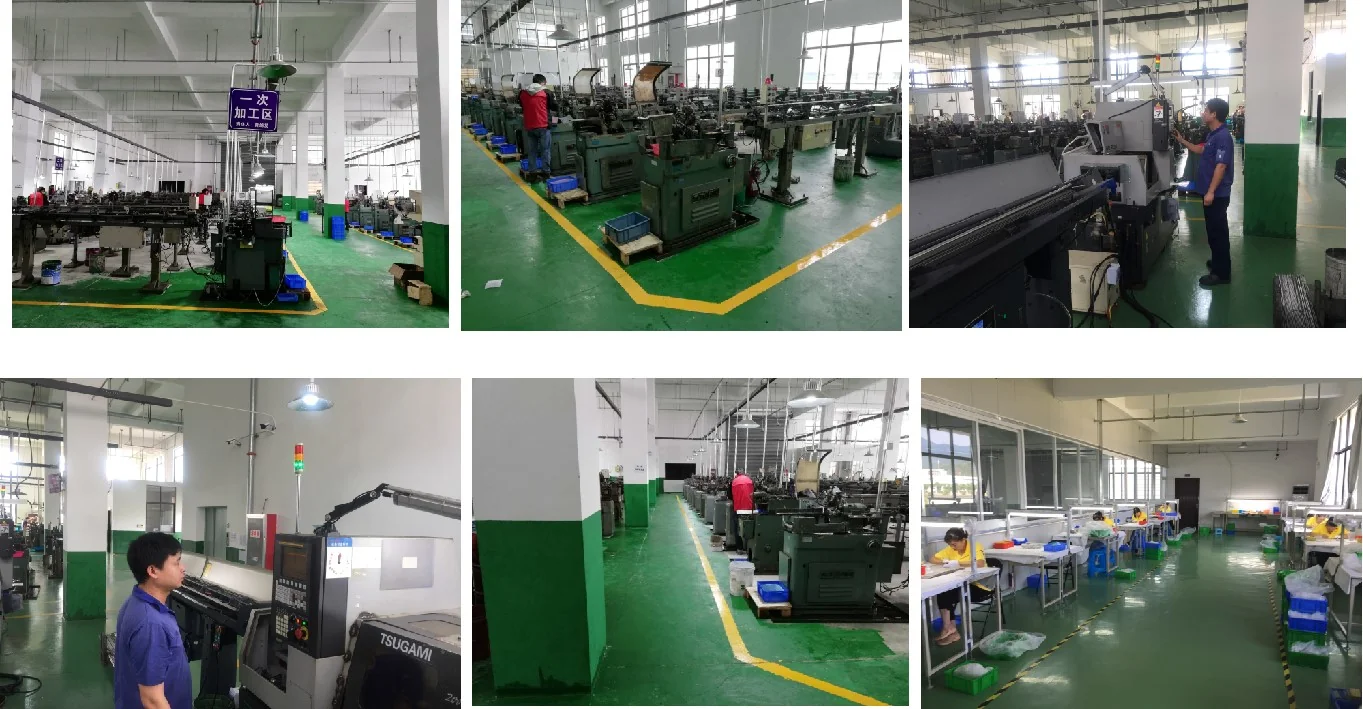
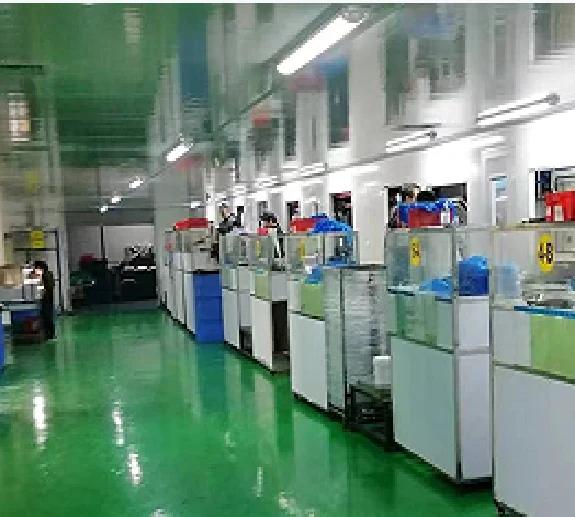
Suzhou Baoshida Trading Co., Ltd. delivers precision-engineered silicone pump sleeves through integrated material science and mold design expertise. Our dedicated team comprises five specialized mold engineers and two advanced formula engineers, ensuring end-to-end control from polymer chemistry to final production. This synergy enables us to solve complex sealing challenges in demanding industrial applications, including chemical processing, pharmaceuticals, and high-purity fluid transfer systems. Our formula engineers optimize silicone polymer chain architecture and crosslink density to achieve target mechanical properties, while mold engineers translate these material specifications into robust, high-tolerance tooling. This eliminates interface gaps between material development and manufacturing—a critical advantage for components requiring consistent compression set resistance and thermal stability under cyclic stress.

Our OEM capabilities are built on a foundation of technical collaboration and intellectual property protection. We partner with global industrial clients to co-develop custom silicone formulations meeting exacting performance criteria, including FDA 21 CFR 177.2600, USP Class VI, or EU 10/2011 compliance. The process begins with rigorous application analysis, where we simulate operational parameters such as media exposure, pressure differentials, and temperature excursions to define material and geometric requirements. Prototyping leverages rapid tooling iterations, with real-time feedback from our in-house testing lab validating compression set, tensile strength, and fluid compatibility per ASTM D2000 and ISO 3601 standards. Full-scale production utilizes automated injection molding cells with statistical process control, ensuring dimensional repeatability within ±0.05 mm tolerances.

Critical performance specifications for our standard high-performance silicone pump sleeves are detailed below. All formulations undergo accelerated aging tests to validate 10,000+ hour service life in aggressive environments.

Property Test Method Value Significance for Pump Sleeves
Hardness (Shore A) ASTM D2240 50 ±5 Balances sealing force and low-friction movement
Tensile Strength ASTM D412 ≥8.5 MPa Resists extrusion under high pressure
Elongation at Break ASTM D412 ≥450% Accommodates dynamic shaft misalignment
Compression Set (22h/150°C) ASTM D395 ≤20% Maintains sealing force after thermal cycling
Temperature Range ISO 188 -60°C to +230°C Supports cryogenic to high-heat operations
Fluid Resistance (30d/150°C) ISO 1817 Volume Swell ≤15% Prevents degradation in oils, acids, bases

Quality assurance is non-negotiable. Every batch undergoes traceable lot coding, with material certificates documenting raw material origins (including fumed silica reinforcement and platinum catalyst systems) and full mechanical test reports. Our ISO 9001-certified facility implements first-article inspection (FAI) per AS9102 for aerospace clients and PPAP Level 3 submissions for automotive OEMs. By embedding engineering rigor into every phase—from molecular formulation to final dimensional validation—we guarantee pump sleeves that eliminate leakage, extend maintenance intervals, and reduce total cost of ownership. Partner with Baoshida to transform your sealing challenges into engineered reliability. Contact our technical team for application-specific formulation validation data.


Customization Process

silicone pump sleeve manufacturing

Silicone Pump Sleeve Customization Process: From Design to Production

At Suzhou Baoshida Trading Co., Ltd., we specialize in delivering high-performance silicone rubber components tailored to the rigorous demands of industrial fluid handling systems. Our silicone pump sleeve solutions are engineered for durability, chemical resistance, and dimensional accuracy. The customization process follows a precise four-stage workflow: Drawing Analysis, Formulation Development, Prototyping, and Mass Production. Each phase is executed with scientific rigor to ensure seamless integration into OEM applications.

The process begins with Drawing Analysis, where our engineering team evaluates the client’s technical drawings, tolerance specifications, and application environment. We assess critical parameters such as inner and outer diameters, wall thickness, length, durometer requirements, and mating components. This stage ensures geometric compatibility and identifies any design constraints that may affect performance or manufacturability. Our engineers collaborate directly with OEM design teams to validate specifications and recommend optimizations for sealing efficiency, compression set resistance, and long-term stability.

Following drawing validation, we proceed to Formulation Development. Based on the operational conditions—such as exposure to oils, acids, steam, or elevated temperatures—we customize the silicone rubber compound. Our formulations leverage high-purity VMQ (vinyl-methyl silicone) or FVMQ (fluorosilicone) polymers, reinforced with precipitated silica and modified with functional additives for enhanced tear strength, low compression set, and thermal stability up to 250°C. Cure systems are optimized for consistent crosslink density, ensuring uniform mechanical properties across batches.

With the formulation finalized, we move into Prototyping. Using precision compression or injection molding techniques, we produce functional samples under near-production conditions. These prototypes undergo rigorous in-house testing, including dimensional inspection, durometer measurement, compression set (ASTM D395), and thermal aging (ASTM D573). Clients receive test reports and physical samples for field evaluation, enabling performance validation before scale-up.

Upon approval, we initiate Mass Production in our ISO-certified manufacturing facility. Automated molding lines, statistical process control (SPC), and 100% visual inspection ensure batch-to-batch consistency and compliance with OEM quality standards. Production cycles are synchronized with client demand, supporting JIT delivery models.

Key performance specifications for our standard high-temperature silicone pump sleeves are summarized below:

Property Test Method Typical Value
Hardness (Shore A) ASTM D2240 50 ± 5
Tensile Strength ASTM D412 ≥ 8.0 MPa
Elongation at Break ASTM D412 ≥ 300%
Compression Set (22h at 150°C) ASTM D395 ≤ 20%
Operating Temperature Range -60°C to +250°C
Fluid Resistance ASTM D471 (Oil IRM 903) Volume Swell ≤ 15% after 70h @ 150°C

Through this structured customization pathway, Suzhou Baoshida ensures that every silicone pump sleeve meets the exact functional, regulatory, and production requirements of modern industrial systems.


Contact Engineering Team

silicone pump sleeve manufacturing

Precision Silicone Pump Sleeve Solutions: Partner with Suzhou Baoshida for Engineered Reliability

When pump sleeve failure disrupts critical industrial processes, the cost extends far beyond component replacement. Downtime, fluid contamination, and compromised system efficiency demand solutions rooted in advanced polymer science and rigorous manufacturing control. At Suzhou Baoshida Trading Co., Ltd., we specialize in high-performance silicone elastomer formulations engineered explicitly for demanding pump sleeve applications across chemical processing, pharmaceutical, and semiconductor manufacturing. Our sleeves are not off-the-shelf commodities; they represent the culmination of precise material chemistry, dimensional stability engineering, and stringent quality validation protocols.

Our technical team leverages deep expertise in silicone compounding to address unique operational challenges. Whether facing aggressive chemical exposure at elevated temperatures, stringent biocompatibility requirements, or ultra-low compression set demands for extended service life, we develop OEM-specific material formulations. Each compound undergoes accelerated lifecycle validation under simulated operational stress, ensuring consistent performance metrics before deployment. The table below outlines the critical performance parameters achievable with our standard and custom silicone formulations:

Critical Performance Parameter Standard Platinum-Cured Silicone Custom High-Performance Formulation Test Standard
Hardness Range (Shore A) 40 – 70 30 – 80 (Precise ±2 tolerance) ASTM D2240
Continuous Service Temperature -60°C to +200°C -75°C to +230°C (Short-term +260°C) ASTM D2240
Compression Set (70 hrs, 150°C) ≤ 15% ≤ 8% ASTM D395 B
Tensile Strength (MPa) ≥ 8.0 ≥ 12.0 ASTM D412
Fluid Resistance (IRMOG 7747) Excellent Exceptional (Customized) ISO 1817

Achieving this level of performance requires more than material selection; it demands seamless integration between OEM design intent and elastomer manufacturing science. Suzhou Baoshida operates as your dedicated technical partner, not merely a supplier. We collaborate from the initial concept phase, providing material selection guidance, prototype validation support, and full-scale production oversight within ISO 9001-certified facilities. Our quality management system includes in-process rheometry, real-time dimensional verification via CMM, and comprehensive final batch certification documentation traceable to individual production lots.

Do not compromise system integrity with generic elastomer components. Partner with an organization that treats your pump sleeve specification as a critical engineering interface. Contact Mr. Boyce, our dedicated OEM Manager and Rubber Formula Engineering Lead, to initiate a technical consultation. Mr. Boyce possesses direct authority to mobilize our material science and production teams for your specific application requirements. Provide your operational parameters, failure history, and performance targets for a targeted solution assessment within 48 hours.

Reach Mr. Boyce directly at [email protected] to discuss material formulation options, request custom compound development, or review accelerated validation protocols for your next-generation pump system. Include your company name, application context, and specific performance challenges in your initial communication to ensure a technically relevant response. Suzhou Baoshida Trading Co., Ltd. stands ready to deliver silicone pump sleeves engineered for zero-failure operation in your most critical fluid handling systems. Initiate the engineering dialogue today to eliminate sleeve-related downtime tomorrow.


⚖️ O-Ring Weight Calculator

Estimate rubber O-ring weight (Approx).


Silicone Pump Sleeve Manufacturer | Engineering Guide

Contents of Table

Contact [email protected] Whatsapp 86 15951276160