Sbr Gasket Manufacturer | Engineering Guide

Engineering Guide: Sbr Gasket

sbr gasket manufacturing

Engineering Insight: SBR Gasket Material Selection Imperatives

Material selection is the cornerstone of reliable SBR (Styrene-Butadiene Rubber) gasket performance, yet it remains the most underestimated factor in industrial sealing applications. Off-the-shelf SBR gaskets frequently fail because standardized formulations ignore critical application-specific variables such as dynamic stress profiles, chemical exposure gradients, and thermal cycling parameters. Generic SBR compounds prioritize cost efficiency over engineered resilience, leading to premature degradation modes like extrusion, compression set, and chemical swelling. These failures manifest as system leaks, unplanned downtime, and accelerated wear in adjacent components—costs far exceeding the initial gasket price.

The root cause lies in thermodynamic incompatibility between standard SBR polymers and real-world operational environments. For instance, unmodified SBR exhibits poor resistance to non-polar hydrocarbons (e.g., mineral oils), ozone, and sustained elevated temperatures. In hydraulic systems, standard SBR absorbs fluids, causing volumetric expansion that compromises sealing force; in automotive under-hood applications, ozone attack initiates surface cracking under vibration. Furthermore, inadequate filler dispersion in mass-produced compounds accelerates compression set, particularly above 70°C, where polymer chain scission reduces elastic recovery. These limitations are not inherent to SBR but stem from oversimplified manufacturing approaches that neglect application physics.

Suzhou Baoshida Trading Co., Ltd. addresses these gaps through precision-formulated SBR compounds. Our OEM-engineered solutions integrate application-specific modifiers:
Reinforcing fillers (e.g., silica-carbon black hybrids) for tensile strength retention under cyclic loading
Specialized antioxidants to extend service life in ozone-rich environments
Controlled styrene ratios (19–25%) to balance low-temperature flexibility with abrasion resistance
Custom crosslink systems minimizing compression set at 100°C+

The following table contrasts critical properties between generic and engineered SBR gaskets:

Property Standard SBR Gasket Range Baoshida Engineered SBR Range Critical Failure Risk in Off-the-Shelf
Hardness (Shore A) 60–75 70–90 (±2 tolerance) Extrusion in high-pressure systems
Compression Set (70h/100°C) 35–45% ≤22% Permanent seal loss after thermal cycles
Tensile Strength (MPa) 12–18 20–25 Tear propagation under vibration
Fluid Resistance (IRMOG) Swell: +40–60% Swell: +8–15% Seal diameter growth causing leakage
Ozone Resistance (50pphm) Cracking in <24h No cracks at 96h Catastrophic seal rupture in dynamic use

These engineered specifications directly correlate to extended mean time between failures (MTBF). For example, our low-swell SBR formulation for fuel-handling systems maintains dimensional stability in ethanol blends where standard SBR swells 50% beyond tolerance, distorting flange interfaces. Similarly, reinforced compounds in industrial compressors withstand 500,000+ pressure cycles—tripling the service life of generic equivalents.

Material selection is not a commodity decision but an engineering commitment. Suzhou Baoshida’s OEM partnership model requires detailed operational data—fluid chemistry, pressure transients, temperature spectra—to co-develop SBR gaskets that preempt failure mechanisms. We reject one-size-fits-all solutions; instead, our formulation engineers translate your application physics into molecular architecture. Contact us with your sealing challenge parameters to receive a failure-risk assessment and compound specification sheet tailored to your operational envelope. Reliability begins with the polymer, not the press.


Material Specifications

SBR (Styrene-Butadiene Rubber) gaskets are widely used in industrial sealing applications due to their excellent abrasion resistance, good tensile strength, and cost-effectiveness. However, in high-performance environments, alternative elastomers such as Viton, Nitrile (NBR), and Silicone are often preferred for their superior resistance to temperature extremes, oils, and chemical exposure. At Suzhou Baoshida Trading Co., Ltd., we specialize in precision rubber seals engineered to meet rigorous OEM and industrial standards. Understanding the material properties of Viton, Nitrile, and Silicone is critical for selecting the optimal gasket material for specific operational conditions.

Viton, a fluorocarbon-based elastomer, exhibits exceptional resistance to high temperatures, ozone, and a broad range of chemicals including fuels, oils, and acids. It performs reliably in continuous service temperatures up to 200°C and can withstand short-term exposure up to 250°C. This makes Viton ideal for aerospace, automotive, and chemical processing applications where thermal stability and chemical inertness are paramount. Its low gas permeability further enhances sealing performance in high-pressure systems.

Nitrile rubber, or Buna-N, is one of the most commonly used elastomers in industrial gasketing due to its excellent resistance to petroleum-based oils and fuels. With a service temperature range of -30°C to 120°C, Nitrile offers a balanced combination of flexibility, compression set resistance, and mechanical durability. It is particularly well-suited for hydraulic systems, fuel lines, and machinery operating in moderate environmental conditions. While not as chemically resistant as Viton, Nitrile provides a cost-effective solution for oil and water sealing applications.

Silicone rubber is distinguished by its outstanding thermal stability and flexibility across extreme temperatures, ranging from -60°C to 200°C. It maintains elastic properties at low temperatures and resists degradation at elevated temperatures. Silicone also exhibits excellent resistance to UV radiation and ozone, making it suitable for outdoor and medical applications. However, it has lower tensile strength and abrasion resistance compared to Viton and Nitrile, and is less effective in dynamic sealing environments involving oils and solvents.

The selection of gasket material must consider operational variables such as temperature, media exposure, pressure, and mechanical stress. Below is a comparative summary of key physical and chemical properties for Viton, Nitrile, and Silicone to support informed material selection.

Property Viton (FKM) Nitrile (NBR) Silicone (VMQ)
Temperature Range (°C) -20 to 200 (up to 250 short-term) -30 to 120 -60 to 200
Tensile Strength (MPa) 15–20 10–20 5–8
Elongation at Break (%) 200–300 250–400 300–700
Hardness (Shore A) 60–90 50–90 30–80
Resistance to Oils & Fuels Excellent Excellent Poor
Resistance to Ozone/UV Excellent Good Excellent
Compression Set Resistance Excellent Good Good
Chemical Resistance Excellent Moderate Poor to Moderate
Common Applications Aerospace, chemical processing, automotive Hydraulics, fuel systems, machinery Medical devices, electronics, outdoor seals

Each material offers distinct advantages depending on the application environment. Suzhou Baoshida Trading Co., Ltd. ensures precise formulation and manufacturing control to deliver SBR and alternative rubber gaskets that meet exacting performance demands.


Manufacturing Capabilities

sbr gasket manufacturing

Engineering Capability: Precision SBR Gasket Development at Suzhou Baoshida

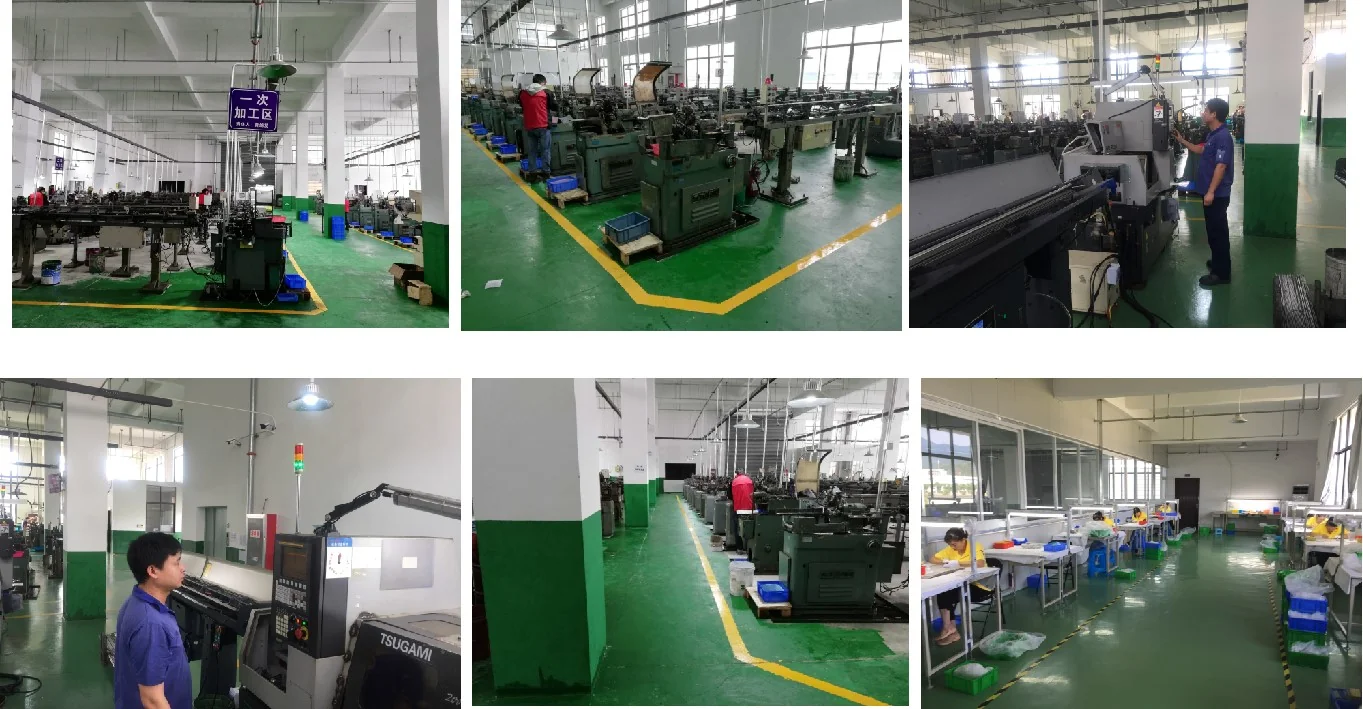
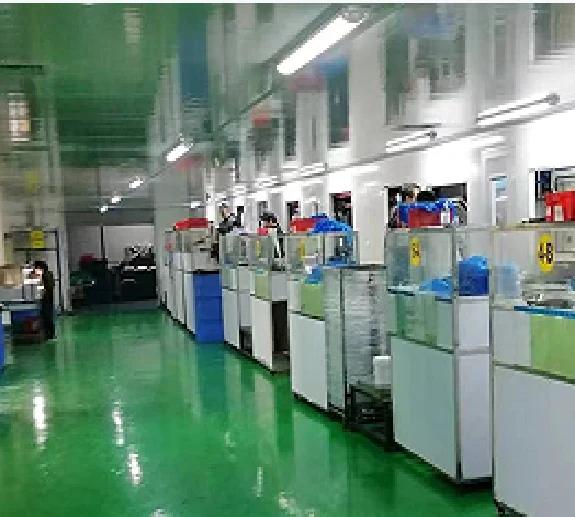
Suzhou Baoshida Trading Co., Ltd. leverages deep scientific expertise in rubber formulation and precision mold engineering to deliver mission-critical SBR gaskets for demanding industrial applications. Our core strength resides in the integrated capabilities of our dedicated engineering teams: five specialized Mold Engineers and two advanced Rubber Formula Engineers. This structure ensures material science and manufacturing precision are intrinsically linked from concept to final part, eliminating the traditional disconnect between compound design and production feasibility. Our Formula Engineers possess extensive knowledge of styrene-butadiene rubber (SBR) molecular architecture, filler interactions, and cure kinetics. They meticulously develop and optimize custom SBR compounds tailored to specific customer requirements for compression set resistance, fluid compatibility, thermal stability, and mechanical resilience. This scientific approach moves beyond standard catalog grades, enabling formulations that solve unique sealing challenges in automotive, appliance, and industrial fluid systems where consistent performance under pressure and environmental stress is non-negotiable.

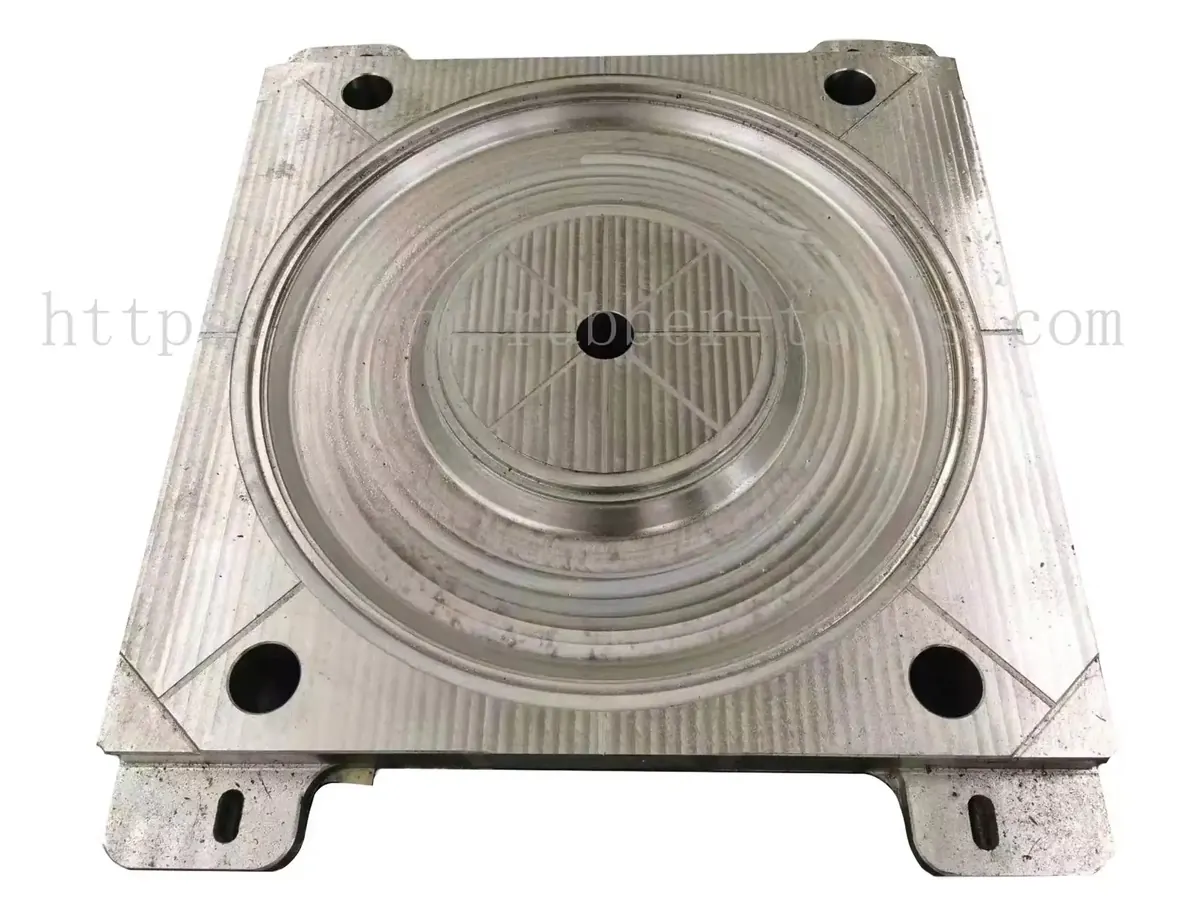
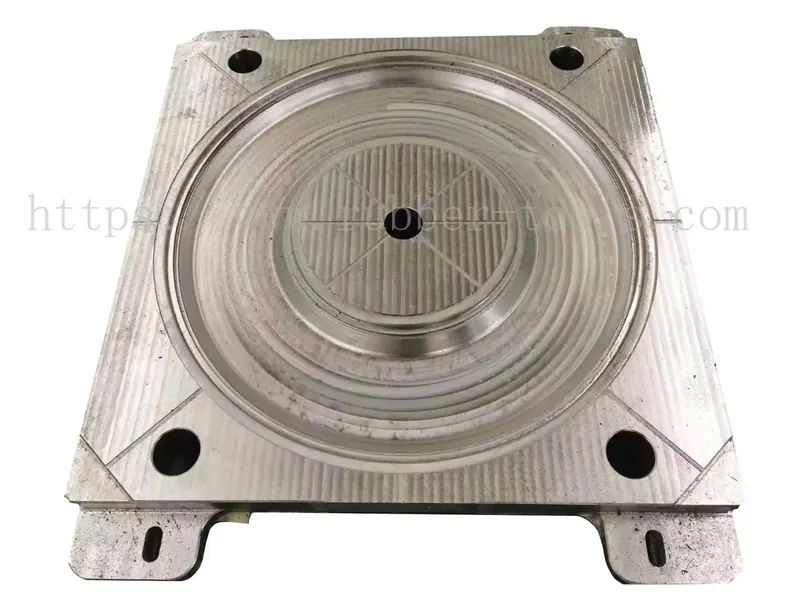
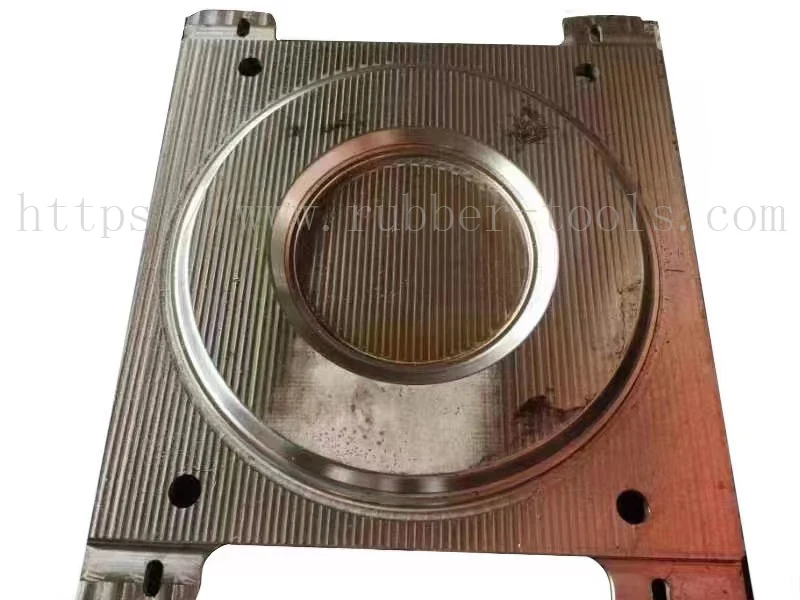
Complementing this material science foundation, our Mold Engineering team applies rigorous scientific principles to cavity design, runner systems, and thermal management. They utilize advanced simulation software for mold flow analysis and thermal profiling, ensuring uniform material distribution and optimal cure kinetics within complex geometries. This precision engineering minimizes flash, reduces internal stresses, and guarantees dimensional stability critical for zero-leakage performance in flange, cover, and housing applications. The seamless collaboration between Formula and Mold Engineers during the Design for Manufacturability (DFM) phase is pivotal. It allows proactive resolution of potential issues such as material shrinkage variations or demolding challenges, significantly accelerating time-to-market while ensuring the final gasket meets exacting dimensional and performance tolerances.

As a certified OEM partner, Suzhou Baoshida excels in translating complex technical specifications into reliable, high-volume production. Our OEM process integrates stringent quality control protocols at every stage, from raw material batch certification through in-process dimensional checks using calibrated CMMs and final performance validation against agreed ASTM or customer-specific test standards. We manage the entire supply chain with precision, offering comprehensive services including rapid prototyping, tooling maintenance, and just-in-time logistics. This end-to-end ownership, underpinned by our dual engineering expertise, provides customers with a single, accountable source for SBR gaskets that consistently exceed expectations for durability and sealing integrity in the field.

The following table summarizes key performance characteristics achievable with our engineered SBR compounds for precision gasket applications:

Parameter Standard SBR Range Baoshida Engineered SBR Performance
Hardness (Shore A) 50 – 90 45 – 95 (Precise ±3 tolerance)
Temperature Range -40°C to +100°C Optimized -50°C to +120°C variants
Compression Set (22h, 70°C) ≤ 35% (Typical) ≤ 25% (Custom formulations)
Tensile Strength (MPa) 10 – 25 15 – 30 (Reinforced grades)
Fluid Resistance Good (Water, Brine) Enhanced for Oils, Glycols, Fuels

This engineering-centric methodology, combining proprietary formula development with precision mold science, ensures Suzhou Baoshida delivers SBR gaskets that provide superior sealing performance, extended service life, and reduced total cost of ownership for our global OEM partners. We solve sealing challenges through applied science, not standard solutions.


Customization Process

sbr gasket manufacturing

SBR Gasket Customization Process: From Design to Production

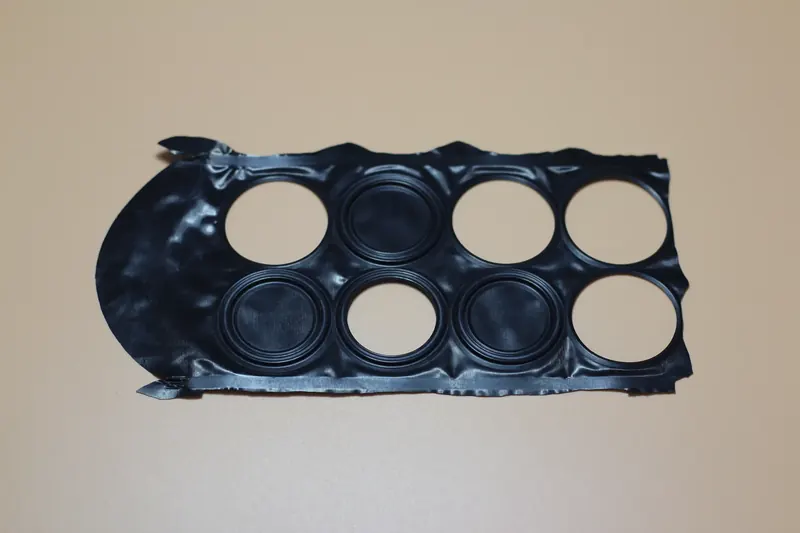
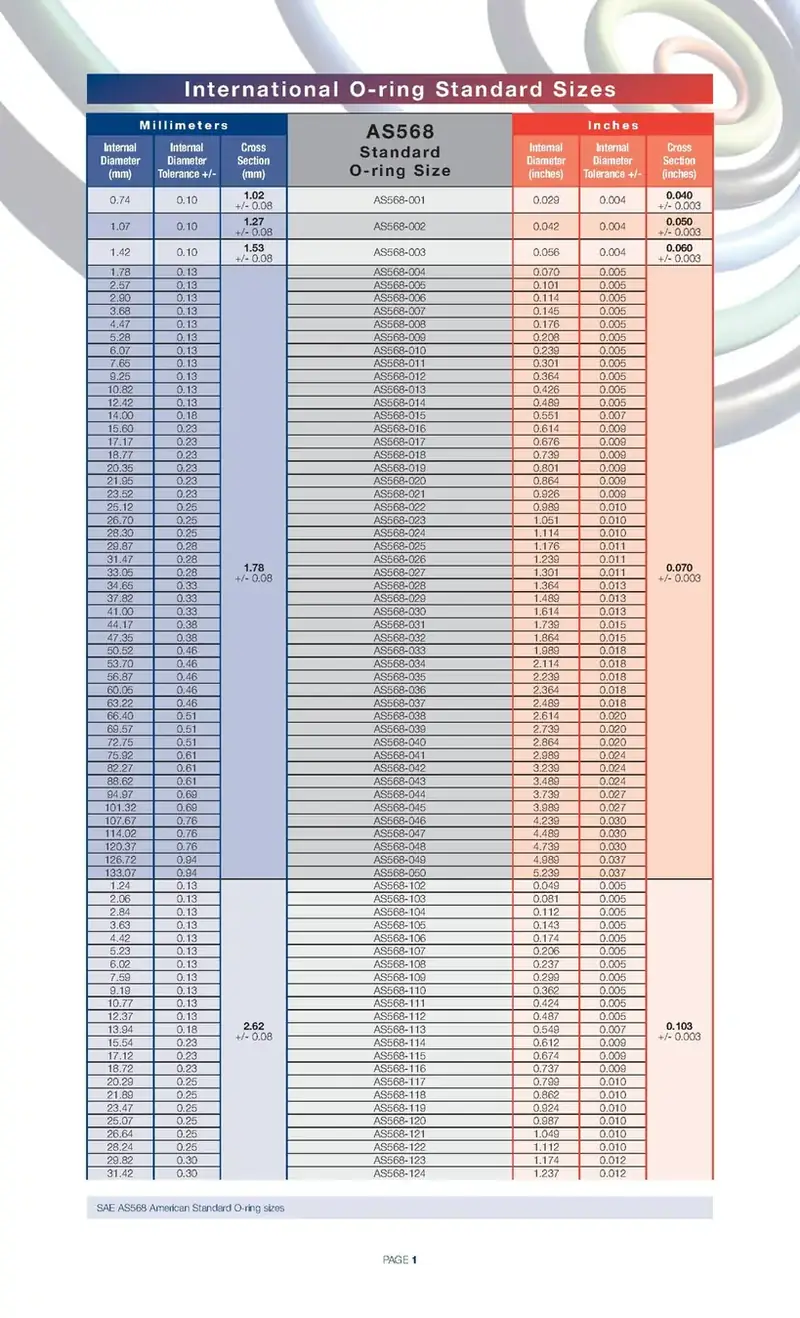
At Suzhou Baoshida Trading Co., Ltd., the customization of SBR (Styrene-Butadiene Rubber) gaskets follows a rigorous, four-stage engineering workflow designed to ensure dimensional accuracy, material compatibility, and long-term sealing performance under operational stress. The process begins with Drawing Analysis, where technical blueprints provided by the client are evaluated for geometric feasibility, tolerance compliance, and application environment factors such as temperature, pressure, and chemical exposure. Our engineering team conducts a comprehensive GD&T (Geometric Dimensioning and Tolerancing) review, identifying potential molding challenges such as thin cross-sections, sharp corners, or complex parting lines that may affect tooling design. This stage ensures that the final product will meet both functional and regulatory requirements, including ISO 3601 or AS568 standards when applicable.

Following design validation, the Formulation phase commences. SBR compound development is tailored to the specific service conditions of the gasket. While standard SBR offers good abrasion resistance and moderate aging performance, we modify the base polymer with additives such as sulfur accelerators, reinforcing carbon black, anti-oxidants, and processing oils to enhance resilience, compression set resistance, and fluid compatibility. For applications involving water, air, or mild chemicals, a standard non-oil-resistant SBR formulation may suffice. However, for environments with elevated temperatures or exposure to aliphatic hydrocarbons, we adjust filler loading and crosslink density to improve performance. All formulations are documented and archived for batch traceability and repeatability.

The third phase, Prototyping, involves the fabrication of initial samples using precision steel molds or CNC-machined prototype tooling. Samples are produced under controlled vulcanization conditions—time, temperature, and pressure—and subjected to dimensional inspection and physical testing. This includes hardness (Shore A), tensile strength, elongation at break, and compression set per ASTM D395. Client feedback is integrated at this stage, allowing for design or material refinements before committing to full-scale tooling.

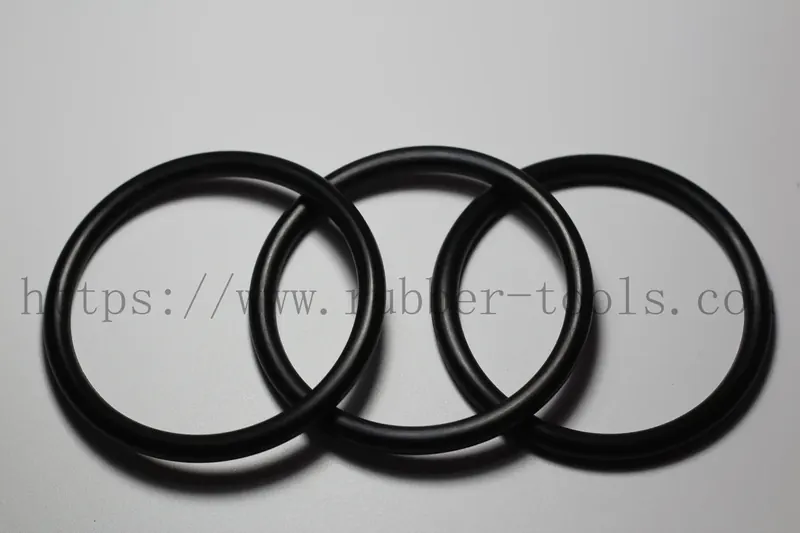
Upon approval, the project transitions to Mass Production. High-cycle molding presses operate under statistical process control (SPC), with real-time monitoring of cure time and mold temperature. Each production batch undergoes first-article inspection and in-process quality checks, including visual defect screening and dimensional sampling. Final products are packaged per client specifications, with full material certifications (e.g., RoHS, REACH) and test reports supplied.

Below are typical mechanical properties of our standard and enhanced SBR compounds used in gasket manufacturing:

Property Standard SBR (75 Shore A) Enhanced SBR (80 Shore A) Test Method
Hardness (Shore A) 75 ± 5 80 ± 5 ASTM D2240
Tensile Strength ≥18 MPa ≥20 MPa ASTM D412
Elongation at Break ≥400% ≥350% ASTM D412
Compression Set (22h, 70°C) ≤25% ≤20% ASTM D395, Method B
Operating Temperature Range -40°C to +100°C -30°C to +110°C
Fluid Resistance (Water, Air) Excellent Excellent Immersion Test

This systematic approach ensures that every SBR gasket delivered by Suzhou Baoshida meets exacting industrial standards for reliability and performance.


Contact Engineering Team

sbr gasket manufacturing

Optimize Sealing Performance Through Precision SBR Gasket Engineering

Suzhou Baoshida Trading Co., Ltd. stands at the forefront of advanced rubber compound development for critical industrial sealing applications. Our SBR (Styrene-Butadiene Rubber) gaskets are engineered to deliver exceptional resilience in dynamic sealing environments where consistent compression set resistance, abrasion tolerance, and fluid compatibility are non-negotiable. Unlike generic rubber solutions, our formulations undergo rigorous molecular crosslinking optimization to ensure dimensional stability across fluctuating thermal cycles and prolonged mechanical stress. This precision engineering directly translates to extended service life, reduced maintenance downtime, and compliance with ISO 3601 and AS568A dimensional standards for hydraulic and pneumatic systems.

Technical excellence begins with material science. Below are the core performance specifications of our standard SBR compound, validated through ASTM D2000 testing protocols:

Property Test Method Value Significance for Gasket Performance
Hardness (Shore A) ASTM D2240 70 ± 5 Optimal balance for sealing force distribution without extrusion
Tensile Strength ASTM D412 ≥ 18 MPa Resists tearing during installation and operation
Elongation at Break ASTM D412 ≥ 350% Accommodates flange misalignment and thermal expansion
Compression Set (22h/70°C) ASTM D395 ≤ 25% Maintains sealing force after prolonged compression
Operating Temperature -40°C to +100°C Stable performance in automotive, HVAC, and industrial fluid systems
Fluid Resistance (IRM 903) ASTM D471 Volume Swell ≤ 25% Compatibility with water, glycols, and mild acids/bases

These parameters are not static targets but the foundation for collaborative engineering. We recognize that your application’s unique pressure differentials, media exposure, and environmental variables demand tailored solutions. Our OEM partnership model integrates your functional requirements directly into the compound design phase. Through iterative prototyping and accelerated life testing, we calibrate polymer ratios, filler dispersion, and vulcanization kinetics to eliminate premature seal failure. This approach has resolved chronic leakage issues for Tier-1 automotive suppliers and chemical processing equipment manufacturers, where off-the-shelf gaskets consistently underperformed.

Engage with our technical team to transform your sealing challenges into engineered advantages. Mr. Boyce, our dedicated OEM Solutions Manager, possesses 14 years of experience in rubber formulation optimization for mission-critical seals. He will initiate a structured consultation process: reviewing your application’s P&ID diagrams, environmental stressors, and failure mode history to define precise material specifications. This eliminates guesswork in material selection and accelerates your production timeline through pre-validated compound certification.

Contact Mr. Boyce directly at [email protected] to schedule a technical assessment. Include your gasket’s operating pressure range, media type, and current failure metrics for immediate analysis. Do not compromise on sealing integrity when precision-engineered SBR solutions are within reach. Suzhou Baoshida commits to delivering gaskets that meet your exact performance thresholds—not industry averages. Your next-generation sealing solution begins with a single email. Act now to resolve leakage challenges and enhance system reliability through scientifically validated rubber technology.


⚖️ O-Ring Weight Calculator

Estimate rubber O-ring weight (Approx).


Sbr Gasket Manufacturer | Engineering Guide

Contents of Table

Contact [email protected] Whatsapp 86 15951276160