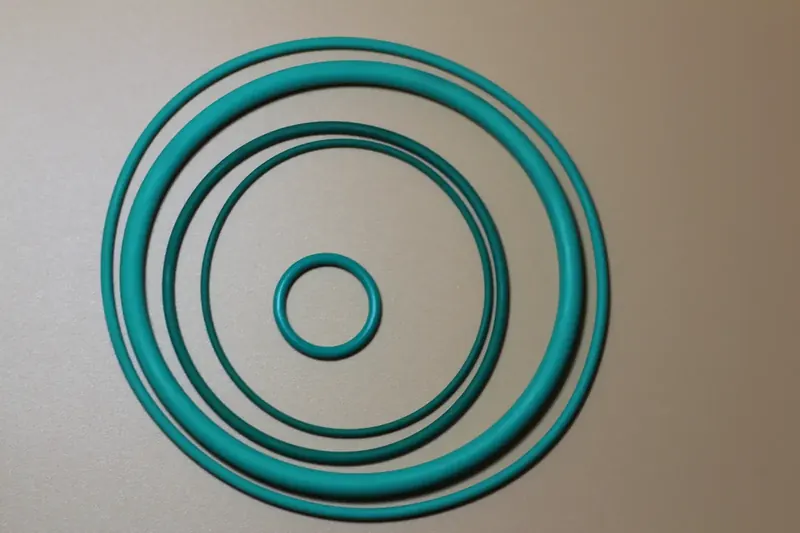
Rubber Gaskets And O Rings Manufacturer | Engineering Guide

Engineering Guide: Rubber Gaskets And O Rings

rubber gaskets and o rings manufacturing

Engineering Insight: Material Selection in Precision Rubber Seals

The catastrophic failure of rubber gaskets and O-rings in industrial systems rarely stems from design flaws alone but from inadequate material selection. Off-the-shelf elastomer solutions, while cost-attractive initially, frequently succumb to operational realities due to standardized formulations ignoring dynamic application variables. Generic seals often exhibit premature compression set, chemical degradation, or thermal instability when exposed to specific media, temperatures, or mechanical stresses. This results in leaks, system contamination, unplanned downtime, and safety hazards—costing OEMs exponentially more than precision-engineered alternatives. Material science is not a commodity; it is the linchpin of seal integrity.

Elastomer performance hinges on molecular architecture tailored to environmental antagonists. A seal functioning reliably in hydraulic systems with phosphate ester fluids may catastrophically swell in biodiesel applications due to incompatible polymer polarity. Similarly, fluorocarbon (FKM) compounds resist aggressive chemicals but become brittle below -20°C, while silicone (VMQ) excels at -60°C yet lacks tensile strength for high-pressure dynamic uses. Off-the-shelf products typically optimize for broad market appeal, sacrificing resistance to niche stressors like amine-based gases, steam sterilization cycles, or ozone exposure. Critical parameters such as permeation rates, compression set at elevated temperatures, and extrusion resistance under pressure differentials are seldom validated for specific use cases in catalog items. Consequently, seals degrade faster than predicted by generic datasheets, violating OEM reliability targets.

Suzhou Baoshida Trading Co., Ltd. engineers material formulations at the compound level, adjusting polymer backbone chemistry, filler systems, and cure packages to counteract application-specific failure modes. Below is a comparative analysis of common elastomers against critical industrial stressors:

Elastomer Type Temperature Range (°C) Key Chemical Resistance Critical Limitation Typical Failure Mode in Mismatched Applications
NBR (Nitrile) -30 to +120 Oils, fuels, aliphatic hydrocarbons Poor ozone/weathering resistance Swelling in polar solvents (e.g., acetone), cracking in outdoor UV exposure
EPDM -50 to +150 Steam, water, alkalis, brake fluids Swells in mineral oils/hydrocarbons Extrusion in high-pressure oil systems, loss of sealing force
FKM (Viton®) -20 to +230 Aromatics, acids, jet fuels, hydraulic fluids High cost; poor low-temp flexibility Brittleness in cryogenic applications, permeation in ammonia systems
VMQ (Silicone) -60 to +200 Oxygen, ozone, hot air Low tensile strength; poor fuel resistance Extrusion in dynamic hydraulic seals, tearing under mechanical stress

Material selection demands rigorous analysis of fluid compatibility, thermal cycling profiles, dynamic movement, and regulatory constraints—not catalog cross-referencing. At Suzhou Baoshida, we collaborate with OEMs to deconstruct operational environments, then formulate bespoke compounds validated through accelerated life testing. This eliminates the gamble of off-the-shelf solutions, ensuring seals perform as engineered safety components, not disposable consumables. Precision sealing is an investment in system longevity; compromise here risks far more than the seal itself.


Material Specifications

rubber gaskets and o rings manufacturing

Material selection is a critical factor in the performance and longevity of rubber gaskets and O-rings in industrial sealing applications. At Suzhou Baoshida Trading Co., Ltd., we specialize in precision rubber seals engineered to meet rigorous operational demands across automotive, aerospace, chemical processing, and medical device industries. Our core materials—Viton (FKM), Nitrile (NBR), and Silicone (VMQ)—are selected based on their distinct chemical resistance, temperature stability, and mechanical properties. Understanding these characteristics ensures optimal seal performance under dynamic environmental conditions.

Viton, a fluoroelastomer, offers exceptional resistance to high temperatures, ozone, and a broad range of chemicals, including hydrocarbons, acids, and fuels. With a continuous service temperature range from -20°C to +230°C, Viton is ideal for extreme environments such as engine compartments and chemical processing equipment. Its low gas permeability and excellent aging characteristics make it a preferred choice for critical sealing applications where failure is not an option.

Nitrile rubber, also known as Buna-N, is widely used for its outstanding resistance to oils, fuels, and aliphatic hydrocarbons. It performs reliably in temperature ranges from -30°C to +100°C, with short-term exposure up to +125°C. Nitrile is cost-effective and mechanically robust, offering good abrasion resistance and tensile strength. It is commonly specified in hydraulic systems, fuel delivery components, and industrial machinery where exposure to petroleum-based fluids is prevalent.

Silicone rubber excels in applications requiring extreme temperature flexibility and biocompatibility. It operates effectively from -60°C to +200°C, maintaining elasticity and structural integrity across this wide range. While it exhibits lower tensile strength compared to Viton and Nitrile, silicone offers superior resistance to UV radiation, ozone, and weathering. It is frequently used in medical devices, food and beverage processing, and outdoor electrical enclosures where purity and thermal stability are paramount.

Each material presents a unique balance of performance attributes. The selection process must consider fluid compatibility, thermal exposure, mechanical stress, and regulatory compliance. Suzhou Baoshida Trading Co., Ltd. supports OEMs and industrial partners with material certification, custom compounding, and rigorous testing protocols to ensure seal reliability in mission-critical systems.

The following table summarizes key physical and chemical properties of these materials for comparative evaluation.

Property Viton (FKM) Nitrile (NBR) Silicone (VMQ)
Temperature Range (°C) -20 to +230 -30 to +100 (+125 short-term) -60 to +200
Tensile Strength (MPa) 15–20 10–25 5–10
Elongation at Break (%) 200–300 250–500 200–600
Hardness (Shore A) 60–90 50–90 30–80
Resistance to Oils/Fuels Excellent Excellent Poor to Fair
Resistance to Ozone/UV Excellent Good Excellent
Resistance to Water/Steam Good Fair Good
Compression Set (High Temp) Low Moderate Moderate to High
Typical Applications Aerospace, chemical seals, automotive fuel systems Hydraulic systems, fuel pumps, industrial machinery Medical devices, food processing, electrical insulation

Manufacturing Capabilities

rubber gaskets and o rings manufacturing

Engineering Capability: Precision Rubber Seal Development at Suzhou Baoshida

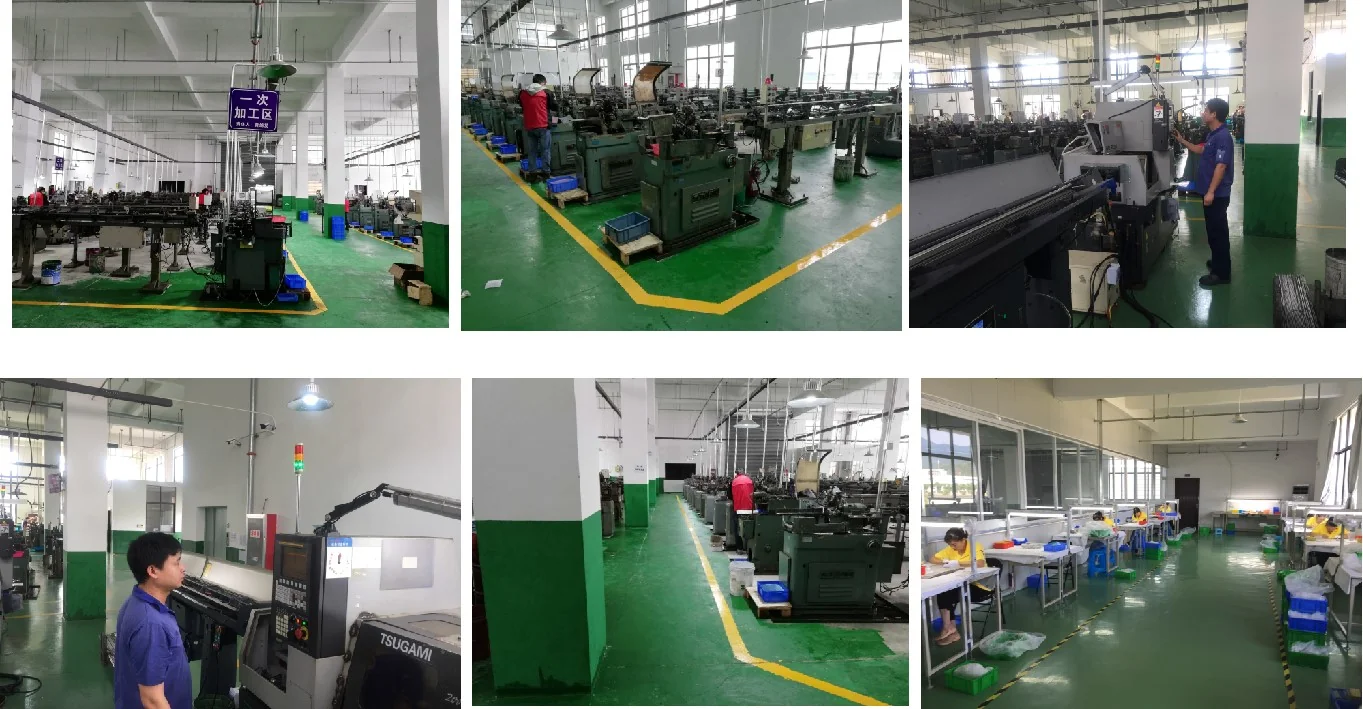
Suzhou Baoshida Trading Co., Ltd. leverages a dedicated core of eight specialized engineering professionals to deliver technically superior rubber gaskets and O-rings for demanding industrial applications. Our team comprises five certified Mold Engineers and two advanced Rubber Formula Engineers, operating as an integrated unit to solve complex sealing challenges from material science through to precision tooling. This structure ensures seamless translation of client specifications into manufacturable, high-performance sealing solutions.

Our Rubber Formula Engineers possess deep expertise in polymer chemistry and compounding. They systematically develop and optimize proprietary elastomer formulations targeting specific performance criteria: extreme temperature resilience, chemical resistance against aggressive media, compression set minimization, and longevity under dynamic stress. Each compound is rigorously tested per ASTM D2000 and ISO 3601 standards, with curing kinetics statistically validated to ensure consistent cross-link density and physical properties in every production batch. Material selection is never generic; it involves detailed analysis of the operational environment to recommend or engineer the optimal elastomer base—be it NBR, EPDM, FKM, Silicone, or specialized blends.

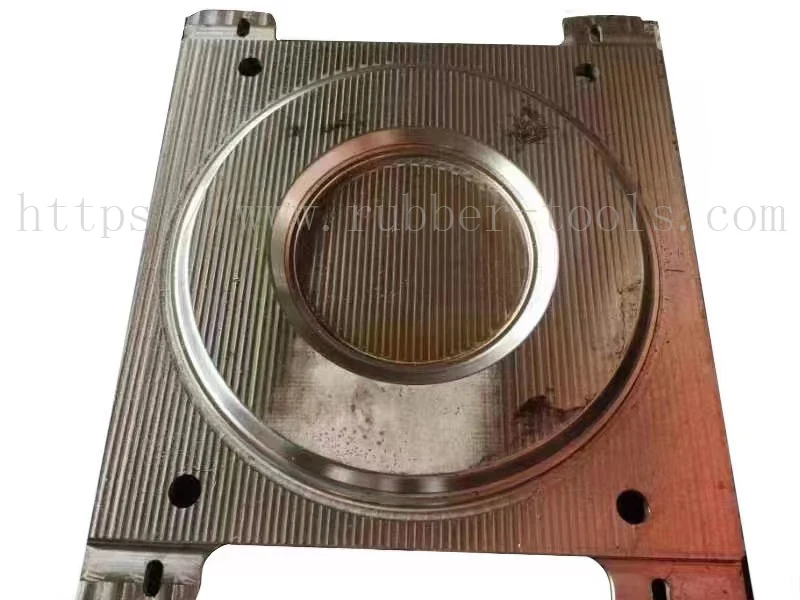
Complementing this material science foundation, our Mold Engineering team excels in precision tool design and manufacturing. Utilizing advanced CAD/CAM systems (SolidWorks, AutoCAD Moldflow), they create high-tolerance, multi-cavity molds capable of holding critical dimensions within ±0.05mm. Comprehensive Design for Manufacturability (DFM) analysis is conducted early in the process to eliminate potential defects like flash, knit lines, or uneven cure, directly impacting seal integrity and yield. This proactive engineering approach significantly reduces time-to-market for custom profiles and complex gasket geometries.

Suzhou Baoshida’s OEM capabilities are built upon this dual-engineering strength. We provide full turnkey development: from initial concept sketch and material recommendation through prototype validation, process validation (PPAP Level 3), and serial production. Clients benefit from direct engineering collaboration, rapid iteration based on application feedback, and seamless integration of quality control protocols within the manufacturing workflow. Material substitution analysis and failure mode mitigation are standard components of our OEM service, ensuring the final seal exceeds functional requirements.

The following table summarizes key engineering specifications achievable through our integrated capability:

Parameter Capability Range Standard Reference
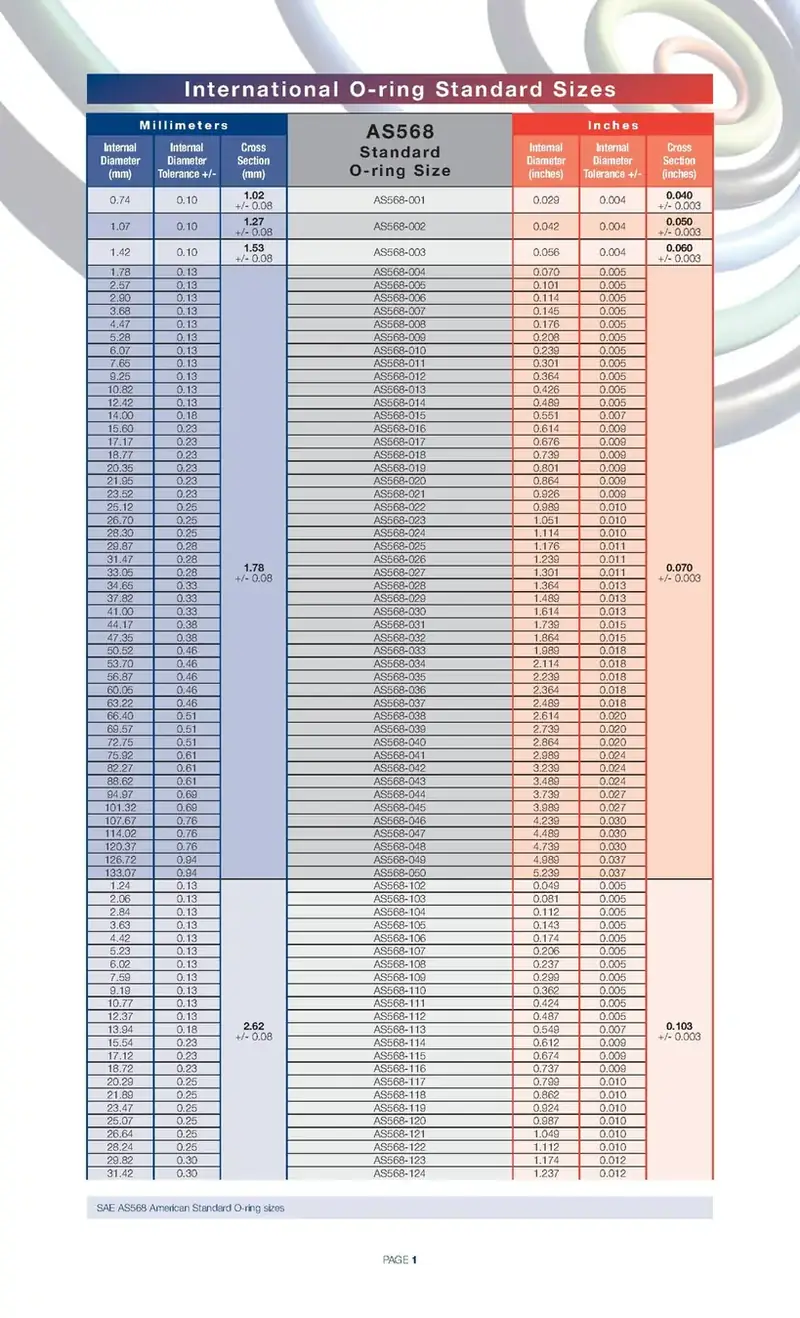
Dimensional Tolerance ±0.05 mm (critical features) ISO 3302, AS568A
Hardness Range (Shore A) 30 to 90 ASTM D2240
Temperature Resistance -60°C to +300°C (material dependent) ASTM D573, D865
Pressure Rating Up to 5000 psi (static) SAE AS568
Material Certifications FDA, NSF, UL, ROHS, REACH compliant Client Specific

This integrated engineering framework—combining molecular-level material science with precision tooling expertise—ensures Suzhou Baoshida delivers rubber seals that achieve zero-leak performance, extended service life, and absolute reliability in critical applications across automotive, aerospace, energy, and industrial machinery sectors. We transform sealing challenges into engineered solutions.


Customization Process

rubber gaskets and o rings manufacturing

Drawing Analysis

The customization process for precision rubber gaskets and O-rings begins with rigorous drawing analysis. At Suzhou Baoshida Trading Co., Ltd., engineering teams evaluate client-provided technical drawings to verify dimensional accuracy, tolerance specifications, surface finish requirements, and geometric conformity to international standards such as ISO 3601, AS568, or JIS B 2401. Critical parameters including inner diameter, cross-section, groove dimensions, and parting line specifications are cross-referenced against application conditions such as pressure differentials, media exposure, and dynamic or static sealing environments. Finite element analysis (FEA) may be employed to simulate compression set behavior and stress distribution under operational loads. Any discrepancies or potential design inefficiencies are flagged for collaborative review with the client to ensure manufacturability and long-term performance integrity.

Formulation Development

Following design validation, the formulation phase tailors elastomer chemistry to meet specific environmental and mechanical demands. Material selection is guided by media compatibility, temperature range, and regulatory requirements (e.g., FDA, NSF, UL). Common base polymers include Nitrile (NBR), Ethylene Propylene Diene Monomer (EPDM), Fluorocarbon (FKM), Silicone (VMQ), and Hydrogenated Nitrile (HNBR). Additives such as reinforcing fillers, anti-degradants, plasticizers, and cure systems are precisely metered to achieve target hardness (Shore A), tensile strength, elongation at break, and compression set resistance. Each compound is documented under a proprietary batch formula code and subjected to preliminary rheometric testing to confirm cure kinetics. This phase ensures the elastomer performs reliably under real-world conditions, whether exposed to automotive fluids, industrial chemicals, or extreme thermal cycling.

Prototyping and Validation

Once the formulation is finalized, low-volume prototyping is conducted using precision compression or injection molding techniques. Prototype tooling—typically single-cavity steel molds—is fabricated to mirror production conditions. Initial samples undergo dimensional inspection via coordinate measuring machines (CMM) and optical comparators to verify conformance to print. Physical testing includes hardness measurement, tensile and compression set analysis, and fluid immersion resistance according to ASTM standards. Functional testing may involve seal leakage trials under simulated service conditions. Feedback from this stage informs final design or material adjustments before release to full-scale manufacturing.

Mass Production

After client approval of prototypes, the project transitions to mass production. High-efficiency multi-cavity molds are deployed in automated rubber molding lines, supported by in-process quality controls including 100% visual inspection and statistical sampling per ANSI/ASQ Z1.4. All batches are traceable through lot coding, and final inspection reports include material certificates and test data. Suzhou Baoshida ensures scalability without compromising precision, delivering consistent, high-integrity seals for global OEMs.

Typical Material Properties at Suzhou Baoshida

Material Hardness (Shore A) Tensile Strength (MPa) Temp Range (°C) Key Applications
NBR 60–90 12–20 -30 to +120 Hydraulic seals, fuel systems
EPDM 50–80 10–18 -50 to +150 Water, steam, HVAC
FKM 65–80 15–22 -20 to +230 Aerospace, chemical processing
VMQ 40–80 6–10 -60 to +200 Medical, food-grade seals
HNBR 60–90 20–30 -40 to +170 Automotive, oil & gas

Contact Engineering Team

rubber gaskets and o rings manufacturing

Precision Seal Engineering Requires Zero-Compromise Collaboration

In critical fluid handling and pressure containment systems, substandard rubber gaskets or O-rings trigger catastrophic failures—leakage, contamination, unplanned downtime, and regulatory non-compliance. Generic off-the-shelf seals cannot address complex operational variables like aggressive chemical exposure, extreme thermal cycling, or dynamic mechanical stress. Suzhou Baoshida Trading Co., Ltd. operates at the intersection of polymer science and industrial reliability, delivering custom-engineered elastomeric solutions where failure is not an option. Our ISO 9001-certified engineering team leverages 15+ years of OEM partnership experience to formulate compounds meeting ASTM D2000, SAE AS568, and ISO 3601 standards with micron-level dimensional accuracy. We do not sell commodities; we solve sealing integrity challenges through material innovation and process rigor.

Core Technical Capabilities for Mission-Critical Applications

Parameter Capability Range Testing Standard
Material Formulation NBR, EPDM, FKM, FFKM, HNBR, Silicone ASTM D2000-21
Hardness Range 30 to 90 Shore A ASTM D2240
Temperature Resistance -60°C to +325°C (FKM/FFKM) ASTM D573
Tolerance Precision ±0.05mm (Critical Dimensions) ISO 3302-1:2019
Chemical Resistance Customized for >500 industrial fluids ASTM D471
Compression Set <15% (After 70h @ 100°C) ASTM D395

This technical foundation enables us to eliminate seal-induced failures in aerospace hydraulics, semiconductor manufacturing, pharmaceutical processing, and energy infrastructure. Our engineering process begins with your failure analysis—not catalog part numbers. We reverse-engineer root causes of extrusion, degradation, or leakage through FTIR spectroscopy, DSC thermal profiling, and accelerated life testing. This data drives proprietary compound adjustments to your exact pressure, media, and environmental profile. Whether you require peroxide-cured silicone for ultra-pure bioreactors or hydrogenated nitrile for deep-sea oil exploration, our lab validates performance before prototype tooling begins.

Initiate Your Engineering Resolution Today

Do not risk production continuity with unverified seal suppliers. Contact Mr. Boyce, our dedicated OEM Engineering Manager, for immediate technical consultation. Mr. Boyce holds a Master’s in Polymer Science from Tongji University and oversees all custom formulation projects at Suzhou Baoshida. He will coordinate a 48-hour engineering review of your application requirements, including material compatibility analysis and GD&T-compliant drawing validation. Provide your seal failure data, operational parameters, and dimensional specifications to receive a formal proposal with test protocols and lead time commitment.

Direct all technical inquiries and project briefs to [email protected]. Specify your industry, application criticality level, and target completion date in the subject line. Mr. Boyce guarantees a detailed engineering response within 24 business hours. For urgent failure mitigation cases, include “EMERGENCY SEAL FAILURE” in the email header to activate our 12-hour rapid-response protocol. Suzhou Baoshida exists to transform sealing vulnerabilities into engineered advantages—contact us to secure your system integrity.


⚖️ O-Ring Weight Calculator

Estimate rubber O-ring weight (Approx).


Rubber Gaskets And O Rings Manufacturer | Engineering Guide

Contents of Table

Contact [email protected] Whatsapp 86 15951276160