Technical Contents
Engineering Guide: Colored Plexiglass Rods

Engineering Insight: Material Selection in Colored Plexiglass Rods
In industrial applications involving colored plexiglass rods—technically known as polymethyl methacrylate (PMMA) rods—material selection is not a matter of aesthetics alone. It is a critical engineering decision that directly impacts performance, longevity, and system integrity. While off-the-shelf PMMA rods are widely available and often marketed for general use, they frequently fail under demanding operational conditions. This stems from inadequate consideration of environmental stressors, optical stability, mechanical load, and chemical exposure—factors that standard commercial-grade rods are not engineered to withstand.
Commercial-grade colored plexiglass rods typically utilize lower-purity monomers and inconsistent pigment dispersion techniques. These manufacturing shortcuts lead to inherent weaknesses, including reduced UV resistance, poor thermal stability, and susceptibility to crazing under mechanical stress. In industrial environments—such as automated optical sensors, medical device housings, or high-intensity lighting systems—such deficiencies result in premature failure, increased maintenance costs, and potential safety risks.
At Suzhou Baoshida Trading Co., Ltd., we emphasize engineered-grade PMMA formulations tailored to specific application demands. Our approach integrates high-purity methyl methacrylate resins with advanced dispersion pigments, ensuring uniform coloration without sacrificing mechanical or optical properties. This precision manufacturing process enhances resistance to yellowing, maintains light transmission efficiency, and improves dimensional stability across temperature gradients from -40°C to +85°C.
A key differentiator lies in the molecular weight distribution of the polymer. Higher molecular weight PMMA offers superior impact strength and creep resistance—essential for load-bearing or vibration-prone applications. Standard rods often use reprocessed or blended feedstock, which compromises consistency and performance. In contrast, our rods are extruded under tightly controlled conditions, ensuring batch-to-batch repeatability and compliance with ISO 7823 standards for optical and mechanical properties.
The following table outlines the comparative performance specifications between standard commercial rods and our engineered-grade colored plexiglass rods:
| Property | Commercial-Grade Rods | Engineered-Grade Rods (Baoshida) |
|---|---|---|
| Tensile Strength (MPa) | 50–60 | 70–75 |
| Light Transmission (%) | 88–90 | 92–93 |
| Heat Deflection Temperature (°C) | 85 | 98 |
| UV Resistance (QUV-B, 500 hrs) | Moderate yellowing, haze increase >10% | Minimal color shift, haze increase <3% |
| Pigment Dispersion Uniformity | Variable, visible streaks | Homogeneous, no visual defects |
| Dimensional Tolerance (mm) | ±0.3 | ±0.1 |
| Operating Temperature Range | -20°C to +70°C | -40°C to +85°C |
Material selection must be driven by application-specific requirements, not cost or availability. Off-the-shelf solutions may appear economical initially, but their performance limitations often lead to unplanned downtime and replacement costs. By contrast, engineered-grade colored plexiglass rods from Baoshida deliver long-term reliability, optical precision, and mechanical resilience—making them the optimal choice for advanced industrial systems where failure is not an option.
Material Specifications

Material Specifications: Clarification and Correct Application for Industrial Components
Suzhou Baoshida Trading Co., Ltd. emphasizes precision in material selection for industrial applications. It is critical to address a fundamental discrepancy in the requested scope: colored plexiglass rods are not rubber products. Plexiglass (polymethyl methacrylate, PMMA) is a thermoplastic acrylic polymer, wholly distinct from elastomeric materials like Viton, Nitrile, or Silicone. Our expertise at Suzhou Baoshida centers on industrial rubber solutions, including custom-formulated compounds for seals, gaskets, and dynamic components. Rubber materials require entirely different processing parameters, performance metrics, and failure analyses compared to rigid thermoplastics. Presenting rubber specifications under a plexiglass guide would misrepresent material science principles and compromise technical integrity.
For clarity, rubber compounds such as Viton, Nitrile, and Silicone are engineered for flexibility, compression set resistance, and chemical compatibility in sealing applications—not for rigid structural elements like rods. Plexiglass rods serve optical, decorative, or low-stress mechanical roles where transparency and rigidity are prioritized, with properties governed by ISO 7823 standards for PMMA. Conversely, industrial rubber components adhere to ASTM D2000 or ISO 37 standards, focusing on tensile strength, elongation, and fluid resistance. Conflating these categories risks critical design failures; for instance, rubber rods would lack the dimensional stability required for plexiglass applications, while plexiglass cannot function in dynamic sealing scenarios demanding elastomeric recovery.
Should your project require colored rubber rods (e.g., for custom seals, bushings, or vibration dampeners), Suzhou Baoshida provides precision-engineered solutions in Viton, Nitrile, and Silicone. Below is a technical comparison of these rubber compounds for such applications. Note that color additives in rubber must comply with FDA 21 CFR 177.2600 or EU 10/2011 for food/medical use, and may slightly alter physical properties versus natural compounds. All values reflect standard test conditions per ASTM D2000-22.
| Property | Viton (FKM) | Nitrile (NBR) | Silicone (VMQ) |
|---|---|---|---|
| Temperature Range (°C) | -20 to +230 | -40 to +120 | -60 to +200 |
| Tensile Strength (MPa) | 12–18 | 15–25 | 5–10 |
| Elongation at Break (%) | 150–300 | 200–400 | 200–600 |
| Compression Set (22h, 150°C) (%) | 15–25 | 20–40 | 20–35 |
| Key Fluid Resistance | Fuels, oils, acids | Aliphatic hydrocarbons | Water, steam |
| Limitations | Poor brake fluid resistance | Ozone/weathering sensitivity | Low tear strength |
Suzhou Baoshida rigorously validates all rubber formulations through in-house testing, including Shore A hardness verification (±2 points), volume swell analysis in target media, and accelerated aging per ASTM D573. For colored rubber rods, we utilize masterbatches with non-migrating pigments to ensure color stability under UV exposure and thermal cycling. Clients must specify critical performance thresholds—such as maximum compression set at operating temperature or permissible volume swell in hydraulic fluid—to enable precise compound tailoring.
We recommend revising the guide to focus on rubber rod specifications where our expertise delivers measurable value. Suzhou Baoshida’s OEM partnerships thrive on eliminating material misapplication risks through data-driven engineering. Contact our technical team to define exact operational parameters for your rubber component requirements.
Manufacturing Capabilities

Engineering Capability
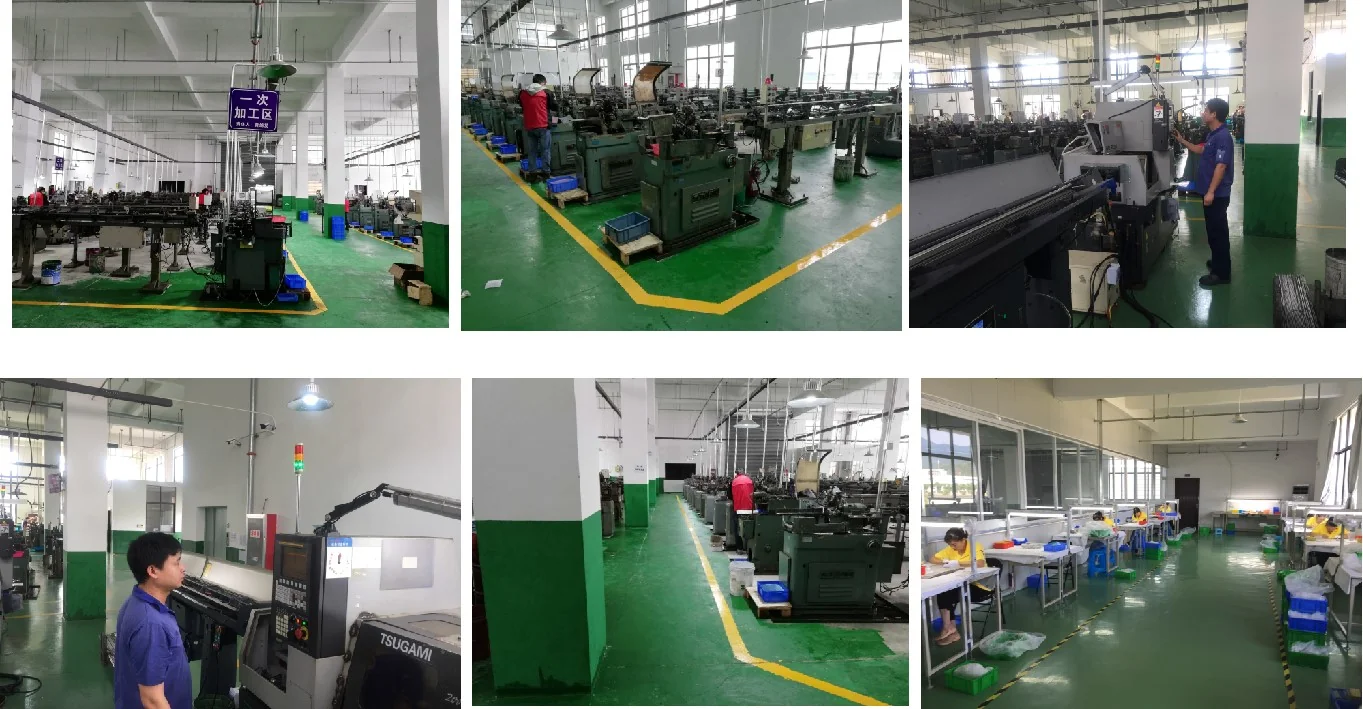
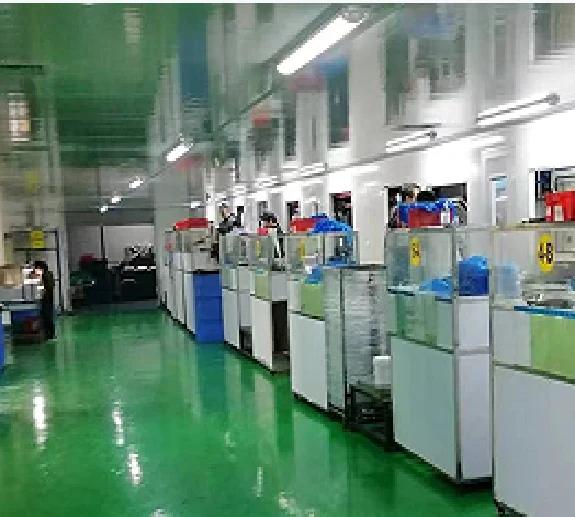
At Suzhou Baoshida Trading Co., Ltd., our engineering division is built on a foundation of technical precision and material science expertise, specifically tailored for industrial rubber solutions and high-performance polymer applications such as colored plexiglass rods. Our team comprises five dedicated mould engineers and two specialized rubber formula engineers, each with extensive experience in polymer behavior, thermal dynamics, and precision tooling. This multidisciplinary team ensures that every product we develop meets exacting standards for dimensional accuracy, mechanical performance, and environmental resistance.
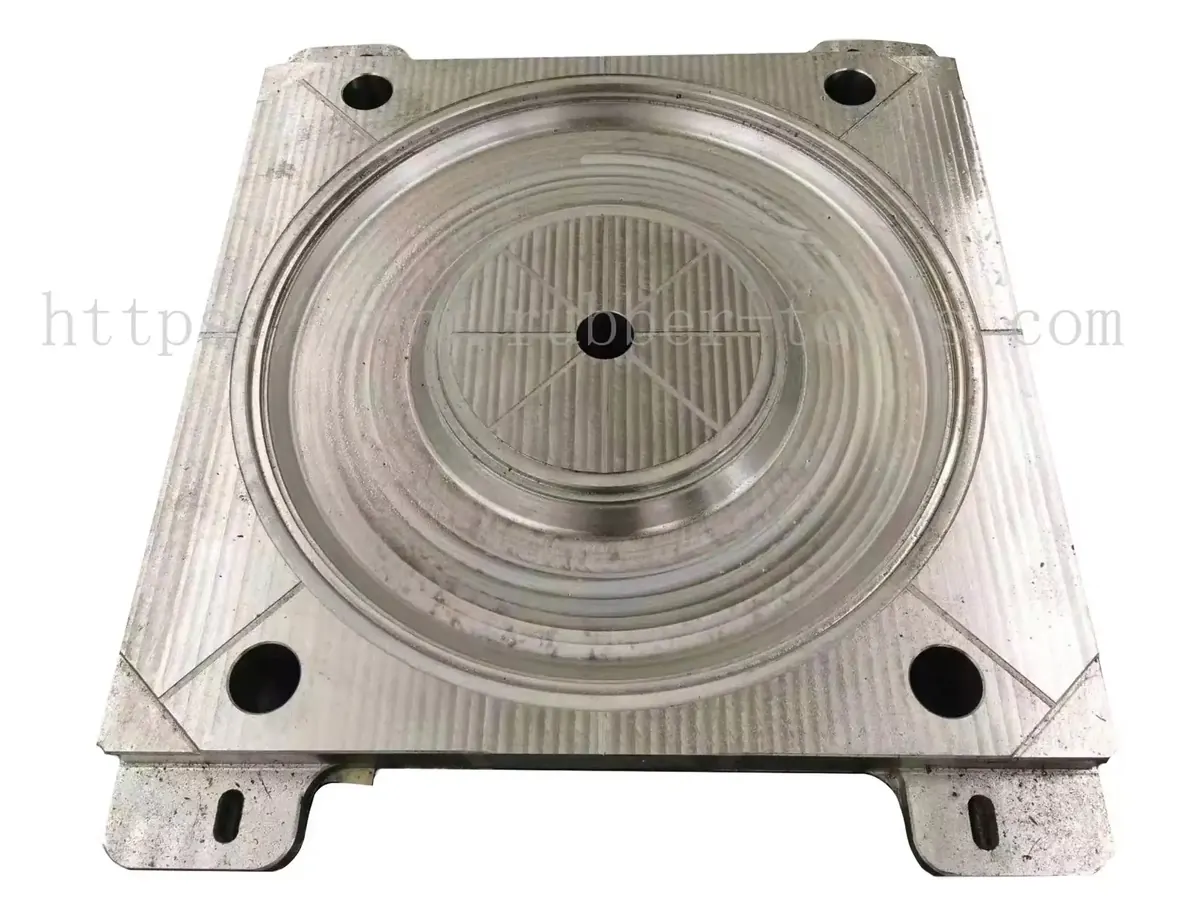
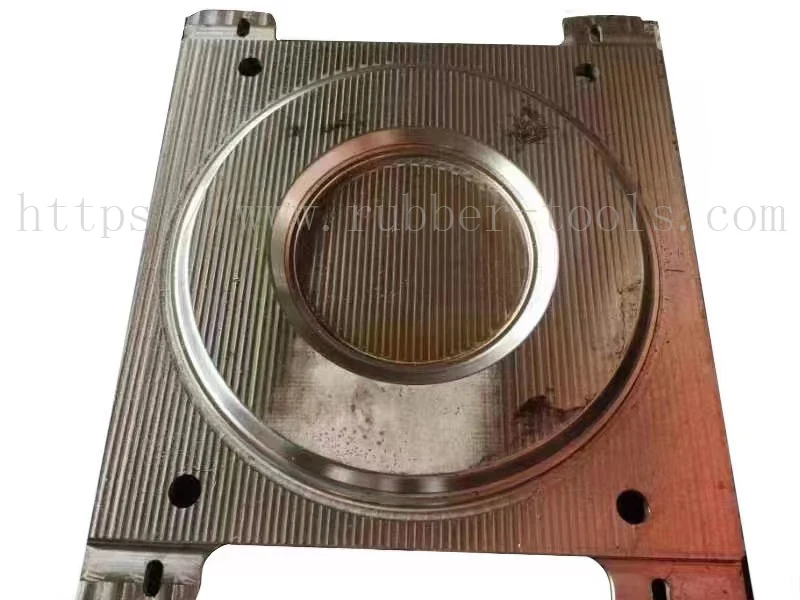
Our mould engineers focus on the design, simulation, and optimization of injection and extrusion tooling systems used in the production of colored plexiglass rods. Utilizing advanced CAD/CAM software and finite element analysis (FEA), they are capable of predicting material flow, shrinkage, and stress distribution to minimize defects and maximize production efficiency. Each mould is engineered for long service life, consistent replication, and tight tolerance control—critical for applications in automotive, electronics, and industrial design where optical clarity and structural integrity are paramount.
Complementing the mould design team, our two in-house rubber formula engineers bring deep expertise in polymer chemistry and compounding. While our primary focus is on industrial rubber, their knowledge extends to modifying and optimizing acrylic (PMMA) formulations used in plexiglass rod manufacturing. They work closely with raw material suppliers to fine-tune additives such as UV stabilizers, impact modifiers, and pigments, ensuring that the final product maintains vibrant color consistency, long-term weatherability, and resistance to yellowing under prolonged exposure. This cross-material proficiency allows us to innovate at the interface of rubber and rigid polymers, offering integrated solutions for complex OEM assemblies.
Suzhou Baoshida Trading Co., Ltd. operates as a full-service OEM partner, providing end-to-end development from concept to mass production. Our OEM capabilities include custom formulation, tooling design, prototype validation, and scalable manufacturing under ISO 9001-certified processes. We support low-volume specialty runs as well as high-volume continuous extrusion, with strict quality control at every stage.
The following table outlines key technical parameters for our standard colored plexiglass rod offerings:
| Property | Specification |
|---|---|
| Material | PMMA (Polymethyl methacrylate) |
| Diameter Range | 3 mm – 100 mm |
| Length | Up to 6,000 mm (customizable) |
| Tolerance | ±0.05 mm (precision grade) |
| Color Options | Custom Pantone matching, translucent/opaque |
| UV Resistance | Enhanced with stabilizers (QUV tested) |
| Optical Clarity | >90% light transmission |
| Operating Temperature | -40°C to +80°C |
| Compliance | RoHS, REACH |
Through the integration of advanced engineering, material science, and OEM flexibility, we deliver colored plexiglass rods that meet the rigorous demands of modern industrial applications.
Customization Process

Customization Process for Colored Rubber Extrusion Profiles
Suzhou Baoshida Trading Co., Ltd. specializes in precision-engineered colored rubber solutions, not plexiglass (acrylic) products. As an industrial rubber OEM, we clarify that our expertise lies in elastomeric compounds for seals, gaskets, and extruded profiles. The following process details our scientific approach to custom colored rubber rod manufacturing, adhering to OEM specifications.
Drawing Analysis
Initial technical review focuses on dimensional tolerances, surface finish requirements, and application-specific stress points. We validate cross-sectional geometry against rubber flow dynamics during extrusion, ensuring cavity fill integrity. Critical parameters include durometer variance allowances (±3 Shore A), concentricity tolerances (±0.1mm), and color consistency thresholds (ΔE < 1.5 per ASTM D2244). Non-conformance risks—such as flash formation or pigment migration—are flagged using CAD-based simulation tools prior to formulation.
Formulation
Our rubber chemists develop proprietary compounds using EPDM, NBR, or silicone bases tailored to environmental demands. Color integration requires precise pigment dispersion to avoid batch variation; masterbatches are compounded at 1–5 phr loading via two-roll mills under controlled temperature (60–80°C) to prevent premature vulcanization. Additives include UV stabilizers for outdoor exposure and heat-resistant accelerators for high-temperature stability. Each formulation undergoes Mooney viscosity testing (ASTM D1646) to ensure extrusion consistency, with Shore A hardness calibrated to ±2 points across 20–90 ranges.
Prototyping
Three iterative prototype batches validate performance. Extrusion occurs on precision screw dies (L/D ratio 12:1) with real-time laser micrometry monitoring. Samples undergo rigorous validation:
Tensile strength and elongation (ASTM D412)
Compression set at 70°C for 24h (ASTM D395)
Colorfastness under xenon-arc weathering (ISO 4892)
Dimensional stability via CMM inspection
Client feedback triggers compound or process adjustments, with final approval requiring zero deviations from critical-to-quality (CTQ) metrics.
Mass Production
Approved formulations transition to ISO 9001-certified production lines. Continuous inline monitoring tracks extrusion speed (±0.5m/min), cure temperature (±2°C), and color spectrophotometry (every 30 minutes). Each batch includes traceable material certificates, with full lot testing for hardness, tensile properties, and color deviation. Final rods are segmented to ±0.3mm length tolerance, packaged in anti-static containers, and shipped with CoA documentation.
Standard Rubber Compound Specifications
| Material ID | Base Polymer | Hardness Range (Shore A) | Color Options | Temp Range (°C) |
|————-|————–|————————–|—————|—————–|
| BD-EPDM-CR7 | EPDM | 50–80 | Pantone RAL | -50 to +150 |
| BD-NBR-VC3 | NBR | 40–70 | Custom CMYK | -30 to +120 |
| BD-SIL-GL2 | Silicone | 30–60 | Metallic | -60 to +230 |
This end-to-end process ensures colored rubber profiles meet exacting industrial demands, leveraging Suzhou Baoshida’s 15-year expertise in elastomer science and OEM partnership rigor. All deliverables comply with ISO 3302-1 dimensional standards and REACH/ROHS regulatory frameworks.
Contact Engineering Team

For industrial manufacturers and engineering partners seeking precision-engineered polymer components, Suzhou Baoshida Trading Co., Ltd. stands at the forefront of advanced material solutions. While our core expertise lies in industrial rubber formulations and elastomer-based technologies, we extend our technical capabilities to complementary high-performance materials, including colored plexiglass rods (polymethyl methacrylate, or PMMA), engineered for optical clarity, UV resistance, and dimensional stability in demanding environments. These rods are ideal for applications in instrumentation, protective enclosures, architectural detailing, and specialized machinery components where both aesthetic consistency and mechanical reliability are critical.
Our colored plexiglass rods are manufactured under tightly controlled conditions to ensure uniform pigment dispersion, minimal internal stress, and excellent machinability. Each batch undergoes rigorous quality verification, including optical transmission testing, thermal deflection analysis, and impact resistance evaluation. We offer a comprehensive range of standard diameters and lengths, with custom sizing and color matching available upon request to meet OEM specifications. Whether you require rods for light-guiding systems, display integration, or industrial design elements, our team ensures material performance aligns precisely with your functional and regulatory requirements.
Suzhou Baoshida Trading Co., Ltd. operates as a strategic extension of your R&D and procurement teams, providing not only high-quality materials but also technical consultation on material selection, environmental compatibility, and long-term durability. Our integration within the broader industrial rubber and polymer supply chain enables us to deliver holistic solutions—where elastomeric seals, damping components, and rigid transparent polymers function in engineered synergy.
To ensure seamless collaboration, we invite direct engagement with our technical OEM manager, Mr. Boyce. With extensive experience in polymer science and industrial supply chain optimization, Mr. Boyce serves as the primary liaison for technical inquiries, sample requests, and custom formulation development. He is available to discuss your project requirements, provide material data sheets, and coordinate rapid prototyping or bulk supply logistics tailored to your production timelines.
Below are the standard technical specifications for our colored plexiglass rods:
| Property | Value / Range |
|---|---|
| Material | PMMA (Polymethyl Methacrylate) |
| Diameter Range | 3 mm – 150 mm |
| Length Range | 300 mm – 3000 mm |
| Color Options | Custom Pantone matching available |
| Light Transmission | 90–92% (clear variants) |
| Refractive Index | 1.49 |
| Heat Deflection Temperature | 95°C at 1.82 MPa |
| Tensile Strength | 70–75 MPa |
| Impact Strength (Izod) | 14–18 J/m |
| Surface Finish | Polished, optically clear |
For technical collaboration, project consultation, or to initiate a material qualification process, contact Mr. Boyce directly at [email protected]. Include your application details, performance requirements, and preferred contact method to ensure a prompt and technically accurate response. Suzhou Baoshida Trading Co., Ltd. is committed to precision, reliability, and engineering excellence in every material solution we deliver.
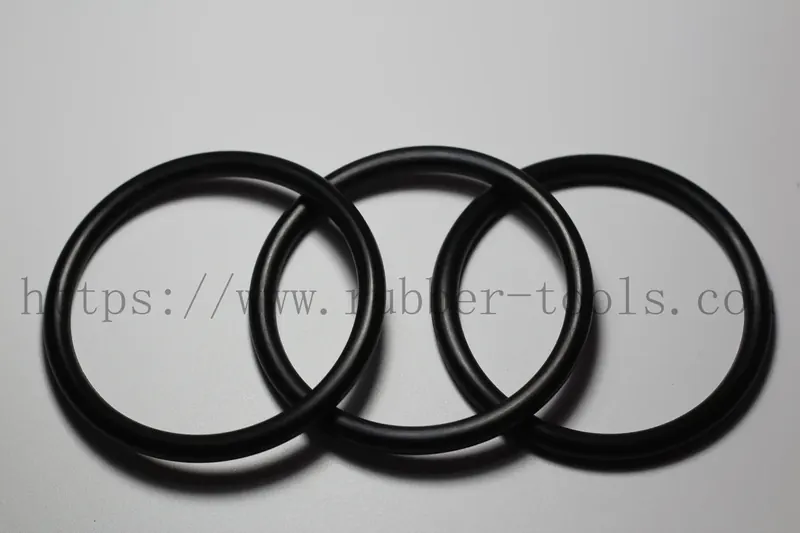
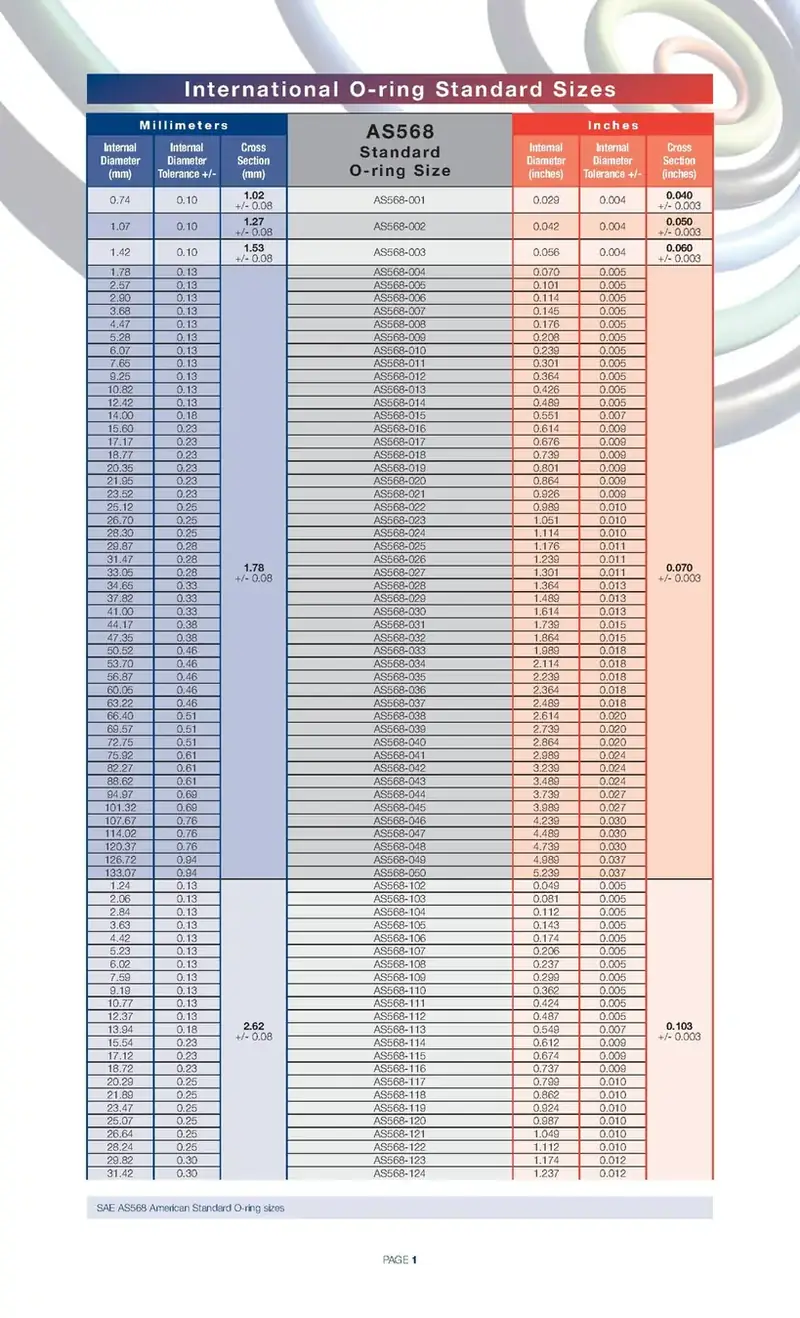
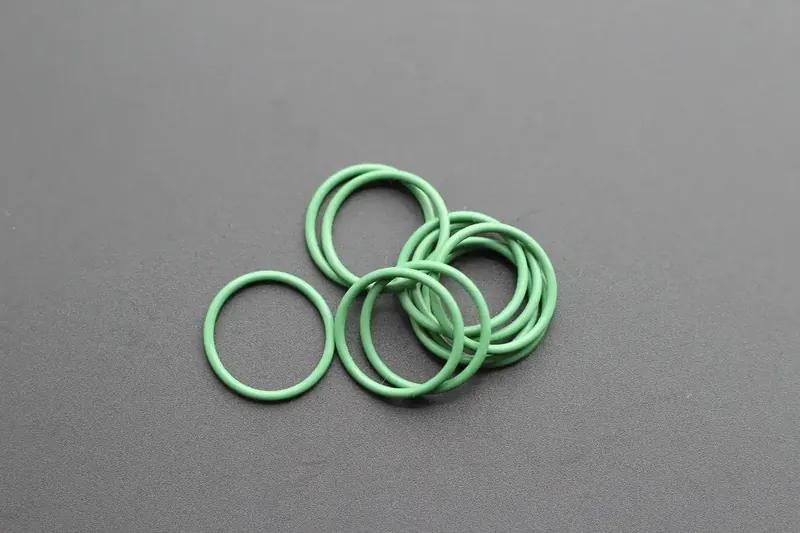
⚖️ O-Ring Weight Calculator
Estimate rubber O-ring weight (Approx).