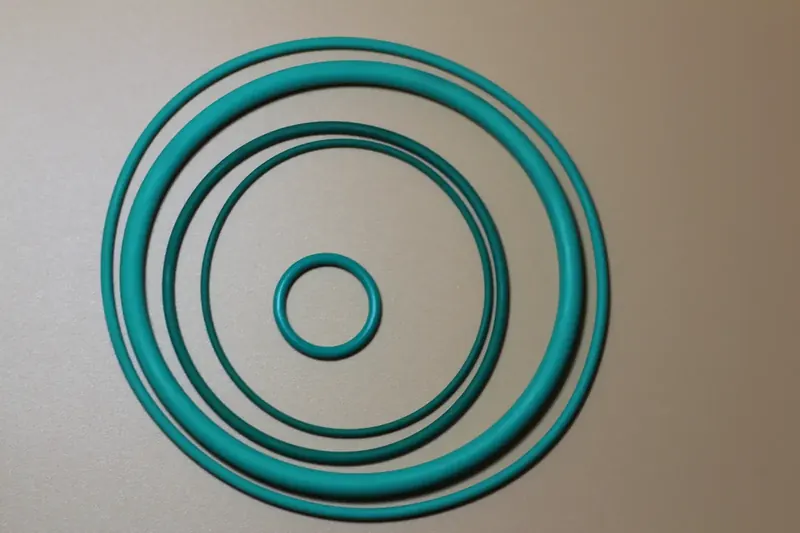
Umbrella Seal Manufacturer | Engineering Guide

Engineering Guide: Umbrella Seal

umbrella seal manufacturing

Engineering Insight: The Critical Role of Material Selection in Umbrella Seals

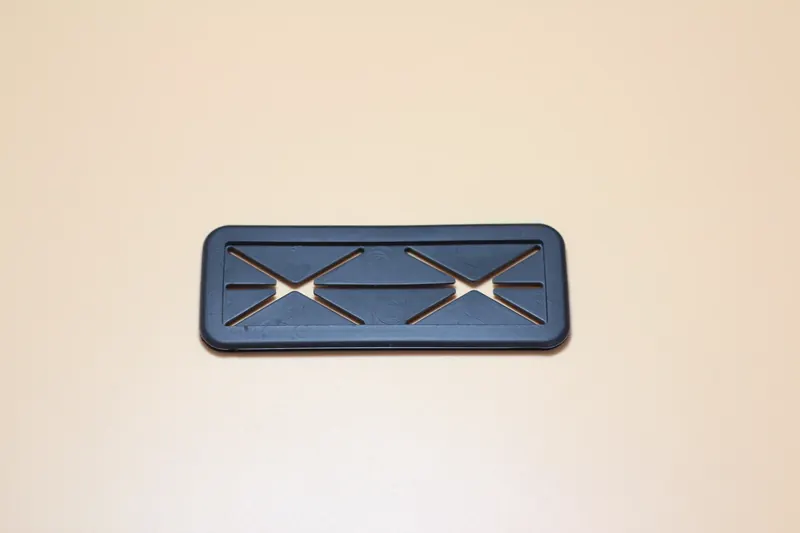
In precision rubber sealing applications, the umbrella seal stands as a specialized solution designed to protect sensitive components from contamination, moisture, and particulate ingress. While its simple geometry may suggest a generic function, the operational demands placed on an umbrella seal—especially in dynamic environments—require a highly engineered approach to material selection. Off-the-shelf solutions often fail precisely because they overlook the nuanced interplay between chemical resistance, temperature stability, mechanical resilience, and application-specific stress factors.

Standard elastomers such as generic NBR or low-grade silicone may appear cost-effective initially, but they frequently degrade under exposure to industrial lubricants, ozone, or thermal cycling. For instance, in automotive transmission systems or industrial gearboxes, umbrella seals are exposed to hot oils and continuous shaft movement. A material with poor oil swell resistance will expand uncontrollably, leading to seal extrusion or loss of lip contact. Conversely, excessive hardness can reduce flexibility, compromising the seal’s ability to maintain consistent contact with the shaft.

At Suzhou Baoshida Trading Co., Ltd., we emphasize application-driven elastomer engineering. Our umbrella seals are formulated using high-purity compounds such as hydrogenated nitrile (HNBR), fluorocarbon (FKM), or ethylene propylene diene monomer (EPDM), selected based on comprehensive environmental profiling. HNBR, for example, offers superior mechanical strength and thermal stability up to 150°C, making it ideal for high-performance automotive and aerospace applications. FKM provides exceptional resistance to aggressive chemicals and high temperatures, often exceeding 200°C, suitable for refinery or chemical processing equipment.

Material failure in umbrella seals is rarely due to a single factor. It is the cumulative effect of compression set, dynamic friction, and long-term aging that determines service life. A seal that performs well in initial testing may fail prematurely in the field if the base polymer lacks resistance to compression set. This is particularly critical in static sealing zones of the umbrella seal where sustained deformation leads to leakage paths over time.

Below is a comparative overview of common elastomers used in precision umbrella seals:

Material Temperature Range (°C) Hardness (Shore A) Key Advantages Common Applications
NBR -30 to +100 60–90 Good oil resistance, cost-effective General industrial, hydraulics
HNBR -40 to +150 70–90 High tensile strength, excellent oil and heat resistance Automotive, aerospace
FKM -20 to +200+ 60–90 Outstanding chemical and thermal resistance Chemical, oil & gas
EPDM -50 to +150 50–80 Excellent ozone and weather resistance Water handling, HVAC

Custom formulation ensures optimal performance. We recommend against one-size-fits-all approaches. Each umbrella seal must be evaluated within its operational ecosystem—considering media exposure, cycle frequency, and environmental stressors. At Baoshida, our OEM support includes material testing, prototyping, and lifecycle validation to prevent field failures and ensure long-term reliability.


Material Specifications

umbrella seal manufacturing

Material Specifications for Precision Umbrella Seals

Umbrella seals demand exacting material properties to ensure reliable dynamic sealing under variable pressure, temperature, and chemical exposure. At Suzhou Baoshida Trading Co., Ltd., we engineer compounds to meet OEM-specific performance thresholds, prioritizing longevity and leak integrity. Material selection directly impacts service life in automotive, aerospace, and industrial fluid systems. Below we detail critical specifications for Viton, Nitrile, and Silicone elastomers, validated per ASTM D2000 and ISO 3601 standards.

Viton (FKM) fluorocarbon rubber delivers exceptional resistance to high temperatures, aggressive fuels, and synthetic lubricants. Our precision-formulated Viton compounds maintain stability from -20°C to +230°C continuous service, with short-term peaks at 260°C. They excel in aerospace fuel systems and turbocharger applications where exposure to jet fuels, hydraulic fluids, and engine oils occurs. Compression set remains below 25% after 70 hours at 200°C, ensuring sustained sealing force. However, Viton exhibits limited flexibility below -15°C and higher material costs versus hydrocarbon-based elastomers.

Nitrile (NBR) butadiene-acrylonitrile rubber provides optimal cost-performance balance for hydraulic and pneumatic systems. Our high-acrylonitrile grades (48% ACN) withstand temperatures from -40°C to +120°C, with short-term excursions to 150°C. NBR demonstrates superior resistance to mineral oils, aliphatic hydrocarbons, and water-based fluids, making it ideal for automotive transmission seals and industrial hydraulic cylinders. Typical hardness ranges from 70 to 90 Shore A, with tensile strength exceeding 20 MPa. Avoid NBR in ozone-rich or phosphate-ester fluid environments due to rapid degradation.

Silicone (VMQ) offers unmatched low-temperature flexibility and biocompatibility but requires careful application vetting. Our platinum-cured silicone compounds operate reliably from -60°C to +200°C, with brief exposure up to 230°C. They resist oxidation, UV radiation, and steam—critical for outdoor equipment and medical device seals. Hardness typically spans 40–80 Shore A, though tear strength is lower than Viton or NBR. Silicone swells significantly in non-polar solvents (e.g., gasoline, ketones) and lacks abrasion resistance; thus, it is unsuitable for dynamic oil seals but ideal for weatherproofing and food-grade applications.

Material performance must align with OEM operational parameters. Below is a comparative technical summary for rapid evaluation:

Material Temperature Range (°C) Key Chemical Resistances Typical Hardness (Shore A) Critical Limitations
Viton (FKM) -20 to +230 (260 peak) Jet fuels, synthetic oils, acids, halogens 70–90 Poor low-temp flexibility; high cost
Nitrile (NBR) -40 to +120 (150 peak) Mineral oils, water, aliphatic hydrocarbons 70–90 Fails in ozone, glycols, ketones
Silicone (VMQ) -60 to +200 (230 peak) Ozone, UV, steam, water 40–80 Swells in fuels; low abrasion resistance

Suzhou Baoshida Trading Co., Ltd. rigorously tests all compounds per OEM-specified duty cycles. We recommend Viton for extreme-temperature chemical exposure, Nitrile for cost-sensitive oil/hydraulic systems, and Silicone for cryogenic or medical applications. Material validation data sheets and custom formulation support are available upon technical inquiry.


Manufacturing Capabilities

umbrella seal manufacturing

Engineering Capability

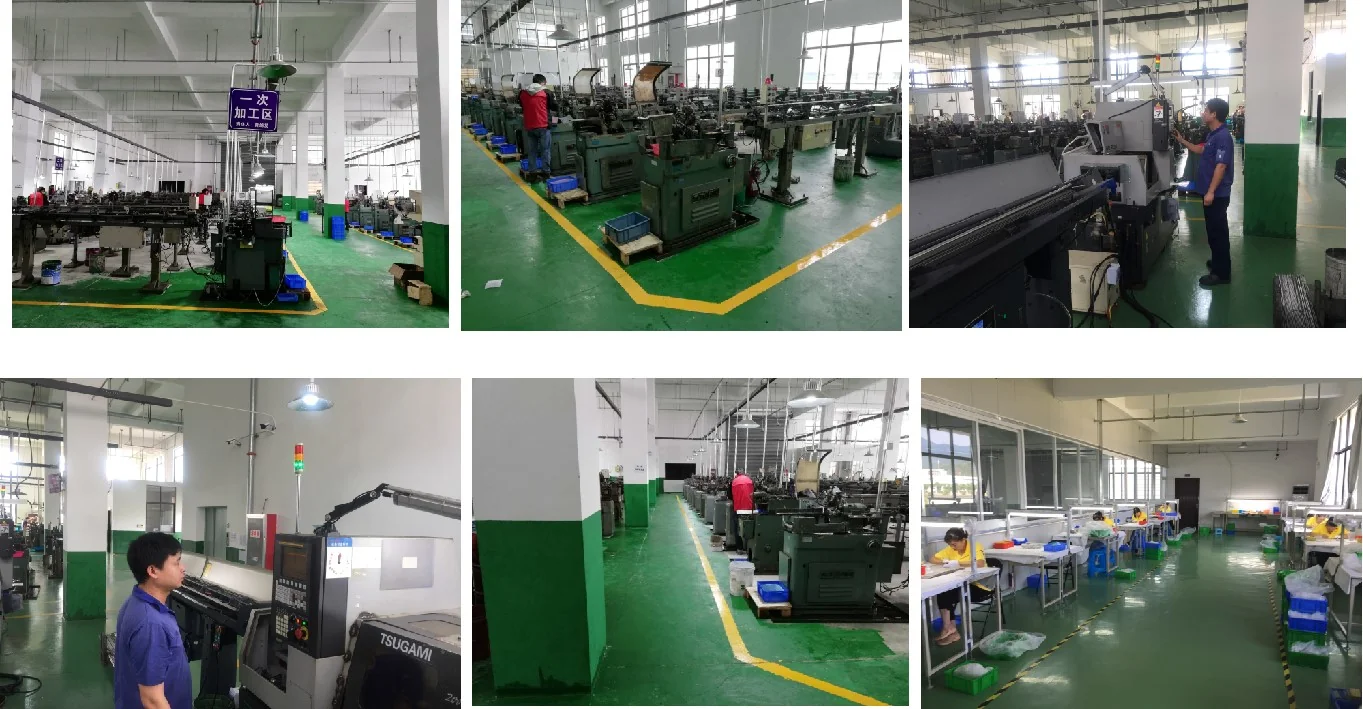
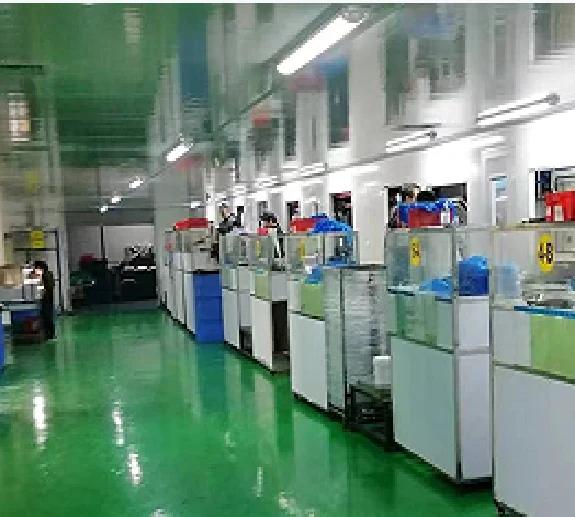
At Suzhou Baoshida Trading Co., Ltd., our engineering capability in precision rubber seals is anchored in deep technical expertise and a rigorous OEM development process. We maintain a dedicated team of five certified mould engineers and two specialized rubber formula engineers, enabling full in-house control from concept to production. This integrated engineering structure ensures seamless coordination between material science and tooling design—critical for achieving the dimensional accuracy, sealing performance, and longevity required in demanding industrial applications such as the umbrella seal.

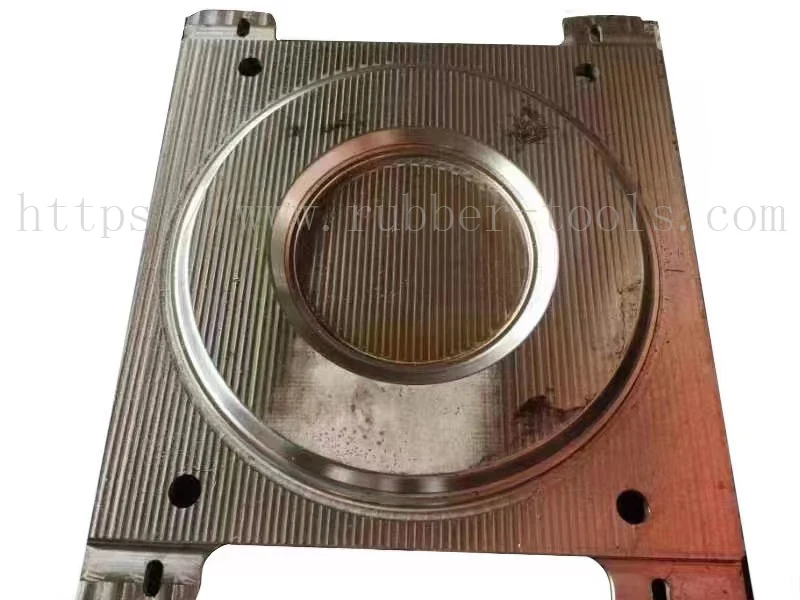
Our mould engineers possess extensive experience in precision rubber-to-metal bonding, multi-cavity mould design, and tolerance optimization for complex geometries. Each seal design undergoes finite element analysis (FEA) simulations to predict compression set, stress distribution, and deformation under operational loads. This proactive approach minimizes prototyping cycles and accelerates time-to-market. Mould flow analysis is routinely performed to optimize gate placement, venting, and curing uniformity, ensuring consistent part quality across high-volume production runs.

Complementing our tooling strength is our in-house rubber compounding laboratory, led by two senior formula engineers with over 15 combined years in elastomer development. We formulate custom rubber compounds tailored to specific performance criteria, including resistance to temperature extremes (-50°C to +200°C), ozone, UV exposure, and chemical environments. Our formulation process leverages advanced rheometry, tensile testing, and aging studies to validate compound stability and sealing integrity. For umbrella seals used in automotive or aerospace applications, we develop EPDM, FKM, and silicone-based formulations that meet OEM-specific ASTM and ISO standards.

Our OEM capabilities are structured to support co-engineering partnerships. We accept technical drawings, 3D CAD models (IGES, STEP), and performance specifications to initiate collaborative design reviews. Prototypes are delivered within 15–20 days from design freeze, using rapid tooling or production-intent steel moulds depending on client requirements. All prototypes undergo dimensional inspection via CMM and functional validation in simulated operating conditions.

We maintain ISO 9001-certified processes with full traceability in material batches, tooling revisions, and process parameters. Our facility supports annual production volumes from 10,000 to over 2 million units per part number, with automated demoulding and inline visual inspection systems to ensure consistency.

The following table summarizes key engineering and production specifications for our umbrella seal manufacturing:

Parameter Capability
Material Types EPDM, NBR, FKM, Silicone, ACM, CR
Hardness Range (Shore A) 40–90
Dimensional Tolerance ±0.1 mm (critical features)
Operating Temperature Range -50°C to +200°C (material-dependent)
Mould Development Lead Time 25–35 days
Prototype Delivery 15–20 days
Production Cycle Time 60–180 seconds (per cavity)
Annual Production Capacity Up to 2.5 million units per SKU
Testing Capabilities Compression Set, Tensile, Aging, Leak Testing

Through the synergy of advanced tooling, scientific formulation, and OEM-focused development workflows, Suzhou Baoshida delivers umbrella seals that meet the highest standards of reliability and performance.


Customization Process

umbrella seal manufacturing

Umbrella Seal Customization: Precision Engineering Workflow

At Suzhou Baoshida Trading Co., Ltd., our umbrella seal customization adheres to rigorous industrial protocols to ensure optimal performance in dynamic sealing applications. This process eliminates design ambiguities and material mismatches through systematic engineering validation. We initiate with comprehensive Drawing Analysis, where our engineering team dissects client-provided CAD models and GD&T specifications. Critical parameters—including lip geometry, interference fit tolerances (±0.05 mm), and surface finish requirements (Ra ≤ 0.8 µm)—are cross-referenced against operational conditions such as fluid media, pressure cycles, and rotational speeds. Finite element analysis (FEA) simulates stress distribution under deflection, identifying potential failure points like lip roll or extrusion gaps before physical prototyping.

Material Formulation follows, driven by application-specific demands. Our rubber chemists select base polymers—NBR for oil resistance, FKM for high-temperature stability, or HNBR for abrasion-critical environments—then optimize cure systems and fillers. For instance, silica reinforcement may be added to enhance tear strength in low-temperature scenarios (-40°C), while peroxide curing ensures minimal compression set in steam-exposed seals. Each compound undergoes iterative lab mixing and Mooney viscosity testing to achieve target flow properties for injection molding.

Prototyping validates both design and material. We produce 5–10 sample seals using production-intent tooling, then subject them to accelerated life testing: 10,000+ dynamic cycles under simulated operational loads, leakage rate measurement (≤ 0.1 ml/min at 0.5 MPa), and post-test dimensional inspection. Critical deviations trigger immediate reformulation or geometry adjustments—never compromise on validation thresholds. Only when all metrics align with ASTM D2000 and OEM specifications do we approve the prototype.

Mass Production leverages our ISO 13485-certified facility with real-time statistical process control (SPC). Every batch undergoes 100% visual inspection via automated optical systems and random sampling for physical property verification. Mold cavities are monitored for wear using laser micrometry, ensuring dimensional drift remains within ±0.03 mm. Final shipment includes full material traceability (including raw material lot numbers) and test reports compliant with IATF 16949. This closed-loop methodology guarantees seals that sustain integrity across 500,000+ cycles in demanding automotive or industrial systems.

Critical Umbrella Seal Material Specifications

Parameter Standard Range (NBR) Standard Range (FKM) Test Standard
Hardness (Shore A) 70 ± 5 75 ± 5 ASTM D2240
Temperature Range (°C) -40 to +120 -20 to +230 ISO 188
Compression Set (70h/100°C) ≤ 25% ≤ 20% ASTM D395
Tensile Strength (MPa) ≥ 15.0 ≥ 12.0 ASTM D412

Note: Ranges are typical; exact values customized per OEM fluid exposure and duty cycle requirements. All compounds meet REACH/ROHS compliance.


Contact Engineering Team

umbrella seal manufacturing

Contact Suzhou Baoshida for Precision Umbrella Seal Solutions

For engineering teams and procurement managers sourcing high-performance rubber seals, Suzhou Baoshida Trading Co., Ltd. stands as a trusted partner in the design, formulation, and manufacturing of precision-critical components. Our expertise in elastomer science and industrial sealing applications positions us at the forefront of delivering reliable, application-specific solutions—particularly in demanding environments where fluid integrity, contamination control, and mechanical stability are non-negotiable. The umbrella seal, a critical component in hydraulic actuators, pneumatic cylinders, and rotary shaft systems, demands exacting material selection, dimensional accuracy, and dynamic performance under variable pressure and temperature conditions. At Suzhou Baoshida, we engineer each umbrella seal to meet these challenges head-on, leveraging advanced compounding techniques and rigorous quality control protocols.

Our engineering team specializes in customizing rubber formulations to match your operational requirements, whether you need resistance to hydraulic fluids, extreme temperatures, or abrasive particulates. We work with a range of elastomers including Nitrile (NBR), Fluorocarbon (FKM/Viton®), Ethylene Propylene Diene Monomer (EPDM), and Silicone (VMQ), ensuring compatibility with your system’s chemical and thermal profile. Each umbrella seal is manufactured using precision molding technology, with tight tolerances consistently maintained to ±0.05 mm. Post-molding inspection includes dimensional verification, hardness testing (Shore A), and visual defect screening under ISO 3302-1 and ISO 2768 standards.

We understand that performance data and material traceability are essential for industrial validation. Below are the standard technical specifications for our most commonly requested umbrella seal configuration. Custom geometries, durometers, and material certifications (e.g., FDA, UL, ROHS) are available upon request.

Parameter Specification
Material Options NBR, FKM, EPDM, VMQ, ACM, HNBR
Hardness Range (Shore A) 50 to 90 ±5
Operating Temperature Range -40°C to +230°C (dependent on compound)
Standard Tolerance (ISO 3302) Class M2 (±0.05 mm for critical dimensions)
Fluid Resistance Hydraulic oils, water-glycol, brake fluids, fuels, silicone oils
Compression Set (ASTM D395) ≤20% at 70°C for 22 hours
Tensile Strength (ASTM D412) ≥10 MPa (NBR, 70 Shore A typical)
Elongation at Break ≥250%
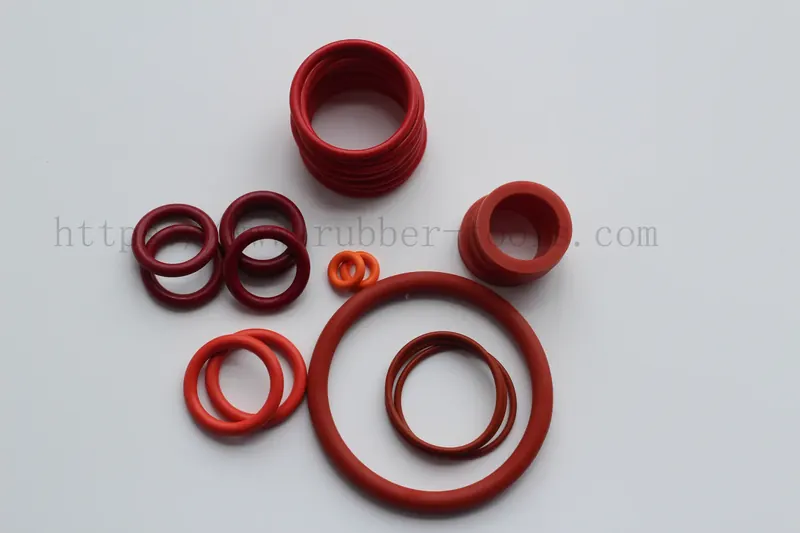
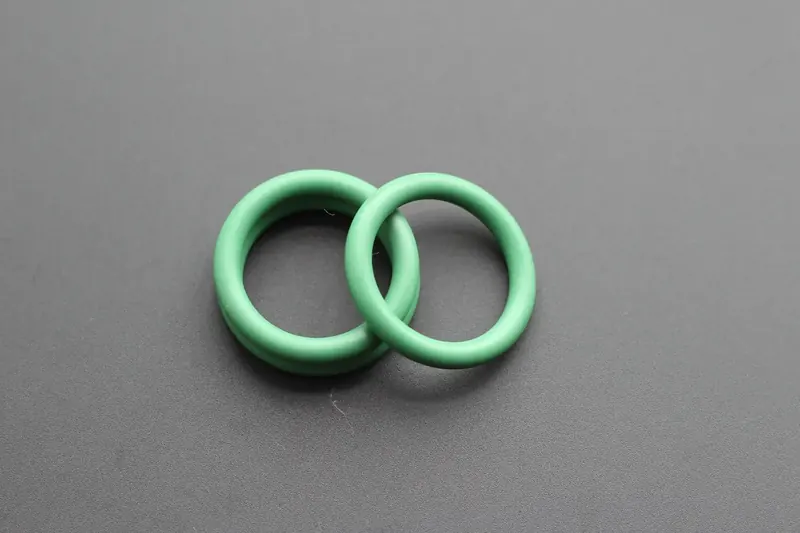
Available Colors Black, red, green, blue (custom on request)
Packaging Vacuum-sealed polybags, anti-corrosion paper, master cartons

To initiate a technical consultation or request a formal quotation, please contact Mr. Boyce, OEM Manager and Lead Rubber Formulation Engineer, directly at [email protected]. Mr. Boyce brings over 12 years of experience in industrial seal development and has led material optimization projects for clients in aerospace, automation, and heavy machinery sectors. He will work closely with your engineering team to review application parameters, recommend material grades, and support prototyping and validation phases.

At Suzhou Baoshida, we do not merely supply components—we deliver engineered sealing performance backed by material science, process integrity, and responsive technical partnership. Reach out today to integrate precision into your next design cycle.


⚖️ O-Ring Weight Calculator

Estimate rubber O-ring weight (Approx).


Umbrella Seal Manufacturer | Engineering Guide

Contents of Table

Contact [email protected] Whatsapp 86 15951276160